
In today’s world, the dynamics of family life are shifting, and more often than not, grandparents are stepping into the role of primary caregivers for their grandchildren. This can happen for various reasons, including parental health issues, financial struggles, or unforeseen circumstances. While this shift can be challenging, it can bring unique rewards and opportunities for both generations.
Understanding the Shift
1. Reasons for the Transition: Various factors can lead to grandparents becoming caregivers. In some cases, parents may face addiction issues, mental health challenges, or other obstacles that prevent them from providing stable care. Additionally, economic factors, such as job loss or housing instability, can contribute to this situation.
2. Legal and Financial Implications: For many grandparents, taking on this role requires navigating legal systems, including custody arrangements or guardianship. Understanding the financial implications—such as increased expenses and potential benefits—can help in making informed decisions.
Challenges Faced by Grandparents
1. Emotional Strain: Transitioning into a parental role later in life can be emotionally taxing. Grandparents may experience feelings of loss or grief over the changes in their family structure, along with the stress of raising children again.
2. Generational Gaps: The differences in parenting styles and cultural shifts can pose challenges. What worked for them decades ago may not resonate with modern parenting practices, leading to misunderstandings and conflicts.

3. Health Considerations: Many grandparents are at a stage in life where they may have health concerns or mobility issues. Balancing self-care with the demands of caregiving can be a delicate tightrope.
The Positive Aspects
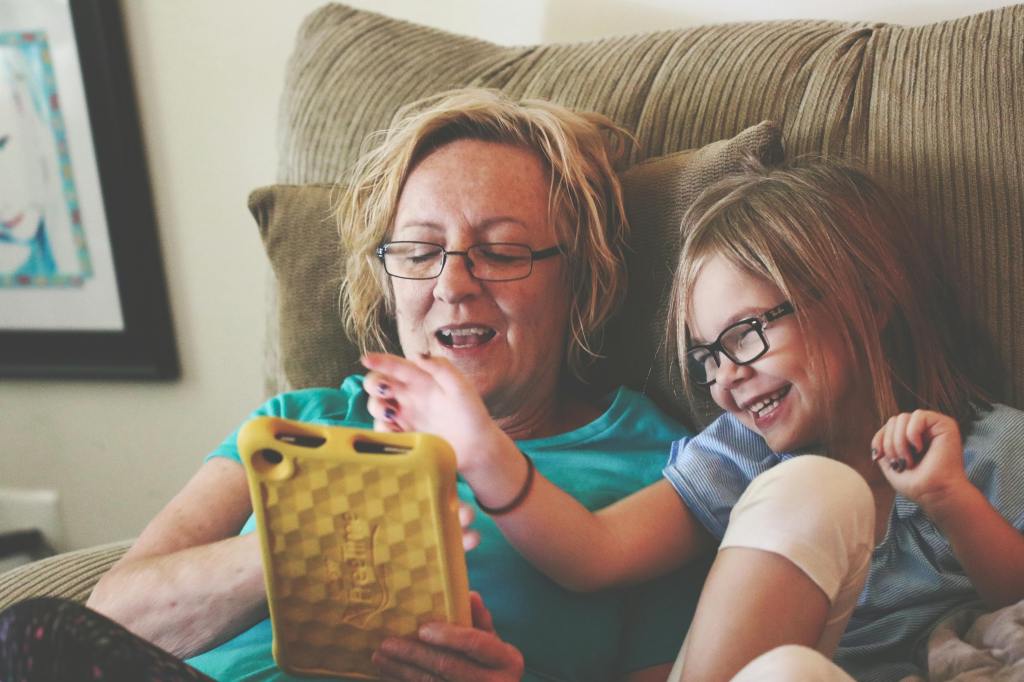
1. Building Stronger Bonds: This new dynamic can strengthen the relationship between grandparents and grandchildren. Time spent together can foster deeper connections and provide children with a sense of stability and love.
2. Sharing Wisdom: Grandparents often bring a wealth of life experience and knowledge. Their stories and insights can provide valuable lessons for grandchildren, enriching their understanding of family history and values.
3. Creating a Stable Environment: For many children, being raised by grandparents can provide a more stable and nurturing environment, especially in tumultuous times. This stability can be crucial for emotional and psychological development.
Tips for Grandparents Navigating Caregiving

1. Establish Boundaries: It’s important for grandparents to define their role and set boundaries with parents. Clear communication can help manage expectations and responsibilities.
2. Seek Support: Joining support groups or seeking counseling can help grandparents cope with the emotional and practical challenges they face. Connecting with others in similar situations can be a valuable source of strength.
3. Prioritize Self-Care: Grandparents must remember to take care of themselves. Regular exercise, hobbies, and social interactions are essential for maintaining physical and mental health.
4. Stay Informed: Educating themselves about child development and modern parenting techniques can help grandparents feel more equipped to handle the challenges of caregiving.
Conclusion
While the role of caregiver can be daunting for grandparents, it also offers an opportunity to make a profound impact on their grandchildren’s lives. By embracing this new chapter with resilience and love, grandparents can help nurture the next generation, creating a legacy that transcends challenges and fosters connection.
 Naty Matos