
Is your child “just energetic,” or is something deeper going on?
If you’re a parent navigating mixed messages about childhood ADHD, you’re not alone. Many families feel overwhelmed trying to separate normal developmental behavior from signs that need extra support. Between social media opinions, school feedback, and well-meaning advice, it’s easy to feel confused—or even guilty—for asking questions.
In this episode of Thrive by The Rising Muse, we take a compassionate, evidence-based look at ADHD in children. We cut through the myths and replace fear with clarity. We offer understanding and hope.
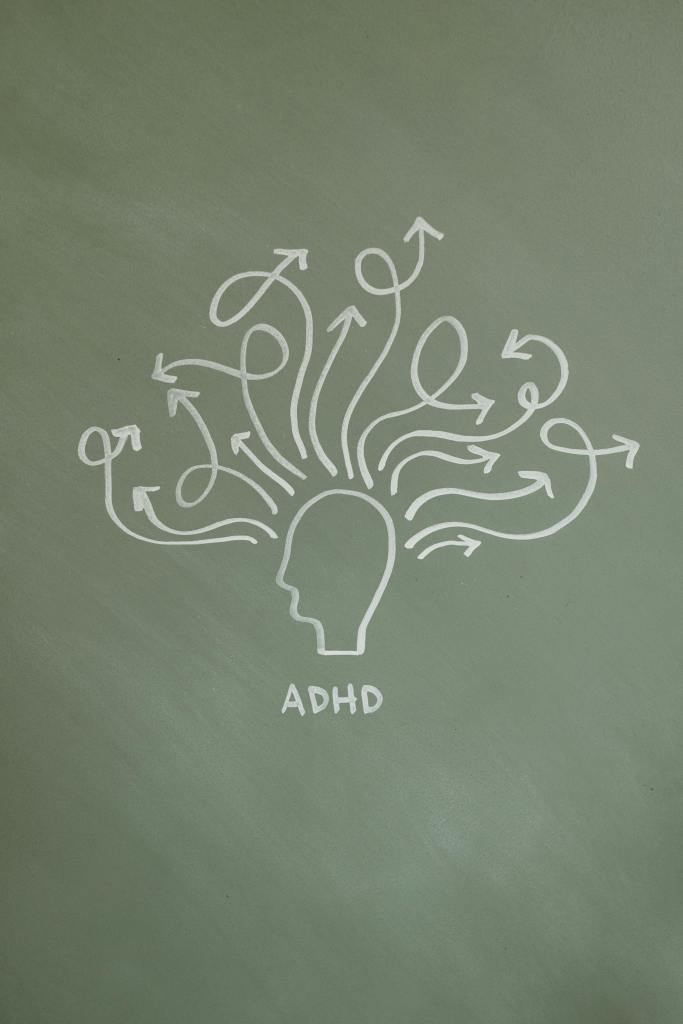
Why ADHD Is So Commonly Misunderstood
ADHD (Attention-Deficit/Hyperactivity Disorder) is often reduced to stereotypes: a child who “can’t sit still,” “doesn’t listen,” or is “too much.” But ADHD is a neurodevelopmental condition, not a character flaw or parenting failure.
In the episode, we unpack some of the most damaging myths parents face, including:
- “Kids with ADHD can’t learn or succeed.”
Truth: With the right support, children with ADHD are often creative, intelligent, and incredibly capable. - “ADHD is just hyperactivity or poor attention.”
Reality: ADHD also affects emotional regulation, impulse control, organization, and social relationships. - “It’s overdiagnosed—or just an excuse for bad behavior.”
Fact: ADHD is a well-researched condition that requires careful, professional evaluation. - “Kids with ADHD lack social skills.”
In truth, many children with ADHD are deeply empathetic but struggle with impulse control and reading social cues.
Recognizing Real Signs vs. Typical Childhood Behavior
Every child has moments of big emotions, short attention spans, or bursts of energy. What matters is pattern, persistence, and impact.
In the episode, we discuss common ADHD indicators such as:
- Ongoing difficulty following instructions
- Impulsivity that disrupts learning or relationships
- Emotional outbursts that feel sudden or intense
- Trouble with organization and task completion
- Social challenges tied to impulse control
We also explain how ADHD symptoms often affect individuals for six months or longer. These symptoms occur across multiple settings—home, school, and social environments.
What Parents Can Do When Concerns Arise
One of the most empowering parts of this conversation is helping parents move from worry to action—without panic.
You’ll hear practical guidance on:
- When to talk to your pediatrician
- What a comprehensive ADHD evaluation actually looks like
- Why medication is not the only option
- How behavioral therapy, school accommodations, and routine changes can make a real difference
- How collaboration with educators can support your child’s success
We also highlight how structure, movement, sleep, nutrition, and emotional awareness play a crucial role in managing ADHD symptoms.
More Than a Diagnosis: Supporting the Whole Child
This episode goes beyond labels. We look into the benefits of mindfulness. Emotional regulation tools play a critical role. Occupational therapy helps too. Social skills support can also assist children with ADHD to feel seen, capable, and confident.
ADHD isn’t just about attention. It’s about helping children understand their brains. It involves learning to regulate big feelings. It also means helping them thrive in a world that isn’t always designed for them.
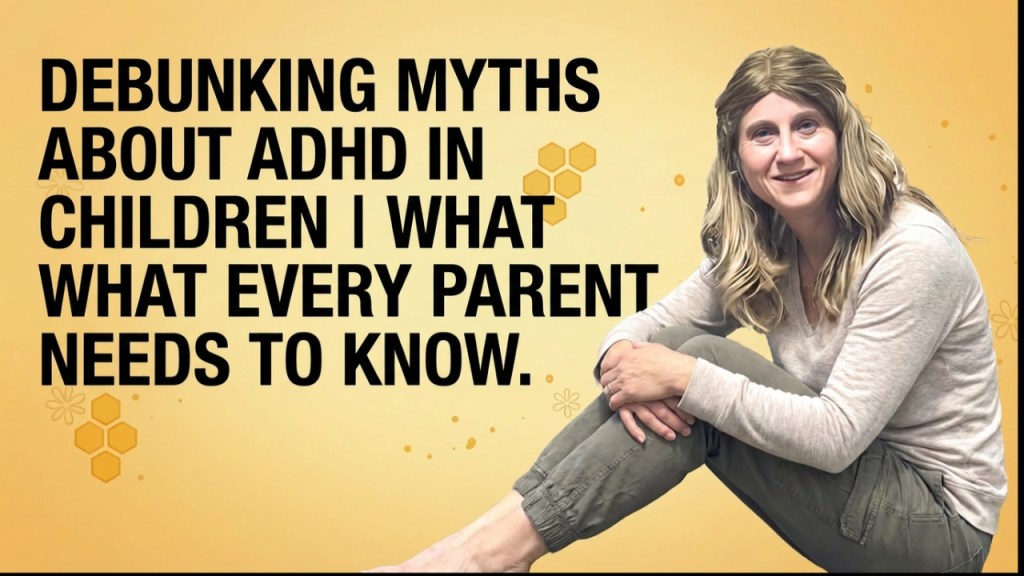
Dr. Tamar is a brilliant clinical psychologist. She is also a mom of three teens. Each of her children has ADHD. One of them is on the high-functioning autism spectrum. She has over 20 years of experience as an occupational therapist working with children with special needs. She became a clinical psychologist later in life. She earned her PhD online while raising her family and leaning into her faith.
She homeschooled her children, she’s deeply rooted in her Jewish spiritual journey, and she brings a wealth of both personal and professional insight into today’s topic: Childhood ADHD—what it looks like, what families can do, and how to walk this journey with compassion, patience, and empowerment
Why You’ll Want to Watch This Episode
Whether you’re a parent, caregiver, educator, or simply someone wanting to understand ADHD more deeply, this episode offers:
- Clear, compassionate explanations
- Clinician-informed insight
- Practical tools you can apply immediately
- Reassurance that you are not failing your child
✨ Knowledge replaces fear. Compassion replaces shame. And understanding opens the door to real support.
👉 Watch or listen to the full episode of Debunking Myths About ADHD in Children. Take the next step toward informed and empowered parenting.
You don’t have to navigate this alone—and your child doesn’t have to either.
 Naty Matos