Can prayer, fasting, and a powerful spiritual experience override clear biblical teaching?

When someone says, “We prayed about it, we fasted about it, and God gave us confirmation,” it can sound like the ultimate end to any debate. But in Part 2 of this Thrive conversation, the hosts tackle the crucial question underneath:

Does a personal revelation change what God has already said in Scripture—especially when spiritual leaders are involved?

Building on the foundation of Part 1, the hosts move from textual analysis to the real-world weight of spiritual discernment, leadership accountability, and personal experience.

Here is what is on the table in Part 2:

  • The Reciprocal Picture: Taking a closer look at 1 Corinthians 7, the hosts ask a fair question—if Old Testament polygamy is used to justify multiple wives, what about a woman having multiple husbands?
  • The Personal Cost: One host opens up about her own story of unknowingly being married to a man who was already married. Her honest reflection highlights the human side of the debate: broken trust, emotional pressure, and the hidden pain behind plural arrangements.
  • Fasting Over Disobedience: The hosts unpack why spiritual disciplines don’t automatically validate every decision, offering a powerful reminder: “Fasting over permission to disobey God does not turn disobedience into obedience.”
  • Leadership & Platform Stakes: Why qualifications for elders and overseers matter—and why holding a spiritual title demands greater biblical accountability, not less.

This isn’t about throwing hate at anyone or judging a person’s entire character from a single decision. It’s an honest, respectful call to spiritual maturity, discernment, and holding our personal desires up to the whole of Scripture.

If you’ve ever struggled to navigate the line between personal leadings and biblical truth, this conclusion is a must-watch.

[Click here to watch Part 2 now!]

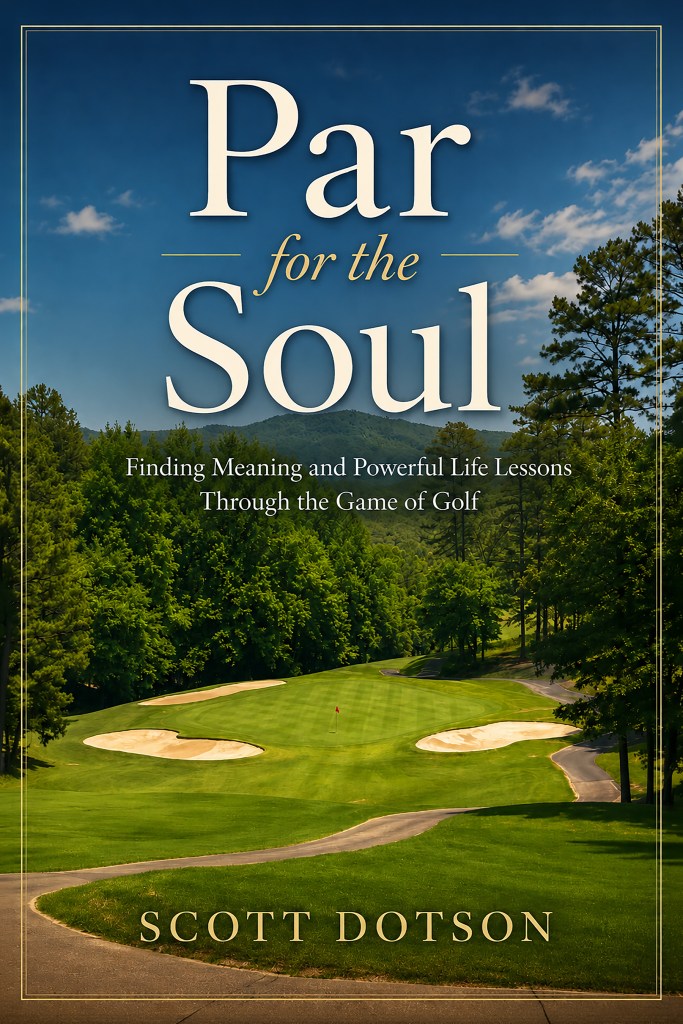
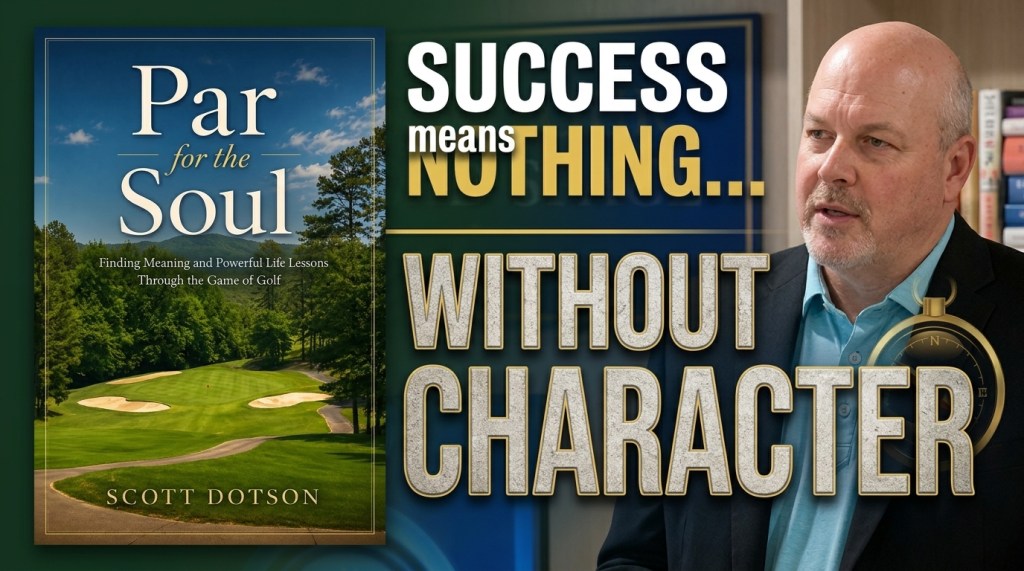
Par for the Soul: How Golf, Character, and the Power of Next Can Help You Thrive

Ever wondered how to bounce back after a loss, a career shift, or a life-altering setback? In the latest episode of Thrive by The Rising Muse, author Scott Dotson (Par for the Soul) breaks down how to move forward—one choice, one lesson, and one “next” at a time.

Whether you’re an athlete, an entrepreneur, or navigating a personal transition, Scott’s practical wisdom shows why success means nothing without character.

3 Key Takeaways From the Episode

1. The Power of “Next”

We often carry yesterday’s guilt, shame, and mistakes into today. Scott’s 5-step framework helps you break the cycle:

  1. Accept what happened.
  2. Own your role in it.
  3. Learn the lesson.
  4. Let it go.
  5. Focus on the next moment.

“If the shot is gone, let it go. If the day is done, learn from it—then move on to the next opportunity.”

2. The Golf Course as a Classroom for Life

You don’t need to play golf to get the point. For Scott, the course is simply a setting where patience, humility, and self-control are tested in real time. The same virtues needed on the green—resilience, accountability, and kindness—are the exact traits needed in your family, business, and daily decisions.

3. Who Are You When Nobody Is Watching?

Roles change—you can switch jobs, retire, or start over—but your character remains. Scott shares practical exercises to clarify your core values and “chip away” at everything in your life that doesn’t align with who you are called to be.

Ready to Own Your Headspace?

Watch the full interview to hear Scott’s personal story of resilience, how he reinvented himself after 40 years at State Farm, and how you can apply his 7-Day Character Challenge to your own life!

▶️ Watch the Full Episode Here

Resources Mentioned in This Episode

Loved this week’s episode insight? Help us unlock our next level of community care by subscribing to our YouTube channel today!

Sow a seed into this ministry to help us spread His light and transform lives—click here to join our mission today!


Relationship Counseling: How to Break Patterns, Improve Communication, and Heal Together

When you keep having the same argument over and over, it can start to feel like your relationship is broken. But most of the time, the fight isn’t actually about the dishes, money, or scheduling—it’s about patterns you learned long before you met your partner.

In a powerful conversation on Thrive, licensed marriage and family therapist Paul Allen Jr. shared a grounding truth: many couples aren’t struggling because they lack love, but because they never learned how to communicate in a way that builds emotional safety.

Whether you’re dating, married, or navigating family tension, here are the core takeaways from the conversation—and why you need to listen to the full episode.

1. Why the Same Fights Keep Coming Back

Many relationship conflicts are driven by old wounds and childhood expectations. If you grew up seeing avoidance, shut-downs, or explosive anger during conflict, those reactions can become your default “survival mechanism.”

In counseling, the goal is to stop treating disagreements like a courtroom where someone has to win, and start uncovering what each person is actually feeling underneath the argument.

Key takeaway: Conflict isn’t a sign your relationship is failing; managed properly, it’s an opportunity for growth.

2. Love Is a Choice, Not Just a Feeling

Real relationships require continuous decision-making. People evolve, life seasons change, and staying connected means choosing your partner daily—rather than holding them hostage to yesterday’s mistakes.

Paul dives deeper into this concept in his book, The Day My Wife Became a Housewife: And What It Taught Me About Being a Partner — A Therapist’s Guide to Showing Up, Growing Up, and Loving Effectively. He highlights how true partnership requires unlearning selfish habits, shedding unrealistic expectations, and stepping up with active accountability.

3. Breaking Generational Patterns & Prioritizing Mental Health

Healing often requires looking at the source of your habits. From breaking family cycles to navigating mental health without shame, Paul tackles the tough topics—including how faith and therapy can work hand-in-hand rather than against each other.

If you’ve ever been told to “just pray about it” when dealing with deep relational or mental health struggles, this episode offers a refreshing, practical, and compassionate perspective.

Frequently Asked Questions

When should a couple consider counseling?

When you feel stuck in the same recurring arguments, feel emotionally disconnected, or want guidance navigating a major life shift.

Can faith and therapy work together?

Absolutely. Faith provides spiritual grounding, while therapy supplies practical tools, psychological insight, and structural support for real healing.

Ready to Stop Repeating the Same Arguments?

Don’t settle for returning to unhealthy dynamics. Learn how to move forward together in a healthier, stronger way.

🎧 Listen to the Full Episode of Thrive with Paul Allen Jr. Now!

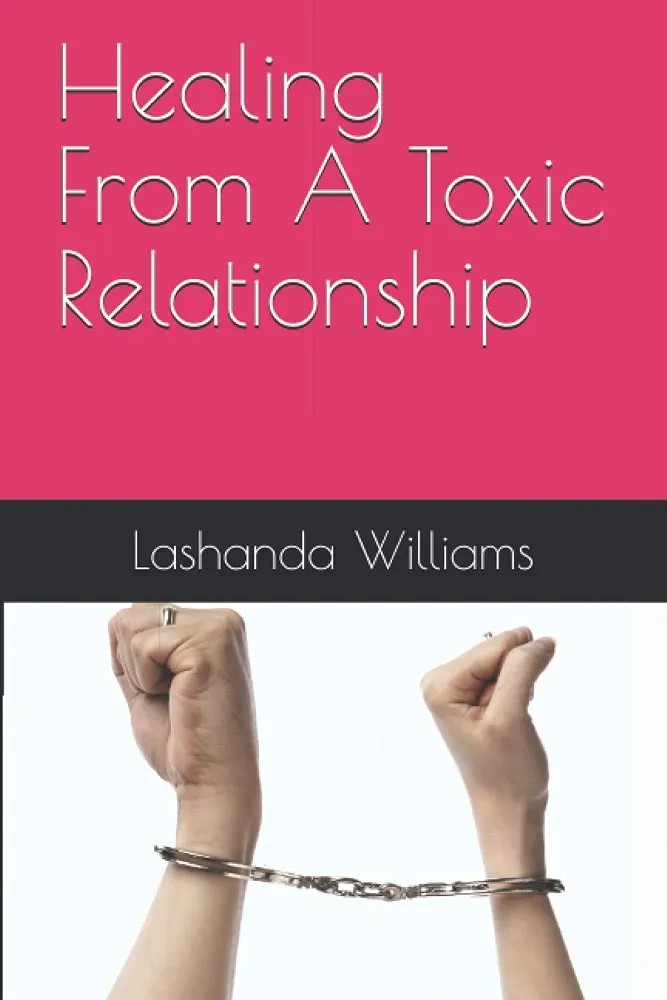
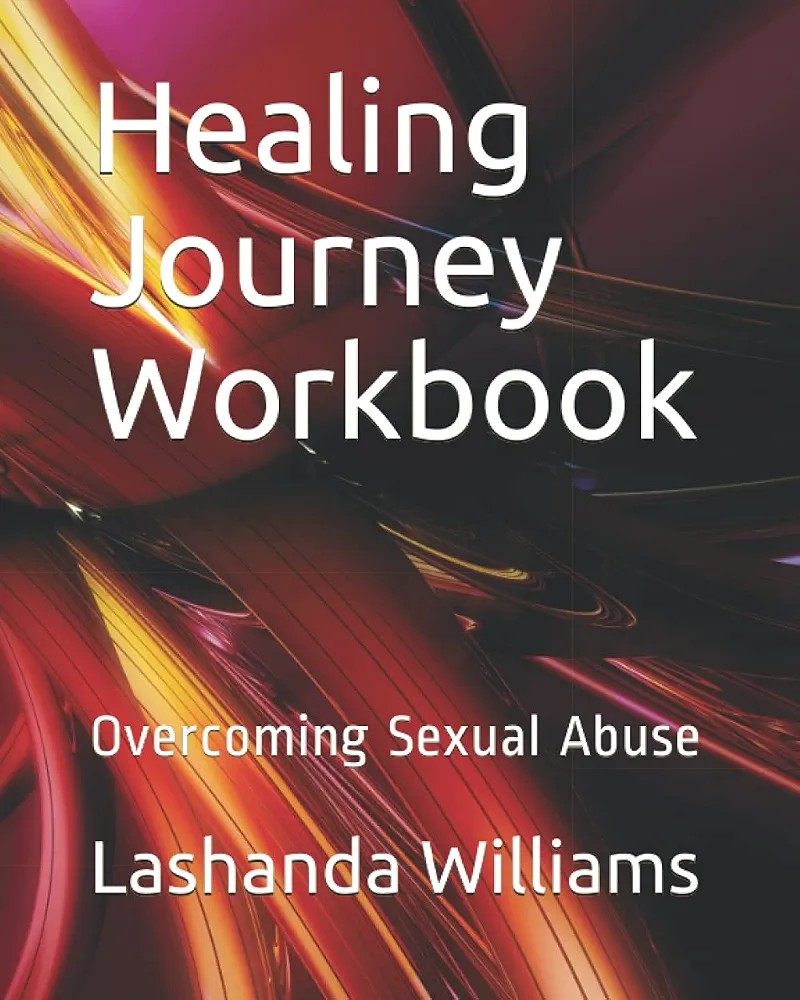
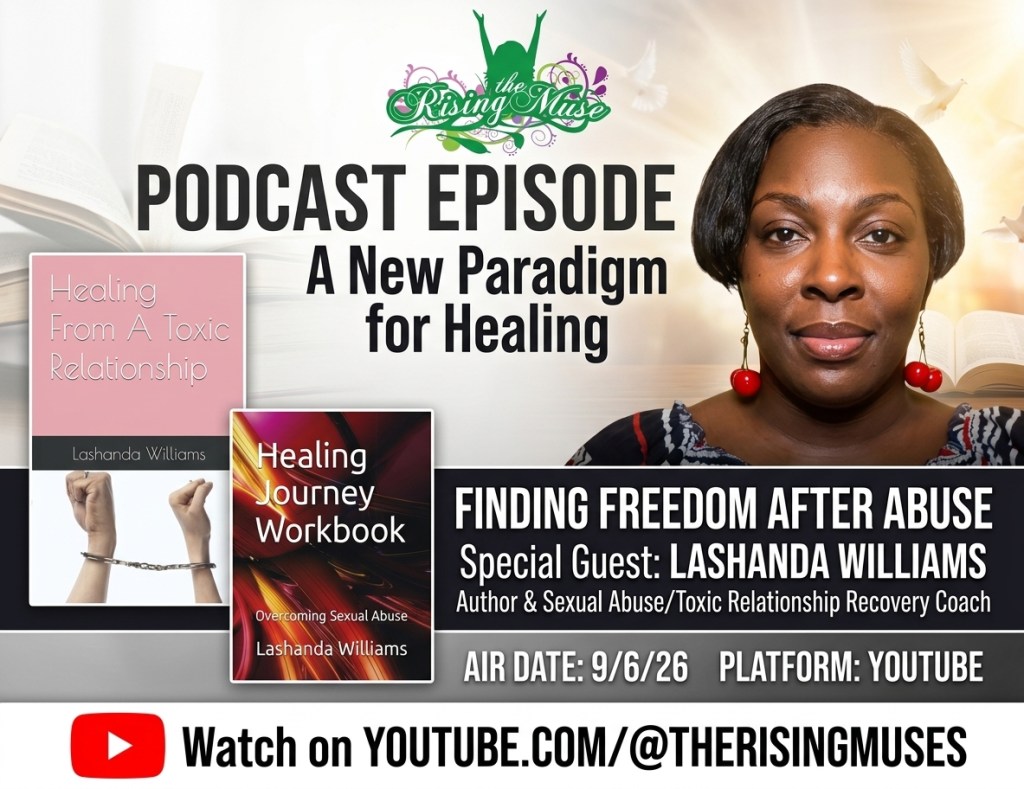
Healing After Abuse: Faith, Boundaries, and the Power of Release with Lashanda Williams

Healing after sexual abuse isn’t just about surviving what happened to you—it’s about learning how to live free again. Free from shame, fear, silence, and the lie that you are broken beyond repair.

In our latest episode of Thrive by The Rising Muse, we sat down with special guest Lashanda Williams—author, speaker, evangelist, and CEO of Thrive With Purpose. Lashanda opens up about her personal story of overcoming childhood sexual abuse, navigating trauma, and finding a path to true spiritual and emotional wholeness.

If you have ever wondered whether deep healing is genuinely possible after trauma, this conversation offers a powerful roadmap.

Here are a few key takeaways from our discussion:

  • Healing Begins When Secrecy Ends: Silence can become its own prison. Lashanda shares how taking the step to tell her truth—first in a journal, then in her book The Cry of the Prophet—became her ultimate release.
  • God Can Handle Your Honesty: Faith and trauma recovery can be complex. Lashanda speaks candidly about wrestling with anger, feeling distant from God, and why dropping spiritual performance is often the first step toward genuine peace.
  • Forgiveness Does Not Mean Access: One of the most vital distinctions in this episode is that forgiveness is not reconciliation. You can forgive someone while establishing firm, healthy boundaries to keep yourself and your family safe.
  • Prayer Meets Action: While faith is a vital anchor, therapy, support groups (like Celebrate Recovery), and professional counseling provide the practical tools needed to rewire trauma’s impact on your life and relationships.

You do not have to carry your pain alone, and your trauma does not get the final word.

📺 Watch the Full Episode

Ready to dive into the full conversation? Catch the entire interview on YouTube and discover what it means to move from survival into thriving.

👉 Watch Now:

Loved this week’s episode insight? Help us unlock our next level of community care by subscribing to our YouTube channel today!

Sow a seed into this ministry to help us spread His light and transform lives—click here to join our mission today!
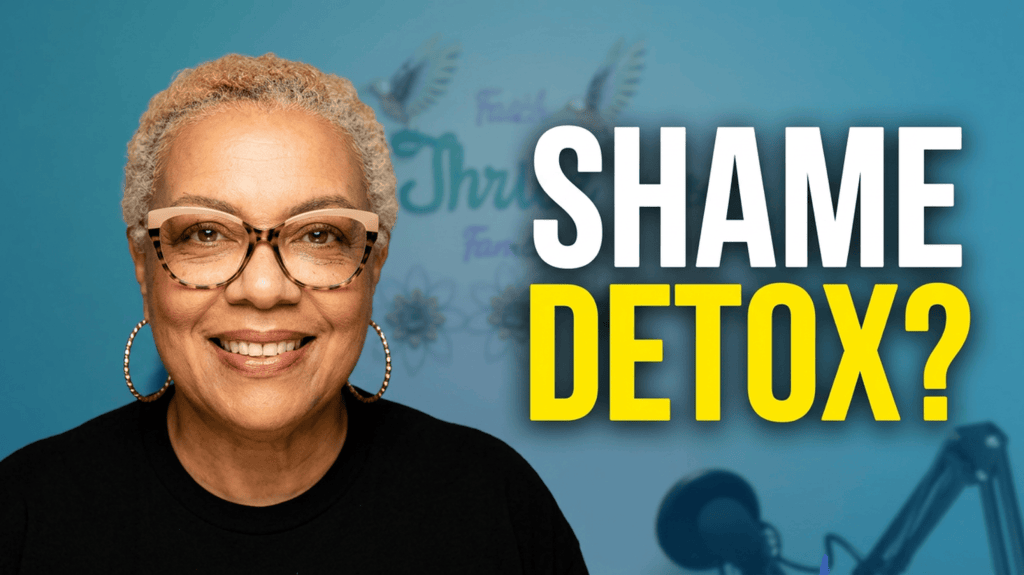
Shame Detox: How to Recognize Toxic Shame and Start Healing at the Root

Have you ever caught yourself over-apologizing for simply taking up space, obsessing over a minor mistake, or feeling like no matter how much you accomplish, it is never quite enough? What if the loudest, harshest voice inside your head isn’t actually yours?

In our latest episode of Thrive, we sit down for a deeply raw, eye-opening conversation about the invisible weight so many of us carry: toxic shame.

Shame doesn’t just make you feel bad—it quietly rewrites your identity. It influences how you date, parent, communicate, and even how you pray. If you have ever felt trapped in a endless loop of perfectionism, performance, or self-criticism, this conversation was recorded specifically for you.

Here is a glimpse of what we unpack in this powerful episode, and why you need to tune in today.

1. What Shame Actually Is (And Why It’s Not Guilt)

Before you can heal shame, you have to define it. In the episode, we break down the critical difference between the signals your mind sends you:

  • Guilt says: “I did something wrong.”
  • Healthy shame says: “That behavior doesn’t align with who I want to be.”
  • Toxic shame says: “I am wrong.”

Toxic shame doesn’t just correct your actions; it attacks who you are. We discuss how shame is deeply embodied—triggering physical threat states like elevated cortisol, a tight chest, or avoided eye contact—and how to spot it when it masks itself as discipline or ambition.

2. How Shame Gets Installed Early

Children are not born believing they are defective. We explore the relational root causes—from emotional invalidation and public humiliation to fear-based messaging—that teach us to believe mistakes threaten our belonging.

When raised with discipline lacking emotional connection, a child internalizes a dangerous narrative: “If I fail, I lose love.” In this episode, we unpack how to recognize these early installations so you can finally stop passing them down.

3. How Shame Shows Up in Relationships & Marriage

Shame never stays buried; it leaks into adult life. It shows up as hyper-independence, emotional withdrawal, people-pleasing, or an anxious need to perform to be loved.

We also get real about relationships, appearance, and marriage. We talk through the hard truth that no milestone—no ring, baby, or house—can change another human being. You’ll learn how toxic shame makes you personalize relational problems (“If I were prettier or better, they’d treat me right”) and how to start grounding your worth in secure love rather than conditional acceptance.

4. Religious Trauma vs. True Grace

Why do so many people walk away from faith spaces? We tackle the heavy topic of religious trauma and shame-based theology.

From the double standards of public shaming to fear-based messaging, we contrast harmful institutional practices with the compassionate model set by Jesus with the woman at the well. You will learn the difference between godly conviction (which draws you toward repair and closeness) and self-condemnation (which pushes you into isolation and hiding).

5. Practical Steps to Detox Shame at the Root

Healing isn’t about pretending nothing happened; it’s about disrupting the belief system shame built. In this episode, we walk through actionable tools to help you:

  1. Name the Voice: Separate yourself from the critic, the prosecutor, or the old tape.
  2. Practice Self-Compassion: Move from self-attack to supportive self-talk.
  3. Reconnect with Your Body: Shift your posture, breathe, and allow yourself to be seen.
  4. Speak Truth to Safe People: Disarm shame by speaking it out loud in safe relationships.
  5. Rewrite Your Spiritual Narrative: Choose restoring grace over punishing condemnation.

Ready to Stop Hiding and Start Healing?

Healing is rarely instant—it’s about unlearning, building safety, and taking small steps toward freedom every single day. You are not a mistake, and you don’t have to carry this weight alone any longer.

🎧 Watch or listen to the full episode of Thrive now to begin your shame detox journey.

Loved this conversation? Don’t forget to subscribe, leave a review, and share this episode with someone in your life who needs a gentle reminder of their worth today!

Loved this week’s episode insight? Help us unlock our next level of community care by subscribing to our YouTube channel today!

Sow a seed into this ministry to help us spread His light and transform lives—click here to join our mission today!
Are You Strong in Public, but Unraveling in Private?

Have you ever found yourself knowing all the right Scriptures, showing up for everyone else, and looking completely put-together on the outside—yet in private, you’re secretly struggling with overthinking, anxiety, or emotional triggers?

If so, you are far from alone.

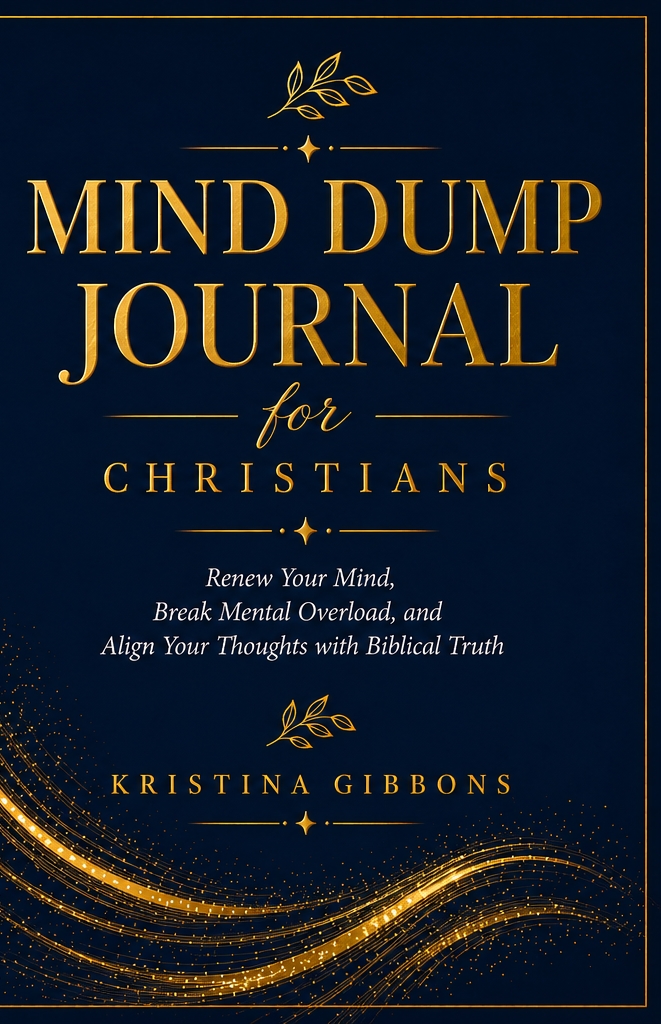
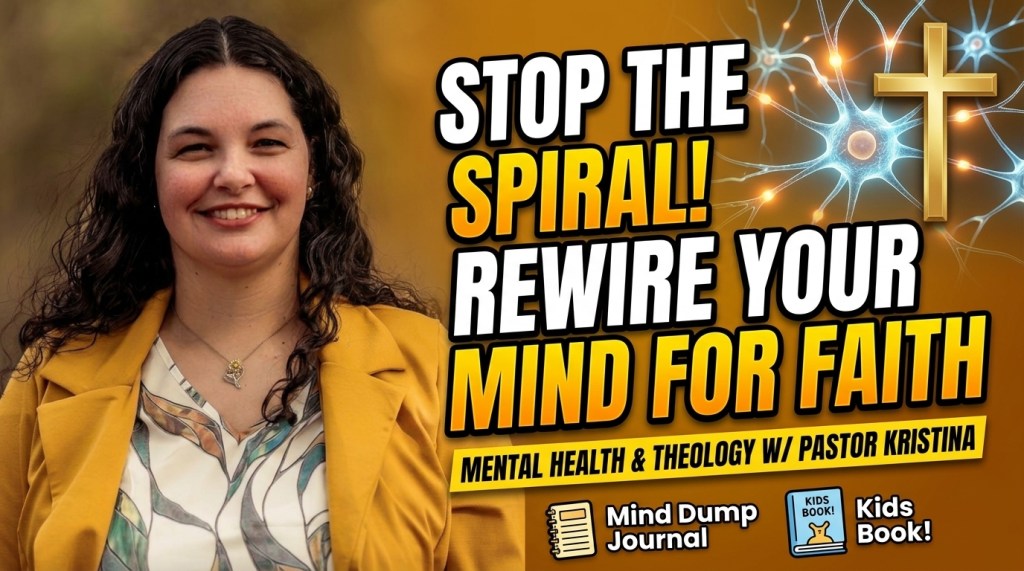
In our latest podcast episode, we sat down with Pastor Kristina Gibbons—ordained pastor, certified pastoral counselor, and author of the Mind Dump Journal—for a deep dive into the intersection of faith, brain science, and emotional transformation.

Why Surface-Level Fixes Don’t Work

Most of us spend years trying to manage our symptoms instead of untangling the root cause. But what if the key to lasting change isn’t just “trying harder,” but actually rewiring your brain?

In this conversation, Pastor Kristina breaks down:

  • The “Mind Dump” Method: How getting chaotic thoughts out of your head and onto paper physically transforms your perspective.
  • Neuroplasticity Meets Scripture: What actually happens in your neural pathways when you practice Romans 12:2 and “renew your mind.”
  • Taking Thoughts Captive: A step-by-step approach to intercepting toxic thought loops before they control your behavior.
  • Generational Healing: How her new children’s book, Asher Shines Bright, is helping parents teach kids to take their big worries to God early in life.

Whether you’re feeling stuck in a mental spiral or simply want practical, faith-based tools to master your internal monologue, this masterclass is built for you.

🎬 Watch the Full Episode Now!

Stop settling for surface-level quick fixes and start building neural pathways rooted in peace and spiritual authority.

🔗 Connect & Explore Pastor Kristina’s Resources:

Loved this week’s episode insight? Help us unlock our next level of community care by subscribing to our YouTube channel today!

Sow a seed into this ministry to help us spread His light and transform lives—click here to join our mission today!

⚡ Unlocking the Power of Anger: Reclaim Your Boundaries & Authenticity

Are you constantly told that being angry is “unladylike,” “dramatic,” or dangerous?

If you’ve been suppressing your feelings just to keep the peace, you aren’t alone. Many women have been conditioned to turn their anger inward—leading to chronic anxiety, exhaustion, physical flare-ups, and a deep loss of self.

But what if anger isn’t the problem? What if it’s actually your greatest superpower?

The Hidden Truth About Women & Anger

Anger is not a character flaw. Neurologically and spiritually, it is a vital boundary signal designed to protect your peace, uphold your worth, and point you back toward your authentic self. When we swap the toxic “good girl” myth for gentle assertiveness, everything changes.

In this powerful episode, we’re unpacking:

  • Why We Internalize: How cultural conditioning teaches women to choose silent compliance over safety.
  • The Body Cues: How to recognize somatic warning signs (jaw clenching, tight chest) before you explode or shut down.
  • Assertiveness vs. Aggression: How to set rock-solid boundaries clearly, calmly, and without guilt.
  • Righteous Anger: A fresh, liberating look at how spiritual strength and emotional honesty walk hand-in-hand.

“Your anger was never the enemy — silence was.”

Ready to rewrite the story and reclaim your power?

Stop swallowing your truth to make others comfortable. Tune in to the latest episode now to learn practical, trauma-informed steps to transform your anger into your strongest asset.

🎧 Watch the Full Show Here

Loved this week’s episode insight? Help us unlock our next level of community care by subscribing to our YouTube channel today!

Sow a seed into this ministry to help us spread His light and transform lives—click here to join our mission today!
🎧 Ever Feel Exhausted… Even When You’re Doing Everything Right?

If you’re constantly running on empty, it’s not because you’re weak. It’s because you’re carrying a heavy, invisible load that society rarely calculates.

From managing everyone else’s emotional needs to the pressure of perfectionism, modern women are conditioned to mistake self-erasure for strength. But beneath high achievement often lies high-functioning anxiety, hypervigilance, and deep-seated burnout.

In the full episode, we uncover:

  • The Invisible Load: Why the hidden mental spreadsheet running in your mind is draining your brain’s energy.
  • Childhood Conditioning: How early roles (like being the “strong, dependable one”) wired your nervous system to make rest feel unsafe.
  • The High-Functioning Anxiety Trap: The toxic link between perfectionism, elevated cortisol, and chronic fatigue.
  • 4 Actionable Steps to Heal: How to set micro-boundaries, categorize your emotional load, and shift from relentless striving to true rest.

Your exhaustion isn’t a failure—it’s data. It’s time to stop over-functioning and discover what it actually takes to reclaim your peace.

▶️ Ready to trade guilt for true rest?

Watch the Full Episode Here

When Therapy Works — Even When It Feels Heavy: Understanding the True Path to Healing

Ever leave a therapy session feeling completely exhausted, emotionally exposed, or wondering, “Is this even working?” 🛋️💔

You entered this journey looking for an immediate exhale, but instead, it feels like the volume on your emotions just got turned up.

Here is the truth: Feeling worse does not mean you are failing. It means the deep work is beginning.

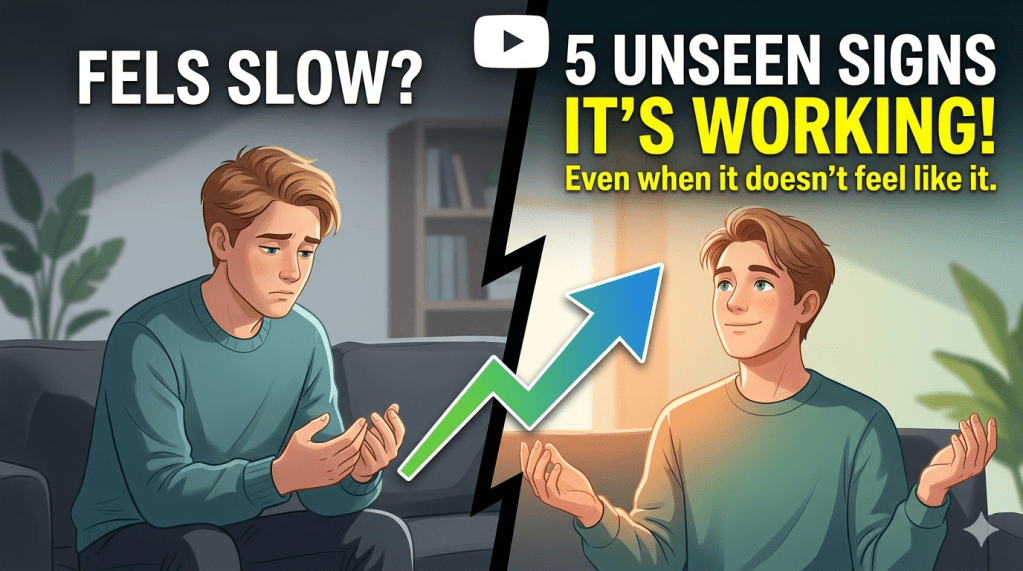
True healing doesn’t unfold at the speed of light—it unfolds at the speed of safety. It is a layered, non-linear journey of cleaning out old wounds so they can finally heal cleanly from the inside out. In this powerful episode, we peel back the curtain on the invisible signs of emotional growth and dismantle the biggest myths about mental health, faith, and progress.

What We’re Breaking Down in This Episode:

  • The “Feeling Worse” Paradox: Why hitting emotional resistance and uncovering hidden patterns (like using distractions to escape feelings of inadequacy) is actually a sign of profound momentum.
  • Faith & Therapy: How to navigate the spiritual tension of vulnerability and embrace the truth that seeking support doesn’t mean your faith is weak—it clarifies it.
  • The Myth of the Finish Line: Why healing isn’t a race to a perfect destination, but a sustainable practice of becoming more honest and compassionate with yourself.
  • Between-Session Care: Practical grounding exercises to soothe your nervous system when the emotional heavy-lifting follows you home.

Progress isn’t always loud. Sometimes, it’s just a quiet pause before you react, a boundary you finally set, or the grace you give yourself to rest.

Are you ready to stop rushing your process and trust your pace?

✨ [Watch the Full Episode Here] to discover the unseen signs that you are growing—even when it feels slow.

Brought to you by The Rising Muse, LLC. Don’t forget to subscribe to our channel and join our community growth challenge as we hit our next milestone! 🎧🌱

Why Communication Breaks Down During Conflict?

(And How Faith, Awareness, and Compassion Can Help)

Have you ever walked away from a conversation with someone you love, feeling completely misunderstood, disconnected, or more alone than before?

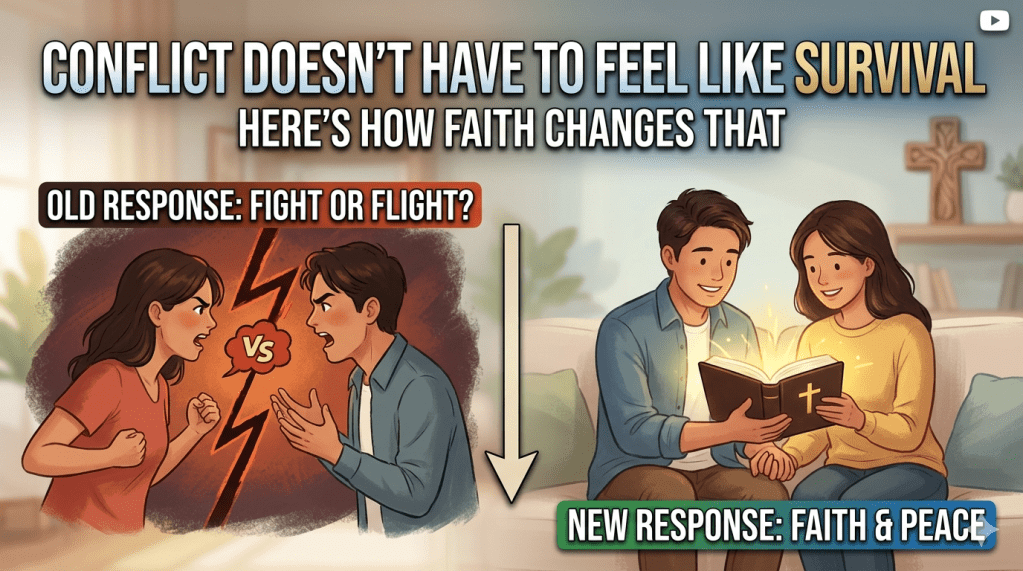
When tension rises, intimacy and understanding seem to vanish in an instant. But what if the breakdown isn’t because you’re bad at expressing yourself? What if it’s rooted in something much deeper—your nervous system’s natural response to threat and trauma?

In this video, we are breaking down the complex biology of why communication falters during conflict, and how you can use your faith and emotional awareness to stay connected when conversations get hard.

What You’ll Learn in This Episode:

  • The Body First: How your nervous system triggers fight, flight, freeze, or fawn modes before a conflict even starts in your mouth.
  • The Power of a Holy Pause: Practical ways to live out James 1:19 (“quick to listen, slow to speak”) when your physical nerves are completely frayed.
  • Recognizing What Lies Beneath: How hidden wounds, unmet needs, and shame hijack dinner-time disagreements and turn minor issues into major fights.
  • The Grace-Filled Script: A simple, 10-minute boundary trick to use when you’re too overwhelmed to think straight, ensuring you protect your relationship instead of pushing each other away.

Key Takeaway: The most mature person still experiences moments of immaturity when emotions activate their survival response. The key isn’t being perfect—it’s learning how to regulate.

Stop Choosing Disconnection. Watch Now!

Conflict is inevitable, but disconnection is a choice. You don’t have to navigate these hard conversations alone. Watch the video to learn how to transform your conflicts into opportunities for deeper connection, grounded presence, and courageous love.