Healing in the Wilderness: The Human Side of Biblical Prophets and Modern Burnout

Have you ever wondered if your faith should shield you from exhaustion—or if, sometimes, the pressure to be strong actually contributes to it?

If you are a leader, caregiver, or the “strong friend” everyone relies on, you know what it’s like to carry a heavy load. But often, the people who seem the strongest on the outside are the most quietly exhausted on the inside.

Here is the truth: Exhaustion is not a lack of faith. It is a biological reality.

The Hidden Breakdown of the Bold

We love to celebrate the victories of biblical heroes, but we rarely talk about their collapses. Take the prophet, Elijah. Right after his greatest spiritual victory, he hit a psychological wall. Threatened by his enemies, he ran into the wilderness, collapsed under a tree, and prayed to die.

“I have had enough.” — Elijah

Sound familiar? In modern terms, Elijah was experiencing severe nervous system burnout. He had been running on high adrenaline and chronic stress for too long, and his body simply gave out.

But notice how God responded. There was no lecture, no spiritual rebuke, and no judgment. Instead, God provided food, water, and rest.

The Psychological Insight: Before you can fix a spiritual problem, you have to stabilize the physical body. When you are chronically unregulated, even the deepest faith can feel hollow. God models trauma-informed care by prioritizing physical regulation over immediate performance. You cannot pour from an empty cup.

Why Society Gets Burnout Wrong

In our relentless, non-stop culture, we are told that resting is a sign of weakness. We label tears as a lack of faith and burnout as a spiritual attack.

But both scripture and neuroscience agree: Emotional honesty and rest are vital for long-term strength.

Both Elijah and Job prove that profound grief, exhaustion, and vulnerability are normal parts of the human experience. True resilience isn’t about white-knuckling your way through chronic stress; it’s about learning how to safely regulate your nervous system.

Rest is a Radical Act of Faith

Healing your nervous system is a slow, holy process of integration. If you are tired, overwhelmed, or grieving, remember this: You are not crazy, you are not weak, and you are not faithless. You are human.

Rest is not a failure of discipline. It is an act of trust.

🚨 Dive Deeper Into the Truth Your Nervous System Needs

If you are ready to stop fighting your body and start understanding the holy design of your nervous system, you cannot miss this latest episode.

In this episode, we uncover:

  • The neuroscience behind Elijah and Job’s emotional collapses.
  • How to recognize the warning signs of nervous system depletion before you crash.
  • Practical, actionable steps to transition your body from a state of “high alert” to deep, restorative peace.

👉 Watch the full episode now: Your Nervous System Has Been Waiting for This Truth

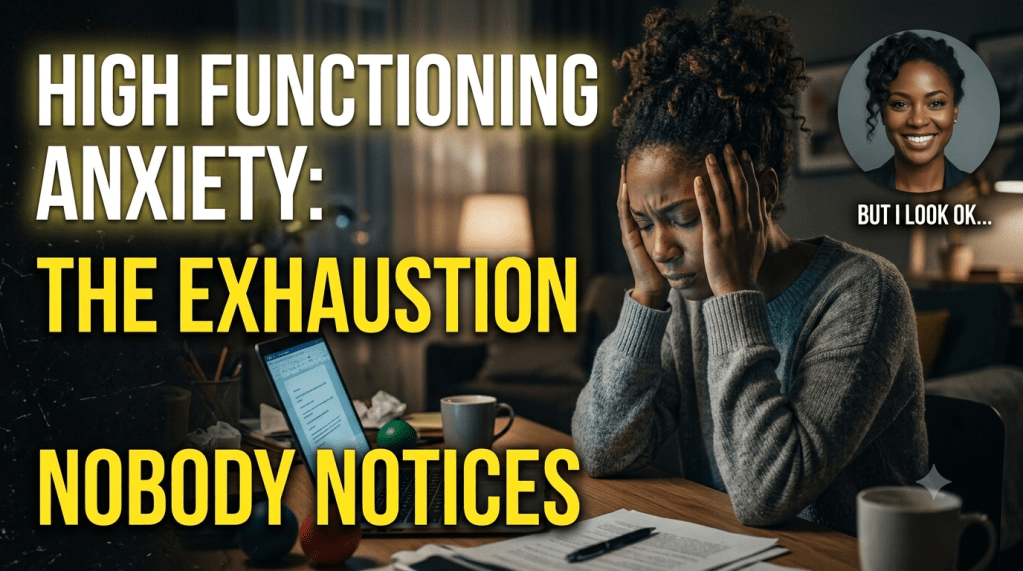
The Exhaustion Nobody Notices: Do You Have High-Functioning Anxiety?

On the outside, you look like you have it all together. You’re the reliable one, the high-achiever, the person who gets things done. People praise your drive and productivity.

But beneath that polished exterior? A constant undercurrent of stress, an overthinking mind that refuses to shut down, and a bone-deep exhaustion that sleep can’t seem to fix.

This is the hidden reality of High-Functioning Anxiety. Because you look okay, your silent storm goes completely unnoticed by the world.

The Hidden Toll of “Holding It Together”

High-functioning anxiety isn’t a medical diagnosis, but it is a very real survival strategy. It hides behind perfectionism and achievement, but it comes at a massive cost:

  • Physical Fatigue: Tight shoulders, jaw clenching, shallow breathing, and migraines.
  • Mental Burnout: An endless loop of anticipating the next problem or over-preparing out of fear of failure.
  • Spiritual Exhaustion: Believing that you are solely responsible for keeping the world spinning, making rest feel like a dangerous risk rather than a necessity.

You don’t have to live in a perpetual state of survival. It is entirely possible to maintain your capabilities without sacrificing your peace, your health, and your joy.

What We Cover in the Full Episode:

In this episode, we dig deep into the roots of this hidden struggle and share practical, actionable steps to help you heal:

  • The “Survival Response”: Why your nervous system is trapped in alert mode (and how to signal safety to your body).
  • Redefining Rest: How to transition from relentless striving to active trusting.
  • Practical Regulation Techniques: Simple grounding exercises to stop a racing mind in seconds.
  • Shifting Identity: How to break the habit of tying your self-worth to your daily output.

Ready to stop just surviving and start truly living? 🎬 Watch the full episode now to discover the practical strategies to regulate your nervous system, reclaim your rest, and heal from the exhaustion nobody else sees.

Sow a seed into this ministry to help us spread His light and transform lives—to join our mission today!

Breaking the Stigma: Finding Hope and Healing in the Midst of Negative Emotions

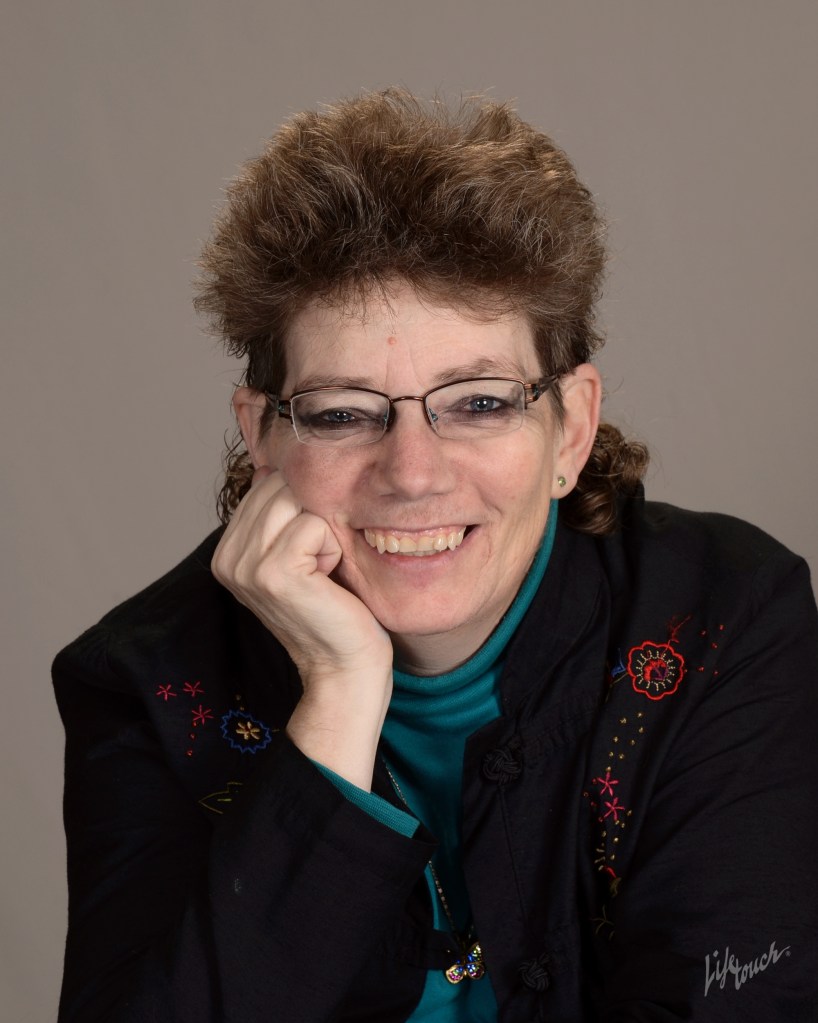
We’ve all been there—caught in a whirlwind of emotions like stress, anxiety, and self-doubt. But what if you could transform those negative feelings into something empowering? In this deeply moving episode of Thrive by The Rising Muse, hosts Naty and Veda sit down with Sue Bowles, a master certified life coach and award-winning author, who has turned her personal struggles into a message of hope and healing.

Sue’s journey from trauma to thriving is both inspiring and eye-opening. She’s not only learned to navigate her own emotional ups and downs but has become a powerful advocate for mental health. If you’ve ever wondered how to break free from the grip of anxiety or tackle those negative thoughts head-on, this episode is for you.

Why You Should Listen:

In this candid conversation, Sue shares:

  • The power of vulnerability and how it’s key to healing.
  • The practice of gratitude and how it can immediately interrupt anxiety.
  • Why seeking professional help is a sign of strength, not weakness—especially in faith communities.
  • How to help others who are struggling without judgment, and the role of service in healing.

Sue also opens up about her personal battles with childhood trauma, an eating disorder, and even suicidal thoughts, offering real, raw insights into how she found healing—and how you can too. It’s not a quick fix, but Sue’s philosophy of taking “one step ahead” is the key to navigating your own journey.

Don’t Miss Out:

This episode is filled with wisdom, hope, and practical tools you can start using today. Whether you’re looking for ways to manage negative emotions or simply want to feel inspired by someone who has walked through the fire and emerged stronger, Sue’s message will leave you motivated and empowered.

Sue Bowles is a survivor turned thriver as an author, speaker, and Master Certified Life Coach. Having done the hard work of healing from a childhood rape, an eating disorder, other sexual assaults, and considering suicide, Sue now defines the effect the life-altering events have on her. The events no longer define Sue; she defines them.
“You only have to be a step ahead to help the person behind you” is the bedrock to the value Sue brings. She founded My Step Ahead and is the “Chief Instigator” behind the new Dare to Believe Movement, whose purpose is to nurture others to ‘dare to believe that you matter,’ knowing that nothing changes until that bedrock belief is solidified.
Whether speaking on a podcast, a stage, or one-on-one, Sue’s enthusiasm is contagious, shining the light of hope wherever the listener needs.
Sue’s award-winning first book, “This Much I Know…The Space Between” is available on Amazon and Kindle.

Call to Action:

Ready to break the stigma surrounding mental health and start your healing journey? Listen to the full episode of Thrive by The Rising Muse now!

And for more resources, visit SueBowles.com to grab her free PDF, “Quieting Your Inner Karen,” and discover how to silence that inner critic for good.