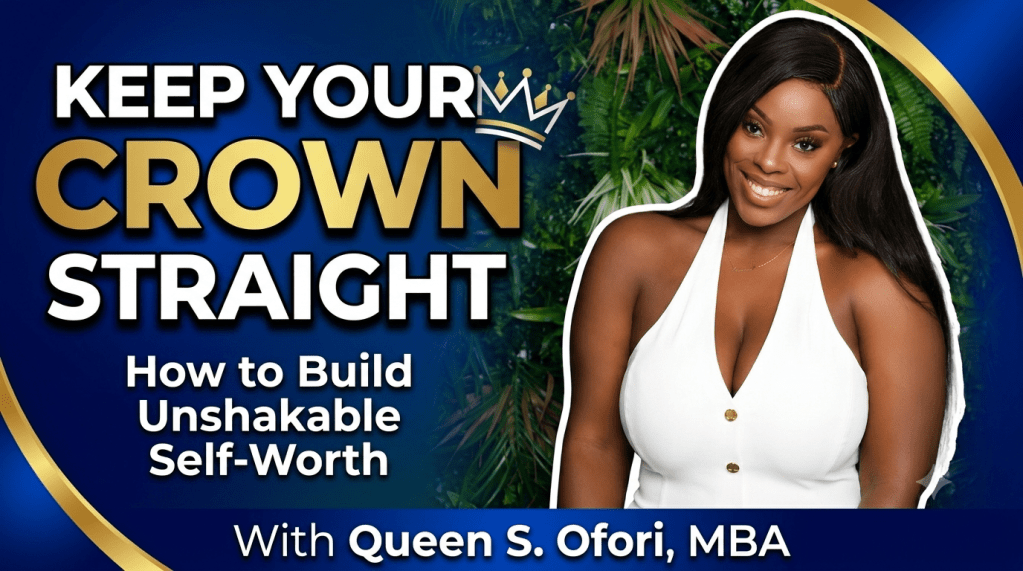
Unmasking Unhealthy Relationships: Signs and Solutions

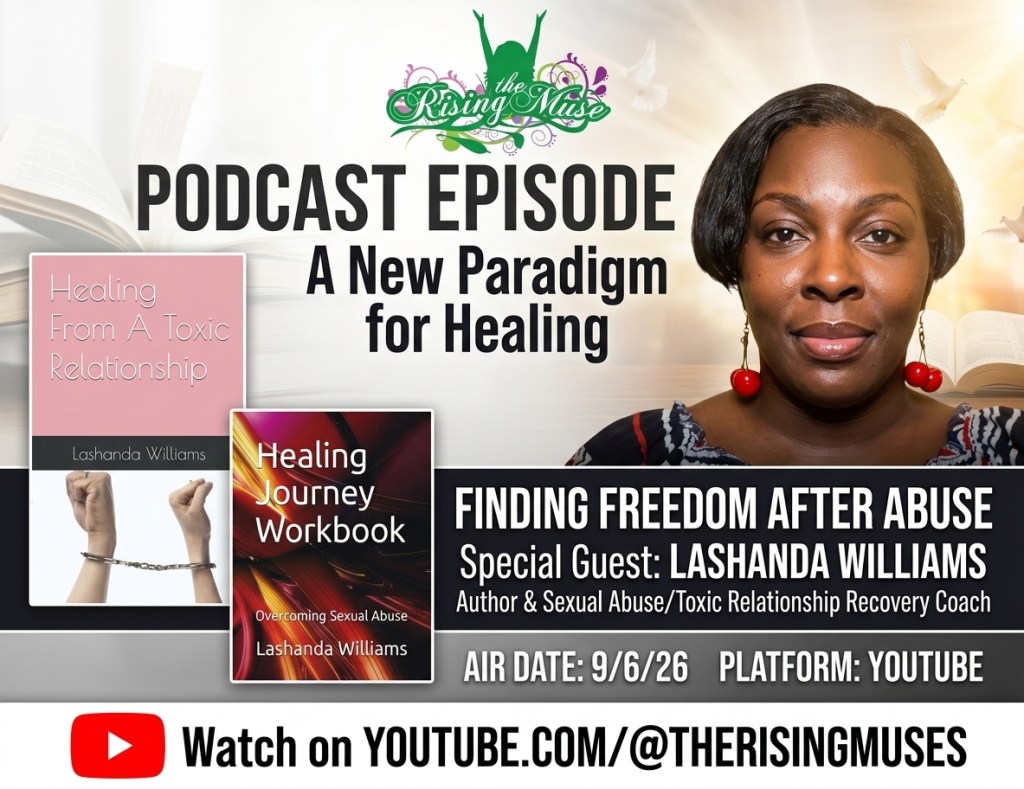
In today’s episode of “Thrive by the Rising Muse,” we delve into the complex world of unhealthy relationships. Whether romantic or platonic, these relationships can leave us questioning our worth and even our faith. Join us as we explore the signs of toxicity and the path to healing.

Recognizing the Signs

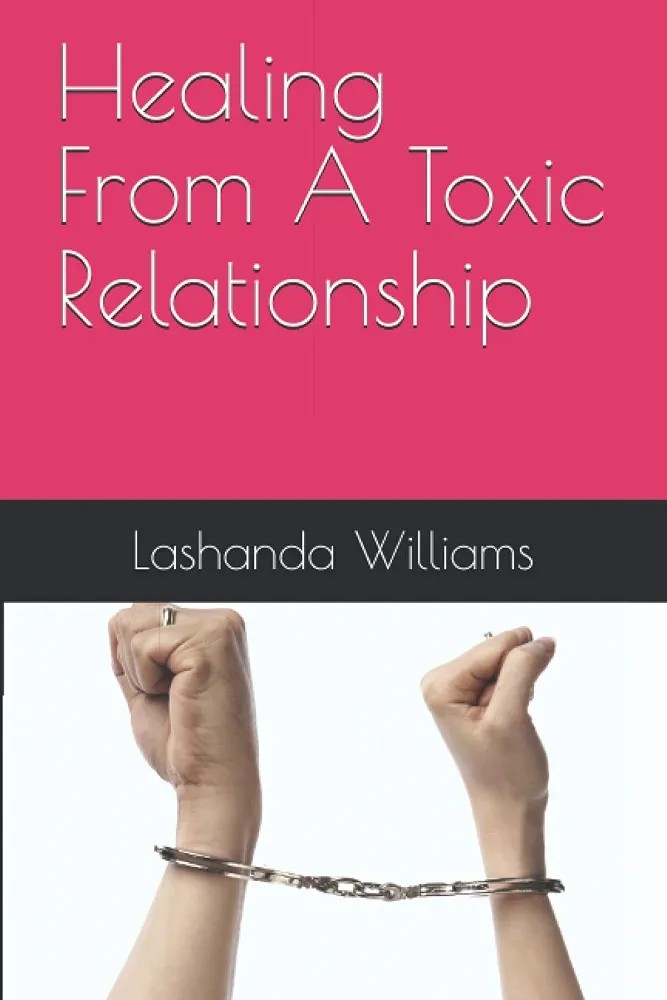
Unhealthy relationships often manifest through constant criticism, emotional manipulation, and isolation from loved ones. These behaviors can be subtle, making it difficult to recognize the damage until it’s deeply rooted. It’s crucial to identify these signs early to prevent further harm.

The Role of Faith

Spiritual abuse is a significant concern, where scripture is misused to control or shame individuals. True faith should uplift and heal, not silence or diminish. We discuss how to reclaim your spiritual identity and find support within your faith community.

Healing and Moving Forward

Healing begins with acknowledging the hurt and seeking support from trusted friends, mentors, or professional counselors. It’s essential to prioritize self-love and establish boundaries that protect your emotional and spiritual well-being.

Remember, you are worthy of love that builds you up, not tears you down. If you’re in an unhealthy relationship, know that you’re not alone. Reach out for help and take the first step towards a healthier, more fulfilling life.

Subscribe Now: Stay connected with us for more insights and support on your journey to thriving in love and life. Subscribe to our podcast and join our community on social media.

Your Beliefs Are Sabotaging Your Goals

In a world where new goals and fresh starts are often celebrated, it’s easy to overlook the underlying beliefs that shape our lives. In our latest episode, we delve into the transformative power of core beliefs and how they can either propel us forward or keep us stuck in old cycles.

Understanding Core Beliefs

Core beliefs are the deep-seated perceptions we hold about ourselves and the world. They often form in childhood and can be so ingrained that we don’t even realize they’re there. These beliefs act as lenses through which we view our experiences, influencing our thoughts, emotions, and behaviors.

The Impact of Core Beliefs

Our episode explores how core beliefs can manifest in various aspects of life, from relationships to career choices. For instance, a belief of “I’m not enough” can lead to patterns of overworking or staying in toxic relationships. Recognizing these patterns is the first step towards change.

Rewriting the Narrative

We discuss practical tools for challenging and changing negative core beliefs. This involves identifying the lie, tracing its roots, and replacing it with truth. Repetition and community support play crucial roles in this transformative process.

As we journey through life, it’s essential to examine the beliefs that guide us. By rewriting the narratives that no longer serve us, we can embrace a life of authenticity and fulfillment. Subscribe now to stay updated on more insights and tools for personal growth.

How Core Beliefs Shape Your Life & How to Rewrite Them with God’s Truth

Do you feel stuck in patterns you can’t explain—emotionally, spiritually, or relationally? Often, the issue isn’t a lack of effort or faith. Core beliefs formed early in life silently influence how we see ourselves, others, and God.

In this episode of Thrive by The Rising Muse, we explore how core beliefs develop. We investigate how they affect your adult life. You can begin rewriting them using biblical truth and practical tools.

What Are Core Beliefs?

Core beliefs are deeply rooted thoughts formed in childhood through experiences, relationships, and emotional moments. Because children interpret life emotionally rather than logically, painful experiences can lead to beliefs like:

  • “I’m not enough.”
  • “I must earn love.”
  • “I will always be abandoned.”

These beliefs don’t disappear with age—they show up as self-sabotage, fear of intimacy, overperformance, or spiritual insecurity.

Signs Your Core Beliefs May Be Holding You Back

You may be operating from limiting core beliefs if you:

  • Repeat the same relationship patterns
  • Feel unworthy despite success or affirmation
  • Overreact to rejection or criticism
  • Struggle to believe God’s love applies to you personally

Rewriting Core Beliefs with God’s Truth

Every false belief is rooted in a lie—and Scripture provides the truth to replace it.

  • Lie: “I am unlovable.”
    Truth: Nothing can separate you from God’s love (Romans 8:38–39).
  • Lie: “I’m not enough.”
    Truth: You are God’s workmanship, created with purpose (Ephesians 2:10).

Practical steps:

  1. Identify the lie
  2. Trace it to its origin
  3. Challenge it with Scripture
  4. Replace it with truth
  5. Repeat daily

Renewing your mind is both a spiritual and psychological process—and consistency leads to transformation.

You don’t have to stay stuck in old stories. God’s truth has the power to heal wounds, restore identity, and create lasting freedom.

🎧 Listen to the full episode:
Your Beliefs Are Sabotaging Your Goals on Thrive by The Rising Muse

✨ For more faith-based tools on healing and renewal, follow The Rising Muse and explore our related resources.

Understanding Attachment Styles: A Path to Healing and Connection

In a world where relationships shape our lives, understanding the roots of our emotional patterns is crucial. This episode of “Thrive by The Rising Muse” delves into how childhood attachment styles influence adult relationships, offering insights into healing and growth.

The Four Attachment Styles

Naty and Veda explore the four main attachment styles: secure, anxious, avoidant, and disorganized. Secure attachment fosters healthy emotional expression, while anxious attachment involves a fear of abandonment. Avoidant attachment leads to distrust of closeness, and disorganized attachment creates a push-pull dynamic. These styles, shaped by our early experiences, condition our emotional responses in adulthood.

Real-Life Scenarios and Emotional Vocabulary

The hosts share real-life scenarios illustrating the impact of attachment styles on relationships. They emphasize the importance of developing an emotional vocabulary to articulate feelings and begin the healing process. By naming emotions, individuals can better understand and manage their emotional responses.

The Journey to Healing

Healing involves reparenting oneself, nurturing the inner child, and fostering emotional health. Naty and Veda highlight that healthy love and connection are possible, encouraging listeners to embark on a journey of self-discovery and growth.

Understanding attachment styles is a powerful tool for personal growth and relationship building. By exploring these emotional patterns, individuals can break free from past conditioning and embrace a future of healthy, fulfilling connections.

Subscribe now to “Thrive by The Rising Muse” for more insights into emotional well-being and personal growth.

The Unseen Strength of Martin and Coretta King: A Journey of Resilience

In the heart of the civil rights movement, Martin Luther King Jr. and Coretta Scott King stood as pillars of strength and resilience. Their journey was not just about public speeches and marches. It was a deeply personal struggle. They faced constant threats and endured the emotional toll of leadership. Coretta, often seen as a supportive figure, was in fact a stabilizing force, managing fear and maintaining composure midst chaos.

The psychological impact of their roles was profound. Living under the threat of violence, their home became a place of hypervigilance, where every sound carried meaning. Yet, their love and commitment to their mission never wavered. They taught us that courage is not the absence of fear, but the decision to continue despite it.

Their story is a testament to the power of partnership and the enduring human spirit. It reminds us that change is not made by those who are unbroken, but by those who continue anyway.

Subscribe now to explore more stories of resilience and courage.

Watch our full episode by clicking here

Breaking Generational Cycles: A Path to Healing

In today’s episode of “Thrive by the Rising Muse,” we delve into the profound topic of breaking generational cycles. These cycles, often unconsciously passed down through families, shape our thoughts, behaviors, and relationships. But the power to change lies within us, and this episode explores how we can become the lineage changers.

Understanding Generational Cycles

Generational cycles are patterns of behavior, beliefs, and coping mechanisms inherited from previous generations. They can manifest as emotional suppression, financial instability, or unhealthy relationship dynamics. Recognizing these patterns is the first step towards breaking them.

The Emotional Cost of Change

Breaking these cycles is not without its challenges. It often involves feelings of guilt, loneliness, and the pressure to do better for future generations. However, choosing healing over history is a courageous act that can transform not only your life but also the lives of generations to come.

Tools for Breaking Cycles

To break these cycles, one must engage in inner child work, set boundaries, and seek therapy or counseling. It’s about creating new patterns that foster emotional, relational, and spiritual wholeness. Remember, healing is a form of inheritance, and by breaking these cycles, you leave a legacy of peace and emotional intelligence.

Breaking generational cycles is a transformative journey that requires strength and resilience. As you embark on this path, know that you are not alone. Share this journey with others who are also striving to break free from the past. Together, we can create a future filled with healing and hope.

Subscribe Now: Join us on this journey of transformation. Subscribe to “Thrive by the Rising Muse” for more insightful episodes and become part of a community dedicated to breaking generational cycles.

Start Small: A Practical Guide to Tackling Debt

On the path to financial freedom, the journey can often seem daunting. Nevertheless, starting small can lead to significant accomplishments. In this post, we explore the strategy of tackling debt by focusing on the smallest amounts first. This method provides a sense of achievement. It also builds momentum for larger financial goals. Make sure to check out the latest episode of Thrive by the Rising Muse for the full conversation.

The Power of Small Wins

Naty Matos shares a powerful insight: “Start small. You start with the smallest one. So if you owe $10,000 here, $5,000 there, but $2,000 here, try to finish that $2,000 one first.” This approach is not just about numbers. It’s about the psychological boost that comes from achieving a goal. No matter how small. By paying off the smallest debt first, you gain a sense of accomplishment and a feeling of progress. This fuels your motivation to tackle larger debts.

Building Momentum

Clear the smallest debt first. Then, redirect the funds that were allocated to it to the next debt. As Naty explains, “Then you move that hundred dollars to the next debt.” This snowball effect speeds up the debt repayment process. It also prevents burnout and discouragement. These are common pitfalls when facing large financial burdens.

A Sustainable Approach

The key to this strategy is sustainability. By focusing on small, manageable goals, you avoid the risk of burnout. As Naty points out, “If you get and start tackling the big one, you’re going to burn out.” This method ensures that you stay engaged and motivated throughout your financial journey.

Starting small doesn’t mean thinking small. It’s about creating a sustainable path to financial freedom, one step at a time. By focusing on the smallest debts first, you build confidence and momentum, setting the stage for tackling larger financial challenges. Remember, every small victory is a step closer to your ultimate goal of financial independence.

Subscribe now to our blog for more insights and strategies on achieving financial freedom. Let’s embark on this journey together! Also, click below for the full episode of Thrive by The Rising Muse

Embracing Small Steps: A Guide to Lasting Change

As we step into 2026, many of us find ourselves setting ambitious resolutions, only to feel overwhelmed by the enormity of the changes ahead. But what if the key to success lies in starting small? In this post, we’ll explore how taking manageable steps can lead to lasting transformation.

The Power of Small Steps

Naty and Veda share their journey of transitioning from whole milk to 1% milk, illustrating how small dietary adjustments can have a significant impact on health. “I went from whole milk to 2%, and then to 1%,” she explains. This gradual approach can be applied to various aspects of life, from nutrition to exercise.

Building Habits with Intention

Creating new habits doesn’t happen overnight. “It takes 21 days to form a habit,” They reminds us. By focusing on one habit at a time, such as walking daily or journaling for a few minutes, we can build a foundation for sustainable change.

Mindful Living

Incorporating mindfulness into daily routines can enhance our well-being. They emphasize the importance of decluttering both physically and emotionally. “Give yourself permission to emotionally declutter,” she advises, encouraging us to let go of guilt and unrealistic expectations.

As we navigate the new year, let’s embrace the power of small steps. By setting realistic goals and being kind to ourselves, we can create a life of balance and peace. Remember, it’s not about perfection—it’s about progress.

Subscribe now to stay updated on more tips for a mindful and intentional life. Let’s thrive together in 2026!

Embracing Your New Normal During the Holidays: An Invitation to Reflect and Connect

The holiday season can be a challenging time, especially when you’re navigating a new normal. Whether it’s dealing with the absence of a loved one or adjusting to significant life changes, the holidays can amplify these feelings. Join us as we explore how to embrace this season with self-compassion and invite you to watch our latest episode for deeper insights.

Understanding the New Normal

The concept of a “new normal” is about adapting to life without certain familiar elements. As Naty & Veda share, “You go into another season of your life without that person, without that job, without whatever. So that is your new normal.” This holiday season, it’s important to acknowledge these changes and find ways to celebrate in a way that feels right for you.

Navigating the Holidays with Self-Compassion

During the holidays, self-compassion becomes even more crucial. It’s easy to feel pressured to be joyful, but as Naty & Veda remind us, “Be kind to yourself. That’s the most important.” Allow yourself to experience the holidays at your own pace, honoring your feelings without judgment.

We invite you to watch our latest episode, where we delve deeper into these themes. Discover how to navigate the holidays with grace and find comfort in knowing you’re not alone. Our conversation offers support and understanding for anyone facing a challenging holiday season.

As you embrace your new normal this holiday season, remember that it’s okay to feel a mix of emotions. Allow yourself the space to grieve, to heal, and to grow. Your journey is unique, and with self-compassion, you can find peace in the present moment.

Subscribe now to stay updated on more insights and stories that support your journey of growth and healing.

Rediscovering Connection: Beyond the Screen in Military Life

In today’s digital age, it’s easy to feel connected through our screens, yet many of us, especially military spouses, still experience a profound sense of loneliness. This paradox is particularly challenging for those in military life, who often find themselves far from family and friends. In our latest episode, we explore the importance of stepping beyond digital connections to embrace real-life interactions.

The Challenge of Digital Connectivity in Military Life

Beth Runkle shares her insights on how the convenience of digital communication can sometimes fall short of fulfilling our deeper social needs. While social media and texting keep us in touch, they can’t replace the warmth of face-to-face interactions. For military spouses, who frequently relocate and face long deployments, the need for personal connections is even more critical.

The Lost Art of Hospitality

Hospitality is more than just inviting someone into your home; it’s about inviting them into your heart. Beth discusses how the pressure for perfection often prevents us from opening our doors. She encourages military families to embrace the imperfections of their homes and focus on the connections they can build with others.

Taking the Initiative in Military Communities

Loneliness is an epidemic that affects many, regardless of age or background. Beth highlights the importance of taking the initiative to make the first move in forming friendships. Whether it’s inviting someone for coffee or organizing a small gathering, these efforts can lead to meaningful relationships that enrich our lives, especially within military communities.

As we navigate the complexities of modern life, let’s remember that true connection goes beyond the screen. By fostering genuine relationships and practicing hospitality, we can combat loneliness and build a supportive community. For those in military life, these connections are vital. Let’s take the first step towards rediscovering the power of real-life connections.

Beth Runkle is an author, speaker, and women’s ministry leader whose new devotional, Another Move, God? encourages military wives to embrace the life God’s called them to — even when that means constant change. After twenty-five years as a military wife, fourteen moves, and raising two children through four deployments, Beth learned that peace isn’t about control — it’s about trust. She and her husband now serve with Cru Military, mentoring young military couples and cadets.

Subscribe now to stay updated on our latest episodes and join us in exploring the transformative power of connection in military life. To listen to this conversation, click here: