Breast Cancer Awareness: From Nabby Adams to Betty Ford and Nancy Reagan

I’ve never considered myself a history buff, but homeschooling has reignited my curiosity for subjects I might have overlooked in high school. I vividly remember my history class, where I once dozed off while taking notes, and the last word I wrote was “sleep.” Looking back, it seems like my brain was dropping hints about my enthusiasm for the subject. But as an adult, I’ve developed a keen interest in history, especially in the “hows” and “whys” behind significant events. It’s amazing how I missed out on all this earlier in life.
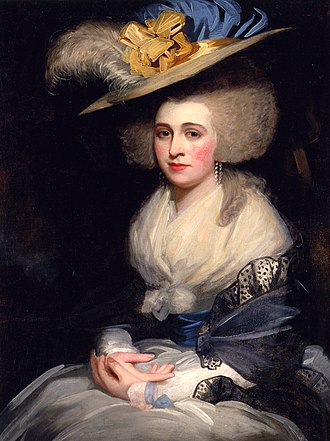
While exploring the lives of historical figures like John Adams through documentaries, I stumbled upon a remarkable woman from that era, Abigail “Nabby” Adams Smith. Nabby was the daughter of John Adams, the second President of the United States, and the sister of John Quincy Adams, the sixth President of the United States.

Nabby’s story took an unexpectedly poignant turn when I learned that she battled breast cancer during a time when science and technology were nowhere near where they are today. She had to undergo a mastectomy, the surgical removal of her breast, in an era without anesthesia. The sheer courage and strength that this must have required are beyond imagination. Tragically, her ordeal did not end there, and she passed away just two years later.

This prompted me to wonder about other women in the White House who may have faced similar challenges. My research led me to two remarkable women:

1. Betty Ford:
Betty Ford, the wife of the 38th President of the United States, Gerald Ford, was diagnosed with breast cancer in 1974. What makes her story particularly inspiring is her openness about her diagnosis and treatment. By sharing her journey, she helped raise awareness about breast cancer and played a crucial role in destigmatizing the disease. In her own words, “Too many women are so afraid of breast cancer that they endanger their lives. These fears of being ‘less’ of a woman are very real, and it is very important to talk about the emotional side effects honestly. They must come out into the open”. Betty Ford survived breast cancer and lived until the age of 93, passing away from natural causes in 2011.
2. Nancy Reagan:
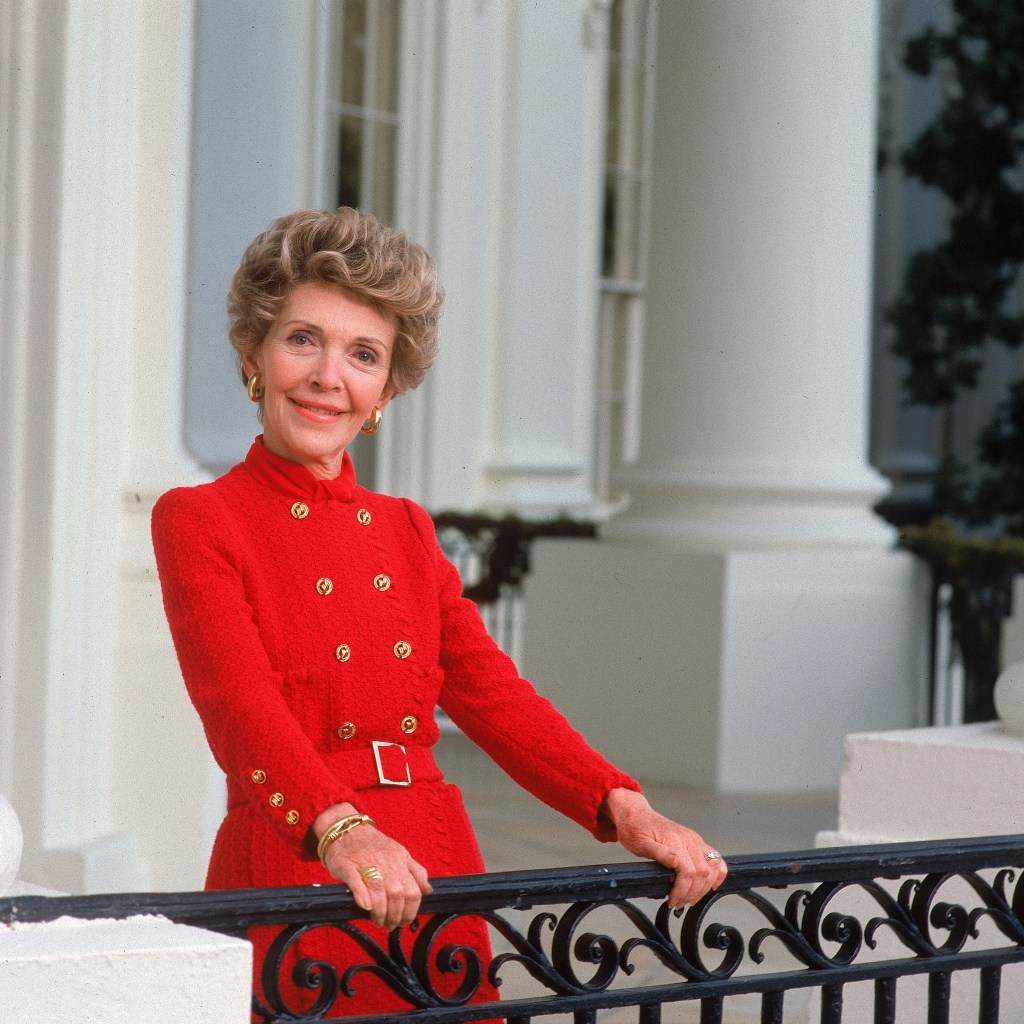
Another prominent figure, former First Lady Nancy Reagan, faced a breast cancer diagnosis in 1987. She underwent a mastectomy and chose to go public with her diagnosis to emphasize the importance of early detection and regular screenings. What sets Nancy Reagan apart is her strong advocacy for her own healthcare decisions. She didn’t conform to the conventional treatment path and was vocal about it. Her story serves as a reminder that individuals battling breast cancer should advocate for their preferences and treatment choices. While research, second opinions, and careful consideration are vital, it’s crucial to stand firm on what feels right for you.

Breast cancer treatment has indeed come a long way since the days of Nabby Adams. It has also progressed significantly since the time of Betty Ford and Nancy Reagan. However, one constant remains: early detection is key. Regular self-breast exams and mammograms are essential tools in the fight against breast cancer.

History is a treasure trove of stories that continue to inspire and educate us. The resilience of women like Nabby Adams, Betty Ford, and Nancy Reagan in their battles against breast cancer reminds us of the strength of the human spirit. Their stories underscore the importance of awareness, early detection, and taking charge of our healthcare decisions. So, remember to take care of yourself, stay informed, and, as always, be blessed.
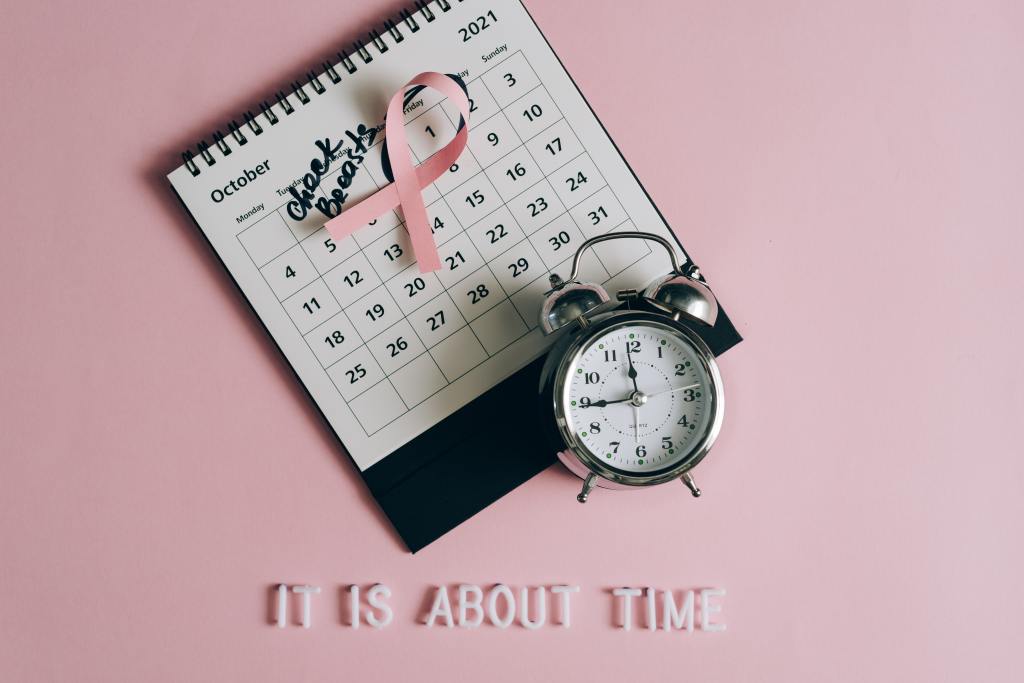
My Journey to Mammogram Enlightenment

As soon as I turned 40, there was something I was desperately avoiding – getting a mammogram. Why was I so afraid? Because, for the longest time, I had heard crazy horror stories from women who had gone through the process of a mammogram. I consider myself fortunate not to have a family history of breast cancer, cancer, yes, but not breast cancer. Yet, the fear and ignorance kept me away from screening for many years. It wasn’t until I was 43 or 45 that I finally stopped running and went to get my first mammogram. To my surprise, the truth was far from the horror stories I had heard.

I remember talking to the technician, and she told me that some of those stories may have been accurate in the past, but that technology has advanced, making the process much easier and more comfortable now. To be honest, I found it so tolerable that I wouldn’t hesitate to go every day if needed. It’s quick, painless, and surprisingly comfortable. Yes, you still get tugged a little, but nothing remotely painful. In fact, a pap smear is way more uncomfortable for me than a mammogram.

So, if you’ve been running away from this essential prevention tool, I urge you not to waste another day. Most insurance companies cover this service as part of preventative healthcare, and it’s 100% covered. If you don’t have insurance, the CDC can assist you in obtaining a free or low-cost screening.

Breast cancer screening plays a crucial role in early detection and improved outcomes. It is recommended that all women undergo regular screening for breast cancer. According to the U.S. Preventive Services Task Force (USPSTF), they recommend that women get screened for breast cancer every other year starting at age 50. This is the new recommendation, it used to be 40.  This draft recommendation statement emphasizes the importance of regular screening for women.

However, it’s important to note that the balance of benefits and harms associated with adjunctive screening for breast cancer is still being assessed. The USPSTF states that the current evidence is insufficient to make a recommendation for or against adjunctive screening.

It’s also worth mentioning the guidelines set forth by the American Cancer Society (ACS). The ACS released a breast cancer screening guideline in October 2015, recommending that women with an average risk of breast cancer start regular screening at age 45 and transition to biennial screening at age 55. They also highlight the importance of shared decision-making between women and their healthcare providers in determining the appropriate screening intervals.

In conclusion, regular breast cancer screening is essential for early detection and better outcomes. The USPSTF recommends biennial screening for women starting at age 50, whereas the ACS suggests starting at age 45. It’s important for women to discuss their individual risk factors and preferences with their healthcare providers to make informed decisions about the frequency and timing of their screenings.

Don’t let fear or misconceptions hold you back from taking charge of your health. Get that mammogram and take a step towards a healthier and happier you! Your future self will thank you for it.

As always, be blessed

Foods that May Help Prevent Breast Cancer

Breast cancer is a formidable adversary, affecting women worldwide at an alarming rate. While factors like genetics and hormone levels play a role in breast cancer risk, your diet can be a powerful ally in the fight against this disease. I know I’ve heard of food to prevent cancer in general, but when I found this information for breast cancer I wanted to share it with you. It is always a good idea to start with prevention and if we have delicious and nutritious approach to breast health and reduce risk of breast cancer, I’m all for it. Remember, there’s no magical food that can guarantee prevention, but adding these tasty options into your diet might contribute to your overall well-being.

1. Dark Leafy Greens

Let’s kick off our journey to better breast health with a colorful start—dark leafy greens like spinach, kale, and broccoli. These veggies are like nutritional superheroes, packed with antioxidants, vitamins (A, C, and K), and minerals (calcium and iron). But what makes them extra special is their secret weapon: glucosinolates (that’s a big word to say that the foods  contain sulfur and nitrogen and are derived from glucose and an amino acid.) These compounds have been shown to inhibit the growth of breast cancer cells, making dark leafy greens a formidable ally in your fight against breast cancer.

2. Berries

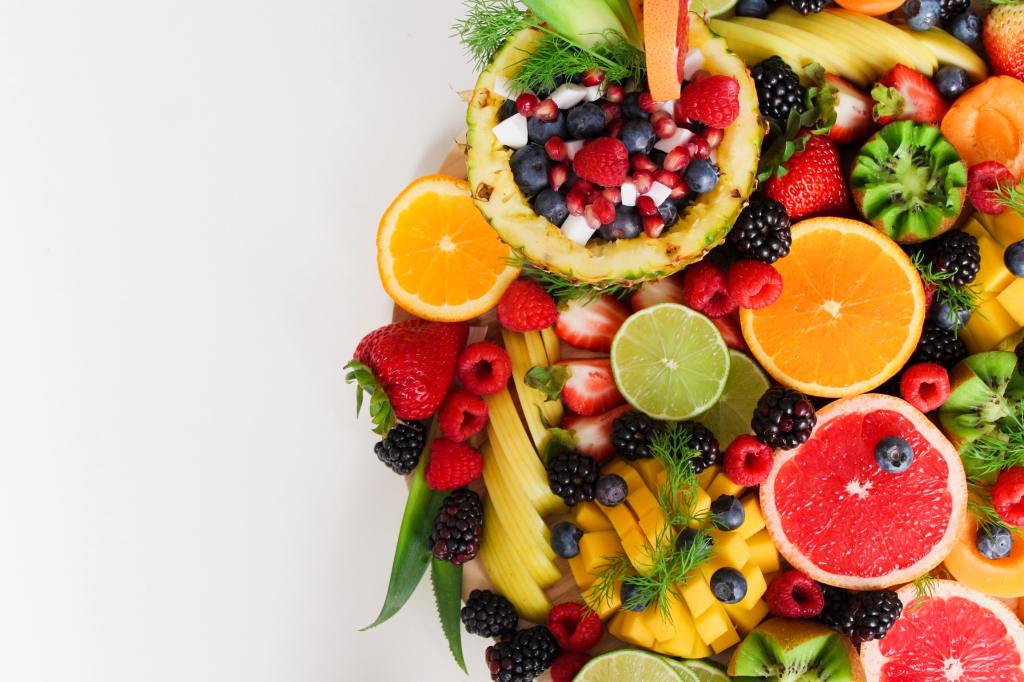
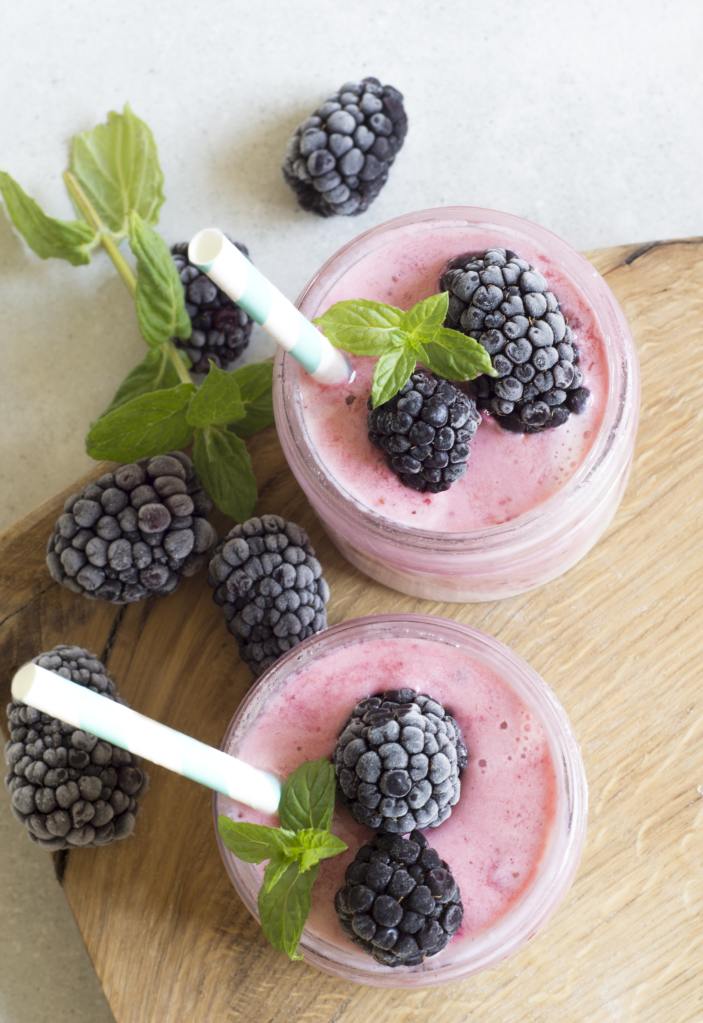
Next up, we have the vibrant and juicy stars of the fruit world: berries. Think strawberries, blueberries, and raspberries. I’ve always heard that these are super foods. Also think about it, from the fruit groups these tend to be very low in calories and sugars. These little powerhouses are bursting with antioxidants that wage war against harmful free radicals in your body. By doing so, they reduce inflammation and limit DNA damage—two key culprits that can lead to breast cancer. Berries are also packed with dietary fiber and vitamin C, making them a sweet addition to your breast health arsenal. Plus they are delicious!

3. Citrus Fruits

When life gives you lemons, make sure you’re using them to boost your breast health. Oranges, grapefruits, and lemons are brimming with vitamin C and other antioxidants. Research suggests that vitamin C has anti-cancer properties, helping protect against breast cancer by reducing oxidative stress and neutralizing those pesky free radicals. Including citrus fruits in your diet adds a zesty twist to your quest for better breast health. Now I’m totally bias in this category. I love citrus foods. Anyone who knows me, knows that lemons and limes are part of my daily life. I will warn you to be careful with the grapefruits if you are on certain medications where is contraindicated.

4. Fermented Foods

Now, let’s venture into the world of fermented foods like yogurt, kefir, and sauerkraut. These tasty treats are home to probiotics and beneficial bacteria that create a thriving gut (your stomach) microbiome. Recent studies suggest that maintaining a diverse and balanced gut may reduce the risk of breast cancer by supporting your immune system and taming inflammation. So, consider adding these fermented wonders to your daily routine for a healthier gut and potentially lower breast cancer risk.

5. Fatty Fish

Swimming into our list is a group of oceanic superheroes—fatty fish like salmon, mackerel, and sardines. These fish are teeming with omega-3 fatty acids, known for their anti-inflammatory properties. While not a guarantee against breast cancer, regular consumption of fatty fish (at least twice a week) can provide your body with these essential fatty acids, potentially contributing to better breast health.

6. Allium Vegetables

Last but not least, let’s embrace the flavorful world of allium vegetables—garlic, onions, and shallots. These kitchen staples contain organosulfur compounds that have been associated with anti-cancer effects. They may help inhibit the growth of breast cancer cells, promote cell death, and offer antioxidant benefits. So, next time you’re cooking up a storm, don’t forget to include these aromatic wonders for an extra dash of potential health benefits.

In the battle against breast cancer, there’s no surefire way to guarantee victory, but adopting a healthy lifestyle can tip the scales in your favor. By incorporating foods like dark leafy greens, berries, citrus fruits, fermented goodies, fatty fish, and allium vegetables into your diet, you’re taking proactive steps toward better breast health. Remember, it’s crucial to consult with healthcare professionals for personalized advice and to stick to regular screenings and early detection measures. By prioritizing a healthy lifestyle and a balanced diet, we can work together to reduce the risk of breast cancer and promote overall well-being.

As always, be blessed

References:

  1. American Cancer Society. (2021). Can a Healthy Diet Help to Prevent Breast Cancer? Retrieved from source
  2. World Cancer Research Fund. (2018). Diet, Nutrition, Physical Activity and Breast Cancer. Retrieved from source
  3. National Cancer Institute. (2021). Breast Cancer Prevention (PDQ) – Patient Version. Retrieved from source