
If you’ve ever looked at another mother and thought, “Why can’t I keep up like that?”—you are not alone.

Maternal shame is one of the most common, yet least discussed, heavy lifts of parenting. It quietly shapes how we react, how we cope, and how we view ourselves. But there is a massive difference between making a mistake and believing you are the mistake.
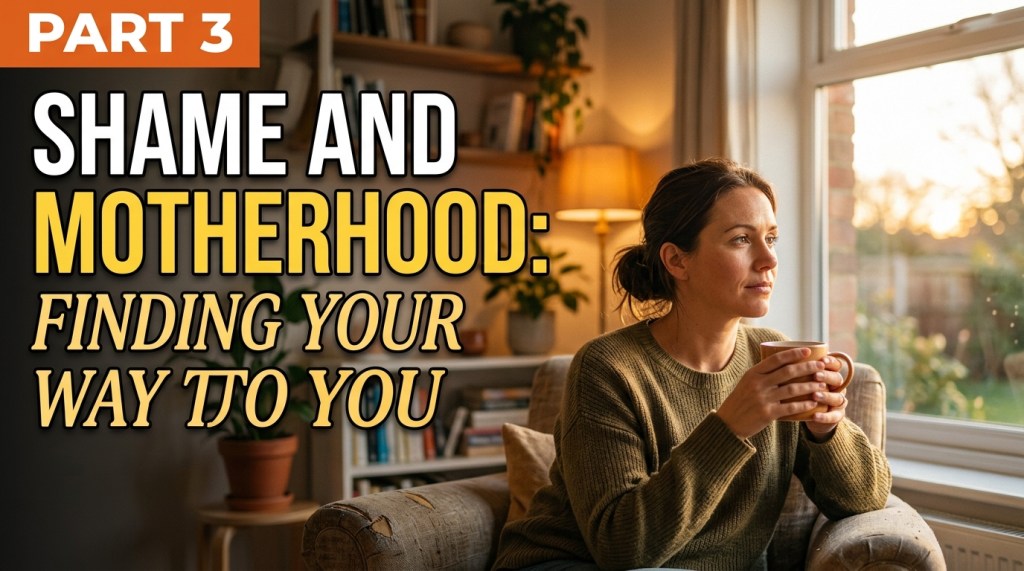
Here is a look at how shame sneaks into motherhood, and why healing it changes everything for both you and your child.
Guilt vs. Shame: Knowing the Difference
- Guilt says:“I lost my temper. I need to fix that.” (Focuses on behavior)
- Shame says:“I’m just a bad mother.” (Focuses on identity)
When we parent from shame, every messy moment feels like proof of failure. Instead of driving positive change, shame triggers emotional withdrawal, overcompensation, or self-attack.
The Illusion of the “Perfect Mother”
Social media serves up a steady stream of spotless homes, organic meals, and serene parenting. But comparing your raw, exhausting days to someone else’s curated highlights creates an impossible standard.
Your child doesn’t need a perfect mother who never makes a mistake. They need a regulated mother—one who can take responsibility, repair the moment, and show them how to recover when life gets messy.
What You’ll Discover in the Full Episode:
- Why Motherhood Triggers Childhood Wounds: How your past might be driving your current parenting reactions (and how to break the cycle).
- The Power of Repair: Practical scripts to reset with your child after a hard moment without collapsing into self-doubt.
- 4 Physical Tools to Stop a Shame Spiral: Quick, body-based techniques to regulate your nervous system before you react.
- Reparenting Yourself: Simple self-compassion practices that model true emotional resilience for your kids.
You Don’t Have to Parent from Burnout
Real motherhood includes messy rooms, quick meals, lost patience, and days where keeping everyone safe and fed is the ultimate win. That doesn’t mean you’re failing—it means you’re human.
Ready to drop the weight of perfectionism and find your way back to yourself?
👉 [Watch the full video/episode here] to learn how to break free from maternal shame and build a grounded, compassionate connection with your child.

 Naty Matos