Are You Strong in Public, but Unraveling in Private?

Have you ever found yourself knowing all the right Scriptures, showing up for everyone else, and looking completely put-together on the outside—yet in private, you’re secretly struggling with overthinking, anxiety, or emotional triggers?

If so, you are far from alone.

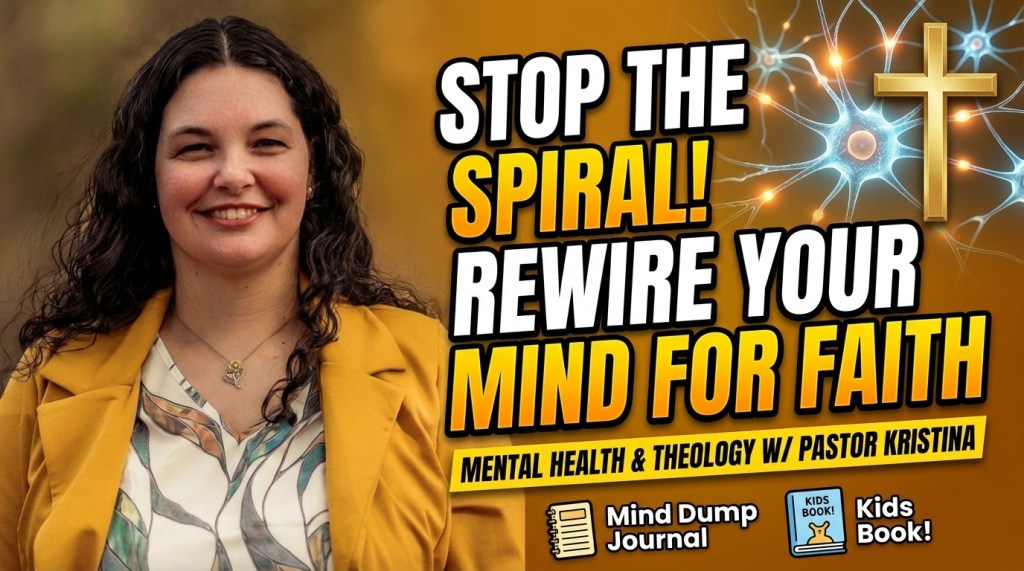
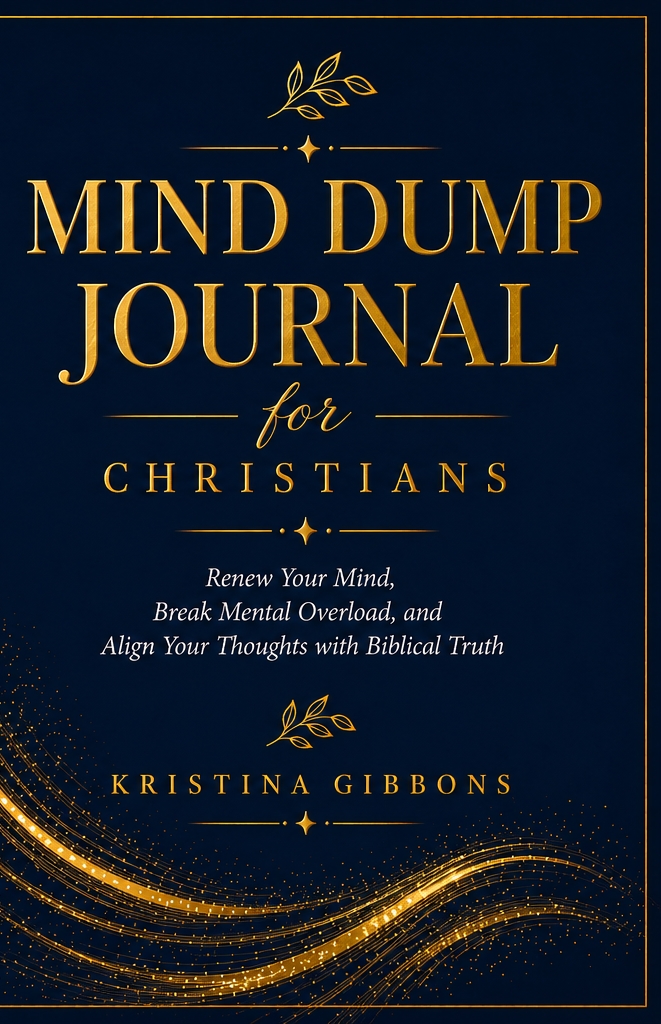
In our latest podcast episode, we sat down with Pastor Kristina Gibbons—ordained pastor, certified pastoral counselor, and author of the Mind Dump Journal—for a deep dive into the intersection of faith, brain science, and emotional transformation.

Why Surface-Level Fixes Don’t Work
Most of us spend years trying to manage our symptoms instead of untangling the root cause. But what if the key to lasting change isn’t just “trying harder,” but actually rewiring your brain?

In this conversation, Pastor Kristina breaks down:

  • The “Mind Dump” Method: How getting chaotic thoughts out of your head and onto paper physically transforms your perspective.
  • Neuroplasticity Meets Scripture: What actually happens in your neural pathways when you practice Romans 12:2 and “renew your mind.”
  • Taking Thoughts Captive: A step-by-step approach to intercepting toxic thought loops before they control your behavior.
  • Generational Healing: How her new children’s book, Asher Shines Bright, is helping parents teach kids to take their big worries to God early in life.

Whether you’re feeling stuck in a mental spiral or simply want practical, faith-based tools to master your internal monologue, this masterclass is built for you.

🎬 Watch the Full Episode Now!

Stop settling for surface-level quick fixes and start building neural pathways rooted in peace and spiritual authority.

🔗 Connect & Explore Pastor Kristina’s Resources:

Loved this week’s episode insight? Help us unlock our next level of community care by subscribing to our YouTube channel today!

Sow a seed into this ministry to help us spread His light and transform lives—click here to join our mission today!

The Power of Hobbies: A Path to Mental Wellness

Life is full of stressors, and in today’s world, it can feel like we’re constantly being pulled in different directions. The weight of responsibilities, financial strain, and global uncertainties can take a toll on our mental well-being. It’s easy to put self-care on the back burner, but finding healthy ways to cope is essential. One simple and effective way to prioritize mental wellness is by engaging in a hobby.

How Hobbies Benefit Mental Health

Hobbies are more than just pastimes; they are powerful tools that can improve our mental health in significant ways:

  • Stress Reduction: Engaging in an enjoyable activity helps lower cortisol levels, the hormone responsible for stress.
  • Improved Mood: Activities that bring joy increase dopamine and serotonin, neurotransmitters linked to happiness.
  • Mindfulness and Relaxation: Focusing on a creative or physical task helps bring us into the present moment, reducing anxiety.
  • Sense of Accomplishment: Learning a new skill or finishing a project can boost confidence and self-esteem.
  • Social Connection: Some hobbies provide opportunities to connect with like-minded individuals, reducing feelings of loneliness.

Affordable Hobbies for Mental Wellness

Self-care doesn’t have to be expensive. There are plenty of budget-friendly hobbies that offer the same mental health benefits without straining your finances:

Creative Outlets

  • Drawing or Coloring: A simple sketchbook and pencils can provide a relaxing way to express emotions.
  • Journaling or Creative Writing: Writing down thoughts can be therapeutic and help process emotions.
  • DIY Crafts: Repurposing old items or using inexpensive materials to create something new can be fulfilling.
  • Photography with a Smartphone: Capturing beautiful moments in nature or daily life can be a form of mindful appreciation.

Physical Activities

  • Walking or Hiking: A free and effective way to clear the mind while benefiting from fresh air and movement.
  • Yoga or Stretching: Plenty of free online videos offer guided practices for relaxation and flexibility.
  • Dancing at Home: Turning on some music and moving freely can boost endorphins and relieve stress.

Intellectual and Social Engagement

  • Reading: Libraries offer free access to books, audiobooks, and e-books.
  • Learning a New Language: Apps like Duolingo provide free lessons to stimulate the brain and expand knowledge.
  • Listening to Podcasts: Countless free podcasts cover various interests, from storytelling to self-improvement. Of course, you can check ours out (Thrive by The Rising Muse)
  • Joining Online Communities: Engaging in forums, social media groups, or free online classes can provide social support and learning opportunities.

Gardening and Nature-Based Hobbies

  • Growing Houseplants: Taking care of plants can be soothing and rewarding.
  • Foraging or Birdwatching: Exploring local parks to identify plants and birds is a fun and educational way to connect with nature.
  • Urban Gardening: Even if you don’t have a yard, growing herbs in small pots or window boxes can be a fulfilling activity.

Making Time for Yourself

Life can be overwhelming, but carving out time for a hobby—even for just a few minutes a day—can make a significant difference in how we feel. Whether it’s something artistic, active, or intellectually stimulating, hobbies offer a break from the chaos and an opportunity to recharge. Investing in your mental health doesn’t have to be costly; sometimes, the simplest activities bring the most peace.

If stress is weighing you down, consider exploring a new hobby. It may be just what you need to find balance and joy amid life’s challenges.