
As an American who spent a significant portion of life away from the mainland, I found myself grappling with the historical narrative surrounding figures like Martin Luther King Jr. It’s easy to perceive history from a distance, but it’s only when life experiences make you a part of it that the depth of its impact truly resonates.

While my encounters with racial differences were relatively minor, the shift occurred when I moved to the mainland. Speaking Spanish in public suddenly set me apart, and being the lone Hispanic at my workplace brought its challenges. Unfamiliarity bred misconceptions, leading to questions about my legal status despite being a New York native. Though not comparable to the struggles faced by Black Americans, it marked my initiation into the realization that, despite constitutional assertions of equality, not everyone experiences equal treatment.
Recently, delving into Martin Luther King Jr.’s journey of activism, I discovered the pivotal Montgomery Bus Boycott. Reflecting on this event, there are timeless lessons we can all learn:
- The Power of the Wallet:
The boycott’s success lay in its economic impact. Black citizens stopped using buses, and the financial consequences forced those in charge to take notice. Money, regardless of color, speaks a universal language—green. - Nonviolence as a Weapon:
The boycott exemplified peaceful protest. In a world where disagreements often lead to extreme actions, the Montgomery Boycott serves as a reminder that meaningful change can arise through nonviolent means. - Innovative Solutions:
What struck me about the boycott was the community’s resourcefulness. From black-owned taxis to organized carpools, they navigated obstacles creatively, unwavering in their pursuit of equality.
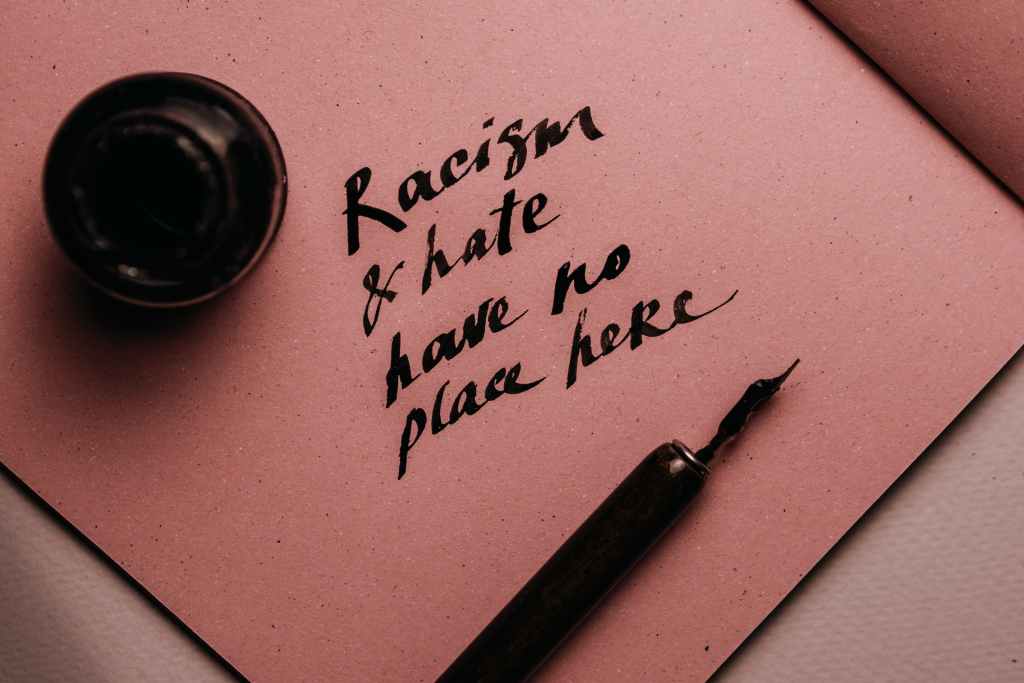
As I ponder the roots of hatred and racism, I find solace in the innocence of children, who effortlessly embrace diversity. Racism, I believe, stems from fear and ignorance, traits not inherent but learned. Jesus’ words about becoming like little children resonate—reminding us that simplicity and acceptance hold profound truths.
Acknowledging differences is not about being colorblind; it’s about recognizing and celebrating diversity while upholding the principle that dignity and respect are universal rights. Every individual, regardless of background, deserves equal treatment. The human experience is hindered by toxic social constructs that perpetuate inequality based on superficial criteria.
What truly sets someone apart is the condition of their heart—their capacity to love and treat others with kindness. Authentic love doesn’t boast; it seeks to uplift without discrimination.
Martin Luther King Jr.’s iconic “I Have a Dream” speech encapsulates this sentiment beautifully. His vision of a nation where individuals are judged by character rather than skin color resonates with every parent, myself included. As we navigate the complexities of our world, let us carry forward the dream of a society where the content of one’s character triumphs over external appearances.

 Naty Matos