Lindsay McCutcheon: A Journey from Addiction to Resilience

In a world where challenges often seem insurmountable, stories of recovery and resilience shine as beacons of hope. Lindsay McCutcheon’s journey is one such story—a testament to the power of the human spirit to overcome adversity and emerge stronger than ever.

Lindsay’s battle with addiction began at a young age, spiraling into a life dominated by substances. “I crossed that invisible line of addiction at 23,” she recalls, marking the beginning of a tumultuous journey. Despite the chaos, Lindsay’s story is not one of defeat but of relentless determination to reclaim her life.

In 2018, Lindsay reached a pivotal moment. “I hit my knees in my bedroom one Sunday and cried out to God,” she shares. This moment of surrender marked the start of her recovery, fueled by a newfound strength and the support of a community that believed in her potential.

Lindsay’s recovery was not just about abstaining from substances; it was about transforming her life. Through the fellowship of Alcoholics Anonymous and the unwavering support of her family, she learned to navigate the complexities of sobriety. “I learned that you can have fun in recovery,” she emphasizes, highlighting the importance of finding joy in the journey.

Today, Lindsay stands as a certified peer specialist, helping others navigate their own paths to recovery. Her story is a powerful reminder that resilience is not the absence of struggle but the ability to rise above it. “If you stay sober, the sky’s the limit,” she affirms, inspiring others to believe in their own potential.

Lindsay McCutchey’s journey is a testament to the unyielding spirit of recovery and resilience. Her story reminds us that no matter how deep the darkness, there is always a path to the light. For those struggling, Lindsay’s message is clear: “Anything is possible. Don’t sell yourself short.”

Subscribe Now: Join us in celebrating stories of strength and transformation. Subscribe to our blog for more inspiring journeys and insights into the power of recovery and resilience. To watch the full episode, click on the picture below.

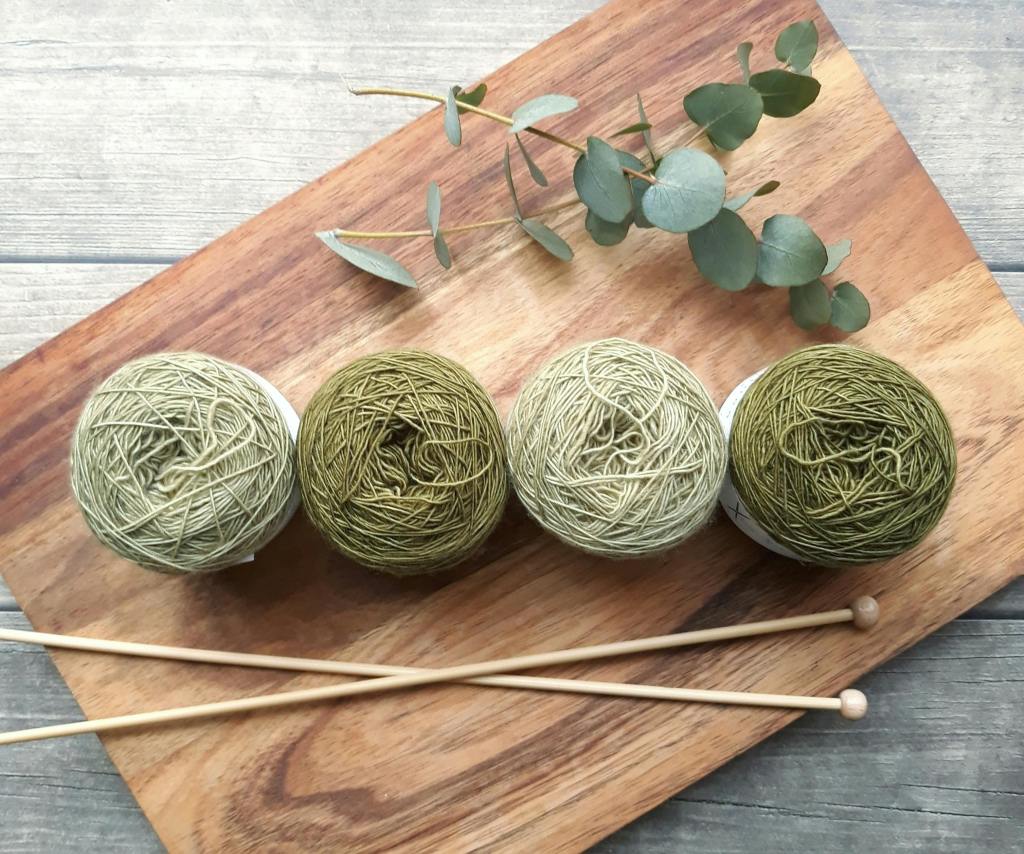
The Power of Hobbies: A Path to Mental Wellness

Life is full of stressors, and in today’s world, it can feel like we’re constantly being pulled in different directions. The weight of responsibilities, financial strain, and global uncertainties can take a toll on our mental well-being. It’s easy to put self-care on the back burner, but finding healthy ways to cope is essential. One simple and effective way to prioritize mental wellness is by engaging in a hobby.

How Hobbies Benefit Mental Health

Hobbies are more than just pastimes; they are powerful tools that can improve our mental health in significant ways:

  • Stress Reduction: Engaging in an enjoyable activity helps lower cortisol levels, the hormone responsible for stress.
  • Improved Mood: Activities that bring joy increase dopamine and serotonin, neurotransmitters linked to happiness.
  • Mindfulness and Relaxation: Focusing on a creative or physical task helps bring us into the present moment, reducing anxiety.
  • Sense of Accomplishment: Learning a new skill or finishing a project can boost confidence and self-esteem.
  • Social Connection: Some hobbies provide opportunities to connect with like-minded individuals, reducing feelings of loneliness.

Affordable Hobbies for Mental Wellness

Self-care doesn’t have to be expensive. There are plenty of budget-friendly hobbies that offer the same mental health benefits without straining your finances:

Creative Outlets

  • Drawing or Coloring: A simple sketchbook and pencils can provide a relaxing way to express emotions.
  • Journaling or Creative Writing: Writing down thoughts can be therapeutic and help process emotions.
  • DIY Crafts: Repurposing old items or using inexpensive materials to create something new can be fulfilling.
  • Photography with a Smartphone: Capturing beautiful moments in nature or daily life can be a form of mindful appreciation.

Physical Activities

  • Walking or Hiking: A free and effective way to clear the mind while benefiting from fresh air and movement.
  • Yoga or Stretching: Plenty of free online videos offer guided practices for relaxation and flexibility.
  • Dancing at Home: Turning on some music and moving freely can boost endorphins and relieve stress.

Intellectual and Social Engagement

  • Reading: Libraries offer free access to books, audiobooks, and e-books.
  • Learning a New Language: Apps like Duolingo provide free lessons to stimulate the brain and expand knowledge.
  • Listening to Podcasts: Countless free podcasts cover various interests, from storytelling to self-improvement. Of course, you can check ours out (Thrive by The Rising Muse)
  • Joining Online Communities: Engaging in forums, social media groups, or free online classes can provide social support and learning opportunities.

Gardening and Nature-Based Hobbies

  • Growing Houseplants: Taking care of plants can be soothing and rewarding.
  • Foraging or Birdwatching: Exploring local parks to identify plants and birds is a fun and educational way to connect with nature.
  • Urban Gardening: Even if you don’t have a yard, growing herbs in small pots or window boxes can be a fulfilling activity.

Making Time for Yourself

Life can be overwhelming, but carving out time for a hobby—even for just a few minutes a day—can make a significant difference in how we feel. Whether it’s something artistic, active, or intellectually stimulating, hobbies offer a break from the chaos and an opportunity to recharge. Investing in your mental health doesn’t have to be costly; sometimes, the simplest activities bring the most peace.

If stress is weighing you down, consider exploring a new hobby. It may be just what you need to find balance and joy amid life’s challenges.

Meaningful Decisions This New Year

Self-care and meaningful resolutions often dominate the conversation as the new year begins. But 2025 must be different. Life has shown us that “business as usual” is no longer acceptable. We can’t keep making promises to ourselves only to abandon them within weeks. This year demands resolutions that reflect the urgency of our times—resolutions that bring us peace, fulfillment, and connection. Here are five true resolutions to embrace in 2025:

1. Tell Those Around You That You Love Them

As of January 17, 2025, more than 40 lives have been tragically lost in major events, including 25 in the California fires, five in last weekend’s winter storms, and 15 in the Louisiana terrorist attack. This doesn’t even account for the countless others lost to accidents, illnesses, and age. Each of these numbers represents families who didn’t get one last word with their loved ones.

This year, let’s make it a priority to express our love—not just in words but in actions. Send that text, make that call, or give that hug. As Proverbs 27:1 reminds us, “Do not boast about tomorrow, for you do not know what a day may bring.” Cherish the moments you have now.

2. Make Amends and Forgive

Life is unpredictable, and holding onto anger only weighs us down. If amends need to be made, take the first step. If reconnecting isn’t safe or advisable, you can still forgive in your heart. Forgiveness isn’t about the other person; it’s about releasing yourself from bitterness. As Ephesians 4:32 says, “Be kind to one another, tenderhearted, forgiving one another, as God in Christ forgave you.” Let this year be one of emotional freedom.

3. Start a Form of Minimalism

We’re surrounded by clutter—both physical and emotional. If you don’t need it, don’t buy it. A helpful tip shared by a guest on The Rising Muse podcast is to leave items in your cart for 24 hours before deciding to purchase. You’ll be amazed at how many “needs” turn out to be unnecessary.

For me, this year’s purchases will focus on essentials like groceries, gas, and clothes for my growing child. As Ecclesiastes 5:10 warns, “Whoever loves money never has enough; whoever loves wealth is never satisfied with their income.” Let’s aim for simplicity, contentment, and intentional living.

4. Learn a New Survival Skill

Our dependence on technology can leave us unprepared for even minor disruptions. Consider learning basic survival skills: sewing a button, fixing a tire, or preparing a meal without electricity. This isn’t about doomsday prepping; it’s about practicality. Proverbs 22:3 offers wisdom: “The prudent see danger and take refuge, but the simple keep going and pay the penalty.” Being prepared is an act of wisdom and stewardship.

5. Prioritize Health

You don’t need a gym membership to get moving. Walk around your neighborhood, dance to your favorite playlist, or play actively with your kids. Just give your body the movement it craves. In 1 Corinthians 6:19-20, we’re reminded, “Your body is a temple of the Holy Spirit within you… glorify God in your body.” Small, consistent efforts can have a big impact.

Watch What Goes Into Your Body

This isn’t about restrictive diets. Instead, focus on small, manageable changes. Drink more water, cut back on fried foods, or reduce sugar intake. And don’t forget to feed your spirit. Are you praying or meditating? Protect your peace by avoiding content and environments that disturb your mood. Philippians 4:8 encourages us to dwell on what is true, noble, and praiseworthy.

6. Purge Your Social Life

Are you attending events out of obligation rather than joy? Are there relationships that bring more stress than peace? This year, embrace the power of “no.” As Ecclesiastes 3:1 reminds us, “There is a time for everything, and a season for every activity under the heavens.” Prioritize what truly matters and let go of what doesn’t serve you.

7. Pick a New Hobby

Try something new. It doesn’t have to be big or expensive. If you have the time and interest, it could be as simple as reading a certain number of books or experimenting with a new recipe each week. Look for free activities to enjoy on your days off at least once a month. Even something as small as getting crayons and a coloring book can bring joy and relaxation. Exploring a new hobby can bring fulfillment and add a spark of creativity to your life.

Final Thoughts

These resolutions aren’t about radical changes or impossible goals. They’re small, intentional steps that lead to a less stressful, more fulfilling life. As Psalm 90:12 prays, “Teach us to number our days, that we may gain a heart of wisdom.” Let’s make 2025 the year we live with purpose, connection, and peace.


Faith, Justice and Mental Health


In this week’s episode of Thrive by The Rising Muse, we delve into the intricate web of the justice system, shedding light on its nuances, challenges, and the inspiring journey of one individual dedicated to reforming it. Join us as we sit down with Ramona Toole, a beacon of resilience, service, and hope, whose personal story fuels her unwavering commitment to creating a safer and more equitable community for all

Ramona’s upbringing was marked by adversity, with a tumultuous household overshadowed by her father’s abuse and addiction. Yet, amidst the chaos, a pivotal moment ignited her path towards justice. A chance encounter with a black female judge sparked a flame within her, propelling her towards a career in law, driven by the desire to be a voice for the voiceless and a source of inspiration for the marginalized.

For Ramona, faith has been a guiding force, shaping her perspective on justice and compassion. While the legal system may be bound by the separation of church and state, Ramona emphasizes the crucial role of faith in addressing mental health within the justice system. She advocates for holistic approaches, integrating mental health support and rehabilitation services to break the cycle of crime and stigma

Central to Ramona’s mission is bridging the gap between law enforcement and marginalized communities. Through community service projects and mentorship programs, she aims to foster trust, understanding, and mutual respect between officers and civilians. By humanizing the badge and fostering genuine connections, Ramona believes we can cultivate safer, more inclusive communities.

Ramona underscores the importance of equitable access to justice, regardless of background or circumstance. Treating individuals with dignity, providing platforms for dialogue, and amplifying marginalized voices are essential steps towards building a more just society. Additionally, she advocates for comprehensive mental health support, urging policymakers to prioritize funding and accessibility for all.

As Ramona embarks on her journey to become a Gwinnett County State Court judge, her platform extends beyond the courtroom. With a focus on accident cases, civil disputes, DUI offenses, and traffic violations, she seeks to uphold fairness, integrity, and accountability in every case. Her nonpartisan approach underscores her commitment to serving the community above all else.

As we conclude our conversation with Ramona Toole, we are reminded of the power of resilience, compassion, and advocacy in reshaping our justice system. Through her tireless efforts, Ramona exemplifies the transformative potential within each of us to effect meaningful change. Check out our latest episode for more!

Until next time, be blessed.

The Power of Hugs: Boost Your Health and Happiness

Did you know that there is a National Hugging Day? It’s a day dedicated to celebrating the warmth and comfort that hugs bring to our lives. It is celebrated on January 21st, but we decided to talk about it yesterday on our newest episode of Thrive. Hugs are more than just gestures of affection – they have a profound impact on both our mental and physical well-being.

The Origins of National Hugging Day

National Hugging Day was created by Pastor Kevin Zaborney in Clio, Ohio, with the simple yet powerful idea of encouraging people to share warm embraces with their loved ones more often. Since its inception in 1986, this holiday has gained recognition worldwide, highlighting the importance of human connection and touch in our lives.

The Science of Hugs: How They Benefit Your Health

Hugs aren’t just nice – they’re essential for our overall health and happiness. Here are some of the incredible benefits of hugs backed by science:

  1. Boosted Immunity: Hugs can enhance your immune system by stimulating the thymus gland, which plays a crucial role in immune function.
  2. Improved Heart Health: Hugs lower blood pressure and reduce the risk of heart disease by promoting relaxation.
  3. Pain Relief: The release of oxytocin during hugs acts as a natural painkiller, soothing aches and discomfort.
  4. Emotional Bonding: Hugging fosters emotional bonds and strengthens relationships, creating a sense of connection with others.
  5. Mood Enhancement: Hugs trigger the release of endorphins, those delightful “feel-good” chemicals that lift your mood and combat feelings of loneliness.
  6. Better Sleep: A comforting hug before bedtime can promote better sleep by relaxing your body and mind.

What Happens in Your Brain When You Hug Someone?

When you receive a hug, it triggers a cascade of neurochemical signals in your brain. These signals lead to a decrease in cortisol, the stress hormone, creating a sense of safety and calmness. Additionally, hugs stimulate the release of oxytocin, often referred to as the “love hormone,” which promotes emotional bonding and enhances feelings of trust and connection.

How Many Hugs Do You Need?

According to research, hugs aren’t just beneficial – they’re necessary for our well-being. To thrive in life, aim for at least four hugs a day for basic survival, eight hugs daily for emotional balance, and twelve hugs daily for personal growth and flourishing.

Tune in to the latest episode of the Thrive by the Rising Muse, to learn more about the science behind hugs and how you can incorporate more hugs into your daily life. Together, let’s embrace wellness and thrive!

To access S1 E3 The Power of Hugs, click here

Breaking the Silence: A Journey into Faith and Mental Health

As we continue on this journey together, we just wanted to remind you that our premiere episode of Thrive, will be dedicated to exploring the delicate intersection of faith and mental health. In this inaugural episode, we have a very special interview lined up that promises to challenge perceptions, ignite conversations, and offer hope to those navigating the complexities of faith and mental wellness.

Our guest for this episode brings a wealth of insight and experience to the table, offering a unique perspective on the struggles and triumphs encountered within the faith community. We delve into topics that have long been shrouded in silence and stigma, shedding light on the importance of open dialogue, understanding, and support.

Stay tuned as we prepare to lift the veil on this thought-provoking conversation. Join us as we break the silence, confront misconceptions, and pave the way for healing and acceptance. Together, let’s embark on a journey of growth, empowerment, and resilience.

Keep an eye out for the release of our premiere episode of Thrive, where faith meets mental health in a powerful and transformative dialogue. We can’t wait to share this journey with you. April 7th our first episode will be available on YouTube and Spotify. By the end of the week it will be available everywhere you usually access your favorite podcasts.

Until then, remember: we are here to thrive.

Warm regards,
Naty
Host, Thrive Podcast

Join Us on a Journey of Healing and Understanding with “Thrive” Podcast

Welcome to a world where understanding meets action, where compassion transcends cultural boundaries, and where your voice and story find a home. We’re excited let you have another peek behind the curtain of the launch of “Thrive,” a podcast dedicated to exploring the depths of Christianity, mental health, parenting, family, and women’s issues, with an open heart and a discerning spirit. Our voyage begins on April 7th, but the conversation—and the community we’re building—starts now.

Diving Deep into The Role of Culture in Mental Health

“Thrive” is more than just a podcast; it’s a movement. A space where the invisible threads that weave culture and mental health together are untangled and examined. As a sneak peak on one of our topics, we confront an often overlooked yet fundamental aspect of our well-being: The Role of Culture in Mental Health.

Shattering Cultural Stigmas

Our journey will take us into the heart of how diverse perspectives on mental health can both harm and heal. We’ll explore the stigmas that silence sufferers, the cultural barriers to seeking help, and the disparities in access to mental health services. It’s time to break the silence and start the conversation.

Culturally Competent Care: A Path Forward

Through engaging discussions, expert interviews, and heart-touching stories, “Thrive” will illuminate the path toward culturally competent mental health care. Education, community engagement, and collaboration stand at the core of our mission—to create a world where mental health care is accessible, sensitive, and inclusive of all cultural backgrounds.

Why “Thrive” is a Must-Listen

“Thrive” is not just another podcast; it’s a commitment to understanding, a promise of hope, and a testament to the power of community. Here’s why you can’t miss it:

  • Engaging Content: Dive deep into the intersections of faith, culture, mental health, and more through thoughtful discussions and storytelling.
  • Expert Insights: Gain unique perspectives from a diverse range of voices, including mental health professionals, religious leaders, and individuals with lived experiences.
  • Community Focus: Join a growing community dedicated to breaking down barriers, understanding cultural nuances, and fostering a supportive environment for all.

Mark Your Calendars

The journey begins on April 7th, but the conversation starts now. Subscribe to our podcast on here to ensure you never miss an episode. Together, we can create a world where everyone has the opportunity to thrive, regardless of cultural background.

As we countdown to our launch, remember that “Thrive” is more than just a podcast—it’s a community, a conversation, and a chance to make a real difference. Whether you’re struggling, know someone who is, or simply wish to deepen your understanding of the complex interplay between culture and mental health, “Thrive” welcomes you.

Join us on “Thrive,” where every story matters, every voice is heard, and every struggle is acknowledged. Together, we’ll explore, learn, and grow, embracing the beautiful diversity of our experiences and backgrounds with open hearts and open minds.

Don’t forget to follow us, engage with our content, and spread the word. The path to understanding, acceptance, and healing starts with a single step. Let’s make that step together on April 7th. See you there! 🌟

Finding Comfort in Connection, Self-Care, and Faith During the Holidays

The holiday season is often portrayed as a time of joy, celebration, and togetherness. However, for many individuals, it can be a challenging period marked by loneliness, grief, and sadness. Whether due to the loss of a loved one, being far from family and friends, or struggling to form connections, the holidays can magnify feelings of isolation. Today, we’ll explore the various challenges people may face during this time and offer suggestions on how to cope, with a special emphasis on incorporating faith as a source of solace and strength.

1. Acknowledge and Validate Feelings:

The first step in addressing holiday loneliness and grief is to acknowledge and validate your feelings. It’s okay to feel sad, and it’s important to recognize that others may be experiencing similar emotions. Understanding that these feelings are a natural part of the holiday season can be a crucial first step toward healing.

2. Connect with Supportive Communities:

If you find yourself far from loved ones or lacking a strong social support system, consider reaching out to local communities, religious groups, or online forums. Attend community events, volunteer at local charities, or participate in virtual gatherings. Building connections, even if they are temporary, can provide a sense of belonging and alleviate loneliness.

3. Create Meaningful Traditions:

Crafting new traditions that align with your current circumstances can help reframe the holiday season. Whether it’s volunteering at a local shelter, starting a personal ritual, or joining community events, creating meaningful experiences can bring a sense of purpose and fulfillment.

This may sound silly as you’re by yourself, but it can be quite meaningful. One of my silly traditions is for New Year’s Eve. I don’t like to be out of my house, but I stay up late. After the new year has started, I locate a comedy channel and watch stand up comedy until I fall asleep. I look forward to that little tradition every year.

4. Embrace Self-Care Practices:

Self-care is crucial during times of loneliness and grief. Focus on activities that bring you joy, relaxation, and comfort. This could include spending time in nature, practicing mindfulness, indulging in hobbies, or simply taking a break to rest and recharge. Prioritize your mental and emotional well-being as an essential part of your holiday routine.

5. Seek Professional Support:

If feelings of loneliness and grief become overwhelming, seeking professional support can be incredibly beneficial. Therapists, counselors, and support groups can offer guidance, understanding, and coping strategies tailored to your specific situation.

6. Include God in Your Journey:

For those who find strength in their faith, including God in the process of navigating difficult times can provide solace and comfort. Engage in prayer, meditation, or attend religious services to connect with a higher power. Allow your faith to be a source of hope and guidance as you navigate the challenges of the holiday season.

If you want to start a habit of prayer or meditation, consider checking out my new book, The 15 day Challenge to a Stronger You! One of the challenges in the book is creating the habit of daily meditation.

The holiday season may bring forth a mix of emotions, but it’s essential to approach this time with compassion and self-care. By acknowledging your feelings, fostering connections, creating meaningful traditions, and including God in your journey, you can find strength and resilience during difficult times. Remember that you are not alone, and there are resources and communities available to support you on your path to healing and peace.

The Weight of Lethargy: How It Affects Our Spiritual Life

In our fast-paced world, where the demands of daily life often leave us drained and depleted, it’s not uncommon to experience bouts of lethargy. Lethargy, defined as a state of tiredness or lack of energy, can have a profound impact on various aspects of our lives, including our physical and emotional well-being. However, one aspect that is often overlooked is its effect on our spiritual life. We will explore how lethargy can affect our spiritual journey and offer strategies to combat its negative influence.

The Connection Between Lethargy and Spirituality

Photo by Maria Geller on Pexels.com
  1. Hindered Meditation and Reflection Lethargy can hinder our ability to engage in meditation and reflection, two essential practices for nurturing our spiritual selves. When we lack energy and motivation, it becomes challenging to sit quietly, clear our minds, and connect with our inner selves. Our minds may wander aimlessly, making it difficult to find inner peace and spiritual insight.
  2. Weakened Sense of Purpose Spirituality often revolves around a sense of purpose and meaning in life. Lethargy can dull this sense, leaving us feeling adrift and disconnected from our spiritual path. When we lack energy, it’s easy to become complacent and lose sight of our spiritual goals, leading to a sense of spiritual stagnation.
  3. Reduced Empathy and Compassion A vibrant spiritual life often involves feelings of empathy and compassion toward others. Lethargy, however, can make us more self-centered and less inclined to reach out and help those in need. This can weaken our connection to our fellow human beings and hinder our spiritual growth.

Strategies to Combat Lethargy and Nourish the Spirit

  1. Prioritize Self-Care To counter the effects of lethargy on our spiritual life, we must prioritize self-care. This includes getting enough sleep, maintaining a balanced diet, and engaging in regular physical activity. Taking care of our physical well-being can provide the energy and vitality needed for spiritual practices. Always remember that taking care of ourselves is not selfishness, we can’t take care of others until we take care of ourselves.
  2. Establish a Routine Creating a daily routine that includes time for prayer, bible reading and meditation can help us overcome lethargy. Consistency is key in maintaining a strong spiritual connection, and a routine can provide the structure needed to stay on track.
  3. Seek Inspiration Engage in activities that inspire and uplift your spirit. Reading spiritual texts, attending church services or events, or spending time with like-minded individuals can provide motivation and counter the effects of lethargy.
  4. Practice Gratitude Cultivating a sense of gratitude for the small blessings in life can help shift our focus away from lethargy and toward a more positive outlook. Gratitude practices can open our hearts and nurture our spiritual well-being.

Lethargy is a common challenge in our modern lives, and its effects on our spiritual well-being should not be underestimated. However, by recognizing the connection between lethargy and spirituality and taking proactive steps to combat it, we can nourish our spirit and continue on our spiritual journey with renewed energy and purpose. Through self-care, routine, inspiration, gratitude, and mindfulness, we can transcend the weight of lethargy and experience the profound benefits of a vibrant spiritual life.

Be blessed!