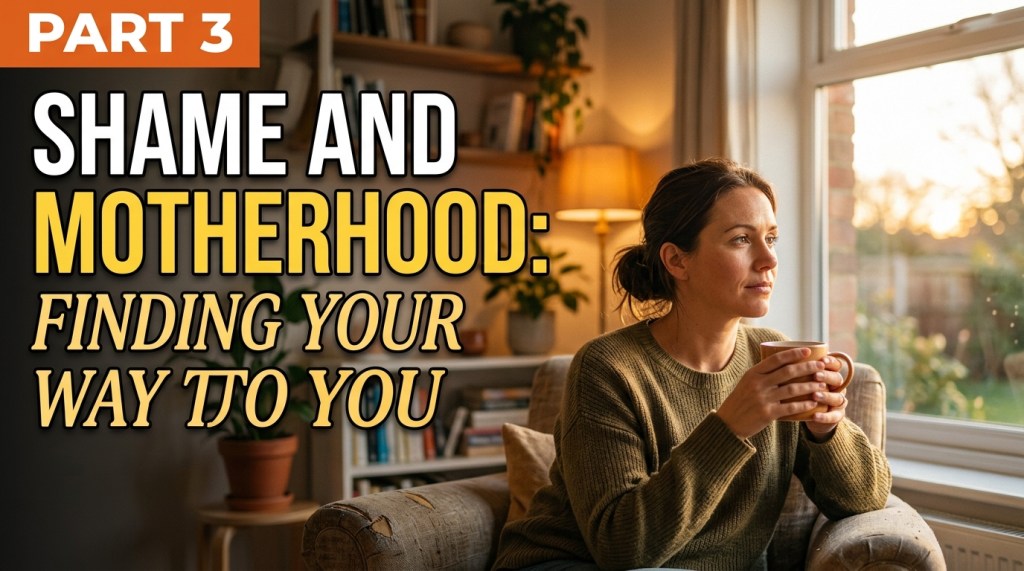
Shame in Motherhood: How Maternal Shame Shapes Parenting (and How to Heal It)

If you’ve ever looked at another mother and thought, “Why can’t I keep up like that?”—you are not alone.

Maternal shame is one of the most common, yet least discussed, heavy lifts of parenting. It quietly shapes how we react, how we cope, and how we view ourselves. But there is a massive difference between making a mistake and believing you are the mistake.

Here is a look at how shame sneaks into motherhood, and why healing it changes everything for both you and your child.

Guilt vs. Shame: Knowing the Difference

  • Guilt says:“I lost my temper. I need to fix that.” (Focuses on behavior)
  • Shame says:“I’m just a bad mother.” (Focuses on identity)

When we parent from shame, every messy moment feels like proof of failure. Instead of driving positive change, shame triggers emotional withdrawal, overcompensation, or self-attack.

The Illusion of the “Perfect Mother”

Social media serves up a steady stream of spotless homes, organic meals, and serene parenting. But comparing your raw, exhausting days to someone else’s curated highlights creates an impossible standard.

Your child doesn’t need a perfect mother who never makes a mistake. They need a regulated mother—one who can take responsibility, repair the moment, and show them how to recover when life gets messy.

What You’ll Discover in the Full Episode:

  • Why Motherhood Triggers Childhood Wounds: How your past might be driving your current parenting reactions (and how to break the cycle).
  • The Power of Repair: Practical scripts to reset with your child after a hard moment without collapsing into self-doubt.
  • 4 Physical Tools to Stop a Shame Spiral: Quick, body-based techniques to regulate your nervous system before you react.
  • Reparenting Yourself: Simple self-compassion practices that model true emotional resilience for your kids.

You Don’t Have to Parent from Burnout

Real motherhood includes messy rooms, quick meals, lost patience, and days where keeping everyone safe and fed is the ultimate win. That doesn’t mean you’re failing—it means you’re human.

Ready to drop the weight of perfectionism and find your way back to yourself?

👉 [Watch the full video/episode here] to learn how to break free from maternal shame and build a grounded, compassionate connection with your child.
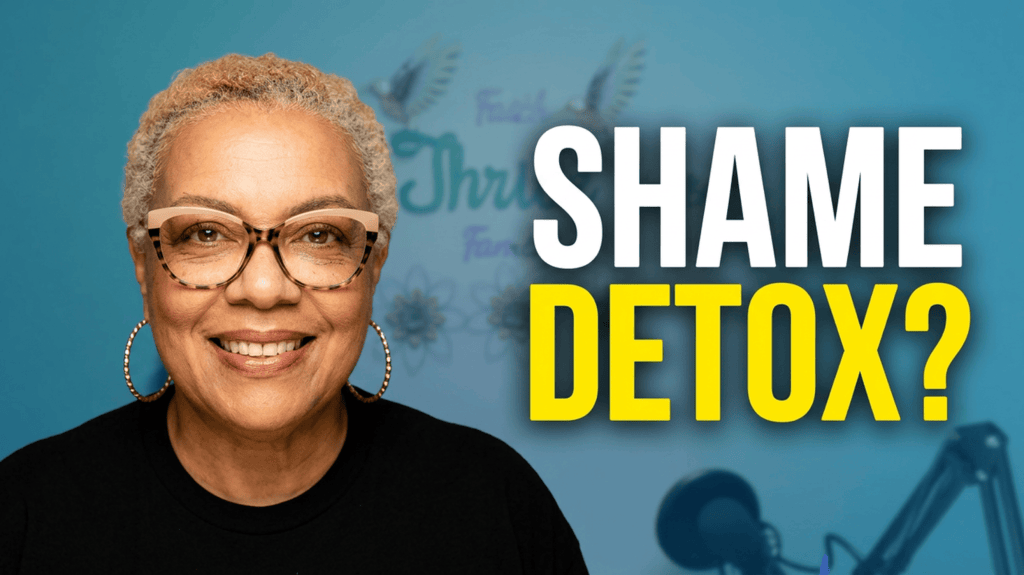
Shame Detox: How to Recognize Toxic Shame and Start Healing at the Root

Have you ever caught yourself over-apologizing for simply taking up space, obsessing over a minor mistake, or feeling like no matter how much you accomplish, it is never quite enough? What if the loudest, harshest voice inside your head isn’t actually yours?

In our latest episode of Thrive, we sit down for a deeply raw, eye-opening conversation about the invisible weight so many of us carry: toxic shame.

Shame doesn’t just make you feel bad—it quietly rewrites your identity. It influences how you date, parent, communicate, and even how you pray. If you have ever felt trapped in a endless loop of perfectionism, performance, or self-criticism, this conversation was recorded specifically for you.

Here is a glimpse of what we unpack in this powerful episode, and why you need to tune in today.

1. What Shame Actually Is (And Why It’s Not Guilt)

Before you can heal shame, you have to define it. In the episode, we break down the critical difference between the signals your mind sends you:

  • Guilt says: “I did something wrong.”
  • Healthy shame says: “That behavior doesn’t align with who I want to be.”
  • Toxic shame says: “I am wrong.”

Toxic shame doesn’t just correct your actions; it attacks who you are. We discuss how shame is deeply embodied—triggering physical threat states like elevated cortisol, a tight chest, or avoided eye contact—and how to spot it when it masks itself as discipline or ambition.

2. How Shame Gets Installed Early

Children are not born believing they are defective. We explore the relational root causes—from emotional invalidation and public humiliation to fear-based messaging—that teach us to believe mistakes threaten our belonging.

When raised with discipline lacking emotional connection, a child internalizes a dangerous narrative: “If I fail, I lose love.” In this episode, we unpack how to recognize these early installations so you can finally stop passing them down.

3. How Shame Shows Up in Relationships & Marriage

Shame never stays buried; it leaks into adult life. It shows up as hyper-independence, emotional withdrawal, people-pleasing, or an anxious need to perform to be loved.

We also get real about relationships, appearance, and marriage. We talk through the hard truth that no milestone—no ring, baby, or house—can change another human being. You’ll learn how toxic shame makes you personalize relational problems (“If I were prettier or better, they’d treat me right”) and how to start grounding your worth in secure love rather than conditional acceptance.

4. Religious Trauma vs. True Grace

Why do so many people walk away from faith spaces? We tackle the heavy topic of religious trauma and shame-based theology.

From the double standards of public shaming to fear-based messaging, we contrast harmful institutional practices with the compassionate model set by Jesus with the woman at the well. You will learn the difference between godly conviction (which draws you toward repair and closeness) and self-condemnation (which pushes you into isolation and hiding).

5. Practical Steps to Detox Shame at the Root

Healing isn’t about pretending nothing happened; it’s about disrupting the belief system shame built. In this episode, we walk through actionable tools to help you:

  1. Name the Voice: Separate yourself from the critic, the prosecutor, or the old tape.
  2. Practice Self-Compassion: Move from self-attack to supportive self-talk.
  3. Reconnect with Your Body: Shift your posture, breathe, and allow yourself to be seen.
  4. Speak Truth to Safe People: Disarm shame by speaking it out loud in safe relationships.
  5. Rewrite Your Spiritual Narrative: Choose restoring grace over punishing condemnation.

Ready to Stop Hiding and Start Healing?

Healing is rarely instant—it’s about unlearning, building safety, and taking small steps toward freedom every single day. You are not a mistake, and you don’t have to carry this weight alone any longer.

🎧 Watch or listen to the full episode of Thrive now to begin your shame detox journey.

Loved this conversation? Don’t forget to subscribe, leave a review, and share this episode with someone in your life who needs a gentle reminder of their worth today!

Loved this week’s episode insight? Help us unlock our next level of community care by subscribing to our YouTube channel today!

Sow a seed into this ministry to help us spread His light and transform lives—click here to join our mission today!