Are You Strong in Public, but Unraveling in Private?

Have you ever found yourself knowing all the right Scriptures, showing up for everyone else, and looking completely put-together on the outside—yet in private, you’re secretly struggling with overthinking, anxiety, or emotional triggers?

If so, you are far from alone.

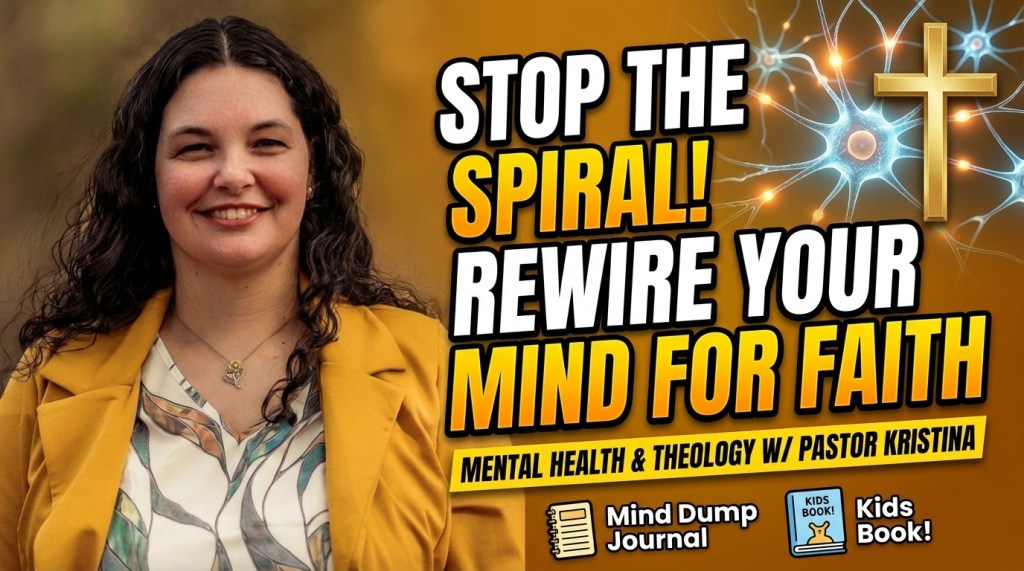
In our latest podcast episode, we sat down with Pastor Kristina Gibbons—ordained pastor, certified pastoral counselor, and author of the Mind Dump Journal—for a deep dive into the intersection of faith, brain science, and emotional transformation.

Why Surface-Level Fixes Don’t Work

Most of us spend years trying to manage our symptoms instead of untangling the root cause. But what if the key to lasting change isn’t just “trying harder,” but actually rewiring your brain?

In this conversation, Pastor Kristina breaks down:

  • The “Mind Dump” Method: How getting chaotic thoughts out of your head and onto paper physically transforms your perspective.
  • Neuroplasticity Meets Scripture: What actually happens in your neural pathways when you practice Romans 12:2 and “renew your mind.”
  • Taking Thoughts Captive: A step-by-step approach to intercepting toxic thought loops before they control your behavior.
  • Generational Healing: How her new children’s book, Asher Shines Bright, is helping parents teach kids to take their big worries to God early in life.

Whether you’re feeling stuck in a mental spiral or simply want practical, faith-based tools to master your internal monologue, this masterclass is built for you.

🎬 Watch the Full Episode Now!

Stop settling for surface-level quick fixes and start building neural pathways rooted in peace and spiritual authority.

🔗 Connect & Explore Pastor Kristina’s Resources:

Loved this week’s episode insight? Help us unlock our next level of community care by subscribing to our YouTube channel today!

Sow a seed into this ministry to help us spread His light and transform lives—click here to join our mission today!

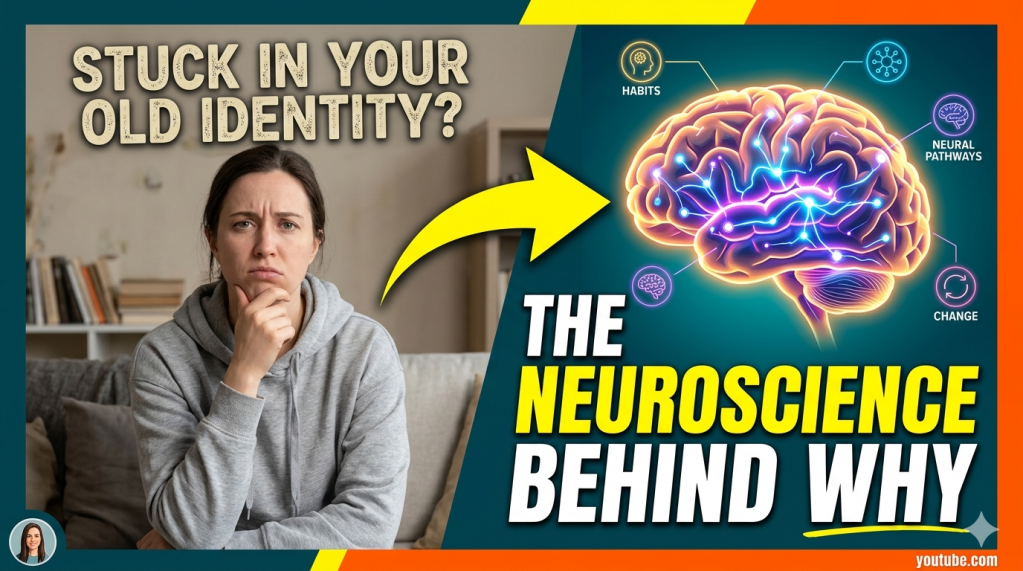
Stuck in Your Old Identity? The Shocking Truth About Why Your Brain Resists Change 🧠✨

Are you holding onto parts of your past that no longer serve you? Do you feel stuck because you’re still dragging around an outdated identity?

If we are being completely honest, shedding old versions of ourselves is one of the hardest things we will ever do. Whether it’s emotional, mental, or spiritual, stepping into the next season of life always requires leaving an old part of yourself behind.

But why does it feel like an uphill battle? Why do we constantly slide back into old patterns even when we know they are hurting us?

In our latest episode, we dive deep into the raw, unspoken reality of personal transformation. We aren’t just giving you a checklist of “good habits”—we are breaking down the exact neuroscience and spiritual warfare behind why you feel so stuck.

Here is a sneak peek of what we unpack in the full conversation (and why you cannot afford to miss this episode):

1. The Grief of the “Old Self” (It’s Not What You Think)

When you start setting boundaries, healing from trauma, or saying “no” to things that drain you, you expect to feel liberated. Instead, you might feel a strange sense of sadness.

In the episode, we reveal a truth most people ignore: Releasing your old identity brings a literal grieving process. Even if your past was dysfunctional, it was familiar. It kept you safe. We discuss how to navigate this grief with grace instead of guilt.

2. “Neural Entrenchment” – Your Brain is Wired to Keep You Stuck

Ever wonder why you still react with anger, low self-worth, or critical self-talk in stressful moments? It’s not a lack of willpower; it’s biology.

We dive into the science of the basal ganglia—the part of the brain where habits are automatically stored. Your brain actually prefers a predictable, unhealthy pattern over an unpredictable, healthy one. In the video, we explain how to break this “neural entrenchment” and physically rewire your mind.

3. The Timeline of Transformation

You’ve probably heard that it takes 21 days to form a habit. That is a myth.

Neuroscience shows it actually takes anywhere from 18 to 254 days to solidify a new behavior. In the full episode, we share practical, daily strategies—including visual cues and accountability hacks—to help you survive the “emotional dips” of this timeline without giving up.

4. The Spiritual Breakthrough

God calls us to be new creations ($2 \text{ Corinthians } 5:17$), yet our flesh desperately fights to stay in survival mode.

We discuss the powerful intersection of psychology and scripture (like $Isaiah 43:18-19$), showing you how to partner with the Holy Spirit to transform from the inside out. Your growth isn’t a betrayal of your past; it’s a holy act of obedience.

🚨 Stop hiding, stop shrinking, and stop apologizing for your growth.

If you are ready to stop fighting your own brain, heal from the past, and boldly step into the person God designed you to be, this conversation was built for you.

Watch the full episode now to unlock the tools you need for lasting breakthrough!

[ ➡️ CLICK HERE TO WATCH THE FULL EPISODE ⬅️ ]

What did you think of the sneak peek?

  • Drop a comment below: What is one old habit, mindset, or identity you are currently trying to let go of? Let’s talk about it!

Partner with our mission to bring hope and transformation to the community—click here to fuel the vision today!

Biblical Stories Through a Psychological and Trauma-Informed Lens

An Invitation to Deeper Understanding

Have you ever read a Bible story and wondered, What does this have to do with my anxiety? How does it relate to my waiting season? Or what about my trauma?

If you’ve ever felt disconnected from scripture, this episode is for you. It’s also for you if you feel overwhelmed by rigid interpretations that don’t leave space for your emotional reality.

In this conversation, we explore biblical narratives through a psychological lens. We also use a trauma-informed approach. We uncover something powerful: these stories are deeply human. They are filled with emotions such as fear, delay, shame, and longing. Experiences of betrayal and identity struggles are also present. In the middle of it all, there is a divine presence.

We revisit the journeys of:

  • David — anointed but overlooked, called but hidden
  • Joseph — betrayed, imprisoned, yet formed in the waiting
  • Hannah — grieving, longing, and praying through shame
  • Samaritan woman at the well — hiding in plain sight, yet met with compassion instead of condemnation

Through a trauma-informed perspective, we discuss:

  • How biblical delays may shape identity, not signal failure
  • Why avoidance and shame are survival strategies — not spiritual weakness
  • How honest prayer becomes a pathway to healing
  • What attachment, safety, and divine presence really mean for your mental health

This episode isn’t about rewriting scripture.
It’s about reading it with compassion.

It’s about recognizing that God meets people in caves, prisons, wells, and waiting seasons. God does not meet them only in miracles and mountaintops.

If your faith feels complicated…
If your story feels unfinished…
If you’re longing for a deeper, emotionally honest relationship with God…

🎧 Tune in to hear how psychology and scripture can coexist. Discover how viewing biblical stories through a trauma-informed lens might transform the way you see your pain. This perspective can also alter your process and your faith.

Breaking Generational Cycles: A Path to Healing

In today’s episode of “Thrive by the Rising Muse,” we delve into the profound topic of breaking generational cycles. These cycles, often unconsciously passed down through families, shape our thoughts, behaviors, and relationships. But the power to change lies within us, and this episode explores how we can become the lineage changers.

Understanding Generational Cycles

Generational cycles are patterns of behavior, beliefs, and coping mechanisms inherited from previous generations. They can manifest as emotional suppression, financial instability, or unhealthy relationship dynamics. Recognizing these patterns is the first step towards breaking them.

The Emotional Cost of Change

Breaking these cycles is not without its challenges. It often involves feelings of guilt, loneliness, and the pressure to do better for future generations. However, choosing healing over history is a courageous act that can transform not only your life but also the lives of generations to come.

Tools for Breaking Cycles

To break these cycles, one must engage in inner child work, set boundaries, and seek therapy or counseling. It’s about creating new patterns that foster emotional, relational, and spiritual wholeness. Remember, healing is a form of inheritance, and by breaking these cycles, you leave a legacy of peace and emotional intelligence.

Breaking generational cycles is a transformative journey that requires strength and resilience. As you embark on this path, know that you are not alone. Share this journey with others who are also striving to break free from the past. Together, we can create a future filled with healing and hope.

Subscribe Now: Join us on this journey of transformation. Subscribe to “Thrive by the Rising Muse” for more insightful episodes and become part of a community dedicated to breaking generational cycles.

During This Season, You Are Seen

The holiday season is often wrapped in bright lights, warm gatherings, and words like joy, peace, and merry. But for many, December doesn’t feel merry at all. Instead, it magnifies the ache of what—and who—is missing.

Maybe you’re facing the first Christmas without someone you love.
Maybe a divorce has fractured your sense of home.
Maybe a job loss has left you anxious about the future.
Maybe your health has shifted your daily reality.
Or maybe a broken relationship has left an empty chair at the table—and an even emptier space in your heart.

If you’re dreading the holidays this year, you’re not alone. And more importantly, you’re not forgotten by God.

Below is gentle truth, comfort, and hope for anyone walking into the season with grief, fear, or disappointment.


When You’re Grieving a Loved One

Scripture: “The Lord is close to the brokenhearted and saves those who are crushed in spirit.” — Psalm 34:18

Loss has a way of turning familiar traditions into reminders of what has changed. What once brought joy may now stir pain. Grief doesn’t follow a calendar, and it certainly doesn’t pause for December.

Hopeful Hints

  • Give yourself permission to feel. God isn’t asking you to pretend.
  • Create a moment of remembrance—light a candle, share a story, display a photo.
  • Let this be a season of gentleness, not pressure.

Prayer Thought: “Lord, sit with me in this tender space where joy and sorrow coexist. Be my comfort today.”


When You’re Divorced or Separated

Scripture: “He heals the brokenhearted and binds up their wounds.” — Psalm 147:3

Shifts in family structure can cast a spotlight on what’s been lost. Traditions change, routines break, and loneliness tries to creep in where connection used to dwell.

Hopeful Hints

  • Release the pressure to recreate the past.
  • Start small, new traditions that honor where you are now.
  • Surround yourself with voices that speak life, hope, and peace.

Prayer Thought: “God, restore my sense of belonging and rebuild the places within me that feel broken.”


When You’ve Lost a Job or Financial Stability

Scripture: “And my God will supply all your needs according to His riches in glory in Christ Jesus.” — Philippians 4:19

When finances are uncertain, the holiday season can feel overwhelming. Expectations rise, but resources don’t. Yet your value has never been tied to what you can buy, give, or provide.

Hopeful Hints

  • Simplify the season—meaning always matters more than material.
  • Seek support without shame; community is God’s design.
  • Remember that provision rests in God’s hands, not your performance.

Prayer Thought: “Lord, be my Provider. Show me Your abundance even in this season of lack.”


When Relationships Are Broken or Strained

Scripture: “If it is possible, as far as it depends on you, live at peace with everyone.” — Romans 12:18

Heartbreak isn’t limited to romantic relationships. A shattered friendship, tension with a family member, or distance with a child can make the holidays especially painful.

Hopeful Hints

  • Let go of forced togetherness; sometimes peace means stepping back.
  • Protect your heart with healthy boundaries.
  • Pray for reconciliation, but also pray for your own healing.

Prayer Thought: “God, guide me in my relationships with grace, wisdom, and peace.”


When You’re Battling Health Issues

Scripture: “My grace is sufficient for you, for My power is made perfect in weakness.” — 2 Corinthians 12:9

Illness—whether physical or emotional—can make the holidays feel heavy. Low energy, constant pain, or limitations can reshape what celebration looks like.

Hopeful Hints

  • Celebrate what you can, not what you feel you must.
  • Prioritize rest over expectation.
  • Allow others to support you—this is not a burden you have to carry alone.

Prayer Thought: “Lord, strengthen me, comfort me, and give me grace for every moment.”


A Final Word of Hope

Even when the holidays feel overwhelming, Christmas itself was born into darkness. Jesus stepped into a weary, grieving, broken world—and He still steps into ours. His birth remains good news for heavy hearts.

Scripture to Hold Onto:
“The light shines in the darkness, and the darkness has not overcome it.” — John 1:5

Whether this season finds you mourning, adjusting, rebuilding, hoping, or simply surviving, you are seen. You are loved. And God is with you in every breath, every tear, and every quiet moment.

May this be a gentle December, where the presence of God becomes your greatest gift and your steady place of peace.

Healing the Inner Child: A Journey to Wholeness

In this episode of “Thrive by the Rising Muse,” hosts Naty and Veda explore the profound topic of healing the inner child. This conversation is not just about revisiting the past but about embracing the journey to emotional and spiritual wholeness. Naty and Veda share personal stories and insights, reminding us that the inner child is the part of us that holds both joy and pain, shaping who we become.

Understanding the Inner Child

Naty and Veda explain how childhood experiences, both joyful and painful, influence our adult lives. They emphasize the importance of acknowledging these memories to facilitate healing and personal growth. Steps to Healing: The episode outlines practical steps for healing, including acknowledging hurt, reparenting oneself, and setting boundaries. Naty and Veda share their personal journeys of forgiveness and the freedom it brings. Spiritual Insights: Drawing on scripture, they explore how faith and God’s love play a pivotal role in the healing process, providing hope and restoration.

Join us for this heartfelt episode as we explore the path to healing and thriving. Tune in to “Thrive by the Rising Muse” and embark on your journey to wholeness.

Subscribe now to stay updated on our latest episodes and follow us on social media @TheRisingMuse for more insights and inspiration.

Holistic Healing and Faith: A Journey Toward Wholeness

In today’s fast-paced world, our minds, bodies, and spirits are often treated as separate parts of who we are. But what if true healing comes from seeing ourselves as whole beings? This is where holistic healing and faith integration meet—creating a path that brings balance, peace, and restoration.

On this week’s episode of Thrive by The Rising Muse, hosts Naty and Veda sit down with Melissa Armstrong, a former nurse turned holistic health coach, to explore how faith and wellness complement each other. Melissa opens up about her personal journey from traditional nursing into holistic health, sharing the ways trauma, emotional wounds, and nutrition all impact our well-being.

Together, they dive deep into the role of faith as a bridge that connects the inner world with the divine—allowing healing to flow naturally. Through practices like meditation, mindful living, and spiritual grounding, Melissa reminds us that healing isn’t just about fixing symptoms, but about restoring joy, balance, and connection.

Key Takeaways from this Episode:

  • Trauma affects both the mind and the body—and healing requires tending to both.
  • Faith provides purpose, strength, and hope throughout the wellness journey.
  • Holistic practices like meditation, nutrition, and mindful living create harmony when integrated with spiritual beliefs.
  • Healing is a journey, not a destination, and every person is worthy of wholeness.

If you’ve ever wondered how faith and wellness can work together, this conversation will inspire and encourage you. Whether you’re seeking healing from trauma, looking for balance in your daily life, or simply curious about holistic health, this episode will leave you with powerful insights and practical steps forward.

To connect with Melissa, www.holistichealthbymelissa.com

🎧 Listen now and discover how faith and holistic healing can transform the way you see wellness and wholeness.

👉 Don’t forget to subscribe to Thrive by The Rising Muse for more stories and conversations that inspire growth, healing, and resilience.

Love Beyond Valentine’s Day: Exploring the Depths of Love

Valentine’s Day is often reduced to chocolates, flowers, and romantic gestures, but what if love is so much more? In our latest Thrive by The Rising Muse episode, we peel back the layers of love and explore its true essence.

From the unwavering love of God to the deep connections we share with family and friends—and even the challenge of loving those who don’t love us back—this conversation will challenge your perspective on love.

Join us as we discuss how to navigate relationships through faith, what it means to love beyond conditions, and why true love is an action, not just a feeling. We will also dive into self-love and setting boundaries, ensuring that love isn’t just something we give but something we nurture within ourselves.

This episode is more than a discussion—it’s an invitation to live out love every day. Are you ready to redefine what love means in your life? Tune in now and let’s thrive together!

🎧 Listen now on your favorite podcast platform!

#Podcast #ThriveByTheRisingMuse #FaithBasedLove #GodsLove #SelfLove #FamilyLove #FriendshipGoals #MentalHealth #Boundaries #ValentinesDay #LoveBeyondRomance #UnconditionalLove #ChristianPodcast #FaithJourney #Healing #Relationships

Breaking the Stigma: Finding Hope and Healing in the Midst of Negative Emotions

We’ve all been there—caught in a whirlwind of emotions like stress, anxiety, and self-doubt. But what if you could transform those negative feelings into something empowering? In this deeply moving episode of Thrive by The Rising Muse, hosts Naty and Veda sit down with Sue Bowles, a master certified life coach and award-winning author, who has turned her personal struggles into a message of hope and healing.

Sue’s journey from trauma to thriving is both inspiring and eye-opening. She’s not only learned to navigate her own emotional ups and downs but has become a powerful advocate for mental health. If you’ve ever wondered how to break free from the grip of anxiety or tackle those negative thoughts head-on, this episode is for you.

Why You Should Listen:

In this candid conversation, Sue shares:

  • The power of vulnerability and how it’s key to healing.
  • The practice of gratitude and how it can immediately interrupt anxiety.
  • Why seeking professional help is a sign of strength, not weakness—especially in faith communities.
  • How to help others who are struggling without judgment, and the role of service in healing.

Sue also opens up about her personal battles with childhood trauma, an eating disorder, and even suicidal thoughts, offering real, raw insights into how she found healing—and how you can too. It’s not a quick fix, but Sue’s philosophy of taking “one step ahead” is the key to navigating your own journey.

Don’t Miss Out:

This episode is filled with wisdom, hope, and practical tools you can start using today. Whether you’re looking for ways to manage negative emotions or simply want to feel inspired by someone who has walked through the fire and emerged stronger, Sue’s message will leave you motivated and empowered.

Sue Bowles is a survivor turned thriver as an author, speaker, and Master Certified Life Coach. Having done the hard work of healing from a childhood rape, an eating disorder, other sexual assaults, and considering suicide, Sue now defines the effect the life-altering events have on her. The events no longer define Sue; she defines them.
“You only have to be a step ahead to help the person behind you” is the bedrock to the value Sue brings. She founded My Step Ahead and is the “Chief Instigator” behind the new Dare to Believe Movement, whose purpose is to nurture others to ‘dare to believe that you matter,’ knowing that nothing changes until that bedrock belief is solidified.
Whether speaking on a podcast, a stage, or one-on-one, Sue’s enthusiasm is contagious, shining the light of hope wherever the listener needs.
Sue’s award-winning first book, “This Much I Know…The Space Between” is available on Amazon and Kindle.

Call to Action:

Ready to break the stigma surrounding mental health and start your healing journey? Listen to the full episode of Thrive by The Rising Muse now!

And for more resources, visit SueBowles.com to grab her free PDF, “Quieting Your Inner Karen,” and discover how to silence that inner critic for good.

Finding Gratitude in Absence: Honoring Loved Ones During Thanksgiving

Thanksgiving is a season of gratitude, connection, and the warmth of sharing meals with those closest to our hearts. Yet, for many, it’s also a time when the ache of absence feels especially profound. An empty chair at the table may remind us of loved ones who are distant, estranged, or no longer with us. These quiet moments of longing reflect cherished memories and unspoken wishes.

But even amid the bittersweet pangs of missing someone, there are ways to honor those feelings, foster meaningful connections, and embrace the gratitude that Thanksgiving inspires.

1. Acknowledge Their Absence

Grief and longing are natural companions during the holiday season. Rather than suppress these emotions, invite them to be part of the day. Speak your loved one’s name, share a favorite story about them, or recall a cherished memory. Acknowledging their absence doesn’t diminish the joy of the season—it creates a space for joy to coexist with remembrance.

Consider a simple ritual to honor them, such as:

  • Lighting a candle in their memory at the dinner table.
  • Displaying a meaningful memento they treasured.
  • Writing a heartfelt letter expressing your thoughts and feelings.

These acts of remembrance not only honor their legacy but also keep their presence alive in your heart.

2. Create New Traditions

When the weight of absence feels too heavy, creating new traditions can offer a sense of renewal and comfort. You don’t have to replicate the past to honor it. Instead, find ways to infuse the holiday with fresh meaning:

  • Cook a dish they loved and share stories about why it was special.
  • Take a walk in their honor and reflect on the lessons they imparted.
  • Start a gratitude jar where everyone contributes a note of thanks, creating a shared experience that bridges the gap between past and present.

For those separated by distance, a video call or sharing a favorite photo can provide a moment of connection that transcends miles.

3. Lean on Community

Grief often feels isolating, but you don’t have to bear it alone. Reach out to friends, family, or trusted support groups. Sharing memories of your loved one can foster connection and mutual healing. Others may be missing them too, and together you can honor their impact on your lives.

If the loneliness feels too much, consider giving back. Volunteer to serve meals, donate to a cause your loved one cared about, or spend time with others who may also feel the weight of loss during the holidays. Acts of kindness can bring purpose and comfort to the day.

4. Find Gratitude in the Present

Even in the midst of loss, gratitude remains a powerful balm. Reflect on the laughter, lessons, and love your loved one brought into your life. These memories are gifts that continue to shape who you are.

At the same time, open your heart to the blessings still present—those gathered around you, the warmth of a shared meal, or even the beauty of a quiet, reflective moment. Gratitude doesn’t erase longing, but it can remind us of the richness of what we’ve experienced and what still lies ahead.

5. Be Gentle With Yourself

Holidays stir up complex emotions, and it’s okay to feel them all—joy, sorrow, love, and grief. There’s no right or wrong way to navigate the absence of someone you hold dear.

Allow yourself to let go of the pressure to make the day perfect. If the emotions feel too overwhelming, take a moment to step away, breathe, or cry if you need to. Honoring what your heart needs is an act of grace.

Carrying Their Love Forward

While Thanksgiving may amplify their absence, it also provides a chance to honor their love and legacy. Whether through stories, new traditions, or quiet moments of reflection, you carry their essence forward with you.

This Thanksgiving, as you gather around the table, let yourself hold them close in your heart. In doing so, you may find that they’ve never truly left. Missing them is a testament to the deep connection you shared—a bond that transcends time and space.

May your Thanksgiving be filled with gratitude, gentle healing, and the comforting presence of cherished memories.