Revisiting Winter Blues: How to Spot and Manage SAD Before Winter Hits

As the seasons shift and the days get shorter, do you find your energy plummeting along with the temperature? You aren’t imagining things—and you certainly aren’t alone.

In this powerful episode of Thrive by The Rising Muse, hosts Naty and Veda sit down with licensed professional counselor Alexandra Mays, founder of Mindful Steps, to dive deep into Seasonal Affective Disorder (SAD)—more commonly known as the winter blues.

What You’ll Discover in This Episode:

  • SAD vs. General Depression: Learn how seasonal changes trigger a shift in your brain chemistry (affecting serotonin, melatonin, and vitamin D levels) and how it differs from year-round depression.
  • The Telltale Signs: From struggling to get out of bed to unexpected isolation and changes in appetite, Alexandra breaks down the mental, physical, and emotional symptoms to watch for.
  • Practical Prevention & Coping Strategies: Discover why planning ahead, maximizing natural sunlight, adjusting your nutrition, and leaning on a trusted support system can help disrupt the negative cycle.
  • Breaking the Stigma: An honest, refreshing conversation on why therapy and mental health care should be treated as preventative care—not a last-minute crisis.

Plus, hear the hosts share a candid (and hilarious!) look at their own cozy winter routines, why “recharging versus isolating” matters, and how small, budget-friendly hobbies like indoor gardening can lift your spirits.

Alexandra Mayes is a Licensed Therapist and a Clinical Director of several different clinics that focus on recovery for those struggling with addiction. She has been in the mental health field for over ten years now and has worked with children, teens, and adults. In 2021, she decided to open Mindful Steps with her husband. Mindful Steps is a group practice with the goal of expanding her reach of care. In addition to receiving her bachelor’s degree in psychology from Tennessee State University, she also received her master’s degree in Counseling Psychology from there as well. She is a business owner, mental health advocate, wife, and a mother of two daughters.

You can find more about Alexandra Mayes on her website Www.mindfulsteps.care

💡 Don’t wait until winter hits to take care of your mental well-being.

👉 Watch the full episode now on YouTube / Listen on your favorite podcast platform to get the tools, grace, and insights you need to navigate the seasonal shift and learn how to truly thrive!

If you or someone you know is struggling, remember that support is available. If you are experiencing a mental health crisis, please dial 988. For domestic violence support, you can reach the National Domestic Violence Hotline at 1-800-799-7233 or text START to 88788.

Loved this week’s episode insight? Help us unlock our next level of community care by subscribing to our YouTube channel today!

Sow a seed into this ministry to help us spread His light and transform lives—click here to join our mission today!
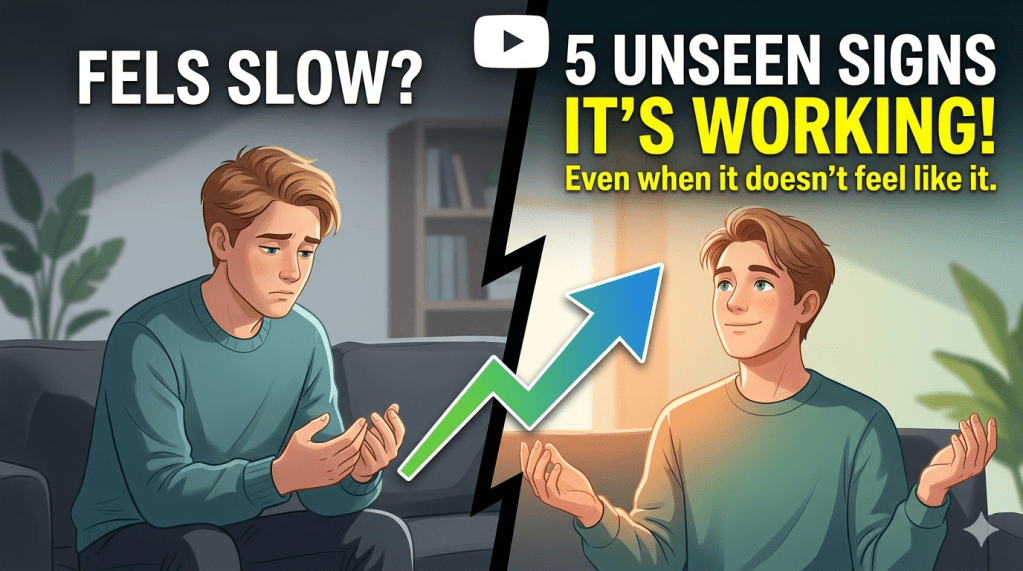

When Therapy Works — Even When It Feels Heavy: Understanding the True Path to Healing

Ever leave a therapy session feeling completely exhausted, emotionally exposed, or wondering, “Is this even working?” 🛋️💔

You entered this journey looking for an immediate exhale, but instead, it feels like the volume on your emotions just got turned up.

Here is the truth: Feeling worse does not mean you are failing. It means the deep work is beginning.

True healing doesn’t unfold at the speed of light—it unfolds at the speed of safety. It is a layered, non-linear journey of cleaning out old wounds so they can finally heal cleanly from the inside out. In this powerful episode, we peel back the curtain on the invisible signs of emotional growth and dismantle the biggest myths about mental health, faith, and progress.

What We’re Breaking Down in This Episode:

  • The “Feeling Worse” Paradox: Why hitting emotional resistance and uncovering hidden patterns (like using distractions to escape feelings of inadequacy) is actually a sign of profound momentum.
  • Faith & Therapy: How to navigate the spiritual tension of vulnerability and embrace the truth that seeking support doesn’t mean your faith is weak—it clarifies it.
  • The Myth of the Finish Line: Why healing isn’t a race to a perfect destination, but a sustainable practice of becoming more honest and compassionate with yourself.
  • Between-Session Care: Practical grounding exercises to soothe your nervous system when the emotional heavy-lifting follows you home.

Progress isn’t always loud. Sometimes, it’s just a quiet pause before you react, a boundary you finally set, or the grace you give yourself to rest.

Are you ready to stop rushing your process and trust your pace?

✨ [Watch the Full Episode Here] to discover the unseen signs that you are growing—even when it feels slow.

Brought to you by The Rising Muse, LLC. Don’t forget to subscribe to our channel and join our community growth challenge as we hit our next milestone! 🎧🌱

Listening Beyond Behavior: A Journey with Renee Keisman

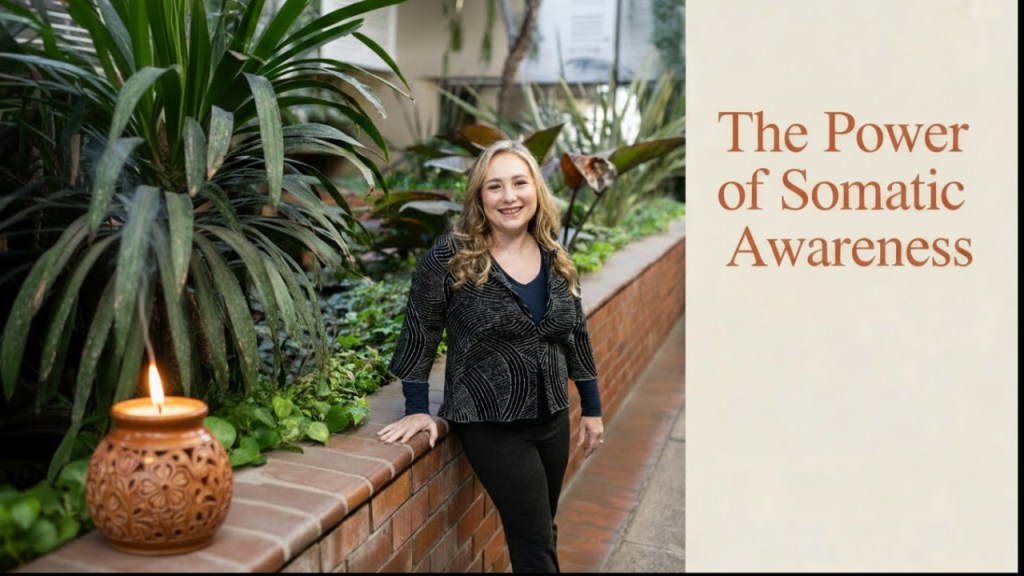
In a world where behavior often speaks louder than words, understanding the story beneath is crucial. Renee Keisman, CEO and founder of Love to Learn Counseling, shares her journey of blending applied behavior analysis with trauma-informed care and somatic awareness. Her approach redefines care for children and families, focusing on listening and connection.

The Intersection of Science and Compassion: Renee’s personal journey through illness and healing led her to explore trauma-informed somatic awareness. This approach emphasizes the importance of regulating the nervous system and offers a compassionate lens for viewing behavior. By respecting individual backgrounds and empowering autonomy, Renee’s team creates environments where growth thrives.

Somatic awareness involves being attuned to the body’s signals. Renee explains how understanding body language and creating a safe space can transform interactions with children experiencing trauma or stress. Simple practices like guided meditation and body scans help individuals find calm and connection.

Renee’s organization integrates somatic awareness and regulation skills into their training, ensuring that practitioners are equipped to support families effectively. By fostering a culture of presence and self-regulation, they create a healing environment for both children and parents.

Renee Keisman’s work reminds us that healing begins with listening, connection, and care. Her trauma-informed and somatic-integrated approach offers a holistic path to understanding and supporting families. As we embrace these practices, we open the door to deeper connections and meaningful growth.

She’s not only a Board Certified Behavior Analyst with a Master’s in Special Education, but she’s also a thought leader who believes that meaningful care begins with listening—not just to behavior, but to the story beneath it.Through her trauma-informed and somatic-integrated approach, Renee and her team are shaping environments where presence, safety, and autonomy lead to real growth.

Subscribe Now: Join us on this journey of healing and connection.

Healing Emotional Scars with God’s Help

By Veda Green (Thrive by The Rising Muse Co-Host)

Emotional scars often run deep, invisible to the naked eye but affecting every aspect of our lives. Unlike physical wounds, you can’t just slap a band-aid on them and hope they’ll heal on their own. The pain from past trauma can linger for years, surfacing unexpectedly and wreaking havoc on our peace of mind.

As Christians, we have unique resources to help us heal—prayer, wise counsel, therapy, and even medication. We can also turn to the eternal truths of Scripture to guide us through the healing process.

The Reality of Emotional Scars

Emotional scars can be triggered by anything—a song, a phrase, or even a memory. These triggers can transport us back to the moment of our deepest pain. For example, I know someone who saw her abuser’s face while she was with her loving boyfriend. She started screaming and tried to flee, but because he was aware of her past, he held her and assured her of her safety. This moment underscores the reality that we can’t simply lock our trauma behind a door and expect it never to resurface.

In Psalm 34:18, we find comfort: “The Lord is close to the brokenhearted and saves those who are crushed in spirit.” God is not distant from our pain; He is intimately aware of it and ready to offer His healing presence.

The Path to Healing

1. Prayer and God’s Word

   Prayer is our lifeline to God. In moments of overwhelming emotion, we can pour out our hearts to Him. Philippians 4:6-7 reassures us: “Do not be anxious about anything, but in every situation, by prayer and petition, with thanksgiving, present your requests to God. And the peace of God, which transcends all understanding, will guard your hearts and your minds in Christ Jesus.”

   Regularly meditating on Scripture can also help. Psalm 147:3 tells us, “He heals the brokenhearted and binds up their wounds.” By anchoring ourselves in God’s promises, we allow His truth to permeate our minds and soothe our souls.

2. Wise Counsel and Therapy

   Proverbs 11:14 says, “Where there is no guidance, a people falls, but in an abundance of counselors there is safety.” Seeking wise counsel from trusted friends, pastors, or professional therapists can provide the support and strategies needed to navigate the healing process.

   Therapy can offer tools to manage triggers and develop healthier coping mechanisms. It’s not a sign of weakness but a step towards wholeness.

3. Breaking Generational Curses

   Abuse can sometimes stem from generational patterns of behavior. Recognizing this and choosing to break the cycle is vital. Exodus 20:5-6 speaks to God’s desire for us to overcome these generational sins: “I, the Lord your God, am a jealous God, punishing the children for the sin of the parents to the third and fourth generation of those who hate me, but showing love to a thousand generations of those who love me and keep my commandments.”

   By addressing these issues, we protect future generations from experiencing the same pain.

Living in Freedom

Emotional scars, if left unattended, can negatively affect our relationships, marriages, children, and friendships. The enemy wants us to believe that we are defined by our past, but Jesus offers us a new identity. In John 8:36, Jesus declares, “So if the Son sets you free, you will be free indeed.”

1. Cultivating Healthy Relationships

   Romans 12:18 advises, “If it is possible, as far as it depends on you, live at peace with everyone.” This involves forgiving those who have hurt us and seeking healthy, supportive relationships that reflect God’s love.

2. Sharing Your Story

   Revelation 12:11 reminds us of the power of our testimony: “They triumphed over him by the blood of the Lamb and by the word of their testimony.” Sharing your story can be a source of healing for yourself and others. It breaks the silence and brings light to the darkness of abuse.

3. Trusting God’s Plan

   Jeremiah 29:11 offers a promise of hope: “‘For I know the plans I have for you,’ declares the Lord, ‘plans to prosper you and not to harm you, plans to give you hope and a future.'” Trusting in God’s plan, even when the path is painful, allows us to walk in faith and confidence.

Healing emotional scars is a journey that requires time, patience, and the right resources. As believers, we have the profound assurance that God is with us every step of the way. Through prayer, wise counsel, therapy, and the support of our faith community, we can find healing and freedom from the past.

May we always remember that our scars, while they may never fully disappear, can become testimonies of God’s incredible grace and healing power. As we navigate this journey, let us cling to the promise in Isaiah 41:10: “So do not fear, for I am with you; do not be dismayed, for I am your God. I will strengthen you and help you; I will uphold you with my righteous right hand.” With God’s help, we can overcome the past and step into the abundant life He has promised us.

Don’t forget to subscribe to our podcast Thrive by The Rising Muse