Understanding Obesity: Beyond Willpower and Shame

If you’re tired of hearing that weight loss is just about discipline or that failing to shed pounds is a moral failing, you’re not alone. The relentless emphasis on willpower often overlooks the complex biological, psychological, and societal factors at play. This comprehensive guide challenges common misconceptions around obesity, explores the science behind weight management, and offers actionable insights to support a more compassionate approach.

The Hidden Layers of Obesity: Disease, Trauma, and Inflammation
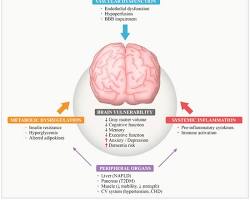
Obesity isn’t simply a matter of eating too much or moving too little. It is a chronic relapsing disease characterized by ongoing biological processes that resist quick fixes. The Disease Model of Obesity. Many medical organizations recognize obesity as a disease—an active, inflammatory endocrine disorder. Excess adipose tissue secretes cytokines, which promote inflammation and disrupt normal hormonal signals like leptin and insulin. These disruptions lead to increased hunger, decreased satiety, and metabolic resistance, making weight loss more complicated than calories in versus calories out. Trauma and Obesity Connection Anecdotal evidence suggests a significant link between trauma—such as sexual harassment or childhood abuse—and obesity, especially in women. Trauma can lead to emotional eating or weight gain as a protective mechanism against psychological distress. Addressing trauma is crucial for long-term weight management, yet it remains overlooked in traditional weight loss paradigms.

Rethinking Weight Loss: Willpower vs. Biological Reality

The prevailing view that weight loss is purely about discipline ignores the biology that works against us. Remember, obesity involves complex feedback loops:

  • Metabolic Adaptation: Every effort to lose weight triggers the body’s survival mechanisms, which reduce energy expenditure and increase hunger.
  • Set Point Theory: Your body resists permanent weight change by adjusting internal signals, making long-term maintenance challenging.
  • Inflammation: Excess fat contributes to systemic inflammation, further disrupting metabolism and hormones like insulin, leptin, and ghrelin.

This opposition explains why many people struggle despite their best efforts, and why punitive “eat less, move more” advice often backfires.

The Power of Medications and Lifestyle Medicine

Fortunately, advances in pharmacology are transforming obesity treatment. Drugs like GLP-1 receptor agonists (e.g., Wegovy, Ozempic, Tirzepatide) have shown remarkable effectiveness in suppressing appetite, reducing weight, and improving metabolic health. How Do GLP-1 Medications Work? Originally developed for diabetes, these medications impact gut-brain signaling pathways that regulate hunger and satiety. They not only facilitate weight loss but also confer cardioprotective benefits, especially in postmenopausal women. The Question of “Cheating” Using medication to manage hunger is not cheating—it’s utilizing available tools to improve health, much like someone with diabetes uses insulin. Obesity is a disease; treating it with medications should be normalized, not stigmatized.

The Psychological Dimension: Self-Love and Support

Addressing weight from a purely physical perspective neglects the critical psychological elements. Self-compassion, positive body image, and supportive communities are foundational for sustainable change. Love Yourself at Every Size. Stepping into a healthier weight involves not only physical adjustments but also reshaping internal narratives. Recognize your worth regardless of size, and practice self-love as you pursue health. Cultivating Support Systems: Surround yourself with people who uplift you—support groups, friends, or healthcare providers who understand the science and prioritise your well-being. Avoid environments that promote food noise or shame.

The Intersection of Society, Media, and Beauty Standards

Cultural standards heavily influence perceptions of beauty, often to the detriment of health. The glorification of thinness, unrealistic ideals, and diet culture can lead to disordered eating, shame, and mental health struggles. Recognizing and challenging these narratives is part of the journey toward holistic health.

Moving Forward: Practical Steps for Sustainable Weight Management
  1. Get a Comprehensive Medical Evaluation
    Understand your hormonal health, inflammation markers, and any underlying conditions. Collaborate with providers who acknowledge obesity as a disease.
  2. Consider Medication as Part of Your Toolkit
    Informed discussions with a knowledgeable healthcare provider can open doors to medications like GLP-1 agonists, which have been proven safe and effective for many.
  3. Address Psychological and Trauma-Related Factors
    Seek professional help if trauma or emotional eating impedes your progress. Supporting mental health is key to physical changes.
  4. Adopt a Compassionate, Sustainable Lifestyle
    Emphasize whole foods, manageable activity, hydration, sleep, and stress management. Extinguish food noise and nurture your self-esteem.
  5. Build a Supportive Community
    Engage with groups or professionals who reinforce positive change without shame or blame.
Final Thoughts: Embrace the Journey of Self-Care

The path to health is iterative, often non-linear, and uniquely yours. It requires embracing science, compassion, and patience. Remember—your worth isn’t defined by a number on the scale. If you’re considering medical intervention to support your weight loss journey, do so with informed guidance and self-love at the forefront. Treatment is about reclaiming your health, not conforming to societal pressures.

Watch the full conversation: here
Want to learn more about body positivity and health?
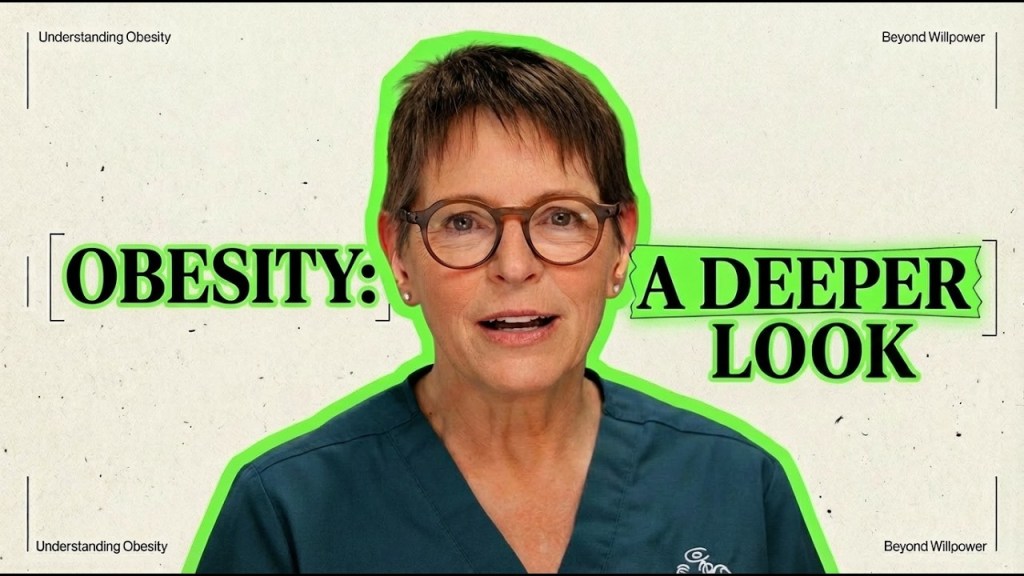
About Dr. Michelle Gordon

Dr. Michelle Gordon (affectionately known as “Dr. G”) is a board-certified former surgeon who traded the operating room for a mission to transform metabolic health. After spending 15 years running a multi-million dollar surgical practice, Dr. Gordon experienced a profound life “relaunch” following burnout and the COVID-19 pandemic. Today, she is a leading expert in Menopause Management, Medical Weight Loss, and Lifestyle Medicine.

As the founder of The Menopause Movement and The Meno System, she specializes in de-stigmatizing obesity by treating it as a complex biological disease rather than a character flaw. Her holistic “Kitchen Therapy” approach empowers women and high achievers to reclaim their health through mindset, habit change, and sustainable behavior modification.

Connect with Dr. Gordon:

Frequently Asked Questions

Is weight loss solely about willpower?

Not at all. Obesity involves complex hormonal, inflammatory, and psychological factors. Willpower alone cannot overcome biological resistance—medications and supportive lifestyle changes are essential.

Can trauma really influence weight?

Yes. Trauma, especially in women, has been linked to emotional eating, weight gain, and altered cortisol levels, which promote visceral fat accumulation.

Are medications like GLP-1 safe long-term?

Research indicates that GLP-1 receptor agonists are safe for long-term use under medical supervision, with additional benefits like improved cardiovascular health.

Does menopause make weight loss harder?

Absolutely. Hormonal fluctuations during menopause and perimenopause promote visceral fat accumulation and metabolic shifts that challenge weight management efforts.

Is it too late to start hormone therapy or medications?

Not at all. Early or late, individualized treatment plans can improve quality of life, reduce health risks, and support sustainable weight management.


Remember:

Your health journey is unique and sacred. Seek support, prioritize self-love, and use all available tools to thrive.


Three Kings Day: Honoring the Journey, Not Just the Gift

January 6th marks Three Kings Day, also known as Epiphany—the moment the Magi finally reached Jesus after a long, uncertain journey guided only by a star and faith that refused to let them turn back.

We often rush past this day, packing away the nativity and moving on to the next goal, the next resolution, the next task. But Three Kings Day invites us to pause—not at the destination—but at the journey.

Faith Isn’t Always a Straight Line

The Magi didn’t have a detailed map.
They didn’t know how long the road would be.
They didn’t have confirmation at every step.

They simply kept moving.

That’s important for us to remember as we step deeper into a new year. Faith doesn’t always feel confident. Sometimes it looks like asking questions, taking detours, or trusting God even when clarity hasn’t arrived yet.

Mental wellness and spiritual growth often work the same way. Healing, purpose, and alignment rarely come overnight. They unfold as we keep showing up—tired, hopeful, uncertain, but willing.

The Gifts We Bring Matter

The Magi brought gold, frankincense, and myrrh—gifts that symbolized kingship, divinity, and sacrifice. But what often gets overlooked is that the most powerful thing they offered wasn’t what they carried in their hands.

It was their obedience.
Their humility.
Their willingness to kneel.

As we reflect today, it’s worth asking:

  • What am I bringing into this season?
  • Am I offering God my trust—or just my plans?
  • Am I willing to surrender outcomes, not just intentions?

Sometimes the most meaningful gift we can bring is honesty—about our fears, our exhaustion, our hopes, and our need for guidance.

A Season of Revelation, Not Perfection

Epiphany is about revelation—God revealing Himself to the world. And revelation often comes quietly, through reflection rather than fireworks.

As you continue into this year, remember:
You don’t have to have everything figured out.
You don’t need to rush your growth.
You don’t need to compare your journey to anyone else’s.

Like the Magi, you are allowed to move at the pace of faith.

A Gentle Reflection for Today

Take a moment today to sit with these questions:

  • What “star” am I being asked to follow right now?
  • What distractions might I need to release?
  • What would it look like to trust God with the unknown parts of my life?

Three Kings Day reminds us that the journey itself is sacred—and that when we keep walking in faith, even imperfectly, we will arrive exactly where we’re meant to be.

🦃 A Heartfelt Thank You, A Harvest of Gratitude, and Exciting New Horizons!

Dear Thrive by The Rising Muse community,

As the calendar turns to November and the warmth of the holiday season approaches, I want to pause, take a deep breath, and extend my deepest, most heartfelt gratitude to each and every one of you. You—my dedicated listeners, wonderful guests, and engaged community members—are the true heart of this passion project.

🙏 Harvesting Our Shared Growth

Thanksgiving is a time for reflection, and as I look back on this journey, I am truly humbled. Your invaluable support, your willingness to share your stories, and your open-mindedness have been the fertilizer that has helped this community truly thrive. Watching our community grow from a seed of an idea into a vibrant ecosystem of personal growth and shared experiences has warmed my heart more than words can say.

Together, we are not just listening to a podcast; we are cultivating a beautiful journey. We’re exploring challenging topics, celebrating small victories, and committing to showing up as our best selves. Thank you for making this space one of genuine connection, inspiration, and mutual respect.

🚀 Exciting News: Tune In Wherever You Are!

We believe that cultivating personal growth should be convenient and accessible, no matter where your journey takes you. That’s why I am absolutely thrilled to announce that Thrive by The Rising Muse is now available on the incredible App Reveel platform!

This means you can now seamlessly integrate our episodes into your life, whether you’re relaxing on the couch, traveling, or just needing a boost of inspiration:

  • 💻 Direct Online Viewing: You can watch and listen to every episode right from your browser. Click here
  • 📺 On Your TV: Simply search for us on your Roku or Fire TV Stick.
  • 📱 On The Go: Download the App Reel app on your iOS or Android device.

Even more exciting news: Stay tuned, because App Reveel will soon be the exclusive home for special, exclusive episodes of the podcast, providing you with even deeper dives and unique content just for our community! Think extended interviews, behind-the-scenes glimpses, and focused Q&A sessions.

The App is FREE!

➡️ How to Connect with The Rising Muse Today

Getting started is easy! Choose the path that works best for you:

  1. Click Here to Watch Online
  2. Download the App Reveel App on your favorite device (search “App Reel”).
  3. Search for “Thrive by The Rising Muse” in the app. Or look for the show under the Reality TV Category
  4. Tap the follow/subscribe button and start listening!

Thank you once again for being the most supportive, inspiring part of this endeavor. I look forward to continuing to share our experiences, celebrating our growth, and connecting with you across these new platforms!

Warmest wishes for a happy and meaningful Thanksgiving season,

Thrive by The Rising Muse

Breaking Homeschool Myths with Tam – The Truth They Don’t Tell You (Part 2)

When you think about homeschooling, what comes to mind? Socially awkward kids? Limited opportunities? Confusing college admissions?

In this lively, eye-opening Part 2 of our homeschooling conversation on Thrive by The Rising Muse, we’re back with Tam — a homeschooling veteran with over a decade of experience — to pull back the curtain on what it’s really like to educate your kids at home.

Picking up where we left off in Part 1, Tam dives even deeper into busting myths, sharing laugh-out-loud stories, and revealing surprising truths that will change how you see homeschooling forever.

We talk about:

  • Why “socialization” isn’t the issue you think it is.
  • How homeschoolers get into college (yes, there’s a system, and it works).
  • The flexibility that makes real-world preparation possible.
  • Creative, affordable curriculum options most parents don’t know about.
  • The courage it takes to do things differently — and why it’s worth it.

Whether you’re a seasoned homeschool parent, just curious, or someone who’s been told “your child needs to be bullied to build character” (spoiler: we have thoughts on that), this episode will make you laugh, think, and maybe even reimagine what school can look like.

🎧 Listen to Part 2 now — and if you missed it, go back to catch Part 1 for the full conversation. You’ll walk away informed, inspired, and maybe even ready to start your own homeschooling journey.

Back-to-School Blues: Navigating the Mental Health Challenges for Kids and Parents

The end of summer often brings a mix of emotions—excitement, nervousness, anticipation, and stress. As backpacks are packed, lunchboxes lined up, and school calendars pinned on the fridge, both kids and parents can find themselves overwhelmed by the transition. While back-to-school season marks a new chapter of growth and learning, it can also trigger anxiety, burnout, and emotional strain for the entire family.

Let’s talk honestly about the mental health challenges that come with this season and explore realistic strategies to support your family’s well-being.

The Emotional Toll on Kids

Children, especially those starting a new school, grade level, or even changing schools altogether, can experience:

  • Separation anxiety (especially in younger kids)
  • Academic pressure or performance anxiety
  • Social stress: fears of bullying, fitting in, or navigating friendships
  • Sensory overload from long days, crowded classrooms, and routine changes

These emotional strains can show up as:

  • Trouble sleeping or waking up
  • Stomachaches or headaches with no clear cause
  • Emotional outbursts or mood swings
  • Withdrawal or silence about school experiences

The Silent Stress of Parents

While trying to be the steady hand for their children, parents often carry:

  • Financial pressure from school supplies, clothing, or extracurriculars
  • Work-life balance strain—especially for working parents juggling drop-offs, pick-ups, and homework
  • Emotional burnout from worrying about their child’s well-being, performance, and happiness

Parents may not notice their own stress until it shows up as:

  • Irritability or emotional exhaustion
  • Sleeplessness or feeling “on edge”
  • Feelings of guilt or inadequacy

How to Ease the Mental Load: Strategies That Help

Whether you’re a parent, caregiver, or educator, here are some grounded strategies to help ease the back-to-school transition:

1. Normalize the Emotions

Let your child know that it’s okay to feel nervous, overwhelmed, or even sad about the return to school. Validate their feelings before jumping into solutions. Model the same honesty for yourself: “I’m feeling a little stressed too, and that’s okay.”

2. Create Consistent Routines

Structure helps reduce anxiety. Start transitioning to school-year routines a week or two early—especially sleep and meal times. A predictable rhythm brings security and calm for both kids and parents.

3. Schedule Mental Health Check-Ins

Make it a habit to check in emotionally with your child, even just 5–10 minutes after school, to ask open-ended questions:

  • “What was the best part of your day?”
  • “Was there anything today that felt tough?”

Do the same for yourself. Journal, pray, or talk with a trusted friend about your own emotional state.

4. Practice Calming Techniques Together

Incorporate deep breathing, morning affirmations, or quiet time into your routine. These small practices build resilience and teach emotional regulation.

5. Set Realistic Expectations

Back-to-school doesn’t have to be perfect. Focus on progress, not perfection. Celebrate small wins—like getting out the door on time, finishing a hard assignment, or trying something new.

6. Build in Joy

Plan small family traditions to look forward to—Friday night movie night, Saturday pancake breakfast, or mid-week dance breaks. These joyful moments help balance out the mental load.

7. Know When to Get Support

If stress, anxiety, or sadness lingers beyond the adjustment period, it’s okay to seek professional support. Therapy or counseling can offer tools for both children and parents to manage emotional wellness.

Remember: Transitions Take Time

The beginning of the school year is not just a logistical change—it’s an emotional one. Be gentle with your kids. Be gentle with yourself. Your mental well-being is just as important as getting to school on time.

Let’s prioritize emotional safety this school year as much as academic success. When our hearts are healthy, our minds learn best.

Let’s Thrive Together.

If this season has you feeling anxious or overwhelmed, you’re not alone—and you don’t have to carry it alone. Thrive by The Rising Muse is here to walk with you through real life, real emotions, and real growth.

Thinking About Homeschooling? Here’s the Episode You Didn’t Know You Needed

You’ve seen the headlines. Maybe you’ve even scrolled past a few homeschool moms on TikTok with their color-coded charts and cozy learning nooks. But still, one big question lingers in your mind:

“Could I actually homeschool my child?”

This week on Thrive by The Rising Muse, we sat down with someone who can answer that in a way that’s real, practical, and surprisingly empowering. Tam—a decade-deep homeschooling veteran, former college admissions advisor, and viral TikTok mentor—joins us to drop gems, shatter myths, and keep it 100 about what homeschooling really looks like in 2025.

Let’s just say this episode isn’t about perfection—it’s about permission. Permission to reimagine your child’s education. Permission to ask questions, challenge stereotypes, and explore an option that just might work better than you think.

Whether you’re burnt out by the school system, anxious about safety, or just wondering how homeschoolers even do math without losing their minds, this episode is a must-hear.

We’re talking:

  • What it really takes to homeschool
  • How to know if it’s right for your family
  • The surprising truth about socialization, college, and curriculum

But here’s the deal: we’re not giving it all away here.

You’ve got to press play.

🎧 Listen now on YouTube, your favorite podcast platform, or catch us on the radio!
📻 WDJY 99.1 FM (ATL) – Thursdays at 9 AM
📻 92.9 FM / 89.3 HD3 – Denver
📺 Spiritual Channel 36 – Fairfax Public Access / Cox

Follow us for more:
Instagram | TikTok | Fanbase | Blue Sky: @therisingmuse

🌸 Dear Caregiver: You Deserve Care Too

This Mother’s Day, we’re asking a different question.
Not “What are you doing for others?” but “When was the last time you did something for yourself?”

In our latest episode of Thrive by The Rising Muse, we sit down with the powerhouseMaz Alexander—mental wellbeing coach, social worker, speaker, and author of Arise Kintsugi Queens—for a conversation every caregiver needs to hear.

If you’ve ever:

  • felt invisible while showing up for everyone else,
  • been told that rest is a luxury,
  • struggled to say no without guilt,
    —This episode is your reminder that self-care isn’t selfish—it’s survival.

Maz shares raw stories, wisdom passed through generations, and the truth about the emotional cost of caregiving. You’ll laugh, reflect, and probably exhale in relief because finally, someone gets it.

Maz Alexander is a Mental Well-Being and transformational Coach, Social Worker, Mother, Speaker, and Author based in South London. She supports busy professionals and caregivers in developing and maintaining healthy boundaries so that they can implement the self-care they need to live balanced, authentic, and fulfilled lives.

 Her first published book, Arise Kintsugi Queens: You Are Becoming All You Were Meant to Be, encompasses her personal and professional insights into mental health and wellbeing, faith, and recovery. It ministers to the souls of women who feel overworked, depleted, rejected, and unworthy. It assists them to reclaim their identity and discover their purpose.

🎧 This is for the mothers, the nurturers, the women who never get asked, “How are you really?”

👉 Tune in and give yourself the gift of being seen.


🎥 Watch on YouTube
📘 Grab Maz’s book: Arise Kintsugi Queens on Amazon

Finding Hope After Rock Bottom

What if your darkest moment could become the beginning of your greatest transformation?

In our latest episode of Thrive by The Rising Muse, hosts Naty and Veda sit down with the incredible Meredith White, a Kentucky Certified Peer Support Specialist, recovery advocate, and founder of Simply Sober. Meredith’s journey takes us through the depths of childhood trauma, addiction, prison, and profound heartbreak — but it’s not the tragedy that defines her. It’s her relentless resilience, her hope, and her commitment to helping others find their light.

From surviving life on the streets to creating a community that champions non-judgmental recovery, Meredith’s story is raw, real, and breathtakingly honest. You’ll hear about the pivotal moments that led to her sobriety, how she built her life back one small victory at a time, and why her mantra “Every Little Bit Helps” can change the way you look at healing forever.

This conversation will move you, challenge you, and leave you believing that no matter how far you’ve fallen, hope is always within reach. 💚✨

To connect with Meredith

TikTok, Facebook, and YouTube

🎧 Listen now and be reminded: You are never alone, and it’s never too late to reclaim your life.

The Power of Prayer—A Path to Mental Peace

Have you ever found yourself at the edge of your strength, unsure of the next step, but managed to whisper a single prayer that somehow changed everything?

In our latest episode of Thrive by The Rising Muse, we dive deep into the transformative connection between prayer and mental health. With our usual blend of honesty, humor, and heartfelt wisdom, we explore why prayer is more than just a spiritual tradition—it’s a lifeline. A powerful tool for healing. A sacred space where burdens are laid down and peace is picked up.

You’ll hear personal stories that will touch your soul, moments of laughter that remind us we’re human, and reflections that might just feel like home. From teething toddlers to teary breakthroughs, this episode is raw, real, and restorative.

If you’ve ever questioned your prayers, struggled with silence, or simply longed to feel heard, this one’s for you.

🎧 Come take a seat at the table. Let’s talk. Let’s laugh. Let’s heal. Together.

👉 Tap the link, press play, and meet us in the conversation. We promise you’ll walk away feeling seen, supported, and spiritually full.

From Candy to Calling: What to Do Now That Easter is Over

The eggs have been hunted, the candy wrappers tossed, and the “He is Risen” banners packed away. Now what?

Too often, we treat Easter like the end of a spiritual season, when really—it should ignite the start of something new. At Thrive by The Rising Muse, we’re challenging ourselves (and you!) to let Easter be the spark that pushes us into action, healing, and deeper faith.

Here are 5 things you can do now that Easter is behind us:

  1. Reflect intentionally – Journal what moved you this season. What did God speak into your spirit?
  2. Reconnect with community – Whether it’s church, a podcast, or a small group, don’t isolate.
  3. Reignite your devotional life – Start a fresh plan or return to a forgotten one.
  4. Release guilt – If Easter came with tension, grief, or comparison, let it go. God’s grace is bigger.
  5. Renew your joy – It’s okay to celebrate. It’s okay to laugh. Jesus didn’t rise so we could live burdened.

Easter might be one day on the calendar, but resurrection life is every day we choose faith, grace, and love.

Keep rising, keep thriving, and keep showing up for your calling.


📲 Follow us @therisingmuse on IG, Threads, TikTok & Blue Sky
📡 Listen on wdjyfm.com (Thursdays 9AM), 99.1 FM ATL, 92.9 FM Denver, & Spiritual Channel 36 (Fairfax)

#ResurrectionEveryday #FaithOverFear #ChristianEncouragement #ThriveByTheRisingMuse #PurposeAfterEaster