Why Change Isn’t Something to Fear

“To every thing there is a season, and a time to every purpose under the heaven.” — Ecclesiastes 3:1 (KJV)

There is something extraordinary about the arrival of autumn. The air becomes crisp, the mornings grow cooler, and the trees begin to dress themselves in brilliant shades of red, orange, gold, and brown. What was once a landscape filled with green begins to transform into a breathtaking display of color. The leaves slowly release their hold on the branches, falling gracefully to the ground as if nature itself understands that change is a necessary part of life.

Autumn reminds us that change is not always something to fear. Sometimes, change is God’s way of preparing us for the next chapter of our lives.

Just as the trees transition from one season to another, we, too, experience seasons of transformation. We have seasons of joy, seasons of sorrow, seasons of abundance, and seasons when it feels as though everything we once depended on is slipping away.

When you find yourself in the middle of an unexpected shift, pause and consider two questions:

  • What if the very things we are afraid of losing are the things God is using to prepare us for something greater?
  • What if the falling leaves are a reminder that we do not have to hold on to everything to remain rooted?

Letting go is rarely comfortable, especially when we have grown attached to how things have always been. Yet just like the trees, releasing what belongs to a past season is the very thing that preserves our strength and prepares us for future growth.

This is Part 1 of a 4-part blog series. Come back next week for Part 2!

By Veda Green

Sow a seed into this ministry to help us spread His light and transform lives—click here to join our mission today!


Can prayer, fasting, and a powerful spiritual experience override clear biblical teaching?

When someone says, “We prayed about it, we fasted about it, and God gave us confirmation,” it can sound like the ultimate end to any debate. But in Part 2 of this Thrive conversation, the hosts tackle the crucial question underneath:

Does a personal revelation change what God has already said in Scripture—especially when spiritual leaders are involved?

Building on the foundation of Part 1, the hosts move from textual analysis to the real-world weight of spiritual discernment, leadership accountability, and personal experience.

Here is what is on the table in Part 2:

  • The Reciprocal Picture: Taking a closer look at 1 Corinthians 7, the hosts ask a fair question—if Old Testament polygamy is used to justify multiple wives, what about a woman having multiple husbands?
  • The Personal Cost: One host opens up about her own story of unknowingly being married to a man who was already married. Her honest reflection highlights the human side of the debate: broken trust, emotional pressure, and the hidden pain behind plural arrangements.
  • Fasting Over Disobedience: The hosts unpack why spiritual disciplines don’t automatically validate every decision, offering a powerful reminder: “Fasting over permission to disobey God does not turn disobedience into obedience.”
  • Leadership & Platform Stakes: Why qualifications for elders and overseers matter—and why holding a spiritual title demands greater biblical accountability, not less.

This isn’t about throwing hate at anyone or judging a person’s entire character from a single decision. It’s an honest, respectful call to spiritual maturity, discernment, and holding our personal desires up to the whole of Scripture.

If you’ve ever struggled to navigate the line between personal leadings and biblical truth, this conclusion is a must-watch.

[Click here to watch Part 2 now!]

God told me so.

We’ve all heard it. Lately, it seems to be the phrase of choice for high-profile figures and spiritual leaders announcing their shift into plural marriage. Fasting, praying, and receiving “divine confirmation”—it sounds deeply spiritual. But it raises an uncomfortable question:

Is plural marriage actually God’s design, or are we using spiritual language to validate our own desires?

In Part 1 of this Thrive episode, the hosts dive straight into the deep end of this conversation. They aren’t here to throw stones, lecture, or pass judgment from a distance. But when personal choices are framed as God’s stamp of approval, they become teachings—and teachings deserve to be examined.

Here is a glimpse of what is on the table in this episode:

  • Grace vs. Design: Why God’s grace in our imperfect situations doesn’t mean every lifestyle choice reflects His original plan.
  • Descriptive vs. Prescriptive: Just because polygamy happened in the Bible, does that mean God approved it? (Wait until you hear their down-to-earth analogy about supporting a pregnant teenage daughter).
  • The Old Testament “Receipts”: A raw look at the households of Abraham, Jacob, David, and Solomon, and what Scripture reveals about the real-world consequences, jealousy, and rivalry that followed.
  • The Creation Pattern: What Genesis and Jesus’ words in Matthew 19 say about the “one flesh” covenant.

With 42 years of marriage between them, personal honesty, and plenty of humor, the hosts unpack the strain, the headlines, and the hard questions without shying away from what the text actually says.

Whether you’ve scrolled past the news and wondered what Scripture has to say, or you’re trying to navigate how to respond when “God told me” is used as an ultimate defense, this conversation is one you don’t want to miss.

Click here to listen to Part 1 now!

Revisiting Winter Blues: How to Spot and Manage SAD Before Winter Hits

As the seasons shift and the days get shorter, do you find your energy plummeting along with the temperature? You aren’t imagining things—and you certainly aren’t alone.

In this powerful episode of Thrive by The Rising Muse, hosts Naty and Veda sit down with licensed professional counselor Alexandra Mays, founder of Mindful Steps, to dive deep into Seasonal Affective Disorder (SAD)—more commonly known as the winter blues.

What You’ll Discover in This Episode:

  • SAD vs. General Depression: Learn how seasonal changes trigger a shift in your brain chemistry (affecting serotonin, melatonin, and vitamin D levels) and how it differs from year-round depression.
  • The Telltale Signs: From struggling to get out of bed to unexpected isolation and changes in appetite, Alexandra breaks down the mental, physical, and emotional symptoms to watch for.
  • Practical Prevention & Coping Strategies: Discover why planning ahead, maximizing natural sunlight, adjusting your nutrition, and leaning on a trusted support system can help disrupt the negative cycle.
  • Breaking the Stigma: An honest, refreshing conversation on why therapy and mental health care should be treated as preventative care—not a last-minute crisis.

Plus, hear the hosts share a candid (and hilarious!) look at their own cozy winter routines, why “recharging versus isolating” matters, and how small, budget-friendly hobbies like indoor gardening can lift your spirits.

Alexandra Mayes is a Licensed Therapist and a Clinical Director of several different clinics that focus on recovery for those struggling with addiction. She has been in the mental health field for over ten years now and has worked with children, teens, and adults. In 2021, she decided to open Mindful Steps with her husband. Mindful Steps is a group practice with the goal of expanding her reach of care. In addition to receiving her bachelor’s degree in psychology from Tennessee State University, she also received her master’s degree in Counseling Psychology from there as well. She is a business owner, mental health advocate, wife, and a mother of two daughters.

You can find more about Alexandra Mayes on her website Www.mindfulsteps.care

💡 Don’t wait until winter hits to take care of your mental well-being.

👉 Watch the full episode now on YouTube / Listen on your favorite podcast platform to get the tools, grace, and insights you need to navigate the seasonal shift and learn how to truly thrive!

If you or someone you know is struggling, remember that support is available. If you are experiencing a mental health crisis, please dial 988. For domestic violence support, you can reach the National Domestic Violence Hotline at 1-800-799-7233 or text START to 88788.

Loved this week’s episode insight? Help us unlock our next level of community care by subscribing to our YouTube channel today!

Sow a seed into this ministry to help us spread His light and transform lives—click here to join our mission today!

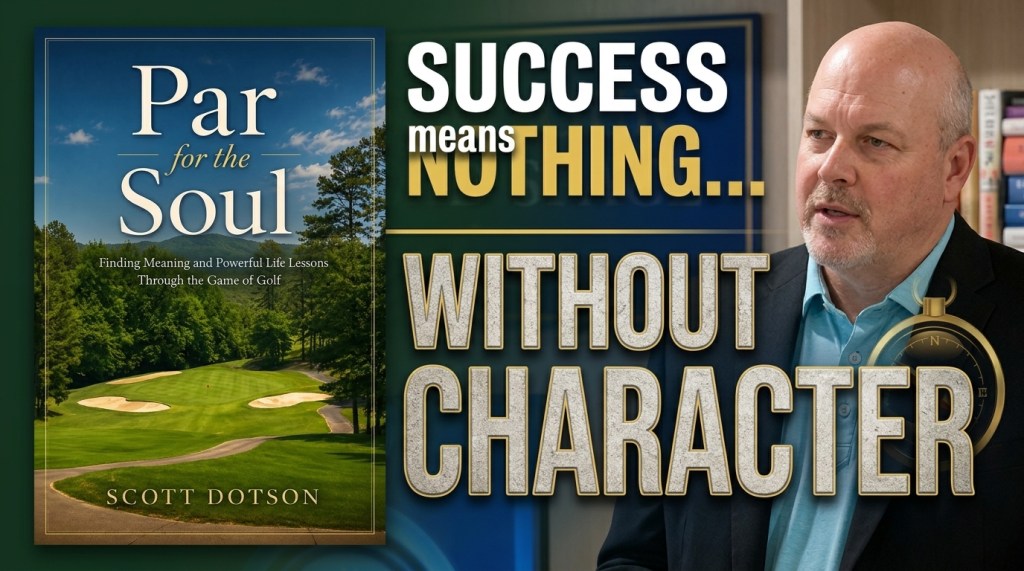
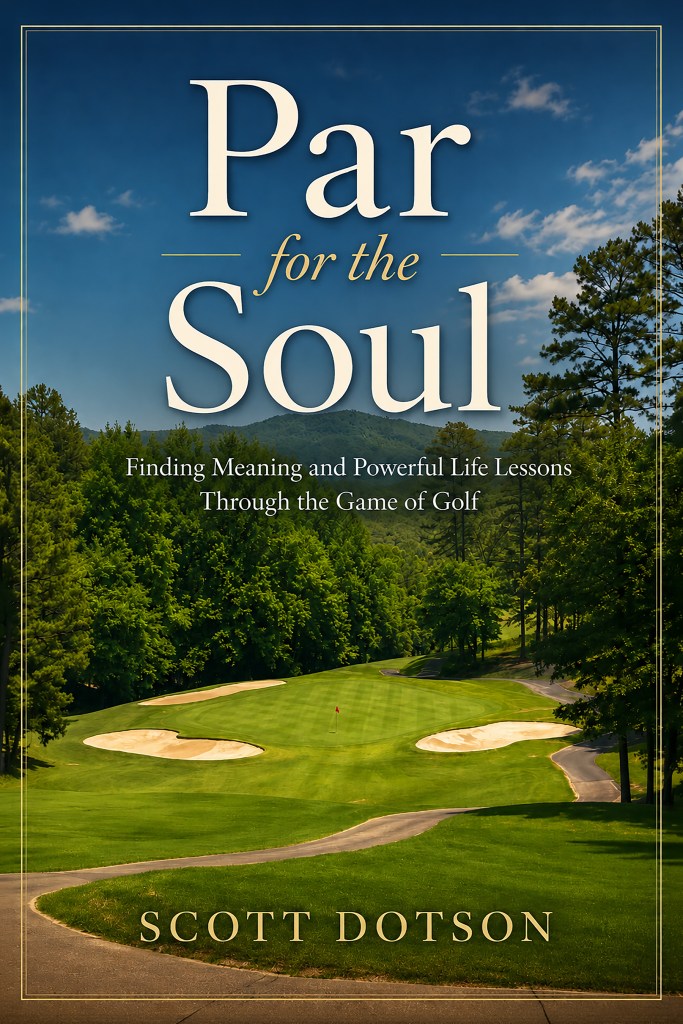
Par for the Soul: How Golf, Character, and the Power of Next Can Help You Thrive

Ever wondered how to bounce back after a loss, a career shift, or a life-altering setback? In the latest episode of Thrive by The Rising Muse, author Scott Dotson (Par for the Soul) breaks down how to move forward—one choice, one lesson, and one “next” at a time.

Whether you’re an athlete, an entrepreneur, or navigating a personal transition, Scott’s practical wisdom shows why success means nothing without character.

3 Key Takeaways From the Episode

1. The Power of “Next”

We often carry yesterday’s guilt, shame, and mistakes into today. Scott’s 5-step framework helps you break the cycle:

  1. Accept what happened.
  2. Own your role in it.
  3. Learn the lesson.
  4. Let it go.
  5. Focus on the next moment.

“If the shot is gone, let it go. If the day is done, learn from it—then move on to the next opportunity.”

2. The Golf Course as a Classroom for Life

You don’t need to play golf to get the point. For Scott, the course is simply a setting where patience, humility, and self-control are tested in real time. The same virtues needed on the green—resilience, accountability, and kindness—are the exact traits needed in your family, business, and daily decisions.

3. Who Are You When Nobody Is Watching?

Roles change—you can switch jobs, retire, or start over—but your character remains. Scott shares practical exercises to clarify your core values and “chip away” at everything in your life that doesn’t align with who you are called to be.

Ready to Own Your Headspace?

Watch the full interview to hear Scott’s personal story of resilience, how he reinvented himself after 40 years at State Farm, and how you can apply his 7-Day Character Challenge to your own life!

▶️ Watch the Full Episode Here

Resources Mentioned in This Episode

Loved this week’s episode insight? Help us unlock our next level of community care by subscribing to our YouTube channel today!

Sow a seed into this ministry to help us spread His light and transform lives—click here to join our mission today!

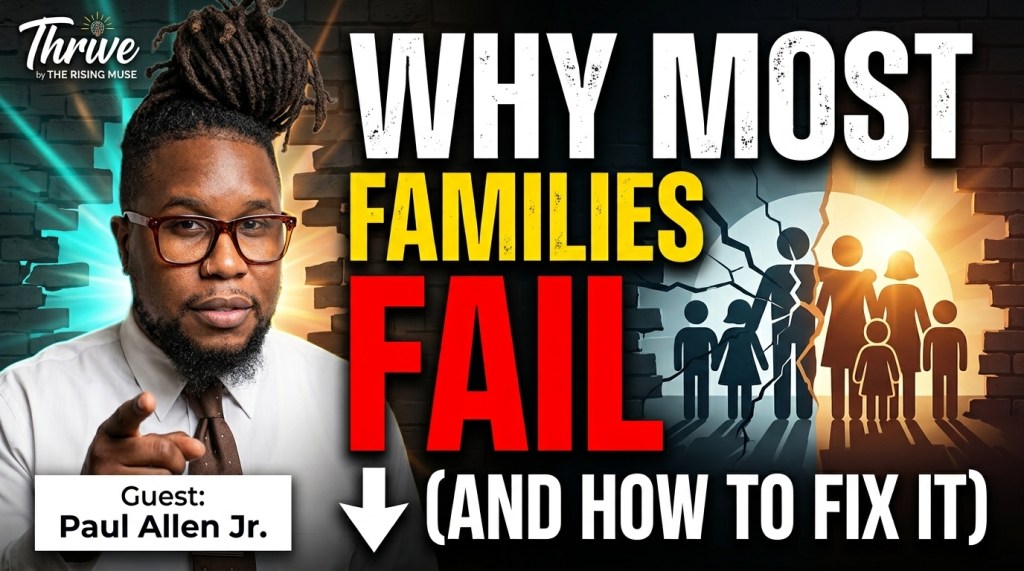
Relationship Counseling: How to Break Patterns, Improve Communication, and Heal Together

When you keep having the same argument over and over, it can start to feel like your relationship is broken. But most of the time, the fight isn’t actually about the dishes, money, or scheduling—it’s about patterns you learned long before you met your partner.

In a powerful conversation on Thrive, licensed marriage and family therapist Paul Allen Jr. shared a grounding truth: many couples aren’t struggling because they lack love, but because they never learned how to communicate in a way that builds emotional safety.

Whether you’re dating, married, or navigating family tension, here are the core takeaways from the conversation—and why you need to listen to the full episode.

1. Why the Same Fights Keep Coming Back

Many relationship conflicts are driven by old wounds and childhood expectations. If you grew up seeing avoidance, shut-downs, or explosive anger during conflict, those reactions can become your default “survival mechanism.”

In counseling, the goal is to stop treating disagreements like a courtroom where someone has to win, and start uncovering what each person is actually feeling underneath the argument.

Key takeaway: Conflict isn’t a sign your relationship is failing; managed properly, it’s an opportunity for growth.

2. Love Is a Choice, Not Just a Feeling

Real relationships require continuous decision-making. People evolve, life seasons change, and staying connected means choosing your partner daily—rather than holding them hostage to yesterday’s mistakes.

Paul dives deeper into this concept in his book, The Day My Wife Became a Housewife: And What It Taught Me About Being a Partner — A Therapist’s Guide to Showing Up, Growing Up, and Loving Effectively. He highlights how true partnership requires unlearning selfish habits, shedding unrealistic expectations, and stepping up with active accountability.

3. Breaking Generational Patterns & Prioritizing Mental Health

Healing often requires looking at the source of your habits. From breaking family cycles to navigating mental health without shame, Paul tackles the tough topics—including how faith and therapy can work hand-in-hand rather than against each other.

If you’ve ever been told to “just pray about it” when dealing with deep relational or mental health struggles, this episode offers a refreshing, practical, and compassionate perspective.

Frequently Asked Questions

When should a couple consider counseling?

When you feel stuck in the same recurring arguments, feel emotionally disconnected, or want guidance navigating a major life shift.

Can faith and therapy work together?

Absolutely. Faith provides spiritual grounding, while therapy supplies practical tools, psychological insight, and structural support for real healing.

Ready to Stop Repeating the Same Arguments?

Don’t settle for returning to unhealthy dynamics. Learn how to move forward together in a healthier, stronger way.

🎧 Listen to the Full Episode of Thrive with Paul Allen Jr. Now!

Shame Detox: How to Recognize Toxic Shame and Start Healing at the Root

Have you ever caught yourself over-apologizing for simply taking up space, obsessing over a minor mistake, or feeling like no matter how much you accomplish, it is never quite enough? What if the loudest, harshest voice inside your head isn’t actually yours?

In our latest episode of Thrive, we sit down for a deeply raw, eye-opening conversation about the invisible weight so many of us carry: toxic shame.

Shame doesn’t just make you feel bad—it quietly rewrites your identity. It influences how you date, parent, communicate, and even how you pray. If you have ever felt trapped in a endless loop of perfectionism, performance, or self-criticism, this conversation was recorded specifically for you.

Here is a glimpse of what we unpack in this powerful episode, and why you need to tune in today.

1. What Shame Actually Is (And Why It’s Not Guilt)

Before you can heal shame, you have to define it. In the episode, we break down the critical difference between the signals your mind sends you:

  • Guilt says: “I did something wrong.”
  • Healthy shame says: “That behavior doesn’t align with who I want to be.”
  • Toxic shame says: “I am wrong.”

Toxic shame doesn’t just correct your actions; it attacks who you are. We discuss how shame is deeply embodied—triggering physical threat states like elevated cortisol, a tight chest, or avoided eye contact—and how to spot it when it masks itself as discipline or ambition.

2. How Shame Gets Installed Early

Children are not born believing they are defective. We explore the relational root causes—from emotional invalidation and public humiliation to fear-based messaging—that teach us to believe mistakes threaten our belonging.

When raised with discipline lacking emotional connection, a child internalizes a dangerous narrative: “If I fail, I lose love.” In this episode, we unpack how to recognize these early installations so you can finally stop passing them down.

3. How Shame Shows Up in Relationships & Marriage

Shame never stays buried; it leaks into adult life. It shows up as hyper-independence, emotional withdrawal, people-pleasing, or an anxious need to perform to be loved.

We also get real about relationships, appearance, and marriage. We talk through the hard truth that no milestone—no ring, baby, or house—can change another human being. You’ll learn how toxic shame makes you personalize relational problems (“If I were prettier or better, they’d treat me right”) and how to start grounding your worth in secure love rather than conditional acceptance.

4. Religious Trauma vs. True Grace

Why do so many people walk away from faith spaces? We tackle the heavy topic of religious trauma and shame-based theology.

From the double standards of public shaming to fear-based messaging, we contrast harmful institutional practices with the compassionate model set by Jesus with the woman at the well. You will learn the difference between godly conviction (which draws you toward repair and closeness) and self-condemnation (which pushes you into isolation and hiding).

5. Practical Steps to Detox Shame at the Root

Healing isn’t about pretending nothing happened; it’s about disrupting the belief system shame built. In this episode, we walk through actionable tools to help you:

  1. Name the Voice: Separate yourself from the critic, the prosecutor, or the old tape.
  2. Practice Self-Compassion: Move from self-attack to supportive self-talk.
  3. Reconnect with Your Body: Shift your posture, breathe, and allow yourself to be seen.
  4. Speak Truth to Safe People: Disarm shame by speaking it out loud in safe relationships.
  5. Rewrite Your Spiritual Narrative: Choose restoring grace over punishing condemnation.

Ready to Stop Hiding and Start Healing?

Healing is rarely instant—it’s about unlearning, building safety, and taking small steps toward freedom every single day. You are not a mistake, and you don’t have to carry this weight alone any longer.

🎧 Watch or listen to the full episode of Thrive now to begin your shame detox journey.

Loved this conversation? Don’t forget to subscribe, leave a review, and share this episode with someone in your life who needs a gentle reminder of their worth today!

Loved this week’s episode insight? Help us unlock our next level of community care by subscribing to our YouTube channel today!

Sow a seed into this ministry to help us spread His light and transform lives—click here to join our mission today!

⚡ Unlocking the Power of Anger: Reclaim Your Boundaries & Authenticity

Are you constantly told that being angry is “unladylike,” “dramatic,” or dangerous?

If you’ve been suppressing your feelings just to keep the peace, you aren’t alone. Many women have been conditioned to turn their anger inward—leading to chronic anxiety, exhaustion, physical flare-ups, and a deep loss of self.

But what if anger isn’t the problem? What if it’s actually your greatest superpower?

The Hidden Truth About Women & Anger

Anger is not a character flaw. Neurologically and spiritually, it is a vital boundary signal designed to protect your peace, uphold your worth, and point you back toward your authentic self. When we swap the toxic “good girl” myth for gentle assertiveness, everything changes.

In this powerful episode, we’re unpacking:

  • Why We Internalize: How cultural conditioning teaches women to choose silent compliance over safety.
  • The Body Cues: How to recognize somatic warning signs (jaw clenching, tight chest) before you explode or shut down.
  • Assertiveness vs. Aggression: How to set rock-solid boundaries clearly, calmly, and without guilt.
  • Righteous Anger: A fresh, liberating look at how spiritual strength and emotional honesty walk hand-in-hand.

“Your anger was never the enemy — silence was.”

Ready to rewrite the story and reclaim your power?

Stop swallowing your truth to make others comfortable. Tune in to the latest episode now to learn practical, trauma-informed steps to transform your anger into your strongest asset.

🎧 Watch the Full Show Here

Loved this week’s episode insight? Help us unlock our next level of community care by subscribing to our YouTube channel today!

Sow a seed into this ministry to help us spread His light and transform lives—click here to join our mission today!
🎧 Ever Feel Exhausted… Even When You’re Doing Everything Right?

If you’re constantly running on empty, it’s not because you’re weak. It’s because you’re carrying a heavy, invisible load that society rarely calculates.

From managing everyone else’s emotional needs to the pressure of perfectionism, modern women are conditioned to mistake self-erasure for strength. But beneath high achievement often lies high-functioning anxiety, hypervigilance, and deep-seated burnout.

In the full episode, we uncover:

  • The Invisible Load: Why the hidden mental spreadsheet running in your mind is draining your brain’s energy.
  • Childhood Conditioning: How early roles (like being the “strong, dependable one”) wired your nervous system to make rest feel unsafe.
  • The High-Functioning Anxiety Trap: The toxic link between perfectionism, elevated cortisol, and chronic fatigue.
  • 4 Actionable Steps to Heal: How to set micro-boundaries, categorize your emotional load, and shift from relentless striving to true rest.

Your exhaustion isn’t a failure—it’s data. It’s time to stop over-functioning and discover what it actually takes to reclaim your peace.

▶️ Ready to trade guilt for true rest?

Watch the Full Episode Here

The Conflict Inside You Isn’t a Weakness—It’s Your Missing Superpower

Ever feel like your mind is a boxing ring where your harsh inner critic and your weary, permissive self are locked in an endless title fight?

You are not alone. In a culture that shouts “Grind harder!” and whispers “Self-care!”, most of us are exhausted just trying to figure out which voice to listen to. But what if we’ve got the whole relationship wrong?

This episode of Thrive by The Rising Muse breaks down a life-altering concept: Discipline and Compassion are not opposing forces. They are actually powerful, inseparable partners in building genuine emotional freedom, unshakable resilience, and deep psychological maturity.

We’re not just talking self-help clichés; we are diving deep into:

  • The Clinical Psychology Behind It: How childhood and parenting styles (from Authoritarian to Permissive) shaped your default inner voice—and how to internalize a “Mature Parental Voice” that’s both firm and gentle.
  • The Trauma Connection: Why discipline feels like punishment to you, and compassion feels like failure (and how to fix it).
  • A Simple, 4-Step Action Plan: A daily framework to break free from self-criticism spirals or stagnation, starting today.

Are you ready to stop swinging between being your own tyrant and your own doormat?

Learn the art of integration. Watch the full episode now to discover how to hold yourself to a high standard without losing your softness, and how to heal without collapsing into inaction. This is the mature path to inner peace.

Watch the Episode: Discipline vs Compassion | Which One Actually Heals?