Toxic Work Environment? Here’s How To Escape.

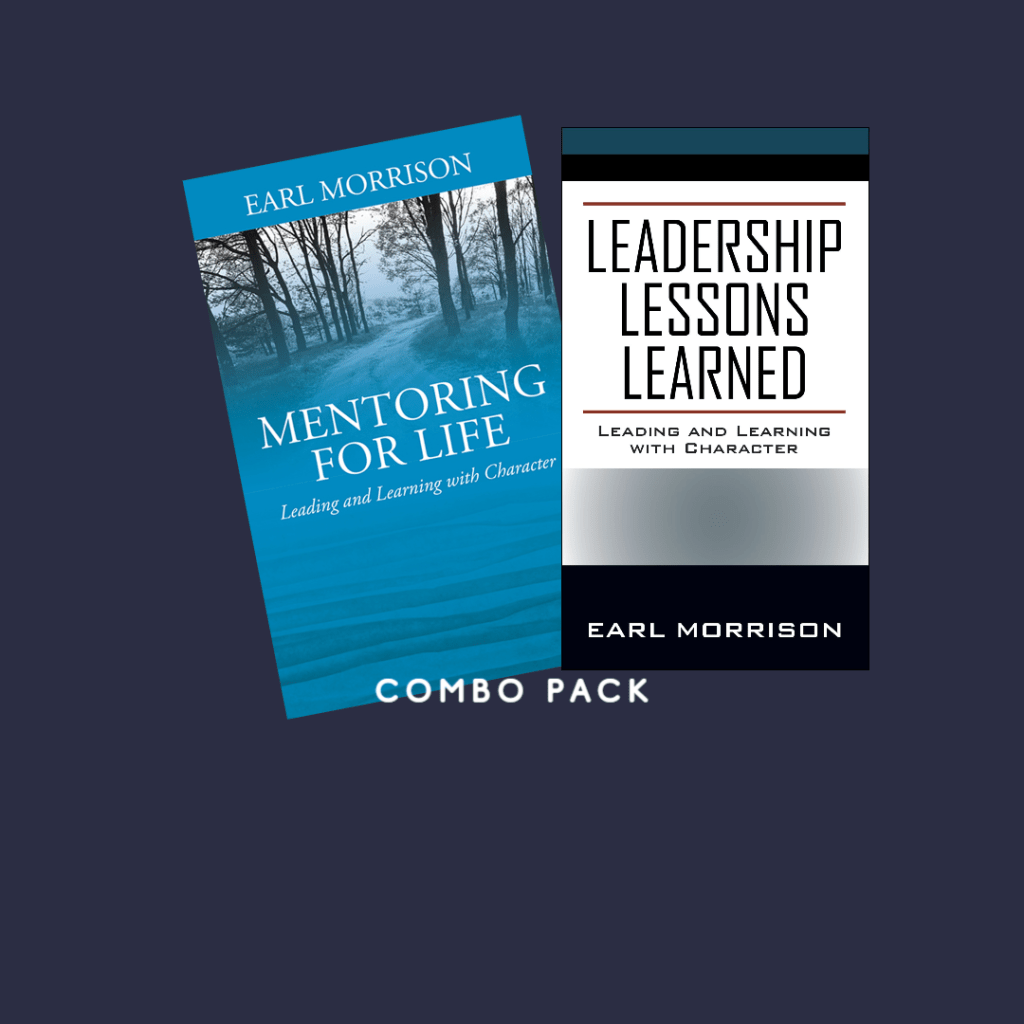
Are you feeling stuck in a toxic work or ministry environment? Do you find it challenging to break free from negativity and improve your mental health? This week on Thrive by The Rising Muse, we welcome Earl Morrison, a retired Chief of Police, mentor, and author, to help us tackle these very issues.

With over 29 years of leadership experience, Earl has seen it all. In this episode, he dives deep into how toxic environments can affect not just organizational growth but your personal well-being. He shares the most common signs of a toxic workplace and how these environments can slowly take a toll on your mental health.

But it’s not all doom and gloom—Earl also reveals practical strategies to transform these negative spaces into productive, healthier environments. From communication breakdowns to accountability and teamwork, Earl’s leadership strategies emphasize the importance of character-based leadership, rooted in both personal and professional growth.

If you’ve ever wondered how faith-based principles can play a role in overcoming these challenges, Earl’s insights are invaluable. He shares how integrating faith into leadership can help individuals not only rise above toxic environments but also thrive mentally and spiritually.

Want to know the practical steps Earl recommends for those struggling in toxic environments? Curious about how mentoring can significantly impact not only your professional life but also your mental health? Tune in to this episode and discover how you can start turning things around today.

To connect with Earl and or obtain his books :

Website: https://earlmorrison.com

Facebook: https://www.facebook.com/EarlMorrisonLeadingandLearningwithCharacter

Catch the full episode of Thrive by The Rising Muse now to learn more about Earl’s transformative insights and how you can apply them in your life!

Don’t forget to subscribe and leave us a review! Follow us on social media @TheRisingMuse for more updates.

How Art Can Improve Mental Health

In today’s fast-paced world, mental health has become a significant concern for many people. Stress, anxiety, and depression are all too common, affecting individuals across different age groups and backgrounds. While traditional methods of managing mental health, such as therapy and medication, are essential, there’s another powerful tool that often goes unnoticed: art.

Art isn’t just about creating something beautiful; it’s a means of expression, a way to release pent-up emotions, and a channel for processing complex feelings. Whether you’re painting, drawing, sculpting, or even doodling, engaging in artistic activities can have profound benefits for your mental well-being. In this blog post, we’ll explore how art can improve mental health and why it’s worth incorporating into your life.

The Therapeutic Power of Creativity

One of the most significant ways art benefits mental health is by serving as an emotional outlet. When words fail to express what you’re feeling, art can step in. Creating art allows you to channel your emotions—whether it’s joy, sadness, frustration, or anger—into something tangible. This process can be incredibly cathartic, helping to alleviate feelings of stress and anxiety.

Different forms of art, from painting to music, offer unique ways to express yourself. For example:

  • Painting and Drawing: These forms of art allow for visual expression, helping you to explore and communicate feelings that may be difficult to articulate.
  • Writing: Whether through poetry, journaling, or storytelling, writing can help you process emotions and gain a deeper understanding of your inner world.
  • Music: Composing or even just listening to music can evoke emotions and provide comfort.

Creative expression helps in managing mental health by providing a healthy outlet for emotions. This not only reduces stress but can also lead to a sense of accomplishment and self-worth, which are crucial for overall well-being.

Art as a Form of Meditation

Art isn’t just a way to express emotions; it can also serve as a form of meditation. When you engage in art, you often enter a state of “flow,” where you become fully absorbed in the activity, losing track of time and external distractions. This state of flow is similar to the deep focus experienced during meditation, offering numerous mental health benefits.

Flow promotes mindfulness—a mental state where you focus on the present moment without judgment. Activities like painting, drawing, or sculpting require your full attention, helping you to stay grounded and reduce rumination. As a result, your mind gets a break from the constant barrage of thoughts and worries, leading to reduced anxiety and improved mood.

Moreover, the repetitive motions involved in certain art forms, such as knitting, coloring, or sculpting, can be particularly soothing. These activities help regulate your nervous system, bringing about a sense of calm and relaxation.

Art and Community Connection

Art doesn’t have to be a solitary activity. In fact, it can be a powerful way to connect with others, fostering social bonds that are essential for mental health. Engaging in group art activities, whether in a class, workshop, or community project, can help combat feelings of loneliness and isolation.

Creating art in a group setting allows for shared experiences, where individuals can connect over their work and the emotions it evokes. These connections can be especially beneficial for those struggling with mental health issues, as they provide a sense of belonging and support.

Additionally, being part of an art community—whether online or in person—can offer inspiration, encouragement, and validation. The collective experience of creating, sharing, and appreciating art can strengthen your social network, which is a key factor in maintaining good mental health.

Art Therapy: A Professional Approach

While creating art on your own can be incredibly beneficial, art therapy takes it a step further. Art therapy is a form of psychotherapy that uses art as a medium to help individuals explore their emotions, develop self-awareness, and cope with mental health challenges.

In art therapy, a trained therapist guides you through the creative process, helping you to use art to express and process complex emotions. This practice is particularly effective for individuals who find it difficult to communicate their feelings verbally.

Research has shown that art therapy can be beneficial for a wide range of mental health issues, including depression, anxiety, PTSD, and eating disorders. It has been used successfully in various settings, from hospitals to schools, providing a safe and supportive environment for healing.

Success stories abound, with individuals reporting significant improvements in their mental health after participating in art therapy. This evidence highlights the potential of art as a powerful tool for emotional healing.

Conclusion

Art is more than just a creative pastime; it’s a valuable tool for improving mental health. Whether you’re using art to express emotions, practice mindfulness, connect with others, or engage in therapy, its benefits are profound. By incorporating art into your life, you can enhance your emotional well-being, reduce stress, and find joy in the process of creation.

So, why not pick up a paintbrush, start sketching, or even join an art class? The journey of self-expression through art might just be the key to unlocking better mental health and a more balanced, fulfilling life.

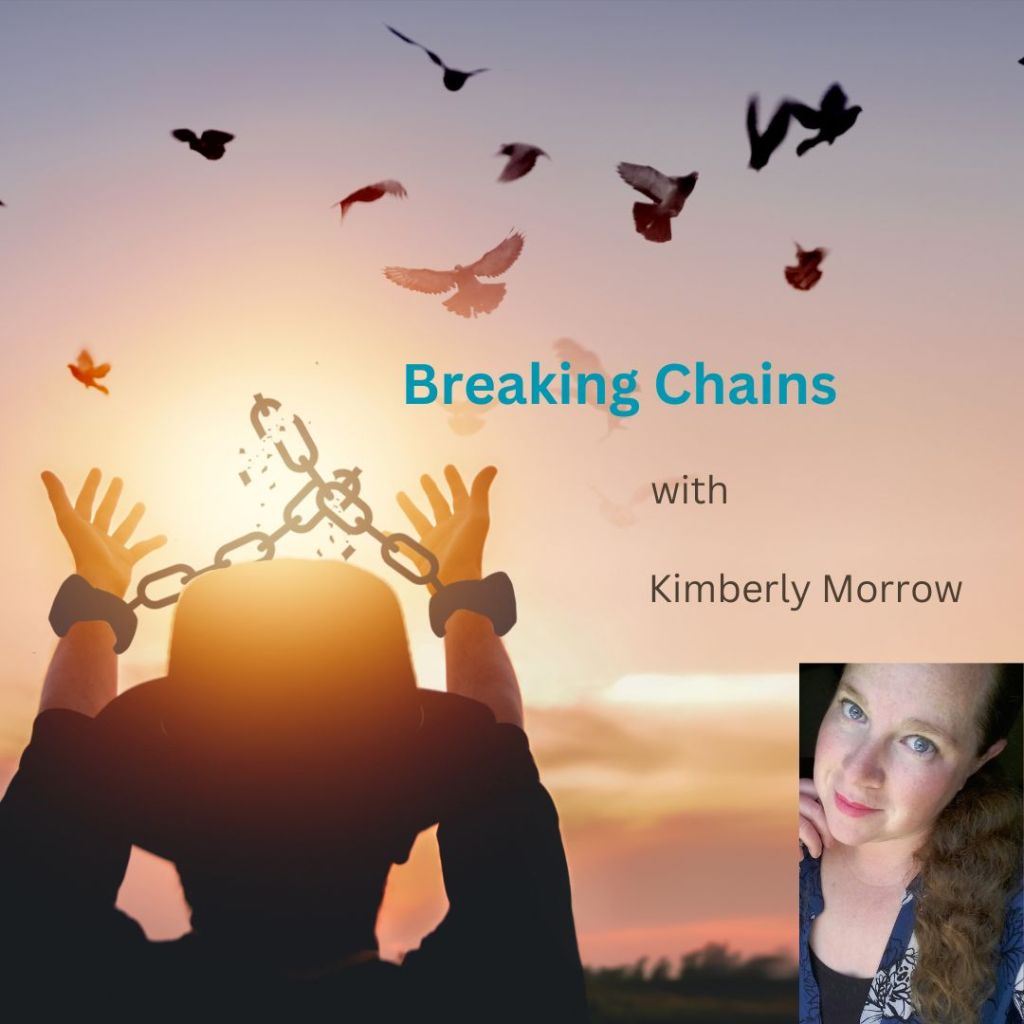
Breaking Chains: Faith, Art, and Mental Health Advocacy

Are you ready to be inspired by a story that will touch your heart and uplift your spirit? In our latest episode of Thrive by the Rising Muse, we had the immense pleasure of sitting down with Kimberly Morrow, an extraordinary woman whose journey of faith, resilience, and creativity is nothing short of remarkable.

Kimberly, also known as Chosen Arts, is not just an independent artist, but a motivational speaker, inspirational rap artist, and pastor. Her passion for helping others break free from their chains and rise above their challenges is palpable in every word she shares. But what truly makes Kimberly’s story compelling is her authenticity and the raw truth she brings to the table. She speaks candidly about her life’s ups and downs, the rollercoaster of her faith journey, and how the scriptures became a lifeline that brought her peace and strength during the darkest times.

In this episode, Kimberly opens up about her childhood, sharing touching memories of her grandmother who first introduced her to church, a place that became her sanctuary. She also delves into the complexities of managing multiple roles—mother, wife, artist, and pastor—and the importance of prioritizing self-care to maintain balance and avoid burnout.

One of the most moving parts of the conversation is when Kimberly discusses her journey through mental health struggles and how her faith and music played a crucial role in her healing. Through her platform, she advocates for mental health awareness, encouraging others to seek help and speak out about their struggles. Her story is a powerful reminder that you are not alone, and that with faith and perseverance, you can overcome any obstacle.

But Kimberly’s influence doesn’t stop at music and ministry. Her creativity also shines through her visual art, which she uses to give back to her community. With the proceeds from her paintings, she supports those in need, embodying the true spirit of service and love.

If you’re looking for a story that will inspire you to keep pushing forward, no matter the challenges, then this episode is a must-listen. Kimberly’s words are a testament to the power of faith and the incredible strength that comes from trusting in God’s plan.

Don’t miss out on this uplifting and empowering conversation. There’s a little surprise within the episode. Don’t miss it! Tune in to Thrive by the Rising Muse now and let Kimberly Morrow’s story inspire you to discover the beauty within yourself and the strength to face any storm.

To follow Kimberly on social media:

Facebook

Instagram

YouTube

To listen to this episode click here:

Celebrating Faith, Resilience, and Cultural Change with Tanya Nemley

Are you ready to be inspired by a journey of faith, resilience, and personal transformation?

In our latest episode of Thrive by The Rising Muse, hosts Naty and Veda sit down with the incredible Tanya Nemley, a mother, grandmother, and author, whose life story is a testament to the power of faith. Tanya opens up about her struggles with depression and suicidal ideation during her youth, her remarkable recovery, and how she found solace and strength in her deep relationship with God.

What You’ll Discover:

  • How Tanya’s faith helped her overcome immense personal challenges, including the loss of a family member to suicide.
  • Her unique perspective on how the church and society have evolved over the years, especially regarding mental health, family dynamics, and community support.
  • Insights into her experiences with aging and the wisdom she has gained along the way.
  • What motivated her to author the impactful books Obsessed With God and A Layman’s View on the Holiness of God, and how her role as a minister’s wife has shaped her ministry work.

Tanya’s journey is a powerful reminder that no matter how dark the path may seem, there is always hope. Her story of resilience and her deep commitment to faith will resonate with anyone who has faced adversity. But that’s just the beginning—Tanya also shares her thoughts on the cultural shifts she’s witnessed over the decades and the ongoing work in her ministry.

Why You Should Tune In:
This episode isn’t just a story—it’s a celebration of seniors and the incredible lives they’ve led. Tanya’s reflections on how societal and religious landscapes have changed over the years offer a unique window into the past, as well as insights into how we can all grow from these experiences. Whether you’re looking for encouragement, spiritual guidance, or simply a story that speaks to the heart, this conversation is one you won’t want to miss.

Get a Glimpse of the Episode:
One of the most poignant moments in our conversation with Tanya is when she discusses the profound changes she’s seen in the church and society over the years, particularly in how we handle mental health and community connections. Her reflections are both eye-opening and inspiring, providing valuable lessons for listeners of all ages.

Ready to Be Inspired?
Don’t miss this heartfelt and uplifting episode of Thrive by The Rising Muse. Listen now to hear Tanya Nemley’s full story and discover the wisdom she has to offer. Whether you’re dealing with your own struggles or simply want to celebrate the strength and faith of others, this episode will leave you feeling empowered and hopeful. To hear more from Tanya you can go to her website

Listen Now: https://youtu.be/nQ0zFV-wqLo

Join the Conversation!
We’d love to hear your thoughts on this episode. How has your own faith journey been influenced by the changes in society and the church? Share your reflections with us on social media using the hashtag #ThriveWithFaith.

Subscribe & Stay Connected
If you enjoyed this episode, be sure to subscribe to Thrive by The Rising Muse for more inspiring stories of faith, resilience, and triumph. Follow us on social mediato stay updated on our latest episodes and news.

Tragic Failures: The Urgent Need for Proper Crisis Intervention in Mental Health Emergencies

By Veda Green

Why did Sonya Massey die? Sonya Massey called the police because she suspected a prowler. Instead of officers retreating to plan a safe psychiatric evaluation or call a crisis care professional when she couldn’t even state her last name, they threatened her with violence. This ultimately led to tragedy. If Officer Grayson hadn’t been in uniform, Sonya might still be alive. What if another officer had responded? The Massey family could be visiting her in a mental wellness facility instead of preparing for a funeral.

I pray that I never experience a mental health crisis. I diligently take my prescribed medications because if the police are called, my life could be at risk. Why is this? CIT (Critical Intervention Team) training isn’t universally required or properly exercised. Despite being encouraged and even incentivized with cash bonuses, it remains optional in many states and cities. Since 2017, Washington State has mandated only 8 hours of CIT training for full-time law enforcement, though the full course is 40 hours.

When individuals face mental health crises, they often encounter law enforcement before medical professionals. This gap highlights the urgent need for comprehensive crisis care services. A Crisis Intervention Team (CIT) program, present in over 2,700 communities nationwide, bridges this gap by fostering collaboration between law enforcement, mental health providers, and emergency services. CIT enhances communication, identifies mental health resources, and prioritizes safety for all involved.

Mental health treatment and suicide prevention are critical public health issues. However, due to the absence of a robust community mental health system, people in crisis frequently end up in jails, emergency rooms, or tragically harmed during encounters with law enforcement. To mitigate this crisis, accessible crisis care must be integrated into our mental health service system.

The National Guidelines for Crisis Care advocate for regional 24/7 crisis call centers, mobile crisis teams, and crisis receiving and stabilization programs. These services ensure immediate, effective responses led by trained mental health professionals in community settings. By providing crisis stabilization and trauma-informed care, these programs aim to redirect individuals towards healing and recovery, rather than incarceration or harm.

Despite these efforts, fatal encounters involving law enforcement and individuals with mental illness persist. A comprehensive approach involves restoring mental illness treatment systems, accurate reporting of police encounters involving deadly force, and recognizing the impact of mental illness in these encounters.

CIT represents a crucial step forward—a police-based strategy involving specially trained officers who can respond calmly and effectively to mental health crises. States like Florida, Ohio, and Virginia have implemented successful CIT initiatives, joined by hundreds of local programs across the country. Georgia’s statewide CIT program, launched in 2004, serves as a model for effective collaboration between law enforcement and mental health services.

The theoretical framework for crisis intervention is sound, but its application often falls short, resulting in tragic consequences.

Our lawmakers must take decisive action:
– Restore adequate mental illness treatment systems.
– Establish a reliable federal database for reporting fatal police encounters.
– Systematically document incidents involving deadly force by law enforcement.
– Address the role of mental illness in fatal encounters with law enforcement.

In conclusion, real change is urgently needed to prevent further tragedies and ensure that individuals in crisis receive the care and support they deserve.

References:
– Janet R. Oliva and Michael T. Compton. Journal of the American Academy of Psychiatry and the Law Online March 2008, 36 (1) 38-46;
– NAMI-National Alliance on Mental Illness;
– The Treatment Advocacy Center

Conquering Postpartum Depression

Have you ever felt overwhelmed by the shadows of postpartum depression? You’re not alone. Join us on a transformative journey with Amber Hoopengarner, a life coach and mental health advocate, who has faced the darkness of postpartum depression head-on and emerged stronger. Amber’s story is not just about surviving but thriving.

In our latest episode of “Thrive by The Rising Muse,” we dive deep into Amber’s experiences and insights. With four children and a series of mental health challenges, Amber knows firsthand the trials many mothers face. Her upcoming venture, Prayers, Progress, and Deliverance LLC, aims to be a beacon of hope, providing faith-based mental health support for those in need.

Amber’s book, “Three Parts of Healing All Parts Whole,” serves as a guide for those navigating the turbulent waters of postpartum depression. In this episode, she shares powerful strategies from her book, practical advice, and her own journey from pain to empowerment.

Why should you tune in? This episode isn’t just about understanding postpartum depression; it’s about finding strength, hope, and a path to healing. Whether you’re a mother, a family member, or someone supporting a loved one, Amber’s story will resonate deeply and provide the encouragement needed to move forward.

Don’t miss out on this heartfelt conversation filled with hope, resilience, and actionable steps to overcome postpartum depression. Listen now and join us in the mission to support mental health and well-being within our community.

About Amber Hoopengarner

Amber Hoopengarner is a passionate advocate for women and children who struggle with mental illness, shame, and loneliness. She dedicates her life to encouraging and praying for those in need, with a profound desire for everyone to understand the value and identity God has bestowed upon them. Amber shares her inspiring testimony of supernatural healing and true freedom through God’s grace.

As an accomplished author, prophetic intercessor, life coach, and speaker, Amber’s mission is to uplift and empower others through her words and actions. Her recent book, “Three Parts of Healing All Parts Whole,” reflects her commitment to providing faith-based support and guidance to those facing postpartum depression and other mental health challenges.

Beyond her professional endeavors, Amber treasures her role as the mother of four beautiful children, finding joy and purpose in nurturing and guiding them. Her new venture, Prayers, Progress, and Deliverance LLC, is a testament to her unwavering commitment to creating a supportive community for mental health through faith.

Amber’s journey from pain to empowerment serves as a beacon of hope for many, and her work continues to inspire and transform lives.


Ready to embark on this journey from pain to power? Catch the full episode on here, and be sure to subscribe to “Thrive by The Rising Muse” for more inspiring stories and insights.


Call to Action:
If you are in crisis, don’t forget that you can call 988. If your child is in crisis, remember that you can dial 911 or take them to the nearest emergency room. We want everyone to be safe.

Follow us on social media for updates, resources, and more empowering content. Let’s thrive together!


Dive into Amber’s world, hear her story, and learn how you too can turn pain into power. This episode is not just an interview; it’s a lifeline. Tune in now!

The Parable about Parables

By John Avery

(Context: Matthew 13:1-23. Parallels: Mark 4:1-20; Luke 8:4-15.)
Story time was over. The keel of the fishing boat ground into the gravel along the shore,
and the men stopped rowing. Jesus climbed over the side and paddled to the beach. As He
and the disciples gathered their gear and prepared to go back to the house to rest, one of
the disciples raised the question they had all been too shy to ask until the crowd
dispersed.
“Why do you speak to them in parables?”

I think we get stuck in the Parable of the Soils. 1 What I mean is that we spend so much
time trying to decipher the analogies and apply them to our lives that we miss the core of
what Jesus said. This is one of Jesus’ most important teachings because it answers the
disciples’ question, “Why do you speak to them in parables?” Jesus’ answer is the key to
hearing the voice of God and therefore the key to spiritual growth.
So, why did Jesus use parables? At first, His explanation seems cryptic:
Jesus answered them, “To you it has been granted to know the mysteries of the kingdom of
heaven, but to them it has not been granted. . . . Therefore I speak to them in parables; because
while seeing they do not see, and while hearing they do not hear, nor do they understand. . . . But
blessed are your eyes, because they see; and your ears, because they hear. (Matthew 13:11, 13,
16)
Every crowd listening to Jesus’ teaching contains two types of people; those who have
functioning spiritual ears and eyes, and those who do not. Ears receptive to sound waves
and eyes able to resolve light patterns are not enough. Spiritual sight and hearing happen
when the heart understands, the mind perceives, and lives return to a healthy relationship
with God (Matt. 13:14-15). The disciples were spiritually receptive; they could grasp the
mysteries of the kingdom of God and change to live the kingdom lifestyle. Jesus used
parables to see which people were in which group. The Parable of the Soils illustrates this
essential lesson.
Every parable and truth about the King and His kingdom acts in the same way. Like a
seed, it tests the soil of the heart. Many people hear God speaking directly to them, or
through His followers, but only superficially. The truth is quickly snatched away from
hard hearts. Difficult times, when temptation or opposition comes, shrivel it. Distractions
steal all time and energy, hindering application. Only hearts that are like soft, deep, clean
soil will apply the truth in such a way that life changes. Each time that Jesus concludes
with the phrase, “He who has ears to hear, let him hear,” He means the ears of the will.
So, next time God drops a seed of truth into your life, will your will nurture it to fruition?

John Avery

Author of The Sparks Series. Collections of short meaty devotional/Bible Studies.

Becoming Like Jesus: How to Think and Live Like Jesus Christ (February, 2024).

The Questions of Jesus: Questions Asked by Jesus, Questions People Asked Him (October, 2022).

The Kingdom of God: Our Life with Jesus the King (March, 2023).

And

The Name Quest: Explore the Names of God to Grow in Faith and Get To Know Him Better (Morgan James Publishing, 2015).

www.NamesForGod.net/name-quest

www.BibleMaturity.com

Discovering Your Divine Purpose

Are you ready to uncover your God-given design and ignite a fire within your faith journey? The latest episode of our podcast is a deep dive into the inspiring story of Brush Fires Ministry, featuring an exclusive interview with the founder, John Rennie. Whether you’re a believer seeking direction or someone intrigued by the power of faith-based guidance, this episode is a must-listen.

The Birth of Brush Fires Ministry

In a captivating interview, John Rennie shares the fascinating journey of how Brush Fires Ministry came to be. Starting as a reluctant participant, John reveals how a divine calling led him to create a ministry that helps believers discover their unique, God-given designs. This story is not just about a ministry’s inception but a testament to the transformative power of faith and obedience.

Unlocking the Mystery of Your Purpose

Brush Fires Ministry uses psychometric assessments to delve into the core of an individual’s personality, much like DNA analysis for your spiritual calling. John explains how these assessments, originally used by corporations like Coca-Cola and IBM, are now helping believers understand their true purpose. Imagine having a clear, objective understanding of your spiritual gifts and how they can be applied to build the kingdom of God.

Beyond Identifying Gifts: Kingdom Building

The mission of Brush Fires goes beyond merely identifying spiritual gifts. John passionately discusses the broader goal of kingdom building, emphasizing that true ministry extends far beyond church walls. It’s about igniting the fire within individuals to live out their God-ordained purposes, thereby transforming communities and making a global impact.

Real Stories, Real Impact

The episode is filled with powerful anecdotes that showcase the life-changing impact of Brush Fires Ministry. From a 15-year-old girl discovering her calling to an elderly gentleman finding new purpose, these stories illustrate the ministry’s profound influence on individuals of all ages. These testimonials are a glimpse into the transformative experiences that await those who engage with Brush Fires.

A Vision for the Future

John shares his vision for the future of Brush Fires Ministry, expressing a desire to see 80% of church congregations actively living out their divine purposes. This vision includes creating ministry incubators within churches and providing the necessary support for believers to thrive in their spiritual journeys. It’s an inspiring call to action for church leaders and believers alike.

How You Can Get Involved

Feeling inspired? John provides actionable steps for those who want to support or get involved with Brush Fires Ministry. From taking the initial spiritual gifts assessment to potentially partnering with the ministry, there are numerous ways to contribute to this incredible mission.

Tune in to this enlightening episode to learn more about how Brush Fires Ministry is changing lives and how you can be a part of this divine movement. Whether you’re seeking clarity on your spiritual gifts or looking to support a ministry dedicated to empowering believers, this episode offers valuable insights and inspiration.

Don’t miss out on this transformative conversation. Listen to the full episode now and discover how you can ignite your own faith journey with Brush Fires Ministry.

Building Spiritual Discernment: A Guide for Believers

Spiritual discernment is a vital aspect of the Christian life. It is the ability to distinguish between truth and error, right and wrong, good and evil, and God’s will from our own desires. As believers, we are called to develop and nurture this gift to navigate the complexities of life with wisdom and clarity. This blog post will explore what spiritual discernment is, why it’s essential, and how we can cultivate it through Scripture and practical steps.

What is Spiritual Discernment?

Spiritual discernment is the process of making careful distinctions in our thinking about truth. It involves understanding God’s Word and recognizing His voice amidst the noise of the world. It’s not just about making the right decisions but also about understanding the spiritual realities behind those decisions.

The Bible speaks to the importance of discernment in Hebrews 5:14, which tells us that “solid food is for the mature, who by constant use have trained themselves to distinguish good from evil.” This verse highlights that discernment is a skill developed through practice and spiritual maturity. Similarly, 1 John 4:1 urges believers to “test the spirits to see whether they are from God, because many false prophets have gone out into the world.” This caution reminds us that not everything we encounter is from God, making discernment essential for our spiritual journey.

The Importance of Spiritual Discernment

In a world filled with conflicting messages, half-truths, and outright lies, spiritual discernment helps believers stay grounded in the truth. It protects us from deception, guides us in making decisions that align with God’s will, and enables us to grow in our relationship with Him.

Proverbs 3:5-6 provides foundational advice for discernment: “Trust in the Lord with all your heart and lean not on your own understanding; in all your ways submit to him, and he will make your paths straight.” This passage encourages us to rely on God rather than our own limited understanding, a key aspect of developing discernment. Furthermore, Philippians 1:9-10 underscores the importance of discernment in spiritual growth: “And this is my prayer: that your love may abound more and more in knowledge and depth of insight, so that you may be able to discern what is best and may be pure and blameless for the day of Christ.” Here, discernment is linked directly to spiritual maturity and purity, showing its value in our walk with Christ.

How to Build Spiritual Discernment

Building spiritual discernment is an ongoing process that requires commitment, prayer, and engagement with Scripture. Here are some practical steps to help you develop this essential skill:

  1. Study the Word of God Regularly
    The Bible is the ultimate source of truth, and regular study equips us with the knowledge and wisdom needed to discern rightly. As 2 Timothy 3:16-17 states, “All Scripture is God-breathed and is useful for teaching, rebuking, correcting and training in righteousness, so that the servant of God may be thoroughly equipped for every good work.” Immersing ourselves in Scripture helps us discern what is true and good.
  2. Pray for Discernment
    God promises to give wisdom to those who ask. James 1:5 reassures us of this promise: “If any of you lacks wisdom, you should ask God, who gives generously to all without finding fault, and it will be given to you.” Praying for discernment is crucial in seeking His guidance in all situations.
  3. Test the Spirits
    Not every thought, teaching, or impression is from God. It is important to test everything against the truth of Scripture. 1 Thessalonians 5:21 advises us to “test everything; hold on to what is good.” By doing so, we can avoid deception and stay aligned with God’s will.
  4. Seek Godly Counsel
    Surround yourself with mature believers who can provide wise counsel and help you grow in discernment. Proverbs 11:14 emphasizes the importance of godly counsel: “Where there is no guidance, a people falls, but in an abundance of counselors there is safety.” Seeking advice from those who are spiritually mature can provide clarity and direction.
  5. Live a Spirit-Led Life
    Walking in the Spirit daily ensures that we are sensitive to His leading and can discern His voice in our lives. Galatians 5:16 encourages us to “walk by the Spirit, and you will not gratify the desires of the flesh.” A Spirit-led life keeps us in tune with God’s will, helping us discern what is right.

Conclusion

Spiritual discernment is more than just a useful skill; it is a necessary part of the Christian life. In a world filled with distractions and deceptions, the ability to discern truth from error is invaluable. By studying Scripture, praying, seeking godly counsel, and living a Spirit-led life, we can develop and strengthen this gift. Let us commit to growing in spiritual discernment so that we may walk wisely and faithfully in all areas of life.

As Proverbs 2:3-5 beautifully sums up, “Indeed, if you call out for insight and cry aloud for understanding, and if you look for it as for silver and search for it as for hidden treasure, then you will understand the fear of the Lord and find the knowledge of God.” Let us seek discernment as we would a precious treasure, knowing that it will lead us closer to God and His truth.

How I Transformed My Pain Into Power- Tanisha’s Story

In our latest episode of “Thrive by The Rising Muse,” we are honored to have Tanisha Bankston, the remarkable author and founder of the ministry “My Pain is My Power,” share her deeply personal and transformative journey. This episode delves into the profound impact of childhood trauma and the incredible power of faith and resilience in overcoming life’s most challenging moments.

A Glimpse into Tanisha’s Journey

From an early age, Tanisha faced unimaginable pain and adversity. Her story begins at just five years old when she endured abuse and was subsequently disbelieved by those she trusted. This traumatic experience silenced her inner voice and set her on a path of fear, shame, and self-doubt that spanned nearly three decades.

In “My Pain is My Power,” Tanisha courageously recounts her journey of finding her voice again and reclaiming her life through faith. She speaks candidly about the struggles she faced, the healing power of prayer, and how she transformed her pain into a source of strength to empower others.

Tanisha also shares valuable information about her ministry, “My Pain is My Power,” and its mission to support women and children who have experienced similar traumas. She discusses the various initiatives and programs her ministry offers and how the community can better support individuals on their healing journeys.

Why You Should Listen

This episode is a testament to the resilience of the human spirit and the transformative power of faith. Tanisha’s story is not just one of survival but of thriving against all odds. Her journey from pain to power is an inspiration to anyone who has faced adversity and seeks hope and healing.

Tune In and Be Inspired

Don’t miss this compelling episode of “Thrive by The Rising Muse.” Tanisha’s story will leave you inspired, uplifted, and ready to embrace the power within yourself to overcome any obstacle.

Tanisha Bankston is a mother of 3 children from Grenada, Mississippi. She is a survivor of childhood abuse and domestic violence, and now an author and speaker. Tanisha was abused at the age of 5, leading her to lose her inner voice and withdraw into a shell for 27 years. She was taken from her mother, separated from her siblings, and adopted by her aunt. Despite feeling protected, she faced further challenges within the broken judicial system. Tanisha became a teen mom at 14 and again at 17. She rediscovered her inner voice on July 3, 2020, and found healing and deliverance from her pain and past on September 4, 2020. Tanisha wrote and self-published her book “My Pain is My Power” on May 21, 2021. She created a private support group for survivors called “I Believe You” on Facebook and founded the nonprofit organization I Believe You Inc. Tanisha launched her podcast, “My Pain is My Power Podcast,” on April 1, 2022, aiming to inspire others that they can overcome their challenges with hope.

To connect with Tanisha:

Listen to the full episode on here and join us in supporting Tanisha’s mission to empower others through her ministry.

Be sure to subscribe to “Thrive by The Rising Muse” for more inspiring stories and insightful discussions on faith, family, and mental health. Follow us on [social media links] and stay connected for updates on future episodes and special guests.

Together, let’s turn pain into power and support one another on our journeys of healing and growth.