Hey there, Risers! As we gear up for the most wonderful time of the year, it’s crucial to acknowledge that for many of us, the holiday season can be a mixed bag of emotions. From the stress of gift shopping to the pressure of creating the perfect feast, negative emotions can sneak in and dampen our festive spirit. Fear not, though, because I’m here to share some tried-and-true strategies to help you sleigh those emotional challenges and make this season truly merry and bright.
1. Unwrapping the Causes:
The first step in managing negative emotions is identifying their source. Whether it’s the hustle and bustle of holiday preparations, family dynamics, or personal expectations, understanding what triggers your emotions is the key to finding effective solutions. Take a moment to reflect on your feelings and pinpoint the root causes.
2. Jingle All the Way to Self-Care:
‘Tis the season of giving, but don’t forget to give yourself the gift of self-care. Amidst the holiday chaos, carve out time for activities that bring you joy and relaxation. Whether it’s sipping on a cup of hot cocoa, indulging in a good book, or taking a serene winter walk, self-care is the ultimate antidote to stress.
Tip: Incorporate small self-care acts in your daily routine to boost your emotional well-being and create a more harmonious holiday experience.
3. Deck the Halls with Positive Affirmations:
Positive affirmations are like ornaments for your mind, adding a sparkle of optimism to your thoughts. Combat negative emotions by creating a mantra or affirmation that resonates with you. Repeat it daily, especially when faced with challenging situations. This simple practice can help shift your mindset and cultivate a more positive holiday experience.
Tip: Infuse your affirmations with festive keywords to maximize the holiday spirit in your daily routine.
4. Sleigh Stress with Mindfulness:
Mindfulness is the secret sauce to navigating the holiday season with grace. Embrace the present moment by practicing mindfulness techniques such as deep breathing, meditation, or simple awareness exercises. These practices can help you stay grounded, reduce stress, and enhance your overall well-being.
5. Santa’s List: Prioritize and Delegate:
Feeling overwhelmed by a never-ending to-do list? Channel your inner Santa and create a prioritized list of tasks. Delegate responsibilities when possible and remember that it’s okay to ask for help. Breaking down tasks into manageable steps can make the holiday workload more manageable and less daunting.
Tip: You don’t have to do everything yourself. Allow others to do it their way, it will improve you relationships and allow cooperation.
The holidays are a time for joy, love, and celebration, but it’s okay to acknowledge and address negative emotions. By unwrapping the causes, practicing self-care, embracing positive affirmations, incorporating mindfulness, and prioritizing tasks, you can sleigh those emotional challenges and make this festive season truly magical.
So, here’s to a holiday season filled with warmth, laughter, and an abundance of positive vibes. Cheers to a holly, jolly, and emotionally resilient celebration!
I couldn’t wait until Monday to share this bonus post with you, especially given the financial rollercoaster many of us are on this holiday season. It’s Black Friday today, and I couldn’t help but reflect on the fascinating origins of this day. Legend has it that Black Friday emerged as a lifeline for businesses in the red, struggling throughout the year, aiming to turn a profit by year-end – hence the name, Black Friday. Now, don’t quote me on this, as today’s post is a bit of a memory dive. Feel free to fact-check if you’re feeling scholarly.
After a delightful family feast, my little one and I embarked on a joyous drive through neighborhoods adorned with festive lights. The excitement of the day had my little companion dozing off as soon as we got home. Seizing the quiet moment, I indulged in some post-feast “window shopping.” Now, I’m not one to make impulsive purchases, especially when the purse strings are tight. They call me Ms. Google in the family – always researching something. So, I did plenty of browsing and zero buying.
Let me share a little backstory on my Black Friday sentiments. Back in college, I worked in the food court of a bustling mall. Finals were looming in the first week of December, and I’d take time off around Thanksgiving to focus on studying. The catch? I had to work Black Friday, from sunrise to sunset, amidst a sea of shoppers. The traffic was so overwhelming that, despite the counter between us, I felt claustrophobic. I promised myself then to avoid adding to the chaos as a shopper.
Fast forward to last night, as I scoured the web for the perfect gifts for my little one. It dawned on me that these so-called “sales” might not be the bargains they claim to be. Some items seemed to have inflated original prices, making the discounts less impressive. It was a game of price sleuthing, and I was determined not to fall for it. The meme I stumbled upon resonated: “The US is the only place where after giving thanks for what you have, you go buy more stuff that you can’t afford for people you don’t like.” It’s a quirky reality check, reminding us of the gratitude we should hold close.
Amidst my online adventures, a mother’s plea for prayers for her 7-year-old battling respiratory issues kept appearing on my timeline. It hit me – while my little one snored peacefully beside me, her reality was a hospital room. Gratitude washed over me. This morning, my toddler’s breakfast demands were my wake-up call. Meanwhile, a mother was anxiously waiting to transfer her child to another facility for a machine named “last chance.” Perspective.
Reflecting on a formula crisis from two years ago, which we had just transitioned to whole milk before it started, and the minimal health hiccups my little one has had in his short life, I am filled with gratitude. Even if this year means I can’t fulfill all my little one’s wishes, he’ll still receive more love than he needs. As for me, material gifts don’t define my holiday joy. In times of hardship, my roof stands firm, bills are paid, and yes, we occasionally choose ramen for lunch rather than out of necessity.
So, as you navigate the tempting sales today, consider what’s truly essential. Could some of those resources be better spent blessing someone else? Are you embodying the spirit of the holidays or succumbing to the spirit of consumerism?
And a little request, if you can spare a moment, send a prayer for Landon, the 7-year-old fighting in the hospital.
Firstly, I want to wish you all a Happy Thanksgiving! Apologies for missing Monday’s post; I’ve been a bit under the weather. As I rested, contemplating this Thanksgiving message, I couldn’t help but dive deeper into the essence of gratitude, especially after our discussions this month about its profound impact on mental and physical health.
Sure, I’m immensely grateful for each of you and your unwavering support over the years. But let’s not skim the surface; let’s plunge into the heart of the matter.
On this day, amidst the laughter and joy, there are running jokes that, though rooted in reality, sometimes overshadow the true meaning of Thanksgiving. It’s more than a feast; it’s a symbolic meal shared in gratitude for survival in a new land. A meal where the pilgrims and Native Americans ate what they had, whether or not there was turkey, is a point of contemplation.
Now, let’s talk about those jokes. There’s the one about the family member whose cooking skills are questionable. While we chuckle, it’s crucial to remember that someone, somewhere, would appreciate that unsavory meal simply because they have none. Your new coworker, your rarely-seen friend juggling multiple jobs, or a neighbor struggling to make ends meet—gratitude extends beyond taste buds.
Then there’s the wise elder with the lengthy blessings. This Thanksgiving, let’s be mindful and compassionate towards them. Their extended blessings might be a glimpse into a life filled with experiences and lessons. Let’s cherish our elders; their wisdom and presence won’t be here forever.
As I rested, I also found myself listening to a Spanish song that, although not directly related to gratitude, serves as a profound wake-up call on how we live our lives. Titled “Jesus is a Verb,” the song emphasizes that Jesus’s message transcends words in the Bible; it’s about love in action. The call is clear: our faith isn’t about buildings or words but about what resides in our souls and how it reflects in our behavior.
The song critiques charity organizations turning elitist, individuals living double lives, and leaders exploiting faith for personal gain. It underscores the idea that talk is cheap; action is what matters. It challenges us to embody the teachings rather than merely preach them.
The most poignant moment for me was when the singer urged us to stop dividing ourselves through faith, pointing out that there are more religions in this world than happy children. A striking realization! The song concludes with a powerful statement about those who lived Christlike lives—being verbs and not nouns—often facing persecution and rejection from society.
So, as we wrap up this year, let’s introspect. Are our expressions of gratitude mere words, or do they resonate in our actions? Are we content with what we have, or is the pursuit of more overshadowing our appreciation for the present? Are our desires fleeting, or do they contribute to something everlasting? In the minutiae of life, let’s not lose sight of the bigger picture.
In the grand tapestry of life, we all require a village, a support system that sustains us, empowers us, and helps us thrive. Our “village” is a broad network of friends, family, mentors, and allies who stand by us through the ups and downs, offering unwavering support. Gratitude is the thread that binds this diverse community, creating a powerful force that not only affects our mental and spiritual well-being but also shapes our personal growth. In this article, we explore the significance of gratitude for our village, its role in our lives, and the importance of being selective in choosing who becomes part of this vital support network.
Gratitude for the Village
Our village is our safety net, our source of strength when life gets tough, and our celebration partners when life is good. It encompasses a multitude of individuals who shape our journey, from our parents, siblings, and close friends to mentors, colleagues, and even online communities. Gratitude for this diverse village is a powerful emotion that fosters stronger connections and enriches our lives.
The village we create or find is not guaranteed for everyone. Some people may not have the privilege of a robust support system due to various circumstances. Recognizing this inequality is the first step in appreciating the importance of gratitude for our village. When we have such a support network, it’s vital to acknowledge it, celebrate it, and give back whenever we can.
The Parenting Village
When it comes to parenting, building and maintaining a supportive village becomes even more crucial. However, it’s important to be discerning when inviting individuals into your parenting village. Not every friend or family member automatically qualifies for this role. Instead, your parenting village should consist of people who share your values or uphold the values you aspire for your child to have.
These individuals can offer not only emotional support but also guidance and wisdom in raising your child in line with your beliefs. The parenting village affects not only your child’s growth but also your own mental health, as the people in your village influence your parenting decisions and offer a sounding board for your challenges.
Mental Health and the Village
Our village plays a significant role in our mental health. Gratitude for a supportive village can alleviate stress, reduce feelings of isolation, and enhance overall well-being. A strong village can provide a sense of belonging, and the emotional support they offer can be a powerful buffer against anxiety and depression.
However, it’s essential to be selective about who you allow into your village. Surrounding yourself with people who share your values, respect your boundaries, and uplift your mental health is vital. Toxic relationships can erode the positive impact of a supportive village, so cultivate relationships that nourish your mental health.
Personal Growth and the Village
Beyond parenting, our village also influences our personal growth. It is wise to surround yourself with individuals who share your values and can mentor you in areas where you seek improvement. Whether it’s your career, hobbies, or personal development, your village can serve as a source of guidance and inspiration. Gratitude for their contributions can fuel your personal growth journey.
Spiritual Life and the Village
Our village can have a profound impact on our spiritual life as well. Whether through shared beliefs, spiritual guidance, or simply providing a space for contemplation and growth, the people in our village can be pivotal in our spiritual journey. Expressing gratitude for these individuals and the spiritual support they provide can deepen your connection to your beliefs and enhance your spiritual well-being.
In our journey through life, our village is the compass that guides us, the safety net that catches us, and the mirror that reflects our values and aspirations. Gratitude for our village is a powerful force that not only enriches our lives but also shapes our mental, personal, and spiritual well-being.
Remember, not everyone has the privilege of a strong village, so cherish yours and give back when you can. Be selective about who joins your parenting village, surround yourself with those who share your values, and foster relationships that uplift your mental health. As you express gratitude for your village, you’ll find that it not only strengthens your support system but also becomes a powerful force in your journey towards personal growth and spiritual fulfillment.
Veteran’s Day, a significant day in the United States, is a time when we come together to honor and express our gratitude for the brave men and women who have served in the armed forces. It’s a day of reflection, respect, and recognition for the sacrifices these veterans have made to protect our freedoms and way of life. But as a society, it’s important to remember that honoring our veterans goes beyond simply saying “thank you.” This blog post explores the history of Veteran’s Day, distinguishes it from Memorial Day, and delves into the challenges veterans face upon returning home, with a particular focus on their mental health. We’ll also discuss how we can support veterans in their assimilation back into civilian life and provide valuable resources for both veterans and the general public.
History of Veteran’s Day
Veteran’s Day originated as Armistice Day, marking the end of World War I on November 11, 1918. It was a day to honor and remember the soldiers who fought in “the war to end all wars.” In 1954, the holiday was officially renamed Veteran’s Day to honor all American veterans, both living and deceased. This change symbolized the broader appreciation for the sacrifices of veterans beyond the context of World War I.
Distinction from Memorial Day
While Veteran’s Day and Memorial Day both honor those who served in the military, they have distinct purposes. Memorial Day, observed on the last Monday in May, pays tribute to those who died while in military service. In contrast, Veteran’s Day honors all veterans, living and deceased, and recognizes their service and contributions to the nation.
Challenges Veterans Face Upon Returning Home
Returning to civilian life can be a daunting experience for many veterans. Some of the challenges they may encounter include:
Mental Health Issues: One of the most pressing issues is the prevalence of mental health problems among veterans, including post-traumatic stress disorder (PTSD), depression, and anxiety. The experiences of combat and the adjustment to civilian life can take a toll on their mental well-being.
Employment Obstacles: Finding employment that matches their skills and qualifications can be difficult. Many veterans struggle to secure meaningful employment, which can lead to financial instability.
Social Reintegration: Veterans may face difficulties in reconnecting with family and friends, as well as adjusting to civilian norms and expectations.
Physical Health Challenges: Veterans may also struggle with physical health issues related to their service, such as disabilities, chronic pain, and long-term injuries.
Emphasizing Mental Health Issues
The mental health of veterans is a pressing concern. It’s crucial to create a supportive environment and offer accessible mental health services. Compassion, understanding, and eliminating the stigma around seeking help are essential. By addressing their mental health needs, we can help veterans lead healthier, happier lives.
How We Can Show Gratitude Beyond Words
While saying “thank you” is a good start, it’s essential to take meaningful actions to support our veterans. Here are some ways you can make a difference:
Support Veteran-Focused Organizations: Many organizations, such as Wounded Warrior Project and Disabled American Veterans, provide various services and resources for veterans. Donating to or volunteering with these organizations is a meaningful way to help.
Employment Opportunities: If you are in a position to hire or recommend veterans for job opportunities, consider doing so. Their discipline, leadership skills, and work ethic make them valuable employees.
Raise Awareness: Share information about veterans’ issues on social media and in your community. The more awareness we raise, the more likely we are to foster change.
Be a Listening Ear: Sometimes, what veterans need most is someone to talk to. Be a compassionate listener and let them share their experiences.
Resources for Veterans and the General Public
For veterans seeking assistance, various resources are available:
Give an Hour – Provides free mental health services to veterans and their families.
Veteran’s Day is a reminder of the sacrifices made by the men and women in uniform. Let’s go beyond mere words of gratitude and take meaningful actions to support our veterans in their transition to civilian life. By addressing the mental health challenges they face and providing resources for their well-being, we can show our appreciation in a way that truly honors their service and sacrifice. Together, we can make a difference in the lives of those who have dedicated themselves to protecting our freedom.
Thank you for your service, and as always, stay safe!
Gratitude is not something that simply appears overnight. It’s a journey that takes shape through our experiences, especially those where we’ve faced challenges and adversities. These difficult moments are like the crucible through which coal transforms into a precious diamond. They have the power to teach us valuable lessons, and the wisdom gained from these experiences forms the foundation of true gratitude.
The Role of Responsibility
We often encounter situations in life where we face hardships, and it’s only natural to want to understand what went wrong and who, if anyone, was responsible. Part of this introspection involves analyzing the situation, including our own contributions. While it’s essential to recognize where others may have played a role, it’s equally important to take responsibility for our own actions.
Blaming others for the decisions we made in the past is not a genuine act of introspection. It’s important to remember that, except for instances of abuse, we all have a part to play in most of the situations that unfold in our lives. Taking accountability for our actions is the first step towards healing. Until we acknowledge our part in a situation, we won’t grasp the valuable lessons it was meant to impart.
Understanding the Lesson
Once we’ve accepted our responsibility in a situation, we can begin to understand the lesson it carries. It’s often through challenges and hardships that we learn the most about ourselves and our capabilities. These lessons may be tough, but they contribute to our personal growth and development.
Understanding the lesson and recognizing its value can be a transformative experience. When we acknowledge the wisdom that has been gained through adversity, we can start to develop genuine gratitude. This gratitude isn’t just about being thankful for our current circumstances, but also for the personal growth and wisdom that have emerged from the difficulties we’ve faced.
Gratitude is a complex and deeply meaningful emotion that involves not only being thankful for what we have but also recognizing the value in our experiences and taking responsibility for our actions. It’s a journey that often begins in the crucible of adversity and personal challenges, leading us to discover the precious lessons life has to offer.
In the end, true gratitude is about more than just saying “thank you.” It’s about understanding that even in our darkest moments, there is an opportunity for growth and wisdom. By acknowledging our role in the events that unfold in our lives and embracing the lessons they provide, we can cultivate a profound sense of gratitude that goes beyond the surface and becomes a transformative force in our lives. So, the next time you find yourself facing a difficult situation, remember that it might just be the coal that’s about to turn into a diamond.
Hello, dear readers! I am excited to share with you a significant milestone in my faith journey that happened just this weekend. It’s a story filled with faith, transformation, and the grace of Jesus’ salvation. Through this personal narrative, I’ll take you on a journey through my varied experiences with different churches, all of which have played a unique role in shaping my faith.
In the Beginning
I was born into a Catholic household, and from a very young age, I was immersed in the traditions of the Catholic Church. I was baptized as a baby and took part in my first communion during my third-grade years. Middle school led me to a Catholic school, and as part of my graduation requirement, I went through the sacrament of confirmation. My days were filled with mandatory retreats, Sunday masses, and active participation in the youth group.
During this time, I had a superficial understanding of salvation, believing that merely attending church and professing faith in Jesus was enough to secure a place in heaven. Little did I know that a deeper spiritual awakening awaited me.
My perspective on faith took a significant turn when I turned 18 and attended a retreat. It was there that a leader guided me to the altar, and I was asked if I accepted Jesus as my Lord and Savior. I said yes, more out of fear of saying no to God than true understanding. I later spoke with a priest, admitting that I didn’t quite grasp the significance of my declaration. He assured me that it would take time to fully process.
A New Start
In a neighboring town, there was a Catholic church that had a unique flavor. While still connected to the Vatican, they called themselves Catholic Charismatics. Their mass was like what I was used to, but their sermons went deeper into the scriptures. This church introduced me to a new desire for reading the Bible and a more frequent attendance at services. I also began to learn about the gifts of the Holy Spirit and the baptism of the Holy Ghost.
The pivotal moment in my faith journey occurred during a revival event under a tent. On the final day, there was an altar call, and I found myself running to the front, shouting, and crying, “I surrender!” On that day, I consciously gave my life to Jesus, accepting Him as my Lord and Savior.
I don’t remember how long after, at this church, there was a renewal of our baptism ceremony. It was a ceremony where we were asked if we rejected all the works of the enemy and accepted Jesus, and they pour water over our heads. I was happy about that ceremony because I was not a child. This had been my decision to be rebaptized.
My then husband and I started an outreach ministry within that church. We did all kinds of activities that are not worth mentioning. But life is never a straightforward path, and my marriage took an unexpected turn, we got divorced. Although I was not excommunicated or officially ousted from the church, I knew that divorce was regarded as a sin, and I chose to step away from the church. For some time, I was away from the church, but I knew that seed was planted, and I needed to get back home.
New Location and Finding Home
In 2006, after moving thousands of miles, I joined a new church, and it was during a presentation of a play named “Final Destination” in 2008 that I rededicated my life to Christ. I felt truly “born again” but questions of my baptism started lingering in my mind.
I grew tremendously at this new home. I learned a lot about myself. I was able to heal a lot of past wounds and find a new community. But most journeys are not linear and this one hasn’t been one either.
As one does, something happened in the church that I didn’t agree with and I didn’t leave, I would say I paused attending. I researched other churches, but nothing felt right. I knew in my heart where my home was, but I can be hardheaded. Then the pandemic hit, and it gave me an excuse to stay away. But then the little man showed up. Him being the fulfillment of my biggest prayer and God’s perfect gift. I knew my home church was precisely that, HOME. It was time to come home. First, because I was grateful for God keeping me through all that time, second for giving me what I had desired the most and finally because I wanted to give this child the best spiritual upbringing I could.
As I returned, I witnessed others getting baptized, and the question of the validity of my previous baptisms came back and it kept weighing on me. I always wondered if my baptism “counted”. First, I was baptized as a baby, and then yes kind of later as an adult, but there’s the whole dogmatic conversation between sprinkling vs submersions. I was never submerged which is what my church practice. Now, nobody ever asked me if I was baptized and if they had I would have said yes. That choice of baptism that I did as an adult counted for me. But that was at a Catholic church. And yes, Catholics are Christians, but protestant churches make a distinction. Yes, I knew Jesus is not Catholic or Lutheran or Baptist, but it was tormenting me the question, did my baptism count?
A Fresh Start Through Baptism
I must admit that I gave these thoughts more power than they needed to. For years, yes years, I kept looking at those participating in baptism feeling like I was missing out and did nothing about it.
During yesterday’s service, the pastor announced an impromptu opportunity for baptism. I hesitated. He then said that service was ending early, so having another commitment was not an excuse. I didn’t have a commitment, but I was still in my seat. Then he said, if you have not registered, no problem we register you now. I didn’t move. Then he said, if you didn’t bring a change of clothes, we have a change of clothes for you as well. Don’t worry about the size, we have it. I hesitated no more. I left my seat and joined the others. I was baptized, and as I stood in the water, I knew that I had cast away all doubts. This act of faith was a declaration that I was “all in.”
Gratitude for the Journey
Today, I am filled with gratitude for my journey of faith. Each chapter, from my Catholic roots to charismatic experiences and recommitting to my faith, has been instrumental in shaping my relationship with God. My baptism is no longer a question mark but a symbol of my unwavering faith.
I share this story not to criticize any church but to inspire you to reflect on your own faith journey. May you find peace in knowing that God is not a God of confusion, and through faith, you can overcome any doubt. My journey is a testament to His grace, love, and mercy, and I hope it encourages you to embrace your own faith with renewed enthusiasm and conviction.
In a fast-paced world filled with challenges and stress, it’s easy to overlook the simple yet powerful remedy that lies within us all: gratitude. Cultivating an attitude of gratitude is not only a virtue but also a proven way to enhance your mental health and overall well-being. Let’s delve into the science and psychology behind this transformative practice.
Understanding Gratitude
Gratitude is the profound sense of thankfulness and appreciation for the good things in life, big and small. It involves acknowledging the positive aspects of your existence and focusing on the silver linings, even in challenging situations. In essence, it’s about changing your perspective from “I have to” to “I get to.”
I understand how challenging it can be to feel gratitude during difficult moments in life. However, if we look in the rearview mirror at past challenges, we can acknowledge the lessons that those situations produced. Therefore, we can infer that our current challenges will also yield some kind of lesson that will improve our life, our outlook, or our decision-making. That’s something to be grateful for.
The Science Behind Gratitude
Research shows that adopting a grateful attitude has remarkable benefits for mental health. Here are some statistics that shed light on this:
Reduced Stress: A study published by the University of Kyiah Kuala in Indonesia states that higher levels of gratitude in an individual have a significant impact on lowering stress levels. This is because individuals can find silver linings even during difficult situations.
Improved Sleep: According to an article from Psychology Today, keeping a gratitude journal and writing in it for 15 minutes every evening before bedtime helps you sleep longer and better.
Enhances Focus and Resiliency in Learning: A study published in the Journal of the Scholarship of Teaching and Learning, states the following: “Gratitude has the power to heal, energize, and transform lives by enhancing people psychologically, spiritually, physically, and cognitively.”
The Mechanism of Gratitude
But how does gratitude work its magic? It operates through various mechanisms:
Positive Reinforcement: Gratitude reinforces positive emotions and experiences, making us more aware of the good things around us.
Neurological Changes: Neuroimaging studies have shown that practicing gratitude activates the brain’s reward system, releasing dopamine and enhancing overall mood.
Better Social Connections: Expressing gratitude fosters stronger social bonds, as people appreciate those who appreciate them in return.
How to Cultivate Gratitude
Gratitude Journaling: Write down things you’re thankful for daily or weekly. This simple practice can significantly enhance your appreciation of life.
Mindful Meditation: Incorporate gratitude into your mindfulness meditation routine. Focus on the positive aspects of your life and savor them in the present moment.
Express Gratitude: Tell people you’re thankful for their presence in your life. A simple “thank you” can go a long way in fostering connections and spreading positivity.
Count Your Blessings: Take a moment each day to mentally count your blessings. This can be as basic as appreciating a good meal, a warm home, or the company of loved ones.
Gratitude isn’t just a warm and fuzzy concept; it’s a scientifically backed tool that can enhance your mental health. So, start your journey towards better well-being today. Cultivate gratitude in your life, and you’ll find that it’s not just a practice; it’s a path to a happier, more fulfilling existence. Embrace the power of gratitude, and you’ll reap the rewards in your mental health and overall happiness.
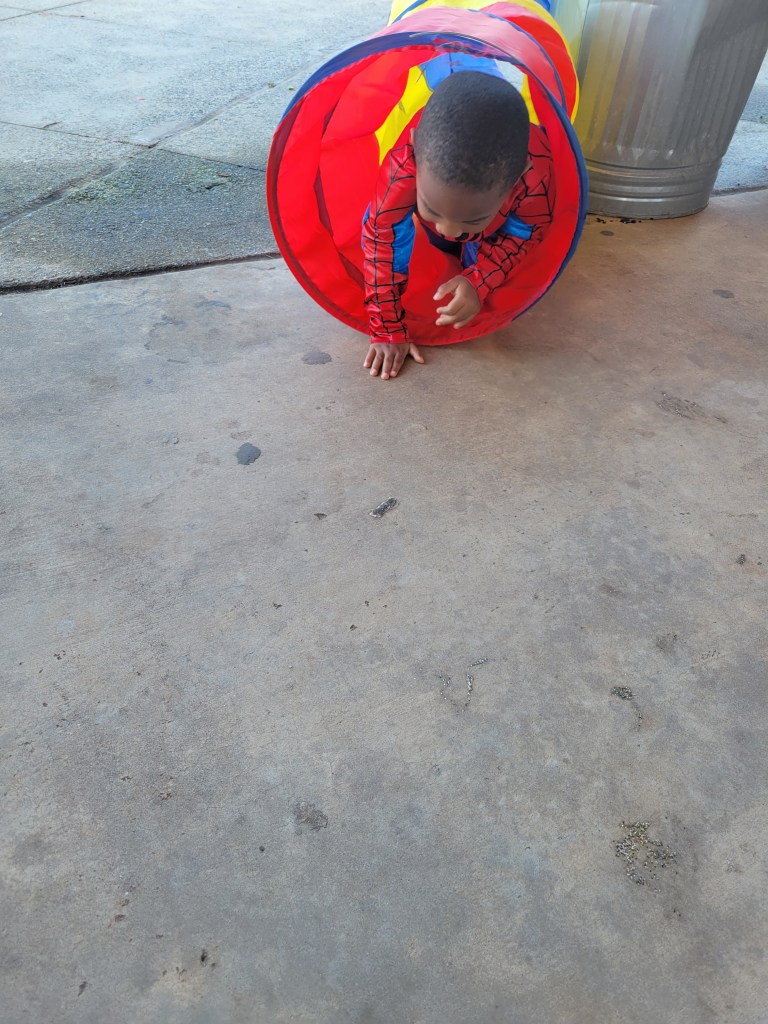
After a month filled with serious discussions on topics like breast cancer and domestic violence, we thought it was time to end October on a lighter note. So, grab your favorite costume and join me as we dive into the mysterious world of Halloween, a holiday that’s all about fun, frights, and frolics. But first, a little personal anecdote to set the tone – while I may not be the most enthusiastic Halloween celebrant, my life took a spooky turn when the baby now toddler entered the picture. He was already adorable in everything he wore, imagine him in costume. Now that he’s a little older and cognizant of his surroundings; He has decided to be Spiderman this year, with me as his trusty sidekick, the spider. How could I say no to those adorable eyes? Happy Halloween, indeed!
The History of Halloween:
Halloween, celebrated on the eve of October 31st, has a rich history that stretches back over 2,000 years. Its roots can be traced to the ancient Celtic festival of Samhain, a celebration marking the end of the harvest season and the onset of the dark, chilly winter. Legend has it that on this night, the veil between the living and the dead grows thin, allowing spirits to roam the Earth.
To deter these wandering spirits, people would dress up in costumes made from animal hides and light bonfires. Over time, these customs evolved into the Halloween we know today, with its iconic trick-or-treating, carved pumpkins (Jack-o’-lanterns), and eerie decorations.
Religious Perspectives:
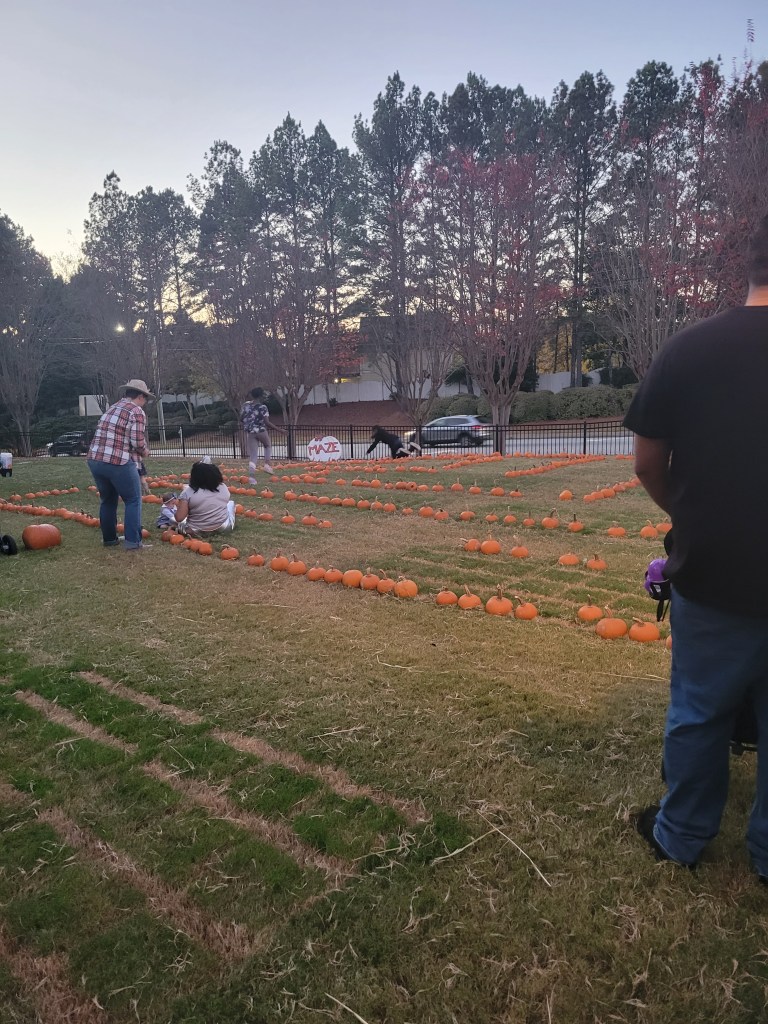
When it comes to religious views on Halloween, opinions are as diverse as the costumes at a costume party. Some religious groups, particularly fundamentalist Christians, view Halloween as a celebration of evil and the occult. They see it as a holiday that promotes witchcraft, demons, and everything they consider unholy. As a response, various alternatives like “Harvest Festivals” or “Fall Festivals” have emerged, emphasizing fun and games without the spooky or supernatural elements. It’s interesting to note that even churches host “trunk or treat” events, inviting people to their services and engaging with the community. We attended some of those events this weekend ourselves.
In my own spiritual journey, I’ve experienced Halloween from various angles. In my childhood, our household was enthusiastic about Halloween, with my mom helping neighbors of all ages get into costume. As a young adult, I was part of a church group that organized alternative activities for children, like dressing up as biblical characters and sharing stories while enjoying candy. But, as I grew older and without kids of my own, I distanced myself from holiday celebrations. Everything changed when my child entered the picture. His excitement for Halloween, especially for trick-or-treating, was contagious. Even though my views haven’t drastically changed, I now embrace the fun side of Halloween, focusing on positive costumes and candy delights.
The Flexibility of Halloween for Families:
Like many parents, I find myself navigating the fine line between honoring my child’s enthusiasm for Halloween and my own reservations. When you have a young child more interested in candy and cool costumes than the deeper symbolism of the holiday, it’s hard not to get swept up in the festive spirit.
This year, my toddler is going to be Spiderman, and I’ve reluctantly agreed to be his spider. Halloween has become an opportunity for us to bond and create lasting memories. For young children, it’s a chance to exercise their creativity and imagination, and for parents, it’s a time to marvel at the innocence and wonder in their children’s eyes.
As parents, we can ensure that our little ones understand the importance of positive costumes and responsible behavior while enjoying the candy-filled delights of the season. After all, Halloween is a time for families to come together and make cherished memories, even for those of us who are not die-hard Halloween enthusiasts.
In conclusion, Halloween is a holiday with deep historical roots and a wide range of interpretations, especially when it comes to religion. While some religious perspectives view it as problematic, many others see it as an opportunity for community, creativity, and connection. As we prepare to celebrate this fun and spooky holiday, let’s remember to keep the focus on the positive aspects and enjoy the magic of the season with our loved ones. So, whether you’re dressing up as a spider or something even more spine-chilling, let’s have a happy and safe Halloween!
For those trapped in the harrowing grip of domestic violence, finding a way to escape and break free from the cycle of abuse is a monumental and potentially life-saving step. Crafting an escape plan is an essential and empowering strategy to ensure the safety of victims as they seek refuge from their abusers. In this article, we will guide you through the process of creating a comprehensive escape plan, providing crucial information, and addressing the importance of support and resources.
Understanding the Urgency
The first and most vital aspect of creating an escape plan for a domestic violence victim is understanding the urgency of the situation. Abusive relationships are fraught with unpredictability and danger, and the victim’s safety should always be the top priority. Time is of the essence, and every moment counts.
Seeking Professional Assistance
Before diving into the specifics of an escape plan, it’s essential for victims to connect with professionals who specialize in domestic violence. Reach out to local domestic violence shelters, hotlines, or organizations dedicated to helping survivors. These experts can provide valuable guidance, resources, and emotional support during this challenging time.
Securing Essential Documents
Gathering and securing essential documents is a crucial step in the escape plan. Victims should gather documents like identification, passports, birth certificates, social security cards, and any legal documents related to their children or shared property. Make photocopies or digital scans and store them in a secure location, preferably outside of the home, like a trusted friend or family member’s house.
Collecting Financial Resources
Financial independence is often a significant obstacle for victims attempting to escape an abusive relationship. To address this challenge, it’s essential to start setting aside money discreetly. Open a separate bank account in your name only, and deposit small, manageable amounts regularly. Also, inform trusted friends or family members about the situation to ensure you have access to some financial resources when needed.
Safety Planning
Safety planning is at the heart of any escape plan. Victims should take time to assess the most dangerous times and situations, and develop strategies to minimize risk. This may include knowing the quickest route out of the home, creating a code word for friends and family to signal danger, or identifying safe places to go in case of immediate danger, such as a local shelter or police station.
Gathering a Support Network
Building a support network is essential for a successful escape plan. Inform trusted friends and family members about the situation, share your safety plan with them, and request their assistance and emotional support. Ensure that someone knows your whereabouts at all times during the escape process.
Leaving Safely
When the time comes to execute the escape plan, ensure that you have transportation arranged. Having a reliable and discreet mode of transport is essential. Keep a “go-bag” ready, packed with essentials such as clothing, toiletries, and crucial documents. During your escape, stay focused and calm, and contact your support network to let them know you are safe. If there’s kids involved make sure that that you have their documents as well, pack some snacks as depending on where you go, you may need to feed them for a little bit. The same with pets, make sure to have a ziplock back with food for them until you can get to a safe place.
Legal Protection
After escaping, victims should seek legal protection by obtaining restraining orders or protection orders against their abusers. Consult with an attorney or legal aid services to guide you through the legal process and help ensure your safety.
Creating an escape plan for a domestic violence victim is a lifeline, a beacon of hope in a dark and terrifying situation. By understanding the urgency, seeking professional assistance, securing essential documents, collecting financial resources, safety planning, gathering a support network, leaving safely, and seeking legal protection, victims can pave their path to freedom and safety.
Never underestimate the importance of professional support and counseling during this journey. Domestic violence survivors have the strength and resilience to build a new, brighter future. Remember, you are not alone, and there is help and support available to guide you towards a life free from abuse.
My personal plea to you is, do not look back. If you somehow have communication with the abuser, they will promise you the world, to change, to go to counseling. You’ve been there, you know those are empty promises. I know you want to believe them, but nobody changes for someone else. They change because they want to change. Do not go back once you’re out. Your live is at a graver danger at that point. Don’t ever doubt that you can survive by yourself. It may not be easy at the beginning but if you survived this nightmare, you’re equipped to survive and thrive going forward. I believe in you.
























 Naty Matos