Inside the Mind of a Domestic Abuse Victim

Domestic abuse is a pervasive and deeply troubling issue that affects countless individuals across the world. It’s often a silent battle that unfolds behind closed doors, leaving victims isolated and struggling to break free from the clutches of their abusers. To truly make a difference and help those trapped in such situations, it’s essential to step into the mind of the victim, understand the psychological complexities involved, and provide the support they desperately need.

Understanding the Dynamics

Many people find it challenging to comprehend how someone could end up in an abusive relationship. The truth is, it’s not a one-size-fits-all situation, and there’s no universal profile for either the victim or the abuser. What’s consistent, however, is the abuser’s ability to gain control over the victim, primarily through emotional and psychological manipulation.

Emotional control is a key element in domestic abuse. The abuser exerts power over the victim’s mind, making it incredibly difficult for the victim to break free. Outsiders who try to force an escape plan may unwittingly push the victim further into the abuser’s grasp, as the abuser capitalizes on any opportunity to foster alienation.

The Abuser’s Deceptive Charm

In the initial stages of a relationship, abusers often appear charming, attractive, and loving. They use tactics like “love bombing,” which involves showering the victim with excessive attention and affection to manipulate and influence them. It’s important to recognize that love bombing is a red flag, not a romantic gesture. Healthy relationships thrive on mutual respect and independence, not possession.

The Victim’s Dilemma

At the beginning of the relationship, the victim often feels like they’ve found the answer to all their prayers. However, as the first signs of abuse emerge, such as shouting over trivial matters or physical aggression, victims may excuse this behavior as an isolated incident, attributing it to a bad day. It’s only when the pattern of abuse becomes apparent that they realize they’re trapped.

Victims may believe that their love can change the abuser, but in reality, it only perpetuates the cycle of abuse. Abusers often shift blame onto the victim, making them believe that they are the cause of the abuse, further entangling them in the relationship.

Why Victims Stay

Understanding why victims stay in abusive relationships is crucial to providing effective support:

  1. Financial Dependence: The abuser may be the breadwinner, leaving the victim feeling financially helpless.
  2. Fear of Financial Instability: Even if the victim works, they may fear they can’t support themselves independently.
  3. Religious Pressure: Religious beliefs can make victims reluctant to divorce, and religious communities may discourage it.
  4. Threats from Law Enforcement: Some abusers are part of law enforcement, making victims fear they won’t be believed and could lose everything, including custody of their children.
  5. Community Standing: Abusers may hold high social standing, isolating the victim and preventing them from seeking support.
  6. Control Over Environment: Abusers exert control over all aspects of a victim’s life, making escape seem impossible.

How to Help

Supporting a victim of domestic abuse is a delicate process:

  • Listen Actively: Sometimes, all a victim needs is someone to talk to. Be that shoulder to lean on without judgment.
  • Offer Support: Let the victim know that you’re there for them, but don’t pressure them into taking action. Respect their timeline.
  • Help Create an Escape Plan: When the victim is ready, assist in designing a well-thought-out escape plan. Remember that the most dangerous time is when they try to leave.
  • Stand Your Ground: Be prepared for the abuser to try to deter your involvement. Protect yourself but remain committed to helping the victim.
  • Check In Regularly: Stay connected with the victim, even if it’s through casual conversations. Make sure to do so when you know the abuser isn’t present, to allow for open communication.

Understanding the psychological hold of an abuser is crucial to providing effective support to victims. It’s a complex, long-term process, but with empathy, patience, and unwavering support, you can help a victim regain their strength and take the steps towards a life free from abuse.

In closing, remember to stay safe and compassionate when offering your support. Your willingness to be there for victims can make all the difference in helping them break free from the cycle of abuse and rebuild their lives.

As always, stay safe!

The Benefits of Disclosing Sexual Assault

Sexual assault is a deeply traumatic experience that affects victims on both physical and emotional levels. For too long, a culture of silence has perpetuated the suffering of survivors, leaving them feeling isolated and unsupported. However, it’s crucial to acknowledge the benefits of disclosing sexual assault. Speaking out can be a powerful act of reclamation, both for the individual survivor and society as a whole. In this article, we’ll explore the transformative impact of sharing one’s story and the positive outcomes that can result from disclosure.

Sexual assault can occur within a domestic situation. The fact that you are in a relationship with someone doesn’t mean that you lose the ability to consent to a sexual act. Victims of sexual violence within a domestic violence context often face unique challenges. They may experience a heightened sense of isolation and helplessness, as their abusers use sexual violence as a means to maintain dominance and instill fear. This can also lead to long-lasting physical and psychological consequences, such as post-traumatic stress disorder (PTSD), depression, and anxiety. It is crucial for society to recognize and support survivors, providing them with avenues to escape the cycle of abuse and access the assistance they need.

  1. Breaking the Shackles of Silence:

When survivors disclose their experiences, they break free from the isolation and shame that often accompany sexual assault. Silence can be suffocating, but speaking out can provide relief and a sense of release. It’s the first step towards healing and regaining control over one’s narrative. Obviously, the best time to disclose is immediately, it will help with any legal proceedings and start the healing process. However, we recognize that’s not always an option. Talking about the experience with a safe person as soon as you can, will start the process of breaking the hold is has inside the victim.

  1. Validation and Support:

Disclosing sexual assault can lead to an outpouring of support from friends, family, and the broader community. This support can be instrumental in helping survivors cope with their trauma and can be a source of strength during the healing process. Knowing that they are believed and not alone can be incredibly empowering.

We are also aware that this is not always the case. If your immediate circle is not safe, there are resources where you can start getting support and working on your recovery.

A place to start is the National Sexual Hotline (800-656-4673), NSVCR and Celebrate Recovery (faith based)

  1. Empowering Others:

One of the most significant benefits of disclosure is the potential to inspire others to come forward with their own stories. Survivors who share their experiences often pave the way for others to do the same. This can contribute to a collective shift in attitudes towards sexual assault, ultimately dismantling the culture of silence.

  1. Legal Accountability:

Reporting sexual assault can help bring perpetrators to justice. Although legal processes can be challenging, disclosing an assault can be the first step in holding those responsible accountable for their actions. By speaking up, survivors contribute to the effort to ensure that sexual assault is taken seriously, and that justice is served.

  1. Healing and Closure:

Sharing one’s experience can be a cathartic experience. It allows survivors to process their trauma, make sense of what happened, and ultimately find a path to healing and closure. Opening about the assault can be a turning point on the journey towards recovery.

  1. Changing the Narrative:

Public disclosure challenges societal myths and misconceptions about sexual assault. By sharing their stories, survivors can help correct harmful narratives and dispel the notion that they are somehow to blame for what happened to them. This, in turn, contributes to a more informed and empathetic society.

  1. Advocate for Change:

Survivors who disclose their experiences often become advocates for change. They join the fight against sexual assault, contributing to efforts to reform laws, improve support systems, and educate the public. Their voices become catalysts for transformation.

Disclosing sexual assault can be an empowering and transformative act that benefits survivors in myriad ways. By breaking the silence, survivors can find validation, support, and healing, while also inspiring others to share their own stories. Furthermore, disclosure can help hold perpetrators accountable and contribute to a broader shift in societal attitudes towards sexual assault. As we encourage survivors to speak out and support them in their journey, we take a significant step towards breaking the cycle of silence and creating a world where sexual assault is not only condemned but ultimately prevented.

As always, stay safe

Consequences of Disclosing Sexual Violence

Watching these stories of sexual violence+SEXUAL+ASSAULT and seeing the scrutiny the victims are enduring inspired me to write this article about what happens behind the curtain for a victim of sexual impropriety. It has become obvious that these attacks are happening more than we care to admit. These events are life changing for the victim and we should not take likely that the victims suffer consequences for speaking up.
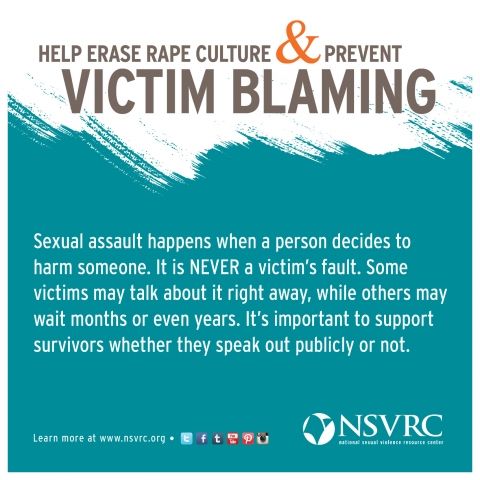
72ec9739adbb061371e097efb04ba95e--victim-blaming-sexual-assault-survivorBlame- When someone is sexually attacked, the first thoughts are of guilt and shame. The victims tend to try to figure out how they made this happened to them. They agonize over things that are not related to real reason why these events happen, which is that the predator wanted power over their victim.  The irony is that even people who have been victims of some sort help keep these ideas in society. They blame the way the victim was dressed, their habits, their relationships, their company choices and being at a place where they shouldn’t be.

It is true that when people are intoxicated, they are more vulnerable to be victims of a crime. However, being intoxicated doesn’t give permission to another person to attack them. It is true that walking alone in desolated place makes a person more vulnerable to be a victim of a crime, but that doesn’t give anyone permission to attack them. This is one of the consequences victims suffer. Not only they have to deal with their self-blame, but with the blame of others that think they bare some responsibility in their attack.

Credibility-When the perpetrator is a respected member of the community, and most of the times it is, victim shaming is the next consequence. Having less than a perfect life will be utilized to discredit their account against the stellar public life of the perpetrator.  This always reminds me of the serial rapist and murderer BTK. He was a quiet, not threatening looking man. He was a pillar in his community and church, but he raped and killed several women in his community. It is possible for you to know someone publicly, even live with them and not know the demons they carry. Sometimes they use the currency they have acquired through their “good deeds” to rail supporters and use it against the less than stellar life of the victim.


download (1)

But sometimes that’s the vulnerability that the perpetrator used all along to choose their victim. It comes down to the world of a child to a prominent adult, the word of a sex worker against the word of a publicly considered honorable man or the word of someone considered less in the hierarchy within the organization where the perpetrator operates. The victim’s motives are questioned. They use their vulnerabilities as motives to try to damage the work of this “reputable” predator.

Another issue that the victims face about their credibility being attacked is when they report several instances of sexual violence by different perpetrators at different times in their lives. Sadly, this does happen, and it doesn’t mean that the victim is making them up. I was chatting with a lady on twitter who was abused by her step-father, went to live with a family member to be then abused by her cousin. Multiple attacks, at different times in one’s life by different perpetrators is not unheard of and I believe it.

Sexual Harrassment at Work

Scrutiny-There’s another phenomenon that gets also misconstrued. A victim for whatever reason, including the ones above, doesn’t disclose the attack until years later. The credibility of the victim lays strongly on their life, but something that doesn’t get considered is how the attack or attacks influenced some of the struggles the victim has. If a child is sexually abused, this changes the way they approach sex. It is possible then that they either become promiscuous or sexually inhibited. In some occasions the victim chooses unhealthy relationships because they don’t know of healthy ways to connect in aimages (4) sexual relationship.

Another factor that may look discrediting of a victim’s accounts are their addictions. However, it shouldn’t be a surprised that some people who are victims of any kind of trauma self-medicate their emotional pain with alcohol or drugs. A current or history of drug use should not be used as a reason to discount a victims account.

Legal and Financial– Finances have recently been a subject brought as a disqualifying topic to victim’s accounts. I’m not talking about a victim suing their perpetrator, but their own personal finances. Something along the lines of, how can you believe someone who is broke or has filed for bankruptcy several times? However, a traumatic event could be the cause of poor choices and decisions, including financial ones. But even if that was not a factor, the fact that someone can’t balance their checkbook (do people still do that?) or manages their money wisely is not an indicator that a sexual attack did not occur.

images (3)Now, let me explain some of the legal issues victims face. If it’s not a full fledged rape and violent, there’s very little physical evidence that could be presented in a court of law to prosecute a perpetrator. The accounts of other victims can be used to present to a court a pattern of behavior. Recently things like date rape and even marital rape have been accepted as charges, but they are very hard to prove in court. Situation like molestation, harassment, groping incidents are not less traumatic but harder to legally prove. These incidents don’t have DNA, rarely a video, picture or a witness and if a long time has passed the steeper is the hill to prove these charges in a court of law. Because civil courts have a less restrictive requirements for burden of proof, many victims choose to sue. Other choose to sue because the statue of limitation on charges has expires. This means that the law states that when someone commits a crime there an expiration date on when that crime can be brought to charges. If this is the case, civil lawsuits are the only legal recourse that a victim may have. It’s not about money, but justice. Yes, some of these lawsuits are for substantial amounts of money, but since their perpetrator will not face jail time, they will have to endure the steep financial penalty. Also, in civil court their perpetrators can be compelled to testify and sometimes that’s all a victim really wants, for the perpetrator to face him/her and admit their wrongdoing. It doesn’t always pan out that way, but that’s the goal.

Emotional and MedicalTrauma affects the chemistry of the victim’s brain. If it happensdownload (3) to a child, it can affect properly development. A sexual assault can cause a victim to suffer from post-traumatic stress disorder (PTSD). This fact also contributes to other challenges the victim needs to deal with. Mental health issues are already socially defining, add now sexual trauma, having to speak up against your perpetrator and dealing with all that comes with that.

To finalize, therefore when a victim comes out to report a sexual assault my first instinct it to believe them:

  • They are publicly exposing their identities and narrating very publicly a very intimate infringement on their sense of safety, security and personal being.
  • They know that they are going to be scrutinize to the most diminutive details of their lives and still speak up. That takes a lot!
  • They’re aware that they will be blamed and shamed and they still speak up.
  • They will have consequences:
    • Financially- by losing or having to quit their jobs. Paying legal fees for any court proceedings.
    • Emotionally-their lives will be exposed for the world to see. They get to relive their attacks over and over.
    • Relational-they may lose cherished relations due to the stress of the disclosures or people taking sides on the issue.
    • Privacy-exposing their abuse will open their private moments up to scrutiny

My question is, who will be willing to do that for any other reason than it really happened to them. Now, I’m not discounting that there are false reports, but the reality is that the percentages of those are minimal and those stories quickly crumbled down. Most of cases are true. My suggestion is give victims a chance before victimizing them again through the court of public opinion.

There’s also plenty of good aspects of disclosing and I will talk about that on my next article.

Once again if you want to share your story anonymously with us, you can either email me at therisingmuse@gmail.com or submit your story in the “Stories Submissions” Tab at the top of our page.

Be safe

images (1)

Naty

Suzanne Somers: A Remarkable Journey of Strength and Resilience

If you grew up in the 80s, you might remember the popular sitcom “Three’s Company,” featuring three quirky roommates and their daily adventures. One of these roommates was Chrissy, portrayed by Suzanne Somers, a character who brought laughter and charm to our screens. However, Suzanne Somers was not just an iconic actress; she was also known for her health and fitness endeavors, including the infamous ThighMaster. But today, we’re here to celebrate more than just her entertainment career. We’re here to honor a remarkable woman who, for over 23 years, battled the insidious enemy known as breast cancer and emerged as a beacon of hope, persistence, strength, and resilience.

Suzanne Somers’ journey was not just about fame and success; it was a testament to her unwavering determination to live life on her terms despite the challenges she faced. Diagnosed with breast cancer in her twenties, she faced a lifelong battle with the disease, enduring multiple recurrences. Yet, she never allowed cancer to define her.

One of the remarkable aspects of Suzanne’s journey was her advocacy for patients’ rights to make their own decisions about their health. She faced criticism for her choices, but her life story stands as a testament to the value of advocating for what you believe is right in your healthcare decisions. Suzanne’s ability to live a full, productive life, complete with marriage, children, grandchildren, a successful career both in front of and behind the cameras, and reaching the age of 76, is a testament to her steadfast belief in her choices.

Suzanne Somers’ life exemplifies persistence, strength, and resilience. In her own words, she once told “Entertainment Tonight” during an interview, “I do my best not to let this insidious disease control me. Like any cancer patient, when you get that dreaded ‘It’s back,’ you get a pit in your stomach. Then I put on my battle gear and go to war. This is familiar battleground for me, and I’m very tough.” Suzanne’s attitude serves as an inspiration to all of us, showing that we can face even the most challenging circumstances with determination and an indomitable spirit.

Today, as we discuss breast cancer awareness, let us also celebrate the life of Suzanne Somers and the invaluable lessons she has left us through her legacy. She reminds us that we have the power to make choices in our healthcare journey, and that, no matter the obstacles we face, we can find the strength within to fight back.

As Suzanne Somers leaves us, we extend our heartfelt thoughts and prayers to her family, friends, and loved ones. She may have left this world, but her legacy of courage and determination will continue to inspire us all. Suzanne’s journey is a reminder that, even in the face of adversity, we can live life to the fullest and leave a lasting impact on the world.

In her memory, let us strive to be as courageous, as persistent, as strong, and as resilient as Suzanne Somers.

A Harrowing Wedding Night

As I sat down to write about domestic violence, I couldn’t help but think of a story a friend shared with me. It’s not her personal experience, but rather the chilling tale of her conception, one that began on a night she was supposed to be remembered as her parents’ wedding night. The stark contrast between her parents’ joyous anticipation and the horrifying events that unfolded on that fateful evening serves as a stark reminder of the unseen darkness that can lurk behind closed doors.

Imagine the excitement of finally marrying the love of your life, someone you’ve saved yourself for, and the promise of a beautiful future together. Unfortunately, not everyone’s story has a fairytale ending. This couple, my friend’s parents, lacked the financial means to enjoy a lavish honeymoon, opting to spend their first night together in a small back room at her mother-in-law’s house.

Exhausted from the hustle and bustle of their wedding day, they decided to take a nap, but when my friend’s mother woke up, her new husband was dressed and ready to leave. Curiosity got the best of her, and she dared to ask where he was going. In a shocking turn of events, he lashed out, striking her, and knocking her unconscious, leaving her in a state of bewildered pain. The life she had dreamt of had turned into a nightmare, a horrifying reality that was far removed from the love she had anticipated.

This horrifying story serves as a stark reminder that domestic violence can happen to anyone, regardless of social status, education, age, or background. It is a pervasive issue that affects countless lives, and it’s essential that we address it with sensitivity and understanding.

As someone who has encountered domestic violence, I know the nagging question that often lingers: Why did I stay? In my case, shame was a powerful force. This wasn’t my first marriage, and I couldn’t bear to face the world and admit that I had “screwed up” again.

The truth is domestic violence is rarely this sudden and explosive. It often creeps into a relationship subtly, like the proverbial frog in a pot of slowly boiling water, as the temperature rises inch by inch. Victims may become accustomed to each stage of the abuse until they find themselves trapped.

What’s important to remember is that domestic violence knows no boundaries. It can affect anyone, irrespective of their social standing or circumstances. This harrowing story is just the beginning of our exploration into the world of domestic violence, and I invite you to join me on this journey. Together, we can raise awareness, identify the signs, and support those who are enduring the unimaginable. Buckle up, because it’s going to be a bumpy ride, but the destination is a world free from the shadows of domestic violence.

Stay safe, and let’s be the change we want to see in the world.

Domestic Violence Hotline Website

Breast Cancer Awareness: From Nabby Adams to Betty Ford and Nancy Reagan

I’ve never considered myself a history buff, but homeschooling has reignited my curiosity for subjects I might have overlooked in high school. I vividly remember my history class, where I once dozed off while taking notes, and the last word I wrote was “sleep.” Looking back, it seems like my brain was dropping hints about my enthusiasm for the subject. But as an adult, I’ve developed a keen interest in history, especially in the “hows” and “whys” behind significant events. It’s amazing how I missed out on all this earlier in life.

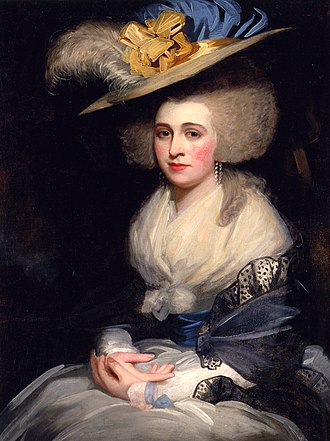
While exploring the lives of historical figures like John Adams through documentaries, I stumbled upon a remarkable woman from that era, Abigail “Nabby” Adams Smith. Nabby was the daughter of John Adams, the second President of the United States, and the sister of John Quincy Adams, the sixth President of the United States.

Nabby’s story took an unexpectedly poignant turn when I learned that she battled breast cancer during a time when science and technology were nowhere near where they are today. She had to undergo a mastectomy, the surgical removal of her breast, in an era without anesthesia. The sheer courage and strength that this must have required are beyond imagination. Tragically, her ordeal did not end there, and she passed away just two years later.

This prompted me to wonder about other women in the White House who may have faced similar challenges. My research led me to two remarkable women:

1. Betty Ford:
Betty Ford, the wife of the 38th President of the United States, Gerald Ford, was diagnosed with breast cancer in 1974. What makes her story particularly inspiring is her openness about her diagnosis and treatment. By sharing her journey, she helped raise awareness about breast cancer and played a crucial role in destigmatizing the disease. In her own words, “Too many women are so afraid of breast cancer that they endanger their lives. These fears of being ‘less’ of a woman are very real, and it is very important to talk about the emotional side effects honestly. They must come out into the open”. Betty Ford survived breast cancer and lived until the age of 93, passing away from natural causes in 2011.

2. Nancy Reagan:
Another prominent figure, former First Lady Nancy Reagan, faced a breast cancer diagnosis in 1987. She underwent a mastectomy and chose to go public with her diagnosis to emphasize the importance of early detection and regular screenings. What sets Nancy Reagan apart is her strong advocacy for her own healthcare decisions. She didn’t conform to the conventional treatment path and was vocal about it. Her story serves as a reminder that individuals battling breast cancer should advocate for their preferences and treatment choices. While research, second opinions, and careful consideration are vital, it’s crucial to stand firm on what feels right for you.

Breast cancer treatment has indeed come a long way since the days of Nabby Adams. It has also progressed significantly since the time of Betty Ford and Nancy Reagan. However, one constant remains: early detection is key. Regular self-breast exams and mammograms are essential tools in the fight against breast cancer.

History is a treasure trove of stories that continue to inspire and educate us. The resilience of women like Nabby Adams, Betty Ford, and Nancy Reagan in their battles against breast cancer reminds us of the strength of the human spirit. Their stories underscore the importance of awareness, early detection, and taking charge of our healthcare decisions. So, remember to take care of yourself, stay informed, and, as always, be blessed.

Finding Strength and Perspective at a Funeral

Photo by Matthias Zomer on Pexels.com

When I accompanied a friend to a funeral this weekend, I never anticipated the profound impact it would have on me. It wasn’t just the somber atmosphere or the tears that were shed; it was the raw, heart-wrenching emotions that stirred something deep within me. This experience made me reflect on life, loss, and the powerful messages we sometimes overlook in the midst of grief.

As we entered the funeral venue, the sight that greeted us was heartrending. The decedent’s sister lay on the floor, consumed by her grief, and not far away, his youngest daughters, who were about the same age I was when I lost my father, were crying out for their daddy. Their sobs pierced the air, and the depth of their pain left an indelible mark on my heart. It reminded me of my own childhood, missing my father at graduations and father-daughter events. My mother did her best to fill the void with stand-ins—a caring uncle, a supportive coworker, and, eventually, my beloved brother who walked me down the aisle. While I am grateful for their presence, they could never replace my dad.

My heart ached for those girls, knowing the milestones they would miss without their father. I could relate to their pain all too well. But what truly broke my spirit was witnessing the decedent’s mother stand to read her son’s obituary. She began with a smile, thanking everyone for attending, but my thoughts immediately turned to the heartbreaking reality that no mother should ever have to bury her child.

I couldn’t help but recall my own mother’s grief when my sister passed away shortly before my father. My mother never truly recovered from that loss, carrying the weight of her grief for 44 years until the day she joined them in eternity. As a parent myself, the thought of losing my child is unbearable and unimaginable.

Yet, amidst this sea of sorrow, there was a message of hope that caught my attention. A speaker reminded us to rejoice because the departed soul was now with the Lord, free from suffering, and would be reunited with loved ones in the afterlife. While I share the belief in this reunion, the concept of joy upon a loved one’s death was not something I could readily embrace. It wasn’t my immediate response when comforting someone in grief.

From a believer’s standpoint, I’ve felt relief when those I love have passed because it reaffirms my hope of seeing them again. There have been loved ones whose salvation status remained uncertain to me, either due to different faiths, no faith at all, or lifestyles that left me hoping for a last-minute conversion. However, joy was not part of the equation. It was a complex mix of peace, relief, and hope.

The final message that resonated deeply with me was delivered by another speaker, urging us to reach out to our loved ones now because tomorrow is never guaranteed. It served as a stark reminder that I, like many, have people I love but have failed to connect with. I often think about them but don’t take the time to reach out. It’s a shortcoming I acknowledge.

Photo by Polina Tankilevitch on Pexels.com

This wake-up call was made more poignant by the fact that the decedent was younger than me. It’s a stark reminder that tomorrow is not promised to any of us. Living in the present and cherishing the people around us became an urgent priority in my heart.

While our original intentions for October were to discuss other important topics, I felt compelled to share this message. Funerals are not just about mourning the departed; they are an opportunity for reflection, growth, and the reevaluation of our own lives. In the face of loss, we can find strength and perspective that can lead us to live more intentionally and love more deeply.

In the end, it is our experiences, both joyful and sorrowful, that shape us into better, more compassionate individuals. So, let us remember to embrace the now, cherish our loved ones, and find solace in the hope of reunions in the afterlife, for it is in these moments that we truly understand the depth of our humanity and the power of our faith.

My Journey to Mammogram Enlightenment

As soon as I turned 40, there was something I was desperately avoiding – getting a mammogram. Why was I so afraid? Because, for the longest time, I had heard crazy horror stories from women who had gone through the process of a mammogram. I consider myself fortunate not to have a family history of breast cancer, cancer, yes, but not breast cancer. Yet, the fear and ignorance kept me away from screening for many years. It wasn’t until I was 43 or 45 that I finally stopped running and went to get my first mammogram. To my surprise, the truth was far from the horror stories I had heard.

I remember talking to the technician, and she told me that some of those stories may have been accurate in the past, but that technology has advanced, making the process much easier and more comfortable now. To be honest, I found it so tolerable that I wouldn’t hesitate to go every day if needed. It’s quick, painless, and surprisingly comfortable. Yes, you still get tugged a little, but nothing remotely painful. In fact, a pap smear is way more uncomfortable for me than a mammogram.

So, if you’ve been running away from this essential prevention tool, I urge you not to waste another day. Most insurance companies cover this service as part of preventative healthcare, and it’s 100% covered. If you don’t have insurance, the CDC can assist you in obtaining a free or low-cost screening.

Breast cancer screening plays a crucial role in early detection and improved outcomes. It is recommended that all women undergo regular screening for breast cancer. According to the U.S. Preventive Services Task Force (USPSTF), they recommend that women get screened for breast cancer every other year starting at age 50. This is the new recommendation, it used to be 40.  This draft recommendation statement emphasizes the importance of regular screening for women.

However, it’s important to note that the balance of benefits and harms associated with adjunctive screening for breast cancer is still being assessed. The USPSTF states that the current evidence is insufficient to make a recommendation for or against adjunctive screening.

It’s also worth mentioning the guidelines set forth by the American Cancer Society (ACS). The ACS released a breast cancer screening guideline in October 2015, recommending that women with an average risk of breast cancer start regular screening at age 45 and transition to biennial screening at age 55. They also highlight the importance of shared decision-making between women and their healthcare providers in determining the appropriate screening intervals.

In conclusion, regular breast cancer screening is essential for early detection and better outcomes. The USPSTF recommends biennial screening for women starting at age 50, whereas the ACS suggests starting at age 45. It’s important for women to discuss their individual risk factors and preferences with their healthcare providers to make informed decisions about the frequency and timing of their screenings.

Don’t let fear or misconceptions hold you back from taking charge of your health. Get that mammogram and take a step towards a healthier and happier you! Your future self will thank you for it.

As always, be blessed

Foods that May Help Prevent Breast Cancer

Breast cancer is a formidable adversary, affecting women worldwide at an alarming rate. While factors like genetics and hormone levels play a role in breast cancer risk, your diet can be a powerful ally in the fight against this disease. I know I’ve heard of food to prevent cancer in general, but when I found this information for breast cancer I wanted to share it with you. It is always a good idea to start with prevention and if we have delicious and nutritious approach to breast health and reduce risk of breast cancer, I’m all for it. Remember, there’s no magical food that can guarantee prevention, but adding these tasty options into your diet might contribute to your overall well-being.

1. Dark Leafy Greens

Let’s kick off our journey to better breast health with a colorful start—dark leafy greens like spinach, kale, and broccoli. These veggies are like nutritional superheroes, packed with antioxidants, vitamins (A, C, and K), and minerals (calcium and iron). But what makes them extra special is their secret weapon: glucosinolates (that’s a big word to say that the foods  contain sulfur and nitrogen and are derived from glucose and an amino acid.) These compounds have been shown to inhibit the growth of breast cancer cells, making dark leafy greens a formidable ally in your fight against breast cancer.

2. Berries

Next up, we have the vibrant and juicy stars of the fruit world: berries. Think strawberries, blueberries, and raspberries. I’ve always heard that these are super foods. Also think about it, from the fruit groups these tend to be very low in calories and sugars. These little powerhouses are bursting with antioxidants that wage war against harmful free radicals in your body. By doing so, they reduce inflammation and limit DNA damage—two key culprits that can lead to breast cancer. Berries are also packed with dietary fiber and vitamin C, making them a sweet addition to your breast health arsenal. Plus they are delicious!

3. Citrus Fruits

When life gives you lemons, make sure you’re using them to boost your breast health. Oranges, grapefruits, and lemons are brimming with vitamin C and other antioxidants. Research suggests that vitamin C has anti-cancer properties, helping protect against breast cancer by reducing oxidative stress and neutralizing those pesky free radicals. Including citrus fruits in your diet adds a zesty twist to your quest for better breast health. Now I’m totally bias in this category. I love citrus foods. Anyone who knows me, knows that lemons and limes are part of my daily life. I will warn you to be careful with the grapefruits if you are on certain medications where is contraindicated.

4. Fermented Foods

Now, let’s venture into the world of fermented foods like yogurt, kefir, and sauerkraut. These tasty treats are home to probiotics and beneficial bacteria that create a thriving gut (your stomach) microbiome. Recent studies suggest that maintaining a diverse and balanced gut may reduce the risk of breast cancer by supporting your immune system and taming inflammation. So, consider adding these fermented wonders to your daily routine for a healthier gut and potentially lower breast cancer risk.

5. Fatty Fish

Swimming into our list is a group of oceanic superheroes—fatty fish like salmon, mackerel, and sardines. These fish are teeming with omega-3 fatty acids, known for their anti-inflammatory properties. While not a guarantee against breast cancer, regular consumption of fatty fish (at least twice a week) can provide your body with these essential fatty acids, potentially contributing to better breast health.

6. Allium Vegetables

Last but not least, let’s embrace the flavorful world of allium vegetables—garlic, onions, and shallots. These kitchen staples contain organosulfur compounds that have been associated with anti-cancer effects. They may help inhibit the growth of breast cancer cells, promote cell death, and offer antioxidant benefits. So, next time you’re cooking up a storm, don’t forget to include these aromatic wonders for an extra dash of potential health benefits.

In the battle against breast cancer, there’s no surefire way to guarantee victory, but adopting a healthy lifestyle can tip the scales in your favor. By incorporating foods like dark leafy greens, berries, citrus fruits, fermented goodies, fatty fish, and allium vegetables into your diet, you’re taking proactive steps toward better breast health. Remember, it’s crucial to consult with healthcare professionals for personalized advice and to stick to regular screenings and early detection measures. By prioritizing a healthy lifestyle and a balanced diet, we can work together to reduce the risk of breast cancer and promote overall well-being.

As always, be blessed

References:

  1. American Cancer Society. (2021). Can a Healthy Diet Help to Prevent Breast Cancer? Retrieved from source
  2. World Cancer Research Fund. (2018). Diet, Nutrition, Physical Activity and Breast Cancer. Retrieved from source
  3. National Cancer Institute. (2021). Breast Cancer Prevention (PDQ) – Patient Version. Retrieved from source

Preparing for October

October means a lot of things for a lot of people. People are looking forward to the fall festivals, pumpkin patches, all things pumpkin spice, and some for Halloween. I’m not saying I’m not looking forward to those things. In fact, I’ve already partaken in a few pumpkin spice lattes myself. But October, to me, is also about women’s issues. October is Breast Cancer Awareness Month and Domestic Violence Awareness Month. Both of these causes are near and dear to my heart.

In the past, I have asked that if any survivors want to share their experiences with our community, publicly or privately, they’re welcome to do so. I will extend this invitation this year as well. I will say that I’m not blind to the fact that some men suffer from breast cancer or are victims of domestic violence, so they’re invited to share their stories as well. I called it women’s issues because the majority of the survivors of these causes are women.

Breast Cancer Awareness Month reminds us of the importance of early detection and regular screenings. It’s an opportunity to educate ourselves and others about the risks, symptoms, and available resources for breast cancer. This October, I plan to delve into topics such as the latest advancements in breast cancer research, survivor stories, and how we can all contribute to raising awareness and supporting those affected by this disease.

Domestic Violence Awareness Month is equally significant. It’s a time to shine a light on a pressing issue that affects countless individuals and families. Domestic violence knows no boundaries, and it’s crucial to understand the signs, offer support, and advocate for change. Throughout October, I aim to explore topics like recognizing the signs of domestic violence, resources for survivors, and initiatives aimed at prevention and support.

But here’s the thing – I don’t want this blog to be just about what I think is important. I want to hear from you, my community. Are there any specific topics that you would like me to cover this month under these main subjects? Your input matters, and I’d love to create content that addresses the issues and questions that are important to you.

In the spirit of fall and community, let’s come together to raise awareness, offer support, and make a positive impact during October. Breast Cancer Awareness Month and Domestic Violence Awareness Month are not just about spreading awareness but also about fostering empathy, understanding, and action. So, as we sip our pumpkin spice lattes and enjoy the changing leaves, let’s remember the importance of standing with those who need our support the most.

Happy Fall!

Ps. If you want to submit your survivor story, please send it to therisingmuse@gmail.com Let me know if you want to remain anonymous so that I know before sharing it. Also if you just want to send it to me and not share it with the community, I can respect that as well.