Where Is Your Faith?

In recent years, there has been a noticeable shift as many people choose to leave their churches or distance themselves from their faith. This trend often stems from negative experiences within their religious communities or deep disappointment in religious leaders who have been found guilty of despicable acts. These situations beg a crucial question: where is your faith placed? Is it in God or in the fallible humans who lead religious congregations?

It’s essential to acknowledge that religious leaders, despite their higher calling, are still human beings. They possess the same weaknesses and capacity for wrongdoing as anyone else. The Bible reminds us in Psalm 118:8, “It is better to take refuge in the Lord than to trust in humans.” This verse emphasizes that placing our faith solely in human beings is fraught with risks. Humans can fail, disappoint, and lead us astray, but God remains constant and unchanging.

When a religious leader falls from grace, the impact on their congregation can be profound. Feelings of betrayal and disillusionment are natural. However, it is critical to remember that these leaders are not the foundation of our faith. Jeremiah 17:5-7 states, “Thus says the Lord: ‘Cursed is the man who trusts in man and makes flesh his strength, whose heart turns away from the Lord. Blessed is the man who trusts in the Lord, whose trust is the Lord.’” These verses highlight the dangers of placing our ultimate trust in people rather than in God.

The Bible consistently directs us to place our faith in God, not in humans. Hebrews 12:2 advises, “fixing our eyes on Jesus, the pioneer and perfecter of faith.” This guidance is crucial, particularly in times of disappointment and disillusionment. When our faith is firmly rooted in God, we can withstand the storms that arise from human failure and sin.

It is beneficial for each of us to reflect on the foundation of our faith. Are we more invested in the personalities and actions of our religious leaders than in God Himself? Matthew 7:24-27 tells the parable of the wise and foolish builders, emphasizing the importance of building our spiritual foundation on the solid rock of God’s teachings rather than on the shifting sands of human behavior.

For those feeling disheartened by the actions of others within their religious community, take heart. Use this opportunity to refocus and realign your faith. Galatians 6:9 encourages us, “And let us not grow weary of doing good, for in due season we will reap, if we do not give up.” Persistence in faith, despite human failings, will ultimately lead to spiritual growth and fulfillment.

As we navigate the complexities of faith within religious communities, it is vital to continually examine our hearts and ensure that our faith remains anchored in God. Reflect on where your faith is placed and recognize when it may have been affected by misplaced trust. By keeping our eyes fixed on God, we can find strength, resilience, and true peace, even amidst human imperfections.

In the end, let us remember the words of Proverbs 3:5-6: “Trust in the Lord with all your heart, and do not lean on your own understanding. In all your ways acknowledge him, and he will make straight your paths.” This scripture is a timeless reminder to trust in God above all else and to find our security and direction in Him alone.

Until next time, stay blessed.

Remember to check out our Youtube Channel

Interview with Shaazia Terry: A Journey of Faith and Resilience

Welcome back to The Rising Muse, where we bring you inspiring stories of individuals who have overcome tremendous challenges to find their purpose and share their gifts with the world. Today, we have the pleasure of introducing Shaazia Terry, a young Christian author who has turned her life’s trials into a testament of faith and resilience. Join us as we delve into Shaazia’s journey, from experiencing homelessness to becoming a beacon of hope through her writing and music.

Shaazia Terry’s journey has been nothing short of remarkable. Reflecting on what led her to become homeless, Shaazia shared, “Yeah, at the time, both my mom and I were homeless. I left my job, which led to our situation.” This challenging period in her life profoundly shaped her perspective on faith and life. “It taught me to depend on God. It strengthened my faith as He came through and provided for my needs,” she said.

Raised in the church, Shaazia always believed in God, but it wasn’t until a significant personal loss that her faith deepened. “I always believed in God and was raised in the church, but I never had a personal relationship with Him. That changed after my mom died,” she recounted. This pivotal moment inspired her to rededicate her life to God.

Shaazia has been writing stories and songs since she was 14 years old. After her mother’s death and subsequent healing, she felt a new calling. “After the Lord healed me following my mom’s death, I decided to change my writing to glorify Him and help others through my God-given gifts,” she explained. The themes of hope and encouragement permeate her work, as she aims to show that “with God, all things are possible.”

Her latest book, “God’s House,” embodies these themes. Shaazia provided some insights into what readers can expect: “Readers can expect to see through this story that even when you accept God’s call, life isn’t always easy. It shows love, family secrets, and most importantly, that God is what gets you through each trial and struggle. No one is perfect, and that’s why we need God and His guidance, no matter what challenges come our way.”

The impact of losing her mother is a recurring theme in Shaazia’s life and work. “My mother’s death changed me. It made me more forgiving and loving towards people. It showed me that I wasn’t putting God first and that I needed to always do so. As hard as her death was, I wouldn’t change it. Pain led to purpose and brought me closer to God in a way I had never been before,” she shared. This profound transformation has fueled her purpose and driven her to share her testimony on platforms like YouTube and Facebook, bringing hope through her music and stories.

When asked for advice for those facing similar hardships, Shaazia emphasized the importance of seeking God. “For those experiencing homelessness, I would say seek God, spend time with Him, read your word, and keep Him first. For those losing a loved one, it does get better. God will heal you and your heart, and it can be better than when the person was alive. Trust God, invite Him in; you don’t have to be alone. He wants to be there for you and take your pain away.”

Shaazia hopes her work will inspire others to never give up, especially in times of struggle. “I hope my work shows people to never give up, no matter what it looks like. When struggles come, hold closer to God. He can’t fail, and He is unbeatable. You can put your faith in Him,” she said.

Reflecting on her journey of faith and personal growth, Shaazia expressed gratitude for surrendering her life to God. “Looking back, I am so glad that I surrendered my life to Him and embraced the work He is doing in me. If not, I wouldn’t be who I am now,” she noted. A favorite scripture that has guided her is Genesis 50:20, where Joseph says, “As for you, you meant evil against me, but God meant it for good, to bring it about that many people should be kept alive as they are today.”

In closing, Shaazia left our audience with a powerful message: “Never give up and always trust God. Give your gifts back to the One who gave them to you and make sure to always forgive.”

Conclusion

Shaazia Terry’s journey is a powerful reminder of the strength and hope that can be found in faith. Her story is a testament to the transformative power of trusting in God and using one’s gifts to uplift others. We encourage our readers to follow Shaazia on Facebook and YouTube channel to stay updated on her inspiring work.

Don’t forget to subscribe to our YouTube channel for more inspiring interviews and stories. Thank you for reading The Rising Muse, and until next time, keep rising!

The Importance of Reputation: Balancing Authenticity and Perception

By Dan First

Proverbs 3:3-4NIV
Let love and faithfulness never leave you
Bind them around your neck, write them on the tablets of your heart
Then you will win favor and a good name in the sight of God and man
.

All of us are known for something… Our behavior is usually the cause of our reputation. It would be a pretty great thing for people to think of us as loving and faithful. This verse makes me think of the multitude of times I have read on social media some form of “I don’t care what anyone thinks of me.”

First of all, that’s not true. Every sane person cares at least a little bit about what broader society thinks of them, and they care even more what their circle thinks. Even people who wish to consider themselves really unique will only stray so far from the accepted norms of their chosen community. The larger majority will take precautions to stay safely within the boundaries of what they know their primary peer group will approve of because they care what those people think.

Oftentimes the people who claim to be living as their “most authentic self” are the most predictable. They faithfully copy the dress code, ideology, and catchphrases of the groups they want to feel a part of. You know what they will think and say before their lips ever move.

BUT, if you are a person who claims to not care what anyone thinks of you… why is that? A bad reputation can only hold you back in multiple dimensions of your life. Your reputation is going to affect the way people see your family members, your spouse, and your children. Your reputation could affect the way people view the organizations you are a part of and care about. Having a good reputation before God ought to be our primary goal, but we should also care what the people around us observe about us. There’s likely to be a lot of truth about our reputation—for better or for worse.

There’s an old Yiddish saying I’ve heard: “If your friend calls you a donkey, ignore him. If five friends call you a donkey, buy a saddle.

About Dan:

Daniel First has been an entrepreneur, song writer, worship leader, recording artist, speaker, and pastor. He has spent thirty years studying and teaching the Bible. He and his wife, Brandy, have been married for 28 years and have 7 children.

Dan’s book “Wisdom Cries Out” talks to us about the meaning of abundant life in God and the scriptures. You can obtain Dan’s book on Amazon , Prairie Lights Blooks and Barnes and Nobles.

Celebrating Father’s Day with Faith and Family

Father’s Day is a special time to honor the incredible dads in our lives. It’s a day to reflect on the profound impact fathers have on their families, to celebrate their hard work, love, and dedication, and to show our appreciation for their unwavering support. At Thrive by The Rising Muse, we believe that fatherhood is not just a role but a calling, deeply rooted in faith and commitment.

The Role of Fathers in Our Lives

Fathers play a crucial role in shaping the lives of their children. They are providers, protectors, mentors, and, most importantly, role models. A father’s influence extends beyond the physical and emotional; it touches the spiritual realm as well. Christian fathers, in particular, are called to lead their families with wisdom, compassion, and a Christ-like spirit. They are tasked with nurturing their children’s faith, guiding them through life’s challenges, and teaching them the values of love, kindness, and integrity.

Special Father’s Day Episode on Thrive by The Rising Muse

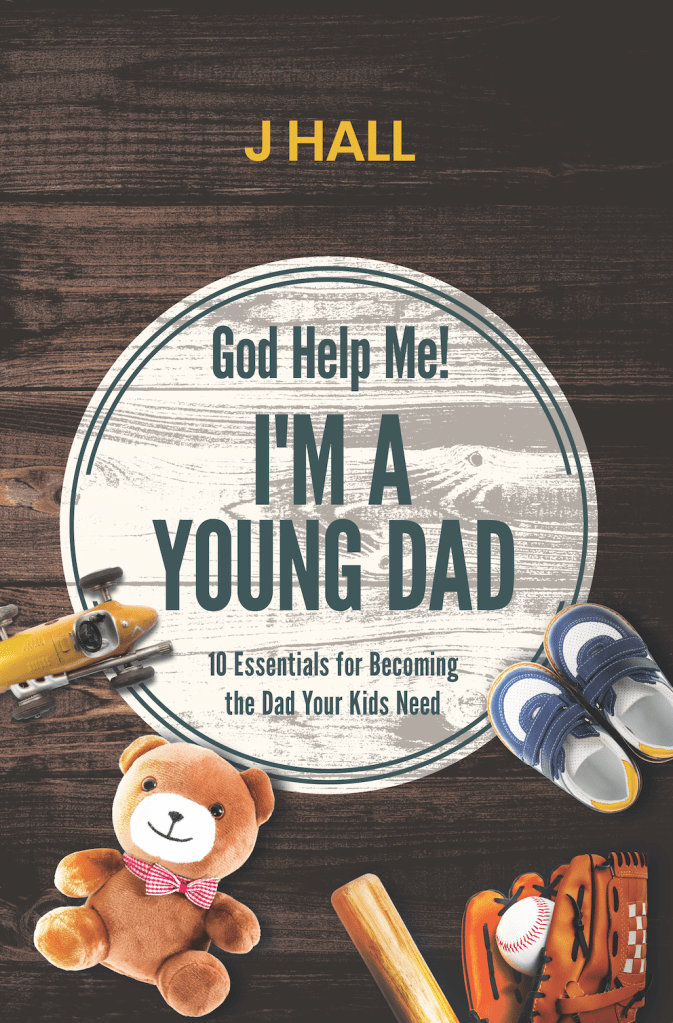
In celebration of Father’s Day, we have a special treat for our listeners. Our latest podcast episode features an inspiring conversation with Christian author J Hall. J shares his insights on fatherhood, faith, and family, drawing from his own experiences and his book, God Help Me! I’m a Young Dad: 10 Essentials for Becoming the Dad Your Kids Need.” This episode is a heartfelt tribute to fathers everywhere, offering valuable advice and encouragement for young dads and those looking to deepen their relationship with their children and their faith.

Stay Tuned for More!

We hope you enjoy this special Father’s Day episode and find it as inspiring and uplifting as we did. But that’s not all! Tomorrow, we will be posting a detailed blog that delves deeper into Jay Hull’s insights and offers a comprehensive look at our conversation. Be sure to check back for more!

Celebrate and Reflect

As we celebrate Father’s Day, let’s take a moment to thank the fathers in our lives for their unwavering love and support. Whether it’s your dad, stepdad, grandfather, or a father figure who has made a difference, today is the perfect day to let them know how much they mean to you.

Connect with Us

Don’t forget to listen to our special Father’s Day episode and share it with the dads in your life. Follow us on social media and subscribe to Thrive by The Rising Muse for more inspiring content on faith, family, and mental health.

Happy Father’s Day to all the amazing dads out there! Your love and dedication make the world a better place. 🌟


Healing Emotional Scars with God’s Help

By Veda Green (Thrive by The Rising Muse Co-Host)

Emotional scars often run deep, invisible to the naked eye but affecting every aspect of our lives. Unlike physical wounds, you can’t just slap a band-aid on them and hope they’ll heal on their own. The pain from past trauma can linger for years, surfacing unexpectedly and wreaking havoc on our peace of mind.

As Christians, we have unique resources to help us heal—prayer, wise counsel, therapy, and even medication. We can also turn to the eternal truths of Scripture to guide us through the healing process.

The Reality of Emotional Scars

Emotional scars can be triggered by anything—a song, a phrase, or even a memory. These triggers can transport us back to the moment of our deepest pain. For example, I know someone who saw her abuser’s face while she was with her loving boyfriend. She started screaming and tried to flee, but because he was aware of her past, he held her and assured her of her safety. This moment underscores the reality that we can’t simply lock our trauma behind a door and expect it never to resurface.

In Psalm 34:18, we find comfort: “The Lord is close to the brokenhearted and saves those who are crushed in spirit.” God is not distant from our pain; He is intimately aware of it and ready to offer His healing presence.

The Path to Healing

1. Prayer and God’s Word

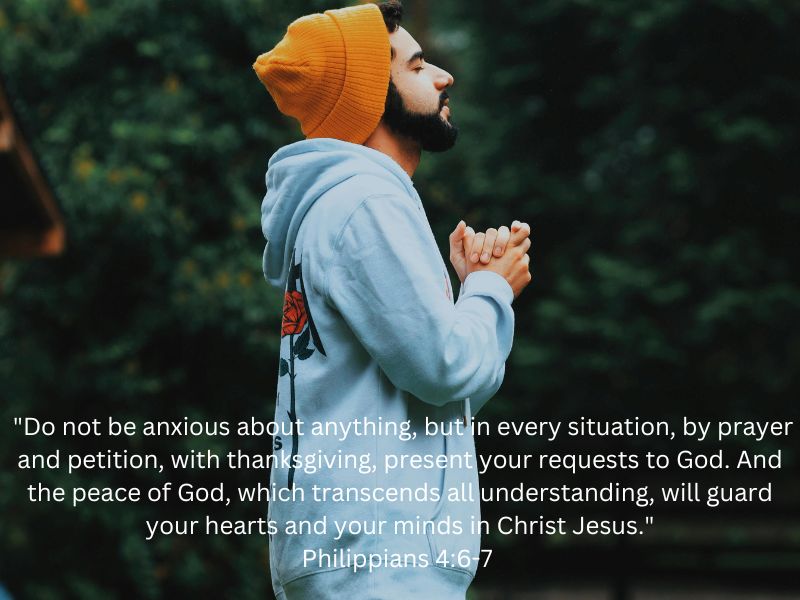
   Prayer is our lifeline to God. In moments of overwhelming emotion, we can pour out our hearts to Him. Philippians 4:6-7 reassures us: “Do not be anxious about anything, but in every situation, by prayer and petition, with thanksgiving, present your requests to God. And the peace of God, which transcends all understanding, will guard your hearts and your minds in Christ Jesus.”

   Regularly meditating on Scripture can also help. Psalm 147:3 tells us, “He heals the brokenhearted and binds up their wounds.” By anchoring ourselves in God’s promises, we allow His truth to permeate our minds and soothe our souls.

2. Wise Counsel and Therapy

   Proverbs 11:14 says, “Where there is no guidance, a people falls, but in an abundance of counselors there is safety.” Seeking wise counsel from trusted friends, pastors, or professional therapists can provide the support and strategies needed to navigate the healing process.

   Therapy can offer tools to manage triggers and develop healthier coping mechanisms. It’s not a sign of weakness but a step towards wholeness.

3. Breaking Generational Curses

   Abuse can sometimes stem from generational patterns of behavior. Recognizing this and choosing to break the cycle is vital. Exodus 20:5-6 speaks to God’s desire for us to overcome these generational sins: “I, the Lord your God, am a jealous God, punishing the children for the sin of the parents to the third and fourth generation of those who hate me, but showing love to a thousand generations of those who love me and keep my commandments.”

   By addressing these issues, we protect future generations from experiencing the same pain.

Living in Freedom

Emotional scars, if left unattended, can negatively affect our relationships, marriages, children, and friendships. The enemy wants us to believe that we are defined by our past, but Jesus offers us a new identity. In John 8:36, Jesus declares, “So if the Son sets you free, you will be free indeed.”

1. Cultivating Healthy Relationships

   Romans 12:18 advises, “If it is possible, as far as it depends on you, live at peace with everyone.” This involves forgiving those who have hurt us and seeking healthy, supportive relationships that reflect God’s love.

2. Sharing Your Story

   Revelation 12:11 reminds us of the power of our testimony: “They triumphed over him by the blood of the Lamb and by the word of their testimony.” Sharing your story can be a source of healing for yourself and others. It breaks the silence and brings light to the darkness of abuse.

3. Trusting God’s Plan

   Jeremiah 29:11 offers a promise of hope: “‘For I know the plans I have for you,’ declares the Lord, ‘plans to prosper you and not to harm you, plans to give you hope and a future.'” Trusting in God’s plan, even when the path is painful, allows us to walk in faith and confidence.

Healing emotional scars is a journey that requires time, patience, and the right resources. As believers, we have the profound assurance that God is with us every step of the way. Through prayer, wise counsel, therapy, and the support of our faith community, we can find healing and freedom from the past.

May we always remember that our scars, while they may never fully disappear, can become testimonies of God’s incredible grace and healing power. As we navigate this journey, let us cling to the promise in Isaiah 41:10: “So do not fear, for I am with you; do not be dismayed, for I am your God. I will strengthen you and help you; I will uphold you with my righteous right hand.” With God’s help, we can overcome the past and step into the abundant life He has promised us.

Don’t forget to subscribe to our podcast Thrive by The Rising Muse

Overcoming Ego for Spiritual Growth: A Christian Perspective

In the pursuit of spiritual growth, Christians often face the significant challenge of overcoming the ego. The ego, our sense of self-importance and individual identity, can be an obstacle to deeper faith and communion with God. By embracing humility and selflessness, Christians can transcend the ego, drawing closer to the divine. This blog post explores the Christian approach to overcoming ego, supported by scripture and practical steps for spiritual growth.

In Christianity, the ego represents our self-centered nature, often manifesting as pride, arrogance, and selfishness. The Bible consistently warns against these traits, highlighting the importance of humility and self-denial. Jesus’ teachings and the writings of the apostles provide clear guidance on how to manage and overcome the ego.

The Bible addresses the dangers of ego and the virtues of humility extensively. One of the most profound teachings comes from Jesus Himself:

“Whoever wants to be my disciple must deny themselves and take up their cross daily and follow me. For whoever wants to save their life will lose it, but whoever loses their life for me will save it.” – Luke 9:23-24

This passage emphasizes the need to deny the ego, symbolized by taking up the cross, to follow Christ truly. The call to self-denial is a call to let go of personal pride and selfish desires.

The apostle Paul also speaks about the importance of humility in his letters:

“Do nothing out of selfish ambition or vain conceit. Rather, in humility value others above yourselves, not looking to your own interests but each of you to the interests of the others.” – Philippians 2:3-4

Paul’s message underscores the Christian ideal of putting others first, a direct challenge to the ego-driven mindset.

The ego can impede spiritual growth in several ways:

  1. Pride: Pride leads us to believe we are self-sufficient and superior to others, diminishing our reliance on God and separating us from Him.
  2. Selfishness: An ego-centric life focuses on personal gain rather than serving others, contrary to the teachings of Christ.
  3. Resistance to Change: The ego resists humility and self-examination, hindering our willingness to grow and transform spiritually.

Practical Steps to Overcome the Ego

  1. Practice Humility: Embrace humility by recognizing that all good things come from God. Regularly remind yourself of God’s greatness and your dependence on His grace. “Humble yourselves before the Lord, and he will lift you up.” – James 4:10
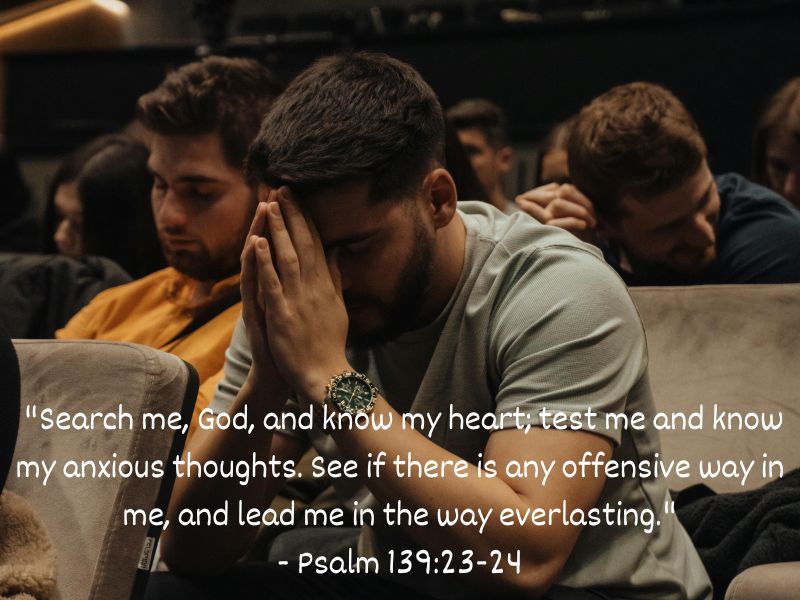
  2. Engage in Self-Reflection: Reflect on your thoughts and actions to identify where ego might be influencing you. Prayer and meditation can be powerful tools for self-examination. “Search me, God, and know my heart; test me and know my anxious thoughts. See if there is any offensive way in me, and lead me in the way everlasting.” – Psalm 139:23-24
  3. Serve Others: Actively seek opportunities to serve others. Acts of kindness and service help shift focus from self to others, aligning with Christ’s teachings. “For even the Son of Man did not come to be served, but to serve, and to give his life as a ransom for many.” – Mark 10:45
  4. Seek Forgiveness and Reconciliation: Acknowledge your faults and seek forgiveness from God and others. This practice humbles the ego and fosters spiritual growth. “Therefore confess your sins to each other and pray for each other so that you may be healed.” – James 5:16
  5. Cultivate Gratitude: Regularly express gratitude to God for His blessings. Gratitude shifts focus away from what we lack or desire, reducing the ego’s grip. “Give thanks in all circumstances; for this is God’s will for you in Christ Jesus.” – 1 Thessalonians 5:18

Overcoming the ego is essential for true spiritual growth in the Christian faith. By embracing humility, selflessness, and service, Christians can align themselves more closely with God’s will. As we surrender our ego, we open our hearts to the transformative power of God’s grace, leading to deeper spiritual fulfillment and a closer relationship with Him.

In the words of Jesus:

“Blessed are the meek, for they will inherit the earth.” – Matthew 5:5

May we all strive to overcome our egos, fostering a spirit of humility and love in our journey with Christ.

Until next time, be blessed. Don’t forget to subscribe to our channel

Navigating Multiple Sclerosis

As we commemorate World Multiple Sclerosis Day today, it’s essential to shed light on the holistic impact of this condition. Multiple Sclerosis (MS) is not just a physical ailment; it deeply affects one’s emotional and mental well-being. Today, drawing insights from Dr. Meghan Beier, a renowned rehabilitation neuropsychologist from JohnHopkins.org, we explore three prevalent mental health concerns within the framework of faith and mental resilience.

  1. Depression:
    Depression can be a silent storm brewing within the lives of those affected by MS. It’s not merely a reaction to the illness but can also stem from biological factors, such as inflammatory processes. Dr. Beier emphasizes the importance of recognizing depression as a symptom rather than solely a consequence of MS progression. This understanding enables us to approach it with compassion and targeted interventions, combining medication with cognitive behavioral therapy. As people of faith, we can find solace in knowing that even amidst our darkest moments, there’s a guiding light of hope, urging us to seek help and embrace healing.
  2. Anxiety:
    Anxiety, like a relentless shadow, often accompanies the unpredictability of MS. The fear of exacerbations and uncertainties about the future can weigh heavily on individuals and their loved ones. Yet, faith teaches us to surrender our anxieties to a higher power, trusting in a divine plan beyond our comprehension. Dr. Beier encourages proactive measures, including behavioral therapy and acceptance and commitment therapy (ACT), to empower individuals in managing anxiety. By cultivating resilience through faith-based practices, we can navigate the turbulent seas of anxiety with unwavering courage.
  3. Pseudobulbar Affect:
    Pseudobulbar affect, characterized by uncontrollable emotional expressions, adds another layer of complexity to the MS journey. Despite its challenges, seeking proper diagnosis and treatment is crucial. Here, faith offers us resilience in acceptance and a beacon of strength to face adversities head-on. While talk therapy may not directly address pseudobulbar affect, medical interventions tailored to individual needs can provide relief and restore emotional balance.


As we commemorate World MS Day, let us not only raise awareness but also extend empathy and support to those battling this condition. By addressing the intricate interplay between faith and mental health, we pave the way for holistic healing and resilience. Together, let us foster a community where individuals impacted by MS find solace, strength, and above all, unwavering hope in the journey ahead.

Until next time, be blessed

Remember to subscribe to our podcast: Thrive by The Rising Muse

Embracing Peace in the Midst of Chaos

In a world filled with chaos and uncertainty, the pursuit of peace takes on profound significance for Christians. As we navigate the challenges of life, we are called to exemplify the peace that Christ offers—a peace that transcends circumstances. In this blog post, we will explore the Christian perspective on finding and embracing peace in the midst of chaos.

The Christian Concept of Peace

For Christians, peace is not merely the absence of conflict but a state of harmony and wholeness that can only be fully realized through a relationship with God. It’s the assurance that, no matter the storms of life, God’s peace guards our hearts and minds (Philippians 4:7).

Navigating Chaos with Faith

  1. Anchoring in Prayer: In times of turmoil, turn to prayer as a means of connecting with God’s peace. The Bible encourages us to present our worries and anxieties to Him in prayer (Philippians 4:6).
  2. Trusting God’s Sovereignty: Recognize that God is in control, even when the world seems chaotic. Trusting in His sovereignty can bring a profound sense of peace (Isaiah 26:3).
  3. Seeking Solace in Scripture: The Bible is filled with verses that offer comfort and peace in times of trouble. Meditate on passages that speak to your heart (Psalm 46:10).
  4. Living Out Forgiveness: Practice forgiveness as a reflection of God’s forgiveness towards us. Letting go of resentment and grudges can bring a sense of inner peace (Ephesians 4:32).
  5. Community and Fellowship: Engage in Christian community and fellowship. Surrounding yourself with like-minded believers can provide emotional support and encouragement (Hebrews 10:24-25).
  6. Spreading Peace: Be a peacemaker in your interactions with others. Seek reconciliation and understanding, following the example of Christ (Matthew 5:9)

In a world filled with chaos, Christians are called to be beacons of peace, reflecting the peace that comes from a relationship with Jesus Christ. As we navigate the challenges of life, let us remember that our faith is the anchor of our peace. By drawing near to God in prayer, trusting His sovereignty, and living out His principles of forgiveness and love, we can experience and share His peace with a world in desperate need of it. Embrace God’s peace and let it shine brightly in the midst of chaos, for it is a testimony to the transformative power of faith.

Until next time, be blessed!

Don’t forget to subscribe to our weekly podcast: Thrive by The Rising Muse

Nurturing Spiritual Discernment in the Word

In a world where charismatic leaders abound, each claiming to have a direct line to God’s truth, Christians face the daunting task of discerning genuine spiritual guidance from deceptive falsehoods. Jesus Himself warned of false prophets in Matthew 7:15, saying, “Watch out for false prophets. They come to you in sheep’s clothing, but inwardly they are ferocious wolves.”

As followers of Christ, we bear a solemn responsibility to discern truth from error, and this begins with a deep commitment to studying the Word of God for ourselves. In 2 Timothy 2:15, Paul instructs Timothy, “Do your best to present yourself to God as one approved, a worker who does not need to be ashamed and who correctly handles the word of truth.” This admonition applies to all believers, emphasizing the importance of personal engagement with Scripture to guard against deception.

False prophets often possess charismatic personalities and persuasive speech, making them all the more dangerous to unsuspecting followers. However, the surest defense against such deceit lies in cultivating a robust understanding of God’s Word through diligent study and prayer. Psalm 119:105 assures us, “Your word is a lamp for my feet, a light on my path.” When we immerse ourselves in Scripture, we gain clarity and guidance that illuminate the path of righteousness and expose falsehood.

Moreover, it’s essential to surround ourselves with godly mentors and fellow believers who can offer wise counsel and accountability. Proverbs 27:17 reminds us, “As iron sharpens iron, so one person sharpens another.” By engaging in mutually edifying relationships grounded in biblical truth, we fortify ourselves against the wiles of false prophets.

However, it’s crucial to exercise caution even in seeking guidance from others. While mentors can provide valuable insights, their interpretations must align with Scripture. Acts 17:11 commends the Berean Jews for their diligence in examining the Scriptures daily to verify the teachings they received. Likewise, we must approach all teachings with discernment, testing them against the timeless truths of God’s Word.

False prophets often twist Scripture to suit their own agendas, leading unsuspecting followers astray. 2 Peter 3:16 warns of those who distort Scripture to their own destruction. Therefore, it’s imperative to maintain a firm grasp on biblical principles and sound doctrine to recognize and refute falsehoods.

In conclusion, while the prevalence of false prophets may pose a formidable challenge, Christians need not despair. By grounding ourselves in the unchanging truths of Scripture, seeking guidance from godly mentors, and exercising discernment in all things, we can navigate the tumultuous waters of spiritual deception with confidence. Let us heed the exhortation of 1 Thessalonians 5:21 to “test everything; hold fast what is good,” ensuring that our faith remains steadfast and our hearts guarded against the cunning schemes of the enemy.

Amen! and until next time, be blessed!

Remember to subscribe to our podcast: Thrive by The Rising Muse

Keeping Faith Grounded

In the realm of faith, it’s easy to find ourselves admiring and respecting those who hold positions of authority within the church. Pastors, ministers, and leaders guide us, inspire us, and often serve as examples of faith in action. However, as Christians, it’s vital to remember that these individuals, while worthy of respect, are fallible humans just like us. Placing them on pedestals risks turning admiration into idolatry and can lead to profound disappointment when they inevitably stumble.

Scripture repeatedly reminds us to keep our focus on Christ alone. In Psalm 62:5-7, David writes, “Yes, my soul, find rest in God; my hope comes from him. Truly he is my rock and my salvation; he is my fortress, I will not be shaken. My salvation and my honor depend on God; he is my mighty rock, my refuge.” Here, David underscores the unwavering reliability of God as our ultimate source of strength and salvation.

Jesus Himself warned against putting too much trust in human leaders, stating in Matthew 23:9, “And do not call anyone on earth ‘father,’ for you have one Father, and he is in heaven.” This isn’t to diminish the importance of spiritual leaders but to remind us that they are conduits, not the source, of our faith.

When individuals in positions of authority fail morally or ethically, it can shake the foundations of our faith if we’ve placed too much reliance on them. Paul addresses this in 1 Corinthians 3:4-5, where he admonishes against forming factions around human leaders, writing, “For when one says, ‘I follow Paul,’ and another, ‘I follow Apollos,’ are you not mere human beings? What, after all, is Apollos? And what is Paul? Only servants, through whom you came to believe—as the Lord has assigned to each his task.”

The danger of idolizing human leaders within the church becomes painfully apparent when scandal strikes. When a trusted pastor or revered minister falls from grace, it can cause widespread disillusionment and even drive people away from their faith. This underscores the importance of anchoring our faith firmly in Christ rather than in fallible human vessels.

Our relationship with God should never be contingent upon the actions or integrity of those who lead us. Instead, it should be grounded in a personal connection with Jesus Christ, who remains steadfast and unchanging regardless of human frailty. Hebrews 13:8 reaffirms this truth: “Jesus Christ is the same yesterday and today and forever.”

Ultimately, while we should respect and honor those in positions of authority within the church, we must always remember that they are imperfect vessels through which God works. Placing our complete trust in Christ alone guards against the pitfalls of idolatry and ensures that our faith remains steadfast, even in the face of disappointment or betrayal.

In conclusion, let us heed the words of Psalm 118:8, which declares, “It is better to take refuge in the Lord than to trust in humans.” By keeping our faith firmly rooted in Christ, we find unwavering strength, hope, and salvation that can never be shaken by the failings of mortal men.

Until next time, be blessed

Remember to subscribe to our podcast: Thrive by The Rising Muse