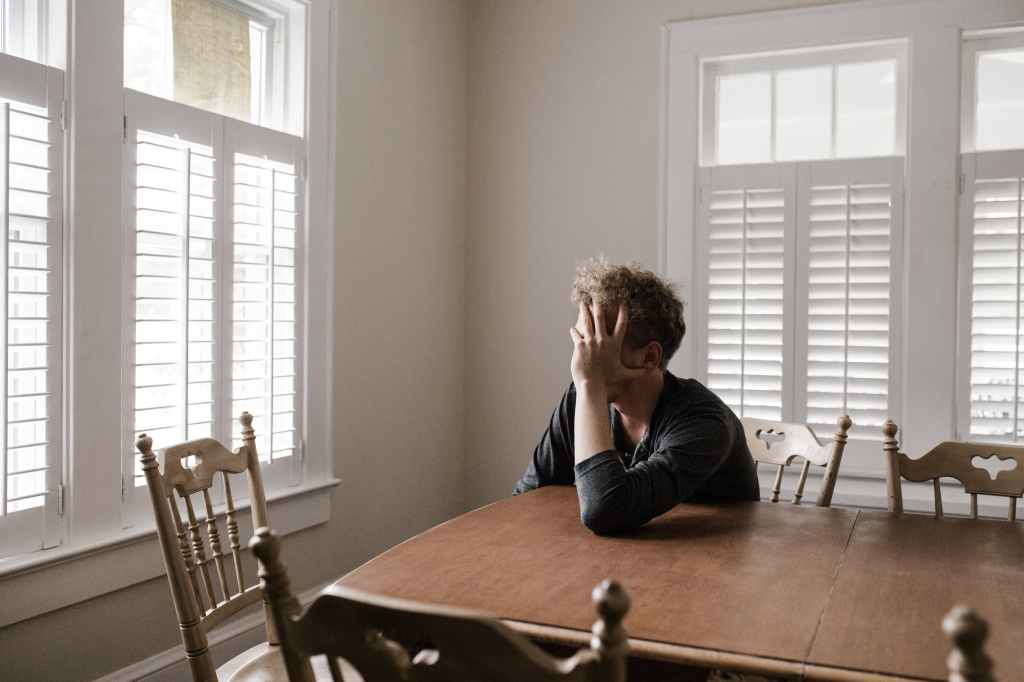
As winter blankets the world in frosty landscapes and chilly weather, some individuals find themselves grappling with a condition known as Seasonal Affective Disorder (SADS). SADS is more than just the winter blues; it’s a form of depression that occurs at a specific time of year, most commonly during the darker winter months. Let’s shed some light on SADS, understand its impact, and explore practical ways to manage it, including spiritual resources.
What is SADS?
Seasonal Affective Disorder is a subtype of major depressive disorder that follows a seasonal pattern. According to the American Psychiatric Association, SADS typically begins and ends around the same time each year, with symptoms most commonly appearing in the fall and continuing into the winter months. These symptoms can include persistent sadness, loss of interest or pleasure, changes in sleep and appetite, and low energy.
Here are some suggestions for individuals experiencing Seasonal Affective Disorder (SADS):
Educate Yourself
Take the time to learn more about SADS. Understanding the condition and its symptoms can empower you to recognize the signs early and seek appropriate help. Reliable sources such as medical websites, books, or articles from reputable health organizations can provide valuable insights.
Build a Support System:
Reach out to friends and family members and let them know about your struggle with SADS. Building a support network can provide emotional assistance and encouragement during challenging times. Share your experiences, and do not hesitate to lean on those who care about your well-being.
Consider Therapy and Medication if Necessary:
Consult with a healthcare professional to discuss the possibility of medication as part of your treatment plan. Certain medications, such as antidepressants, may be prescribed to alleviate symptoms of SADS. Your healthcare provider can guide you in determining the most suitable options.
Monitor Your Sleep Patterns:
Ensure you are getting sufficient and quality sleep. Establish a consistent sleep routine, create a comfortable sleeping environment, and consider relaxation techniques before bedtime. Quality sleep is integral to maintaining good mental health.
Practice Self-Compassion:
Be kind to yourself. Acknowledge that dealing with SADS can be challenging, and it’s okay to ask for help. Avoid self-judgment and negative self-talk. Embrace self-compassion and treat yourself with the same kindness you would offer to a friend facing a similar challenge.
Light Therapy:
A highly effective method for tackling Seasonal Affective Disorder (SADS) is through light therapy, scientifically referred to as phototherapy. Light boxes, designed to replicate natural sunlight, play a crucial role in mood regulation by triggering the production of serotonin—a neurotransmitter associated with a sense of well-being. Following the guidance of experts at the Mayo Clinic, incorporating a 20 to 30-minute session with a light box into your morning routine is recommended to harness its mood-enhancing benefits.
Use Your Faith:
Turning to spiritual practices can be a valuable wellspring of comfort and support for those grappling with Seasonal Affective Disorder (SADS). Activities such as meditation, prayer, or mindfulness exercises serve as powerful tools for individuals seeking connection with a higher power or inner peace. Notably, research featured in the Journal of Behavioral Medicine advocates for the integration of spirituality into mental health interventions, emphasizing its potential to augment overall well-being.
Example: Embrace a spiritual routine in your daily life, like morning meditation or prayer, to center yourself and discover solace amid the trials of the winter season. By nurturing your spiritual well-being, you can fortify your resilience and find strength in challenging moments.
If someone you love struggle with SADS, here’s some suggestions for you
Open Communication:
Create a safe and non-judgmental space for open communication. Encourage your loved one to share their feelings and experiences with SADS. Listen attentively, validate their emotions, and avoid offering quick solutions. Sometimes, just having someone to talk to can make a significant difference.
Encourage Professional Help:
Gently suggest and encourage your loved one to seek professional help. Mental health professionals, such as therapists or counselors, can provide the necessary guidance and support. Assure them that seeking help is a sign of strength, and you will be there to support them throughout the process.
Be Patient and Understanding:
Recognize that managing SADS is a process that may take time. Be patient with your loved one and understand that they may have good days and challenging days. Offer your support consistently and reassure them that you are there for the long haul.
Maintain Your Own Well-Being:
Supporting someone with SADS can be emotionally demanding. Take care of your own mental and emotional well-being. Seek support from friends, family, or a support group to share your experiences and ensure you have the resilience needed to provide ongoing support.
Remember, your understanding, encouragement, and active participation in your loved one’s journey can have a profound impact on their ability to manage SADS. Continue to be a pillar of support, and celebrate progress, no matter how small, together.
Even if nobody around you suffer from SADS you can help by spreading awareness about SADS. Understanding and compassion are crucial in creating a supportive community. Share this article, and let others know that SADS is a real condition that deserves attention and understanding. Think of it as a way to show love and compassion to those struggling during the holiday season.
In conclusion, while Seasonal Affective Disorder may cast a shadow over the winter months, there are effective strategies that can bring relief. Incorporating practices like light therapy, regular exercise, and spiritual routines can significantly improve one’s well-being. If you or someone you know is facing the challenges of SADS, take proactive steps today.
Remember, the path to managing SADS is a personal journey, and there is no one-size-fits-all solution. Feel empowered to customize these strategies to align with your preferences and unique needs. Additionally, seeking guidance from healthcare professionals ensures a comprehensive and personalized approach to your well-being.
Let’s collectively embrace the metaphorical and literal light, working together to foster a community that prioritizes and supports mental well-being for everyone. By sharing our experiences and supporting one another, we can navigate through the shadows of SADS and emerge into the brighter days ahead.
As always, be blessed!































 Naty Matos