The Parable about Parables

By John Avery

(Context: Matthew 13:1-23. Parallels: Mark 4:1-20; Luke 8:4-15.)
Story time was over. The keel of the fishing boat ground into the gravel along the shore,
and the men stopped rowing. Jesus climbed over the side and paddled to the beach. As He
and the disciples gathered their gear and prepared to go back to the house to rest, one of
the disciples raised the question they had all been too shy to ask until the crowd
dispersed.
ā€œWhy do you speak to them in parables?ā€

I think we get stuck in the Parable of the Soils. 1 What I mean is that we spend so much
time trying to decipher the analogies and apply them to our lives that we miss the core of
what Jesus said. This is one of Jesus’ most important teachings because it answers the
disciples’ question, ā€œWhy do you speak to them in parables?ā€ Jesus’ answer is the key to
hearing the voice of God and therefore the key to spiritual growth.
So, why did Jesus use parables? At first, His explanation seems cryptic:
Jesus answered them, ā€œTo you it has been granted to know the mysteries of the kingdom of
heaven, but to them it has not been granted. . . . Therefore I speak to them in parables; because
while seeing they do not see, and while hearing they do not hear, nor do they understand. . . . But
blessed are your eyes, because they see; and your ears, because they hear. (Matthew 13:11, 13,
16)
Every crowd listening to Jesus’ teaching contains two types of people; those who have
functioning spiritual ears and eyes, and those who do not. Ears receptive to sound waves
and eyes able to resolve light patterns are not enough. Spiritual sight and hearing happen
when the heart understands, the mind perceives, and lives return to a healthy relationship
with God (Matt. 13:14-15). The disciples were spiritually receptive; they could grasp the
mysteries of the kingdom of God and change to live the kingdom lifestyle. Jesus used
parables to see which people were in which group. The Parable of the Soils illustrates this
essential lesson.
Every parable and truth about the King and His kingdom acts in the same way. Like a
seed, it tests the soil of the heart. Many people hear God speaking directly to them, or
through His followers, but only superficially. The truth is quickly snatched away from
hard hearts. Difficult times, when temptation or opposition comes, shrivel it. Distractions
steal all time and energy, hindering application. Only hearts that are like soft, deep, clean
soil will apply the truth in such a way that life changes. Each time that Jesus concludes
with the phrase, ā€œHe who has ears to hear, let him hear,ā€ He means the ears of the will.
So, next time God drops a seed of truth into your life, will your will nurture it to fruition?

John Avery

Author of The Sparks Series. Collections of short meaty devotional/Bible Studies.

Becoming Like Jesus: How to Think and Live Like Jesus Christ (February, 2024).

The Questions of Jesus: Questions Asked by Jesus, Questions People Asked Him (October, 2022).

The Kingdom of God: Our Life with Jesus the King (March, 2023).

And

The Name Quest: Explore the Names of God to Grow in Faith and Get To Know Him Better (Morgan James Publishing, 2015).

www.NamesForGod.net/name-quest

www.BibleMaturity.com

Building Spiritual Discernment: A Guide for Believers

Spiritual discernment is a vital aspect of the Christian life. It is the ability to distinguish between truth and error, right and wrong, good and evil, and God’s will from our own desires. As believers, we are called to develop and nurture this gift to navigate the complexities of life with wisdom and clarity. This blog post will explore what spiritual discernment is, why it’s essential, and how we can cultivate it through Scripture and practical steps.

What is Spiritual Discernment?

Spiritual discernment is the process of making careful distinctions in our thinking about truth. It involves understanding God’s Word and recognizing His voice amidst the noise of the world. It’s not just about making the right decisions but also about understanding the spiritual realities behind those decisions.

The Bible speaks to the importance of discernment in Hebrews 5:14, which tells us that “solid food is for the mature, who by constant use have trained themselves to distinguish good from evil.” This verse highlights that discernment is a skill developed through practice and spiritual maturity. Similarly, 1 John 4:1 urges believers to “test the spirits to see whether they are from God, because many false prophets have gone out into the world.” This caution reminds us that not everything we encounter is from God, making discernment essential for our spiritual journey.

The Importance of Spiritual Discernment

In a world filled with conflicting messages, half-truths, and outright lies, spiritual discernment helps believers stay grounded in the truth. It protects us from deception, guides us in making decisions that align with God’s will, and enables us to grow in our relationship with Him.

Proverbs 3:5-6 provides foundational advice for discernment: “Trust in the Lord with all your heart and lean not on your own understanding; in all your ways submit to him, and he will make your paths straight.” This passage encourages us to rely on God rather than our own limited understanding, a key aspect of developing discernment. Furthermore, Philippians 1:9-10 underscores the importance of discernment in spiritual growth: “And this is my prayer: that your love may abound more and more in knowledge and depth of insight, so that you may be able to discern what is best and may be pure and blameless for the day of Christ.” Here, discernment is linked directly to spiritual maturity and purity, showing its value in our walk with Christ.

How to Build Spiritual Discernment

Building spiritual discernment is an ongoing process that requires commitment, prayer, and engagement with Scripture. Here are some practical steps to help you develop this essential skill:

  1. Study the Word of God Regularly
    The Bible is the ultimate source of truth, and regular study equips us with the knowledge and wisdom needed to discern rightly. As 2 Timothy 3:16-17 states, “All Scripture is God-breathed and is useful for teaching, rebuking, correcting and training in righteousness, so that the servant of God may be thoroughly equipped for every good work.” Immersing ourselves in Scripture helps us discern what is true and good.
  2. Pray for Discernment
    God promises to give wisdom to those who ask. James 1:5 reassures us of this promise: “If any of you lacks wisdom, you should ask God, who gives generously to all without finding fault, and it will be given to you.” Praying for discernment is crucial in seeking His guidance in all situations.
  3. Test the Spirits
    Not every thought, teaching, or impression is from God. It is important to test everything against the truth of Scripture. 1 Thessalonians 5:21 advises us to “test everything; hold on to what is good.” By doing so, we can avoid deception and stay aligned with God’s will.
  4. Seek Godly Counsel
    Surround yourself with mature believers who can provide wise counsel and help you grow in discernment. Proverbs 11:14 emphasizes the importance of godly counsel: “Where there is no guidance, a people falls, but in an abundance of counselors there is safety.” Seeking advice from those who are spiritually mature can provide clarity and direction.
  5. Live a Spirit-Led Life
    Walking in the Spirit daily ensures that we are sensitive to His leading and can discern His voice in our lives. Galatians 5:16 encourages us to “walk by the Spirit, and you will not gratify the desires of the flesh.” A Spirit-led life keeps us in tune with God’s will, helping us discern what is right.

Conclusion

Spiritual discernment is more than just a useful skill; it is a necessary part of the Christian life. In a world filled with distractions and deceptions, the ability to discern truth from error is invaluable. By studying Scripture, praying, seeking godly counsel, and living a Spirit-led life, we can develop and strengthen this gift. Let us commit to growing in spiritual discernment so that we may walk wisely and faithfully in all areas of life.

As Proverbs 2:3-5 beautifully sums up, “Indeed, if you call out for insight and cry aloud for understanding, and if you look for it as for silver and search for it as for hidden treasure, then you will understand the fear of the Lord and find the knowledge of God.” Let us seek discernment as we would a precious treasure, knowing that it will lead us closer to God and His truth.

Where Is Your Faith?

In recent years, there has been a noticeable shift as many people choose to leave their churches or distance themselves from their faith. This trend often stems from negative experiences within their religious communities or deep disappointment in religious leaders who have been found guilty of despicable acts. These situations beg a crucial question: where is your faith placed? Is it in God or in the fallible humans who lead religious congregations?

It’s essential to acknowledge that religious leaders, despite their higher calling, are still human beings. They possess the same weaknesses and capacity for wrongdoing as anyone else. The Bible reminds us in Psalm 118:8, ā€œIt is better to take refuge in the Lord than to trust in humans.ā€ This verse emphasizes that placing our faith solely in human beings is fraught with risks. Humans can fail, disappoint, and lead us astray, but God remains constant and unchanging.

When a religious leader falls from grace, the impact on their congregation can be profound. Feelings of betrayal and disillusionment are natural. However, it is critical to remember that these leaders are not the foundation of our faith. Jeremiah 17:5-7 states, ā€œThus says the Lord: ā€˜Cursed is the man who trusts in man and makes flesh his strength, whose heart turns away from the Lord. Blessed is the man who trusts in the Lord, whose trust is the Lord.ā€™ā€ These verses highlight the dangers of placing our ultimate trust in people rather than in God.

The Bible consistently directs us to place our faith in God, not in humans. Hebrews 12:2 advises, ā€œfixing our eyes on Jesus, the pioneer and perfecter of faith.ā€ This guidance is crucial, particularly in times of disappointment and disillusionment. When our faith is firmly rooted in God, we can withstand the storms that arise from human failure and sin.

It is beneficial for each of us to reflect on the foundation of our faith. Are we more invested in the personalities and actions of our religious leaders than in God Himself? Matthew 7:24-27 tells the parable of the wise and foolish builders, emphasizing the importance of building our spiritual foundation on the solid rock of God’s teachings rather than on the shifting sands of human behavior.

For those feeling disheartened by the actions of others within their religious community, take heart. Use this opportunity to refocus and realign your faith. Galatians 6:9 encourages us, ā€œAnd let us not grow weary of doing good, for in due season we will reap, if we do not give up.ā€ Persistence in faith, despite human failings, will ultimately lead to spiritual growth and fulfillment.

As we navigate the complexities of faith within religious communities, it is vital to continually examine our hearts and ensure that our faith remains anchored in God. Reflect on where your faith is placed and recognize when it may have been affected by misplaced trust. By keeping our eyes fixed on God, we can find strength, resilience, and true peace, even amidst human imperfections.

In the end, let us remember the words of Proverbs 3:5-6: ā€œTrust in the Lord with all your heart, and do not lean on your own understanding. In all your ways acknowledge him, and he will make straight your paths.ā€ This scripture is a timeless reminder to trust in God above all else and to find our security and direction in Him alone.

Until next time, stay blessed.

Remember to check out our Youtube Channel

Embracing Resilience and Healing – Karin’s Journey

In the latest episode of Thrive by The Rising Muse, we delve into an extraordinary story of resilience, faith, and healing. We are honored to host Karin, a remarkable woman who has turned her personal experiences with childhood abuse into a powerful testimony. Karin, an author, motivational speaker, and blogger, shares her journey of overcoming adversity and finding her purpose. This episode is a beacon of hope for those seeking to start their healing journey.

Karin’s journey is one of profound transformation. From enduring the trauma of childhood abuse to emerging as a source of inspiration for many, her story is a testament to the power of faith and resilience. In the podcast, she candidly shares how she navigated the complexities of her past, sought healing, and found her calling as an author.

Karin’s story is not just about surviving but thriving. She shares how she carried the emotional burden of her father’s abuse into adulthood, affecting her relationships and mental health. However, her unwavering faith and determination to break the cycle of pain set her on a path to healing. Through her faith, she learned the importance of forgiveness, not just for her abuser, but for her own peace and liberation.

A Message of Hope:
Karin’s book and her journey offer practical steps for those looking to start their healing journey. She emphasizes the need to let go of the past and embrace forgiveness as a means to move forward. Her story is a reminder that with faith, determination, and the willingness to change, it is possible to overcome even the most challenging circumstances.

Join the Conversation:
We invite you to listen to this empowering episode of Thrive by The Rising Muse. Karin’s story is a powerful reminder of the resilience of the human spirit and the transformative power of faith. Whether you are seeking inspiration, practical advice, or simply a message of hope, this episode is for you.

Karin and her husband, James, have been married for forty-seven years. They live in Sydney, Australia. They have two married sons and three grandkids that they adore. Karin writes in Christian non–fiction and clean fiction romance genres. After a long walk, she enjoys reading an excellent novel. She loves to read to her three grandchildren.Ā Karin believes a splendid book can whisk you into the world of her characters.

Karin tells stories that make people happy. Enjoy a cup of coffee and immerse yourself in her characters’ escapades. Her novels are delightful escapades with charming characters and a touch of romance, humor, and anticipation.

Follow Karin on Instagram, her Website , and Facebook
Don’t miss out on this inspiring episode. Subscribe to Thrive by The Rising Muse and share Karin’s story with your friends and family. Together, let’s spread the message of resilience, healing, and hope

Overcoming Pride and Staying Grounded in Faith

Pride is a subtle yet powerful force that can creep into our lives, affecting our relationships and spiritual well-being. As Christians, it’s essential to recognize the dangers of pride and strive to stay grounded in our faith. Proverbs 16:18 warns us, “Pride goes before destruction, a haughty spirit before a fall.” Let’s explore how we can overcome pride and maintain humility in our daily walk with God.

Understanding Pride

From a Christian perspective, pride is an excessive focus on oneself, often leading to arrogance and self-sufficiency. It’s the opposite of humility, which is a key virtue in the Christian faith. Pride can damage our relationship with God and others, making us less receptive to guidance and correction. James 4:6 reminds us, “God opposes the proud but shows favor to the humble.” Recognizing the destructive nature of pride is the first step towards overcoming it.

Biblical Examples of Pride

The Bible provides numerous examples of pride and its consequences. One of the most notable is Lucifer, whose pride led to his downfall (Isaiah 14:12-15). Another example is King Nebuchadnezzar, who, in his arrogance, boasted about his achievements, only to be humbled by God (Daniel 4:28-37). These stories serve as powerful reminders of the dangers of pride and the importance of humility.

Staying Grounded in Faith

To overcome pride, we must actively cultivate humility and stay grounded in our faith. Here are some practical steps to help us do that:

  1. Acknowledge Our Dependence on God: Recognize that every good thing comes from God and that we are dependent on His grace and mercy (Philippians 2:3-4).
  2. Serve Others: Engage in acts of service and kindness. Serving others helps shift our focus away from ourselves and fosters a spirit of humility (Micah 6:8).
  3. Seek Accountability: Surround yourself with fellow believers who can offer guidance, support, and correction when needed.
  4. Stay Teachable: Be open to learning and growing, allowing God to mold you into His likeness.

The Role of Prayer and Scripture

Prayer is a powerful tool in combating pride. When we pray, we acknowledge our need for God’s help and guidance. Jesus taught us to pray with humility and sincerity (Matthew 6:5-6). Additionally, immersing ourselves in scripture helps us stay grounded. Psalm 119:105 says, “Your word is a lamp for my feet, a light on my path.” Regularly reading and meditating on God’s Word reminds us of His greatness and our dependence on Him.

Conclusion

Overcoming pride is a continuous journey that requires vigilance and reliance on God. By seeking humility and staying grounded in our faith, we can avoid the pitfalls of pride and grow closer to God. Remember, true greatness comes from serving others and recognizing our dependence on Him. Let’s strive to live humbly, seeking His guidance in all we do.

The Power of a “Girl Dad”: A Tribute to Fatherhood

By Veda Green

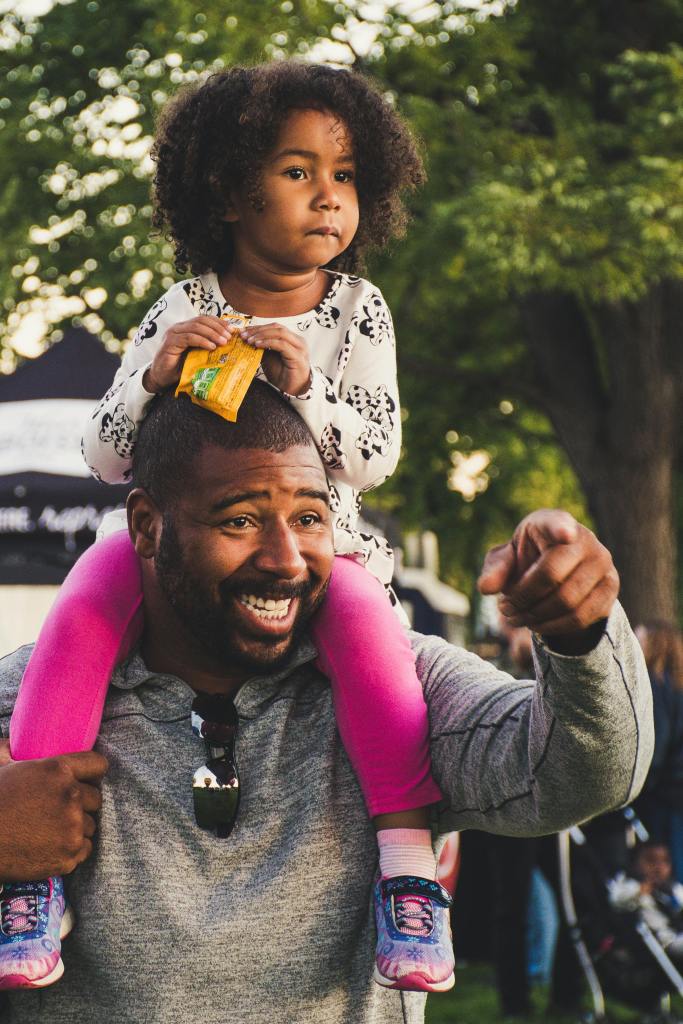
Fatherhood is a cornerstone of a child’s development, providing stability, love, and guidance that are essential for growing into well-rounded adults. This isn’t just about being a father to boys; girls also need strong, loving father figures in their lives. The story shared here reflects the deep impact a “girl dad” can have, highlighting the vital role fathers play in nurturing their daughters.

My Story: The Importance of a Girl Dad

I needed a girl dad. But my dad was not able to fulfill that need. He served in the United States Army and fought in the Vietnam War in 1963. When he returned, his body was the same, but his mind wasn’t. Initially, this wasn’t evident, but the signs of his mental struggles gradually surfaced. My mom spent years making excuses and denying the physical and mental abuse. It wasn’t until I told her that dad was abusing me that she decided to leave him and filed for divorce. My childhood was horrible, and my teenage years were tough.

I needed a girl dad. I needed a dad who loved me the way that God designed a father and daughter’s relationship. I needed a dad who would make me feel safe inside and outside of our home. I needed bedtime stories, pretending to drink tea with my tea set, falling asleep in his lap, running to him when I was scared or sad, and playing with me while teaching me how I was supposed to be treated and not settling for less. Unfortunately, I didn’t have that. But there was a “ram in the bush.”

My granddaddy stepped in and showed me what I needed looked like. He was a big man, tall and wide, with dark chocolate skin and the longest, most beautiful eyelashes. I wished they were mine. He had a big presence but was a gentle soul. He never laid his hands on grandma in anger. When he got upset, he would get his baseball cap hanging on the back door knob and go walking or sit on the front porch in his favorite chair. Grandma did all the yelling in the house at granddad, but I never heard him raise his voice to her.

Whenever I went to their house and he was sitting on the porch, I would give him what he called ā€œmy daily duty.ā€ That was a big kiss on his cheek and a big hug! I felt so safe when I was with my granddaddy. The coolest thing was when I kissed him, money fell out of his pocket. It was like magic! He told me that I gave such good kisses and hugs that it made the change fall out of his pocket.

My mom would tell me how he treated her when she was growing up. Mom told me the story about when she started her menstrual cycle. When she told grandma that she had started, grandma fainted! I laughed so hard! Then she told me that granddaddy was the one who showed her how to wear her sanitary pads. Back in the 50s, pads were worn with a belt securing the front and the back. ā€œI know, right? Thank God for adhesive tape.ā€ She told me he would take their socks and open the oven door to warm them up. So when they put them on a cold winter morning, they would be nice and toasty.

These are just a couple of the many stories they had about my granddad and what a wonderful father he was. I used to say I wanted to marry a man like granddaddy. I loved the way he took care of not only grandma but his two daughters and one son. He would make sure that they were dressed nicely while he wore old coveralls to church. Even when mom and Auntie Ann became adults, they still loved on their dad, and he loved on them. I’m so glad that I had my granddaddy to show me how I was supposed to be treated and how to treat others with love and respect. I pray that you were blessed with a girl dad (whether it’s your dad, step-dad, granddad, uncle, or brother). I needed a girl dad, and God gave me one—my granddaddy!

Why Fathers Matter?

For Boys

Fathers play a crucial role in shaping their sons’ lives. Boys often look to their fathers as role models, learning how to navigate the world through their guidance. Fathers teach boys about respect, responsibility, and how to treat others. Studies have shown that boys who grow up with involved fathers are less likely to engage in risky behaviors and more likely to perform well academically.

For Girls

The role of a father in a girl’s life is equally significant. Fathers provide a sense of security and set the standard for how girls expect to be treated by others, particularly men. A positive father-daughter relationship can boost a girl’s self-esteem and confidence. Girls with active, loving fathers are more likely to develop healthy relationships and have a better sense of self-worth.

Fatherless homes have become an increasing concern in society. Statistics reveal the stark realities of growing up without a father. Children from fatherless homes are more likely to experience poverty, behavioral problems, and academic challenges. According to the National Fatherhood Initiative, children in father-absent homes are almost four times more likely to be poor, and girls are seven times more likely to become pregnant as teens.

The Bible provides clear guidance on the role of fathers. Ephesians 6:4 says, “Fathers, do not provoke your children to anger, but bring them up in the discipline and instruction of the Lord.” This scripture emphasizes the importance of nurturing and guiding children with love and patience. Proverbs 22:6 adds, “Train up a child in the way he should go; even when he is old, he will not depart from it,” underscoring the long-lasting impact of a father’s guidance.

In conclusion, fathers are indispensable in the lives of their children, whether they are sons or daughters. They provide the love, support, and guidance necessary for children to grow into confident, respectful, and successful adults. The story of my granddaddy is a testament to the profound influence a “girl dad” can have, demonstrating that even if a biological father cannot fulfill his role, other father figures can step in to provide the care and support every child needs.

Remember to subscribe to our podcast, Thrive by The Rising Muse for topics related to faith, family and mental health.

Interview with Shaazia Terry: A Journey of Faith and Resilience

Welcome back to The Rising Muse, where we bring you inspiring stories of individuals who have overcome tremendous challenges to find their purpose and share their gifts with the world. Today, we have the pleasure of introducing Shaazia Terry, a young Christian author who has turned her life’s trials into a testament of faith and resilience. Join us as we delve into Shaazia’s journey, from experiencing homelessness to becoming a beacon of hope through her writing and music.

Shaazia Terry’s journey has been nothing short of remarkable. Reflecting on what led her to become homeless, Shaazia shared, “Yeah, at the time, both my mom and I were homeless. I left my job, which led to our situation.” This challenging period in her life profoundly shaped her perspective on faith and life. “It taught me to depend on God. It strengthened my faith as He came through and provided for my needs,” she said.

Raised in the church, Shaazia always believed in God, but it wasn’t until a significant personal loss that her faith deepened. “I always believed in God and was raised in the church, but I never had a personal relationship with Him. That changed after my mom died,” she recounted. This pivotal moment inspired her to rededicate her life to God.

Shaazia has been writing stories and songs since she was 14 years old. After her mother’s death and subsequent healing, she felt a new calling. “After the Lord healed me following my mom’s death, I decided to change my writing to glorify Him and help others through my God-given gifts,” she explained. The themes of hope and encouragement permeate her work, as she aims to show that “with God, all things are possible.”

Her latest book, “God’s House,” embodies these themes. Shaazia provided some insights into what readers can expect: “Readers can expect to see through this story that even when you accept God’s call, life isn’t always easy. It shows love, family secrets, and most importantly, that God is what gets you through each trial and struggle. No one is perfect, and that’s why we need God and His guidance, no matter what challenges come our way.”

The impact of losing her mother is a recurring theme in Shaazia’s life and work. “My mother’s death changed me. It made me more forgiving and loving towards people. It showed me that I wasn’t putting God first and that I needed to always do so. As hard as her death was, I wouldn’t change it. Pain led to purpose and brought me closer to God in a way I had never been before,” she shared. This profound transformation has fueled her purpose and driven her to share her testimony on platforms like YouTube and Facebook, bringing hope through her music and stories.

When asked for advice for those facing similar hardships, Shaazia emphasized the importance of seeking God. “For those experiencing homelessness, I would say seek God, spend time with Him, read your word, and keep Him first. For those losing a loved one, it does get better. God will heal you and your heart, and it can be better than when the person was alive. Trust God, invite Him in; you don’t have to be alone. He wants to be there for you and take your pain away.”

Shaazia hopes her work will inspire others to never give up, especially in times of struggle. “I hope my work shows people to never give up, no matter what it looks like. When struggles come, hold closer to God. He can’t fail, and He is unbeatable. You can put your faith in Him,” she said.

Reflecting on her journey of faith and personal growth, Shaazia expressed gratitude for surrendering her life to God. “Looking back, I am so glad that I surrendered my life to Him and embraced the work He is doing in me. If not, I wouldn’t be who I am now,” she noted. A favorite scripture that has guided her is Genesis 50:20, where Joseph says, “As for you, you meant evil against me, but God meant it for good, to bring it about that many people should be kept alive as they are today.”

In closing, Shaazia left our audience with a powerful message: “Never give up and always trust God. Give your gifts back to the One who gave them to you and make sure to always forgive.”

Conclusion

Shaazia Terry’s journey is a powerful reminder of the strength and hope that can be found in faith. Her story is a testament to the transformative power of trusting in God and using one’s gifts to uplift others. We encourage our readers to follow Shaazia on Facebook and YouTube channel to stay updated on her inspiring work.

Don’t forget to subscribe to our YouTube channel for more inspiring interviews and stories. Thank you for reading The Rising Muse, and until next time, keep rising!

Find Comfort: Music’s Role in Tough Times

By Veda Green

What is your song with or without words? For many, music is more than just a series of notes or lyrics—it’s a powerful force that can soothe the soul and provide comfort during life’s toughest moments. Whether you are dealing with the loss of a loved one, facing the end of a significant relationship, or simply enduring the daily stresses of life, music can be a refuge and a source of strength.

Music as a Source of Comfort and Healing

Listening to music can significantly lessen pain and, in some cases, even take it away. It has a unique ability to help you manage difficult situations, providing a soundtrack to navigate through grief and loss. Whether you have lost a loved one, a job, a home, a friendship, or a relationship, music has the power to transport you to a place where it’s just you and that song. A certain melody can evoke memories, bringing smiles and tears alike, and offer solace like nothing else.

The Personal Connection to Music

Music’s impact is deeply personal. It can make you turn up the radio and sing along with abandon, especially after a rough or a particularly good day. With today’s technology, music is more accessible than ever, available anytime and anywhere through earphones and earbuds. Whatever your preferred style or genre, let it carry you to a place of comfort and peace.

A Personal Testimony

Music has kept me from losing my mind. For years, I served as a choir director, even though I couldn’t read notes. God gifted me with the ability to hear and teach the parts—soprano, alto, tenor, baritone, and bass—with the help of musicians. The words of a song can be incredibly powerful. As a choir director, I had to learn the words thoroughly to teach them to the choir, and by the time we presented the song to the congregation, those words were embedded in my soul, offering understanding and encouragement through every situation.

Music as a Balm in Times of Grief

My mom was ill frequently and underwent many surgeries. Music was a significant part of her pain management and emotional comfort. Her favorite song was ā€œNever Would Have Made Itā€ by gospel singer Marvin Sapp. The lyrics resonated deeply with her, expressing everything she felt. When my mom died unexpectedly, I was devastated. Losing my best friend and confidant was incredibly painful, and I didn’t know how I would cope.

During my mom’s Homegoing Service, a young man sang her favorite song. It was the song Never Would’ve Made It by Marvin Sapp, and the song provided me with hope and a sense of my mom’s presence. Even eight years after her passing, that song remains a source of strength for me. The words echo my journey of resilience and faith:

Never would have made it
Never could have made it, without You
I would have lost it all
But now I see how You were there for me
And I can say
I’m stronger, I’m wiser
I’m better, much better
When I look back over all You brought me through
I can see that You were the one I held on to
And I never, never would have made it
Oh I never could have made it, never could have made it without You
Oh I would have lost it all
Oh but now I see how You were there for me
I made it through my storm
And my test because You were there
To carry me through my mess
I would have lost my mind
I would have gave up
But You were right there
You were right there
I would have lost my mind
I would have gave up
But You were right there
You were right there
Never would have made it
Never could have made it without You

What’s Your Song?

Music has the extraordinary ability to connect us to our deepest emotions and experiences. It can be a powerful tool for healing and encouragement, reminding us that we are never alone. What’s your song? What melody or lyrics have helped you through the challenges of life? Share your story and let the music take you to a place of comfort and peace.

Don’t forget to subscribe to our podcast, Thrive by The Rising Muse

The Importance of Reputation: Balancing Authenticity and Perception

By Dan First

Proverbs 3:3-4NIV
Let love and faithfulness never leave you
Bind them around your neck, write them on the tablets of your heart
Then you will win favor and a good name in the sight of God and man
.

All of us are known for something… Our behavior is usually the cause of our reputation. It would be a pretty great thing for people to think of us as loving and faithful. This verse makes me think of the multitude of times I have read on social media some form of ā€œI don’t care what anyone thinks of me.ā€

First of all, that’s not true. Every sane person cares at least a little bit about what broader society thinks of them, and they care even more what their circle thinks. Even people who wish to consider themselves really unique will only stray so far from the accepted norms of their chosen community. The larger majority will take precautions to stay safely within the boundaries of what they know their primary peer group will approve of because they care what those people think.

Oftentimes the people who claim to be living as their ā€œmost authentic selfā€ are the most predictable. They faithfully copy the dress code, ideology, and catchphrases of the groups they want to feel a part of. You know what they will think and say before their lips ever move.

BUT, if you are a person who claims to not care what anyone thinks of you… why is that? A bad reputation can only hold you back in multiple dimensions of your life. Your reputation is going to affect the way people see your family members, your spouse, and your children. Your reputation could affect the way people view the organizations you are a part of and care about. Having a good reputation before God ought to be our primary goal, but we should also care what the people around us observe about us. There’s likely to be a lot of truth about our reputation—for better or for worse.

There’s an old Yiddish saying I’ve heard: ā€œIf your friend calls you a donkey, ignore him. If five friends call you a donkey, buy a saddle.

About Dan:

Daniel First has been an entrepreneur, song writer, worship leader, recording artist, speaker, and pastor. He has spent thirty years studying and teaching the Bible. He and his wife, Brandy, have been married for 28 years and have 7 children.

Dan’s book “Wisdom Cries Out” talks to us about the meaning of abundant life in God and the scriptures. You can obtain Dan’s book on Amazon , Prairie Lights Blooks and Barnes and Nobles.

Celebrating Father’s Day with Faith and Family

Father’s Day is a special time to honor the incredible dads in our lives. It’s a day to reflect on the profound impact fathers have on their families, to celebrate their hard work, love, and dedication, and to show our appreciation for their unwavering support. At Thrive by The Rising Muse, we believe that fatherhood is not just a role but a calling, deeply rooted in faith and commitment.

The Role of Fathers in Our Lives

Fathers play a crucial role in shaping the lives of their children. They are providers, protectors, mentors, and, most importantly, role models. A father’s influence extends beyond the physical and emotional; it touches the spiritual realm as well. Christian fathers, in particular, are called to lead their families with wisdom, compassion, and a Christ-like spirit. They are tasked with nurturing their children’s faith, guiding them through life’s challenges, and teaching them the values of love, kindness, and integrity.

Special Father’s Day Episode on Thrive by The Rising Muse

In celebration of Father’s Day, we have a special treat for our listeners. Our latest podcast episode features an inspiring conversation with Christian author J Hall. J shares his insights on fatherhood, faith, and family, drawing from his own experiences and his book, God Help Me! I’m a Young Dad: 10 Essentials for Becoming the Dad Your Kids Need.” This episode is a heartfelt tribute to fathers everywhere, offering valuable advice and encouragement for young dads and those looking to deepen their relationship with their children and their faith.

Stay Tuned for More!

We hope you enjoy this special Father’s Day episode and find it as inspiring and uplifting as we did. But that’s not all! Tomorrow, we will be posting a detailed blog that delves deeper into Jay Hull’s insights and offers a comprehensive look at our conversation. Be sure to check back for more!

Celebrate and Reflect

As we celebrate Father’s Day, let’s take a moment to thank the fathers in our lives for their unwavering love and support. Whether it’s your dad, stepdad, grandfather, or a father figure who has made a difference, today is the perfect day to let them know how much they mean to you.

Connect with Us

Don’t forget to listen to our special Father’s Day episode and share it with the dads in your life. Follow us on social media and subscribe to Thrive by The Rising Muse for more inspiring content on faith, family, and mental health.

Happy Father’s Day to all the amazing dads out there! Your love and dedication make the world a better place. 🌟