Healing Emotional Scars with God’s Help

By Veda Green (Thrive by The Rising Muse Co-Host)

Emotional scars often run deep, invisible to the naked eye but affecting every aspect of our lives. Unlike physical wounds, you can’t just slap a band-aid on them and hope they’ll heal on their own. The pain from past trauma can linger for years, surfacing unexpectedly and wreaking havoc on our peace of mind.

As Christians, we have unique resources to help us heal—prayer, wise counsel, therapy, and even medication. We can also turn to the eternal truths of Scripture to guide us through the healing process.

The Reality of Emotional Scars

Emotional scars can be triggered by anything—a song, a phrase, or even a memory. These triggers can transport us back to the moment of our deepest pain. For example, I know someone who saw her abuser’s face while she was with her loving boyfriend. She started screaming and tried to flee, but because he was aware of her past, he held her and assured her of her safety. This moment underscores the reality that we can’t simply lock our trauma behind a door and expect it never to resurface.

In Psalm 34:18, we find comfort: “The Lord is close to the brokenhearted and saves those who are crushed in spirit.” God is not distant from our pain; He is intimately aware of it and ready to offer His healing presence.

The Path to Healing

1. Prayer and God’s Word

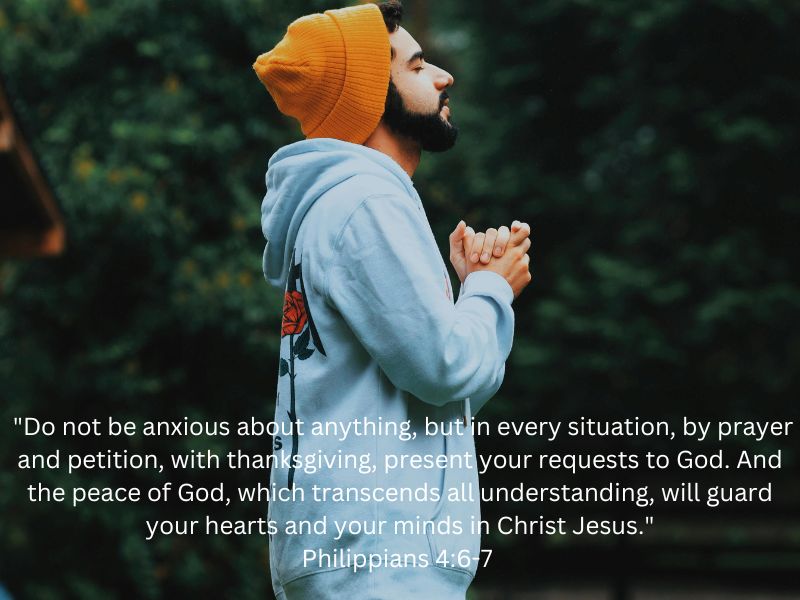
   Prayer is our lifeline to God. In moments of overwhelming emotion, we can pour out our hearts to Him. Philippians 4:6-7 reassures us: “Do not be anxious about anything, but in every situation, by prayer and petition, with thanksgiving, present your requests to God. And the peace of God, which transcends all understanding, will guard your hearts and your minds in Christ Jesus.”
   Regularly meditating on Scripture can also help. Psalm 147:3 tells us, “He heals the brokenhearted and binds up their wounds.” By anchoring ourselves in God’s promises, we allow His truth to permeate our minds and soothe our souls.

2. Wise Counsel and Therapy

   Proverbs 11:14 says, “Where there is no guidance, a people falls, but in an abundance of counselors there is safety.” Seeking wise counsel from trusted friends, pastors, or professional therapists can provide the support and strategies needed to navigate the healing process.

   Therapy can offer tools to manage triggers and develop healthier coping mechanisms. It’s not a sign of weakness but a step towards wholeness.

3. Breaking Generational Curses

   Abuse can sometimes stem from generational patterns of behavior. Recognizing this and choosing to break the cycle is vital. Exodus 20:5-6 speaks to God’s desire for us to overcome these generational sins: “I, the Lord your God, am a jealous God, punishing the children for the sin of the parents to the third and fourth generation of those who hate me, but showing love to a thousand generations of those who love me and keep my commandments.”

   By addressing these issues, we protect future generations from experiencing the same pain.

Living in Freedom

Emotional scars, if left unattended, can negatively affect our relationships, marriages, children, and friendships. The enemy wants us to believe that we are defined by our past, but Jesus offers us a new identity. In John 8:36, Jesus declares, “So if the Son sets you free, you will be free indeed.”

1. Cultivating Healthy Relationships

   Romans 12:18 advises, “If it is possible, as far as it depends on you, live at peace with everyone.” This involves forgiving those who have hurt us and seeking healthy, supportive relationships that reflect God’s love.

2. Sharing Your Story

   Revelation 12:11 reminds us of the power of our testimony: “They triumphed over him by the blood of the Lamb and by the word of their testimony.” Sharing your story can be a source of healing for yourself and others. It breaks the silence and brings light to the darkness of abuse.

3. Trusting God’s Plan

   Jeremiah 29:11 offers a promise of hope: “‘For I know the plans I have for you,’ declares the Lord, ‘plans to prosper you and not to harm you, plans to give you hope and a future.'” Trusting in God’s plan, even when the path is painful, allows us to walk in faith and confidence.

Healing emotional scars is a journey that requires time, patience, and the right resources. As believers, we have the profound assurance that God is with us every step of the way. Through prayer, wise counsel, therapy, and the support of our faith community, we can find healing and freedom from the past.

May we always remember that our scars, while they may never fully disappear, can become testimonies of God’s incredible grace and healing power. As we navigate this journey, let us cling to the promise in Isaiah 41:10: “So do not fear, for I am with you; do not be dismayed, for I am your God. I will strengthen you and help you; I will uphold you with my righteous right hand.” With God’s help, we can overcome the past and step into the abundant life He has promised us.

Don’t forget to subscribe to our podcast Thrive by The Rising Muse

Overcoming Ego for Spiritual Growth: A Christian Perspective

In the pursuit of spiritual growth, Christians often face the significant challenge of overcoming the ego. The ego, our sense of self-importance and individual identity, can be an obstacle to deeper faith and communion with God. By embracing humility and selflessness, Christians can transcend the ego, drawing closer to the divine. This blog post explores the Christian approach to overcoming ego, supported by scripture and practical steps for spiritual growth.

In Christianity, the ego represents our self-centered nature, often manifesting as pride, arrogance, and selfishness. The Bible consistently warns against these traits, highlighting the importance of humility and self-denial. Jesus’ teachings and the writings of the apostles provide clear guidance on how to manage and overcome the ego.

The Bible addresses the dangers of ego and the virtues of humility extensively. One of the most profound teachings comes from Jesus Himself:

“Whoever wants to be my disciple must deny themselves and take up their cross daily and follow me. For whoever wants to save their life will lose it, but whoever loses their life for me will save it.” – Luke 9:23-24

This passage emphasizes the need to deny the ego, symbolized by taking up the cross, to follow Christ truly. The call to self-denial is a call to let go of personal pride and selfish desires.

The apostle Paul also speaks about the importance of humility in his letters:

“Do nothing out of selfish ambition or vain conceit. Rather, in humility value others above yourselves, not looking to your own interests but each of you to the interests of the others.” – Philippians 2:3-4

Paul’s message underscores the Christian ideal of putting others first, a direct challenge to the ego-driven mindset.

The ego can impede spiritual growth in several ways:

  1. Pride: Pride leads us to believe we are self-sufficient and superior to others, diminishing our reliance on God and separating us from Him.
  2. Selfishness: An ego-centric life focuses on personal gain rather than serving others, contrary to the teachings of Christ.
  3. Resistance to Change: The ego resists humility and self-examination, hindering our willingness to grow and transform spiritually.

Practical Steps to Overcome the Ego

  1. Practice Humility: Embrace humility by recognizing that all good things come from God. Regularly remind yourself of God’s greatness and your dependence on His grace. “Humble yourselves before the Lord, and he will lift you up.” – James 4:10
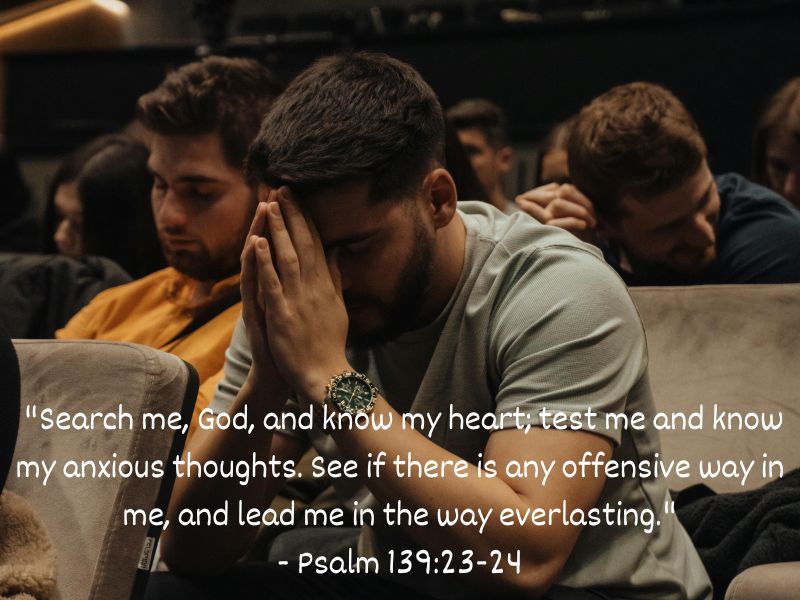
  2. Engage in Self-Reflection: Reflect on your thoughts and actions to identify where ego might be influencing you. Prayer and meditation can be powerful tools for self-examination. “Search me, God, and know my heart; test me and know my anxious thoughts. See if there is any offensive way in me, and lead me in the way everlasting.” – Psalm 139:23-24
  3. Serve Others: Actively seek opportunities to serve others. Acts of kindness and service help shift focus from self to others, aligning with Christ’s teachings. “For even the Son of Man did not come to be served, but to serve, and to give his life as a ransom for many.” – Mark 10:45
  4. Seek Forgiveness and Reconciliation: Acknowledge your faults and seek forgiveness from God and others. This practice humbles the ego and fosters spiritual growth. “Therefore confess your sins to each other and pray for each other so that you may be healed.” – James 5:16
  5. Cultivate Gratitude: Regularly express gratitude to God for His blessings. Gratitude shifts focus away from what we lack or desire, reducing the ego’s grip. “Give thanks in all circumstances; for this is God’s will for you in Christ Jesus.” – 1 Thessalonians 5:18

Overcoming the ego is essential for true spiritual growth in the Christian faith. By embracing humility, selflessness, and service, Christians can align themselves more closely with God’s will. As we surrender our ego, we open our hearts to the transformative power of God’s grace, leading to deeper spiritual fulfillment and a closer relationship with Him.

In the words of Jesus:

“Blessed are the meek, for they will inherit the earth.” – Matthew 5:5

May we all strive to overcome our egos, fostering a spirit of humility and love in our journey with Christ.

Until next time, be blessed. Don’t forget to subscribe to our channel

Navigating Multiple Sclerosis

As we commemorate World Multiple Sclerosis Day today, it’s essential to shed light on the holistic impact of this condition. Multiple Sclerosis (MS) is not just a physical ailment; it deeply affects one’s emotional and mental well-being. Today, drawing insights from Dr. Meghan Beier, a renowned rehabilitation neuropsychologist from JohnHopkins.org, we explore three prevalent mental health concerns within the framework of faith and mental resilience.

  1. Depression:
    Depression can be a silent storm brewing within the lives of those affected by MS. It’s not merely a reaction to the illness but can also stem from biological factors, such as inflammatory processes. Dr. Beier emphasizes the importance of recognizing depression as a symptom rather than solely a consequence of MS progression. This understanding enables us to approach it with compassion and targeted interventions, combining medication with cognitive behavioral therapy. As people of faith, we can find solace in knowing that even amidst our darkest moments, there’s a guiding light of hope, urging us to seek help and embrace healing.
  2. Anxiety:
    Anxiety, like a relentless shadow, often accompanies the unpredictability of MS. The fear of exacerbations and uncertainties about the future can weigh heavily on individuals and their loved ones. Yet, faith teaches us to surrender our anxieties to a higher power, trusting in a divine plan beyond our comprehension. Dr. Beier encourages proactive measures, including behavioral therapy and acceptance and commitment therapy (ACT), to empower individuals in managing anxiety. By cultivating resilience through faith-based practices, we can navigate the turbulent seas of anxiety with unwavering courage.
  3. Pseudobulbar Affect:
    Pseudobulbar affect, characterized by uncontrollable emotional expressions, adds another layer of complexity to the MS journey. Despite its challenges, seeking proper diagnosis and treatment is crucial. Here, faith offers us resilience in acceptance and a beacon of strength to face adversities head-on. While talk therapy may not directly address pseudobulbar affect, medical interventions tailored to individual needs can provide relief and restore emotional balance.


As we commemorate World MS Day, let us not only raise awareness but also extend empathy and support to those battling this condition. By addressing the intricate interplay between faith and mental health, we pave the way for holistic healing and resilience. Together, let us foster a community where individuals impacted by MS find solace, strength, and above all, unwavering hope in the journey ahead.

Until next time, be blessed

Remember to subscribe to our podcast: Thrive by The Rising Muse

Memorial Day: Reflections and Honor on Memorial Day

On a day like today, we are reminded to honor and remember the brave men and women who made the ultimate sacrifice in service to their country. It’s a time of reflection, gratitude, and remembrance. Yet, in the midst of this commemoration, it’s also important to consider the intersection of faith, mental health awareness, and the lasting impact of war on individuals and communities.

For many, Christianity provides solace and guidance in times of hardship and loss. The teachings of Jesus Christ emphasize love, compassion, and selflessness – qualities embodied by those who serve in the military. Memorial Day offers an opportunity for Christians to reflect on the sacrificial love demonstrated by Jesus and extend that same love to those who have given their lives in service.

War leaves a profound impact not only on the physical landscape but also on the mental and emotional well-being of those involved. The trauma of combat, loss of comrades, and the challenges of readjusting to civilian life can take a heavy toll on veterans’ mental health. According to the Department of Veterans Affairs, nearly 20 veterans die by suicide each day in the United States, highlighting the urgent need for increased mental health support and awareness.

Breaking the Stigma:
As Christians, it’s essential to recognize the importance of addressing mental health issues within our communities. Just as Jesus showed compassion and empathy towards the marginalized and suffering, we are called to extend the same compassion to those struggling with mental health challenges. Breaking the stigma surrounding mental illness requires open dialogue, support, and access to resources for those in need.

While the effects of war and trauma may seem insurmountable, there is always hope for healing and restoration. As Christians, we believe in the power of faith, prayer, and community support to overcome adversity. Memorial Day serves as a reminder that through faith, love, and solidarity, we can honor the memory of fallen heroes and support those who continue to struggle with the invisible wounds of war.

“The Lord is close to the brokenhearted and saves those who are crushed in spirit.” Psalm 34:18 (NIV)


This Memorial Day, let us not only honor the sacrifices of the brave men and women who have served our country but also commit to supporting the mental health and well-being of our veterans and their families. As Christians, may we embody the spirit of compassion, empathy, and love, extending a hand of support to those in need. Together, let us strive to break the stigma surrounding mental illness and create a community where all are valued, heard, and supported on their journey towards healing and wholeness.

Our most recent episode of Thrive by The Rising Muse is dedicated to looking into May as Mental Health Awareness Month. To check it out, just click here.

Until Next Time, Be Blessed!

Embracing Peace in the Midst of Chaos

In a world filled with chaos and uncertainty, the pursuit of peace takes on profound significance for Christians. As we navigate the challenges of life, we are called to exemplify the peace that Christ offers—a peace that transcends circumstances. In this blog post, we will explore the Christian perspective on finding and embracing peace in the midst of chaos.

The Christian Concept of Peace

For Christians, peace is not merely the absence of conflict but a state of harmony and wholeness that can only be fully realized through a relationship with God. It’s the assurance that, no matter the storms of life, God’s peace guards our hearts and minds (Philippians 4:7).

Navigating Chaos with Faith

  1. Anchoring in Prayer: In times of turmoil, turn to prayer as a means of connecting with God’s peace. The Bible encourages us to present our worries and anxieties to Him in prayer (Philippians 4:6).
  2. Trusting God’s Sovereignty: Recognize that God is in control, even when the world seems chaotic. Trusting in His sovereignty can bring a profound sense of peace (Isaiah 26:3).
  3. Seeking Solace in Scripture: The Bible is filled with verses that offer comfort and peace in times of trouble. Meditate on passages that speak to your heart (Psalm 46:10).
  4. Living Out Forgiveness: Practice forgiveness as a reflection of God’s forgiveness towards us. Letting go of resentment and grudges can bring a sense of inner peace (Ephesians 4:32).
  5. Community and Fellowship: Engage in Christian community and fellowship. Surrounding yourself with like-minded believers can provide emotional support and encouragement (Hebrews 10:24-25).
  6. Spreading Peace: Be a peacemaker in your interactions with others. Seek reconciliation and understanding, following the example of Christ (Matthew 5:9)

In a world filled with chaos, Christians are called to be beacons of peace, reflecting the peace that comes from a relationship with Jesus Christ. As we navigate the challenges of life, let us remember that our faith is the anchor of our peace. By drawing near to God in prayer, trusting His sovereignty, and living out His principles of forgiveness and love, we can experience and share His peace with a world in desperate need of it. Embrace God’s peace and let it shine brightly in the midst of chaos, for it is a testimony to the transformative power of faith.

Until next time, be blessed!

Don’t forget to subscribe to our weekly podcast: Thrive by The Rising Muse

Nurturing Spiritual Discernment in the Word

In a world where charismatic leaders abound, each claiming to have a direct line to God’s truth, Christians face the daunting task of discerning genuine spiritual guidance from deceptive falsehoods. Jesus Himself warned of false prophets in Matthew 7:15, saying, “Watch out for false prophets. They come to you in sheep’s clothing, but inwardly they are ferocious wolves.”

As followers of Christ, we bear a solemn responsibility to discern truth from error, and this begins with a deep commitment to studying the Word of God for ourselves. In 2 Timothy 2:15, Paul instructs Timothy, “Do your best to present yourself to God as one approved, a worker who does not need to be ashamed and who correctly handles the word of truth.” This admonition applies to all believers, emphasizing the importance of personal engagement with Scripture to guard against deception.

False prophets often possess charismatic personalities and persuasive speech, making them all the more dangerous to unsuspecting followers. However, the surest defense against such deceit lies in cultivating a robust understanding of God’s Word through diligent study and prayer. Psalm 119:105 assures us, “Your word is a lamp for my feet, a light on my path.” When we immerse ourselves in Scripture, we gain clarity and guidance that illuminate the path of righteousness and expose falsehood.

Moreover, it’s essential to surround ourselves with godly mentors and fellow believers who can offer wise counsel and accountability. Proverbs 27:17 reminds us, “As iron sharpens iron, so one person sharpens another.” By engaging in mutually edifying relationships grounded in biblical truth, we fortify ourselves against the wiles of false prophets.

However, it’s crucial to exercise caution even in seeking guidance from others. While mentors can provide valuable insights, their interpretations must align with Scripture. Acts 17:11 commends the Berean Jews for their diligence in examining the Scriptures daily to verify the teachings they received. Likewise, we must approach all teachings with discernment, testing them against the timeless truths of God’s Word.

False prophets often twist Scripture to suit their own agendas, leading unsuspecting followers astray. 2 Peter 3:16 warns of those who distort Scripture to their own destruction. Therefore, it’s imperative to maintain a firm grasp on biblical principles and sound doctrine to recognize and refute falsehoods.

In conclusion, while the prevalence of false prophets may pose a formidable challenge, Christians need not despair. By grounding ourselves in the unchanging truths of Scripture, seeking guidance from godly mentors, and exercising discernment in all things, we can navigate the tumultuous waters of spiritual deception with confidence. Let us heed the exhortation of 1 Thessalonians 5:21 to “test everything; hold fast what is good,” ensuring that our faith remains steadfast and our hearts guarded against the cunning schemes of the enemy.

Amen! and until next time, be blessed!

Remember to subscribe to our podcast: Thrive by The Rising Muse

Keeping Faith Grounded

In the realm of faith, it’s easy to find ourselves admiring and respecting those who hold positions of authority within the church. Pastors, ministers, and leaders guide us, inspire us, and often serve as examples of faith in action. However, as Christians, it’s vital to remember that these individuals, while worthy of respect, are fallible humans just like us. Placing them on pedestals risks turning admiration into idolatry and can lead to profound disappointment when they inevitably stumble.

Scripture repeatedly reminds us to keep our focus on Christ alone. In Psalm 62:5-7, David writes, “Yes, my soul, find rest in God; my hope comes from him. Truly he is my rock and my salvation; he is my fortress, I will not be shaken. My salvation and my honor depend on God; he is my mighty rock, my refuge.” Here, David underscores the unwavering reliability of God as our ultimate source of strength and salvation.

Jesus Himself warned against putting too much trust in human leaders, stating in Matthew 23:9, “And do not call anyone on earth ‘father,’ for you have one Father, and he is in heaven.” This isn’t to diminish the importance of spiritual leaders but to remind us that they are conduits, not the source, of our faith.

When individuals in positions of authority fail morally or ethically, it can shake the foundations of our faith if we’ve placed too much reliance on them. Paul addresses this in 1 Corinthians 3:4-5, where he admonishes against forming factions around human leaders, writing, “For when one says, ‘I follow Paul,’ and another, ‘I follow Apollos,’ are you not mere human beings? What, after all, is Apollos? And what is Paul? Only servants, through whom you came to believe—as the Lord has assigned to each his task.”

The danger of idolizing human leaders within the church becomes painfully apparent when scandal strikes. When a trusted pastor or revered minister falls from grace, it can cause widespread disillusionment and even drive people away from their faith. This underscores the importance of anchoring our faith firmly in Christ rather than in fallible human vessels.

Our relationship with God should never be contingent upon the actions or integrity of those who lead us. Instead, it should be grounded in a personal connection with Jesus Christ, who remains steadfast and unchanging regardless of human frailty. Hebrews 13:8 reaffirms this truth: “Jesus Christ is the same yesterday and today and forever.”

Ultimately, while we should respect and honor those in positions of authority within the church, we must always remember that they are imperfect vessels through which God works. Placing our complete trust in Christ alone guards against the pitfalls of idolatry and ensures that our faith remains steadfast, even in the face of disappointment or betrayal.

In conclusion, let us heed the words of Psalm 118:8, which declares, “It is better to take refuge in the Lord than to trust in humans.” By keeping our faith firmly rooted in Christ, we find unwavering strength, hope, and salvation that can never be shaken by the failings of mortal men.

Until next time, be blessed

Remember to subscribe to our podcast: Thrive by The Rising Muse

True Value in a World Obsessed with Numbers

As parents, we often find ourselves learning valuable lessons from our children, unexpected teachers in the school of life. This week, I had a simple yet profound encounter with my toddler while teaching him the names of coins—penny, dime, nickel, and quarter. Little did I know, this innocent lesson would unveil deeper truths about the nature of value in our lives.

I asked my three-year-old to arrange the coins in order of perceived value. His tiny hands meticulously placed the nickel ahead of the dime because, in his eyes, bigger meant better. It was a moment of innocence, but it carried a profound message: sometimes, our perception of value is skewed by superficial attributes like size or shine.

In reflecting on this, I couldn’t help but draw parallels to a recent incident I came across online. A professional, undoubtedly talented and passionate about her craft, was denied participation in a podcast simply because she lacked a substantial social media following. Her value was reduced to mere numbers, overlooking the quality of her content and the depth of her expertise.

It’s a sobering reality check—a reminder that in a world fixated on metrics and numbers, true worth often goes unnoticed. We’ve become conditioned to equate popularity with value, overlooking the substance beneath the surface. But what if, like my toddler’s perception of coins, our judgments are misguided? What if genuine talent, authenticity, and integrity hold more weight than mere numbers on a screen?

Scripture echoes this sentiment, urging us not to conform to the world’s standards of value and success. In Romans 12:2, we’re encouraged to “not be conformed to this world, but be transformed by the renewing of your mind.” It’s a call to recalibrate our understanding of value, to see beyond the superficial and embrace the intrinsic worth of each individual.

Furthermore, Proverbs 11:1 reminds us that “a false balance is an abomination to the Lord, but a just weight is his delight.” God’s perspective transcends worldly measures of worth; He sees the heart, not the external façade. In His eyes, true value lies in character, integrity, and the sincere pursuit of righteousness.

As we navigate a world that often distorts the true meaning of value, let us heed the lessons from a toddler’s innocent perspective. Let us resist the temptation to measure worth by external standards and instead seek the deeper truths that define genuine value. And above all, let us find solace in the unwavering truth that in God’s eyes, we are valued not for what we possess or portray, but for who we are—beloved children, cherished and esteemed beyond measure.

So, the next time you’re tempted to equate value with popularity or status, remember the lesson of the coins and the wisdom of Scripture. True worth cannot be quantified by numbers; it is found in the richness of character, the depth of integrity, and the purity of heart. In embracing this truth, we discover a freedom that transcends the fleeting measures of the world—a freedom rooted in the unshakable assurance of our infinite worth in the eyes of our Heavenly Father.

Until next time, be blessed.

Don’t forget to checkout our podcast Thrive by The Rising Muse where we get in depth conversations about faith, family and mental health.

Cultivating Financial Wisdom with Biblical Principles

In a world overflowing with national days, one stands out as not just a reminder, but as a call to action: National Teach Your Children How to Save Day on April 27th. As we navigate the complexities of modern life, one thing remains constant—money matters. It’s not just about accumulating wealth, but about stewarding our resources wisely, in alignment with biblical principles.

The scriptures offer profound wisdom on the subject of money. Proverbs 3:9-10 teaches us the importance of honoring the Lord with our possessions and the firstfruits of our increase. By trusting God with our finances, we invite His abundance into our lives. Similarly, Matthew 6:24 warns against the idolization of money, emphasizing that we cannot serve both God and Mammon.

Yet, amidst these timeless truths, lies a practical application for the present moment. How do we instill these values in the next generation? How do we equip our children with the tools they need to navigate the complexities of financial stewardship?

Enter the concept of teaching our children how to save. It’s more than just setting aside a portion of their allowance—it’s about instilling a mindset of responsibility and foresight. Just as we sow seeds of faith, we sow seeds of financial wisdom in the fertile soil of our children’s hearts.

For many, the journey begins with a simple piggy bank. A cherished heirloom passed down through generations, it serves as a tangible reminder of the importance of saving. As children eagerly deposit coins into its waiting embrace, they learn the joy of delayed gratification and the satisfaction of watching their savings grow.

But saving is just the beginning. It’s about cultivating a holistic approach to money management that encompasses earning, saving, giving, and spending. As parents, we have a responsibility to lead by example, demonstrating godly stewardship in our own lives.

So, how can we teach our children better money management today? It starts with open dialogue and age-appropriate lessons. From teaching the value of hard work to modeling generosity, every interaction is an opportunity to impart wisdom.

As National Teach Your Children How to Save Day approaches, let us seize the moment to invest in the future. Let us sow seeds of financial wisdom that will bear fruit for generations to come. And let us remember that true wealth lies not in the abundance of possessions, but in the richness of our relationship with the One who holds all things in His hands.

Absolutely! Here’s the added paragraph:

Feeling inspired to get your own finances in order? We’ve got just the solution for you. Our new book, ‘The 15-Day Challenge to a Stronger YOU.’ This transformative resource guides readers through a journey of financial stewardship using biblical principles. With practical tips, insightful reflections, and actionable steps, ‘The 15-Day Challenge’ equips you to take charge of your finances and align them with God’s will. Join us on this transformative journey and launch a path of financial stewardship that will lead to lasting abundance and fulfillment.”

Share your thoughts and experiences in the comments below. Together, let’s embark on this journey of financial stewardship, guided by the timeless truths of scripture.

Until next time, be blessed!

Taking Steps on Faith: Keeping Your Eyes on Jesus

In the journey of life, there are moments when we feel called to take steps of faith. We know deep down that we’re walking in alignment with God’s will, but amidst the chaos of life, doubts and distractions can easily creep in. It’s in these moments that we must remind ourselves to keep our eyes fixed on Jesus.

Scripture reminds us of a powerful moment when Peter, one of Jesus’ closest disciples, stepped out in faith. When Jesus called him to walk on water, Peter obeyed without hesitation. Initially, he walked confidently towards Jesus, defying the laws of nature. But as he encountered the wind and waves, doubt crept in. He shifted his focus from Jesus to his surroundings and began to sink. (Matthew 14:22-33

How often do we find ourselves in Peter’s shoes? We start off strong, trusting in God’s plan for our lives. But when challenges arise, we lose sight of His presence and become consumed by fear and uncertainty.

The world is full of distractions that can derail our faith journey. Insecurities, comparisons, hardships, and even success can lead us astray if we allow them to take our focus off of Jesus. The enemy’s ultimate goal is to discourage us, to make us doubt God’s promises, and to hinder us from fulfilling our purpose.

But here’s the truth: no matter how far we’ve strayed or how long we’ve been distracted, God is always ready to welcome us back with open arms. His grace is sufficient, and His love is unconditional. All it takes is a willingness to realign our focus and take that next step of faith.

So, I challenge you today: what is keeping you from taking your next step? Is it fear, doubt, or complacency? Whatever it may be, know that you are not alone. God is with you every step of the way, ready to guide you back onto the path He has set before you.

Let today be the day that you recommit yourself to keeping your eyes on Jesus. Trust Him with your journey, knowing that He is faithful to complete the work He has started in you. Share your thoughts in the comments below, and let’s encourage one another to walk boldly in faith.

Until then, may you be blessed abundantly as you journey onward with Christ by your side.