
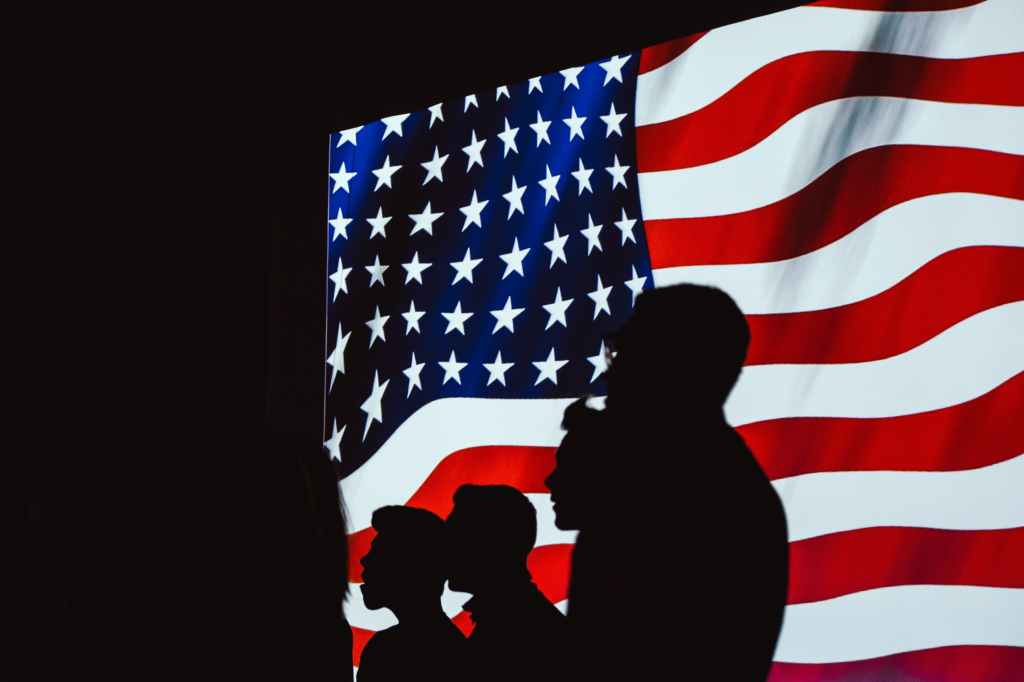
Veteran’s Day, a significant day in the United States, is a time when we come together to honor and express our gratitude for the brave men and women who have served in the armed forces. It’s a day of reflection, respect, and recognition for the sacrifices these veterans have made to protect our freedoms and way of life. But as a society, it’s important to remember that honoring our veterans goes beyond simply saying “thank you.” This blog post explores the history of Veteran’s Day, distinguishes it from Memorial Day, and delves into the challenges veterans face upon returning home, with a particular focus on their mental health. We’ll also discuss how we can support veterans in their assimilation back into civilian life and provide valuable resources for both veterans and the general public.
History of Veteran’s Day
Veteran’s Day originated as Armistice Day, marking the end of World War I on November 11, 1918. It was a day to honor and remember the soldiers who fought in “the war to end all wars.” In 1954, the holiday was officially renamed Veteran’s Day to honor all American veterans, both living and deceased. This change symbolized the broader appreciation for the sacrifices of veterans beyond the context of World War I.

Distinction from Memorial Day
While Veteran’s Day and Memorial Day both honor those who served in the military, they have distinct purposes. Memorial Day, observed on the last Monday in May, pays tribute to those who died while in military service. In contrast, Veteran’s Day honors all veterans, living and deceased, and recognizes their service and contributions to the nation.
Challenges Veterans Face Upon Returning Home
Returning to civilian life can be a daunting experience for many veterans. Some of the challenges they may encounter include:

- Mental Health Issues: One of the most pressing issues is the prevalence of mental health problems among veterans, including post-traumatic stress disorder (PTSD), depression, and anxiety. The experiences of combat and the adjustment to civilian life can take a toll on their mental well-being.
- Employment Obstacles: Finding employment that matches their skills and qualifications can be difficult. Many veterans struggle to secure meaningful employment, which can lead to financial instability.
- Social Reintegration: Veterans may face difficulties in reconnecting with family and friends, as well as adjusting to civilian norms and expectations.
- Physical Health Challenges: Veterans may also struggle with physical health issues related to their service, such as disabilities, chronic pain, and long-term injuries.
Emphasizing Mental Health Issues
The mental health of veterans is a pressing concern. It’s crucial to create a supportive environment and offer accessible mental health services. Compassion, understanding, and eliminating the stigma around seeking help are essential. By addressing their mental health needs, we can help veterans lead healthier, happier lives.
How We Can Show Gratitude Beyond Words
While saying “thank you” is a good start, it’s essential to take meaningful actions to support our veterans. Here are some ways you can make a difference:
- Support Veteran-Focused Organizations: Many organizations, such as Wounded Warrior Project and Disabled American Veterans, provide various services and resources for veterans. Donating to or volunteering with these organizations is a meaningful way to help.
- Employment Opportunities: If you are in a position to hire or recommend veterans for job opportunities, consider doing so. Their discipline, leadership skills, and work ethic make them valuable employees.
- Raise Awareness: Share information about veterans’ issues on social media and in your community. The more awareness we raise, the more likely we are to foster change.
- Be a Listening Ear: Sometimes, what veterans need most is someone to talk to. Be a compassionate listener and let them share their experiences.
Resources for Veterans and the General Public
For veterans seeking assistance, various resources are available:
- Veterans Crisis Line – A 24/7 helpline for veterans in crisis.
- VA Mental Health Services – Information on mental health services provided by the Department of Veterans Affairs.
- Make the Connection – Stories and resources to help veterans understand their experiences and find support.
- Veteran and Military Service Organizations – A directory of organizations that support veterans and their families.
For the general public looking to get involved:
- Support Our Troops – A nonprofit organization that sends care packages to deployed troops.
- Hire Heroes USA – Connects veterans with job opportunities.
- Give an Hour – Provides free mental health services to veterans and their families.

Veteran’s Day is a reminder of the sacrifices made by the men and women in uniform. Let’s go beyond mere words of gratitude and take meaningful actions to support our veterans in their transition to civilian life. By addressing the mental health challenges they face and providing resources for their well-being, we can show our appreciation in a way that truly honors their service and sacrifice. Together, we can make a difference in the lives of those who have dedicated themselves to protecting our freedom.
Thank you for your service, and as always, stay safe!










 and seeing the scrutiny the victims are enduring inspired me to write this article about what happens behind the curtain for a victim of sexual impropriety. It has become obvious that these attacks are happening more than we care to admit. These events are life changing for the victim and we should not take likely that the victims suffer consequences for speaking up.
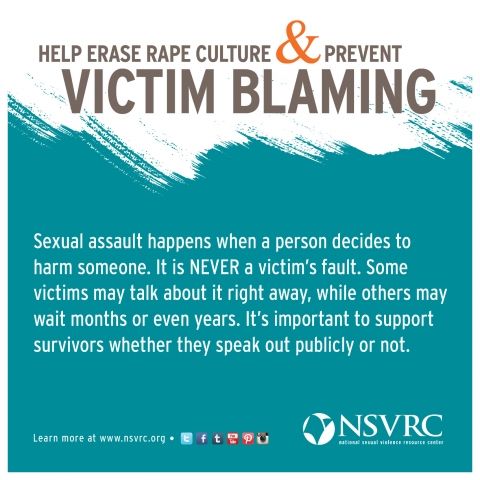 Blame- When someone is sexually attacked, the first thoughts are of guilt and shame. The victims tend to try to figure out how they made this happened to them. They agonize over things that are not related to real reason why these events happen, which is that the predator wanted power over their victim. The irony is that even people who have been victims of some sort help keep these ideas in society. They blame the way the victim was dressed, their habits, their relationships, their company choices and being at a place where they shouldn’t be.

 sexual relationship.
 Now, let me explain some of the legal issues victims face. If it’s not a full fledged rape and violent, there’s very little physical evidence that could be presented in a court of law to prosecute a perpetrator. The accounts of other victims can be used to present to a court a pattern of behavior. Recently things like date rape and even marital rape have been accepted as charges, but they are very hard to prove in court. Situation like molestation, harassment, groping incidents are not less traumatic but harder to legally prove. These incidents don’t have DNA, rarely a video, picture or a witness and if a long time has passed the steeper is the hill to prove these charges in a court of law. Because civil courts have a less restrictive requirements for burden of proof, many victims choose to sue. Other choose to sue because the statue of limitation on charges has expires. This means that the law states that when someone commits a crime there an expiration date on when that crime can be brought to charges. If this is the case, civil lawsuits are the only legal recourse that a victim may have. It’s not about money, but justice. Yes, some of these lawsuits are for substantial amounts of money, but since their perpetrator will not face jail time, they will have to endure the steep financial penalty. Also, in civil court their perpetrators can be compelled to testify and sometimes that’s all a victim really wants, for the perpetrator to face him/her and admit their wrongdoing. It doesn’t always pan out that way, but that’s the goal.
 to a child, it can affect properly development. A sexual assault can cause a victim to suffer from post-traumatic stress disorder (PTSD). This fact also contributes to other challenges the victim needs to deal with. Mental health issues are already socially defining, add now sexual trauma, having to speak up against your perpetrator and dealing with all that comes with that.



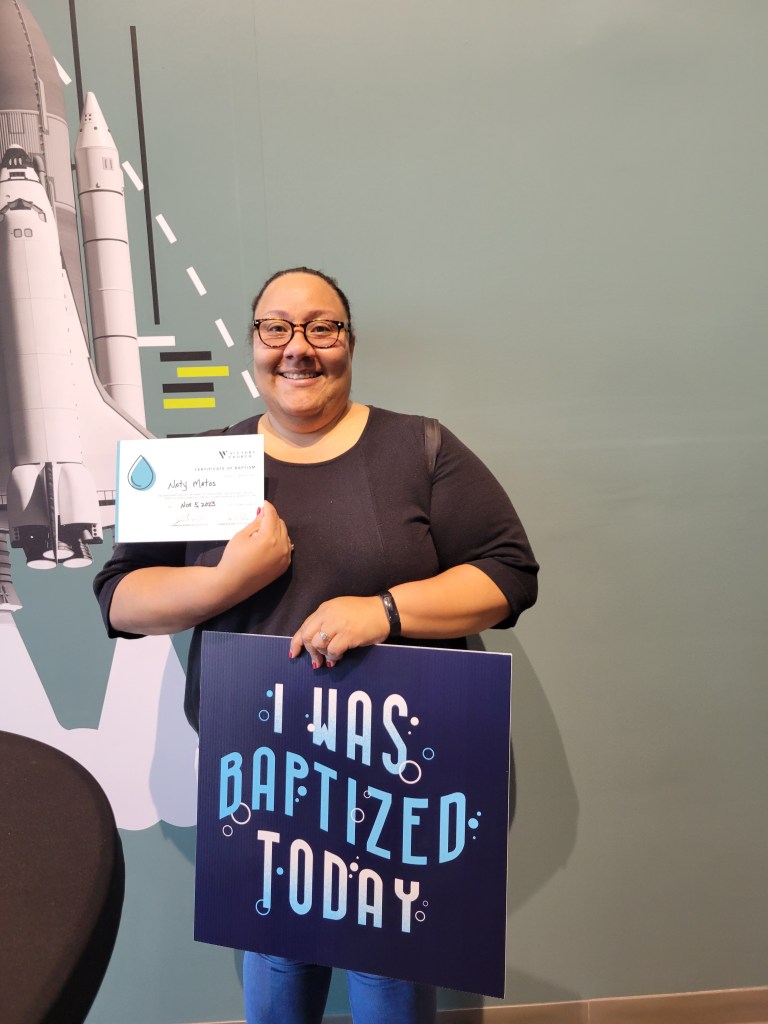
 Naty Matos