The Strong Woman Myth: Why Being “So Strong” Can Leave You Tired, Isolated, and Stuck

Have you ever been told “you’re so strong” and felt a heavy weight drop in your chest instead of a sense of pride?

For so many women, being praised for handling everything has quietly turned from a compliment into an expectation—and eventually, a prison. If you are the person everyone depends on, the one who never falls apart and carries the emotional load for everyone else, you are not alone.

In this powerful episode of Thrive by The Rising Muse, host Naty Matos and Veda Green break down the “strong woman myth,” unpacking why hyper-independence develops, how it impacts your body, and how to finally give yourself permission to lay the heavy load down.

▶️ Watch the Full Episode on YouTube

Why the “Strong Woman” Label Is a Trap

The strong woman myth doesn’t begin as a lie—it begins as survival.

Many women learned early on that vulnerability wasn’t safe. Maybe crying didn’t change anything, asking for support led to disappointment, or showing emotion got you shamed. So you adapted. You became composed, capable, and self-contained.

In trauma psychology, this is known as functional adaptation: becoming highly competent because your environment required it. The world praises that competence, but rarely asks what it cost you to build it.

The problem isn’t strength itself; it’s when strength becomes the only role you are allowed to play. You stop asking for help because it feels like failure. You end up looking fine on the outside while feeling completely alone inside—dependable, but not deeply known; admired, but not supported.

How Hyper-Independence Hijacks Your Nervous System

One of the clearest signs of this pattern is hyper-independence. It sounds noble—“I got this,” “I don’t need anybody,” “I’d rather do it myself.” But underneath that self-reliance is often a nervous system bracing for impact.

When care is inconsistent, your body makes a simple decision: It is safer to depend on myself. That strategy protects a child, but it isolates an adult.

Common signs you’re operating in hyper-independence:

  • Minimizing your own needs to prioritize everyone else
  • Rejecting help even when you are visibly exhausted
  • Feeling uncomfortable or anxious when someone tries to care for you
  • Living with light sleep, physical tension, and constant alertness

When you live like no one is coming to help, your body stays stuck in fight-or-flight mode. As Naty explores in the episode, rest feels foreign because your nervous system hasn’t learned that it is safe to put the armor down.

When Competence Turns Into Loneliness

In family and relationship systems, overfunctioning and underfunctioning work in pairs. When you consistently anticipate needs, fix problems, and absorb tension, everyone else unconsciously steps back. You end up becoming the “emotional adult” in every room.

In the episode, Naty shares a vivid image: a rowboat with two people. If one person does all the rowing, the other never learns to hold an oar. Over time, competence without reciprocity turns into deep loneliness and burnout. Control might soothe anxiety in the moment, but it suffocates real connection in the long run.

What Real Strength Actually Looks Like

We often confuse strength with self-erasure, but biblical and emotional maturity mean something very different.

Jesus was strong, yet He expressed deep sorrow, asked His friends for support, and wept openly. He never confused stoicism with faith. Scripture reminds us that power comes through Christ, not through isolated self-sufficiency.

Real strength looks like:

  • Letting someone see you without your armor
  • Admitting when you are tired without apologizing
  • Delegating without feeling guilty
  • Receiving support without feeling like you have to earn it

Admitting weakness isn’t failure—it’s the doorway to genuine intimacy, healing, and rest.

Ready to Unpack the Full Conversation?

Unlearning years of hyper-independence takes time, but you don’t have to navigate it alone. Dive into the full episode to hear Naty discuss:

  • The physiological cost of chronic overfunctioning
  • How church culture and ministry can accidentally reward burnout
  • Practical steps to set boundaries before reaching a total meltdown

📺 [Click here to watch the full episode on YouTube now] and join the conversation in the comments!

Frequently Asked Questions

What is the strong woman myth?

It is the belief that a woman must always be capable, composed, and self-sufficient, regardless of her emotional or physical load.

Is being strong a bad thing?

No. Healthy strength is a blessing. The problem arises when strength turns into emotional numbness or an inability to receive care.

Where can I listen to the Thrive podcast?

You can stream Thrive by The Rising Muse on YouTube, Spotify, Apple Podcasts, RedCircle, and all major podcast platforms.

Loved this week’s episode insight? Help us unlock our next level of community care by subscribing to our YouTube channel today!

Sow a seed into this ministry to help us spread His light and transform lives—click here to join our mission today!
Are You Strong in Public, but Unraveling in Private?

Have you ever found yourself knowing all the right Scriptures, showing up for everyone else, and looking completely put-together on the outside—yet in private, you’re secretly struggling with overthinking, anxiety, or emotional triggers?

If so, you are far from alone.

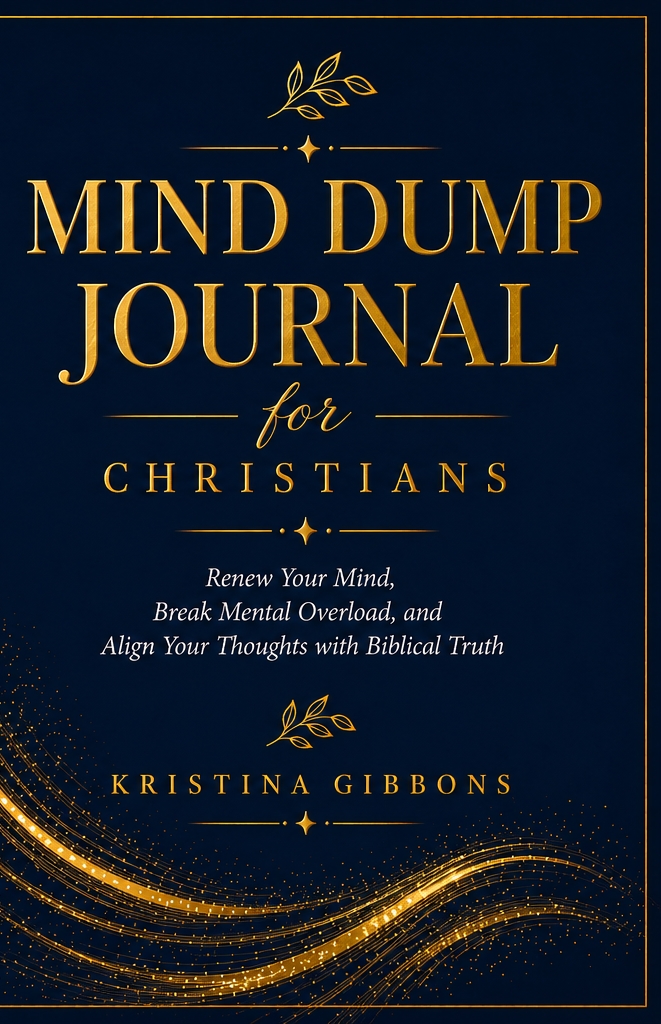
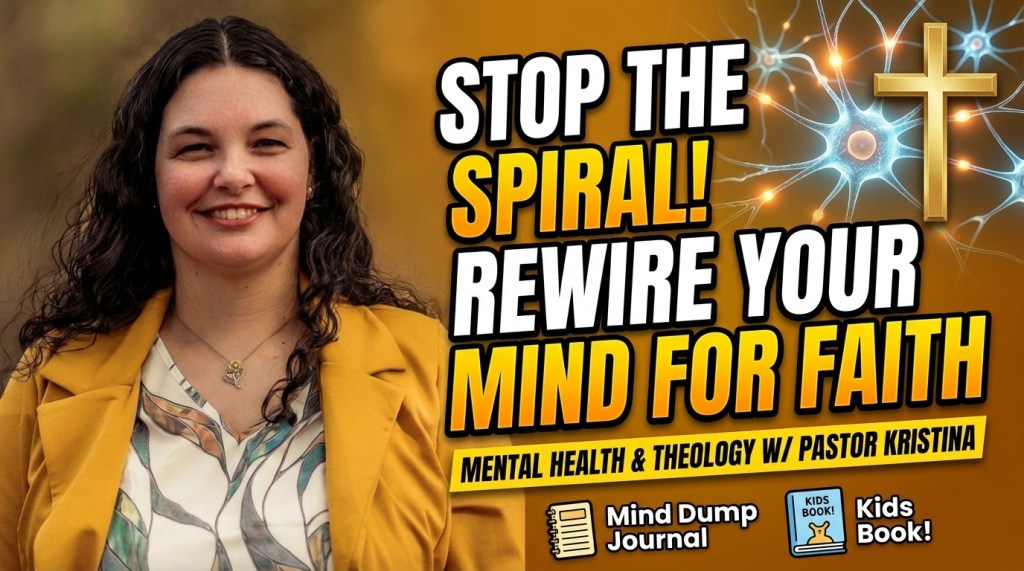
In our latest podcast episode, we sat down with Pastor Kristina Gibbons—ordained pastor, certified pastoral counselor, and author of the Mind Dump Journal—for a deep dive into the intersection of faith, brain science, and emotional transformation.

Why Surface-Level Fixes Don’t Work

Most of us spend years trying to manage our symptoms instead of untangling the root cause. But what if the key to lasting change isn’t just “trying harder,” but actually rewiring your brain?

In this conversation, Pastor Kristina breaks down:

  • The “Mind Dump” Method: How getting chaotic thoughts out of your head and onto paper physically transforms your perspective.
  • Neuroplasticity Meets Scripture: What actually happens in your neural pathways when you practice Romans 12:2 and “renew your mind.”
  • Taking Thoughts Captive: A step-by-step approach to intercepting toxic thought loops before they control your behavior.
  • Generational Healing: How her new children’s book, Asher Shines Bright, is helping parents teach kids to take their big worries to God early in life.

Whether you’re feeling stuck in a mental spiral or simply want practical, faith-based tools to master your internal monologue, this masterclass is built for you.

🎬 Watch the Full Episode Now!

Stop settling for surface-level quick fixes and start building neural pathways rooted in peace and spiritual authority.

🔗 Connect & Explore Pastor Kristina’s Resources:

Loved this week’s episode insight? Help us unlock our next level of community care by subscribing to our YouTube channel today!

Sow a seed into this ministry to help us spread His light and transform lives—click here to join our mission today!

The Conflict Inside You Isn’t a Weakness—It’s Your Missing Superpower

Ever feel like your mind is a boxing ring where your harsh inner critic and your weary, permissive self are locked in an endless title fight?

You are not alone. In a culture that shouts “Grind harder!” and whispers “Self-care!”, most of us are exhausted just trying to figure out which voice to listen to. But what if we’ve got the whole relationship wrong?

This episode of Thrive by The Rising Muse breaks down a life-altering concept: Discipline and Compassion are not opposing forces. They are actually powerful, inseparable partners in building genuine emotional freedom, unshakable resilience, and deep psychological maturity.

We’re not just talking self-help clichés; we are diving deep into:

  • The Clinical Psychology Behind It: How childhood and parenting styles (from Authoritarian to Permissive) shaped your default inner voice—and how to internalize a “Mature Parental Voice” that’s both firm and gentle.
  • The Trauma Connection: Why discipline feels like punishment to you, and compassion feels like failure (and how to fix it).
  • A Simple, 4-Step Action Plan: A daily framework to break free from self-criticism spirals or stagnation, starting today.

Are you ready to stop swinging between being your own tyrant and your own doormat?

Learn the art of integration. Watch the full episode now to discover how to hold yourself to a high standard without losing your softness, and how to heal without collapsing into inaction. This is the mature path to inner peace.

Watch the Episode: Discipline vs Compassion | Which One Actually Heals?

When Therapy Works — Even When It Feels Heavy: Understanding the True Path to Healing

Ever leave a therapy session feeling completely exhausted, emotionally exposed, or wondering, “Is this even working?” 🛋️💔

You entered this journey looking for an immediate exhale, but instead, it feels like the volume on your emotions just got turned up.

Here is the truth: Feeling worse does not mean you are failing. It means the deep work is beginning.

True healing doesn’t unfold at the speed of light—it unfolds at the speed of safety. It is a layered, non-linear journey of cleaning out old wounds so they can finally heal cleanly from the inside out. In this powerful episode, we peel back the curtain on the invisible signs of emotional growth and dismantle the biggest myths about mental health, faith, and progress.

What We’re Breaking Down in This Episode:

  • The “Feeling Worse” Paradox: Why hitting emotional resistance and uncovering hidden patterns (like using distractions to escape feelings of inadequacy) is actually a sign of profound momentum.
  • Faith & Therapy: How to navigate the spiritual tension of vulnerability and embrace the truth that seeking support doesn’t mean your faith is weak—it clarifies it.
  • The Myth of the Finish Line: Why healing isn’t a race to a perfect destination, but a sustainable practice of becoming more honest and compassionate with yourself.
  • Between-Session Care: Practical grounding exercises to soothe your nervous system when the emotional heavy-lifting follows you home.

Progress isn’t always loud. Sometimes, it’s just a quiet pause before you react, a boundary you finally set, or the grace you give yourself to rest.

Are you ready to stop rushing your process and trust your pace?

[Watch the Full Episode Here] to discover the unseen signs that you are growing—even when it feels slow.

Brought to you by The Rising Muse, LLC. Don’t forget to subscribe to our channel and join our community growth challenge as we hit our next milestone! 🎧🌱

Embracing Your New Normal During the Holidays: An Invitation to Reflect and Connect

The holiday season can be a challenging time, especially when you’re navigating a new normal. Whether it’s dealing with the absence of a loved one or adjusting to significant life changes, the holidays can amplify these feelings. Join us as we explore how to embrace this season with self-compassion and invite you to watch our latest episode for deeper insights.

Understanding the New Normal

The concept of a “new normal” is about adapting to life without certain familiar elements. As Naty & Veda share, “You go into another season of your life without that person, without that job, without whatever. So that is your new normal.” This holiday season, it’s important to acknowledge these changes and find ways to celebrate in a way that feels right for you.

Navigating the Holidays with Self-Compassion

During the holidays, self-compassion becomes even more crucial. It’s easy to feel pressured to be joyful, but as Naty & Veda remind us, “Be kind to yourself. That’s the most important.” Allow yourself to experience the holidays at your own pace, honoring your feelings without judgment.

We invite you to watch our latest episode, where we delve deeper into these themes. Discover how to navigate the holidays with grace and find comfort in knowing you’re not alone. Our conversation offers support and understanding for anyone facing a challenging holiday season.

As you embrace your new normal this holiday season, remember that it’s okay to feel a mix of emotions. Allow yourself the space to grieve, to heal, and to grow. Your journey is unique, and with self-compassion, you can find peace in the present moment.

Subscribe now to stay updated on more insights and stories that support your journey of growth and healing.

Breaking the Silence on Burnout: A Journey to Healing

In today’s fast-paced world, burnout is a silent epidemic affecting countless individuals. It’s more than just feeling tired; it’s a deep soul-level exhaustion that leaves us feeling empty and disconnected. In this episode of Thrive by the Rising Muse, Naty and Veda open up about the hidden struggles of burnout and share insights on how to recognize and heal from it.

Burnout isn’t just about being overworked. It’s the exhaustion that comes when you give more than you receive, when the balance between pouring out and being poured into disappears. It manifests as irritability, numbness, loss of motivation, and even spiritual silence. Recognizing these signs is the first step towards healing.

Rest is not laziness; it’s sacred. In faith circles, we’re often encouraged to push through, but sometimes strength looks like taking a step back. Naty emphasizes that rest is a holy practice, modeled by God Himself. It’s essential to release the guilt associated with rest and embrace it as a form of self-care and stewardship.

Burnout thrives where boundaries are missing. Saying ‘no’ is crucial for maintaining balance and preventing burnout. It’s important to prioritize your well-being and understand that you can’t pour from an empty cup. Setting boundaries allows you to serve others from a place of abundance rather than obligation.

In faith communities, burnout can be mistaken for a spiritual attack. However, it’s often a sign that you’re doing too much of the wrong thing for too long. Naty reminds us that God doesn’t call us to burn out; He calls us to balance. By reconnecting with ourselves and God, we can find the strength to overcome burnout.

Burnout doesn’t mean you’re broken; it means you’ve been carrying too much for too long without refills. Remember, you are still enough, still chosen, and still loved. Embrace rest as your right and take the necessary steps to heal. Subscribe now to continue this journey with us and discover more insights on thriving in life.

Subscribe now to our podcast for more episodes on mental health and spiritual well-being. Let’s walk this journey together and find balance in our lives.

When Love Hurts: Recognizing Unhealthy Relationship Patterns

In a world where love is often portrayed as the ultimate healer, what happens when it becomes the source of our deepest wounds? Join Naty and Veda in this eye-opening episode of “Thrive by the Rising Muse” as they delve into the complexities of unhealthy relationship patterns, offering insights that are both personal and universally relatable.

Naty shares her personal journey through friendships and relationships that left her questioning her worth and identity. From constant criticism to emotional manipulation, she highlights the subtle signs that often go unnoticed until it’s too late. “Love is supposed to heal, not hurt,” she reminds us, urging listeners to recognize the red flags in their own lives.

Through candid anecdotes and heartfelt reflections, they emphasize the importance of vulnerability in healing. She recounts moments of self-doubt and the courage it took to break free from toxic dynamics. Her story serves as a powerful reminder that true love builds up, rather than tears down.

This episode is not just about identifying problems but also about finding solutions. The hosts provide practical resources and support for those seeking to escape unhealthy relationships. She encourages listeners to reach out, share their stories, and embrace the healing journey.

Whether you’re navigating romantic relationships, friendships, or family dynamics, this episode offers a beacon of hope and a path to healthier connections. Tune in to “Thrive by the Rising Muse” and discover how you can step into a love that truly reflects God’s heart.

Don’t miss out on this transformative episode. Subscribe to “Thrive by the Rising Muse” and join a community dedicated to healing, growth, and thriving in love.

Can We Talk? A Conversation That Will Change Your Relationships

Have you ever felt unheard, misunderstood, or stuck in unhealthy patterns in your relationships? What if the key to better communication, deeper respect, and emotional healing was just one conversation away?

In our latest episode of Thrive by The Rising Muse, we sit down with the incredible Rhonda Green, author of Can We Talk? and founder of Healing In Script (HIS). Rhonda’s journey is nothing short of inspiring—she never planned to become an author, but divine inspiration led her to use writing as a tool for healing and transformation.

Her newest book, Can We Talk?, is a game-changer for anyone looking to build stronger relationships. It focuses on four key areas: respect, communication, emotions, and habits—the very foundation of our interactions with others. But what inspired Rhonda to write this book? And how can we apply her insights to our own lives?

💬 What happens when we don’t set boundaries in our relationships?
💬 Why do so many struggle to truly listen and be heard?
💬 How do unhealed emotions and past trauma affect our ability to connect with others?

Rhonda shares powerful insights, personal experiences, and real-life strategies to help you navigate the relationships in your life—whether it’s with family, friends, or even yourself.

Rhonda Green, author of Can We Talk?, uses her gift of writing to inspire and motivate others to become their greatest selves. Rhonda didn’t start as an author—it was divine inspiration that led her to pick up the pen. She’s here to talk about her newest book, Can We Talk?, which is a guide to improving relationships by focusing on respect, communication, emotions, and habits. We’re excited to unpack her story and gain some wisdom on building healthier, stronger relationships.

This episode is packed with wisdom, laughter, and thought-provoking discussion. If you’re ready to start having the conversations that matter, you won’t want to miss this one!

🎧 Tune in now and let’s talk about it!

📲 Listen on your favorite podcast platform and don’t forget to share with a friend who needs to hear this!


🔗 Connect with Rhonda Green:

🌐 Website: www.rhondagreen.me
📖 Book: Can We Talk? (Available online)
🎙️ Podcast: Inspire Podcast
📱 Follow on TikTok, Instagram, and Facebook (@RhondaGreenHIS)

Love Beyond Valentine’s Day: Exploring the Depths of Love

Valentine’s Day is often reduced to chocolates, flowers, and romantic gestures, but what if love is so much more? In our latest Thrive by The Rising Muse episode, we peel back the layers of love and explore its true essence.

From the unwavering love of God to the deep connections we share with family and friends—and even the challenge of loving those who don’t love us back—this conversation will challenge your perspective on love.

Join us as we discuss how to navigate relationships through faith, what it means to love beyond conditions, and why true love is an action, not just a feeling. We will also dive into self-love and setting boundaries, ensuring that love isn’t just something we give but something we nurture within ourselves.

This episode is more than a discussion—it’s an invitation to live out love every day. Are you ready to redefine what love means in your life? Tune in now and let’s thrive together!

🎧 Listen now on your favorite podcast platform!

#Podcast #ThriveByTheRisingMuse #FaithBasedLove #GodsLove #SelfLove #FamilyLove #FriendshipGoals #MentalHealth #Boundaries #ValentinesDay #LoveBeyondRomance #UnconditionalLove #ChristianPodcast #FaithJourney #Healing #Relationships

Being Loving, Kind, and Merciful: Does Not Mean I’m a Doormat

As followers of Christ, we are called to embody love, kindness, and mercy. These attributes reflect God’s character and demonstrate His grace to the world. However, those with a tender heart may face challenges, including being taken for granted or used. How can we balance showing mercy with guarding our hearts?

The Call to Love, Kindness, and Mercy

Jesus set the ultimate example of love, kindness, and mercy. In Matthew 5:7, He says, “Blessed are the merciful, for they will be shown mercy.” Reflecting on the call to clothe ourselves with compassion, Colossians 3:12-14 reminds us: “Therefore, as God’s chosen people, holy and dearly loved, clothe yourselves with compassion, kindness, humility, gentleness, and patience. Bear with each other and forgive one another… And over all these virtues put on love, which binds them all together in perfect unity.” Living this way reflects Christ’s love and draws others to Him. Yet, we must also walk in wisdom, as Jesus instructs in Matthew 10:16: “Be as shrewd as snakes and as innocent as doves.”

Avoiding Being Taken for Granted

  1. Set Healthy Boundaries: Loving others doesn’t mean allowing them to misuse your kindness. Jesus Himself set boundaries, withdrawing to pray and rest when needed (Luke 5:16). He invites us to find rest for our souls in Him, saying in Matthew 11:28-30, “Come to me, all you who are weary and burdened, and I will give you rest.”
  2. Discern Motives: Pray for discernment to recognize when someone genuinely needs help versus taking advantage of your kindness. Philippians 1:9-10 says, “And this is my prayer: that your love may abound more and more in knowledge and depth of insight, so that you may be able to discern what is best.”
  3. Speak the Truth in Love: When necessary, confront those who misuse your kindness with gentleness and respect. Ephesians 4:15 urges us to speak the truth in love, ensuring we build others up. As Proverbs 27:6 states, “Wounds from a friend can be trusted, but an enemy multiplies kisses.”
  4. Rely on God’s Strength: Acts of mercy must flow from God’s love, not human approval. Galatians 6:9 encourages us, “Let us not become weary in doing good, for at the proper time we will reap a harvest if we do not give up.” Depend on God’s Spirit, as Zechariah 4:6 reminds us, “Not by might nor by power, but by my Spirit,’ says the Lord Almighty.”

Trusting God as Your Defender

Even when others misunderstand or misuse your kindness, take heart in knowing that God sees your heart. Psalm 62:6 declares, “Truly he is my rock and my salvation; he is my fortress, I will not be shaken.” Rest in His promise from Exodus 14:14: “The Lord will fight for you; you need only to be still.” Trust Him to vindicate you and provide the strength to continue loving others.

In all things, let Jesus’ words in John 13:34-35 guide you: “A new command I give you: Love one another. As I have loved you, so you must love one another. By this everyone will know that you are my disciples, if you love one another.” As you navigate the balance of kindness and boundaries, let your actions glorify God, reflect His love, and steward the gifts He has entrusted to you.