Overcoming Pride and Staying Grounded in Faith

Pride is a subtle yet powerful force that can creep into our lives, affecting our relationships and spiritual well-being. As Christians, it’s essential to recognize the dangers of pride and strive to stay grounded in our faith. Proverbs 16:18 warns us, “Pride goes before destruction, a haughty spirit before a fall.” Let’s explore how we can overcome pride and maintain humility in our daily walk with God.

Understanding Pride

From a Christian perspective, pride is an excessive focus on oneself, often leading to arrogance and self-sufficiency. It’s the opposite of humility, which is a key virtue in the Christian faith. Pride can damage our relationship with God and others, making us less receptive to guidance and correction. James 4:6 reminds us, “God opposes the proud but shows favor to the humble.” Recognizing the destructive nature of pride is the first step towards overcoming it.

Biblical Examples of Pride

The Bible provides numerous examples of pride and its consequences. One of the most notable is Lucifer, whose pride led to his downfall (Isaiah 14:12-15). Another example is King Nebuchadnezzar, who, in his arrogance, boasted about his achievements, only to be humbled by God (Daniel 4:28-37). These stories serve as powerful reminders of the dangers of pride and the importance of humility.

Staying Grounded in Faith

To overcome pride, we must actively cultivate humility and stay grounded in our faith. Here are some practical steps to help us do that:

  1. Acknowledge Our Dependence on God: Recognize that every good thing comes from God and that we are dependent on His grace and mercy (Philippians 2:3-4).
  2. Serve Others: Engage in acts of service and kindness. Serving others helps shift our focus away from ourselves and fosters a spirit of humility (Micah 6:8).
  3. Seek Accountability: Surround yourself with fellow believers who can offer guidance, support, and correction when needed.
  4. Stay Teachable: Be open to learning and growing, allowing God to mold you into His likeness.

The Role of Prayer and Scripture

Prayer is a powerful tool in combating pride. When we pray, we acknowledge our need for God’s help and guidance. Jesus taught us to pray with humility and sincerity (Matthew 6:5-6). Additionally, immersing ourselves in scripture helps us stay grounded. Psalm 119:105 says, “Your word is a lamp for my feet, a light on my path.” Regularly reading and meditating on God’s Word reminds us of His greatness and our dependence on Him.

Conclusion

Overcoming pride is a continuous journey that requires vigilance and reliance on God. By seeking humility and staying grounded in our faith, we can avoid the pitfalls of pride and grow closer to God. Remember, true greatness comes from serving others and recognizing our dependence on Him. Let’s strive to live humbly, seeking His guidance in all we do.
Healing Emotional Scars with God’s Help

By Veda Green (Thrive by The Rising Muse Co-Host)

Emotional scars often run deep, invisible to the naked eye but affecting every aspect of our lives. Unlike physical wounds, you can’t just slap a band-aid on them and hope they’ll heal on their own. The pain from past trauma can linger for years, surfacing unexpectedly and wreaking havoc on our peace of mind.

As Christians, we have unique resources to help us heal—prayer, wise counsel, therapy, and even medication. We can also turn to the eternal truths of Scripture to guide us through the healing process.

The Reality of Emotional Scars

Emotional scars can be triggered by anything—a song, a phrase, or even a memory. These triggers can transport us back to the moment of our deepest pain. For example, I know someone who saw her abuser’s face while she was with her loving boyfriend. She started screaming and tried to flee, but because he was aware of her past, he held her and assured her of her safety. This moment underscores the reality that we can’t simply lock our trauma behind a door and expect it never to resurface.

In Psalm 34:18, we find comfort: “The Lord is close to the brokenhearted and saves those who are crushed in spirit.” God is not distant from our pain; He is intimately aware of it and ready to offer His healing presence.

The Path to Healing

1. Prayer and God’s Word

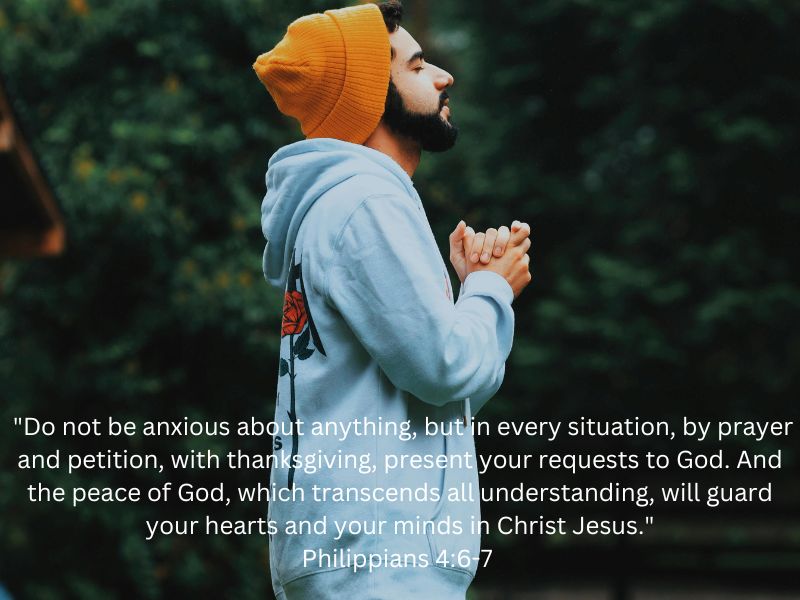
   Prayer is our lifeline to God. In moments of overwhelming emotion, we can pour out our hearts to Him. Philippians 4:6-7 reassures us: “Do not be anxious about anything, but in every situation, by prayer and petition, with thanksgiving, present your requests to God. And the peace of God, which transcends all understanding, will guard your hearts and your minds in Christ Jesus.”

   Regularly meditating on Scripture can also help. Psalm 147:3 tells us, “He heals the brokenhearted and binds up their wounds.” By anchoring ourselves in God’s promises, we allow His truth to permeate our minds and soothe our souls.

2. Wise Counsel and Therapy

   Proverbs 11:14 says, “Where there is no guidance, a people falls, but in an abundance of counselors there is safety.” Seeking wise counsel from trusted friends, pastors, or professional therapists can provide the support and strategies needed to navigate the healing process.

   Therapy can offer tools to manage triggers and develop healthier coping mechanisms. It’s not a sign of weakness but a step towards wholeness.

3. Breaking Generational Curses

   Abuse can sometimes stem from generational patterns of behavior. Recognizing this and choosing to break the cycle is vital. Exodus 20:5-6 speaks to God’s desire for us to overcome these generational sins: “I, the Lord your God, am a jealous God, punishing the children for the sin of the parents to the third and fourth generation of those who hate me, but showing love to a thousand generations of those who love me and keep my commandments.”

   By addressing these issues, we protect future generations from experiencing the same pain.

Living in Freedom

Emotional scars, if left unattended, can negatively affect our relationships, marriages, children, and friendships. The enemy wants us to believe that we are defined by our past, but Jesus offers us a new identity. In John 8:36, Jesus declares, “So if the Son sets you free, you will be free indeed.”

1. Cultivating Healthy Relationships

   Romans 12:18 advises, “If it is possible, as far as it depends on you, live at peace with everyone.” This involves forgiving those who have hurt us and seeking healthy, supportive relationships that reflect God’s love.

2. Sharing Your Story

   Revelation 12:11 reminds us of the power of our testimony: “They triumphed over him by the blood of the Lamb and by the word of their testimony.” Sharing your story can be a source of healing for yourself and others. It breaks the silence and brings light to the darkness of abuse.

3. Trusting God’s Plan

   Jeremiah 29:11 offers a promise of hope: “‘For I know the plans I have for you,’ declares the Lord, ‘plans to prosper you and not to harm you, plans to give you hope and a future.'” Trusting in God’s plan, even when the path is painful, allows us to walk in faith and confidence.

Healing emotional scars is a journey that requires time, patience, and the right resources. As believers, we have the profound assurance that God is with us every step of the way. Through prayer, wise counsel, therapy, and the support of our faith community, we can find healing and freedom from the past.

May we always remember that our scars, while they may never fully disappear, can become testimonies of God’s incredible grace and healing power. As we navigate this journey, let us cling to the promise in Isaiah 41:10: “So do not fear, for I am with you; do not be dismayed, for I am your God. I will strengthen you and help you; I will uphold you with my righteous right hand.” With God’s help, we can overcome the past and step into the abundant life He has promised us.

Don’t forget to subscribe to our podcast Thrive by The Rising Muse

Overcoming Ego for Spiritual Growth: A Christian Perspective

In the pursuit of spiritual growth, Christians often face the significant challenge of overcoming the ego. The ego, our sense of self-importance and individual identity, can be an obstacle to deeper faith and communion with God. By embracing humility and selflessness, Christians can transcend the ego, drawing closer to the divine. This blog post explores the Christian approach to overcoming ego, supported by scripture and practical steps for spiritual growth.

In Christianity, the ego represents our self-centered nature, often manifesting as pride, arrogance, and selfishness. The Bible consistently warns against these traits, highlighting the importance of humility and self-denial. Jesus’ teachings and the writings of the apostles provide clear guidance on how to manage and overcome the ego.

The Bible addresses the dangers of ego and the virtues of humility extensively. One of the most profound teachings comes from Jesus Himself:

“Whoever wants to be my disciple must deny themselves and take up their cross daily and follow me. For whoever wants to save their life will lose it, but whoever loses their life for me will save it.” – Luke 9:23-24

This passage emphasizes the need to deny the ego, symbolized by taking up the cross, to follow Christ truly. The call to self-denial is a call to let go of personal pride and selfish desires.

The apostle Paul also speaks about the importance of humility in his letters:

“Do nothing out of selfish ambition or vain conceit. Rather, in humility value others above yourselves, not looking to your own interests but each of you to the interests of the others.” – Philippians 2:3-4

Paul’s message underscores the Christian ideal of putting others first, a direct challenge to the ego-driven mindset.

The ego can impede spiritual growth in several ways:

  1. Pride: Pride leads us to believe we are self-sufficient and superior to others, diminishing our reliance on God and separating us from Him.
  2. Selfishness: An ego-centric life focuses on personal gain rather than serving others, contrary to the teachings of Christ.
  3. Resistance to Change: The ego resists humility and self-examination, hindering our willingness to grow and transform spiritually.

Practical Steps to Overcome the Ego

  1. Practice Humility: Embrace humility by recognizing that all good things come from God. Regularly remind yourself of God’s greatness and your dependence on His grace. “Humble yourselves before the Lord, and he will lift you up.” – James 4:10
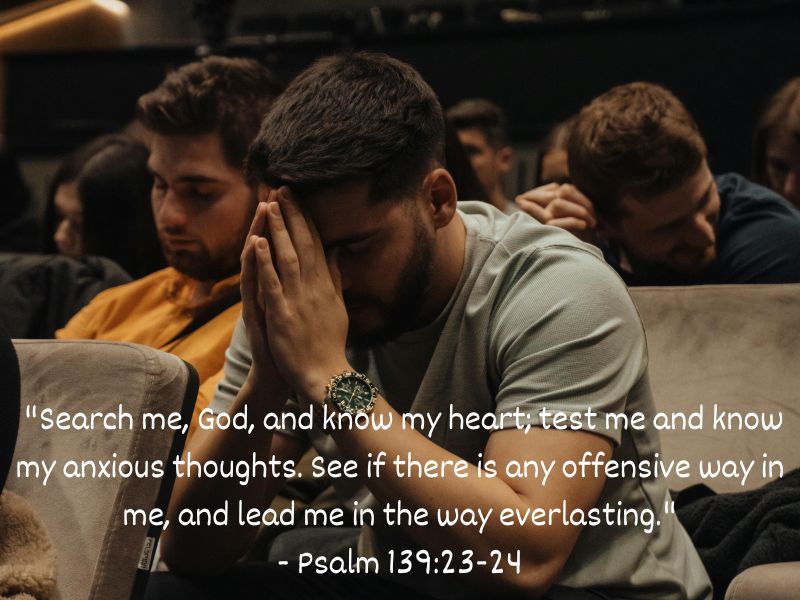
  2. Engage in Self-Reflection: Reflect on your thoughts and actions to identify where ego might be influencing you. Prayer and meditation can be powerful tools for self-examination. “Search me, God, and know my heart; test me and know my anxious thoughts. See if there is any offensive way in me, and lead me in the way everlasting.” – Psalm 139:23-24
  3. Serve Others: Actively seek opportunities to serve others. Acts of kindness and service help shift focus from self to others, aligning with Christ’s teachings. “For even the Son of Man did not come to be served, but to serve, and to give his life as a ransom for many.” – Mark 10:45
  4. Seek Forgiveness and Reconciliation: Acknowledge your faults and seek forgiveness from God and others. This practice humbles the ego and fosters spiritual growth. “Therefore confess your sins to each other and pray for each other so that you may be healed.” – James 5:16
  5. Cultivate Gratitude: Regularly express gratitude to God for His blessings. Gratitude shifts focus away from what we lack or desire, reducing the ego’s grip. “Give thanks in all circumstances; for this is God’s will for you in Christ Jesus.” – 1 Thessalonians 5:18

Overcoming the ego is essential for true spiritual growth in the Christian faith. By embracing humility, selflessness, and service, Christians can align themselves more closely with God’s will. As we surrender our ego, we open our hearts to the transformative power of God’s grace, leading to deeper spiritual fulfillment and a closer relationship with Him.

In the words of Jesus:

“Blessed are the meek, for they will inherit the earth.” – Matthew 5:5

May we all strive to overcome our egos, fostering a spirit of humility and love in our journey with Christ.

Until next time, be blessed. Don’t forget to subscribe to our channel