
Have you ever felt like your story was over because of mistakes or hardships? Perhaps you’ve wondered if there’s any hope for a fresh start after experiencing failure. If so, you’re not alone. Many of us have faced moments of despair, but the message of Easter offers a powerful reminder: no matter your past, a new beginning is always possible. In this post, we explore how faith, resilience, and God’s grace open the door to second chances, transforming brokenness into growth and hope.
Embracing the Truth: Your Story Isn’t Over
Easter is often seen as a celebration of resurrection—a miracle that signifies hope and renewal. But beyond the historical event of Jesus rising from the dead, Easter also symbolizes that our personal stories are still being written. As one speaker beautifully put it, “Your story isn’t over,” and this truth can be a lifeline when we feel stuck or overwhelmed by our mistakes. Think about Mary, the mother of Jesus. She carried her child through pregnancy, raised him, and watched him undergo unimaginable suffering. Despite her pain, she witnessed the ultimate victory—her son’s resurrection. Her story didn’t end in grief; it was a testament to perseverance and hope. If Mary’s story can continue beyond heartbreak, so can yours.
Key takeaways
- No matter what you’ve been through, your narrative can still include chapters of redemption and growth. God’s grace enables us to rewrite our stories, no matter how dark the past.
- When you’re struggling, pray the honest prayer, “God, help my unbelief.” Trusting in God’s presence and purpose, despite your doubts, is a form of real faith.
- Faith isn’t the absence of doubt but a decision to trust God even when life feels uncertain or painful.
- Embrace the discomfort because it signifies progress. Growth is a process that requires grace, patience, and persistence.
- Speak to yourself with kindness. Treat yourself as you would a dear friend who’s healing and growing.
- Giving yourself grace is essential for healing and embracing the second chances God provides.
- God’s grace isn’t just for salvation but for everyday renewal. It’s accessible, abundant, and available whenever you’re ready to accept it.
Living the Second Chance: Practical Steps
To apply this powerful truth to your life, consider these steps:
- Be honest with yourself about where you are. No judgment, just acknowledgment.
- Lean into your faith—even if it’s just small prayers like “God, I trust You.”
- Practice grace—for yourself and others. Remember, healing takes time.
- Embrace the second chance by letting go of past mistakes. You are not your past; you are who you are becoming.
Reflect on your testimony: where you were, what you’ve overcome, and where you’re headed. Choose to leave behind guilt and shame—give them over to God—and step into the newness He offers.
Remember
: God’s love is greater than your failures, and His grace is always enough for a new beginning.
Final Reflection: Your Reset Button Is Always Within Reach
This Easter, remember that the resurrection isn’t just a historical event—it’s a daily invitation for renewal. No matter how broken you feel or how many times you’ve stumbled, God’s grace is waiting for you to accept it. You are worthy of healing, growth, and a fresh start. So, take hold of your second chances. Trust the process, lean into faith during the hard times, and extend grace to yourself as you move forward. Your story isn’t over; it’s just beginning again.
FAQs
Can I truly start over after making big mistakes? Absolutely. God’s grace makes every new beginning possible. As 2 Corinthians 5:17 reminds us, “The old has gone, the new is here.”
How do I keep faith when I feel like giving up? Focus on small prayers and trust that God is working beneath the surface. Remember, perseverance produces character and hope.
Why does growth often feel painful? Growth involves breaking down old beliefs and habits, which can be uncomfortable or chaotic before new strength emerges.
Is grace only for others or also for myself? Grace is for everyone, including you. You deserve forgiveness and second chances just as much as anyone else.
How do I accept God’s gift of a second chance? Start by honest reflection, prayer, and releasing guilt. Accept His love and step into the new chapter He’s offering.
In Closing
This Easter, let the message of resurrection inspire you to embrace second chances, trust God’s timing, and walk boldly into your future. Remember, your story is still being written—and with God’s grace, it’s a story of hope, growth, and renewal.
Discover how Easter reminds us that second chances are possible through faith, grace, and ongoing growth, empowering you to rewrite your story regardless of past mistakes.


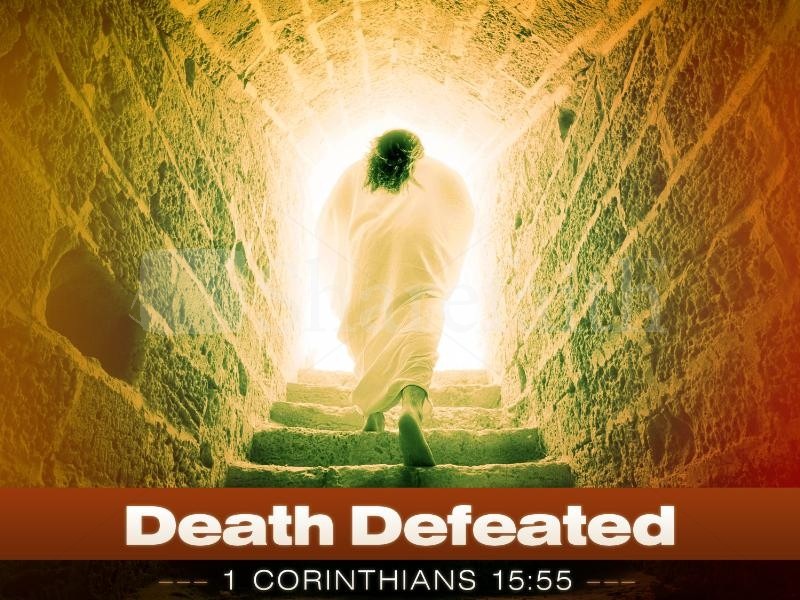
 our sins, but didn’t stay dead, but conquered the grave to provide us with salvation and a new life. There are times when you don’t feel like you are living that life. You see others succeeding around you and here you are, serving the Lord and not getting what you believe to be rightfully yours.
![clip_image002[1]](https://therisingmuse.com/wp-content/uploads/2013/03/clip_image00211.png "clip_image002[1]")




 Sunday night I watched for the second time “The Passion of Christ” I still can’t get over all the things Jesus went through for our salvation. Watching the movie I was looking at those mocking him and when he was almost without strength kept beating on him and I admit I thought He’s God, he has the choice to say “you know what I’m done with all of you” Get up, kill them all and go home; but he didn’t.
 On the other hand, from my years in church and annual “Good Friday” movies, I never saw rabbits, bunnies, hens or eggs related to the cross of Jesus Christ. Where did this come from? I’ve asked around and nobody seems to have an answer. After much searching, my good friend Google finally led me to my answer, several articles and web pages about the traditions of Easter.
 blooming of flowers in the spring time. There was an abundance of eggs during this time as eggs were not part of their diets during the Lenten season. The eggs were boiled for preservation purposes.
 Naty Matos