Navigating the Silent Battles: Mental Health and Breast Cancer

In the heart of Breast Cancer Awareness Month, we delve into the often-overlooked mental health challenges faced by those battling breast cancer and their caregivers. This journey is not just about survival but also about managing the silent battles of anxiety, depression, and fear that accompany the physical fight. Join us as we uncover these stories and insights in our latest episode.

The Unseen Struggles: Breast cancer is a formidable opponent, affecting one in eight women in the U.S.

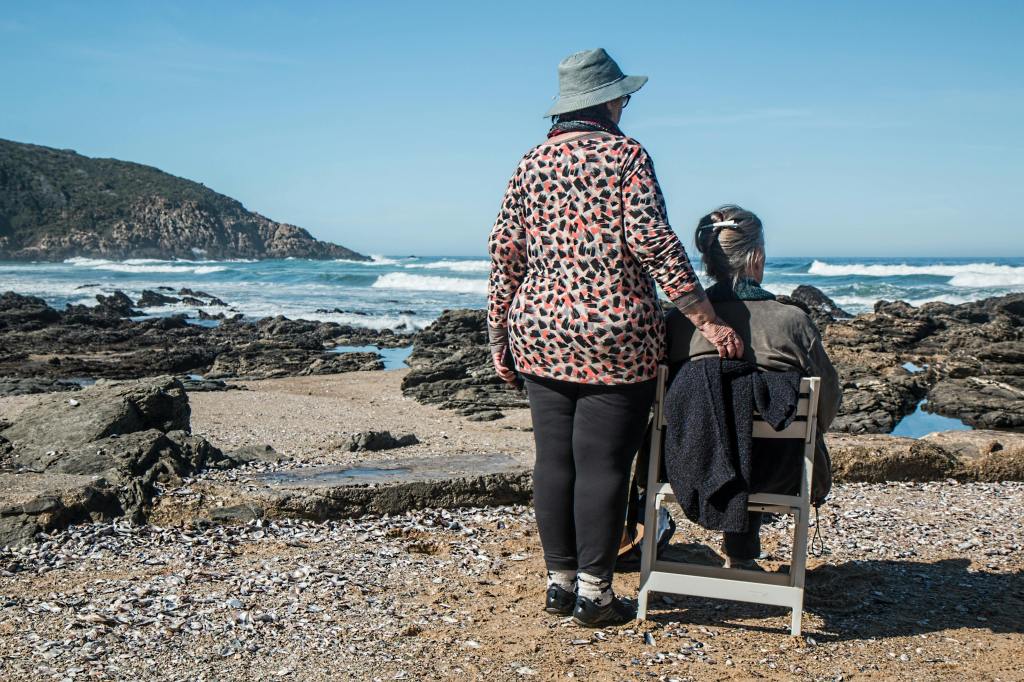
While treatment advances have improved survival rates, the mental health toll remains significant. Patients often grapple with “chemo brain,” body image issues, and the constant fear of recurrence. Caregivers, too, bear a heavy burden, juggling medical appointments, emotional support, and their own mental health. Discover personal stories and expert advice in our episode.

Journaling, support groups, and therapy are vital tools for managing mental health. Movement, even gentle exercises, can offer healing. For caregivers, self-care is crucial. As one caregiver shared, “You can’t pour from an empty cup.” Taking time for oneself is not selfish but necessary to provide quality care. Learn more about these coping strategies in our discussion.

Faith can be a powerful anchor, offering hope and strength. Community support, whether through churches or peer groups, provides a network of care and understanding. As one participant noted, “Faith doesn’t erase the pain, but it gives us an anchor.” Hear more about the role of faith in our episode.

Breast cancer is a journey of both physical and emotional healing. By acknowledging and addressing the mental health challenges, we can better support those affected. Remember, healing is not just physical; it’s emotional and spiritual. Let’s continue to raise awareness and support each other in this journey.

Don’t miss our latest episode of Thrive by the Rising Muse, where we dive deep into these topics with heartfelt stories and expert insights. Subscribe now and join the conversation. Together, we can navigate these challenges and thrive.

The Heart of Caregiving: A Journey of Love, Challenges, and Resilience

By Veda Green

I was a caregiver for years for my mom, and it was one of the most challenging yet rewarding roles I’ve ever taken on. My mom faced a series of serious health issues, including colon cancer, uterine cancer, multiple surgeries to remove several feet of her intestines, and around five ankle surgeries. Yes, that’s a lot of surgeries!

When she was diagnosed with uterine cancer, I was in the 12th grade. Thankfully, I was 16 and had my driver’s license, which allowed me to help in ways I might not have been able to otherwise. I still remember her coming home after surgery and navigating the many steps to our front door. To ease the pressure on her stomach, she had to walk up the steps backward—a vivid image of her determination and resilience. Her husband, my stepdad, supported her during that time, but I was there for the other surgeries and recoveries.

Sometimes she stayed with me, and other times I stayed with her. Since it was just me and my younger brother, it made sense for me to take on the role of caregiver. I won’t sugarcoat it—caregiving is physically and mentally exhausting. But for me, it was a deeply personal and meaningful experience. I already loved her, and that made it special.

For professional caregivers who work with strangers—elderly or ill individuals—they demonstrate an extraordinary heart and the spirit of mercy. It takes a unique kind of person to step into someone else’s world, tending to their bathing, wound care, feeding, medication, and hygiene, all while offering compassion. It’s more than just physical care—it’s about bringing comfort and joy to someone in need.

One of the moments I’ll never forget is when my mom developed blood clots after a surgery. She became incredibly weak and struggled to breathe. The doctors discovered she had a pulmonary embolism—blood clots in her chest. One nurse, after returning from the weekend, reviewed her chart and said, “You should be dead!” I knew she was very ill, but hearing that shook me to my core.

Desperate to lift her spirits, I borrowed my niece’s DVD player and brought over the movie Welcome Home Roscoe Jenkins. When I pressed play, it was like all her pain and troubles disappeared for 90 minutes. We laughed so much, and she cried, saying, “I needed this!” That moment reminded me of the healing power of laughter and connection.

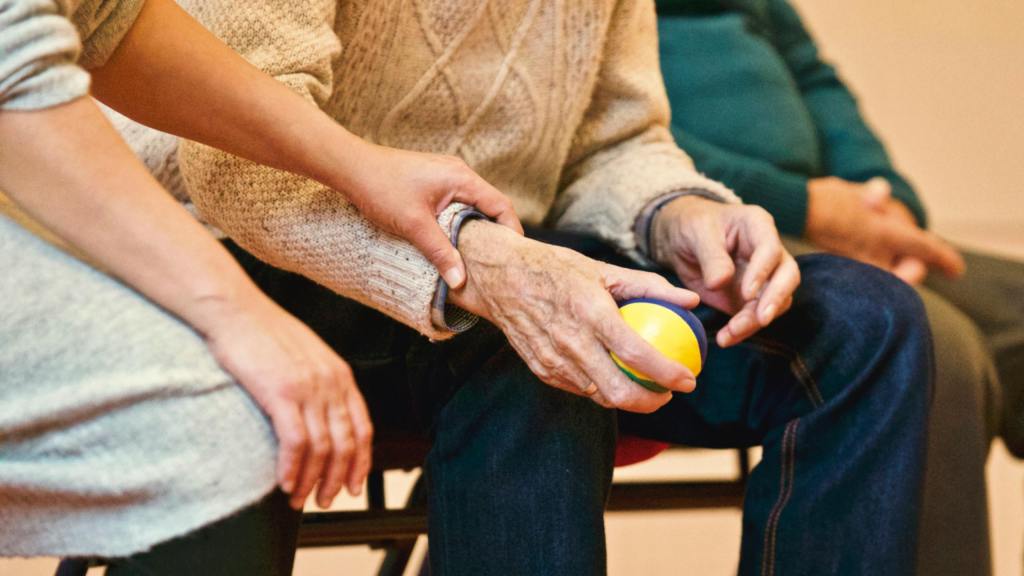
Another memory stands out from when her intestines collapsed, requiring surgery to remove the damaged section and resect her intestines. To prevent further complications, the doctors inserted drainage tubes in her stomach. These tubes had small balls on the ends to collect excess blood, which I had to measure and record several times a day.

One day, as I drained the tubes, I joked with her, “I’m going to write a book and call it My Mom’s Got Balls!” She laughed so hard, and in that moment, we forgot about the stress and pain. She later told me that having me by her side brought her joy, and I firmly believe that joy and laughter contributed to her healing.

Caregiving isn’t just about meeting someone’s physical needs. It’s about going the extra mile—finding ways to bring joy, create smiles, and distract from the pain. Whether it was watching movies, playing games, or simply sitting and talking, I constantly thought about how to keep her spirits high. By the end of each day, I would collapse into bed, completely spent, but knowing I had given her my all made it worth every effort.

Caregiving, whether for a loved one or a stranger, is often described as one of the most selfless and rewarding roles a person can take on. However, it also comes with significant emotional challenges that are often overlooked. Let’s explore the emotional hurdles caregivers face and how they can navigate them.

The Emotional Weight of Caregiving

Caregivers bear an immense amount of responsibility, juggling appointments, medication schedules, and daily tasks while providing emotional support. This can be overwhelming and lead to anxiety, as caregivers constantly worry about doing enough or making the right decisions.

The Emotional Rollercoaster

Caregiving is an emotional rollercoaster, filled with highs of joy and connection but also lows of frustration, sadness, and grief. Watching a loved one struggle or decline in health can be heartbreaking, and many caregivers experience “caregiver burnout,” characterized by exhaustion and helplessness.

Isolation and Loneliness

Caregiving often limits social interactions, leading to feelings of isolation. Many caregivers hesitate to share their struggles, fearing they’ll burden others or be misunderstood. This isolation can exacerbate feelings of depression and anxiety, creating a vicious cycle that’s difficult to break.

Guilt and Self-Doubt

Guilt is a constant companion for many caregivers. They may feel selfish for taking time for themselves or doubt whether they’re doing enough. Questions like “Am I making the right decisions?” weigh heavily, adding to their emotional strain.

The Importance of Self-Care

Despite these challenges, self-care is vital. Caregivers often neglect their own needs, but recharging is essential to providing effective care. Practices like mindfulness, exercise, and seeking support from friends or counselors can help alleviate the burden. Support groups also offer a safe space for caregivers to share experiences and feel less alone.

Finding Balance

Balancing caregiving responsibilities with personal well-being requires setting boundaries and recognizing limits. By prioritizing their own health, caregivers can better support their loved ones without sacrificing themselves in the process.

Conclusion

Caregiving is a journey filled with love, but it’s also laden with emotional challenges. Recognizing these struggles is the first step toward creating a supportive environment for caregivers. By fostering open conversations and encouraging self-care, we can help caregivers navigate this complex and demanding role. After all, caregivers deserve care, too.


The Power of a “Girl Dad”: A Tribute to Fatherhood

By Veda Green

Fatherhood is a cornerstone of a child’s development, providing stability, love, and guidance that are essential for growing into well-rounded adults. This isn’t just about being a father to boys; girls also need strong, loving father figures in their lives. The story shared here reflects the deep impact a “girl dad” can have, highlighting the vital role fathers play in nurturing their daughters.

My Story: The Importance of a Girl Dad

I needed a girl dad. But my dad was not able to fulfill that need. He served in the United States Army and fought in the Vietnam War in 1963. When he returned, his body was the same, but his mind wasn’t. Initially, this wasn’t evident, but the signs of his mental struggles gradually surfaced. My mom spent years making excuses and denying the physical and mental abuse. It wasn’t until I told her that dad was abusing me that she decided to leave him and filed for divorce. My childhood was horrible, and my teenage years were tough.

I needed a girl dad. I needed a dad who loved me the way that God designed a father and daughter’s relationship. I needed a dad who would make me feel safe inside and outside of our home. I needed bedtime stories, pretending to drink tea with my tea set, falling asleep in his lap, running to him when I was scared or sad, and playing with me while teaching me how I was supposed to be treated and not settling for less. Unfortunately, I didn’t have that. But there was a “ram in the bush.”

My granddaddy stepped in and showed me what I needed looked like. He was a big man, tall and wide, with dark chocolate skin and the longest, most beautiful eyelashes. I wished they were mine. He had a big presence but was a gentle soul. He never laid his hands on grandma in anger. When he got upset, he would get his baseball cap hanging on the back door knob and go walking or sit on the front porch in his favorite chair. Grandma did all the yelling in the house at granddad, but I never heard him raise his voice to her.

Whenever I went to their house and he was sitting on the porch, I would give him what he called “my daily duty.” That was a big kiss on his cheek and a big hug! I felt so safe when I was with my granddaddy. The coolest thing was when I kissed him, money fell out of his pocket. It was like magic! He told me that I gave such good kisses and hugs that it made the change fall out of his pocket.

My mom would tell me how he treated her when she was growing up. Mom told me the story about when she started her menstrual cycle. When she told grandma that she had started, grandma fainted! I laughed so hard! Then she told me that granddaddy was the one who showed her how to wear her sanitary pads. Back in the 50s, pads were worn with a belt securing the front and the back. “I know, right? Thank God for adhesive tape.” She told me he would take their socks and open the oven door to warm them up. So when they put them on a cold winter morning, they would be nice and toasty.

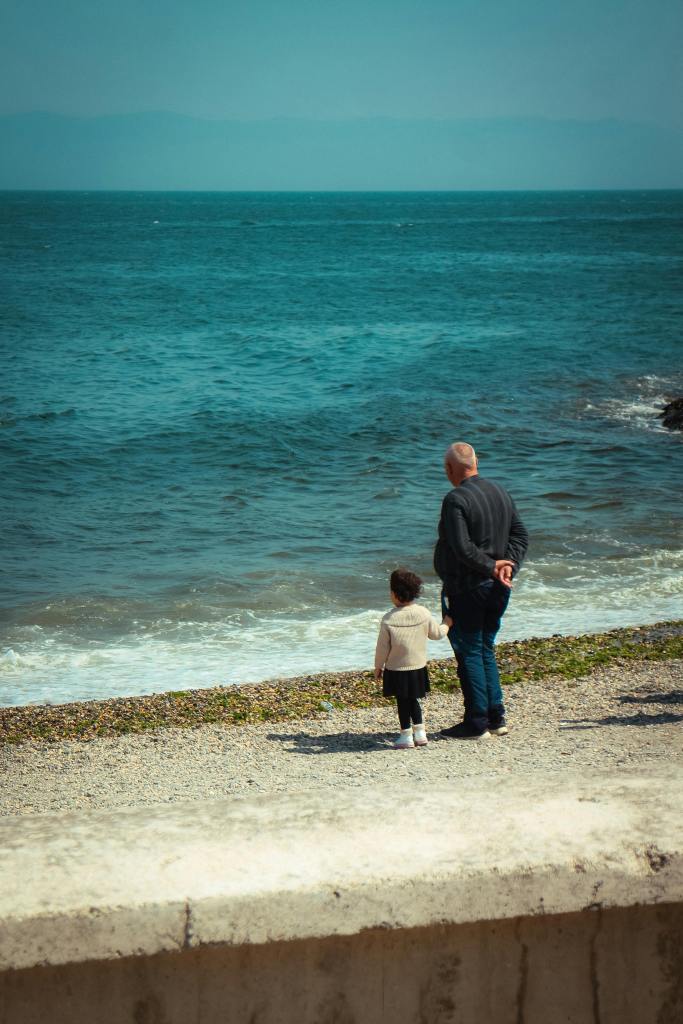
These are just a couple of the many stories they had about my granddad and what a wonderful father he was. I used to say I wanted to marry a man like granddaddy. I loved the way he took care of not only grandma but his two daughters and one son. He would make sure that they were dressed nicely while he wore old coveralls to church. Even when mom and Auntie Ann became adults, they still loved on their dad, and he loved on them. I’m so glad that I had my granddaddy to show me how I was supposed to be treated and how to treat others with love and respect. I pray that you were blessed with a girl dad (whether it’s your dad, step-dad, granddad, uncle, or brother). I needed a girl dad, and God gave me one—my granddaddy!

Why Fathers Matter?

For Boys

Fathers play a crucial role in shaping their sons’ lives. Boys often look to their fathers as role models, learning how to navigate the world through their guidance. Fathers teach boys about respect, responsibility, and how to treat others. Studies have shown that boys who grow up with involved fathers are less likely to engage in risky behaviors and more likely to perform well academically.

For Girls

The role of a father in a girl’s life is equally significant. Fathers provide a sense of security and set the standard for how girls expect to be treated by others, particularly men. A positive father-daughter relationship can boost a girl’s self-esteem and confidence. Girls with active, loving fathers are more likely to develop healthy relationships and have a better sense of self-worth.

Fatherless homes have become an increasing concern in society. Statistics reveal the stark realities of growing up without a father. Children from fatherless homes are more likely to experience poverty, behavioral problems, and academic challenges. According to the National Fatherhood Initiative, children in father-absent homes are almost four times more likely to be poor, and girls are seven times more likely to become pregnant as teens.

The Bible provides clear guidance on the role of fathers. Ephesians 6:4 says, “Fathers, do not provoke your children to anger, but bring them up in the discipline and instruction of the Lord.” This scripture emphasizes the importance of nurturing and guiding children with love and patience. Proverbs 22:6 adds, “Train up a child in the way he should go; even when he is old, he will not depart from it,” underscoring the long-lasting impact of a father’s guidance.

In conclusion, fathers are indispensable in the lives of their children, whether they are sons or daughters. They provide the love, support, and guidance necessary for children to grow into confident, respectful, and successful adults. The story of my granddaddy is a testament to the profound influence a “girl dad” can have, demonstrating that even if a biological father cannot fulfill his role, other father figures can step in to provide the care and support every child needs.

Remember to subscribe to our podcast, Thrive by The Rising Muse for topics related to faith, family and mental health.