The Unseen Strength of Martin and Coretta King: A Journey of Resilience

In the heart of the civil rights movement, Martin Luther King Jr. and Coretta Scott King stood as pillars of strength and resilience. Their journey was not just about public speeches and marches. It was a deeply personal struggle. They faced constant threats and endured the emotional toll of leadership. Coretta, often seen as a supportive figure, was in fact a stabilizing force, managing fear and maintaining composure midst chaos.

The psychological impact of their roles was profound. Living under the threat of violence, their home became a place of hypervigilance, where every sound carried meaning. Yet, their love and commitment to their mission never wavered. They taught us that courage is not the absence of fear, but the decision to continue despite it.

Their story is a testament to the power of partnership and the enduring human spirit. It reminds us that change is not made by those who are unbroken, but by those who continue anyway.

Subscribe now to explore more stories of resilience and courage.

Watch our full episode by clicking here

When Love Meets Uncertainty: Standing in Faith After 40 Years Together

Forty years. More than four decades of holding hands through every chapter of life—raising children, building careers, weathering storms, laughing until tears fell, and learning from one another in ways no one else ever could. After that much time with someone, they become more than a spouse. They are your rhythm, your safe place, your steady.

And then suddenly… they’re in a hospital bed. All the strength they carried for years feels a world away.

For so long, I watched him work 16-hour shifts, seven days a week. I saw him stand strong—providing, protecting, and pouring himself out without complaint. He was dependable, resilient, unshakable—my earthly rock. And now, in this new season of retirement—when we imagined rest, travel, peace, and quiet—we’re facing battles we never saw coming: spiritual attacks, physical assaults on his body, weakness where there once was strength.

And the truth is…

It does something to your heart.

The Thoughts No One Wants to Admit

When your spouse is hospitalized, your mind becomes a battlefield.

What if he doesn’t recover the same?
What if this is the beginning of another long fight?
Will he be okay?
Will I have the strength to care for him the way he cared for us for so long?
Will God give us more time together?

No matter how old we get, no matter how many anniversaries we’ve celebrated…

It’s never enough time.

Not when you love someone this deeply.

You begin replaying memories—young love, early mornings, late-night conversations, road trips, holidays, and the moments that shaped your life together. You hold his hand tighter, noticing the warmth, the pulse, the gift of breath. And in the quiet moments between doctor visits and lab results, there’s a whisper in your spirit:

“Lord, I trust You. Even in this.”

When Faith Becomes More Than Words

It’s easy to say “God is good” when life feels steady. It’s different when fear presses on your chest in a hospital room.

But this is exactly where faith becomes real.
Where trust becomes a choice.
Where love deepens beyond comfort.

Psalm 73:26 reminds us:

“My flesh and my heart may fail,
but God is the strength of my heart
and my portion forever.”

Even when bodies grow weak, God’s strength does not.
Even when hearts feel fragile, His hands hold everything together.

Choosing Trust in the Middle of the Unknown

I don’t know what tomorrow holds. I don’t know how long we will have together. I don’t know what this season will require from me—or from him.

But here’s what I do know:

God has been faithful for every one of these 40+ years.
He has walked with us through storms, disappointments, and miracles.
He carried us when we didn’t know how to move forward.

And I know—deep in my soul—that He is carrying us now.

So I choose trust.

Trust that God will strengthen his body.
Trust that God will equip me to care for him.
Trust that God is not finished with our story.
Trust that love is stronger than fear.
Trust that whatever time we are given—whether many more years or just one more precious day—God will be in the midst of it.

Still Standing on His Promises

In this season, I hold tightly to Isaiah 41:10:

“Fear not, for I am with you;
be not dismayed, for I am your God.
I will strengthen you, I will help you,
I will uphold you with My righteous right hand.”

And so, even here—in hospital halls and waiting rooms—I stand on His promises, trusting that the same God who carried us through forty years is faithful to carry us through this one.

V. Green

Stepping Forward in Faith

There comes a moment in every season of life when standing still becomes more painful than moving forward. Change knocks—sometimes gently, sometimes like a storm—and we are left with a choice: resist it in fear or embrace it in faith.

Moving forward doesn’t mean forgetting where you’ve been; it means trusting God with where you’re going.

“Faith is taking the first step even when you don’t see the whole staircase.” — Martin Luther King Jr.

Trusting God When the Path Is Unclear

Trusting God is easy when life makes sense. It becomes harder when prayers feel unanswered, doors close without explanation, or the future looks unfamiliar. Yet Scripture reminds us that God’s faithfulness is not dependent on our understanding.

“Trust in the Lord with all your heart and lean not on your own understanding; in all your ways submit to Him, and He will make your paths straight.” — Proverbs 3:5–6 (NIV)

When we surrender control, we discover peace. God sees the full picture—every detour, every delay, and every breakthrough. What feels like an ending may actually be a divine redirection.

“God never wastes a season of your life. What feels like loss is often preparation.”

Embracing Change Without Fear

Change can feel uncomfortable because it stretches us beyond what is familiar. But growth never happens in comfort zones. God often uses change to refine our character, strengthen our faith, and reposition us for a greater purpose.

“See, I am doing a new thing! Now it springs up; do you not perceive it?” — Isaiah 43:19 (NIV)

Sometimes God changes our surroundings so He can change our hearts. Letting go doesn’t mean losing; it means making room for what God is building next.

“Change isn’t the enemy—fear is. Faith transforms uncertainty into opportunity.”

Becoming a Better Version of Yourself

Becoming a better version of yourself isn’t about perfection; it’s about transformation. It’s allowing God to shape you day by day through prayer, obedience, and perseverance.

“Do not conform to the pattern of this world, but be transformed by the renewing of your mind.” — Romans 12:2 (NIV)

Growth requires honesty—about what needs healing, what needs releasing, and what God is calling you to become. Every step forward, no matter how small, is progress.

“You are not becoming someone new; you are becoming who God always intended you to be.”

Moving Forward With Hope

Moving forward doesn’t erase the past—it redeems it. God uses every chapter of your story to prepare you for the next. Even when you feel uncertain, His promises remain sure.

“Being confident of this, that He who began a good work in you will carry it on to completion.” — Philippians 1:6 (NIV)

So take the step. Release what was. Embrace what is. Trust God with what’s ahead. The journey forward may not be easy, but it will be worth it—because God is walking with you every step of the way.

“Your next season requires a stronger faith, a softer heart, and a willingness to move forward.”

Rediscovering Connection: Beyond the Screen in Military Life

In today’s digital age, it’s easy to feel connected through our screens, yet many of us, especially military spouses, still experience a profound sense of loneliness. This paradox is particularly challenging for those in military life, who often find themselves far from family and friends. In our latest episode, we explore the importance of stepping beyond digital connections to embrace real-life interactions.

The Challenge of Digital Connectivity in Military Life

Beth Runkle shares her insights on how the convenience of digital communication can sometimes fall short of fulfilling our deeper social needs. While social media and texting keep us in touch, they can’t replace the warmth of face-to-face interactions. For military spouses, who frequently relocate and face long deployments, the need for personal connections is even more critical.

The Lost Art of Hospitality

Hospitality is more than just inviting someone into your home; it’s about inviting them into your heart. Beth discusses how the pressure for perfection often prevents us from opening our doors. She encourages military families to embrace the imperfections of their homes and focus on the connections they can build with others.

Taking the Initiative in Military Communities

Loneliness is an epidemic that affects many, regardless of age or background. Beth highlights the importance of taking the initiative to make the first move in forming friendships. Whether it’s inviting someone for coffee or organizing a small gathering, these efforts can lead to meaningful relationships that enrich our lives, especially within military communities.

As we navigate the complexities of modern life, let’s remember that true connection goes beyond the screen. By fostering genuine relationships and practicing hospitality, we can combat loneliness and build a supportive community. For those in military life, these connections are vital. Let’s take the first step towards rediscovering the power of real-life connections.

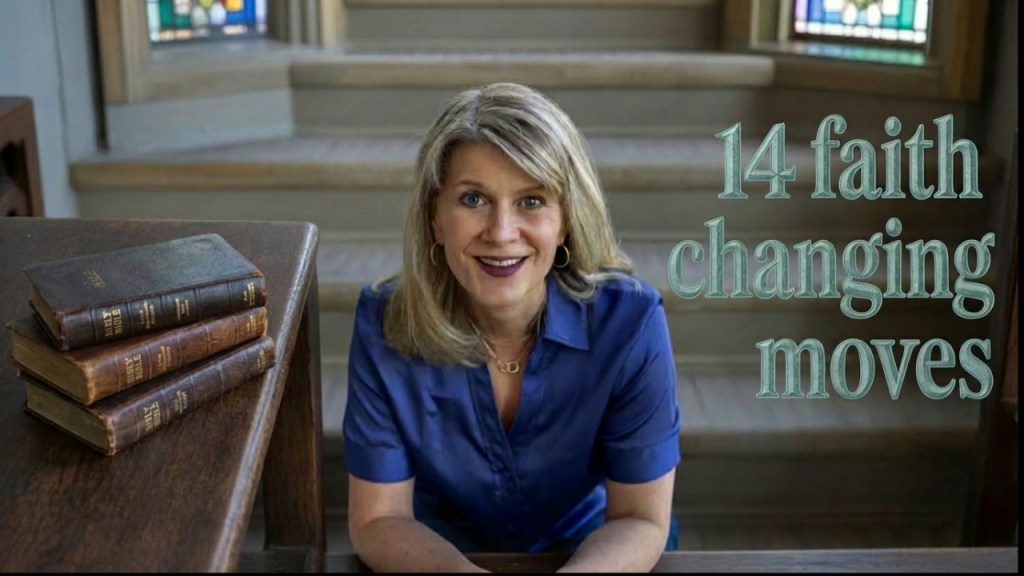
Beth Runkle is an author, speaker, and women’s ministry leader whose new devotional, Another Move, God? encourages military wives to embrace the life God’s called them to — even when that means constant change. After twenty-five years as a military wife, fourteen moves, and raising two children through four deployments, Beth learned that peace isn’t about control — it’s about trust. She and her husband now serve with Cru Military, mentoring young military couples and cadets.

Subscribe now to stay updated on our latest episodes and join us in exploring the transformative power of connection in military life. To listen to this conversation, click here:

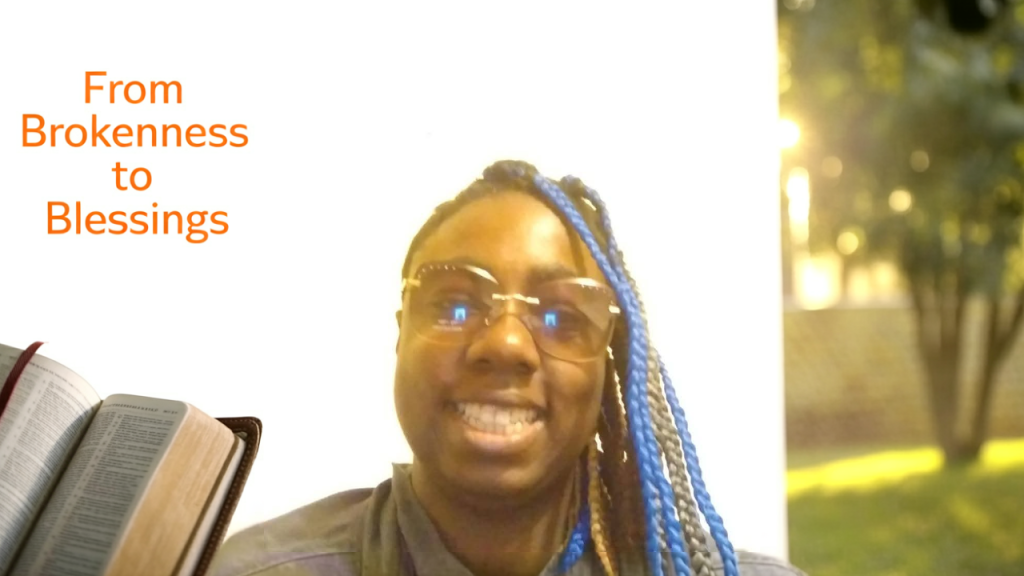
Finding Faith in the Wilderness: Shaazia Terry’s Journey

In a world where life’s challenges often seem insurmountable, Shaazia Terry’s story is a beacon of hope and resilience. Her journey, marked by profound loss and unwavering faith, offers a powerful testament to the transformative power of belief and perseverance.

Shaazia’s life took a dramatic turn with the loss of her mother, a period that tested her faith and strength. “I was like, God, no, I don’t understand this,” she recalls. Yet, through the darkness, she found a renewed purpose, using her voice and creativity to glorify God and inspire others.

Throughout her trials, Shaazia’s faith remained her anchor. “Even when nobody else sees you, God always sees you,” she shares, emphasizing the importance of holding onto faith even when life gives every reason to let go. Her story is a reminder that faith can carry us through the wilderness, turning our struggles into testimonies of grace and purpose.

Shaazia’s journey is not just about overcoming adversity; it’s about embracing humanity in all its imperfections. Her book, “Being Human,” explores themes of love, family secrets, and the power of forgiveness. “It’s not about being perfect,” she says. “It’s about giving God your best and trusting Him to guide you.”

Shaazia Terry’s story is a testament to the power of faith and resilience. Her journey reminds us that brokenness doesn’t disqualify us; it’s often the place where God begins His greatest work in us. As we navigate our own challenges, may we find inspiration in Shaazia’s story and hold onto the hope that faith provides.

Stay connected with us for more inspiring stories and insights. Subscribe to our blog and join our community as we explore the transformative power of faith and resilience.

The Transformative Power of Gratitude: A Thanksgiving Reflection

As Thanksgiving approaches, we often find ourselves reflecting on the blessings of the past year. But what if gratitude went beyond the dinner table and transformed our very way of living? In this episode of Thrive by the Rising Muse, Naty and Veda explore the profound impact of gratitude when it is intertwined with grace and mercy.

We are reminded that true gratitude isn’t just about acknowledging what we have; it’s about letting that thankfulness change how we see and treat others. They discuss the importance of extending grace, even when it’s inconvenient, and how this can lead to deeper, more meaningful relationships.

The episode delves into the concept of grace—giving others what they don’t deserve—and mercy—refraining from giving them what they do deserve. Naty shares personal stories that highlight the power of these virtues in transforming lives and fostering compassion.

Listeners are encouraged to let their gratitude be visible, to let it sound like grace, and to let it move like mercy. We’re challenged to embody the love and compassion that Thanksgiving represents, not just during the holiday, but every day.

This Thanksgiving, let’s make a conscious effort to let our gratitude transform us. By embracing grace and mercy, we can create a ripple effect of kindness and compassion in our communities. Tune in to this inspiring episode and discover how you can make your gratitude truly transformative.

Subscribe now to Thrive by the Rising Muse for more insightful conversations.

Breaking the Silence on Burnout: A Journey to Healing

In today’s fast-paced world, burnout is a silent epidemic affecting countless individuals. It’s more than just feeling tired; it’s a deep soul-level exhaustion that leaves us feeling empty and disconnected. In this episode of Thrive by the Rising Muse, Naty and Veda open up about the hidden struggles of burnout and share insights on how to recognize and heal from it.

Burnout isn’t just about being overworked. It’s the exhaustion that comes when you give more than you receive, when the balance between pouring out and being poured into disappears. It manifests as irritability, numbness, loss of motivation, and even spiritual silence. Recognizing these signs is the first step towards healing.

Rest is not laziness; it’s sacred. In faith circles, we’re often encouraged to push through, but sometimes strength looks like taking a step back. Naty emphasizes that rest is a holy practice, modeled by God Himself. It’s essential to release the guilt associated with rest and embrace it as a form of self-care and stewardship.

Burnout thrives where boundaries are missing. Saying ‘no’ is crucial for maintaining balance and preventing burnout. It’s important to prioritize your well-being and understand that you can’t pour from an empty cup. Setting boundaries allows you to serve others from a place of abundance rather than obligation.

In faith communities, burnout can be mistaken for a spiritual attack. However, it’s often a sign that you’re doing too much of the wrong thing for too long. Naty reminds us that God doesn’t call us to burn out; He calls us to balance. By reconnecting with ourselves and God, we can find the strength to overcome burnout.

Burnout doesn’t mean you’re broken; it means you’ve been carrying too much for too long without refills. Remember, you are still enough, still chosen, and still loved. Embrace rest as your right and take the necessary steps to heal. Subscribe now to continue this journey with us and discover more insights on thriving in life.

Subscribe now to our podcast for more episodes on mental health and spiritual well-being. Let’s walk this journey together and find balance in our lives.

When Love Hurts: Recognizing Unhealthy Relationship Patterns

In a world where love is often portrayed as the ultimate healer, what happens when it becomes the source of our deepest wounds? Join Naty and Veda in this eye-opening episode of “Thrive by the Rising Muse” as they delve into the complexities of unhealthy relationship patterns, offering insights that are both personal and universally relatable.

Naty shares her personal journey through friendships and relationships that left her questioning her worth and identity. From constant criticism to emotional manipulation, she highlights the subtle signs that often go unnoticed until it’s too late. “Love is supposed to heal, not hurt,” she reminds us, urging listeners to recognize the red flags in their own lives.

Through candid anecdotes and heartfelt reflections, they emphasize the importance of vulnerability in healing. She recounts moments of self-doubt and the courage it took to break free from toxic dynamics. Her story serves as a powerful reminder that true love builds up, rather than tears down.

This episode is not just about identifying problems but also about finding solutions. The hosts provide practical resources and support for those seeking to escape unhealthy relationships. She encourages listeners to reach out, share their stories, and embrace the healing journey.

Whether you’re navigating romantic relationships, friendships, or family dynamics, this episode offers a beacon of hope and a path to healthier connections. Tune in to “Thrive by the Rising Muse” and discover how you can step into a love that truly reflects God’s heart.

Don’t miss out on this transformative episode. Subscribe to “Thrive by the Rising Muse” and join a community dedicated to healing, growth, and thriving in love.

Unveiling the Hidden Scars: Understanding Spiritual Abuse

In a world where faith is often a source of strength, there lies a shadowy corner where it can be twisted into a tool of control. This episode of “Thrive by the Rising Muse” delves into the often-overlooked realm of spiritual abuse, a form of domestic violence that manipulates faith and scripture to dominate and silence. Join us as we explore the profound impact of this hidden abuse and the path to healing.

Spiritual abuse occurs when religious beliefs are weaponized to control or harm. It can manifest in intimate relationships, families, and even within religious institutions. The episode highlights how scripture is sometimes misused to justify mistreatment, leaving deep emotional scars. Naty and Veda share personal stories and insights, shedding light on the subtle yet damaging nature of this abuse.

Resources for Healing: For those seeking support, the episode offers valuable resources, including the National Domestic Violence Hotline and the Faith Trust Institute. These organizations provide guidance and support for survivors of spiritual abuse. Additionally, the episode encourages listeners to connect with survivor groups and rediscover their faith outside the abuser’s influence.

Conclusion: Spiritual abuse is a silent epidemic that thrives in the shadows. By bringing it into the light, we empower survivors to reclaim their faith and their lives. Watch the full episode to gain a deeper understanding of this issue and learn how to support those affected. Remember, you deserve a life filled with faith, healing, and abundance.

Watch the full episode on our YouTube channel and share it with someone who might need to hear this message. Let’s spread awareness and support each other in the journey towards healing. Subscribe now to stay updated on future episodes.

“When God Seems Silent: Navigating Spiritual Desolation”

In the quiet moments of our spiritual journey, we often encounter a profound silence that can feel both unsettling and enlightening. This silence, sometimes perceived as abandonment by God, invites us to explore the depths of our faith and the resilience of our spirit. On the most recent episode of Thrive by The Rising Muse, we discuss why this happens and how to overcome it.

Spiritual silence is a phase where the usual signs of divine presence seem absent. It’s a time when prayers feel unanswered, and the comforting sense of God’s presence is elusive. This silence can be a test of faith, urging us to seek deeper understanding and connection.

Feeling abandoned by God is a common experience during spiritual silence. It’s a period marked by doubt and questioning, where the absence of divine reassurance challenges our beliefs. Yet, this feeling can also be a catalyst for growth, pushing us to redefine our relationship with the divine.

Instead of resisting the silence, embracing it can lead to profound insights. This period of quiet can be an opportunity to listen more intently to our inner voice and to find strength in solitude. It encourages us to trust in the unseen and to find peace in the unknown.

Experiencing spiritual silence and feeling abandoned by God are integral parts of the spiritual journey. They teach us resilience, patience, and the importance of faith in the unseen. By embracing these moments, we open ourselves to deeper spiritual growth and understanding.

Subscribe Now:

Stay connected for more insights and reflections on your spiritual journey. Subscribe now to receive updates and new posts directly to your inbox.