SEE, EXPOSE, LOVE, FREE: The Journey to Inner Freedom

What if the thing holding you back wasn’t the trauma itself—but what you’ve been taught to believe about yourself because of it?

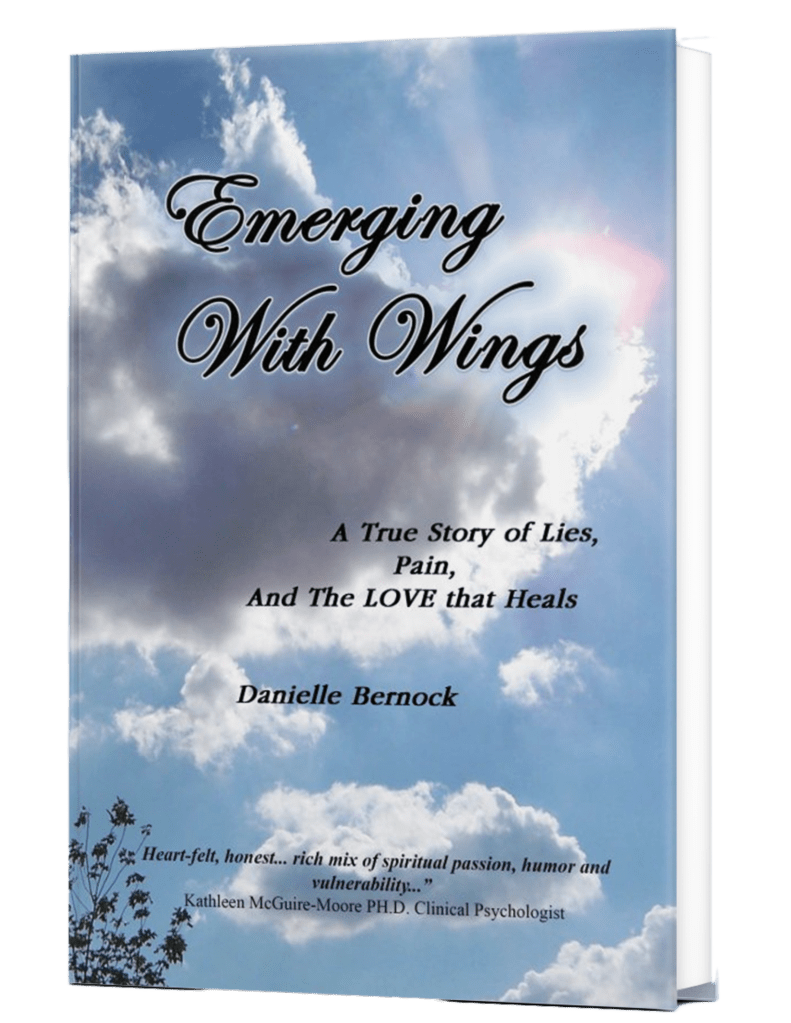
In our latest Thrive by The Rising Muse episode, we sit down with coach, author, and trauma survivor Danielle Bernock, whose story and method might just shift how you see healing… and yourself.

Danielle shares the heart and soul behind her S.E.L.F. method—SEE, EXPOSE, LOVE, FREE—and how it helps people step out of inner chaos and into ownership of their lives. We talk about spiritual trauma, childhood emotional neglect, identity, self-worth, boundaries, and the power of choosing you.

This episode is honest, layered, and deeply personal—for us and probably for you, too.

🎧 Whether you’re just starting your healing journey or deep in the work, this conversation will meet you where you are. With compassion. With clarity. With hope.

Spoiler: There’s even a taco named Gary. (Yes, really.)

Don’t miss this one. Tap in. Share it. Save it. Heal with us.

Danielle Bernock—a trauma survivor, coach, speaker, and the founder of 4F Media.
Danielle has helped countless people reclaim their worth, heal deep wounds, and walk in emotional and spiritual freedom. She’s also the author of books like Emerging With Wings, Because You Matter, and Love’s Manifesto. Her coaching method is called S.E.L.F.—SEE, EXPOSE, LOVE, FREE. It’s a four-part process that helps people come out of “inner chaos” and into clarity, healing, and ownership of their lives. To schedule a Discovery session with Danielle, click here. For her website, click here.

“That lady on the internet who loves you.”

🎙️ Available now on all major platforms.

Unlock the Secrets to Healing from Grief with Carolyn J. Murphy!

Are you struggling to move forward after loss, or perhaps supporting someone who is? You won’t want to miss this powerful episode of Thrive by The Rising Muse! This week, hosts Naty and Veda sit down with Carolyn J. Murphy—author, coach, and certified peer recovery specialist—who knows the depths of grief and the heights of healing.

In this episode, Carolyn shares her personal journey of loss, anger, and eventual transformation. Known as the “Mindshift Coach,” she reveals how shifting your mindset can be the key to unlocking emotional freedom. With profound insights from her book God, Why Did You Save Me?, Carolyn offers practical steps for those feeling stuck in grief and searching for a way out.

Whether you’re looking for tips on how to cope with grief, curious about how faith can carry you through dark times, or simply need some encouragement, this conversation will open your eyes to the possibility of healing. Carolyn reminds us that grief isn’t just about death—it’s about any kind of loss. And more importantly, it’s about finding purpose again.

Get ready for an episode filled with honesty, compassion, and wisdom. Carolyn’s message of hope is exactly what we all need to hear.


Highlights You Won’t Want to Miss:

  • How Carolyn learned to manage her grief after years of wearing a “mask.”
  • Why the first step to healing is giving yourself permission to grieve.
  • Practical strategies to break free from emotional cycles like anger and perfectionism.
  • The powerful role of faith and mindset in the recovery process.

To contact Carolyn

E-business card link: https://hihello.me/p/04d445a5-0f11-4815-9545-23287743ab43?sharer_id=UjMtyTW6SrQQUbmIMXt9U3caGTC3 (includes social media links)

Listening Sessions: https://payhip.com/FirmFoundationsCO

Mindfulness Practice Challenge: https://firm-foundations-co-llc.ck.page/15be6b2d67


Tune in now and take the first step towards healing. This conversation could be the spark that changes everything!


Catch the full episode of Thrive by The Rising Muse wherever you listen to podcasts or click on the picture below. Don’t forget to subscribe and share this episode with anyone needing it. Grief doesn’t have to keep you stuck—join us as we learn how to move forward together.


The Power of Preparation and Healing – Domestic Violence & Faith (Part 2)

In part two of our Thrive by The Rising Muse series on domestic violence, faith, and healing, we delve even deeper into the complexities of escaping abusive relationships. Joined again by trauma therapist Tabitha Westbrook, we uncover essential strategies for survival, including how to create a safety plan, the importance of finding your voice, and the power of faith in healing.

How Can You Prepare for the Unexpected?

Tabitha shares crucial tips on how to create a personalized safety plan—from where to safely store vital documents to the simple items that could make a world of difference in a crisis (like clean underwear and a toothbrush). But more than that, she emphasizes the importance of protecting yourself emotionally and spiritually during the process of leaving an abusive relationship.

Faith as a Guide Through Darkness

As we explore the role of faith, we discuss how churches can be a source of support, but also where they sometimes fall short. Tabitha doesn’t shy away from the difficult conversations, like reconciling faith with the harsh realities of abuse and understanding God’s true intentions when it comes to divorce and protection for the vulnerable.

Why This Episode is a Must-Listen

Whether you’re a survivor, a supporter, or just someone looking to learn, this episode is filled with actionable insights and heartfelt wisdom. From personal stories to professional advice, Tabitha’s passion for helping those affected by domestic violence shines through, offering hope and practical steps for anyone who may be in a dangerous situation.

Tabitha Westbrook, LMFT-S, LCMHC-QS, LPC-S, is a licensed therapist who helps people who have messy, funky pasts (and sometimes messy, funky presents) live amazing, empowered lives today. In addition to being a licensed counselor and supervisor, Tabitha is an EMDR Certified Therapist and Approved Consultant, Certified Sex Addiction Therapist, Certified Clinical Trauma Professional, and Certified Christian Trauma Care Provider. 

She’s the Founder & CEO of The Journey and The Process, a private practice with offices in North Carolina and Texas, specializing in complex trauma, with a focus on domestic abuse and coercive control. Tabitha is a nationally known expert and speaker on domestic abuse & coercive control, providing training to churches, therapists, and agencies. She also helps train domestic abuse advocates through Called to Peace Ministries’ faith-based advocacy training, and she co-facilitates the G5 Men’s Batterer Intervention Group. Tabitha is the author of the forthcoming book Body & Soul, Healed & Whole: An Invitational Guide to Healthy Sexuality After Trauma, Abuse, and Coercive Control.


Listen to part two of this compelling conversation on domestic violence, faith, and recovery now. Don’t forget to subscribe for more important discussions like this one, and share it with someone who might need to hear it.


If you or someone you know is in danger, please reach out to the National Domestic Violence Hotline at 1-800-799-7233 or visit thehotline.org. Help is available—you are not alone.


Domestic Violence, Faith & Healing (Part 1)

Are you ready to confront one of our most difficult yet vital conversations? In the latest episode of Thrive by The Rising Muse, we sit down with renowned trauma therapist Tabitha Westbrook for an unflinching look into domestic violence and its devastating impact on families, mental health, and faith.

The Darkness of Coercive Control

Too often, domestic violence is misunderstood or oversimplified. In this eye-opening episode, Tabitha walks us through the different, often invisible, forms of abuse like coercive control—where the victim’s freedom, identity, and autonomy are systematically stripped away. It’s not always about physical harm. As Tabitha explains, it’s the slow, methodical erosion of a person’s sense of self that can be just as, if not more, damaging.

Faith and the Journey to Healing

What role does faith play in both surviving and healing from domestic violence? As a survivor herself, Tabitha shares her deeply personal story of how God walked with her through the pain and ultimately called her to help others do the same. In this episode, she offers practical advice on how faith communities can provide real, life-changing support to those in abusive situations.

The Moment of Freedom

One of the most powerful moments in the conversation comes when Tabitha describes the importance of regaining autonomy. She recounts stories of survivors—some of whom felt a rush of liberation in the simplest moments, like sitting in a car, knowing they finally had control over their own lives. It’s a reminder that even in the darkest times, freedom is possible.

Why You Can’t Miss Part 2

This episode is just the beginning. We’ve only scratched the surface of this complex and important topic. In part two, we’ll dive even deeper into the spiritual and emotional aspects of domestic violence recovery, as well as provide actionable resources for those who may be suffering in silence.

Tabitha Westbrook, LMFT-S, LCMHC-QS, LPC-S, is a licensed therapist who helps people who have messy, funky pasts (and sometimes messy, funky presents) live amazing, empowered lives today. In addition to being a licensed counselor and supervisor, Tabitha is an EMDR Certified Therapist and Approved Consultant, Certified Sex Addiction Therapist, Certified Clinical Trauma Professional, and Certified Christian Trauma Care Provider. 

She’s the Founder & CEO of The Journey and The Process, a private practice with offices in North Carolina and Texas, specializing in complex trauma, with a focus on domestic abuse and coercive control. Tabitha is a nationally known expert and speaker on domestic abuse & coercive control, providing training to churches, therapists, and agencies. She also helps train domestic abuse advocates through Called to Peace Ministries’ faith-based advocacy training, as well as co-facilitates the G5 Men’s Batterer Intervention Group. Tabitha is the author of the forthcoming book Body & Soul, Healed & Whole: An Invitational Guide to Healthy Sexuality After Trauma, Abuse, and Coercive Control.


Listen to part one of this transformative conversation on domestic violence, faith, and mental health now, and don’t forget to subscribe so you don’t miss the continuation of this powerful series.


If you or someone you know is in danger, please reach out to the National Domestic Violence Hotline at 1-800-799-7233 or visit thehotline.org. Help is available, and you are not alone.

I Refuse To Let Bipolar Disorder Control My Life with Angie Clayton

In our latest episode of Thrive by The Rising Muse, we dive deep into the powerful and uplifting story of Angie Clayton, a remarkable woman who has navigated the tumultuous waters of bipolar disorder to emerge as a beacon of hope and advocacy. This episode is a must-listen for anyone seeking inspiration, practical advice, and a fresh perspective on mental health.

Angie’s journey from the depths of depression and a challenging bipolar diagnosis to becoming an influential voice in mental health advocacy is nothing short of awe-inspiring. Her book, Peering into the Tunnel: An Outsider’s Look into Grief, not only provides practical tips for helping others through grief but also reflects her deeply personal struggles and triumphs.

In this candid interview, Angie opens up about her early experiences with mental health challenges and the pivotal moment that led her to seek professional help. She discusses the transformative impact of medication, the vital role of faith in her journey, and how she overcame the stigma surrounding mental health within her community. Angie’s insights are both enlightening and empowering, offering listeners practical advice and hope.

One of the key themes of this episode is the significant stigma that still surrounds mental health, especially in certain communities. We explore ways to break down these barriers and encourage open, supportive conversations about mental health. Angie’s story is a testament to the power of vulnerability and the importance of seeking help.

This episode is more than just a story; it’s a call to action. Whether you’re struggling with your own mental health, supporting a loved one, or simply interested in understanding more about these issues, Angie’s story offers valuable lessons and hope.

About Angie

Angie Clayton is an author, speaker and blogger who has a passion for ministering to the grieving.
Some of her writing reflects those experiences. She is a storyteller, and her blog, Framing the Days,
is rich with diversity. She has a ministry of presence, and spends much time with grieving women.
Her blog shares with you the joys and beauty of both the mountain tops and the valleys of her life.
Her book, “Peering into the Tunnel: An Outsider’s Look into Grief,” is a collection of real stories,
as well as helpful suggestions for how to come alongside someone who is grieving.
Angie has been married to Greg for over three decades. They live in the Kansas City area and have 2
grown children and four grandchildren. Angie is “Nini” to them, and she loves spending time with
them.

To connect with Angie:

Website: angieclayton.net
Email: angie@angieclayton.net
Facebook: @framingthedays

Tune In and Thrive

Don’t miss this compelling episode of Thrive by The Rising Muse. Subscribe to our podcast on your favorite platform, leave us a review, and join our community on social media for more content on faith, family, and mental health. Follow us on Instagram, TikTok, Threads , and on YouTube.

Take the First Step Today

If you or someone you know is experiencing a mental health crisis, don’t hesitate to seek help. Call 988 for immediate assistance or 911 in case of an emergency. Remember, taking care of your mental health is a sign of strength, and there is always help available.

Join us as we continue to explore the intersections of faith, family, and mental health, and remember—no matter what challenges you face, don’t forget to thrive.

Stay tuned, stay strong, and let’s thrive together!

Healing Emotional Scars with God’s Help

By Veda Green (Thrive by The Rising Muse Co-Host)

Emotional scars often run deep, invisible to the naked eye but affecting every aspect of our lives. Unlike physical wounds, you can’t just slap a band-aid on them and hope they’ll heal on their own. The pain from past trauma can linger for years, surfacing unexpectedly and wreaking havoc on our peace of mind.

As Christians, we have unique resources to help us heal—prayer, wise counsel, therapy, and even medication. We can also turn to the eternal truths of Scripture to guide us through the healing process.

The Reality of Emotional Scars

Emotional scars can be triggered by anything—a song, a phrase, or even a memory. These triggers can transport us back to the moment of our deepest pain. For example, I know someone who saw her abuser’s face while she was with her loving boyfriend. She started screaming and tried to flee, but because he was aware of her past, he held her and assured her of her safety. This moment underscores the reality that we can’t simply lock our trauma behind a door and expect it never to resurface.

In Psalm 34:18, we find comfort: “The Lord is close to the brokenhearted and saves those who are crushed in spirit.” God is not distant from our pain; He is intimately aware of it and ready to offer His healing presence.

The Path to Healing

1. Prayer and God’s Word

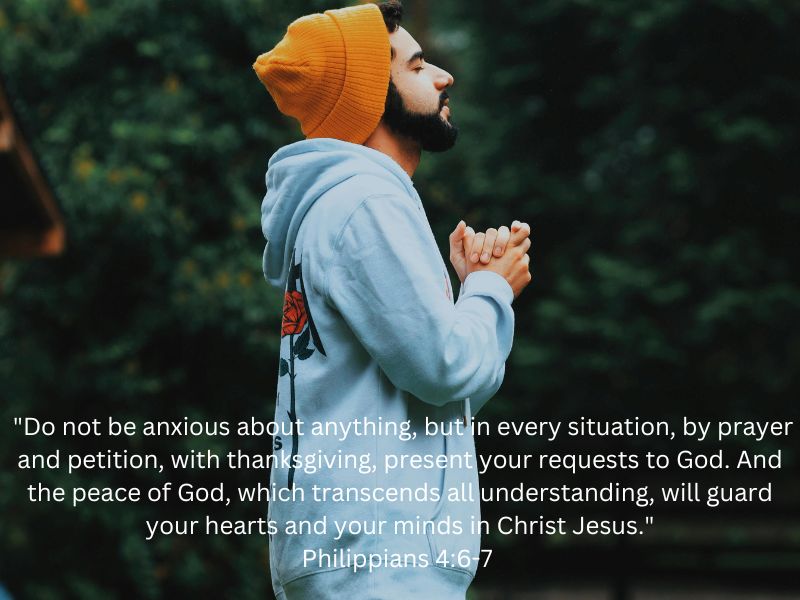
   Prayer is our lifeline to God. In moments of overwhelming emotion, we can pour out our hearts to Him. Philippians 4:6-7 reassures us: “Do not be anxious about anything, but in every situation, by prayer and petition, with thanksgiving, present your requests to God. And the peace of God, which transcends all understanding, will guard your hearts and your minds in Christ Jesus.”

   Regularly meditating on Scripture can also help. Psalm 147:3 tells us, “He heals the brokenhearted and binds up their wounds.” By anchoring ourselves in God’s promises, we allow His truth to permeate our minds and soothe our souls.

2. Wise Counsel and Therapy

   Proverbs 11:14 says, “Where there is no guidance, a people falls, but in an abundance of counselors there is safety.” Seeking wise counsel from trusted friends, pastors, or professional therapists can provide the support and strategies needed to navigate the healing process.

   Therapy can offer tools to manage triggers and develop healthier coping mechanisms. It’s not a sign of weakness but a step towards wholeness.

3. Breaking Generational Curses

   Abuse can sometimes stem from generational patterns of behavior. Recognizing this and choosing to break the cycle is vital. Exodus 20:5-6 speaks to God’s desire for us to overcome these generational sins: “I, the Lord your God, am a jealous God, punishing the children for the sin of the parents to the third and fourth generation of those who hate me, but showing love to a thousand generations of those who love me and keep my commandments.”

   By addressing these issues, we protect future generations from experiencing the same pain.

Living in Freedom

Emotional scars, if left unattended, can negatively affect our relationships, marriages, children, and friendships. The enemy wants us to believe that we are defined by our past, but Jesus offers us a new identity. In John 8:36, Jesus declares, “So if the Son sets you free, you will be free indeed.”

1. Cultivating Healthy Relationships

   Romans 12:18 advises, “If it is possible, as far as it depends on you, live at peace with everyone.” This involves forgiving those who have hurt us and seeking healthy, supportive relationships that reflect God’s love.

2. Sharing Your Story

   Revelation 12:11 reminds us of the power of our testimony: “They triumphed over him by the blood of the Lamb and by the word of their testimony.” Sharing your story can be a source of healing for yourself and others. It breaks the silence and brings light to the darkness of abuse.

3. Trusting God’s Plan

   Jeremiah 29:11 offers a promise of hope: “‘For I know the plans I have for you,’ declares the Lord, ‘plans to prosper you and not to harm you, plans to give you hope and a future.'” Trusting in God’s plan, even when the path is painful, allows us to walk in faith and confidence.

Healing emotional scars is a journey that requires time, patience, and the right resources. As believers, we have the profound assurance that God is with us every step of the way. Through prayer, wise counsel, therapy, and the support of our faith community, we can find healing and freedom from the past.

May we always remember that our scars, while they may never fully disappear, can become testimonies of God’s incredible grace and healing power. As we navigate this journey, let us cling to the promise in Isaiah 41:10: “So do not fear, for I am with you; do not be dismayed, for I am your God. I will strengthen you and help you; I will uphold you with my righteous right hand.” With God’s help, we can overcome the past and step into the abundant life He has promised us.

Don’t forget to subscribe to our podcast Thrive by The Rising Muse

Finding Comfort in Connection, Self-Care, and Faith During the Holidays

The holiday season is often portrayed as a time of joy, celebration, and togetherness. However, for many individuals, it can be a challenging period marked by loneliness, grief, and sadness. Whether due to the loss of a loved one, being far from family and friends, or struggling to form connections, the holidays can magnify feelings of isolation. Today, we’ll explore the various challenges people may face during this time and offer suggestions on how to cope, with a special emphasis on incorporating faith as a source of solace and strength.

1. Acknowledge and Validate Feelings:

The first step in addressing holiday loneliness and grief is to acknowledge and validate your feelings. It’s okay to feel sad, and it’s important to recognize that others may be experiencing similar emotions. Understanding that these feelings are a natural part of the holiday season can be a crucial first step toward healing.

2. Connect with Supportive Communities:

If you find yourself far from loved ones or lacking a strong social support system, consider reaching out to local communities, religious groups, or online forums. Attend community events, volunteer at local charities, or participate in virtual gatherings. Building connections, even if they are temporary, can provide a sense of belonging and alleviate loneliness.

3. Create Meaningful Traditions:

Crafting new traditions that align with your current circumstances can help reframe the holiday season. Whether it’s volunteering at a local shelter, starting a personal ritual, or joining community events, creating meaningful experiences can bring a sense of purpose and fulfillment.

This may sound silly as you’re by yourself, but it can be quite meaningful. One of my silly traditions is for New Year’s Eve. I don’t like to be out of my house, but I stay up late. After the new year has started, I locate a comedy channel and watch stand up comedy until I fall asleep. I look forward to that little tradition every year.

4. Embrace Self-Care Practices:

Self-care is crucial during times of loneliness and grief. Focus on activities that bring you joy, relaxation, and comfort. This could include spending time in nature, practicing mindfulness, indulging in hobbies, or simply taking a break to rest and recharge. Prioritize your mental and emotional well-being as an essential part of your holiday routine.

5. Seek Professional Support:

If feelings of loneliness and grief become overwhelming, seeking professional support can be incredibly beneficial. Therapists, counselors, and support groups can offer guidance, understanding, and coping strategies tailored to your specific situation.

6. Include God in Your Journey:

For those who find strength in their faith, including God in the process of navigating difficult times can provide solace and comfort. Engage in prayer, meditation, or attend religious services to connect with a higher power. Allow your faith to be a source of hope and guidance as you navigate the challenges of the holiday season.

If you want to start a habit of prayer or meditation, consider checking out my new book, The 15 day Challenge to a Stronger You! One of the challenges in the book is creating the habit of daily meditation.

The holiday season may bring forth a mix of emotions, but it’s essential to approach this time with compassion and self-care. By acknowledging your feelings, fostering connections, creating meaningful traditions, and including God in your journey, you can find strength and resilience during difficult times. Remember that you are not alone, and there are resources and communities available to support you on your path to healing and peace.