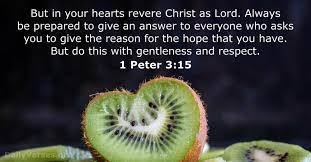
Faith in Action: The Power of Everyday Acts of Kindness

In a world often overwhelmed by grand gestures and larger-than-life displays of faith, it’s easy to forget the profound impact that small acts of kindness can have on our spiritual journey. While we are saved by grace and not by works, our transformed faith should manifest in the daily choices we make. As the saying goes, faith without works is dead, and sometimes it’s the little things that speak volumes about the state of our hearts.

Here are some examples of acts of kindness we can practice in our daily lives:

1. Picking Up After Yourself:
At a restaurant, it may seem insignificant to clean up after yourself, especially when there are staff members assigned for that task. However, taking a moment to clear your table not only lightens their load but also reflects a consideration for those who work tirelessly in the service industry. This simple act exemplifies humility and selflessness, mirroring the teachings of Christ.
Luke 22:26 (ESV) – “But not so with you. Rather, let the greatest among you become as the youngest, and the leader as one who serves.”

2. Starting the Coffee:
In the morning rush at home or the office, being the one to start the coffee can be a small yet impactful gesture. Even if you don’t drink coffee yourself, the act of preparing it for others demonstrates a selfless attitude and a willingness to serve without expecting anything in return.
Philippians 2:4 (NIV) – “Each of you should look not only to your own interests but also to the interests of others.”

3. Sharing the Sale:
When you come across a sale or a buy-one-get-one-free offer, consider sharing the extra item with someone in need. This could be a struggling family or a neighbor facing financial challenges. Such generosity not only helps others practically but also opens the door for meaningful conversations or anonymous acts of kindness.
1 John 3:17 (NLT) – “If someone has enough money to live well and sees a brother or sister in need but shows no compassion—how can God’s love be in that person?”

4. Volunteering Without Recognition:
Being the one who consistently volunteers to help, even if it goes unnoticed or unappreciated by others, is a powerful way to put your faith into action. Remember, you are not working for the acknowledgment of people but for the Lord, and your humble service reflects the heart of Christ.
Colossians 3:23-24 (NIV) – “Whatever you do, work at it with all your heart, as working for the Lord, not for human masters, since you know that you will receive an inheritance from the Lord as a reward. It is the Lord Christ you are serving.”

Engaging in these small acts of kindness on a daily basis is not just about making the world a better place; it’s also a means of deepening our spiritual journey. These actions serve as tangible expressions of our faith, helping us die to ourselves and become more Christlike. By imitating Christ in our daily lives, we learn to love sacrificially, putting the needs of others before our own.

In the grand tapestry of our spiritual journey, the threads of everyday acts of kindness weave a story of love, humility, and selflessness. While the kingdom of God certainly encompasses grand missions and transformative projects, it is equally built on the foundation of small, consistent acts of love and service. So, as you embark on your faith journey, remember that it’s not always about the magnitude of your actions but the sincerity and love behind them. If you’re looking for a way to kickstart your faith in action, consider taking the Act of Kindness Challenge , in the “15 Day Challenge to a Stronger YOU“, and witness the transformation in yourself as you strive towards a stronger, more compassionate you.

Living Thanksgiving: Beyond the Turkey and Talk

Hello Risers!

Firstly, I want to wish you all a Happy Thanksgiving! Apologies for missing Monday’s post; I’ve been a bit under the weather. As I rested, contemplating this Thanksgiving message, I couldn’t help but dive deeper into the essence of gratitude, especially after our discussions this month about its profound impact on mental and physical health.

Sure, I’m immensely grateful for each of you and your unwavering support over the years. But let’s not skim the surface; let’s plunge into the heart of the matter.

On this day, amidst the laughter and joy, there are running jokes that, though rooted in reality, sometimes overshadow the true meaning of Thanksgiving. It’s more than a feast; it’s a symbolic meal shared in gratitude for survival in a new land. A meal where the pilgrims and Native Americans ate what they had, whether or not there was turkey, is a point of contemplation.

Now, let’s talk about those jokes. There’s the one about the family member whose cooking skills are questionable. While we chuckle, it’s crucial to remember that someone, somewhere, would appreciate that unsavory meal simply because they have none. Your new coworker, your rarely-seen friend juggling multiple jobs, or a neighbor struggling to make ends meet—gratitude extends beyond taste buds.

Then there’s the wise elder with the lengthy blessings. This Thanksgiving, let’s be mindful and compassionate towards them. Their extended blessings might be a glimpse into a life filled with experiences and lessons. Let’s cherish our elders; their wisdom and presence won’t be here forever.

As I rested, I also found myself listening to a Spanish song that, although not directly related to gratitude, serves as a profound wake-up call on how we live our lives. Titled “Jesus is a Verb,” the song emphasizes that Jesus’s message transcends words in the Bible; it’s about love in action. The call is clear: our faith isn’t about buildings or words but about what resides in our souls and how it reflects in our behavior.

The song critiques charity organizations turning elitist, individuals living double lives, and leaders exploiting faith for personal gain. It underscores the idea that talk is cheap; action is what matters. It challenges us to embody the teachings rather than merely preach them.

The most poignant moment for me was when the singer urged us to stop dividing ourselves through faith, pointing out that there are more religions in this world than happy children. A striking realization! The song concludes with a powerful statement about those who lived Christlike lives—being verbs and not nouns—often facing persecution and rejection from society.

So, as we wrap up this year, let’s introspect. Are our expressions of gratitude mere words, or do they resonate in our actions? Are we content with what we have, or is the pursuit of more overshadowing our appreciation for the present? Are our desires fleeting, or do they contribute to something everlasting? In the minutiae of life, let’s not lose sight of the bigger picture.

Love you all, and once again, Happy Thanksgiving!

The Power of Words: Spreading Love, Not Fear

In our journey as ambassadors of Christ, we often find ourselves in situations where our words hold immense power. We’ve all been there, uttering statements in the heat of the moment that we later regret. But as representatives of Christ, it is our duty to ensure that our words are guided by the spirit, not dominated by the flesh.

One concerning trend we see today is people telling others that they are destined for hell simply because of a difference in opinion or belief. It’s essential to recognize that no human possesses the authority to determine another person’s eternal fate. When we pass such judgment, we are essentially laying stumbling blocks on our own path.

The reality is, none of us can fully comprehend another person’s journey with Christ. Rather than assuming that our unkind words will act as a wake-up call, we should consider the potential harm they may inflict on someone’s spiritual path. Feeling judged and shamed by others is not our role as followers of Christ; it’s the Holy Spirit’s job to guide us when we stray.

Some individuals might hide behind the notion of “telling the truth in love.” However, it’s crucial to scrutinize our motives when sharing our beliefs. Are we genuinely concerned for the other person’s soul, or are we seeking to feel superior to them? Are our words driven by love or condemnation? Examining our hearts for our true intentions is essential.

As Christians, our primary calling is to spread the good news of Christ. Threatening someone with the prospect of hell is not good news. Our words and actions can either draw people closer to Christ or push them away from the gospel. It’s disheartening to hear non-believers say, “If being like you is what it means to be a Christian, I’d rather go to hell.” Such a statement should serve as a wake-up call, a reminder that we may not be reflecting Jesus as we are called to do.

We must remember that the core message of Christianity is one of love, redemption, and salvation. It’s about extending a hand of grace, not casting stones of judgment. Our role as ambassadors of Christ is to demonstrate love, compassion, and understanding to those around us, regardless of their beliefs or opinions.

In conclusion, let us strive to be vigilant in ensuring that our words and actions align with the teachings of Christ. We must refrain from pronouncing judgment upon others and instead focus on spreading the message of love, hope, and redemption. After all, our purpose is to bring people to Christ, not repel them from the gospel. In this way, we can reflect Jesus in the way He has called us to, shining His light and love in a world that desperately needs it.

My book, The Road Home, speaks about how sometimes we forget where we came from once we start our journey with Christ and forget to extend grace to others.

Until next time, Be Blessed