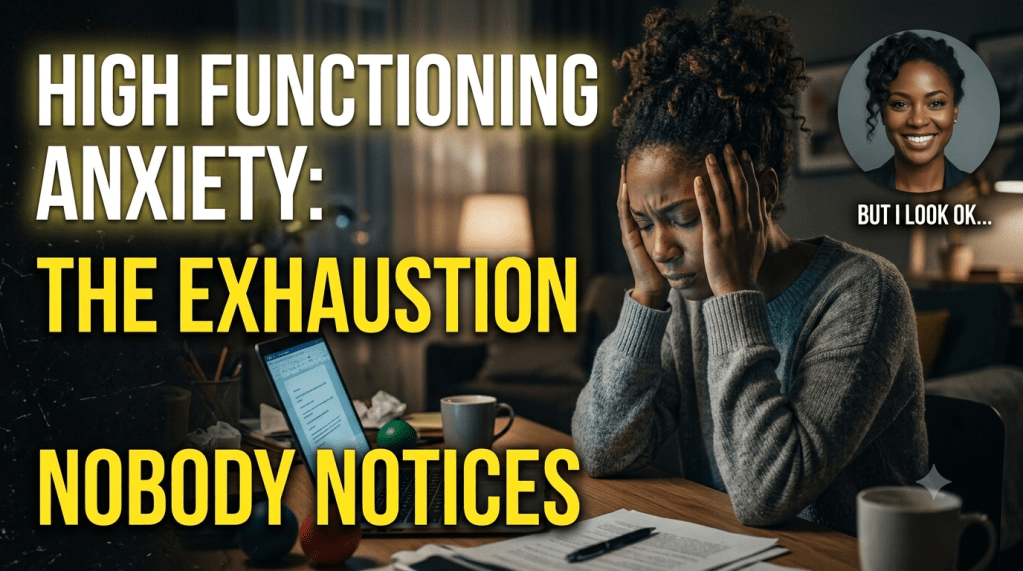
The Exhaustion Nobody Notices: Do You Have High-Functioning Anxiety?

On the outside, you look like you have it all together. You’re the reliable one, the high-achiever, the person who gets things done. People praise your drive and productivity.

But beneath that polished exterior? A constant undercurrent of stress, an overthinking mind that refuses to shut down, and a bone-deep exhaustion that sleep can’t seem to fix.

This is the hidden reality of High-Functioning Anxiety. Because you look okay, your silent storm goes completely unnoticed by the world.

The Hidden Toll of “Holding It Together”

High-functioning anxiety isn’t a medical diagnosis, but it is a very real survival strategy. It hides behind perfectionism and achievement, but it comes at a massive cost:

  • Physical Fatigue: Tight shoulders, jaw clenching, shallow breathing, and migraines.
  • Mental Burnout: An endless loop of anticipating the next problem or over-preparing out of fear of failure.
  • Spiritual Exhaustion: Believing that you are solely responsible for keeping the world spinning, making rest feel like a dangerous risk rather than a necessity.

You don’t have to live in a perpetual state of survival. It is entirely possible to maintain your capabilities without sacrificing your peace, your health, and your joy.

What We Cover in the Full Episode:

In this episode, we dig deep into the roots of this hidden struggle and share practical, actionable steps to help you heal:

  • The “Survival Response”: Why your nervous system is trapped in alert mode (and how to signal safety to your body).
  • Redefining Rest: How to transition from relentless striving to active trusting.
  • Practical Regulation Techniques: Simple grounding exercises to stop a racing mind in seconds.
  • Shifting Identity: How to break the habit of tying your self-worth to your daily output.

Ready to stop just surviving and start truly living? 🎬 Watch the full episode now to discover the practical strategies to regulate your nervous system, reclaim your rest, and heal from the exhaustion nobody else sees.

Sow a seed into this ministry to help us spread His light and transform lives—to join our mission today!

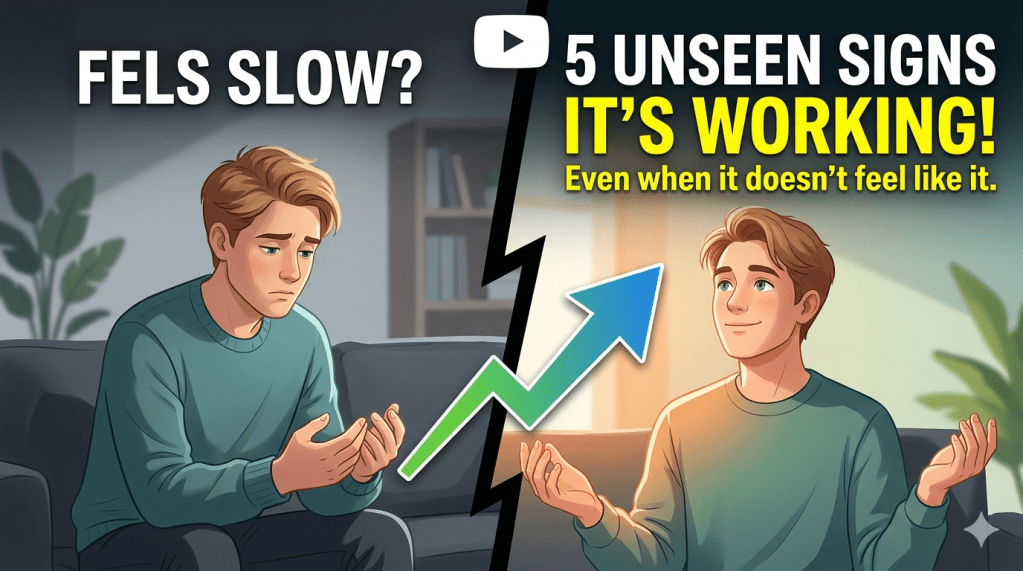
When Therapy Works — Even When It Feels Heavy: Understanding the True Path to Healing

Ever leave a therapy session feeling completely exhausted, emotionally exposed, or wondering, “Is this even working?” 🛋️💔

You entered this journey looking for an immediate exhale, but instead, it feels like the volume on your emotions just got turned up.

Here is the truth: Feeling worse does not mean you are failing. It means the deep work is beginning.

True healing doesn’t unfold at the speed of light—it unfolds at the speed of safety. It is a layered, non-linear journey of cleaning out old wounds so they can finally heal cleanly from the inside out. In this powerful episode, we peel back the curtain on the invisible signs of emotional growth and dismantle the biggest myths about mental health, faith, and progress.

What We’re Breaking Down in This Episode:

  • The “Feeling Worse” Paradox: Why hitting emotional resistance and uncovering hidden patterns (like using distractions to escape feelings of inadequacy) is actually a sign of profound momentum.
  • Faith & Therapy: How to navigate the spiritual tension of vulnerability and embrace the truth that seeking support doesn’t mean your faith is weak—it clarifies it.
  • The Myth of the Finish Line: Why healing isn’t a race to a perfect destination, but a sustainable practice of becoming more honest and compassionate with yourself.
  • Between-Session Care: Practical grounding exercises to soothe your nervous system when the emotional heavy-lifting follows you home.

Progress isn’t always loud. Sometimes, it’s just a quiet pause before you react, a boundary you finally set, or the grace you give yourself to rest.

Are you ready to stop rushing your process and trust your pace?

[Watch the Full Episode Here] to discover the unseen signs that you are growing—even when it feels slow.

Brought to you by The Rising Muse, LLC. Don’t forget to subscribe to our channel and join our community growth challenge as we hit our next milestone! 🎧🌱

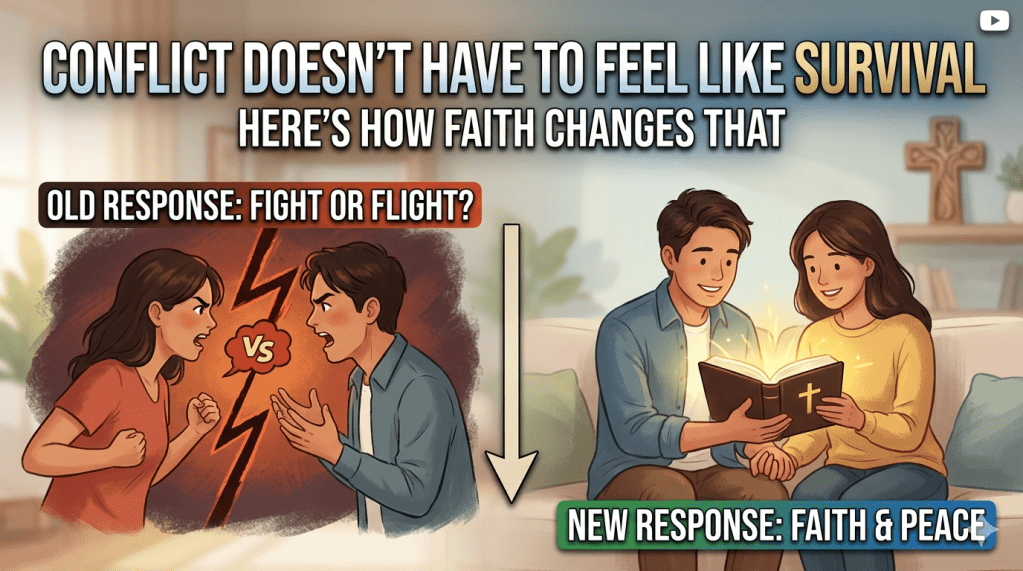
Why Communication Breaks Down During Conflict?

(And How Faith, Awareness, and Compassion Can Help)

Have you ever walked away from a conversation with someone you love, feeling completely misunderstood, disconnected, or more alone than before?

When tension rises, intimacy and understanding seem to vanish in an instant. But what if the breakdown isn’t because you’re bad at expressing yourself? What if it’s rooted in something much deeper—your nervous system’s natural response to threat and trauma?

In this video, we are breaking down the complex biology of why communication falters during conflict, and how you can use your faith and emotional awareness to stay connected when conversations get hard.

What You’ll Learn in This Episode:

  • The Body First: How your nervous system triggers fight, flight, freeze, or fawn modes before a conflict even starts in your mouth.
  • The Power of a Holy Pause: Practical ways to live out James 1:19 (“quick to listen, slow to speak”) when your physical nerves are completely frayed.
  • Recognizing What Lies Beneath: How hidden wounds, unmet needs, and shame hijack dinner-time disagreements and turn minor issues into major fights.
  • The Grace-Filled Script: A simple, 10-minute boundary trick to use when you’re too overwhelmed to think straight, ensuring you protect your relationship instead of pushing each other away.

Key Takeaway: The most mature person still experiences moments of immaturity when emotions activate their survival response. The key isn’t being perfect—it’s learning how to regulate.

Stop Choosing Disconnection. Watch Now!

Conflict is inevitable, but disconnection is a choice. You don’t have to navigate these hard conversations alone. Watch the video to learn how to transform your conflicts into opportunities for deeper connection, grounded presence, and courageous love.

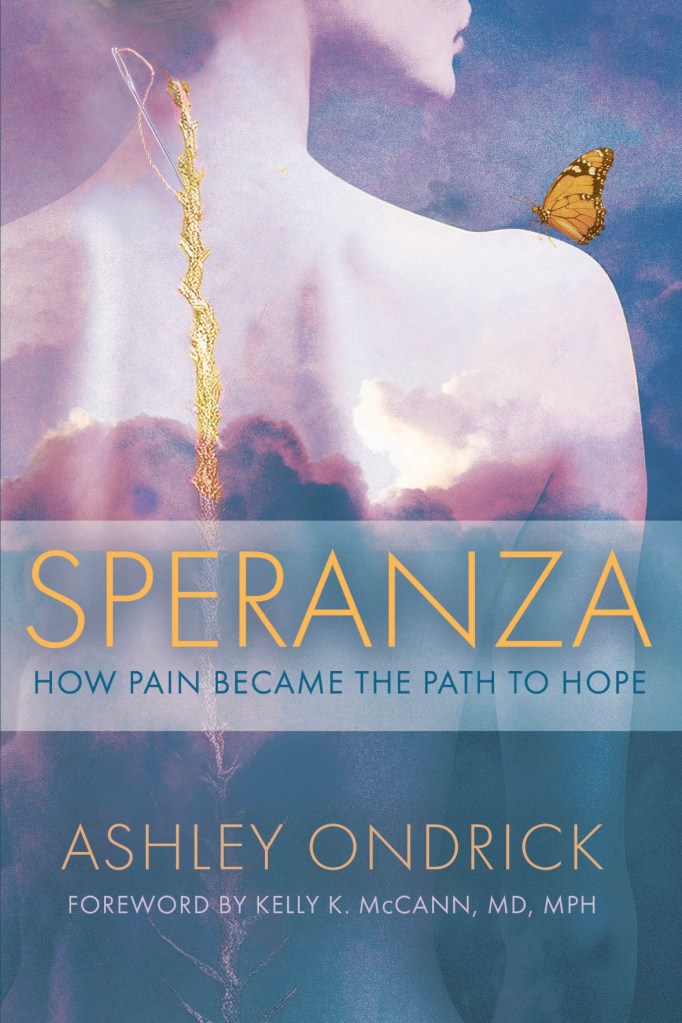
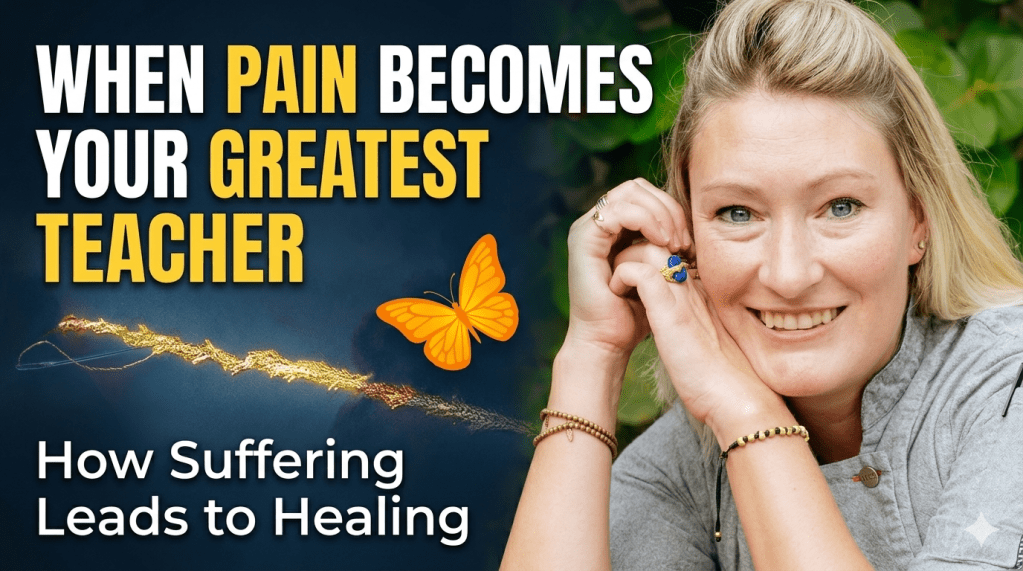
Turning Pain into Purpose: Could your deepest suffering be your hidden superpower?

Have you ever wondered if the very pain that seems to break you could actually be the catalyst for your greatest purpose? This question can feel impossibly heavy if you’re drowning in chronic illness, emotional turmoil, or a seemingly endless string of life-altering setbacks.

On our recent episode of The Rising Muse, we’re sharing a story that will shift everything you think you know about healing.

Meet Ashley Ondrick, the vibrant integrative nutrition health coach known online as the Mostly Healthy Chef. To look at her, you’d see joy and strength. But underneath her smile lies a reality many never guess: 20 years of relentless physical pain, 11 major surgeries (eight on her spine), and an unimaginable stroke triggered simply by her skull shifting off her spine.

What choice do you make when your body—and your world—completely breaks?

In this unforgettable interview, Ashley takes us into the dark, raw moments of loneliness, depression, and unworthiness that many chronic illness warriors recognize only too well. But this isn’t just a story about surviving trauma. It is a story about utilizing it.

Ashley doesn’t just tell us she found purpose. She shows us exactly how she did it.

Watch the full episode now to hear directly from Ashley on:

  • The ” Filipinx Typhoon” Moment: Why a devastating disaster (and some bold volunteer work) became the exact pressure cooker she needed to unlock her resilience.
  • Wrestling With God: A raw look at turning “timid prayer” into bold, messy declarations of trust, shifting her perspective from asking for relief to trusting in divine timing.
  • The “Mostly Healthy” Revelation: Her groundbreaking strategy for healing that doesn’t require perfection—including her recent personal 30-pound weight loss transformation using simple, manageable food swaps.
  • Practical Steps to Turn Pain into a Platform: Ashley provides actionable, small, consistent steps anyone can start taking today to move towards a healthier, more fulfilled life, regardless of where they are starting.

This is more than an interview; it’s a heartfelt guide reminding us that healing is a process, not a destination. Ashley’s approach is about sustainability, grace, and meeting yourself exactly where you are.

To reach Ashley:

www.mostlyhealthychef.com

www.amostlyhealthyblog.com

Your pain is not the end of your story—it is an invitation to rewrite it.

If you are ready to reframe your difficulties and find a clear path to healing and deep purpose, you cannot afford to miss this conversation.

Sow a seed into this ministry to help us spread His light and transform lives—click here to join our mission today!

Stuck in Your Old Identity? The Shocking Truth About Why Your Brain Resists Change 🧠✨

Are you holding onto parts of your past that no longer serve you? Do you feel stuck because you’re still dragging around an outdated identity?

If we are being completely honest, shedding old versions of ourselves is one of the hardest things we will ever do. Whether it’s emotional, mental, or spiritual, stepping into the next season of life always requires leaving an old part of yourself behind.

But why does it feel like an uphill battle? Why do we constantly slide back into old patterns even when we know they are hurting us?

In our latest episode, we dive deep into the raw, unspoken reality of personal transformation. We aren’t just giving you a checklist of “good habits”—we are breaking down the exact neuroscience and spiritual warfare behind why you feel so stuck.

Here is a sneak peek of what we unpack in the full conversation (and why you cannot afford to miss this episode):

1. The Grief of the “Old Self” (It’s Not What You Think)

When you start setting boundaries, healing from trauma, or saying “no” to things that drain you, you expect to feel liberated. Instead, you might feel a strange sense of sadness.

In the episode, we reveal a truth most people ignore: Releasing your old identity brings a literal grieving process. Even if your past was dysfunctional, it was familiar. It kept you safe. We discuss how to navigate this grief with grace instead of guilt.

2. “Neural Entrenchment” – Your Brain is Wired to Keep You Stuck

Ever wonder why you still react with anger, low self-worth, or critical self-talk in stressful moments? It’s not a lack of willpower; it’s biology.

We dive into the science of the basal ganglia—the part of the brain where habits are automatically stored. Your brain actually prefers a predictable, unhealthy pattern over an unpredictable, healthy one. In the video, we explain how to break this “neural entrenchment” and physically rewire your mind.

3. The Timeline of Transformation

You’ve probably heard that it takes 21 days to form a habit. That is a myth.

Neuroscience shows it actually takes anywhere from 18 to 254 days to solidify a new behavior. In the full episode, we share practical, daily strategies—including visual cues and accountability hacks—to help you survive the “emotional dips” of this timeline without giving up.

4. The Spiritual Breakthrough

God calls us to be new creations ($2 \text{ Corinthians } 5:17$), yet our flesh desperately fights to stay in survival mode.

We discuss the powerful intersection of psychology and scripture (like $Isaiah 43:18-19$), showing you how to partner with the Holy Spirit to transform from the inside out. Your growth isn’t a betrayal of your past; it’s a holy act of obedience.

🚨 Stop hiding, stop shrinking, and stop apologizing for your growth.

If you are ready to stop fighting your own brain, heal from the past, and boldly step into the person God designed you to be, this conversation was built for you.

Watch the full episode now to unlock the tools you need for lasting breakthrough!

[ ➡️ CLICK HERE TO WATCH THE FULL EPISODE ⬅️ ]

What did you think of the sneak peek?

  • Drop a comment below: What is one old habit, mindset, or identity you are currently trying to let go of? Let’s talk about it!

Partner with our mission to bring hope and transformation to the community—click here to fuel the vision today!

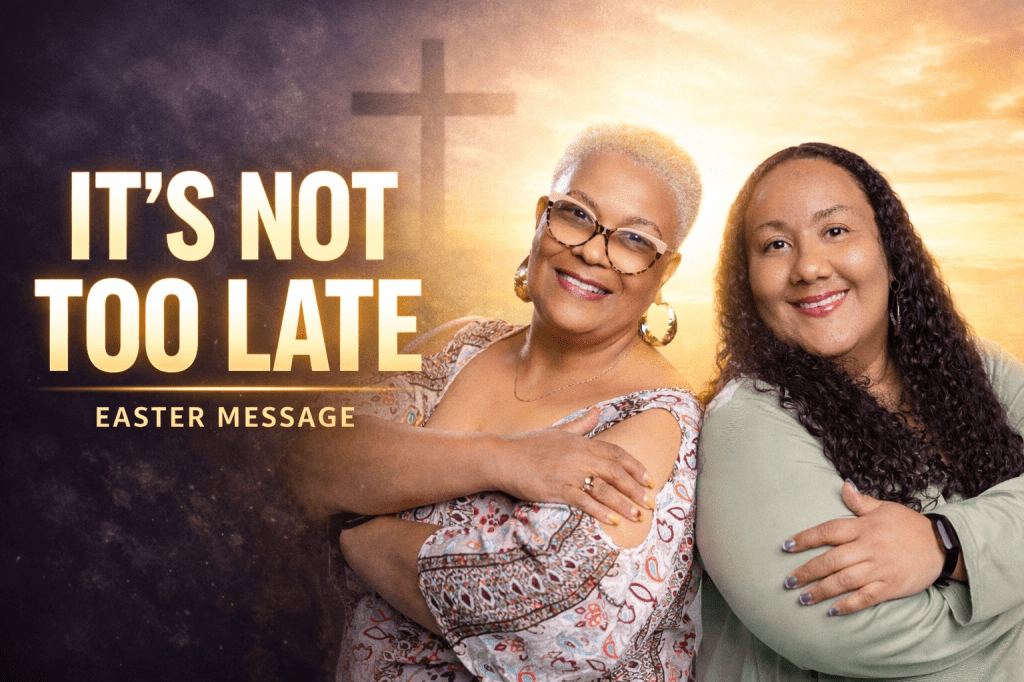
The Power of Second Chances: Lessons from Easter on Growth, Faith, and Redemption

Have you ever felt like your story was over because of mistakes or hardships? Perhaps you’ve wondered if there’s any hope for a fresh start after experiencing failure. If so, you’re not alone. Many of us have faced moments of despair, but the message of Easter offers a powerful reminder: no matter your past, a new beginning is always possible. In this post, we explore how faith, resilience, and God’s grace open the door to second chances, transforming brokenness into growth and hope.

Embracing the Truth: Your Story Isn’t Over

Easter is often seen as a celebration of resurrection—a miracle that signifies hope and renewal. But beyond the historical event of Jesus rising from the dead, Easter also symbolizes that our personal stories are still being written. As one speaker beautifully put it, “Your story isn’t over,” and this truth can be a lifeline when we feel stuck or overwhelmed by our mistakes. Think about Mary, the mother of Jesus. She carried her child through pregnancy, raised him, and watched him undergo unimaginable suffering. Despite her pain, she witnessed the ultimate victory—her son’s resurrection. Her story didn’t end in grief; it was a testament to perseverance and hope. If Mary’s story can continue beyond heartbreak, so can yours.

Key takeaways
  • No matter what you’ve been through, your narrative can still include chapters of redemption and growth. God’s grace enables us to rewrite our stories, no matter how dark the past.
  • When you’re struggling, pray the honest prayer, “God, help my unbelief.” Trusting in God’s presence and purpose, despite your doubts, is a form of real faith.
  • Faith isn’t the absence of doubt but a decision to trust God even when life feels uncertain or painful.
  • Embrace the discomfort because it signifies progress. Growth is a process that requires grace, patience, and persistence.
  • Speak to yourself with kindness. Treat yourself as you would a dear friend who’s healing and growing.
  • Giving yourself grace is essential for healing and embracing the second chances God provides.
  • God’s grace isn’t just for salvation but for everyday renewal. It’s accessible, abundant, and available whenever you’re ready to accept it.

Living the Second Chance: Practical Steps

To apply this powerful truth to your life, consider these steps:

  1. Be honest with yourself about where you are. No judgment, just acknowledgment.
  2. Lean into your faith—even if it’s just small prayers like “God, I trust You.”
  3. Practice grace—for yourself and others. Remember, healing takes time.
  4. Embrace the second chance by letting go of past mistakes. You are not your past; you are who you are becoming.

Reflect on your testimony: where you were, what you’ve overcome, and where you’re headed. Choose to leave behind guilt and shame—give them over to God—and step into the newness He offers.

Remember

: God’s love is greater than your failures, and His grace is always enough for a new beginning.


Final Reflection: Your Reset Button Is Always Within Reach

This Easter, remember that the resurrection isn’t just a historical event—it’s a daily invitation for renewal. No matter how broken you feel or how many times you’ve stumbled, God’s grace is waiting for you to accept it. You are worthy of healing, growth, and a fresh start. So, take hold of your second chances. Trust the process, lean into faith during the hard times, and extend grace to yourself as you move forward. Your story isn’t over; it’s just beginning again.


FAQs

Can I truly start over after making big mistakes? Absolutely. God’s grace makes every new beginning possible. As 2 Corinthians 5:17 reminds us, “The old has gone, the new is here.”

How do I keep faith when I feel like giving up? Focus on small prayers and trust that God is working beneath the surface. Remember, perseverance produces character and hope.

Why does growth often feel painful? Growth involves breaking down old beliefs and habits, which can be uncomfortable or chaotic before new strength emerges.

Is grace only for others or also for myself? Grace is for everyone, including you. You deserve forgiveness and second chances just as much as anyone else.

How do I accept God’s gift of a second chance? Start by honest reflection, prayer, and releasing guilt. Accept His love and step into the new chapter He’s offering.


In Closing

This Easter, let the message of resurrection inspire you to embrace second chances, trust God’s timing, and walk boldly into your future. Remember, your story is still being written—and with God’s grace, it’s a story of hope, growth, and renewal.

Discover how Easter reminds us that second chances are possible through faith, grace, and ongoing growth, empowering you to rewrite your story regardless of past mistakes.

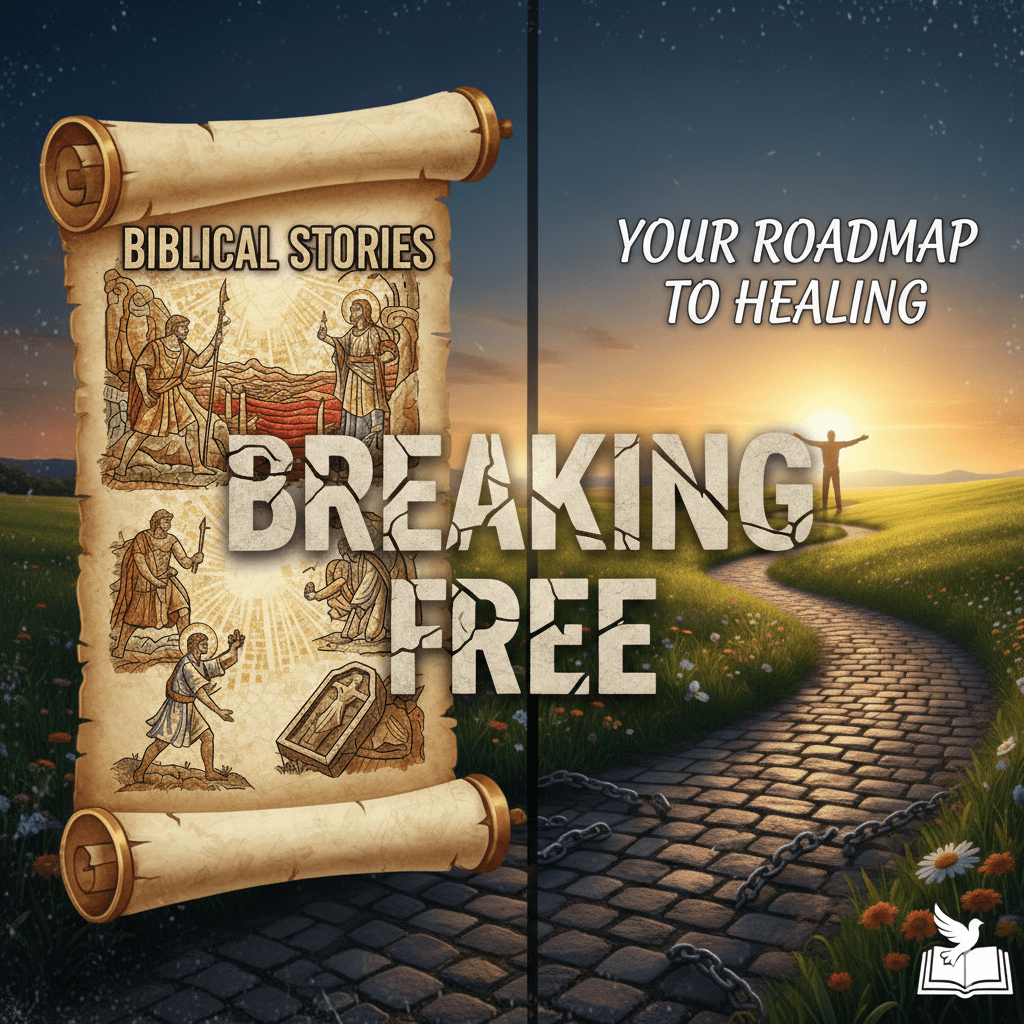
Biblical Stories Through a Psychological and Trauma-Informed Lens

An Invitation to Deeper Understanding

Have you ever read a Bible story and wondered, What does this have to do with my anxiety? How does it relate to my waiting season? Or what about my trauma?

If you’ve ever felt disconnected from scripture, this episode is for you. It’s also for you if you feel overwhelmed by rigid interpretations that don’t leave space for your emotional reality.

In this conversation, we explore biblical narratives through a psychological lens. We also use a trauma-informed approach. We uncover something powerful: these stories are deeply human. They are filled with emotions such as fear, delay, shame, and longing. Experiences of betrayal and identity struggles are also present. In the middle of it all, there is a divine presence.

We revisit the journeys of:

  • David — anointed but overlooked, called but hidden
  • Joseph — betrayed, imprisoned, yet formed in the waiting
  • Hannah — grieving, longing, and praying through shame
  • Samaritan woman at the well — hiding in plain sight, yet met with compassion instead of condemnation

Through a trauma-informed perspective, we discuss:

  • How biblical delays may shape identity, not signal failure
  • Why avoidance and shame are survival strategies — not spiritual weakness
  • How honest prayer becomes a pathway to healing
  • What attachment, safety, and divine presence really mean for your mental health

This episode isn’t about rewriting scripture.
It’s about reading it with compassion.

It’s about recognizing that God meets people in caves, prisons, wells, and waiting seasons. God does not meet them only in miracles and mountaintops.

If your faith feels complicated…
If your story feels unfinished…
If you’re longing for a deeper, emotionally honest relationship with God…

🎧 Tune in to hear how psychology and scripture can coexist. Discover how viewing biblical stories through a trauma-informed lens might transform the way you see your pain. This perspective can also alter your process and your faith.

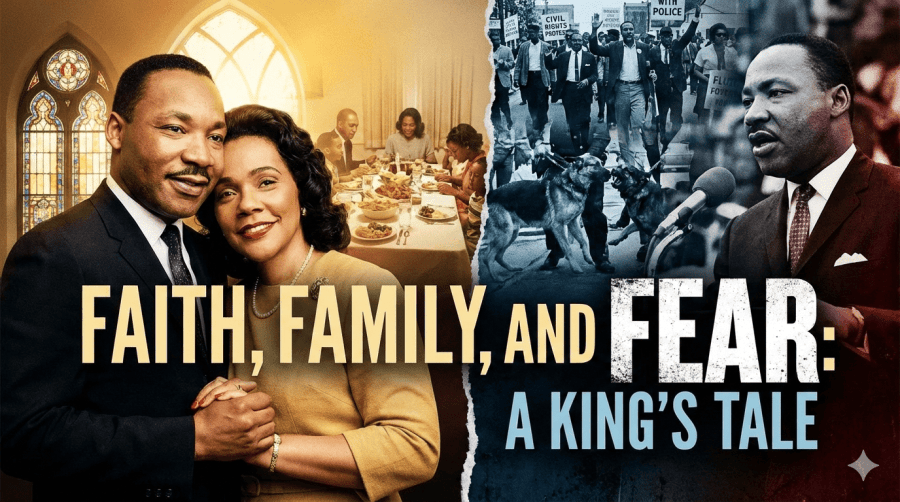
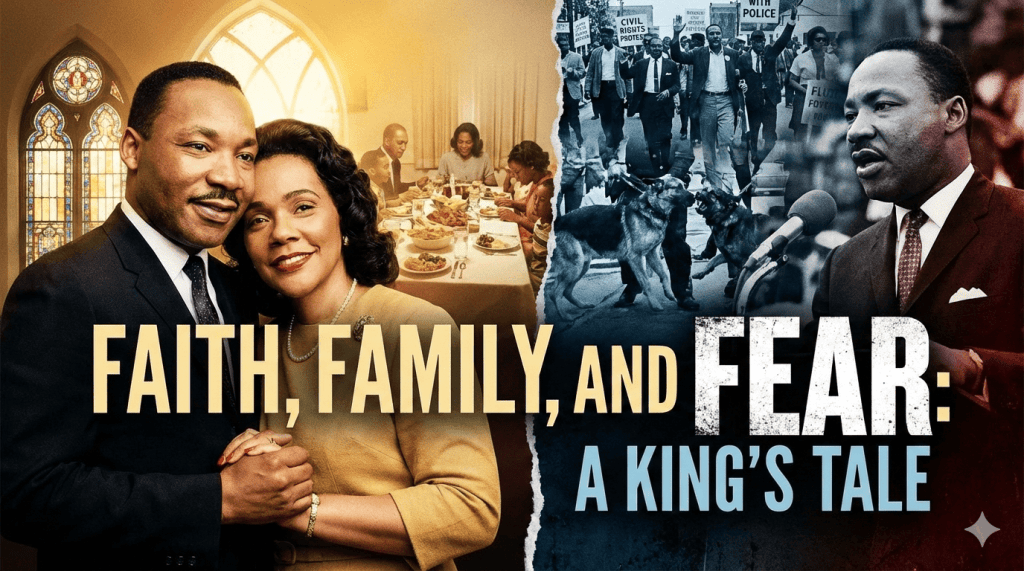
The Unseen Strength of Martin and Coretta King: A Journey of Resilience

In the heart of the civil rights movement, Martin Luther King Jr. and Coretta Scott King stood as pillars of strength and resilience. Their journey was not just about public speeches and marches. It was a deeply personal struggle. They faced constant threats and endured the emotional toll of leadership. Coretta, often seen as a supportive figure, was in fact a stabilizing force, managing fear and maintaining composure midst chaos.

The psychological impact of their roles was profound. Living under the threat of violence, their home became a place of hypervigilance, where every sound carried meaning. Yet, their love and commitment to their mission never wavered. They taught us that courage is not the absence of fear, but the decision to continue despite it.

Their story is a testament to the power of partnership and the enduring human spirit. It reminds us that change is not made by those who are unbroken, but by those who continue anyway.

Subscribe now to explore more stories of resilience and courage.

Watch our full episode by clicking here

When Love Meets Uncertainty: Standing in Faith After 40 Years Together

Forty years. More than four decades of holding hands through every chapter of life—raising children, building careers, weathering storms, laughing until tears fell, and learning from one another in ways no one else ever could. After that much time with someone, they become more than a spouse. They are your rhythm, your safe place, your steady.

And then suddenly… they’re in a hospital bed. All the strength they carried for years feels a world away.

For so long, I watched him work 16-hour shifts, seven days a week. I saw him stand strong—providing, protecting, and pouring himself out without complaint. He was dependable, resilient, unshakable—my earthly rock. And now, in this new season of retirement—when we imagined rest, travel, peace, and quiet—we’re facing battles we never saw coming: spiritual attacks, physical assaults on his body, weakness where there once was strength.

And the truth is…

It does something to your heart.

The Thoughts No One Wants to Admit

When your spouse is hospitalized, your mind becomes a battlefield.

What if he doesn’t recover the same?
What if this is the beginning of another long fight?
Will he be okay?
Will I have the strength to care for him the way he cared for us for so long?
Will God give us more time together?

No matter how old we get, no matter how many anniversaries we’ve celebrated…

It’s never enough time.

Not when you love someone this deeply.

You begin replaying memories—young love, early mornings, late-night conversations, road trips, holidays, and the moments that shaped your life together. You hold his hand tighter, noticing the warmth, the pulse, the gift of breath. And in the quiet moments between doctor visits and lab results, there’s a whisper in your spirit:

“Lord, I trust You. Even in this.”

When Faith Becomes More Than Words

It’s easy to say “God is good” when life feels steady. It’s different when fear presses on your chest in a hospital room.

But this is exactly where faith becomes real.
Where trust becomes a choice.
Where love deepens beyond comfort.

Psalm 73:26 reminds us:

“My flesh and my heart may fail,
but God is the strength of my heart
and my portion forever.”

Even when bodies grow weak, God’s strength does not.
Even when hearts feel fragile, His hands hold everything together.

Choosing Trust in the Middle of the Unknown

I don’t know what tomorrow holds. I don’t know how long we will have together. I don’t know what this season will require from me—or from him.

But here’s what I do know:

God has been faithful for every one of these 40+ years.
He has walked with us through storms, disappointments, and miracles.
He carried us when we didn’t know how to move forward.

And I know—deep in my soul—that He is carrying us now.

So I choose trust.

Trust that God will strengthen his body.
Trust that God will equip me to care for him.
Trust that God is not finished with our story.
Trust that love is stronger than fear.
Trust that whatever time we are given—whether many more years or just one more precious day—God will be in the midst of it.

Still Standing on His Promises

In this season, I hold tightly to Isaiah 41:10:

“Fear not, for I am with you;
be not dismayed, for I am your God.
I will strengthen you, I will help you,
I will uphold you with My righteous right hand.”

And so, even here—in hospital halls and waiting rooms—I stand on His promises, trusting that the same God who carried us through forty years is faithful to carry us through this one.

V. Green

Stepping Forward in Faith

There comes a moment in every season of life when standing still becomes more painful than moving forward. Change knocks—sometimes gently, sometimes like a storm—and we are left with a choice: resist it in fear or embrace it in faith.

Moving forward doesn’t mean forgetting where you’ve been; it means trusting God with where you’re going.

“Faith is taking the first step even when you don’t see the whole staircase.” — Martin Luther King Jr.

Trusting God When the Path Is Unclear

Trusting God is easy when life makes sense. It becomes harder when prayers feel unanswered, doors close without explanation, or the future looks unfamiliar. Yet Scripture reminds us that God’s faithfulness is not dependent on our understanding.

“Trust in the Lord with all your heart and lean not on your own understanding; in all your ways submit to Him, and He will make your paths straight.” — Proverbs 3:5–6 (NIV)

When we surrender control, we discover peace. God sees the full picture—every detour, every delay, and every breakthrough. What feels like an ending may actually be a divine redirection.

“God never wastes a season of your life. What feels like loss is often preparation.”

Embracing Change Without Fear

Change can feel uncomfortable because it stretches us beyond what is familiar. But growth never happens in comfort zones. God often uses change to refine our character, strengthen our faith, and reposition us for a greater purpose.

“See, I am doing a new thing! Now it springs up; do you not perceive it?” — Isaiah 43:19 (NIV)

Sometimes God changes our surroundings so He can change our hearts. Letting go doesn’t mean losing; it means making room for what God is building next.

“Change isn’t the enemy—fear is. Faith transforms uncertainty into opportunity.”

Becoming a Better Version of Yourself

Becoming a better version of yourself isn’t about perfection; it’s about transformation. It’s allowing God to shape you day by day through prayer, obedience, and perseverance.

“Do not conform to the pattern of this world, but be transformed by the renewing of your mind.” — Romans 12:2 (NIV)

Growth requires honesty—about what needs healing, what needs releasing, and what God is calling you to become. Every step forward, no matter how small, is progress.

“You are not becoming someone new; you are becoming who God always intended you to be.”

Moving Forward With Hope

Moving forward doesn’t erase the past—it redeems it. God uses every chapter of your story to prepare you for the next. Even when you feel uncertain, His promises remain sure.

“Being confident of this, that He who began a good work in you will carry it on to completion.” — Philippians 1:6 (NIV)

So take the step. Release what was. Embrace what is. Trust God with what’s ahead. The journey forward may not be easy, but it will be worth it—because God is walking with you every step of the way.

“Your next season requires a stronger faith, a softer heart, and a willingness to move forward.”