How I Transformed My Pain Into Power- Tanisha’s Story

In our latest episode of “Thrive by The Rising Muse,” we are honored to have Tanisha Bankston, the remarkable author and founder of the ministry “My Pain is My Power,” share her deeply personal and transformative journey. This episode delves into the profound impact of childhood trauma and the incredible power of faith and resilience in overcoming life’s most challenging moments.

A Glimpse into Tanisha’s Journey

From an early age, Tanisha faced unimaginable pain and adversity. Her story begins at just five years old when she endured abuse and was subsequently disbelieved by those she trusted. This traumatic experience silenced her inner voice and set her on a path of fear, shame, and self-doubt that spanned nearly three decades.

In “My Pain is My Power,” Tanisha courageously recounts her journey of finding her voice again and reclaiming her life through faith. She speaks candidly about the struggles she faced, the healing power of prayer, and how she transformed her pain into a source of strength to empower others.

Tanisha also shares valuable information about her ministry, “My Pain is My Power,” and its mission to support women and children who have experienced similar traumas. She discusses the various initiatives and programs her ministry offers and how the community can better support individuals on their healing journeys.

Why You Should Listen

This episode is a testament to the resilience of the human spirit and the transformative power of faith. Tanisha’s story is not just one of survival but of thriving against all odds. Her journey from pain to power is an inspiration to anyone who has faced adversity and seeks hope and healing.

Tune In and Be Inspired

Don’t miss this compelling episode of “Thrive by The Rising Muse.” Tanisha’s story will leave you inspired, uplifted, and ready to embrace the power within yourself to overcome any obstacle.

Tanisha Bankston is a mother of 3 children from Grenada, Mississippi. She is a survivor of childhood abuse and domestic violence, and now an author and speaker. Tanisha was abused at the age of 5, leading her to lose her inner voice and withdraw into a shell for 27 years. She was taken from her mother, separated from her siblings, and adopted by her aunt. Despite feeling protected, she faced further challenges within the broken judicial system. Tanisha became a teen mom at 14 and again at 17. She rediscovered her inner voice on July 3, 2020, and found healing and deliverance from her pain and past on September 4, 2020. Tanisha wrote and self-published her book “My Pain is My Power” on May 21, 2021. She created a private support group for survivors called “I Believe You” on Facebook and founded the nonprofit organization I Believe You Inc. Tanisha launched her podcast, “My Pain is My Power Podcast,” on April 1, 2022, aiming to inspire others that they can overcome their challenges with hope.

To connect with Tanisha:

Listen to the full episode on here and join us in supporting Tanisha’s mission to empower others through her ministry.

Be sure to subscribe to “Thrive by The Rising Muse” for more inspiring stories and insightful discussions on faith, family, and mental health. Follow us on [social media links] and stay connected for updates on future episodes and special guests.

Together, let’s turn pain into power and support one another on our journeys of healing and growth.

Unlocking Freedom: How Biblical Truths Impact Mental Health

As the 4th of July approaches, we often find ourselves reflecting on the concepts of liberty and independence that form the bedrock of our nation. But what if we told you that there’s a deeper level of freedom that can profoundly affect your mental well-being? In our latest episode of “Thrive by The Rising Muse,” we dive into the spiritual freedom presented in the Bible and its remarkable implications for mental health.

A Unique 4th of July Perspective

In this special episode, hosts Naty and Veda bring a refreshing take on what it means to be truly free. While fireworks and barbecues are wonderful traditions, the freedom that stems from spiritual liberation offers a sense of purpose, hope, and resilience that transcends our everyday experiences.

Biblical Narratives on Freedom

We journey through some of the most powerful stories in the Bible, starting with the Old Testament’s account of the Israelites’ exodus from Egypt. This tale of physical and spiritual liberation showcases God’s enduring commitment to freeing people from oppression. We also explore the Year of Jubilee, a time when debts were forgiven and slaves were freed, highlighting a divine mandate for economic and social justice.

In the New Testament, we delve into Paul’s writings, particularly Galatians 5:1, which speaks about the freedom found in Christ. This spiritual freedom, as emphasized by Jesus in John 8:36, transcends physical circumstances and liberates believers from the bondage of sin.

Freedom’s Impact on Mental Health

But how does this biblical concept of freedom translate into mental health benefits? Throughout the episode, Naty and Veda discuss:

  • A Sense of Purpose and Identity: Understanding your place and purpose through spiritual freedom can significantly boost self-esteem and reduce feelings of worthlessness.
  • Resilience and Coping Mechanisms: The promise of eternal life and the support of a faith community provide hope and resilience, essential for coping with life’s challenges.
  • Ethical and Moral Guidance: Biblical principles offer a moral compass, reducing internal conflict and stress by aligning actions with values.
  • Addressing Guilt and Shame: The belief in redemption through Christ provides a pathway to deal with guilt and shame, offering solace and a chance to start anew.

A Call to Reflect and Engage

As we celebrate this Independence Day, we encourage you to reflect on these timeless biblical truths and consider how they can transform your mental health. Whether you’re seeking support within a faith community or exploring these principles individually, the freedom offered by the Bible can lead to a healthier, more fulfilling life.

Don’t miss out on this enlightening episode. Tune in to “Thrive by The Rising Muse” and discover how true freedom comes from within. Share your thoughts, leave a comment, and join us in building a community where faith, family, and mental health thrive together.

Stay blessed, stay free, and don’t forget to thrive. Happy 4th of July!

Free Yourself: Embrace Forgiveness Today

Are you seeking a way to find peace amidst life’s inevitable pains and challenges? Join us in our latest podcast episode as we delve deep into the essence of forgivenessβ€”a journey from resentment to liberation.

On our most recent episode of Thrive by The Rising Muse we guide you through a profound conversation on forgiveness. With engaging and relatable storytelling, we explore how forgiveness intersects with faith, family, and mental health, offering transformative insights along the way.

We start by defining forgiveness through the lens of the American Psychology Association (APA), which describes it as an intentional process of letting go of anger and resentment while embracing empathy and compassion. They emphasize that forgiveness is not necessarily about reconciliation but about freeing oneself from the burden of bitterness.

There are 4 types of forgiveness:

  1. Forgiving Others: The most common form, where you forgive someone who has hurt you.
  2. Self-Forgiveness: Often the hardest, where you learn to forgive yourself for past mistakes.
  3. Forgiving Circumstances: Letting go of resentment towards situations beyond your control.
  4. Forgiving God: Acknowledging and processing feelings of anger towards God in times of personal loss or tragedy.

This episode also offers practical advice on how to embark on your own journey of forgiveness:

  • Acknowledge Your Pain: The first step is recognizing and admitting your hurt.
  • Gain Perspective: Try to understand the situation from different viewpoints.
  • Release Resentment: Learn to let go of grudges that weigh you down.
  • Practice Self-Compassion: Be patient and kind to yourself as you navigate the forgiveness process.
  • Seek Guidance: Whether through therapy, counseling, or spiritual guidance, don’t hesitate to seek help.

The Spiritual Dimension of Forgiveness

Our hosts discuss the spiritual aspects of forgiveness, referencing various scriptures that underscore the importance of forgiving others as God forgives us. They also touch on the necessity of forgiving God, a concept that might seem controversial but is essential for healing deep-seated anger and disappointment.

Why Listen?

This episode is a must-listen for anyone struggling with forgiveness. Whether you find it hard to forgive others, yourself, or even God, Naty and Veda provide compassionate and insightful guidance to help you release the emotional burdens that are holding you back.

Don’t miss out on this enlightening conversation that promises to uplift and inspire. Tune in to the Thrive podcast and start your journey towards true forgiveness today!


Ready to dive deeper into the topic of forgiveness? Click here to listen to the full episode now.

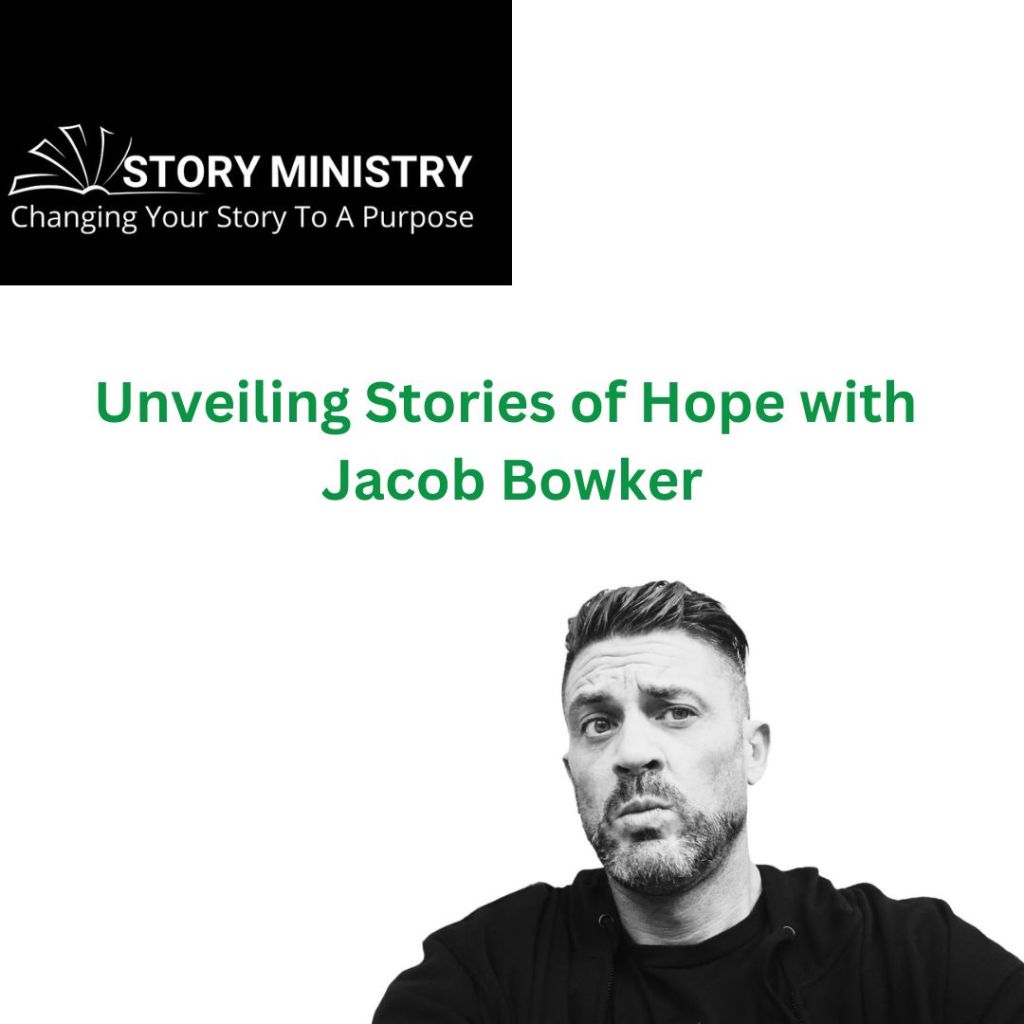
Unveiling Stories of Hope with Jacob Bowker

Mental health is a profound journey, often marked by challenges and revelations. In the latest episode of Thrive by The Rising Muse, we dive deep into this topic with a remarkable guest, Jacob Bowker. As a father of four boys, an author, a podcaster, and a certified mental health coach, Jacob brings a wealth of knowledge and personal experience to our conversation.

Jacob’s story is both moving and inspiring. When his son was hospitalized due to mental health issues, Jacob realized the dire need for faith-based resources for families struggling with similar challenges. This realization spurred the creation of Story Ministry, an organization dedicated to supporting families through the intersections of mental health, addiction, and faith.

Story Ministry’s unique family-centered approach aims to empower families, helping them establish healthy boundaries and become stronger together. Jacob emphasizes the importance of not neglecting any family member and working collectively to heal and support one another.

Jacob discusses how Story Ministry collaborates with licensed therapists to create resources that guide individuals through their mental health journeys. By incorporating Bible verses and faith-based teachings, they offer a holistic approach to coping and healing. Jacob’s perspective on the need for healthy coping mechanisms, as opposed to simply relying on medication, provides a refreshing take on mental health treatment.

A key aspect of Story Ministry’s mission is to proactively educate and support communities. Jacob highlights their efforts to integrate mental health education into schools, starting with teachers and staff. By equipping educators with the knowledge and tools to support students, they aim to foster a more understanding and supportive environment from a young age.

Story Ministry also partners with churches, offering weekly small groups and Bible study sessions focused on mental health. These groups provide a safe space for individuals to share their struggles and find support within their faith community.

Jacob’s message is clear: mental health is an integral part of our overall well-being and should not be separated from our spiritual lives. He encourages listeners to reach out for help, support one another, and approach mental health with empathy and understanding.

Are you intrigued by Jacob’s insights and the mission of Story Ministry? Tune into the full episode of Thrive by The Rising Muse to hear more about Jacob’s journey and how Story Ministry is making a difference in the lives of many.


Subscribe to Thrive by The Rising Muse on your favorite podcast platform and follow us on social media to stay updated on our latest episodes and mental health resources. Join us in breaking the stigma and building a supportive community where every story matters.


Don’t miss this enlightening conversation with Jacob Bowker. Click here to listen now and become part of a movement that embraces mental health and faith together.

Navigating Multiple Sclerosis

As we commemorate World Multiple Sclerosis Day today, it’s essential to shed light on the holistic impact of this condition. Multiple Sclerosis (MS) is not just a physical ailment; it deeply affects one’s emotional and mental well-being. Today, drawing insights from Dr. Meghan Beier, a renowned rehabilitation neuropsychologist from JohnHopkins.org, we explore three prevalent mental health concerns within the framework of faith and mental resilience.

  1. Depression:
    Depression can be a silent storm brewing within the lives of those affected by MS. It’s not merely a reaction to the illness but can also stem from biological factors, such as inflammatory processes. Dr. Beier emphasizes the importance of recognizing depression as a symptom rather than solely a consequence of MS progression. This understanding enables us to approach it with compassion and targeted interventions, combining medication with cognitive behavioral therapy. As people of faith, we can find solace in knowing that even amidst our darkest moments, there’s a guiding light of hope, urging us to seek help and embrace healing.
  2. Anxiety:
    Anxiety, like a relentless shadow, often accompanies the unpredictability of MS. The fear of exacerbations and uncertainties about the future can weigh heavily on individuals and their loved ones. Yet, faith teaches us to surrender our anxieties to a higher power, trusting in a divine plan beyond our comprehension. Dr. Beier encourages proactive measures, including behavioral therapy and acceptance and commitment therapy (ACT), to empower individuals in managing anxiety. By cultivating resilience through faith-based practices, we can navigate the turbulent seas of anxiety with unwavering courage.
  3. Pseudobulbar Affect:
    Pseudobulbar affect, characterized by uncontrollable emotional expressions, adds another layer of complexity to the MS journey. Despite its challenges, seeking proper diagnosis and treatment is crucial. Here, faith offers us resilience in acceptance and a beacon of strength to face adversities head-on. While talk therapy may not directly address pseudobulbar affect, medical interventions tailored to individual needs can provide relief and restore emotional balance.


As we commemorate World MS Day, let us not only raise awareness but also extend empathy and support to those battling this condition. By addressing the intricate interplay between faith and mental health, we pave the way for holistic healing and resilience. Together, let us foster a community where individuals impacted by MS find solace, strength, and above all, unwavering hope in the journey ahead.

Until next time, be blessed

Remember to subscribe to our podcast: Thrive by The Rising Muse

Faith, Justice and Mental Health


In this week’s episode of Thrive by The Rising Muse, we delve into the intricate web of the justice system, shedding light on its nuances, challenges, and the inspiring journey of one individual dedicated to reforming it. Join us as we sit down with Ramona Toole, a beacon of resilience, service, and hope, whose personal story fuels her unwavering commitment to creating a safer and more equitable community for all

Ramona’s upbringing was marked by adversity, with a tumultuous household overshadowed by her father’s abuse and addiction. Yet, amidst the chaos, a pivotal moment ignited her path towards justice. A chance encounter with a black female judge sparked a flame within her, propelling her towards a career in law, driven by the desire to be a voice for the voiceless and a source of inspiration for the marginalized.

For Ramona, faith has been a guiding force, shaping her perspective on justice and compassion. While the legal system may be bound by the separation of church and state, Ramona emphasizes the crucial role of faith in addressing mental health within the justice system. She advocates for holistic approaches, integrating mental health support and rehabilitation services to break the cycle of crime and stigma

Central to Ramona’s mission is bridging the gap between law enforcement and marginalized communities. Through community service projects and mentorship programs, she aims to foster trust, understanding, and mutual respect between officers and civilians. By humanizing the badge and fostering genuine connections, Ramona believes we can cultivate safer, more inclusive communities.

Ramona underscores the importance of equitable access to justice, regardless of background or circumstance. Treating individuals with dignity, providing platforms for dialogue, and amplifying marginalized voices are essential steps towards building a more just society. Additionally, she advocates for comprehensive mental health support, urging policymakers to prioritize funding and accessibility for all.

As Ramona embarks on her journey to become a Gwinnett County State Court judge, her platform extends beyond the courtroom. With a focus on accident cases, civil disputes, DUI offenses, and traffic violations, she seeks to uphold fairness, integrity, and accountability in every case. Her nonpartisan approach underscores her commitment to serving the community above all else.

As we conclude our conversation with Ramona Toole, we are reminded of the power of resilience, compassion, and advocacy in reshaping our justice system. Through her tireless efforts, Ramona exemplifies the transformative potential within each of us to effect meaningful change. Check out our latest episode for more!

Until next time, be blessed.

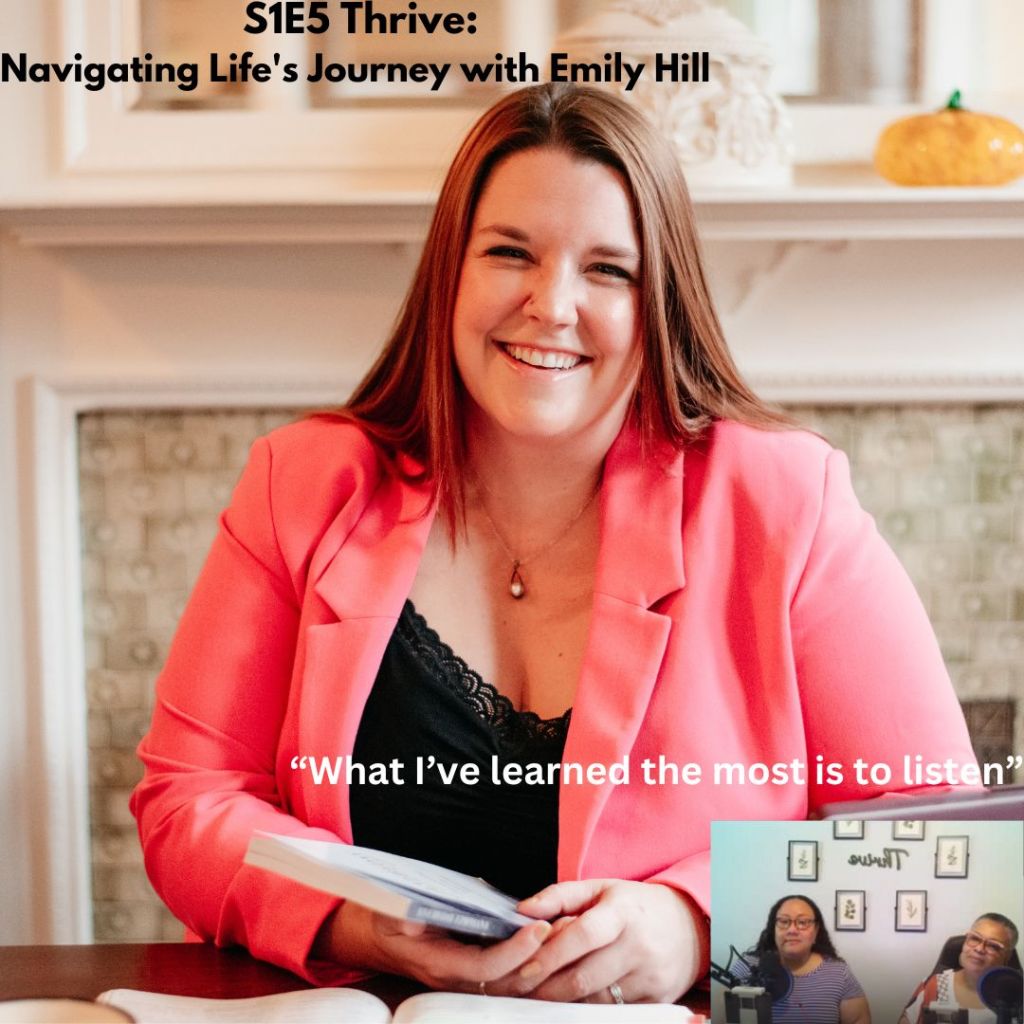
Discovering God in Daily Moments

Are you ready to embark on a journey of faith, family, and mental health? Join us for a captivating conversation with Emily Hill, where we delve into the depths of life’s challenges and triumphs.

Emily’s story is one of resilience and discovery. Growing up in a pastor’s home, life seemed picture-perfect until the harsh realities of adulthood hit hard. From navigating the joys and struggles of marriage to grappling with the profound loss of miscarriage, Emily shares candidly about her journey through grief, anger, and ultimately, healing.

In this episode, Emily invites us into her world, where faith intersects with the everyday moments of life. Through personal anecdotes and reflections on scripture, she reveals how she found solace and purpose in the midst of darkness, discovering the real presence of God in the mundane and momentous alike.

But the conversation doesn’t stop there. Emily shines a light on the stigma surrounding mental health in religious communities, advocating for open dialogue and acceptance. She shares her vision for faith communities to become spaces of healing and support, where individuals can find both spiritual and tangible resources for mental well-being.

And don’t forget to check out Emily’s book, “Everyday Epiphany,” a devotional that explores the presence and purpose of God in the everyday moments of life. With personal anecdotes and insights drawn from scripture, this book offers a guiding light for those seeking to deepen their faith and find meaning in the midst of life’s challenges.

Join us as we explore the thin places where the natural and spiritual worlds collide, where grief is met with grace, and where hope shines brightest in the darkest of moments. Whether you’re seeking comfort, inspiration, or simply a listening ear, this episode promises to touch your heart and uplift your spirit.

Don’t miss out on this empowering conversation with Emily Hill, as we navigate the complexities of everyday life with faith, family, and mental health as our guiding lights.

Watch the full episode by clicking here and embark on your own journey of discovery and resilience. Because in the midst of life’s challenges, there is always hope to be found.

Cultivating Financial Wisdom with Biblical Principles

In a world overflowing with national days, one stands out as not just a reminder, but as a call to action: National Teach Your Children How to Save Day on April 27th. As we navigate the complexities of modern life, one thing remains constantβ€”money matters. It’s not just about accumulating wealth, but about stewarding our resources wisely, in alignment with biblical principles.

The scriptures offer profound wisdom on the subject of money. Proverbs 3:9-10 teaches us the importance of honoring the Lord with our possessions and the firstfruits of our increase. By trusting God with our finances, we invite His abundance into our lives. Similarly, Matthew 6:24 warns against the idolization of money, emphasizing that we cannot serve both God and Mammon.

Yet, amidst these timeless truths, lies a practical application for the present moment. How do we instill these values in the next generation? How do we equip our children with the tools they need to navigate the complexities of financial stewardship?

Enter the concept of teaching our children how to save. It’s more than just setting aside a portion of their allowanceβ€”it’s about instilling a mindset of responsibility and foresight. Just as we sow seeds of faith, we sow seeds of financial wisdom in the fertile soil of our children’s hearts.

For many, the journey begins with a simple piggy bank. A cherished heirloom passed down through generations, it serves as a tangible reminder of the importance of saving. As children eagerly deposit coins into its waiting embrace, they learn the joy of delayed gratification and the satisfaction of watching their savings grow.

But saving is just the beginning. It’s about cultivating a holistic approach to money management that encompasses earning, saving, giving, and spending. As parents, we have a responsibility to lead by example, demonstrating godly stewardship in our own lives.

So, how can we teach our children better money management today? It starts with open dialogue and age-appropriate lessons. From teaching the value of hard work to modeling generosity, every interaction is an opportunity to impart wisdom.

As National Teach Your Children How to Save Day approaches, let us seize the moment to invest in the future. Let us sow seeds of financial wisdom that will bear fruit for generations to come. And let us remember that true wealth lies not in the abundance of possessions, but in the richness of our relationship with the One who holds all things in His hands.

Absolutely! Here’s the added paragraph:

Feeling inspired to get your own finances in order? We’ve got just the solution for you. Our new book, ‘The 15-Day Challenge to a Stronger YOU.’ This transformative resource guides readers through a journey of financial stewardship using biblical principles. With practical tips, insightful reflections, and actionable steps, ‘The 15-Day Challenge’ equips you to take charge of your finances and align them with God’s will. Join us on this transformative journey and launch a path of financial stewardship that will lead to lasting abundance and fulfillment.”

Share your thoughts and experiences in the comments below. Together, let’s embark on this journey of financial stewardship, guided by the timeless truths of scripture.

Until next time, be blessed!

Understanding God’s Forgiveness: Navigating the Consequences of Our Sins

In our journey of faith, understanding the depth of God’s forgiveness while grappling with the tangible consequences of our actions can be a complex process. It’s a concept that intertwines divine mercy with human responsibility, highlighting the transformative power of repentance and the enduring impact of our choices. This blog post explores the profound truth that while God’s forgiveness is absolute, it doesn’t necessarily exempt us from facing the repercussions of our sinsβ€”a lesson that encourages spiritual growth and a steadfast commitment to a righteous path.

The Nature of God’s Forgiveness

God’s capacity to forgive is one of the most comforting aspects of His character, offering us a beacon of hope in our moments of failure. Scriptures across various religious texts underscore the boundless mercy of the Divine. In Christianity, for instance, 1 John 1:9 (NIV) assures us, “If we confess our sins, He is faithful and just and will forgive us our sins and purify us from all unrighteousness.” This verse not only highlights God’s readiness to forgive but also His desire to cleanse us from our wrongdoing.

However, embracing God’s forgiveness is not merely about obtaining a guilt-free pass; it’s about acknowledging our wrongs, genuinely repenting, and striving towards transformation. Repentance involves a sincere heart-change, not just a fleeting moment of regret.

Consequences: The Inescapable Reality

While divine forgiveness lifts the spiritual burden of sin, it doesn’t always erase the earthly consequences of our actions. This truth is vividly illustrated in the life of David, a man after God’s own heart, who despite being forgiven, faced severe repercussions for his sins (2 Samuel 12:10-14). The consequences of his actions served not as a punishment from an unforgiving God but as a reminder of the gravity of sin and the importance of walking in obedience.

The reality is, our choices have effectsβ€”some immediate, others long-lasting. Actions that breach trust, harm others, or lead us away from our moral compass can result in tangible repercussions in our lives and the lives of those around us. Whether it’s the breakdown of relationships, legal issues, or personal turmoil, the fallout from our sins can be a thorny path to navigate.

The Role of Consequences in Our Spiritual Growth

Interestingly, facing the consequences of our actions doesn’t signify that we are unforgiven or unloved by God. On the contrary, it’s often through navigating these challenging aftermaths that we experience profound spiritual growth. Consequences can act as a ‘thorn in our side’β€”a constant reminder of our past mistakes and a deterrent against future missteps. They teach us humility, dependence on God, and the importance of wise decision-making.

Moreover, enduring through the consequences with faith can deepen our understanding of God’s grace. It’s a journey that underscores the essence of 2 Corinthians 12:9 (NIV), where Paul speaks of God’s grace being sufficient, His power made perfect in weakness. Our struggles and the repercussions of our sins become platforms for experiencing God’s strength and mercy in new dimensions.

Moving Forward with Hope

Encountering the consequences of our sins is not the end of the road; it’s a part of our journey toward spiritual maturity. It invites us to live in the light of God’s forgiveness, making conscious choices that reflect our repentance and commitment to a life aligned with divine principles. Let the knowledge of God’s unfailing love and forgiveness be the cornerstone of your resilience as you navigate the consequences of past actions.

Remember, God’s forgiveness does not remove the consequences of our sins, but it provides the strength to face them, learn from them, and ultimately, emerge stronger and more aligned with His will. Let the grace of God be your guide as you tread the path of redemption, bearing in mind that each step, no matter how painful, is an opportunity for growth and renewal.

In this journey of faith, let us hold fast to the promise of Psalm 34:18 (NIV), “The Lord is close to the brokenhearted and saves those who are crushed in spirit.” May this assurance of God’s nearness and compassion be a source of comfort and strength as you embrace the fullness of His forgiveness and the reality of your redemption story.

Nurturing Financial Growth Within God’s Principles

As we approach the April 7th debut to our podcast, Thrive, we wanted to take a moment to share valuable insights that echo the essence of “Thrive” and align with our mission of fostering financial growth for families rooted in faith.

Nurturing Prosperity with Scriptural Wisdom 🌱

β€œThe blessing of the Lord brings wealth, without painful toil for it.” (Proverbs 10:22)

In this journey toward financial well-being, we understand the importance of aligning our actions with timeless principles. Our commitment to weaving scriptural wisdom into practical advice forms the backbone of “Thrive.” Today, we’d like to share a gentle reminder on embracing abundance, inspired by God’s promise of prosperity.

Contentment and Stewardship πŸ™

“Keep your lives free from the love of money and be content with what you have, because God has said, ‘Never will I leave you; never will I forsake you.'”* (Hebrews 13:5)

True wealth lies not just in material possessions, but in the richness of contentment. On the podcast, we will explore the concept of contentment as a cornerstone for financial stewardship. Learn how finding joy in the present can be a catalyst for wise financial choices, ultimately paving the way for lasting prosperity.

Navigating Financial Challenges Together βš“

“Bear one another’s burdens, and so fulfill the law of Christ.” (Galatians 6:2)

Financial challenges are a shared experience, and as we journey together, “Thrive” aims to create a space for communal support. We will discuss practical ways to navigate financial hurdles within the context of community, emphasizing the strength found in unity.

Stealthy Launch, Lasting Impact πŸš€

While our April 7th launch date is just around the corner, we appreciate your companionship on this pre-launch journey. Subtle as it may be, each blog post serves as a stepping stone towards the meaningful conversations “Thrive” will foster. We invite you to engage, share your thoughts, and anticipate the podcast’s arrival with us.

For more thought-provoking content, stay tuned to our blog and join our community on social media. Together, let’s unlock the door to abundance, enriching our lives with financial wisdom grounded in faith.

Wishing you peace and prosperity,

The “Thrive” Team πŸŒΏπŸ’–βœ¨