
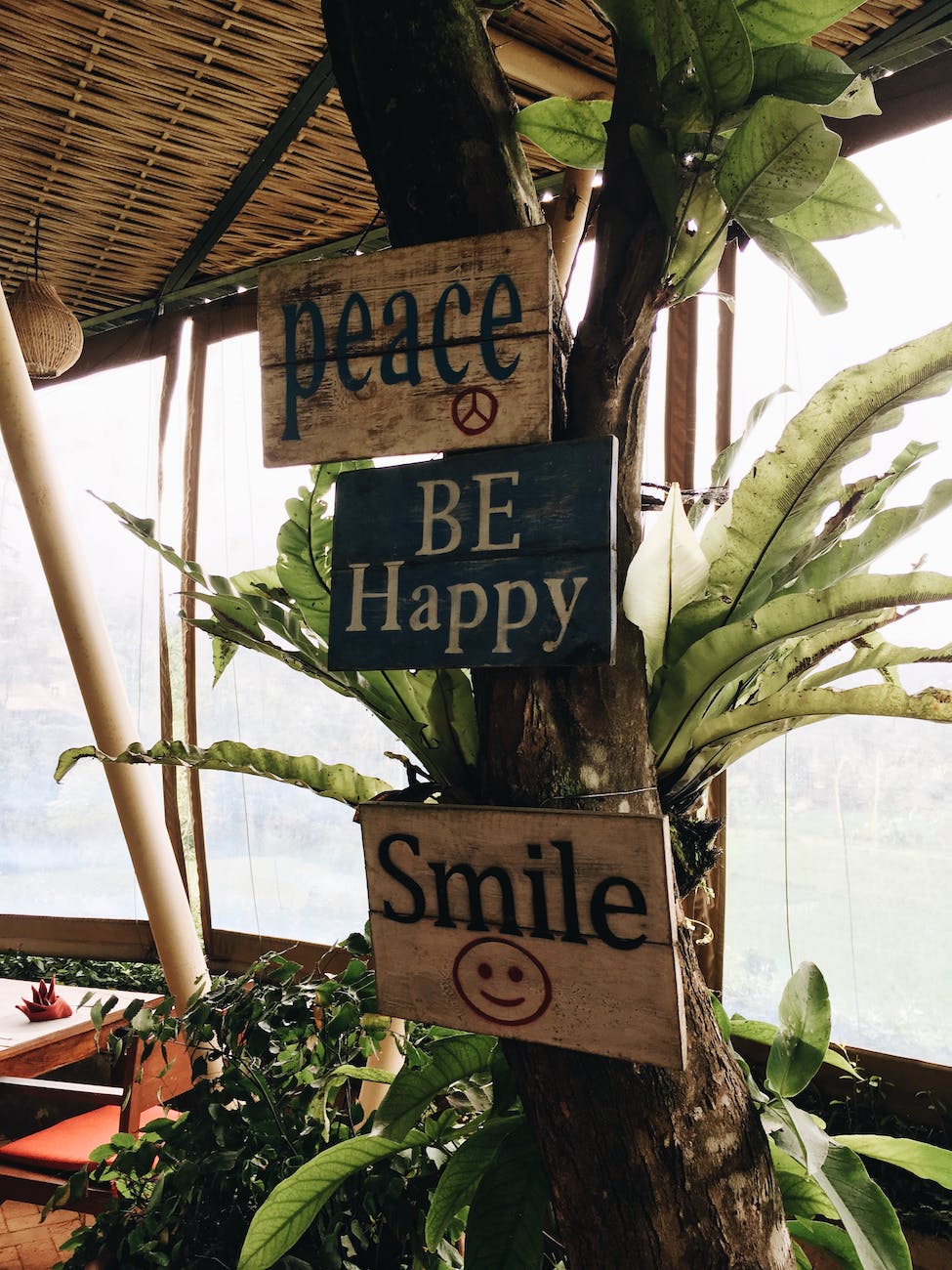
As we approach the International Day of Peace on September 21st, it’s a reminder that true peace begins within ourselves. While the quest for world peace is admirable, it finds its roots in the Christian faith through the peace that surpasses all understanding. In this blog post, we will explore the significance of inner peace from a Christian perspective, its connection to the International Day of Peace, and practical steps to foster tranquility within.
Inner peace, is more than just a state of calm; it is a reflection of a deep and abiding faith in God’s love and providence. It is rooted in the knowledge that God is in control and that His peace can fill our hearts, even in the midst of life’s storms.
The International Day of Peace, observed annually on September 21st, calls us to reflect on the peace that Christ offers and to share it with the world. As Christians, we understand that peace on a global scale is intricately linked to our individual pursuit of inner peace in Christ.
Why Inner Peace Matters
- Spiritual Well-being: Inner peace nurtures our spiritual well-being, allowing us to draw closer to God and experience His presence.
- Relationships as a Ministry: We can use our inner peace to be better ministers to those around us, demonstrating the love and peace of Christ through our actions.
- Conflict Resolution: A peaceful heart equips us to resolve conflicts with grace and humility, following the example of Jesus.
- Global Impact: Collectively, as Christians who embody the peace of Christ, we can influence our communities and nations for the better.
Practical Steps to Cultivate Inner Peace

- Prayer and Scripture: Spend time daily in prayer and studying the Scriptures to deepen your faith and understanding of God’s peace.
- Forgiveness: Practice forgiveness as Christ forgave us, releasing grudges and seeking reconciliation.
- Service and Acts of Love: Serve others with love and humility, following the example of Jesus washing His disciples’ feet.
- Trust in God’s Plan: Trust in God’s plan, even when facing uncertainties, knowing that He works all things for good.
- Community and Fellowship: Engage in community and fellowship for support and spiritual growth.
This International Day of Peace, let us remember that true peace, the peace that surpasses all understanding, begins with Christ within us. By cultivating inner peace through our faith, we can share the peace of Christ with a world in need. As Christians, we are called to be ambassadors of God’s peace, leading the way towards a world where His peace reigns supreme. Start with your relationship with Christ, and together, we can bring His peace to the forefront of our lives and the world.









 for they will scorn your prudent words”. No, I didn’t just post this scripture and moved on. I said that after reading this I had changed my point of view.I explained that sometimes I felt like defending my values in social media, but I took a step back and started observing before speaking. I realize that there are people who like to say outlandish things just to get a raise out of others and actually enjoy debating with people just for the fun of it. While your blood pressure rises, they are laughing on the other side until they burn you out and they move to the next victim. The exchange is futile and fruitless.
 who is to judge the living and the dead, and by his appearing and his kingdom: preach the word; be ready in season and out of season; reprove, rebuke, and exhort, with complete patience and teaching. For the time is coming when people will not endure sound teaching, but having itching ears they will accumulate for themselves teachers to suit their own passions, and will turn away from listening to the truth and wander off into myths. As for you, always be sober-minded, endure suffering, do the work of an evangelist, fulfill your ministry. ..”




 waiting for me to make a mistake and pulverize me at any minute. I was quite involved in church growing up, but it was out of the sense that I needed to keep that God happy to avoid the pits of hell.


 Mental Health is one controversial subject in religious circles. Emotional disturbances are not necessarily visible and therefore sometimes not viewed as real health problems and the treatment of there or lack of thereof is not always addressed appropriately.
