The Gift and Challenge of Grandparents Raising Grandchildren

In today’s world, the dynamics of family life are shifting, and more often than not, grandparents are stepping into the role of primary caregivers for their grandchildren. This can happen for a variety of reasons, including parental health issues, financial struggles, or unforeseen circumstances. While this shift can be challenging, it can also bring unique rewards and opportunities for both generations.

Understanding the Shift

  1. Reasons for the Transition: Various factors can lead to grandparents becoming caregivers. In some cases, parents may face addiction issues, mental health challenges, or other obstacles that prevent them from providing stable care. Additionally, economic factors, such as job loss or housing instability, can contribute to this situation. “Bear one another’s burdens, and so fulfill the law of Christ.” — Galatians 6:2
  2. Legal and Financial Implications: For many grandparents, taking on this role requires navigating legal systems, including custody arrangements or guardianship. Understanding the financial implications—such as increased expenses and potential benefits—can help in making informed decisions. “The heart of the discerning acquires knowledge, for the ears of the wise seek it out.” — Proverbs 18:15

Challenges Faced by Grandparents

  1. Emotional Strain: Transitioning into a parental role later in life can be emotionally taxing. Grandparents may experience feelings of loss or grief over the changes in their family structure, along with the stress of raising children again. “Cast your cares on the Lord, and he will sustain you; he will never let the righteous be shaken.” — Psalm 55:22
  2. Generational Gaps: The differences in parenting styles and cultural shifts can pose challenges. What worked for them decades ago may not resonate with modern parenting practices, leading to misunderstandings and conflicts. “Let everyone be quick to hear, slow to speak, and slow to anger.” — James 1:19
  3. Health Considerations: Many grandparents are at a stage in life where they may have health concerns or mobility issues. Balancing self-care with the demands of caregiving can be a delicate tightrope. “But those who hope in the Lord will renew their strength. They will soar on wings like eagles; they will run and not grow weary, they will walk and not be faint.” — Isaiah 40:31

The Positive Aspects

  1. Building Stronger Bonds: This new dynamic can strengthen the relationship between grandparents and grandchildren. Time spent together can foster deeper connections and provide children with a sense of stability and love. “Children’s children are a crown to the aged, and parents are the pride of their children.” — Proverbs 17:6
  2. Sharing Wisdom: Grandparents often bring a wealth of life experience and knowledge. Their stories and insights can provide valuable lessons for grandchildren, enriching their understanding of family history and values. “Wisdom belongs to the aged, and understanding to the old.” — Job 12:12
  3. Creating a Stable Environment: For many children, being raised by grandparents can provide a more stable and nurturing environment, especially in tumultuous times. This stability can be crucial for emotional and psychological development. “The Lord is my rock, my fortress, and my deliverer; my God is my rock, in whom I take refuge.” — Psalm 18:2

Tips for Grandparents Navigating Caregiving

  1. Establish Boundaries: It’s important for grandparents to define their role and set boundaries with parents. Clear communication can help manage expectations and responsibilities.“Let your conversation be always full of grace, seasoned with salt, so that you may know how to answer everyone.” — Colossians 4:6
  2. Seek Support: Joining support groups or seeking counseling can help grandparents cope with their emotional and practical challenges. Connecting with others in similar situations can be a valuable source of strength. “Therefore encourage one another and build each other up.” — 1 Thessalonians 5:11
  3. Prioritize Self-Care: Grandparents must remember to take care of themselves. Regular exercise, hobbies, and social interactions are essential for maintaining physical and mental health. “Do you not know that your bodies are temples of the Holy Spirit?” — 1 Corinthians 6:19
  4. Stay Informed: Educating themselves about child development and modern parenting techniques can help grandparents feel more equipped to handle the challenges of caregiving. “Get wisdom, get understanding; do not forget my words or turn away from them.” — Proverbs 4:5

Conclusion

While the role of caregiver can be daunting for grandparents, it also offers an opportunity to profoundly impact their grandchildren’s lives. By embracing this new chapter with resilience and love, grandparents can help nurture the next generation, creating a legacy that transcends challenges and fosters connection.

Domestic Violence, Faith & Healing (Part 1)

Are you ready to confront one of our most difficult yet vital conversations? In the latest episode of Thrive by The Rising Muse, we sit down with renowned trauma therapist Tabitha Westbrook for an unflinching look into domestic violence and its devastating impact on families, mental health, and faith.

The Darkness of Coercive Control

Too often, domestic violence is misunderstood or oversimplified. In this eye-opening episode, Tabitha walks us through the different, often invisible, forms of abuse like coercive control—where the victim’s freedom, identity, and autonomy are systematically stripped away. It’s not always about physical harm. As Tabitha explains, it’s the slow, methodical erosion of a person’s sense of self that can be just as, if not more, damaging.

Faith and the Journey to Healing

What role does faith play in both surviving and healing from domestic violence? As a survivor herself, Tabitha shares her deeply personal story of how God walked with her through the pain and ultimately called her to help others do the same. In this episode, she offers practical advice on how faith communities can provide real, life-changing support to those in abusive situations.

The Moment of Freedom

One of the most powerful moments in the conversation comes when Tabitha describes the importance of regaining autonomy. She recounts stories of survivors—some of whom felt a rush of liberation in the simplest moments, like sitting in a car, knowing they finally had control over their own lives. It’s a reminder that even in the darkest times, freedom is possible.

Why You Can’t Miss Part 2

This episode is just the beginning. We’ve only scratched the surface of this complex and important topic. In part two, we’ll dive even deeper into the spiritual and emotional aspects of domestic violence recovery, as well as provide actionable resources for those who may be suffering in silence.

Tabitha Westbrook, LMFT-S, LCMHC-QS, LPC-S, is a licensed therapist who helps people who have messy, funky pasts (and sometimes messy, funky presents) live amazing, empowered lives today. In addition to being a licensed counselor and supervisor, Tabitha is an EMDR Certified Therapist and Approved Consultant, Certified Sex Addiction Therapist, Certified Clinical Trauma Professional, and Certified Christian Trauma Care Provider. 

She’s the Founder & CEO of The Journey and The Process, a private practice with offices in North Carolina and Texas, specializing in complex trauma, with a focus on domestic abuse and coercive control. Tabitha is a nationally known expert and speaker on domestic abuse & coercive control, providing training to churches, therapists, and agencies. She also helps train domestic abuse advocates through Called to Peace Ministries’ faith-based advocacy training, as well as co-facilitates the G5 Men’s Batterer Intervention Group. Tabitha is the author of the forthcoming book Body & Soul, Healed & Whole: An Invitational Guide to Healthy Sexuality After Trauma, Abuse, and Coercive Control.


Listen to part one of this transformative conversation on domestic violence, faith, and mental health now, and don’t forget to subscribe so you don’t miss the continuation of this powerful series.


If you or someone you know is in danger, please reach out to the National Domestic Violence Hotline at 1-800-799-7233 or visit thehotline.org. Help is available, and you are not alone.

The Depression Epidemic: Why Teens Are More Depressed Than Ever?

In the latest episode of Thrive by The Rising Muse, hosts Naty and Veda tackle a topic that is both timely and crucial: teenage depression. Joined by licensed counselor Taylor Warren, the discussion dives deep into the complexities of adolescent mental health, offering invaluable insights for parents, guardians, and anyone involved in the lives of teenagers.

Teenage depression is more than just occasional sadness or mood swings; it’s a serious mental health condition that can have far-reaching consequences. During the episode, Taylor Warren highlights the importance of recognizing the signs of depression, which can often be mistaken for typical teenage behavior. Persistent sadness, withdrawal from social activities, changes in eating and sleeping habits, and a noticeable drop in academic performance are just a few of the red flags to watch out for.

One of the most eye-opening segments of the episode focuses on the role of social media in teenage depression. Taylor discusses how the constant exposure to curated and often unrealistic images can lead to feelings of inadequacy and low self-esteem among teens. The hosts explore practical strategies for parents to help their teens navigate this digital landscape, such as setting boundaries for phone usage and encouraging real-life interactions.

Communication is a recurring theme throughout the episode. Taylor emphasizes the need for parents to create a safe space where their teenagers feel comfortable expressing their feelings without fear of judgment. The hosts share tips on how to validate a teen’s emotions and the importance of listening without immediately offering solutions.

Another crucial aspect covered in the episode is the importance of seeking professional help when needed. Taylor explains that it’s okay for parents to not have all the answers and that therapists can provide the support and guidance necessary for a teen’s recovery. The discussion also touches on the role of trusted adults, such as mentors and church leaders, in supporting teenagers through their struggles.

The episode concludes with a range of practical tips for parents to help their teens thrive despite the challenges of depression. From promoting healthy habits like proper sleep and nutrition to being a role model in handling stress, these actionable steps are designed to empower parents in their journey to support their teenagers.

Tune In for More

This episode of Thrive by The Rising Muse is a must-listen for anyone looking to understand and support teenagers dealing with depression. Taylor Warren’s expertise, combined with Naty and Veda’s heartfelt approach, makes for an episode that is both informative and deeply empathetic.

Don’t miss out on this enlightening discussion. Tune in to the full episode to gain more insights and practical advice on how to help teens navigate the challenges of depression in today’s digital age.

Taylor Warren is an education specialist, licensed professional counselor, and the owner of The Grove Counseling & Consulting. She specializes in supporting teen girls and women in the areas of anxiety, self-esteem, perfectionism, and eating disorders.

Subscribe to Thrive by The Rising Muse and follow us on social media for more episodes on faith, family, and mental health.

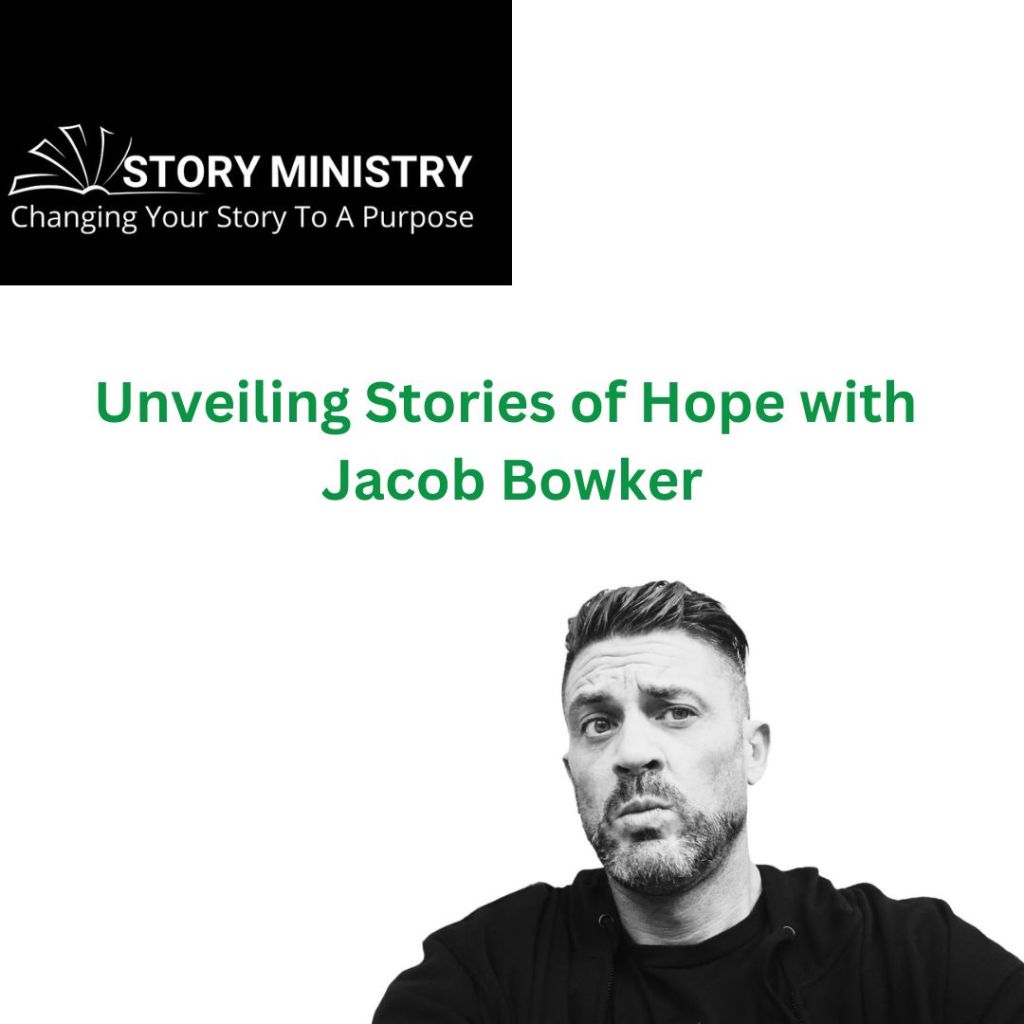
Unveiling Stories of Hope with Jacob Bowker

Mental health is a profound journey, often marked by challenges and revelations. In the latest episode of Thrive by The Rising Muse, we dive deep into this topic with a remarkable guest, Jacob Bowker. As a father of four boys, an author, a podcaster, and a certified mental health coach, Jacob brings a wealth of knowledge and personal experience to our conversation.

Jacob’s story is both moving and inspiring. When his son was hospitalized due to mental health issues, Jacob realized the dire need for faith-based resources for families struggling with similar challenges. This realization spurred the creation of Story Ministry, an organization dedicated to supporting families through the intersections of mental health, addiction, and faith.

Story Ministry’s unique family-centered approach aims to empower families, helping them establish healthy boundaries and become stronger together. Jacob emphasizes the importance of not neglecting any family member and working collectively to heal and support one another.

Jacob discusses how Story Ministry collaborates with licensed therapists to create resources that guide individuals through their mental health journeys. By incorporating Bible verses and faith-based teachings, they offer a holistic approach to coping and healing. Jacob’s perspective on the need for healthy coping mechanisms, as opposed to simply relying on medication, provides a refreshing take on mental health treatment.

A key aspect of Story Ministry’s mission is to proactively educate and support communities. Jacob highlights their efforts to integrate mental health education into schools, starting with teachers and staff. By equipping educators with the knowledge and tools to support students, they aim to foster a more understanding and supportive environment from a young age.

Story Ministry also partners with churches, offering weekly small groups and Bible study sessions focused on mental health. These groups provide a safe space for individuals to share their struggles and find support within their faith community.

Jacob’s message is clear: mental health is an integral part of our overall well-being and should not be separated from our spiritual lives. He encourages listeners to reach out for help, support one another, and approach mental health with empathy and understanding.

Are you intrigued by Jacob’s insights and the mission of Story Ministry? Tune into the full episode of Thrive by The Rising Muse to hear more about Jacob’s journey and how Story Ministry is making a difference in the lives of many.


Subscribe to Thrive by The Rising Muse on your favorite podcast platform and follow us on social media to stay updated on our latest episodes and mental health resources. Join us in breaking the stigma and building a supportive community where every story matters.


Don’t miss this enlightening conversation with Jacob Bowker. Click here to listen now and become part of a movement that embraces mental health and faith together.

Finding Strength and Perspective at a Funeral

Photo by Matthias Zomer on Pexels.com

When I accompanied a friend to a funeral this weekend, I never anticipated the profound impact it would have on me. It wasn’t just the somber atmosphere or the tears that were shed; it was the raw, heart-wrenching emotions that stirred something deep within me. This experience made me reflect on life, loss, and the powerful messages we sometimes overlook in the midst of grief.

As we entered the funeral venue, the sight that greeted us was heartrending. The decedent’s sister lay on the floor, consumed by her grief, and not far away, his youngest daughters, who were about the same age I was when I lost my father, were crying out for their daddy. Their sobs pierced the air, and the depth of their pain left an indelible mark on my heart. It reminded me of my own childhood, missing my father at graduations and father-daughter events. My mother did her best to fill the void with stand-ins—a caring uncle, a supportive coworker, and, eventually, my beloved brother who walked me down the aisle. While I am grateful for their presence, they could never replace my dad.

My heart ached for those girls, knowing the milestones they would miss without their father. I could relate to their pain all too well. But what truly broke my spirit was witnessing the decedent’s mother stand to read her son’s obituary. She began with a smile, thanking everyone for attending, but my thoughts immediately turned to the heartbreaking reality that no mother should ever have to bury her child.

I couldn’t help but recall my own mother’s grief when my sister passed away shortly before my father. My mother never truly recovered from that loss, carrying the weight of her grief for 44 years until the day she joined them in eternity. As a parent myself, the thought of losing my child is unbearable and unimaginable.

Yet, amidst this sea of sorrow, there was a message of hope that caught my attention. A speaker reminded us to rejoice because the departed soul was now with the Lord, free from suffering, and would be reunited with loved ones in the afterlife. While I share the belief in this reunion, the concept of joy upon a loved one’s death was not something I could readily embrace. It wasn’t my immediate response when comforting someone in grief.

From a believer’s standpoint, I’ve felt relief when those I love have passed because it reaffirms my hope of seeing them again. There have been loved ones whose salvation status remained uncertain to me, either due to different faiths, no faith at all, or lifestyles that left me hoping for a last-minute conversion. However, joy was not part of the equation. It was a complex mix of peace, relief, and hope.

The final message that resonated deeply with me was delivered by another speaker, urging us to reach out to our loved ones now because tomorrow is never guaranteed. It served as a stark reminder that I, like many, have people I love but have failed to connect with. I often think about them but don’t take the time to reach out. It’s a shortcoming I acknowledge.

Photo by Polina Tankilevitch on Pexels.com

This wake-up call was made more poignant by the fact that the decedent was younger than me. It’s a stark reminder that tomorrow is not promised to any of us. Living in the present and cherishing the people around us became an urgent priority in my heart.

While our original intentions for October were to discuss other important topics, I felt compelled to share this message. Funerals are not just about mourning the departed; they are an opportunity for reflection, growth, and the reevaluation of our own lives. In the face of loss, we can find strength and perspective that can lead us to live more intentionally and love more deeply.

In the end, it is our experiences, both joyful and sorrowful, that shape us into better, more compassionate individuals. So, let us remember to embrace the now, cherish our loved ones, and find solace in the hope of reunions in the afterlife, for it is in these moments that we truly understand the depth of our humanity and the power of our faith.