The Exhaustion Nobody Notices: Do You Have High-Functioning Anxiety?

On the outside, you look like you have it all together. You’re the reliable one, the high-achiever, the person who gets things done. People praise your drive and productivity.

But beneath that polished exterior? A constant undercurrent of stress, an overthinking mind that refuses to shut down, and a bone-deep exhaustion that sleep can’t seem to fix.

This is the hidden reality of High-Functioning Anxiety. Because you look okay, your silent storm goes completely unnoticed by the world.

The Hidden Toll of “Holding It Together”

High-functioning anxiety isn’t a medical diagnosis, but it is a very real survival strategy. It hides behind perfectionism and achievement, but it comes at a massive cost:

  • Physical Fatigue: Tight shoulders, jaw clenching, shallow breathing, and migraines.
  • Mental Burnout: An endless loop of anticipating the next problem or over-preparing out of fear of failure.
  • Spiritual Exhaustion: Believing that you are solely responsible for keeping the world spinning, making rest feel like a dangerous risk rather than a necessity.

You don’t have to live in a perpetual state of survival. It is entirely possible to maintain your capabilities without sacrificing your peace, your health, and your joy.

What We Cover in the Full Episode:

In this episode, we dig deep into the roots of this hidden struggle and share practical, actionable steps to help you heal:

  • The “Survival Response”: Why your nervous system is trapped in alert mode (and how to signal safety to your body).
  • Redefining Rest: How to transition from relentless striving to active trusting.
  • Practical Regulation Techniques: Simple grounding exercises to stop a racing mind in seconds.
  • Shifting Identity: How to break the habit of tying your self-worth to your daily output.

Ready to stop just surviving and start truly living? 🎬 Watch the full episode now to discover the practical strategies to regulate your nervous system, reclaim your rest, and heal from the exhaustion nobody else sees.

Sow a seed into this ministry to help us spread His light and transform lives—to join our mission today!

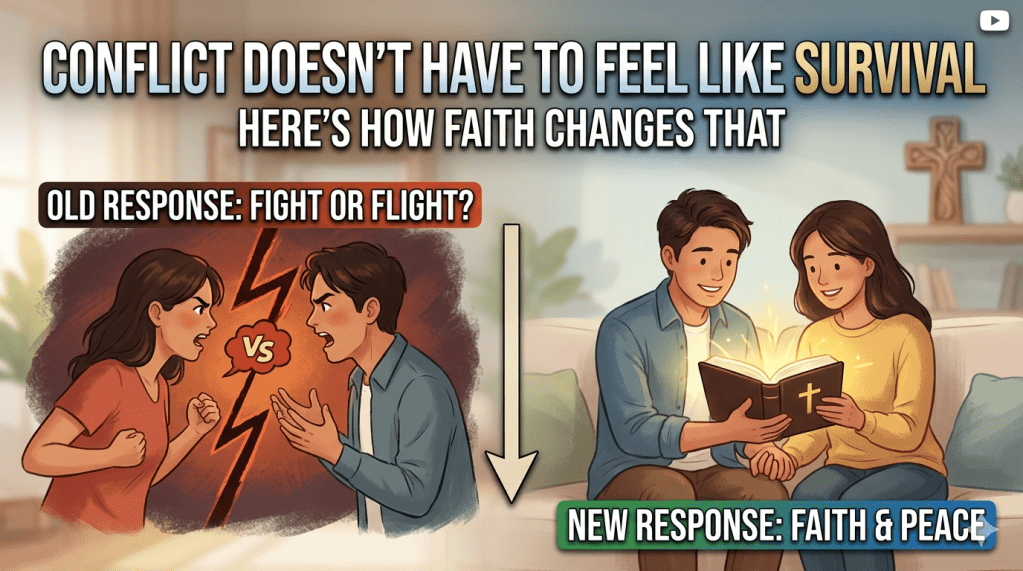
Why Communication Breaks Down During Conflict?

(And How Faith, Awareness, and Compassion Can Help)

Have you ever walked away from a conversation with someone you love, feeling completely misunderstood, disconnected, or more alone than before?

When tension rises, intimacy and understanding seem to vanish in an instant. But what if the breakdown isn’t because you’re bad at expressing yourself? What if it’s rooted in something much deeper—your nervous system’s natural response to threat and trauma?

In this video, we are breaking down the complex biology of why communication falters during conflict, and how you can use your faith and emotional awareness to stay connected when conversations get hard.

What You’ll Learn in This Episode:

  • The Body First: How your nervous system triggers fight, flight, freeze, or fawn modes before a conflict even starts in your mouth.
  • The Power of a Holy Pause: Practical ways to live out James 1:19 (“quick to listen, slow to speak”) when your physical nerves are completely frayed.
  • Recognizing What Lies Beneath: How hidden wounds, unmet needs, and shame hijack dinner-time disagreements and turn minor issues into major fights.
  • The Grace-Filled Script: A simple, 10-minute boundary trick to use when you’re too overwhelmed to think straight, ensuring you protect your relationship instead of pushing each other away.

Key Takeaway: The most mature person still experiences moments of immaturity when emotions activate their survival response. The key isn’t being perfect—it’s learning how to regulate.

Stop Choosing Disconnection. Watch Now!

Conflict is inevitable, but disconnection is a choice. You don’t have to navigate these hard conversations alone. Watch the video to learn how to transform your conflicts into opportunities for deeper connection, grounded presence, and courageous love.

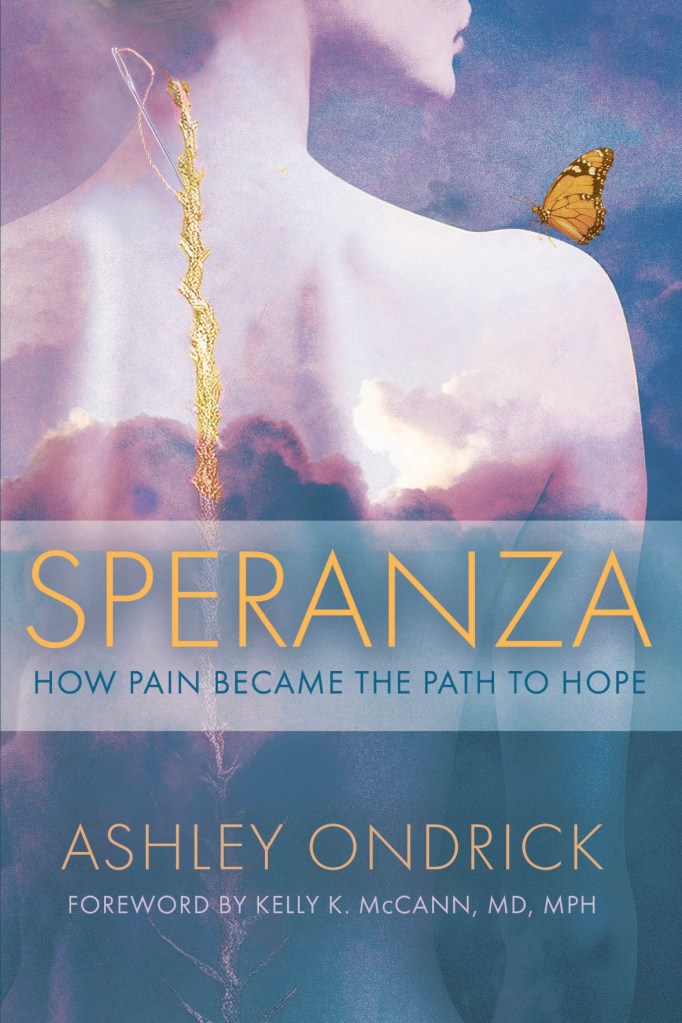
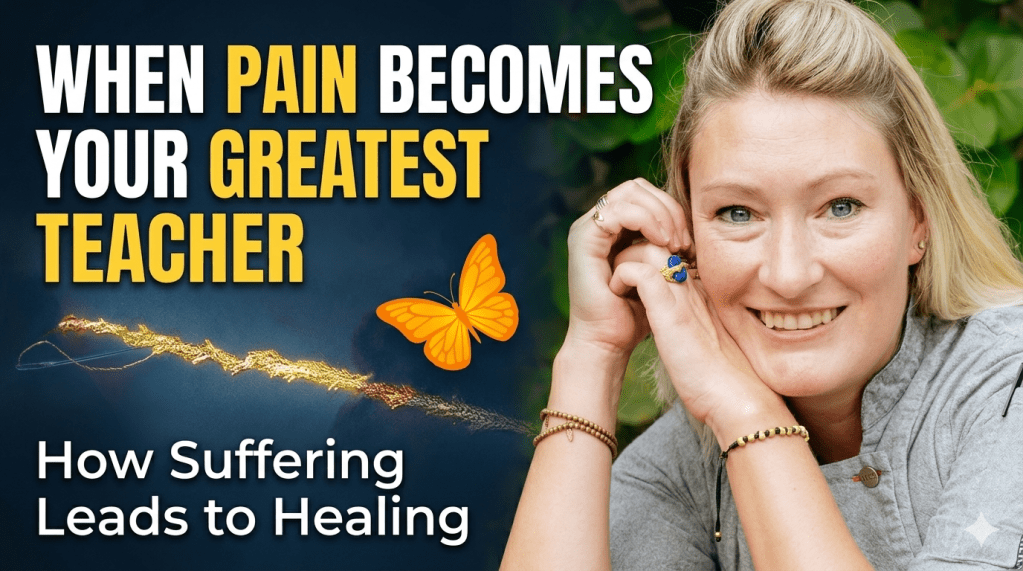
Turning Pain into Purpose: Could your deepest suffering be your hidden superpower?

Have you ever wondered if the very pain that seems to break you could actually be the catalyst for your greatest purpose? This question can feel impossibly heavy if you’re drowning in chronic illness, emotional turmoil, or a seemingly endless string of life-altering setbacks.

On our recent episode of The Rising Muse, we’re sharing a story that will shift everything you think you know about healing.

Meet Ashley Ondrick, the vibrant integrative nutrition health coach known online as the Mostly Healthy Chef. To look at her, you’d see joy and strength. But underneath her smile lies a reality many never guess: 20 years of relentless physical pain, 11 major surgeries (eight on her spine), and an unimaginable stroke triggered simply by her skull shifting off her spine.

What choice do you make when your body—and your world—completely breaks?

In this unforgettable interview, Ashley takes us into the dark, raw moments of loneliness, depression, and unworthiness that many chronic illness warriors recognize only too well. But this isn’t just a story about surviving trauma. It is a story about utilizing it.

Ashley doesn’t just tell us she found purpose. She shows us exactly how she did it.

Watch the full episode now to hear directly from Ashley on:

  • The ” Filipinx Typhoon” Moment: Why a devastating disaster (and some bold volunteer work) became the exact pressure cooker she needed to unlock her resilience.
  • Wrestling With God: A raw look at turning “timid prayer” into bold, messy declarations of trust, shifting her perspective from asking for relief to trusting in divine timing.
  • The “Mostly Healthy” Revelation: Her groundbreaking strategy for healing that doesn’t require perfection—including her recent personal 30-pound weight loss transformation using simple, manageable food swaps.
  • Practical Steps to Turn Pain into a Platform: Ashley provides actionable, small, consistent steps anyone can start taking today to move towards a healthier, more fulfilled life, regardless of where they are starting.

This is more than an interview; it’s a heartfelt guide reminding us that healing is a process, not a destination. Ashley’s approach is about sustainability, grace, and meeting yourself exactly where you are.

To reach Ashley:

www.mostlyhealthychef.com

www.amostlyhealthyblog.com

Your pain is not the end of your story—it is an invitation to rewrite it.

If you are ready to reframe your difficulties and find a clear path to healing and deep purpose, you cannot afford to miss this conversation.

Sow a seed into this ministry to help us spread His light and transform lives—click here to join our mission today!

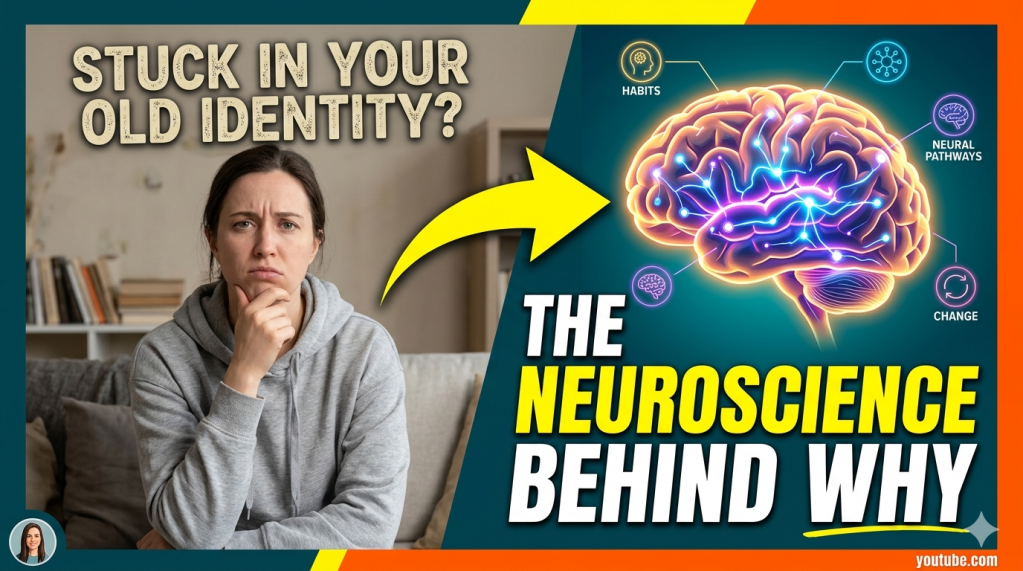
Stuck in Your Old Identity? The Shocking Truth About Why Your Brain Resists Change 🧠✨

Are you holding onto parts of your past that no longer serve you? Do you feel stuck because you’re still dragging around an outdated identity?

If we are being completely honest, shedding old versions of ourselves is one of the hardest things we will ever do. Whether it’s emotional, mental, or spiritual, stepping into the next season of life always requires leaving an old part of yourself behind.

But why does it feel like an uphill battle? Why do we constantly slide back into old patterns even when we know they are hurting us?

In our latest episode, we dive deep into the raw, unspoken reality of personal transformation. We aren’t just giving you a checklist of “good habits”—we are breaking down the exact neuroscience and spiritual warfare behind why you feel so stuck.

Here is a sneak peek of what we unpack in the full conversation (and why you cannot afford to miss this episode):

1. The Grief of the “Old Self” (It’s Not What You Think)

When you start setting boundaries, healing from trauma, or saying “no” to things that drain you, you expect to feel liberated. Instead, you might feel a strange sense of sadness.

In the episode, we reveal a truth most people ignore: Releasing your old identity brings a literal grieving process. Even if your past was dysfunctional, it was familiar. It kept you safe. We discuss how to navigate this grief with grace instead of guilt.

2. “Neural Entrenchment” – Your Brain is Wired to Keep You Stuck

Ever wonder why you still react with anger, low self-worth, or critical self-talk in stressful moments? It’s not a lack of willpower; it’s biology.

We dive into the science of the basal ganglia—the part of the brain where habits are automatically stored. Your brain actually prefers a predictable, unhealthy pattern over an unpredictable, healthy one. In the video, we explain how to break this “neural entrenchment” and physically rewire your mind.

3. The Timeline of Transformation

You’ve probably heard that it takes 21 days to form a habit. That is a myth.

Neuroscience shows it actually takes anywhere from 18 to 254 days to solidify a new behavior. In the full episode, we share practical, daily strategies—including visual cues and accountability hacks—to help you survive the “emotional dips” of this timeline without giving up.

4. The Spiritual Breakthrough

God calls us to be new creations ($2 \text{ Corinthians } 5:17$), yet our flesh desperately fights to stay in survival mode.

We discuss the powerful intersection of psychology and scripture (like $Isaiah 43:18-19$), showing you how to partner with the Holy Spirit to transform from the inside out. Your growth isn’t a betrayal of your past; it’s a holy act of obedience.

🚨 Stop hiding, stop shrinking, and stop apologizing for your growth.

If you are ready to stop fighting your own brain, heal from the past, and boldly step into the person God designed you to be, this conversation was built for you.

Watch the full episode now to unlock the tools you need for lasting breakthrough!

[ ➡️ CLICK HERE TO WATCH THE FULL EPISODE ⬅️ ]

What did you think of the sneak peek?

  • Drop a comment below: What is one old habit, mindset, or identity you are currently trying to let go of? Let’s talk about it!

Partner with our mission to bring hope and transformation to the community—click here to fuel the vision today!

🌿 Breaking the Mold in Faith, Leadership, and Voice

A Conversation with Sarah J.R. Smith

What if your voice was never meant to fit the mold?

In this powerful episode of Thrive by The Rising Muse, we sit down with Sarah J.R. Smith—author, pastor, mother, and model-breaker (also known as Precarious Yates)—to unpack what it really means to walk boldly in your calling, even when it challenges tradition.

🔥 Why You Need to Listen

For many women in faith spaces, the message has been clear: stay quiet, stay small, stay within the lines.

But what happens when God calls you outside of that?

Sarah shares her journey of stepping into leadership despite resistance, unlearning limiting beliefs, and embracing a faith rooted in truth—not fear. From her global missionary experiences to her work addressing real-world issues like human trafficking and spiritual warfare, her story is both raw and empowering.

What We Cover

  • Finding your voice in spaces that expect silence
  • Breaking barriers as a woman in ministry
  • Unlearning harmful traditions and rebuilding faith
  • Navigating leadership, family, and the mental load
  • Standing firm in your calling—even when it’s uncomfortable

Sara JR Smith—also known by her pen name, Precarious Yates. She’s an author, a pastor, a wife, a mom—and honestly, a model-breaker in every sense of the word.
From missionary work across Ireland, India, and the Philippines… to writing bold, unfiltered stories that dive into real-world darkness and spiritual warfare. You can hear more from her on  Facebook, X (Former Twitter), and Instagram

Author of the Revelation Special Ops series

Author of The Heart of the Caveat Whale trilogy

Book 1 of Revelation Special Ops
How far will teen spy Hadassah Michelman go to
free kids from modern slavery? Will she stake out all
night in a West African Jungle?
Swim through a polluted river in the Philippines?
Climb through abandoned sewers in Rome?
At least the organization she wants to work for,
RSO supplies handy espionage gadgets. She hopes
they’re enough to get her out of a thousand
impossible situations.
She never imagined anyone from her team would
encounter dinosaurs. Terrorists with biochemical
weapons. Earthquakes in every corner of the globe.
Will she still rescue kids from traffickers when
disasters surround?
Will she have the strength to be the elite of the weak?
And if not, where will she find it?
https://a.co/d/aFhEuuH

🌱 The Takeaway

You don’t need permission to be who God called you to be. Your voice matters.
Your calling is valid. And you were never meant to shrink to belong.

Ready to be challenged, encouraged, and inspired?

👉 Tune in to this episode of Thrive by The Rising Muse and step boldly into your calling.

📌 Follow us on social media @therisingmuse for more conversations that uplift and empower.

Are you ready to break the mold?

Understanding Adult ADHD

Signs, Strategies, and Hope for Change

Do you ever feel like your brain has 47 tabs open — and none of them are loading properly?

If you struggle with forgetfulness, impulsivity, restlessness, or difficulty starting tasks, you may have wondered about the cause. Is this anxiety… or could it be ADHD?

In this episode, we sit down with clinical psychologist Dr. Tamar Shtrambrand to unpack what adult ADHD really looks like — especially the signs that often go unnoticed.

Because here’s the truth:
Adult ADHD is frequently misunderstood, misdiagnosed, or masked for years — particularly in women.

We explore:

  • The subtle but persistent signs of adult ADHD
  • Why starting tasks can feel harder than completing them
  • What “brain chatter” actually means
  • How ADHD differs from anxiety (and why the two often get confused)
  • Why many women aren’t diagnosed until adulthood

Dr. Tamar explains that ADHD isn’t about laziness or lack of discipline. It’s about how the brain regulates attention, transitions, and executive function. For many adults, the pattern has been there for years… they’ve just learned to adapt, compensate, or blame themselves.

We also dive into:

  • Practical, non-medication management strategies
  • The role of sleep, nutrition, and movement
  • Emotional regulation tools that actually help
  • When medication might be considered
  • And the surprising strengths of the ADHD brain

Because ADHD isn’t just a list of challenges.

It’s also creativity. Vision. Passion. Deep empathy. Innovative thinking.

If you’ve ever felt frustrated with yourself for not “having it together,” this episode offers clarity, validation, and hope. Understanding your brain isn’t a label — it’s a doorway to working with yourself instead of against yourself.

🎧Tune in to learn how to recognize the signs. Explore practical tools. Discover how an ADHD brain can thrive with the right support.

The Power of Second Chances: Lessons from Easter on Growth, Faith, and Redemption

Have you ever felt like your story was over because of mistakes or hardships? Perhaps you’ve wondered if there’s any hope for a fresh start after experiencing failure. If so, you’re not alone. Many of us have faced moments of despair, but the message of Easter offers a powerful reminder: no matter your past, a new beginning is always possible. In this post, we explore how faith, resilience, and God’s grace open the door to second chances, transforming brokenness into growth and hope.

Embracing the Truth: Your Story Isn’t Over

Easter is often seen as a celebration of resurrection—a miracle that signifies hope and renewal. But beyond the historical event of Jesus rising from the dead, Easter also symbolizes that our personal stories are still being written. As one speaker beautifully put it, “Your story isn’t over,” and this truth can be a lifeline when we feel stuck or overwhelmed by our mistakes. Think about Mary, the mother of Jesus. She carried her child through pregnancy, raised him, and watched him undergo unimaginable suffering. Despite her pain, she witnessed the ultimate victory—her son’s resurrection. Her story didn’t end in grief; it was a testament to perseverance and hope. If Mary’s story can continue beyond heartbreak, so can yours.

Key takeaways
  • No matter what you’ve been through, your narrative can still include chapters of redemption and growth. God’s grace enables us to rewrite our stories, no matter how dark the past.
  • When you’re struggling, pray the honest prayer, “God, help my unbelief.” Trusting in God’s presence and purpose, despite your doubts, is a form of real faith.
  • Faith isn’t the absence of doubt but a decision to trust God even when life feels uncertain or painful.
  • Embrace the discomfort because it signifies progress. Growth is a process that requires grace, patience, and persistence.
  • Speak to yourself with kindness. Treat yourself as you would a dear friend who’s healing and growing.
  • Giving yourself grace is essential for healing and embracing the second chances God provides.
  • God’s grace isn’t just for salvation but for everyday renewal. It’s accessible, abundant, and available whenever you’re ready to accept it.

Living the Second Chance: Practical Steps

To apply this powerful truth to your life, consider these steps:

  1. Be honest with yourself about where you are. No judgment, just acknowledgment.
  2. Lean into your faith—even if it’s just small prayers like “God, I trust You.”
  3. Practice grace—for yourself and others. Remember, healing takes time.
  4. Embrace the second chance by letting go of past mistakes. You are not your past; you are who you are becoming.

Reflect on your testimony: where you were, what you’ve overcome, and where you’re headed. Choose to leave behind guilt and shame—give them over to God—and step into the newness He offers.

Remember

: God’s love is greater than your failures, and His grace is always enough for a new beginning.


Final Reflection: Your Reset Button Is Always Within Reach

This Easter, remember that the resurrection isn’t just a historical event—it’s a daily invitation for renewal. No matter how broken you feel or how many times you’ve stumbled, God’s grace is waiting for you to accept it. You are worthy of healing, growth, and a fresh start. So, take hold of your second chances. Trust the process, lean into faith during the hard times, and extend grace to yourself as you move forward. Your story isn’t over; it’s just beginning again.


FAQs

Can I truly start over after making big mistakes? Absolutely. God’s grace makes every new beginning possible. As 2 Corinthians 5:17 reminds us, “The old has gone, the new is here.”

How do I keep faith when I feel like giving up? Focus on small prayers and trust that God is working beneath the surface. Remember, perseverance produces character and hope.

Why does growth often feel painful? Growth involves breaking down old beliefs and habits, which can be uncomfortable or chaotic before new strength emerges.

Is grace only for others or also for myself? Grace is for everyone, including you. You deserve forgiveness and second chances just as much as anyone else.

How do I accept God’s gift of a second chance? Start by honest reflection, prayer, and releasing guilt. Accept His love and step into the new chapter He’s offering.


In Closing

This Easter, let the message of resurrection inspire you to embrace second chances, trust God’s timing, and walk boldly into your future. Remember, your story is still being written—and with God’s grace, it’s a story of hope, growth, and renewal.

Discover how Easter reminds us that second chances are possible through faith, grace, and ongoing growth, empowering you to rewrite your story regardless of past mistakes.

Biblical Stories Through a Psychological and Trauma-Informed Lens

An Invitation to Deeper Understanding

Have you ever read a Bible story and wondered, What does this have to do with my anxiety? How does it relate to my waiting season? Or what about my trauma?

If you’ve ever felt disconnected from scripture, this episode is for you. It’s also for you if you feel overwhelmed by rigid interpretations that don’t leave space for your emotional reality.

In this conversation, we explore biblical narratives through a psychological lens. We also use a trauma-informed approach. We uncover something powerful: these stories are deeply human. They are filled with emotions such as fear, delay, shame, and longing. Experiences of betrayal and identity struggles are also present. In the middle of it all, there is a divine presence.

We revisit the journeys of:

  • David — anointed but overlooked, called but hidden
  • Joseph — betrayed, imprisoned, yet formed in the waiting
  • Hannah — grieving, longing, and praying through shame
  • Samaritan woman at the well — hiding in plain sight, yet met with compassion instead of condemnation

Through a trauma-informed perspective, we discuss:

  • How biblical delays may shape identity, not signal failure
  • Why avoidance and shame are survival strategies — not spiritual weakness
  • How honest prayer becomes a pathway to healing
  • What attachment, safety, and divine presence really mean for your mental health

This episode isn’t about rewriting scripture.
It’s about reading it with compassion.

It’s about recognizing that God meets people in caves, prisons, wells, and waiting seasons. God does not meet them only in miracles and mountaintops.

If your faith feels complicated…
If your story feels unfinished…
If you’re longing for a deeper, emotionally honest relationship with God…

🎧 Tune in to hear how psychology and scripture can coexist. Discover how viewing biblical stories through a trauma-informed lens might transform the way you see your pain. This perspective can also alter your process and your faith.

Your Beliefs Are Sabotaging Your Goals

In a world where new goals and fresh starts are often celebrated, it’s easy to overlook the underlying beliefs that shape our lives. In our latest episode, we delve into the transformative power of core beliefs and how they can either propel us forward or keep us stuck in old cycles.

Understanding Core Beliefs

Core beliefs are the deep-seated perceptions we hold about ourselves and the world. They often form in childhood and can be so ingrained that we don’t even realize they’re there. These beliefs act as lenses through which we view our experiences, influencing our thoughts, emotions, and behaviors.

The Impact of Core Beliefs

Our episode explores how core beliefs can manifest in various aspects of life, from relationships to career choices. For instance, a belief of “I’m not enough” can lead to patterns of overworking or staying in toxic relationships. Recognizing these patterns is the first step towards change.

Rewriting the Narrative

We discuss practical tools for challenging and changing negative core beliefs. This involves identifying the lie, tracing its roots, and replacing it with truth. Repetition and community support play crucial roles in this transformative process.

As we journey through life, it’s essential to examine the beliefs that guide us. By rewriting the narratives that no longer serve us, we can embrace a life of authenticity and fulfillment. Subscribe now to stay updated on more insights and tools for personal growth.

How Core Beliefs Shape Your Life & How to Rewrite Them with God’s Truth

Do you feel stuck in patterns you can’t explain—emotionally, spiritually, or relationally? Often, the issue isn’t a lack of effort or faith. Core beliefs formed early in life silently influence how we see ourselves, others, and God.

In this episode of Thrive by The Rising Muse, we explore how core beliefs develop. We investigate how they affect your adult life. You can begin rewriting them using biblical truth and practical tools.

What Are Core Beliefs?

Core beliefs are deeply rooted thoughts formed in childhood through experiences, relationships, and emotional moments. Because children interpret life emotionally rather than logically, painful experiences can lead to beliefs like:

  • “I’m not enough.”
  • “I must earn love.”
  • “I will always be abandoned.”

These beliefs don’t disappear with age—they show up as self-sabotage, fear of intimacy, overperformance, or spiritual insecurity.

Signs Your Core Beliefs May Be Holding You Back

You may be operating from limiting core beliefs if you:

  • Repeat the same relationship patterns
  • Feel unworthy despite success or affirmation
  • Overreact to rejection or criticism
  • Struggle to believe God’s love applies to you personally

Rewriting Core Beliefs with God’s Truth

Every false belief is rooted in a lie—and Scripture provides the truth to replace it.

  • Lie: “I am unlovable.”
    Truth: Nothing can separate you from God’s love (Romans 8:38–39).
  • Lie: “I’m not enough.”
    Truth: You are God’s workmanship, created with purpose (Ephesians 2:10).

Practical steps:

  1. Identify the lie
  2. Trace it to its origin
  3. Challenge it with Scripture
  4. Replace it with truth
  5. Repeat daily

Renewing your mind is both a spiritual and psychological process—and consistency leads to transformation.

You don’t have to stay stuck in old stories. God’s truth has the power to heal wounds, restore identity, and create lasting freedom.

🎧 Listen to the full episode:
Your Beliefs Are Sabotaging Your Goals on Thrive by The Rising Muse

✨ For more faith-based tools on healing and renewal, follow The Rising Muse and explore our related resources.