The Parable about Parables

By John Avery

(Context: Matthew 13:1-23. Parallels: Mark 4:1-20; Luke 8:4-15.)
Story time was over. The keel of the fishing boat ground into the gravel along the shore,
and the men stopped rowing. Jesus climbed over the side and paddled to the beach. As He
and the disciples gathered their gear and prepared to go back to the house to rest, one of
the disciples raised the question they had all been too shy to ask until the crowd
dispersed.
“Why do you speak to them in parables?”

I think we get stuck in the Parable of the Soils. 1 What I mean is that we spend so much
time trying to decipher the analogies and apply them to our lives that we miss the core of
what Jesus said. This is one of Jesus’ most important teachings because it answers the
disciples’ question, “Why do you speak to them in parables?” Jesus’ answer is the key to
hearing the voice of God and therefore the key to spiritual growth.
So, why did Jesus use parables? At first, His explanation seems cryptic:
Jesus answered them, “To you it has been granted to know the mysteries of the kingdom of
heaven, but to them it has not been granted. . . . Therefore I speak to them in parables; because
while seeing they do not see, and while hearing they do not hear, nor do they understand. . . . But
blessed are your eyes, because they see; and your ears, because they hear. (Matthew 13:11, 13,
16)
Every crowd listening to Jesus’ teaching contains two types of people; those who have
functioning spiritual ears and eyes, and those who do not. Ears receptive to sound waves
and eyes able to resolve light patterns are not enough. Spiritual sight and hearing happen
when the heart understands, the mind perceives, and lives return to a healthy relationship
with God (Matt. 13:14-15). The disciples were spiritually receptive; they could grasp the
mysteries of the kingdom of God and change to live the kingdom lifestyle. Jesus used
parables to see which people were in which group. The Parable of the Soils illustrates this
essential lesson.
Every parable and truth about the King and His kingdom acts in the same way. Like a
seed, it tests the soil of the heart. Many people hear God speaking directly to them, or
through His followers, but only superficially. The truth is quickly snatched away from
hard hearts. Difficult times, when temptation or opposition comes, shrivel it. Distractions
steal all time and energy, hindering application. Only hearts that are like soft, deep, clean
soil will apply the truth in such a way that life changes. Each time that Jesus concludes
with the phrase, “He who has ears to hear, let him hear,” He means the ears of the will.
So, next time God drops a seed of truth into your life, will your will nurture it to fruition?

John Avery

Author of The Sparks Series. Collections of short meaty devotional/Bible Studies.

Becoming Like Jesus: How to Think and Live Like Jesus Christ (February, 2024).

The Questions of Jesus: Questions Asked by Jesus, Questions People Asked Him (October, 2022).

The Kingdom of God: Our Life with Jesus the King (March, 2023).

And

The Name Quest: Explore the Names of God to Grow in Faith and Get To Know Him Better (Morgan James Publishing, 2015).

www.NamesForGod.net/name-quest

www.BibleMaturity.com

Overcoming Pride and Staying Grounded in Faith

Pride is a subtle yet powerful force that can creep into our lives, affecting our relationships and spiritual well-being. As Christians, it’s essential to recognize the dangers of pride and strive to stay grounded in our faith. Proverbs 16:18 warns us, “Pride goes before destruction, a haughty spirit before a fall.” Let’s explore how we can overcome pride and maintain humility in our daily walk with God.

Understanding Pride

From a Christian perspective, pride is an excessive focus on oneself, often leading to arrogance and self-sufficiency. It’s the opposite of humility, which is a key virtue in the Christian faith. Pride can damage our relationship with God and others, making us less receptive to guidance and correction. James 4:6 reminds us, “God opposes the proud but shows favor to the humble.” Recognizing the destructive nature of pride is the first step towards overcoming it.

Biblical Examples of Pride

The Bible provides numerous examples of pride and its consequences. One of the most notable is Lucifer, whose pride led to his downfall (Isaiah 14:12-15). Another example is King Nebuchadnezzar, who, in his arrogance, boasted about his achievements, only to be humbled by God (Daniel 4:28-37). These stories serve as powerful reminders of the dangers of pride and the importance of humility.

Staying Grounded in Faith

To overcome pride, we must actively cultivate humility and stay grounded in our faith. Here are some practical steps to help us do that:

  1. Acknowledge Our Dependence on God: Recognize that every good thing comes from God and that we are dependent on His grace and mercy (Philippians 2:3-4).
  2. Serve Others: Engage in acts of service and kindness. Serving others helps shift our focus away from ourselves and fosters a spirit of humility (Micah 6:8).
  3. Seek Accountability: Surround yourself with fellow believers who can offer guidance, support, and correction when needed.
  4. Stay Teachable: Be open to learning and growing, allowing God to mold you into His likeness.

The Role of Prayer and Scripture

Prayer is a powerful tool in combating pride. When we pray, we acknowledge our need for God’s help and guidance. Jesus taught us to pray with humility and sincerity (Matthew 6:5-6). Additionally, immersing ourselves in scripture helps us stay grounded. Psalm 119:105 says, “Your word is a lamp for my feet, a light on my path.” Regularly reading and meditating on God’s Word reminds us of His greatness and our dependence on Him.

Conclusion

Overcoming pride is a continuous journey that requires vigilance and reliance on God. By seeking humility and staying grounded in our faith, we can avoid the pitfalls of pride and grow closer to God. Remember, true greatness comes from serving others and recognizing our dependence on Him. Let’s strive to live humbly, seeking His guidance in all we do.

Free Yourself: Embrace Forgiveness Today

Are you seeking a way to find peace amidst life’s inevitable pains and challenges? Join us in our latest podcast episode as we delve deep into the essence of forgiveness—a journey from resentment to liberation.

On our most recent episode of Thrive by The Rising Muse we guide you through a profound conversation on forgiveness. With engaging and relatable storytelling, we explore how forgiveness intersects with faith, family, and mental health, offering transformative insights along the way.

We start by defining forgiveness through the lens of the American Psychology Association (APA), which describes it as an intentional process of letting go of anger and resentment while embracing empathy and compassion. They emphasize that forgiveness is not necessarily about reconciliation but about freeing oneself from the burden of bitterness.

There are 4 types of forgiveness:

  1. Forgiving Others: The most common form, where you forgive someone who has hurt you.
  2. Self-Forgiveness: Often the hardest, where you learn to forgive yourself for past mistakes.
  3. Forgiving Circumstances: Letting go of resentment towards situations beyond your control.
  4. Forgiving God: Acknowledging and processing feelings of anger towards God in times of personal loss or tragedy.

This episode also offers practical advice on how to embark on your own journey of forgiveness:

  • Acknowledge Your Pain: The first step is recognizing and admitting your hurt.
  • Gain Perspective: Try to understand the situation from different viewpoints.
  • Release Resentment: Learn to let go of grudges that weigh you down.
  • Practice Self-Compassion: Be patient and kind to yourself as you navigate the forgiveness process.
  • Seek Guidance: Whether through therapy, counseling, or spiritual guidance, don’t hesitate to seek help.

The Spiritual Dimension of Forgiveness

Our hosts discuss the spiritual aspects of forgiveness, referencing various scriptures that underscore the importance of forgiving others as God forgives us. They also touch on the necessity of forgiving God, a concept that might seem controversial but is essential for healing deep-seated anger and disappointment.

Why Listen?

This episode is a must-listen for anyone struggling with forgiveness. Whether you find it hard to forgive others, yourself, or even God, Naty and Veda provide compassionate and insightful guidance to help you release the emotional burdens that are holding you back.

Don’t miss out on this enlightening conversation that promises to uplift and inspire. Tune in to the Thrive podcast and start your journey towards true forgiveness today!


Ready to dive deeper into the topic of forgiveness? Click here to listen to the full episode now.

Unlocking Fatherhood Secrets with J Hall

Parenting is a journey filled with joy, challenges, and countless learning moments. Our latest episode of Thrive by The Rising Muse offers an enlightening exploration of fatherhood, featuring the multi-talented J Hall. J is not just an author; he’s an educator, podcaster, devoted family man, and proud grandfather. His book,God Help Me! I’m a Young Dad: 10 Essentials for Becoming the Dad Your Kids Need,” has made a significant impact on young fathers seeking guidance and inspiration.

In this episode, J shares his personal journey and the inspiration behind his writing. His approach to blending inspiration, education, and practical advice in his book provides a unique perspective on how young dads can navigate the complexities of parenthood. As a Christian author, J’s faith deeply influences his views on fatherhood, offering a spiritually enriching angle to his advice.

Balancing multiple roles is no small feat, yet J manages to juggle his responsibilities as an author, educator, and family man with grace. He delves into how he maintains this balance and the importance of prioritizing family amidst a busy schedule. His insights are invaluable for anyone struggling to find harmony between their professional and personal lives.

One of the most touching parts of the episode is J’s reflections on becoming a grandfather. He shares how this new role has reshaped his perspective on fatherhood and brought new joys and insights into his life. J also provides a sneak peek into his upcoming book in the “God Help Me!” series, aimed at college students, promising to offer guidance on navigating academic and personal challenges with integrity and faith.

For those interested in the world of books, J discusses his podcast, the Okie Bookcast, and the joy of co-hosting a monthly book chat show with his daughter. This heartwarming collaboration has not only strengthened their bond but also created a space for meaningful conversations about literature.

J wraps up the episode with essential advice for young dads and those about to embark on the journey of fatherhood. His wisdom and experience make this a must-listen for anyone looking to become the best parent they can be.

You can connect with J Hall on his website okiebookcast.com and @okiebookcast across social media platforms

Don’t Miss Out!

Catch the full episode to hear more about J’s journey, his invaluable advice for young dads, and the inspiring stories that have shaped his views on fatherhood. Subscribe to Thrive by The Rising Muse on your favorite podcast platform, and follow us on social media to stay updated with our latest episodes and exclusive content.


Stay connected and never miss an episode:

Tune in, subscribe, and join us on this journey of growth and inspiration!

For this episode click here:

Healing Emotional Scars with God’s Help

By Veda Green (Thrive by The Rising Muse Co-Host)

Emotional scars often run deep, invisible to the naked eye but affecting every aspect of our lives. Unlike physical wounds, you can’t just slap a band-aid on them and hope they’ll heal on their own. The pain from past trauma can linger for years, surfacing unexpectedly and wreaking havoc on our peace of mind.

As Christians, we have unique resources to help us heal—prayer, wise counsel, therapy, and even medication. We can also turn to the eternal truths of Scripture to guide us through the healing process.

The Reality of Emotional Scars

Emotional scars can be triggered by anything—a song, a phrase, or even a memory. These triggers can transport us back to the moment of our deepest pain. For example, I know someone who saw her abuser’s face while she was with her loving boyfriend. She started screaming and tried to flee, but because he was aware of her past, he held her and assured her of her safety. This moment underscores the reality that we can’t simply lock our trauma behind a door and expect it never to resurface.

In Psalm 34:18, we find comfort: “The Lord is close to the brokenhearted and saves those who are crushed in spirit.” God is not distant from our pain; He is intimately aware of it and ready to offer His healing presence.

The Path to Healing

1. Prayer and God’s Word

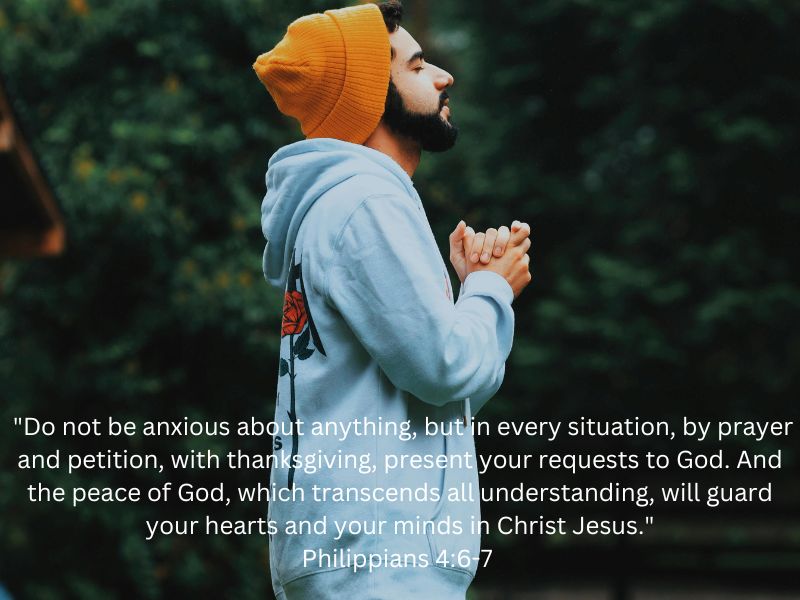
   Prayer is our lifeline to God. In moments of overwhelming emotion, we can pour out our hearts to Him. Philippians 4:6-7 reassures us: “Do not be anxious about anything, but in every situation, by prayer and petition, with thanksgiving, present your requests to God. And the peace of God, which transcends all understanding, will guard your hearts and your minds in Christ Jesus.”

   Regularly meditating on Scripture can also help. Psalm 147:3 tells us, “He heals the brokenhearted and binds up their wounds.” By anchoring ourselves in God’s promises, we allow His truth to permeate our minds and soothe our souls.

2. Wise Counsel and Therapy

   Proverbs 11:14 says, “Where there is no guidance, a people falls, but in an abundance of counselors there is safety.” Seeking wise counsel from trusted friends, pastors, or professional therapists can provide the support and strategies needed to navigate the healing process.

   Therapy can offer tools to manage triggers and develop healthier coping mechanisms. It’s not a sign of weakness but a step towards wholeness.

3. Breaking Generational Curses

   Abuse can sometimes stem from generational patterns of behavior. Recognizing this and choosing to break the cycle is vital. Exodus 20:5-6 speaks to God’s desire for us to overcome these generational sins: “I, the Lord your God, am a jealous God, punishing the children for the sin of the parents to the third and fourth generation of those who hate me, but showing love to a thousand generations of those who love me and keep my commandments.”

   By addressing these issues, we protect future generations from experiencing the same pain.

Living in Freedom

Emotional scars, if left unattended, can negatively affect our relationships, marriages, children, and friendships. The enemy wants us to believe that we are defined by our past, but Jesus offers us a new identity. In John 8:36, Jesus declares, “So if the Son sets you free, you will be free indeed.”

1. Cultivating Healthy Relationships

   Romans 12:18 advises, “If it is possible, as far as it depends on you, live at peace with everyone.” This involves forgiving those who have hurt us and seeking healthy, supportive relationships that reflect God’s love.

2. Sharing Your Story

   Revelation 12:11 reminds us of the power of our testimony: “They triumphed over him by the blood of the Lamb and by the word of their testimony.” Sharing your story can be a source of healing for yourself and others. It breaks the silence and brings light to the darkness of abuse.

3. Trusting God’s Plan

   Jeremiah 29:11 offers a promise of hope: “‘For I know the plans I have for you,’ declares the Lord, ‘plans to prosper you and not to harm you, plans to give you hope and a future.'” Trusting in God’s plan, even when the path is painful, allows us to walk in faith and confidence.

Healing emotional scars is a journey that requires time, patience, and the right resources. As believers, we have the profound assurance that God is with us every step of the way. Through prayer, wise counsel, therapy, and the support of our faith community, we can find healing and freedom from the past.

May we always remember that our scars, while they may never fully disappear, can become testimonies of God’s incredible grace and healing power. As we navigate this journey, let us cling to the promise in Isaiah 41:10: “So do not fear, for I am with you; do not be dismayed, for I am your God. I will strengthen you and help you; I will uphold you with my righteous right hand.” With God’s help, we can overcome the past and step into the abundant life He has promised us.

Don’t forget to subscribe to our podcast Thrive by The Rising Muse

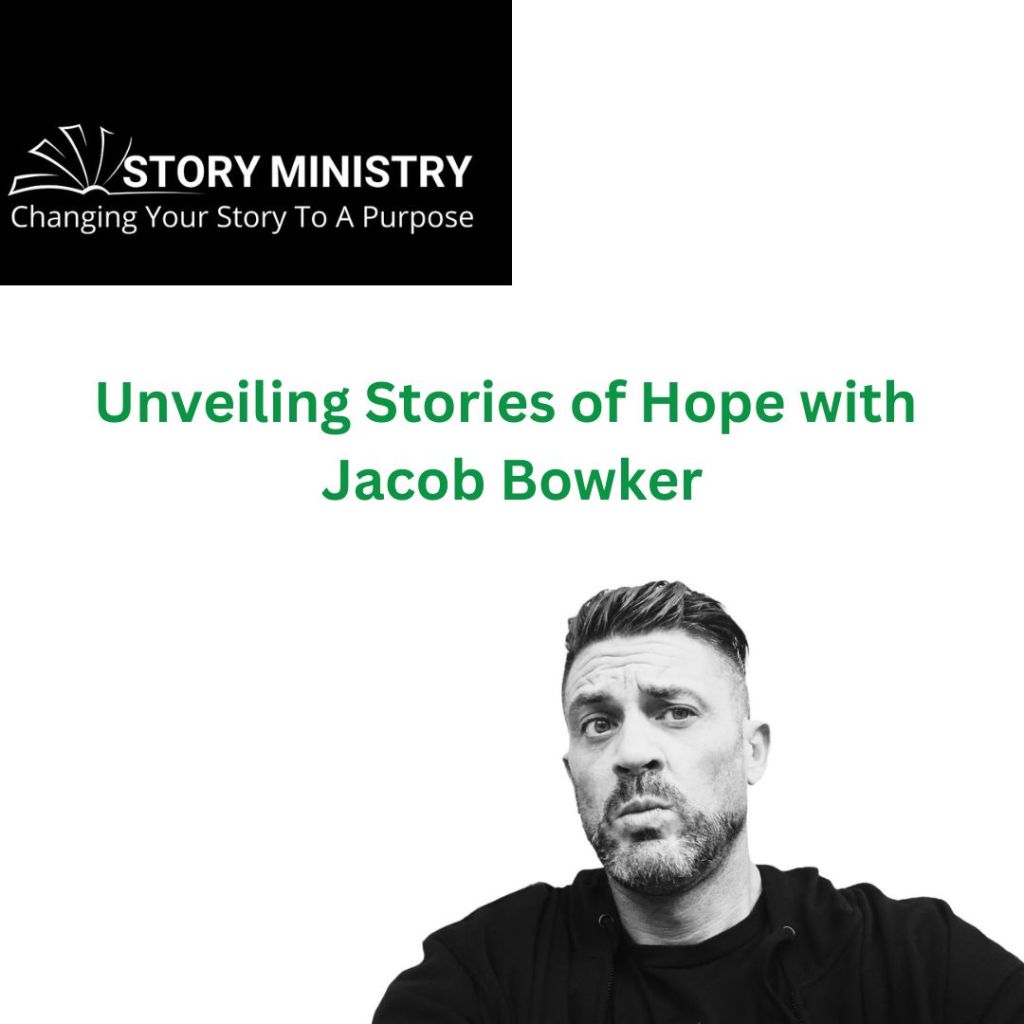
Unveiling Stories of Hope with Jacob Bowker

Mental health is a profound journey, often marked by challenges and revelations. In the latest episode of Thrive by The Rising Muse, we dive deep into this topic with a remarkable guest, Jacob Bowker. As a father of four boys, an author, a podcaster, and a certified mental health coach, Jacob brings a wealth of knowledge and personal experience to our conversation.

Jacob’s story is both moving and inspiring. When his son was hospitalized due to mental health issues, Jacob realized the dire need for faith-based resources for families struggling with similar challenges. This realization spurred the creation of Story Ministry, an organization dedicated to supporting families through the intersections of mental health, addiction, and faith.

Story Ministry’s unique family-centered approach aims to empower families, helping them establish healthy boundaries and become stronger together. Jacob emphasizes the importance of not neglecting any family member and working collectively to heal and support one another.

Jacob discusses how Story Ministry collaborates with licensed therapists to create resources that guide individuals through their mental health journeys. By incorporating Bible verses and faith-based teachings, they offer a holistic approach to coping and healing. Jacob’s perspective on the need for healthy coping mechanisms, as opposed to simply relying on medication, provides a refreshing take on mental health treatment.

A key aspect of Story Ministry’s mission is to proactively educate and support communities. Jacob highlights their efforts to integrate mental health education into schools, starting with teachers and staff. By equipping educators with the knowledge and tools to support students, they aim to foster a more understanding and supportive environment from a young age.

Story Ministry also partners with churches, offering weekly small groups and Bible study sessions focused on mental health. These groups provide a safe space for individuals to share their struggles and find support within their faith community.

Jacob’s message is clear: mental health is an integral part of our overall well-being and should not be separated from our spiritual lives. He encourages listeners to reach out for help, support one another, and approach mental health with empathy and understanding.

Are you intrigued by Jacob’s insights and the mission of Story Ministry? Tune into the full episode of Thrive by The Rising Muse to hear more about Jacob’s journey and how Story Ministry is making a difference in the lives of many.


Subscribe to Thrive by The Rising Muse on your favorite podcast platform and follow us on social media to stay updated on our latest episodes and mental health resources. Join us in breaking the stigma and building a supportive community where every story matters.


Don’t miss this enlightening conversation with Jacob Bowker. Click here to listen now and become part of a movement that embraces mental health and faith together.

Overcoming Ego for Spiritual Growth: A Christian Perspective

In the pursuit of spiritual growth, Christians often face the significant challenge of overcoming the ego. The ego, our sense of self-importance and individual identity, can be an obstacle to deeper faith and communion with God. By embracing humility and selflessness, Christians can transcend the ego, drawing closer to the divine. This blog post explores the Christian approach to overcoming ego, supported by scripture and practical steps for spiritual growth.

In Christianity, the ego represents our self-centered nature, often manifesting as pride, arrogance, and selfishness. The Bible consistently warns against these traits, highlighting the importance of humility and self-denial. Jesus’ teachings and the writings of the apostles provide clear guidance on how to manage and overcome the ego.

The Bible addresses the dangers of ego and the virtues of humility extensively. One of the most profound teachings comes from Jesus Himself:

“Whoever wants to be my disciple must deny themselves and take up their cross daily and follow me. For whoever wants to save their life will lose it, but whoever loses their life for me will save it.” – Luke 9:23-24

This passage emphasizes the need to deny the ego, symbolized by taking up the cross, to follow Christ truly. The call to self-denial is a call to let go of personal pride and selfish desires.

The apostle Paul also speaks about the importance of humility in his letters:

“Do nothing out of selfish ambition or vain conceit. Rather, in humility value others above yourselves, not looking to your own interests but each of you to the interests of the others.” – Philippians 2:3-4

Paul’s message underscores the Christian ideal of putting others first, a direct challenge to the ego-driven mindset.

The ego can impede spiritual growth in several ways:

  1. Pride: Pride leads us to believe we are self-sufficient and superior to others, diminishing our reliance on God and separating us from Him.
  2. Selfishness: An ego-centric life focuses on personal gain rather than serving others, contrary to the teachings of Christ.
  3. Resistance to Change: The ego resists humility and self-examination, hindering our willingness to grow and transform spiritually.

Practical Steps to Overcome the Ego

  1. Practice Humility: Embrace humility by recognizing that all good things come from God. Regularly remind yourself of God’s greatness and your dependence on His grace. “Humble yourselves before the Lord, and he will lift you up.” – James 4:10
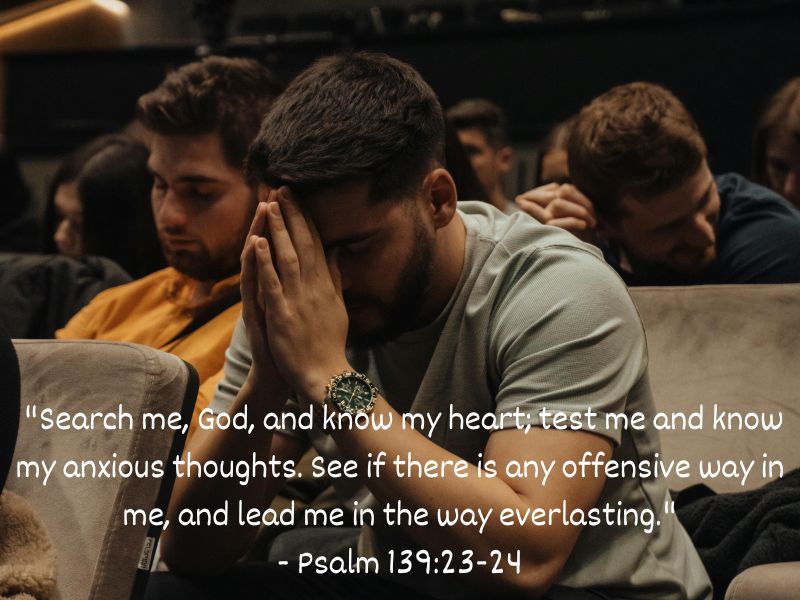
  2. Engage in Self-Reflection: Reflect on your thoughts and actions to identify where ego might be influencing you. Prayer and meditation can be powerful tools for self-examination. “Search me, God, and know my heart; test me and know my anxious thoughts. See if there is any offensive way in me, and lead me in the way everlasting.” – Psalm 139:23-24
  3. Serve Others: Actively seek opportunities to serve others. Acts of kindness and service help shift focus from self to others, aligning with Christ’s teachings. “For even the Son of Man did not come to be served, but to serve, and to give his life as a ransom for many.” – Mark 10:45
  4. Seek Forgiveness and Reconciliation: Acknowledge your faults and seek forgiveness from God and others. This practice humbles the ego and fosters spiritual growth. “Therefore confess your sins to each other and pray for each other so that you may be healed.” – James 5:16
  5. Cultivate Gratitude: Regularly express gratitude to God for His blessings. Gratitude shifts focus away from what we lack or desire, reducing the ego’s grip. “Give thanks in all circumstances; for this is God’s will for you in Christ Jesus.” – 1 Thessalonians 5:18

Overcoming the ego is essential for true spiritual growth in the Christian faith. By embracing humility, selflessness, and service, Christians can align themselves more closely with God’s will. As we surrender our ego, we open our hearts to the transformative power of God’s grace, leading to deeper spiritual fulfillment and a closer relationship with Him.

In the words of Jesus:

“Blessed are the meek, for they will inherit the earth.” – Matthew 5:5

May we all strive to overcome our egos, fostering a spirit of humility and love in our journey with Christ.

Until next time, be blessed. Don’t forget to subscribe to our channel

Overcoming Heartbreak: A Mother’s Journey Through Miscarriage and Faith

On this week’s episode of Thrive by The Rising Muse, we delve into the deeply moving story of Cate Purvis, a mother who has faced unimaginable heartbreak and found solace in faith and community. Her journey, marked by the joy of new life and the pain of loss, is a testament to resilience and the power of hope. Join us as we explore her remarkable story and glean insights into finding strength in the face of adversity.

Cate shares how her journey into motherhood began at a young age, shaping her perspective in profound ways. The early joys and challenges set the stage for a remarkable journey filled with love, loss, and unwavering faith.

Through the heartbreaking experience of multiple miscarriages, Cate found herself navigating a path of grief and healing. She opens up about how she coped with the loss of her babies, offering insights into the complex emotions and challenges faced along the way.

As a birth and miscarriage bereavement doula, Cate found a unique opportunity to support other women through their own journeys of loss and healing. She shares how this experience not only impacted those she helped but also played a profound role in her own healing process.

Central to Cate’s journey is her unwavering faith, which has sustained her through the darkest moments. She reflects on the role of faith in finding hope and resilience in the face of adversity

Miscarriage is often surrounded by silence and stigma. Cate sheds light on some of the misconceptions and stigmas surrounding miscarriage, advocating for greater understanding and support for those who have experienced loss.

Drawing from her own experiences, Cate offers heartfelt advice to other parents who have experienced the loss of a child or multiple miscarriages. Her words of wisdom provide comfort and guidance for those navigating similar journeys.

Looking ahead, Cate shares her vision for continuing to make a difference in the lives of others. Through her work and her story, she hopes to inspire hope and healing in those who need it most.

The journey of Cate Purvis is a powerful testament to the resilience of the human spirit and the transformative power of faith and community. We are grateful for her willingness to share her story and hope that it brings comfort and encouragement to those who need it.

Cate has also authored a new book titled “Words I Could Not Say: Musing of a Miscarriage Mama”


To listen to the full podcast episode and discover more inspiring stories, subscribe to Thrive by The Rising Muse on your favorite podcast platform. You can also follow us on social media for updates and additional content.

For this week’s episode click here:

Embracing Peace in the Midst of Chaos

In a world filled with chaos and uncertainty, the pursuit of peace takes on profound significance for Christians. As we navigate the challenges of life, we are called to exemplify the peace that Christ offers—a peace that transcends circumstances. In this blog post, we will explore the Christian perspective on finding and embracing peace in the midst of chaos.

The Christian Concept of Peace

For Christians, peace is not merely the absence of conflict but a state of harmony and wholeness that can only be fully realized through a relationship with God. It’s the assurance that, no matter the storms of life, God’s peace guards our hearts and minds (Philippians 4:7).

Navigating Chaos with Faith

  1. Anchoring in Prayer: In times of turmoil, turn to prayer as a means of connecting with God’s peace. The Bible encourages us to present our worries and anxieties to Him in prayer (Philippians 4:6).
  2. Trusting God’s Sovereignty: Recognize that God is in control, even when the world seems chaotic. Trusting in His sovereignty can bring a profound sense of peace (Isaiah 26:3).
  3. Seeking Solace in Scripture: The Bible is filled with verses that offer comfort and peace in times of trouble. Meditate on passages that speak to your heart (Psalm 46:10).
  4. Living Out Forgiveness: Practice forgiveness as a reflection of God’s forgiveness towards us. Letting go of resentment and grudges can bring a sense of inner peace (Ephesians 4:32).
  5. Community and Fellowship: Engage in Christian community and fellowship. Surrounding yourself with like-minded believers can provide emotional support and encouragement (Hebrews 10:24-25).
  6. Spreading Peace: Be a peacemaker in your interactions with others. Seek reconciliation and understanding, following the example of Christ (Matthew 5:9)

In a world filled with chaos, Christians are called to be beacons of peace, reflecting the peace that comes from a relationship with Jesus Christ. As we navigate the challenges of life, let us remember that our faith is the anchor of our peace. By drawing near to God in prayer, trusting His sovereignty, and living out His principles of forgiveness and love, we can experience and share His peace with a world in desperate need of it. Embrace God’s peace and let it shine brightly in the midst of chaos, for it is a testimony to the transformative power of faith.

Until next time, be blessed!

Don’t forget to subscribe to our weekly podcast: Thrive by The Rising Muse

Nurturing Spiritual Discernment in the Word

In a world where charismatic leaders abound, each claiming to have a direct line to God’s truth, Christians face the daunting task of discerning genuine spiritual guidance from deceptive falsehoods. Jesus Himself warned of false prophets in Matthew 7:15, saying, “Watch out for false prophets. They come to you in sheep’s clothing, but inwardly they are ferocious wolves.”

As followers of Christ, we bear a solemn responsibility to discern truth from error, and this begins with a deep commitment to studying the Word of God for ourselves. In 2 Timothy 2:15, Paul instructs Timothy, “Do your best to present yourself to God as one approved, a worker who does not need to be ashamed and who correctly handles the word of truth.” This admonition applies to all believers, emphasizing the importance of personal engagement with Scripture to guard against deception.

False prophets often possess charismatic personalities and persuasive speech, making them all the more dangerous to unsuspecting followers. However, the surest defense against such deceit lies in cultivating a robust understanding of God’s Word through diligent study and prayer. Psalm 119:105 assures us, “Your word is a lamp for my feet, a light on my path.” When we immerse ourselves in Scripture, we gain clarity and guidance that illuminate the path of righteousness and expose falsehood.

Moreover, it’s essential to surround ourselves with godly mentors and fellow believers who can offer wise counsel and accountability. Proverbs 27:17 reminds us, “As iron sharpens iron, so one person sharpens another.” By engaging in mutually edifying relationships grounded in biblical truth, we fortify ourselves against the wiles of false prophets.

However, it’s crucial to exercise caution even in seeking guidance from others. While mentors can provide valuable insights, their interpretations must align with Scripture. Acts 17:11 commends the Berean Jews for their diligence in examining the Scriptures daily to verify the teachings they received. Likewise, we must approach all teachings with discernment, testing them against the timeless truths of God’s Word.

False prophets often twist Scripture to suit their own agendas, leading unsuspecting followers astray. 2 Peter 3:16 warns of those who distort Scripture to their own destruction. Therefore, it’s imperative to maintain a firm grasp on biblical principles and sound doctrine to recognize and refute falsehoods.

In conclusion, while the prevalence of false prophets may pose a formidable challenge, Christians need not despair. By grounding ourselves in the unchanging truths of Scripture, seeking guidance from godly mentors, and exercising discernment in all things, we can navigate the tumultuous waters of spiritual deception with confidence. Let us heed the exhortation of 1 Thessalonians 5:21 to “test everything; hold fast what is good,” ensuring that our faith remains steadfast and our hearts guarded against the cunning schemes of the enemy.

Amen! and until next time, be blessed!

Remember to subscribe to our podcast: Thrive by The Rising Muse