The Exhaustion Nobody Notices: Do You Have High-Functioning Anxiety?

On the outside, you look like you have it all together. You’re the reliable one, the high-achiever, the person who gets things done. People praise your drive and productivity.

But beneath that polished exterior? A constant undercurrent of stress, an overthinking mind that refuses to shut down, and a bone-deep exhaustion that sleep can’t seem to fix.

This is the hidden reality of High-Functioning Anxiety. Because you look okay, your silent storm goes completely unnoticed by the world.

The Hidden Toll of “Holding It Together”

High-functioning anxiety isn’t a medical diagnosis, but it is a very real survival strategy. It hides behind perfectionism and achievement, but it comes at a massive cost:

  • Physical Fatigue: Tight shoulders, jaw clenching, shallow breathing, and migraines.
  • Mental Burnout: An endless loop of anticipating the next problem or over-preparing out of fear of failure.
  • Spiritual Exhaustion: Believing that you are solely responsible for keeping the world spinning, making rest feel like a dangerous risk rather than a necessity.

You don’t have to live in a perpetual state of survival. It is entirely possible to maintain your capabilities without sacrificing your peace, your health, and your joy.

What We Cover in the Full Episode:

In this episode, we dig deep into the roots of this hidden struggle and share practical, actionable steps to help you heal:

  • The “Survival Response”: Why your nervous system is trapped in alert mode (and how to signal safety to your body).
  • Redefining Rest: How to transition from relentless striving to active trusting.
  • Practical Regulation Techniques: Simple grounding exercises to stop a racing mind in seconds.
  • Shifting Identity: How to break the habit of tying your self-worth to your daily output.

Ready to stop just surviving and start truly living? 🎬 Watch the full episode now to discover the practical strategies to regulate your nervous system, reclaim your rest, and heal from the exhaustion nobody else sees.

Sow a seed into this ministry to help us spread His light and transform lives—to join our mission today!

When Therapy Works — Even When It Feels Heavy: Understanding the True Path to Healing

Ever leave a therapy session feeling completely exhausted, emotionally exposed, or wondering, “Is this even working?” 🛋️💔

You entered this journey looking for an immediate exhale, but instead, it feels like the volume on your emotions just got turned up.

Here is the truth: Feeling worse does not mean you are failing. It means the deep work is beginning.

True healing doesn’t unfold at the speed of light—it unfolds at the speed of safety. It is a layered, non-linear journey of cleaning out old wounds so they can finally heal cleanly from the inside out. In this powerful episode, we peel back the curtain on the invisible signs of emotional growth and dismantle the biggest myths about mental health, faith, and progress.

What We’re Breaking Down in This Episode:

  • The “Feeling Worse” Paradox: Why hitting emotional resistance and uncovering hidden patterns (like using distractions to escape feelings of inadequacy) is actually a sign of profound momentum.
  • Faith & Therapy: How to navigate the spiritual tension of vulnerability and embrace the truth that seeking support doesn’t mean your faith is weak—it clarifies it.
  • The Myth of the Finish Line: Why healing isn’t a race to a perfect destination, but a sustainable practice of becoming more honest and compassionate with yourself.
  • Between-Session Care: Practical grounding exercises to soothe your nervous system when the emotional heavy-lifting follows you home.

Progress isn’t always loud. Sometimes, it’s just a quiet pause before you react, a boundary you finally set, or the grace you give yourself to rest.

Are you ready to stop rushing your process and trust your pace?

[Watch the Full Episode Here] to discover the unseen signs that you are growing—even when it feels slow.

Brought to you by The Rising Muse, LLC. Don’t forget to subscribe to our channel and join our community growth challenge as we hit our next milestone! 🎧🌱

Why Communication Breaks Down During Conflict?

(And How Faith, Awareness, and Compassion Can Help)

Have you ever walked away from a conversation with someone you love, feeling completely misunderstood, disconnected, or more alone than before?

When tension rises, intimacy and understanding seem to vanish in an instant. But what if the breakdown isn’t because you’re bad at expressing yourself? What if it’s rooted in something much deeper—your nervous system’s natural response to threat and trauma?

In this video, we are breaking down the complex biology of why communication falters during conflict, and how you can use your faith and emotional awareness to stay connected when conversations get hard.

What You’ll Learn in This Episode:

  • The Body First: How your nervous system triggers fight, flight, freeze, or fawn modes before a conflict even starts in your mouth.
  • The Power of a Holy Pause: Practical ways to live out James 1:19 (“quick to listen, slow to speak”) when your physical nerves are completely frayed.
  • Recognizing What Lies Beneath: How hidden wounds, unmet needs, and shame hijack dinner-time disagreements and turn minor issues into major fights.
  • The Grace-Filled Script: A simple, 10-minute boundary trick to use when you’re too overwhelmed to think straight, ensuring you protect your relationship instead of pushing each other away.

Key Takeaway: The most mature person still experiences moments of immaturity when emotions activate their survival response. The key isn’t being perfect—it’s learning how to regulate.

Stop Choosing Disconnection. Watch Now!

Conflict is inevitable, but disconnection is a choice. You don’t have to navigate these hard conversations alone. Watch the video to learn how to transform your conflicts into opportunities for deeper connection, grounded presence, and courageous love.

The Power of Second Chances: Lessons from Easter on Growth, Faith, and Redemption

Have you ever felt like your story was over because of mistakes or hardships? Perhaps you’ve wondered if there’s any hope for a fresh start after experiencing failure. If so, you’re not alone. Many of us have faced moments of despair, but the message of Easter offers a powerful reminder: no matter your past, a new beginning is always possible. In this post, we explore how faith, resilience, and God’s grace open the door to second chances, transforming brokenness into growth and hope.

Embracing the Truth: Your Story Isn’t Over

Easter is often seen as a celebration of resurrection—a miracle that signifies hope and renewal. But beyond the historical event of Jesus rising from the dead, Easter also symbolizes that our personal stories are still being written. As one speaker beautifully put it, “Your story isn’t over,” and this truth can be a lifeline when we feel stuck or overwhelmed by our mistakes. Think about Mary, the mother of Jesus. She carried her child through pregnancy, raised him, and watched him undergo unimaginable suffering. Despite her pain, she witnessed the ultimate victory—her son’s resurrection. Her story didn’t end in grief; it was a testament to perseverance and hope. If Mary’s story can continue beyond heartbreak, so can yours.

Key takeaways
  • No matter what you’ve been through, your narrative can still include chapters of redemption and growth. God’s grace enables us to rewrite our stories, no matter how dark the past.
  • When you’re struggling, pray the honest prayer, “God, help my unbelief.” Trusting in God’s presence and purpose, despite your doubts, is a form of real faith.
  • Faith isn’t the absence of doubt but a decision to trust God even when life feels uncertain or painful.
  • Embrace the discomfort because it signifies progress. Growth is a process that requires grace, patience, and persistence.
  • Speak to yourself with kindness. Treat yourself as you would a dear friend who’s healing and growing.
  • Giving yourself grace is essential for healing and embracing the second chances God provides.
  • God’s grace isn’t just for salvation but for everyday renewal. It’s accessible, abundant, and available whenever you’re ready to accept it.

Living the Second Chance: Practical Steps

To apply this powerful truth to your life, consider these steps:

  1. Be honest with yourself about where you are. No judgment, just acknowledgment.
  2. Lean into your faith—even if it’s just small prayers like “God, I trust You.”
  3. Practice grace—for yourself and others. Remember, healing takes time.
  4. Embrace the second chance by letting go of past mistakes. You are not your past; you are who you are becoming.

Reflect on your testimony: where you were, what you’ve overcome, and where you’re headed. Choose to leave behind guilt and shame—give them over to God—and step into the newness He offers.

Remember

: God’s love is greater than your failures, and His grace is always enough for a new beginning.


Final Reflection: Your Reset Button Is Always Within Reach

This Easter, remember that the resurrection isn’t just a historical event—it’s a daily invitation for renewal. No matter how broken you feel or how many times you’ve stumbled, God’s grace is waiting for you to accept it. You are worthy of healing, growth, and a fresh start. So, take hold of your second chances. Trust the process, lean into faith during the hard times, and extend grace to yourself as you move forward. Your story isn’t over; it’s just beginning again.


FAQs

Can I truly start over after making big mistakes? Absolutely. God’s grace makes every new beginning possible. As 2 Corinthians 5:17 reminds us, “The old has gone, the new is here.”

How do I keep faith when I feel like giving up? Focus on small prayers and trust that God is working beneath the surface. Remember, perseverance produces character and hope.

Why does growth often feel painful? Growth involves breaking down old beliefs and habits, which can be uncomfortable or chaotic before new strength emerges.

Is grace only for others or also for myself? Grace is for everyone, including you. You deserve forgiveness and second chances just as much as anyone else.

How do I accept God’s gift of a second chance? Start by honest reflection, prayer, and releasing guilt. Accept His love and step into the new chapter He’s offering.


In Closing

This Easter, let the message of resurrection inspire you to embrace second chances, trust God’s timing, and walk boldly into your future. Remember, your story is still being written—and with God’s grace, it’s a story of hope, growth, and renewal.

Discover how Easter reminds us that second chances are possible through faith, grace, and ongoing growth, empowering you to rewrite your story regardless of past mistakes.

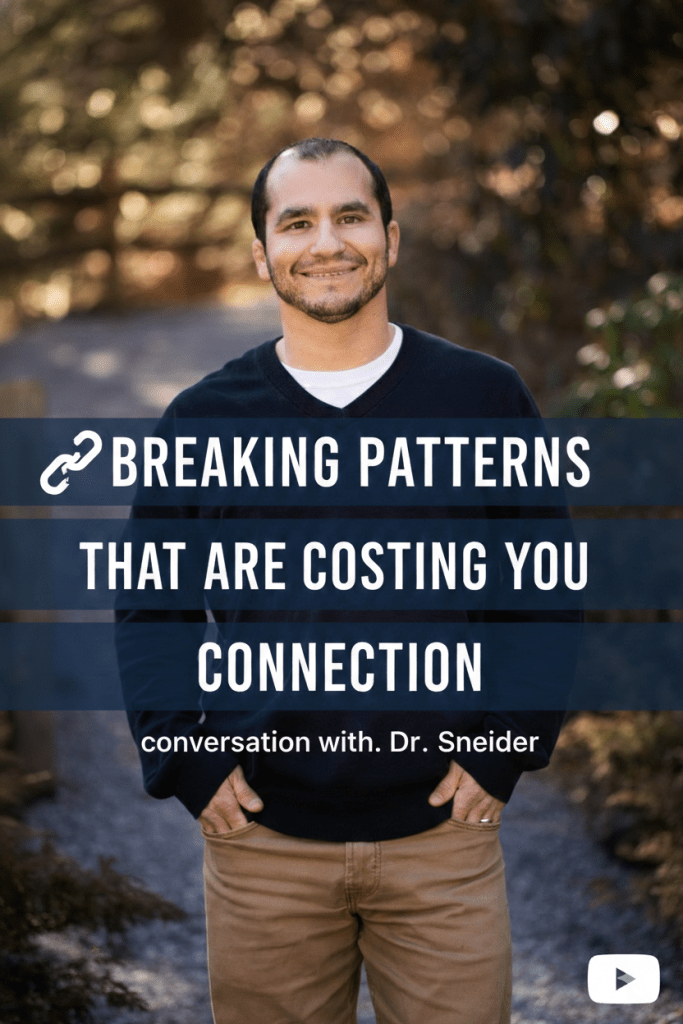
Building Emotional Safety and Deep Connection in Relationships: Insights from Dr. Dan Schneider

Why do so many arguments feel like they go in circles?

You start talking about dishes, tone, or timing… and somehow it turns into something much bigger. The truth is, most relationship conflict isn’t about the surface issue. It’s about what’s happening underneath — the hurt spots, fears, and emotional wounds that get triggered when we feel unsafe.

In this episode, we sit down with Dr. Dan Schneider to unpack one powerful truth: emotional safety is the foundation of lasting intimacy.

When emotional safety is missing, even small misunderstandings can feel threatening. But when it’s present, couples can:

  • Express needs without fear of criticism
  • Disagree without escalating
  • Repair trust after hurt
  • Rebuild closeness even after setbacks

Dr. Schneider shares practical, research-backed tools to help couples:

  • Communicate without spiraling into blame
  • Identify and talk about “hurt spots” before they explode
  • Make daily “trust deposits” that strengthen the connection
  • Use structured conversations that actually lead somewhere
  • Reignite intimacy through intentional moments of connection

One of the most powerful ideas he introduces? Trust is like a piggy bank. Every honest conversation and consistent action is a deposit. But when trust is broken, the coins spill out — and repair requires intentional rebuilding.

If you’ve ever thought:

  • “Why do we keep having the same fight?”
  • “How do we rebuild after trust has been shaken?”
  • “Is it possible to feel close again?”

This episode is for you.

We’re not just talking about avoiding conflict. We’re talking about transforming it — using it as a doorway to deeper understanding, stronger emotional safety, and lasting intimacy.

Dr. Dan Sneider, Ed.D. is a couples therapist and educator. He is also the creator of The Intimacy Shift, a 12-week program helping couples rebuild emotional safety and lasting connection.
Dr. Sneider blends Emotionally Focused Therapy, Internal Family Systems, attachment theory, neuroscience, and practical communication tools. His approach is structured, compassionate, and deeply rooted in helping partners understand themselves and each other in a new way.

To contact Dr. Sneider: https://intimacyshift.com/

Visitors to his website will get FREE access to my ‘6 Keys to Unlocking Intimate Conversations with Your Partner.’ It is a unique 12-page PDF. It includes templates, tools, and practices to transform your relationship.Here are links to his socials also: InstagramYouTubeLinkedIn, and Facebook.

🎧 Tune in to hear how small, intentional shifts can radically change the emotional climate of your relationship. Discover why vulnerability is the missing piece to the connection you’ve been craving.

Your Beliefs Are Sabotaging Your Goals

In a world where new goals and fresh starts are often celebrated, it’s easy to overlook the underlying beliefs that shape our lives. In our latest episode, we delve into the transformative power of core beliefs and how they can either propel us forward or keep us stuck in old cycles.

Understanding Core Beliefs

Core beliefs are the deep-seated perceptions we hold about ourselves and the world. They often form in childhood and can be so ingrained that we don’t even realize they’re there. These beliefs act as lenses through which we view our experiences, influencing our thoughts, emotions, and behaviors.

The Impact of Core Beliefs

Our episode explores how core beliefs can manifest in various aspects of life, from relationships to career choices. For instance, a belief of “I’m not enough” can lead to patterns of overworking or staying in toxic relationships. Recognizing these patterns is the first step towards change.

Rewriting the Narrative

We discuss practical tools for challenging and changing negative core beliefs. This involves identifying the lie, tracing its roots, and replacing it with truth. Repetition and community support play crucial roles in this transformative process.

As we journey through life, it’s essential to examine the beliefs that guide us. By rewriting the narratives that no longer serve us, we can embrace a life of authenticity and fulfillment. Subscribe now to stay updated on more insights and tools for personal growth.

Understanding Attachment Styles: A Path to Healing and Connection

In a world where relationships shape our lives, understanding the roots of our emotional patterns is crucial. This episode of “Thrive by The Rising Muse” delves into how childhood attachment styles influence adult relationships, offering insights into healing and growth.

The Four Attachment Styles

Naty and Veda explore the four main attachment styles: secure, anxious, avoidant, and disorganized. Secure attachment fosters healthy emotional expression, while anxious attachment involves a fear of abandonment. Avoidant attachment leads to distrust of closeness, and disorganized attachment creates a push-pull dynamic. These styles, shaped by our early experiences, condition our emotional responses in adulthood.

Real-Life Scenarios and Emotional Vocabulary

The hosts share real-life scenarios illustrating the impact of attachment styles on relationships. They emphasize the importance of developing an emotional vocabulary to articulate feelings and begin the healing process. By naming emotions, individuals can better understand and manage their emotional responses.

The Journey to Healing

Healing involves reparenting oneself, nurturing the inner child, and fostering emotional health. Naty and Veda highlight that healthy love and connection are possible, encouraging listeners to embark on a journey of self-discovery and growth.

Understanding attachment styles is a powerful tool for personal growth and relationship building. By exploring these emotional patterns, individuals can break free from past conditioning and embrace a future of healthy, fulfilling connections.

Subscribe now to “Thrive by The Rising Muse” for more insights into emotional well-being and personal growth.

Finding Faith in the Wilderness: Shaazia Terry’s Journey

In a world where life’s challenges often seem insurmountable, Shaazia Terry’s story is a beacon of hope and resilience. Her journey, marked by profound loss and unwavering faith, offers a powerful testament to the transformative power of belief and perseverance.

Shaazia’s life took a dramatic turn with the loss of her mother, a period that tested her faith and strength. “I was like, God, no, I don’t understand this,” she recalls. Yet, through the darkness, she found a renewed purpose, using her voice and creativity to glorify God and inspire others.

Throughout her trials, Shaazia’s faith remained her anchor. “Even when nobody else sees you, God always sees you,” she shares, emphasizing the importance of holding onto faith even when life gives every reason to let go. Her story is a reminder that faith can carry us through the wilderness, turning our struggles into testimonies of grace and purpose.

Shaazia’s journey is not just about overcoming adversity; it’s about embracing humanity in all its imperfections. Her book, “Being Human,” explores themes of love, family secrets, and the power of forgiveness. “It’s not about being perfect,” she says. “It’s about giving God your best and trusting Him to guide you.”

Shaazia Terry’s story is a testament to the power of faith and resilience. Her journey reminds us that brokenness doesn’t disqualify us; it’s often the place where God begins His greatest work in us. As we navigate our own challenges, may we find inspiration in Shaazia’s story and hold onto the hope that faith provides.

Stay connected with us for more inspiring stories and insights. Subscribe to our blog and join our community as we explore the transformative power of faith and resilience.

Healing the Inner Child: A Journey to Wholeness

In this episode of “Thrive by the Rising Muse,” hosts Naty and Veda explore the profound topic of healing the inner child. This conversation is not just about revisiting the past but about embracing the journey to emotional and spiritual wholeness. Naty and Veda share personal stories and insights, reminding us that the inner child is the part of us that holds both joy and pain, shaping who we become.

Understanding the Inner Child

Naty and Veda explain how childhood experiences, both joyful and painful, influence our adult lives. They emphasize the importance of acknowledging these memories to facilitate healing and personal growth. Steps to Healing: The episode outlines practical steps for healing, including acknowledging hurt, reparenting oneself, and setting boundaries. Naty and Veda share their personal journeys of forgiveness and the freedom it brings. Spiritual Insights: Drawing on scripture, they explore how faith and God’s love play a pivotal role in the healing process, providing hope and restoration.

Join us for this heartfelt episode as we explore the path to healing and thriving. Tune in to “Thrive by the Rising Muse” and embark on your journey to wholeness.

Subscribe now to stay updated on our latest episodes and follow us on social media @TheRisingMuse for more insights and inspiration.

Breaking the Silence on Burnout: A Journey to Healing

In today’s fast-paced world, burnout is a silent epidemic affecting countless individuals. It’s more than just feeling tired; it’s a deep soul-level exhaustion that leaves us feeling empty and disconnected. In this episode of Thrive by the Rising Muse, Naty and Veda open up about the hidden struggles of burnout and share insights on how to recognize and heal from it.

Burnout isn’t just about being overworked. It’s the exhaustion that comes when you give more than you receive, when the balance between pouring out and being poured into disappears. It manifests as irritability, numbness, loss of motivation, and even spiritual silence. Recognizing these signs is the first step towards healing.

Rest is not laziness; it’s sacred. In faith circles, we’re often encouraged to push through, but sometimes strength looks like taking a step back. Naty emphasizes that rest is a holy practice, modeled by God Himself. It’s essential to release the guilt associated with rest and embrace it as a form of self-care and stewardship.

Burnout thrives where boundaries are missing. Saying ‘no’ is crucial for maintaining balance and preventing burnout. It’s important to prioritize your well-being and understand that you can’t pour from an empty cup. Setting boundaries allows you to serve others from a place of abundance rather than obligation.

In faith communities, burnout can be mistaken for a spiritual attack. However, it’s often a sign that you’re doing too much of the wrong thing for too long. Naty reminds us that God doesn’t call us to burn out; He calls us to balance. By reconnecting with ourselves and God, we can find the strength to overcome burnout.

Burnout doesn’t mean you’re broken; it means you’ve been carrying too much for too long without refills. Remember, you are still enough, still chosen, and still loved. Embrace rest as your right and take the necessary steps to heal. Subscribe now to continue this journey with us and discover more insights on thriving in life.

Subscribe now to our podcast for more episodes on mental health and spiritual well-being. Let’s walk this journey together and find balance in our lives.