My 2023: A Year of Twists, Turns, and Tiny Triumphs

Hello dear readers,

As I reflect upon the past year, it is evident that 2023 was a mosaic of moments, each holding its own lesson. Come, journey with me through the highs and lows, the laughter, and tears, of this transformative year.

A New Tradition and Its Lessons

The beginning of the year saw us embracing the Three Kings celebration with gusto. Gathering around the table at a local Puerto Rican restaurant, I had hoped to share a slice of my culture with my family. But, as the night unfolded, it was not just the delicious food that caught our attention. The unexpected overcharges and the lackluster service turned into a comedic backdrop, reminding us that sometimes, it is the unexpected moments that create the most lasting memories.

For those not familiar with this holiday, its celebrated-on January 6th, and it commemorates the visit from the wisemen visiting Jesus in the manger bringing gifts (Matthew 2:1-11).

Toddlerhood: The Adventure Continues
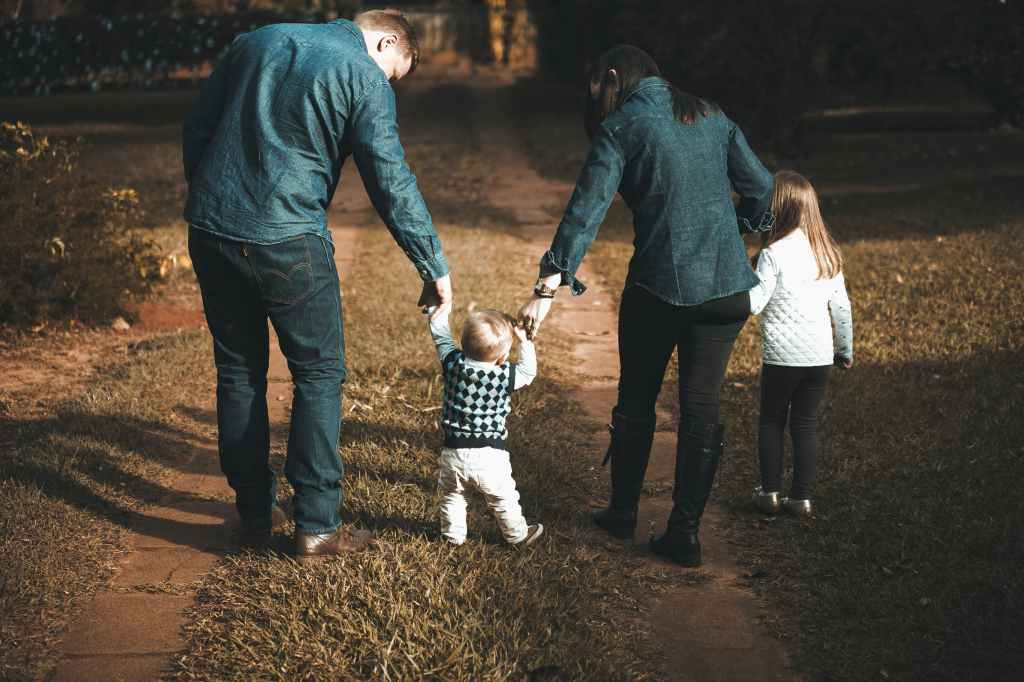
Oh, the joys of toddlerhood! My once quiet baby has blossomed into a whirlwind of energy, imagination, and independence. Every day has been a new adventure – from discovering the joy of splashing in puddles to the simple pleasure of chasing after butterflies. As they say, “Wait till the threes!” – but for now, we are navigating the world of toddler tantrums with love and patience.

South Carolina and Toddler Tunes

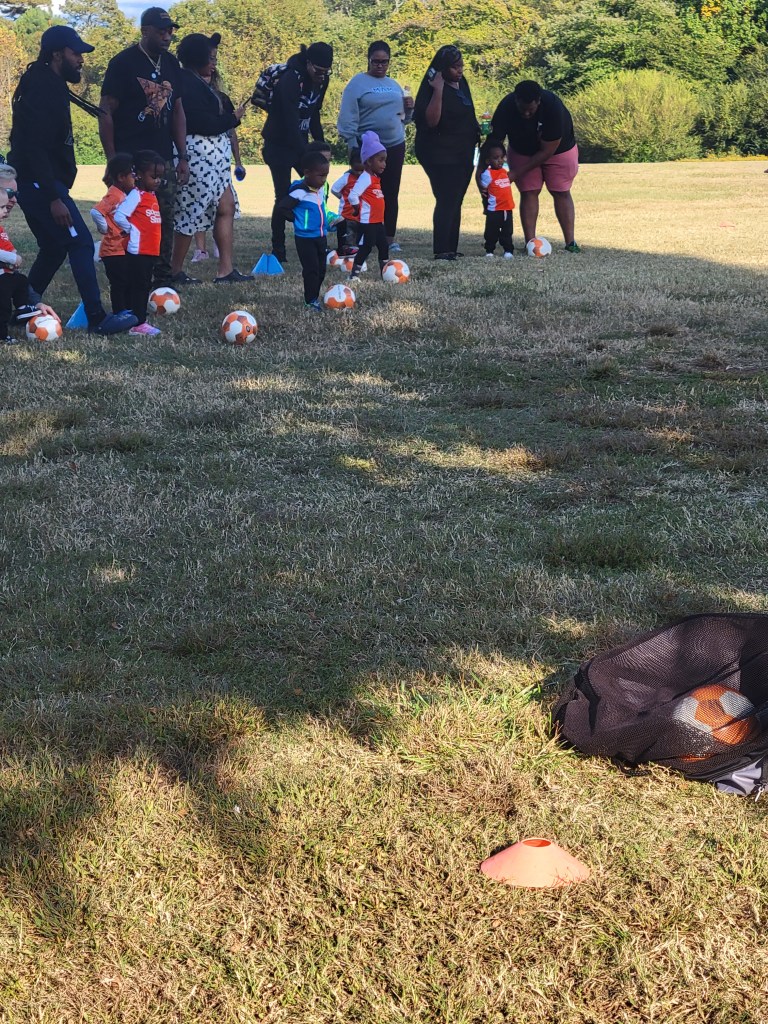
March whisked us away to South Carolina for family gatherings and shared laughter. Upon return I hoped to introduce my little one to the world of music with a toddler’s music class. However, the little maestro had other plans, turning the classroom into his personal racetrack! A switch to Storytime at our local library and a delightful encounter with Farmer Betsy’s farm-themed sessions became our go-to activities. And guess what? This fall, soccer entered our lives, and trust me, my little champ can kick!

Sailing the Seas with Dr. Seuss

Summer brought with it waves of excitement as we embarked on a Bahamas cruise. Navigating the azure waters with my tiny explorer was both exhilarating and enlightening. Every sunset, every laugh echoed the joy of togetherness. Traveling with a toddler might seem daunting, but our energies synchronized perfectly. The highlight? The Dr. Seuss breakfast! Witnessing my little one’s face light up with joy was pure magic.

Life’s Unexpected Twists

August took an unexpected turn when I was laid off from my 9-5. But every cloud has a silver lining. This phase allowed me to reconnect with my first loves: God and writing. As the ink flowed, I reconnected with words, rediscovered passions, and rekindled dreams. This hiatus has been a journey of introspection and growth.

Rebirth and Reflection

My recent baptism was not just a ritual; it was a soulful rebirth; a decision long overdue. My spiritual journey has been profound, reminding me of life’s true essence.

And speaking of new beginnings, my latest book, “15 Day Challenge to a stronger YOU!” hit the shelves. The inspiration for this book was the tried and failed yearly attempt for resolutions that are never started or rarely fulfilled. The book includes nine different challenges to adjust to everyone’s needs. Not everyone’s resolution is to hit the gym or eat healthier. I think the important thing about this book is that regardless of how successful you are in the practical parts of the challenge will never compare to the spiritual connection that the process will grant you.

For my fiction aficionados, stay tuned. There is something brewing!

Looking Ahead

As 2023 draws to a close, a tapestry of memories unfurls. Amidst the uncertainties of tomorrow, I anchor myself in faith and wisdom. Here is to 2024, with its promises, challenges, and infinite possibilities.

I would love to hear your 2023 tales and hopes for 2024. Until our next chat, stay blessed, and a Happy New Year to all!


Finding Comfort in Connection, Self-Care, and Faith During the Holidays

The holiday season is often portrayed as a time of joy, celebration, and togetherness. However, for many individuals, it can be a challenging period marked by loneliness, grief, and sadness. Whether due to the loss of a loved one, being far from family and friends, or struggling to form connections, the holidays can magnify feelings of isolation. Today, we’ll explore the various challenges people may face during this time and offer suggestions on how to cope, with a special emphasis on incorporating faith as a source of solace and strength.

1. Acknowledge and Validate Feelings:

The first step in addressing holiday loneliness and grief is to acknowledge and validate your feelings. It’s okay to feel sad, and it’s important to recognize that others may be experiencing similar emotions. Understanding that these feelings are a natural part of the holiday season can be a crucial first step toward healing.

2. Connect with Supportive Communities:

If you find yourself far from loved ones or lacking a strong social support system, consider reaching out to local communities, religious groups, or online forums. Attend community events, volunteer at local charities, or participate in virtual gatherings. Building connections, even if they are temporary, can provide a sense of belonging and alleviate loneliness.

3. Create Meaningful Traditions:

Crafting new traditions that align with your current circumstances can help reframe the holiday season. Whether it’s volunteering at a local shelter, starting a personal ritual, or joining community events, creating meaningful experiences can bring a sense of purpose and fulfillment.

This may sound silly as you’re by yourself, but it can be quite meaningful. One of my silly traditions is for New Year’s Eve. I don’t like to be out of my house, but I stay up late. After the new year has started, I locate a comedy channel and watch stand up comedy until I fall asleep. I look forward to that little tradition every year.

4. Embrace Self-Care Practices:

Self-care is crucial during times of loneliness and grief. Focus on activities that bring you joy, relaxation, and comfort. This could include spending time in nature, practicing mindfulness, indulging in hobbies, or simply taking a break to rest and recharge. Prioritize your mental and emotional well-being as an essential part of your holiday routine.

5. Seek Professional Support:

If feelings of loneliness and grief become overwhelming, seeking professional support can be incredibly beneficial. Therapists, counselors, and support groups can offer guidance, understanding, and coping strategies tailored to your specific situation.

6. Include God in Your Journey:

For those who find strength in their faith, including God in the process of navigating difficult times can provide solace and comfort. Engage in prayer, meditation, or attend religious services to connect with a higher power. Allow your faith to be a source of hope and guidance as you navigate the challenges of the holiday season.

If you want to start a habit of prayer or meditation, consider checking out my new book, The 15 day Challenge to a Stronger You! One of the challenges in the book is creating the habit of daily meditation.

The holiday season may bring forth a mix of emotions, but it’s essential to approach this time with compassion and self-care. By acknowledging your feelings, fostering connections, creating meaningful traditions, and including God in your journey, you can find strength and resilience during difficult times. Remember that you are not alone, and there are resources and communities available to support you on your path to healing and peace.

Shedding Light on Seasonal Affective Disorder (SADS): Understanding and Managing the Winter Blues

As winter blankets the world in frosty landscapes and chilly weather, some individuals find themselves grappling with a condition known as Seasonal Affective Disorder (SADS). SADS is more than just the winter blues; it’s a form of depression that occurs at a specific time of year, most commonly during the darker winter months. Let’s shed some light on SADS, understand its impact, and explore practical ways to manage it, including spiritual resources.

What is SADS?

Seasonal Affective Disorder is a subtype of major depressive disorder that follows a seasonal pattern. According to the American Psychiatric Association, SADS typically begins and ends around the same time each year, with symptoms most commonly appearing in the fall and continuing into the winter months. These symptoms can include persistent sadness, loss of interest or pleasure, changes in sleep and appetite, and low energy.

Here are some suggestions for individuals experiencing Seasonal Affective Disorder (SADS):

Educate Yourself

Take the time to learn more about SADS. Understanding the condition and its symptoms can empower you to recognize the signs early and seek appropriate help. Reliable sources such as medical websites, books, or articles from reputable health organizations can provide valuable insights.

Build a Support System:

Reach out to friends and family members and let them know about your struggle with SADS. Building a support network can provide emotional assistance and encouragement during challenging times. Share your experiences, and do not hesitate to lean on those who care about your well-being.

Consider Therapy and Medication if Necessary:

Consult with a healthcare professional to discuss the possibility of medication as part of your treatment plan. Certain medications, such as antidepressants, may be prescribed to alleviate symptoms of SADS. Your healthcare provider can guide you in determining the most suitable options.

Monitor Your Sleep Patterns:

Ensure you are getting sufficient and quality sleep. Establish a consistent sleep routine, create a comfortable sleeping environment, and consider relaxation techniques before bedtime. Quality sleep is integral to maintaining good mental health.

Practice Self-Compassion:

Be kind to yourself. Acknowledge that dealing with SADS can be challenging, and it’s okay to ask for help. Avoid self-judgment and negative self-talk. Embrace self-compassion and treat yourself with the same kindness you would offer to a friend facing a similar challenge.

Light Therapy:

A highly effective method for tackling Seasonal Affective Disorder (SADS) is through light therapy, scientifically referred to as phototherapy. Light boxes, designed to replicate natural sunlight, play a crucial role in mood regulation by triggering the production of serotonin—a neurotransmitter associated with a sense of well-being. Following the guidance of experts at the Mayo Clinic, incorporating a 20 to 30-minute session with a light box into your morning routine is recommended to harness its mood-enhancing benefits.

Use Your Faith:

Turning to spiritual practices can be a valuable wellspring of comfort and support for those grappling with Seasonal Affective Disorder (SADS). Activities such as meditation, prayer, or mindfulness exercises serve as powerful tools for individuals seeking connection with a higher power or inner peace. Notably, research featured in the Journal of Behavioral Medicine advocates for the integration of spirituality into mental health interventions, emphasizing its potential to augment overall well-being.

Example: Embrace a spiritual routine in your daily life, like morning meditation or prayer, to center yourself and discover solace amid the trials of the winter season. By nurturing your spiritual well-being, you can fortify your resilience and find strength in challenging moments.

If someone you love struggle with SADS, here’s some suggestions for you

Open Communication:

Create a safe and non-judgmental space for open communication. Encourage your loved one to share their feelings and experiences with SADS. Listen attentively, validate their emotions, and avoid offering quick solutions. Sometimes, just having someone to talk to can make a significant difference.

Encourage Professional Help:

Gently suggest and encourage your loved one to seek professional help. Mental health professionals, such as therapists or counselors, can provide the necessary guidance and support. Assure them that seeking help is a sign of strength, and you will be there to support them throughout the process.

Be Patient and Understanding:

Recognize that managing SADS is a process that may take time. Be patient with your loved one and understand that they may have good days and challenging days. Offer your support consistently and reassure them that you are there for the long haul.

Maintain Your Own Well-Being:

Supporting someone with SADS can be emotionally demanding. Take care of your own mental and emotional well-being. Seek support from friends, family, or a support group to share your experiences and ensure you have the resilience needed to provide ongoing support.

Remember, your understanding, encouragement, and active participation in your loved one’s journey can have a profound impact on their ability to manage SADS. Continue to be a pillar of support, and celebrate progress, no matter how small, together.

Even if nobody around you suffer from SADS you can help by spreading awareness about SADS. Understanding and compassion are crucial in creating a supportive community. Share this article, and let others know that SADS is a real condition that deserves attention and understanding. Think of it as a way to show love and compassion to those struggling during the holiday season.

In conclusion, while Seasonal Affective Disorder may cast a shadow over the winter months, there are effective strategies that can bring relief. Incorporating practices like light therapy, regular exercise, and spiritual routines can significantly improve one’s well-being. If you or someone you know is facing the challenges of SADS, take proactive steps today.

Remember, the path to managing SADS is a personal journey, and there is no one-size-fits-all solution. Feel empowered to customize these strategies to align with your preferences and unique needs. Additionally, seeking guidance from healthcare professionals ensures a comprehensive and personalized approach to your well-being.

Let’s collectively embrace the metaphorical and literal light, working together to foster a community that prioritizes and supports mental well-being for everyone. By sharing our experiences and supporting one another, we can navigate through the shadows of SADS and emerge into the brighter days ahead.

As always, be blessed!

A Guide to Managing Negative Emotions During the Holidays

Hey there, Risers! As we gear up for the most wonderful time of the year, it’s crucial to acknowledge that for many of us, the holiday season can be a mixed bag of emotions. From the stress of gift shopping to the pressure of creating the perfect feast, negative emotions can sneak in and dampen our festive spirit. Fear not, though, because I’m here to share some tried-and-true strategies to help you sleigh those emotional challenges and make this season truly merry and bright.

1. Unwrapping the Causes:

The first step in managing negative emotions is identifying their source. Whether it’s the hustle and bustle of holiday preparations, family dynamics, or personal expectations, understanding what triggers your emotions is the key to finding effective solutions. Take a moment to reflect on your feelings and pinpoint the root causes.

2. Jingle All the Way to Self-Care:

‘Tis the season of giving, but don’t forget to give yourself the gift of self-care. Amidst the holiday chaos, carve out time for activities that bring you joy and relaxation. Whether it’s sipping on a cup of hot cocoa, indulging in a good book, or taking a serene winter walk, self-care is the ultimate antidote to stress.

Tip: Incorporate small self-care acts in your daily routine to boost your emotional well-being and create a more harmonious holiday experience.

3. Deck the Halls with Positive Affirmations:

Positive affirmations are like ornaments for your mind, adding a sparkle of optimism to your thoughts. Combat negative emotions by creating a mantra or affirmation that resonates with you. Repeat it daily, especially when faced with challenging situations. This simple practice can help shift your mindset and cultivate a more positive holiday experience.

Tip: Infuse your affirmations with festive keywords to maximize the holiday spirit in your daily routine.

4. Sleigh Stress with Mindfulness:

Mindfulness is the secret sauce to navigating the holiday season with grace. Embrace the present moment by practicing mindfulness techniques such as deep breathing, meditation, or simple awareness exercises. These practices can help you stay grounded, reduce stress, and enhance your overall well-being.

5. Santa’s List: Prioritize and Delegate:

Feeling overwhelmed by a never-ending to-do list? Channel your inner Santa and create a prioritized list of tasks. Delegate responsibilities when possible and remember that it’s okay to ask for help. Breaking down tasks into manageable steps can make the holiday workload more manageable and less daunting.

Tip: You don’t have to do everything yourself. Allow others to do it their way, it will improve you relationships and allow cooperation.

The holidays are a time for joy, love, and celebration, but it’s okay to acknowledge and address negative emotions. By unwrapping the causes, practicing self-care, embracing positive affirmations, incorporating mindfulness, and prioritizing tasks, you can sleigh those emotional challenges and make this festive season truly magical.

So, here’s to a holiday season filled with warmth, laughter, and an abundance of positive vibes. Cheers to a holly, jolly, and emotionally resilient celebration!

As always be blessed!

Bonus Post: Gratitude, Black Friday and Hope for Landon

Hey Risers,

I couldn’t wait until Monday to share this bonus post with you, especially given the financial rollercoaster many of us are on this holiday season. It’s Black Friday today, and I couldn’t help but reflect on the fascinating origins of this day. Legend has it that Black Friday emerged as a lifeline for businesses in the red, struggling throughout the year, aiming to turn a profit by year-end – hence the name, Black Friday. Now, don’t quote me on this, as today’s post is a bit of a memory dive. Feel free to fact-check if you’re feeling scholarly.

After a delightful family feast, my little one and I embarked on a joyous drive through neighborhoods adorned with festive lights. The excitement of the day had my little companion dozing off as soon as we got home. Seizing the quiet moment, I indulged in some post-feast “window shopping.” Now, I’m not one to make impulsive purchases, especially when the purse strings are tight. They call me Ms. Google in the family – always researching something. So, I did plenty of browsing and zero buying.

Let me share a little backstory on my Black Friday sentiments. Back in college, I worked in the food court of a bustling mall. Finals were looming in the first week of December, and I’d take time off around Thanksgiving to focus on studying. The catch? I had to work Black Friday, from sunrise to sunset, amidst a sea of shoppers. The traffic was so overwhelming that, despite the counter between us, I felt claustrophobic. I promised myself then to avoid adding to the chaos as a shopper.

Fast forward to last night, as I scoured the web for the perfect gifts for my little one. It dawned on me that these so-called “sales” might not be the bargains they claim to be. Some items seemed to have inflated original prices, making the discounts less impressive. It was a game of price sleuthing, and I was determined not to fall for it. The meme I stumbled upon resonated: “The US is the only place where after giving thanks for what you have, you go buy more stuff that you can’t afford for people you don’t like.” It’s a quirky reality check, reminding us of the gratitude we should hold close.

Amidst my online adventures, a mother’s plea for prayers for her 7-year-old battling respiratory issues kept appearing on my timeline. It hit me – while my little one snored peacefully beside me, her reality was a hospital room. Gratitude washed over me. This morning, my toddler’s breakfast demands were my wake-up call. Meanwhile, a mother was anxiously waiting to transfer her child to another facility for a machine named “last chance.” Perspective.

Reflecting on a formula crisis from two years ago, which we had just transitioned to whole milk before it started, and the minimal health hiccups my little one has had in his short life, I am filled with gratitude. Even if this year means I can’t fulfill all my little one’s wishes, he’ll still receive more love than he needs. As for me, material gifts don’t define my holiday joy. In times of hardship, my roof stands firm, bills are paid, and yes, we occasionally choose ramen for lunch rather than out of necessity.

So, as you navigate the tempting sales today, consider what’s truly essential. Could some of those resources be better spent blessing someone else? Are you embodying the spirit of the holidays or succumbing to the spirit of consumerism?

And a little request, if you can spare a moment, send a prayer for Landon, the 7-year-old fighting in the hospital.

As always, be blessed. 🌟

Living Thanksgiving: Beyond the Turkey and Talk

Hello Risers!

Firstly, I want to wish you all a Happy Thanksgiving! Apologies for missing Monday’s post; I’ve been a bit under the weather. As I rested, contemplating this Thanksgiving message, I couldn’t help but dive deeper into the essence of gratitude, especially after our discussions this month about its profound impact on mental and physical health.

Sure, I’m immensely grateful for each of you and your unwavering support over the years. But let’s not skim the surface; let’s plunge into the heart of the matter.

On this day, amidst the laughter and joy, there are running jokes that, though rooted in reality, sometimes overshadow the true meaning of Thanksgiving. It’s more than a feast; it’s a symbolic meal shared in gratitude for survival in a new land. A meal where the pilgrims and Native Americans ate what they had, whether or not there was turkey, is a point of contemplation.

Now, let’s talk about those jokes. There’s the one about the family member whose cooking skills are questionable. While we chuckle, it’s crucial to remember that someone, somewhere, would appreciate that unsavory meal simply because they have none. Your new coworker, your rarely-seen friend juggling multiple jobs, or a neighbor struggling to make ends meet—gratitude extends beyond taste buds.

Then there’s the wise elder with the lengthy blessings. This Thanksgiving, let’s be mindful and compassionate towards them. Their extended blessings might be a glimpse into a life filled with experiences and lessons. Let’s cherish our elders; their wisdom and presence won’t be here forever.

As I rested, I also found myself listening to a Spanish song that, although not directly related to gratitude, serves as a profound wake-up call on how we live our lives. Titled “Jesus is a Verb,” the song emphasizes that Jesus’s message transcends words in the Bible; it’s about love in action. The call is clear: our faith isn’t about buildings or words but about what resides in our souls and how it reflects in our behavior.

The song critiques charity organizations turning elitist, individuals living double lives, and leaders exploiting faith for personal gain. It underscores the idea that talk is cheap; action is what matters. It challenges us to embody the teachings rather than merely preach them.

The most poignant moment for me was when the singer urged us to stop dividing ourselves through faith, pointing out that there are more religions in this world than happy children. A striking realization! The song concludes with a powerful statement about those who lived Christlike lives—being verbs and not nouns—often facing persecution and rejection from society.

So, as we wrap up this year, let’s introspect. Are our expressions of gratitude mere words, or do they resonate in our actions? Are we content with what we have, or is the pursuit of more overshadowing our appreciation for the present? Are our desires fleeting, or do they contribute to something everlasting? In the minutiae of life, let’s not lose sight of the bigger picture.

Love you all, and once again, Happy Thanksgiving!

Gratitude for Our Village

In the grand tapestry of life, we all require a village, a support system that sustains us, empowers us, and helps us thrive. Our “village” is a broad network of friends, family, mentors, and allies who stand by us through the ups and downs, offering unwavering support. Gratitude is the thread that binds this diverse community, creating a powerful force that not only affects our mental and spiritual well-being but also shapes our personal growth. In this article, we explore the significance of gratitude for our village, its role in our lives, and the importance of being selective in choosing who becomes part of this vital support network.

Gratitude for the Village

Our village is our safety net, our source of strength when life gets tough, and our celebration partners when life is good. It encompasses a multitude of individuals who shape our journey, from our parents, siblings, and close friends to mentors, colleagues, and even online communities. Gratitude for this diverse village is a powerful emotion that fosters stronger connections and enriches our lives.

The village we create or find is not guaranteed for everyone. Some people may not have the privilege of a robust support system due to various circumstances. Recognizing this inequality is the first step in appreciating the importance of gratitude for our village. When we have such a support network, it’s vital to acknowledge it, celebrate it, and give back whenever we can.

The Parenting Village

When it comes to parenting, building and maintaining a supportive village becomes even more crucial. However, it’s important to be discerning when inviting individuals into your parenting village. Not every friend or family member automatically qualifies for this role. Instead, your parenting village should consist of people who share your values or uphold the values you aspire for your child to have.

These individuals can offer not only emotional support but also guidance and wisdom in raising your child in line with your beliefs. The parenting village affects not only your child’s growth but also your own mental health, as the people in your village influence your parenting decisions and offer a sounding board for your challenges.

Mental Health and the Village

Our village plays a significant role in our mental health. Gratitude for a supportive village can alleviate stress, reduce feelings of isolation, and enhance overall well-being. A strong village can provide a sense of belonging, and the emotional support they offer can be a powerful buffer against anxiety and depression.

However, it’s essential to be selective about who you allow into your village. Surrounding yourself with people who share your values, respect your boundaries, and uplift your mental health is vital. Toxic relationships can erode the positive impact of a supportive village, so cultivate relationships that nourish your mental health.

Personal Growth and the Village

Beyond parenting, our village also influences our personal growth. It is wise to surround yourself with individuals who share your values and can mentor you in areas where you seek improvement. Whether it’s your career, hobbies, or personal development, your village can serve as a source of guidance and inspiration. Gratitude for their contributions can fuel your personal growth journey.

Spiritual Life and the Village

Our village can have a profound impact on our spiritual life as well. Whether through shared beliefs, spiritual guidance, or simply providing a space for contemplation and growth, the people in our village can be pivotal in our spiritual journey. Expressing gratitude for these individuals and the spiritual support they provide can deepen your connection to your beliefs and enhance your spiritual well-being.

In our journey through life, our village is the compass that guides us, the safety net that catches us, and the mirror that reflects our values and aspirations. Gratitude for our village is a powerful force that not only enriches our lives but also shapes our mental, personal, and spiritual well-being.

Remember, not everyone has the privilege of a strong village, so cherish yours and give back when you can. Be selective about who joins your parenting village, surround yourself with those who share your values, and foster relationships that uplift your mental health. As you express gratitude for your village, you’ll find that it not only strengthens your support system but also becomes a powerful force in your journey towards personal growth and spiritual fulfillment.

As always be blessed!

The Power of Gratitude: Boosting Mental Health and Happiness

In a fast-paced world filled with challenges and stress, it’s easy to overlook the simple yet powerful remedy that lies within us all: gratitude. Cultivating an attitude of gratitude is not only a virtue but also a proven way to enhance your mental health and overall well-being. Let’s delve into the science and psychology behind this transformative practice.

Understanding Gratitude

Gratitude is the profound sense of thankfulness and appreciation for the good things in life, big and small. It involves acknowledging the positive aspects of your existence and focusing on the silver linings, even in challenging situations. In essence, it’s about changing your perspective from “I have to” to “I get to.”

I understand how challenging it can be to feel gratitude during difficult moments in life. However, if we look in the rearview mirror at past challenges, we can acknowledge the lessons that those situations produced. Therefore, we can infer that our current challenges will also yield some kind of lesson that will improve our life, our outlook, or our decision-making. That’s something to be grateful for.

The Science Behind Gratitude

Research shows that adopting a grateful attitude has remarkable benefits for mental health. Here are some statistics that shed light on this:

  1. Reduced Stress: A study published by the University of Kyiah Kuala in Indonesia states that higher levels of gratitude in an individual have a significant impact on lowering stress levels. This is because individuals can find silver linings even during difficult situations.
  2. Improved Sleep: According to an article from Psychology Today, keeping a gratitude journal and writing in it for 15 minutes every evening before bedtime helps you sleep longer and better.
  3. Enhances Focus and Resiliency in Learning: A study published in the Journal of the Scholarship of Teaching and Learning, states the following: “Gratitude has the power to heal, energize, and transform lives by enhancing people psychologically, spiritually, physically, and cognitively.”

The Mechanism of Gratitude

But how does gratitude work its magic? It operates through various mechanisms:

  • Positive Reinforcement: Gratitude reinforces positive emotions and experiences, making us more aware of the good things around us.
  • Neurological Changes: Neuroimaging studies have shown that practicing gratitude activates the brain’s reward system, releasing dopamine and enhancing overall mood.
  • Better Social Connections: Expressing gratitude fosters stronger social bonds, as people appreciate those who appreciate them in return.

How to Cultivate Gratitude

  1. Gratitude Journaling: Write down things you’re thankful for daily or weekly. This simple practice can significantly enhance your appreciation of life.
  2. Mindful Meditation: Incorporate gratitude into your mindfulness meditation routine. Focus on the positive aspects of your life and savor them in the present moment.
  3. Express Gratitude: Tell people you’re thankful for their presence in your life. A simple “thank you” can go a long way in fostering connections and spreading positivity.
  4. Count Your Blessings: Take a moment each day to mentally count your blessings. This can be as basic as appreciating a good meal, a warm home, or the company of loved ones.

Gratitude isn’t just a warm and fuzzy concept; it’s a scientifically backed tool that can enhance your mental health. So, start your journey towards better well-being today. Cultivate gratitude in your life, and you’ll find that it’s not just a practice; it’s a path to a happier, more fulfilling existence. Embrace the power of gratitude, and you’ll reap the rewards in your mental health and overall happiness.

As for me, I thank you for your support! Be well.

From Summer to Fall

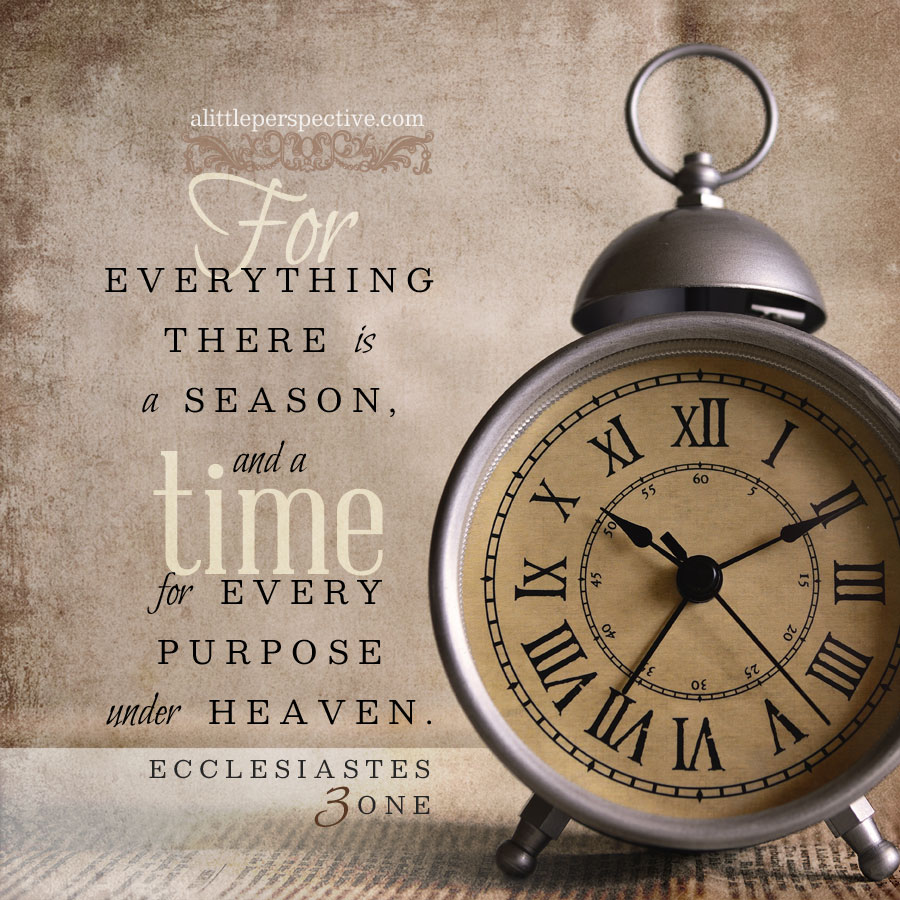
As the warm days of summer gently yield to the crisp and colorful days of fall, we find ourselves in the midst of a beautiful transformation. Nature, in all its glory, begins to shed its vibrant green attire, donning a cloak of reds, oranges, and yellows. This shift from summer to fall serves as a powerful reminder of the ever-changing seasons of our lives, offering us valuable lessons and inspiration.

As we bid farewell to the sun-soaked days of summer, we are reminded that change is a fundamental part of life. Just as the seasons shift, so do the chapters of our lives. Embrace this transition as a new opportunity for growth and transformation. Fall is a time to reflect on the past, be present in the moment, and prepare for the future.

During the transition from summer to fall, it’s common to experience a sense of uncertainty or fear of the unknown. But remember, God is our light and salvation. Trust in His guidance, and you will find the strength to navigate through any season of change. Just as the leaves fall to the ground, trust that God is in control, and He has a purpose for each change in your life.

But Fall also brings with it the promise of new beginnings. The changing leaves remind us that even in letting go, there is beauty and potential for something new to emerge. As you embark on new adventures or pursue fresh goals this fall, remember that with Christ’s strength, you can overcome any challenges and embrace the opportunities that change brings.

TOPSHOT – In this aerial image, Baker Lake is surrounded by Fall colors on October 8, 2022 near East Bolton, Quebec, Canada. (Photo by Sebastien ST-JEAN / AFP) (Photo by SEBASTIEN ST-JEAN/AFP via Getty Images)

As you transition from summer to fall, remember that while you may have your plans and goals, God is the one who ultimately guides your path. Allow this season of change to open your heart to new possibilities and to embrace God’s purpose for your life.

The transition from summer to fall is a poignant reminder of the ebb and flow of life’s seasons. As we watch the leaves fall gracefully to the ground, let us also release our grip on the past and trust in the beauty of change. Through the inspiration of Bible verses and the wisdom of nature, we find the strength to embrace the ever-evolving journey of life with hope and faith in our hearts

Enjoy the milder weather, and as always, be blessed.

Cultivating Inner Peace:

Photo by Maria Gulyaeva on Pexels.com

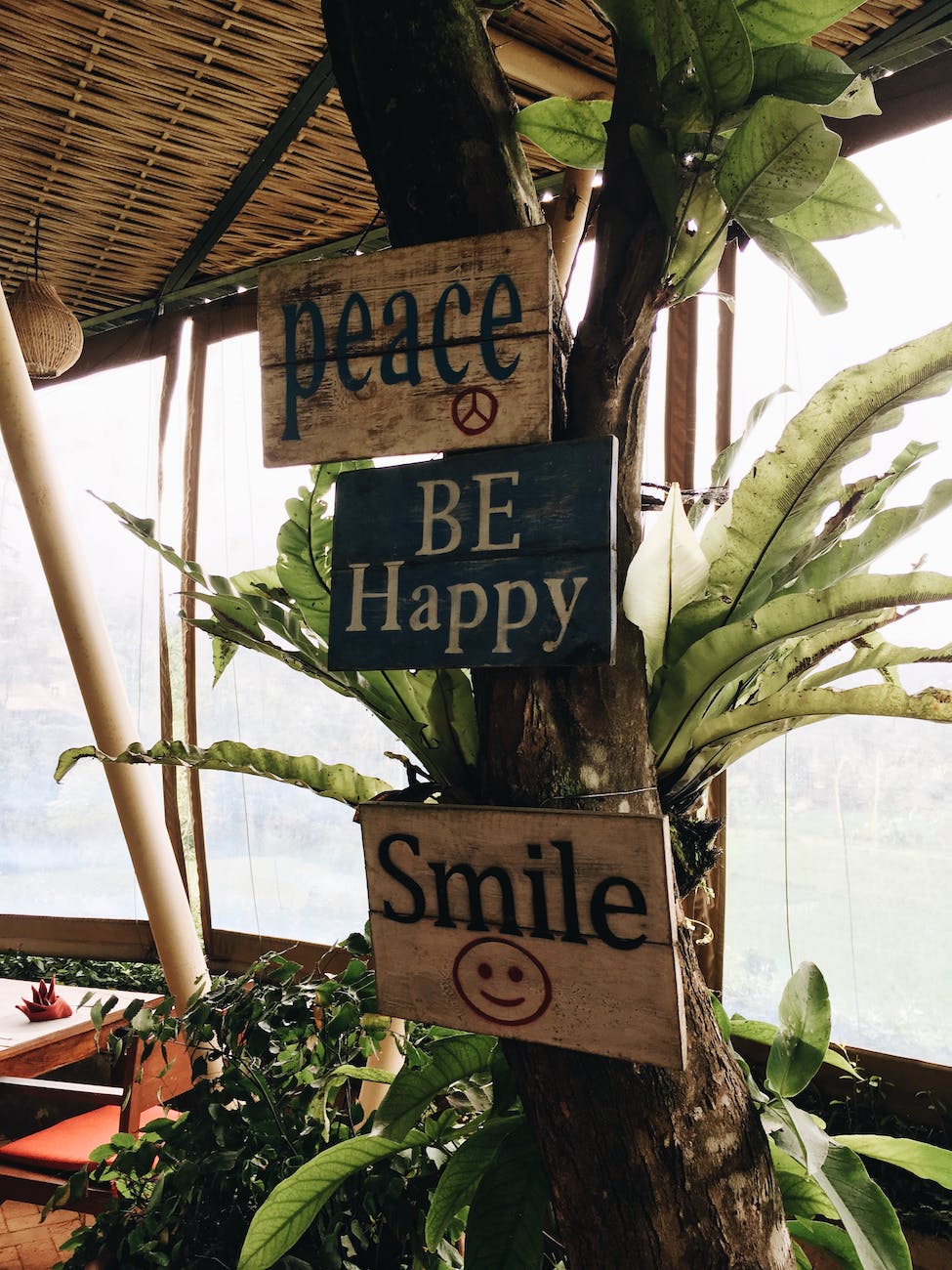
As we approach the International Day of Peace on September 21st, it’s a reminder that true peace begins within ourselves. While the quest for world peace is admirable, it finds its roots in the Christian faith through the peace that surpasses all understanding. In this blog post, we will explore the significance of inner peace from a Christian perspective, its connection to the International Day of Peace, and practical steps to foster tranquility within.

Inner peace, is more than just a state of calm; it is a reflection of a deep and abiding faith in God’s love and providence. It is rooted in the knowledge that God is in control and that His peace can fill our hearts, even in the midst of life’s storms.

The International Day of Peace, observed annually on September 21st, calls us to reflect on the peace that Christ offers and to share it with the world. As Christians, we understand that peace on a global scale is intricately linked to our individual pursuit of inner peace in Christ.

Why Inner Peace Matters

  1. Spiritual Well-being: Inner peace nurtures our spiritual well-being, allowing us to draw closer to God and experience His presence.
  2. Relationships as a Ministry: We can use our inner peace to be better ministers to those around us, demonstrating the love and peace of Christ through our actions.
  3. Conflict Resolution: A peaceful heart equips us to resolve conflicts with grace and humility, following the example of Jesus.
  4. Global Impact: Collectively, as Christians who embody the peace of Christ, we can influence our communities and nations for the better.

Practical Steps to Cultivate Inner Peace

  1. Prayer and Scripture: Spend time daily in prayer and studying the Scriptures to deepen your faith and understanding of God’s peace.
  2. Forgiveness: Practice forgiveness as Christ forgave us, releasing grudges and seeking reconciliation.
  3. Service and Acts of Love: Serve others with love and humility, following the example of Jesus washing His disciples’ feet.
  4. Trust in God’s Plan: Trust in God’s plan, even when facing uncertainties, knowing that He works all things for good.
  5. Community and Fellowship: Engage in community and fellowship for support and spiritual growth.

This International Day of Peace, let us remember that true peace, the peace that surpasses all understanding, begins with Christ within us. By cultivating inner peace through our faith, we can share the peace of Christ with a world in need. As Christians, we are called to be ambassadors of God’s peace, leading the way towards a world where His peace reigns supreme. Start with your relationship with Christ, and together, we can bring His peace to the forefront of our lives and the world.