Living in the World but Not of It: A Call to Reflect Christ

In recent times, many Christians have been led to believe that we are called to impose our beliefs on the world by force, forgetting a fundamental truth of our faith: we are in this world, but we are not of it. This misunderstanding has led to behaviors and attitudes that run contrary to the teachings of Jesus. It’s like asking hotel management to remodel the room we’re renting temporarily. We’ve forgotten that this world is not our permanent home. As believers, our mission is not to change the world by worldly means but to point others to Christ so that their hearts can be transformed.

Jesus’ words in John 17:14-16 remind us of our place: “I have given them your word and the world has hated them, for they are not of the world any more than I am of the world. My prayer is not that you take them out of the world but that you protect them from the evil one. They are not of the world, even as I am not of it.” Our calling is to live as ambassadors of Christ, reflecting His love, grace, and truth while remembering that hatred, division, and force are tools of the enemy, who seeks to kill, deceive, and destroy (John 10:10).

The Mission We’ve Forgotten

The Great Commission calls us to make disciples, not to coerce others into belief. Jesus commands in Matthew 28:19-20, “Therefore go and make disciples of all nations, baptizing them in the name of the Father and of the Son and of the Holy Spirit, and teaching them to obey everything I have commanded you.” This mission requires patience, humility, and love. It’s not about forcing others to conform to our standards but about lovingly pointing them to the truth found in God’s Word.

Some have even gone so far as to attempt to manufacture events to hasten Jesus’ return. This is not only an act of pride but also selfishness. In Matthew 24:36, Jesus said, “But about that day or hour no one knows, not even the angels in heaven, nor the Son, but only the Father.” It is not our place to decide when Christ will return. Our focus should remain on the mission He has given us. If we truly love others as ourselves (Matthew 22:39), we will desire their salvation as much as we desired our own. Remember, someone shared the Gospel with us when we were lost. Let us not give up on others who have yet to know the truth.

Jesus Was Not a Political Figure

Many Christians today seem to forget that Jesus did not come to establish a political kingdom. He didn’t seek to change the laws of Rome or Jerusalem. Instead, He came to reveal the kingdom of heaven and to transform hearts. When we focus on imposing our beliefs through political or social power, we lose sight of the example Christ set for us.

In John 18:36, Jesus said, “My kingdom is not of this world. If it were, my servants would fight to prevent my arrest by the Jewish leaders. But now my kingdom is from another place.” This statement underscores the spiritual nature of His mission. Our task is not to make this world our home but to invite others to prepare for the kingdom of heaven.

Reflecting Christ’s Love

When we are unkind to those who are different from us, we’re not acting like Jesus. Loving the sinner while rejecting the sin is the delicate balance we’re called to maintain. Paul’s words in 1 Corinthians 13:4-7 provide a clear picture of what Christlike love looks like: “Love is patient, love is kind. It does not envy, it does not boast, it is not proud. It does not dishonor others, it is not self-seeking, it is not easily angered, it keeps no record of wrongs. Love does not delight in evil but rejoices with the truth. It always protects, always trusts, always hopes, always perseveres.”

Sadly, many unbelievers are turned away from Christ and His church not solely because of deception but because of the behavior of Christians that fails to reflect Christ. As John 13:34-35 says, “A new command I give you: Love one another. As I have loved you, so you must love one another. By this everyone will know that you are my disciples, if you love one another.” Love, not force, is the mark of true discipleship.

Staying Focused on Our Calling

As followers of Christ, our job is not to participate in the ways of the world but to preach the Word of God so that more people can be saved. Romans 12:2 reminds us, “Do not conform to the pattern of this world, but be transformed by the renewing of your mind. Then you will be able to test and approve what God’s will is—his good, pleasing and perfect will.” We cannot transform hearts—only God can do that. But we can live in a way that reflects His love, inviting others to experience His grace and truth.

The enemy seeks to sow division and hatred, but we are called to be instruments of peace. Let us remember our true mission: to share the Gospel, love others as Christ loves us, and reflect the kingdom of heaven in all we do. In doing so, we honor God and fulfill the purpose He has set before us.

Meaningful Decisions This New Year

Self-care and meaningful resolutions often dominate the conversation as the new year begins. But 2025 must be different. Life has shown us that “business as usual” is no longer acceptable. We can’t keep making promises to ourselves only to abandon them within weeks. This year demands resolutions that reflect the urgency of our times—resolutions that bring us peace, fulfillment, and connection. Here are five true resolutions to embrace in 2025:

1. Tell Those Around You That You Love Them

As of January 17, 2025, more than 40 lives have been tragically lost in major events, including 25 in the California fires, five in last weekend’s winter storms, and 15 in the Louisiana terrorist attack. This doesn’t even account for the countless others lost to accidents, illnesses, and age. Each of these numbers represents families who didn’t get one last word with their loved ones.

This year, let’s make it a priority to express our love—not just in words but in actions. Send that text, make that call, or give that hug. As Proverbs 27:1 reminds us, “Do not boast about tomorrow, for you do not know what a day may bring.” Cherish the moments you have now.

2. Make Amends and Forgive

Life is unpredictable, and holding onto anger only weighs us down. If amends need to be made, take the first step. If reconnecting isn’t safe or advisable, you can still forgive in your heart. Forgiveness isn’t about the other person; it’s about releasing yourself from bitterness. As Ephesians 4:32 says, “Be kind to one another, tenderhearted, forgiving one another, as God in Christ forgave you.” Let this year be one of emotional freedom.

3. Start a Form of Minimalism

We’re surrounded by clutter—both physical and emotional. If you don’t need it, don’t buy it. A helpful tip shared by a guest on The Rising Muse podcast is to leave items in your cart for 24 hours before deciding to purchase. You’ll be amazed at how many “needs” turn out to be unnecessary.

For me, this year’s purchases will focus on essentials like groceries, gas, and clothes for my growing child. As Ecclesiastes 5:10 warns, “Whoever loves money never has enough; whoever loves wealth is never satisfied with their income.” Let’s aim for simplicity, contentment, and intentional living.

4. Learn a New Survival Skill

Our dependence on technology can leave us unprepared for even minor disruptions. Consider learning basic survival skills: sewing a button, fixing a tire, or preparing a meal without electricity. This isn’t about doomsday prepping; it’s about practicality. Proverbs 22:3 offers wisdom: “The prudent see danger and take refuge, but the simple keep going and pay the penalty.” Being prepared is an act of wisdom and stewardship.

5. Prioritize Health

You don’t need a gym membership to get moving. Walk around your neighborhood, dance to your favorite playlist, or play actively with your kids. Just give your body the movement it craves. In 1 Corinthians 6:19-20, we’re reminded, “Your body is a temple of the Holy Spirit within you… glorify God in your body.” Small, consistent efforts can have a big impact.

Watch What Goes Into Your Body

This isn’t about restrictive diets. Instead, focus on small, manageable changes. Drink more water, cut back on fried foods, or reduce sugar intake. And don’t forget to feed your spirit. Are you praying or meditating? Protect your peace by avoiding content and environments that disturb your mood. Philippians 4:8 encourages us to dwell on what is true, noble, and praiseworthy.

6. Purge Your Social Life

Are you attending events out of obligation rather than joy? Are there relationships that bring more stress than peace? This year, embrace the power of “no.” As Ecclesiastes 3:1 reminds us, “There is a time for everything, and a season for every activity under the heavens.” Prioritize what truly matters and let go of what doesn’t serve you.

7. Pick a New Hobby

Try something new. It doesn’t have to be big or expensive. If you have the time and interest, it could be as simple as reading a certain number of books or experimenting with a new recipe each week. Look for free activities to enjoy on your days off at least once a month. Even something as small as getting crayons and a coloring book can bring joy and relaxation. Exploring a new hobby can bring fulfillment and add a spark of creativity to your life.

Final Thoughts

These resolutions aren’t about radical changes or impossible goals. They’re small, intentional steps that lead to a less stressful, more fulfilling life. As Psalm 90:12 prays, “Teach us to number our days, that we may gain a heart of wisdom.” Let’s make 2025 the year we live with purpose, connection, and peace.

Embracing a New Attitude in 2025: A Fresh Start for Your Mind and Body

There’s no better time to hit the reset button and cultivate a new attitude toward life than at the beginning of the year. Each new year brings the promise of growth, opportunities, and transformation. But this year, let’s go beyond setting fleeting resolutions and focus on fostering a sustainable mindset and lifestyle that promotes both mental and physical health.

To help you kickstart this journey, consider embarking on the 15-Day Challenge to a Stronger YOU! — a practical, faith-based guide designed to lay the foundation for lasting change.

Why Attitude Matters

Your attitude shapes your reality. It influences how you approach challenges, interact with others, and ultimately, how you experience life. A positive attitude doesn’t mean ignoring difficulties but rather facing them with resilience, gratitude, and a solution-oriented mindset.

This year, make your new attitude stick by starting with the 15-Day Challenge to a Stronger YOU! It’s not just a self-help tool; it’s a roadmap to integrate faith into every area of your life while building a stronger spiritual, mental, and emotional foundation.

Cultivating Mental Health in 2025

Mental health is the cornerstone of a fulfilling life. Here’s how you can prioritize it:

  1. Practice Gratitude Daily
    The 15-Day Challenge helps you develop daily gratitude practices that shift your focus from scarcity to abundance. Each day of the challenge provides prompts to guide your reflections.
  2. Set Boundaries
    Boundary-setting is easier with clear, actionable steps. The challenge includes practical exercises to help you identify what matters most and set boundaries accordingly.
  3. Engage in Mindfulness Practices
    Discover faith-aligned mindfulness techniques that combine spiritual practices with emotional grounding.
  4. Seek Support When Needed
    The challenge emphasizes the importance of community, encouraging you to seek help when needed and surround yourself with uplifting individuals.

Boosting Physical Health in 2025

Your body and mind are deeply interconnected, and taking care of your physical health enhances your overall well-being.

  1. Move Your Body Regularly
    The 15-Day Challenge offers tips to incorporate enjoyable, faith-inspired movement into your routine to energize your body and spirit.
  2. Nourish with Purpose
    Explore ways to practice mindful eating, aligned with your values, to improve your physical health without overwhelm.
  3. Prioritize Rest and Recovery
    The challenge encourages you to embrace rest as a vital part of the growth process.
  4. Try Something New
    With prompts to push you out of your comfort zone, the 15-Day Challenge is designed to spark growth and joy through novelty.

The Power of a Fresh Perspective

Adopting a new attitude in 2025 is not about perfection; it’s about progress. The 15-Day Challenge to a Stronger YOU! can be your starting point to cultivate this new perspective, offering tools to align your spiritual, mental, and physical health.

Limited-Time Offer: Begin your transformation today! For a limited time, the Kindle edition of 15-Day Challenge to a Stronger YOU! is available at 67% off — just $1.99 until January 8th. Take advantage of this special offer to make 2025 your most transformative year yet.

This year, let’s commit to growth, finding joy in the journey, and becoming the best version of ourselves. Here’s to a transformative 2025 filled with vitality, resilience, and positivity!

The Parable about Parables

By John Avery

(Context: Matthew 13:1-23. Parallels: Mark 4:1-20; Luke 8:4-15.)
Story time was over. The keel of the fishing boat ground into the gravel along the shore,
and the men stopped rowing. Jesus climbed over the side and paddled to the beach. As He
and the disciples gathered their gear and prepared to go back to the house to rest, one of
the disciples raised the question they had all been too shy to ask until the crowd
dispersed.
“Why do you speak to them in parables?”

I think we get stuck in the Parable of the Soils. 1 What I mean is that we spend so much
time trying to decipher the analogies and apply them to our lives that we miss the core of
what Jesus said. This is one of Jesus’ most important teachings because it answers the
disciples’ question, “Why do you speak to them in parables?” Jesus’ answer is the key to
hearing the voice of God and therefore the key to spiritual growth.
So, why did Jesus use parables? At first, His explanation seems cryptic:
Jesus answered them, “To you it has been granted to know the mysteries of the kingdom of
heaven, but to them it has not been granted. . . . Therefore I speak to them in parables; because
while seeing they do not see, and while hearing they do not hear, nor do they understand. . . . But
blessed are your eyes, because they see; and your ears, because they hear. (Matthew 13:11, 13,
16)
Every crowd listening to Jesus’ teaching contains two types of people; those who have
functioning spiritual ears and eyes, and those who do not. Ears receptive to sound waves
and eyes able to resolve light patterns are not enough. Spiritual sight and hearing happen
when the heart understands, the mind perceives, and lives return to a healthy relationship
with God (Matt. 13:14-15). The disciples were spiritually receptive; they could grasp the
mysteries of the kingdom of God and change to live the kingdom lifestyle. Jesus used
parables to see which people were in which group. The Parable of the Soils illustrates this
essential lesson.
Every parable and truth about the King and His kingdom acts in the same way. Like a
seed, it tests the soil of the heart. Many people hear God speaking directly to them, or
through His followers, but only superficially. The truth is quickly snatched away from
hard hearts. Difficult times, when temptation or opposition comes, shrivel it. Distractions
steal all time and energy, hindering application. Only hearts that are like soft, deep, clean
soil will apply the truth in such a way that life changes. Each time that Jesus concludes
with the phrase, “He who has ears to hear, let him hear,” He means the ears of the will.
So, next time God drops a seed of truth into your life, will your will nurture it to fruition?

John Avery

Author of The Sparks Series. Collections of short meaty devotional/Bible Studies.

Becoming Like Jesus: How to Think and Live Like Jesus Christ (February, 2024).

The Questions of Jesus: Questions Asked by Jesus, Questions People Asked Him (October, 2022).

The Kingdom of God: Our Life with Jesus the King (March, 2023).

And

The Name Quest: Explore the Names of God to Grow in Faith and Get To Know Him Better (Morgan James Publishing, 2015).

www.NamesForGod.net/name-quest

www.BibleMaturity.com

Free Yourself: Embrace Forgiveness Today

Are you seeking a way to find peace amidst life’s inevitable pains and challenges? Join us in our latest podcast episode as we delve deep into the essence of forgiveness—a journey from resentment to liberation.

On our most recent episode of Thrive by The Rising Muse we guide you through a profound conversation on forgiveness. With engaging and relatable storytelling, we explore how forgiveness intersects with faith, family, and mental health, offering transformative insights along the way.

We start by defining forgiveness through the lens of the American Psychology Association (APA), which describes it as an intentional process of letting go of anger and resentment while embracing empathy and compassion. They emphasize that forgiveness is not necessarily about reconciliation but about freeing oneself from the burden of bitterness.

There are 4 types of forgiveness:

  1. Forgiving Others: The most common form, where you forgive someone who has hurt you.
  2. Self-Forgiveness: Often the hardest, where you learn to forgive yourself for past mistakes.
  3. Forgiving Circumstances: Letting go of resentment towards situations beyond your control.
  4. Forgiving God: Acknowledging and processing feelings of anger towards God in times of personal loss or tragedy.

This episode also offers practical advice on how to embark on your own journey of forgiveness:

  • Acknowledge Your Pain: The first step is recognizing and admitting your hurt.
  • Gain Perspective: Try to understand the situation from different viewpoints.
  • Release Resentment: Learn to let go of grudges that weigh you down.
  • Practice Self-Compassion: Be patient and kind to yourself as you navigate the forgiveness process.
  • Seek Guidance: Whether through therapy, counseling, or spiritual guidance, don’t hesitate to seek help.

The Spiritual Dimension of Forgiveness

Our hosts discuss the spiritual aspects of forgiveness, referencing various scriptures that underscore the importance of forgiving others as God forgives us. They also touch on the necessity of forgiving God, a concept that might seem controversial but is essential for healing deep-seated anger and disappointment.

Why Listen?

This episode is a must-listen for anyone struggling with forgiveness. Whether you find it hard to forgive others, yourself, or even God, Naty and Veda provide compassionate and insightful guidance to help you release the emotional burdens that are holding you back.

Don’t miss out on this enlightening conversation that promises to uplift and inspire. Tune in to the Thrive podcast and start your journey towards true forgiveness today!


Ready to dive deeper into the topic of forgiveness? Click here to listen to the full episode now.

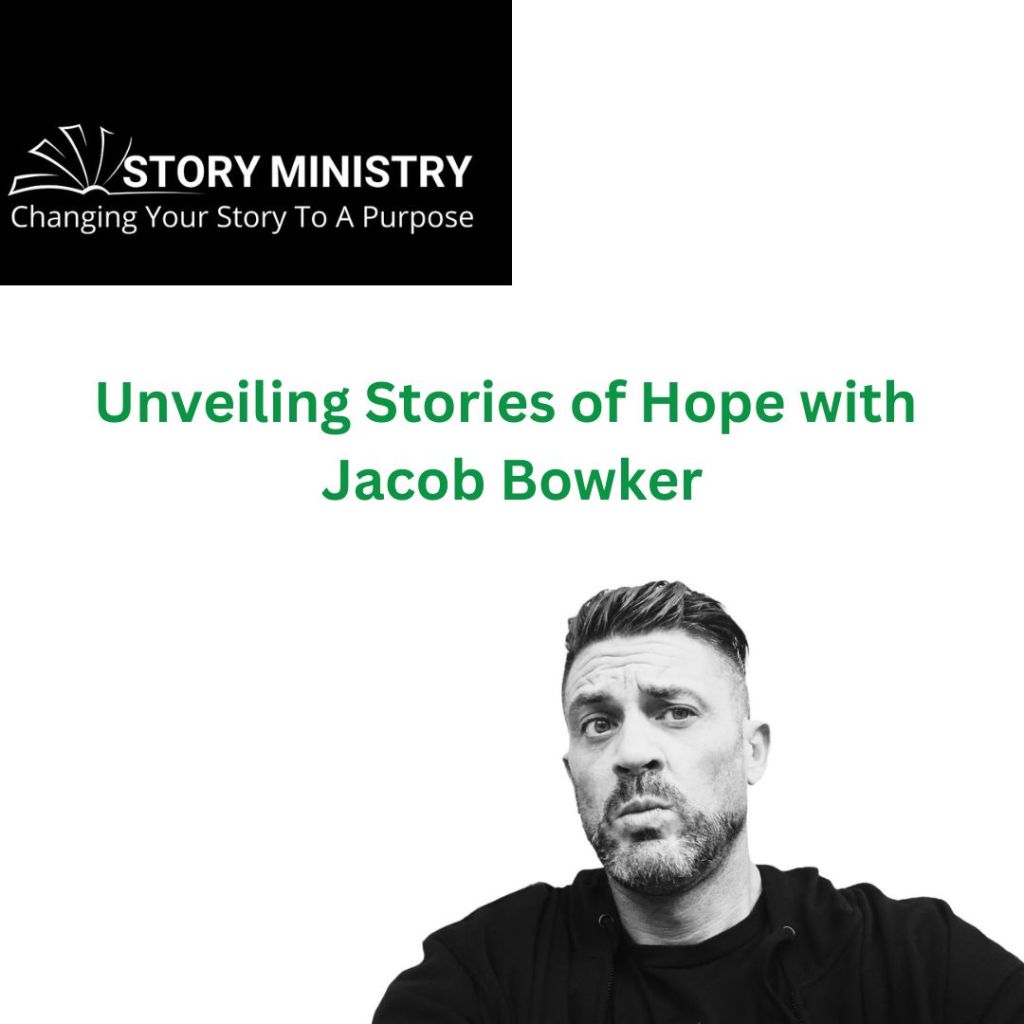
Unveiling Stories of Hope with Jacob Bowker

Mental health is a profound journey, often marked by challenges and revelations. In the latest episode of Thrive by The Rising Muse, we dive deep into this topic with a remarkable guest, Jacob Bowker. As a father of four boys, an author, a podcaster, and a certified mental health coach, Jacob brings a wealth of knowledge and personal experience to our conversation.

Jacob’s story is both moving and inspiring. When his son was hospitalized due to mental health issues, Jacob realized the dire need for faith-based resources for families struggling with similar challenges. This realization spurred the creation of Story Ministry, an organization dedicated to supporting families through the intersections of mental health, addiction, and faith.

Story Ministry’s unique family-centered approach aims to empower families, helping them establish healthy boundaries and become stronger together. Jacob emphasizes the importance of not neglecting any family member and working collectively to heal and support one another.

Jacob discusses how Story Ministry collaborates with licensed therapists to create resources that guide individuals through their mental health journeys. By incorporating Bible verses and faith-based teachings, they offer a holistic approach to coping and healing. Jacob’s perspective on the need for healthy coping mechanisms, as opposed to simply relying on medication, provides a refreshing take on mental health treatment.

A key aspect of Story Ministry’s mission is to proactively educate and support communities. Jacob highlights their efforts to integrate mental health education into schools, starting with teachers and staff. By equipping educators with the knowledge and tools to support students, they aim to foster a more understanding and supportive environment from a young age.

Story Ministry also partners with churches, offering weekly small groups and Bible study sessions focused on mental health. These groups provide a safe space for individuals to share their struggles and find support within their faith community.

Jacob’s message is clear: mental health is an integral part of our overall well-being and should not be separated from our spiritual lives. He encourages listeners to reach out for help, support one another, and approach mental health with empathy and understanding.

Are you intrigued by Jacob’s insights and the mission of Story Ministry? Tune into the full episode of Thrive by The Rising Muse to hear more about Jacob’s journey and how Story Ministry is making a difference in the lives of many.


Subscribe to Thrive by The Rising Muse on your favorite podcast platform and follow us on social media to stay updated on our latest episodes and mental health resources. Join us in breaking the stigma and building a supportive community where every story matters.


Don’t miss this enlightening conversation with Jacob Bowker. Click here to listen now and become part of a movement that embraces mental health and faith together.

Embracing Peace in the Midst of Chaos

In a world filled with chaos and uncertainty, the pursuit of peace takes on profound significance for Christians. As we navigate the challenges of life, we are called to exemplify the peace that Christ offers—a peace that transcends circumstances. In this blog post, we will explore the Christian perspective on finding and embracing peace in the midst of chaos.

The Christian Concept of Peace

For Christians, peace is not merely the absence of conflict but a state of harmony and wholeness that can only be fully realized through a relationship with God. It’s the assurance that, no matter the storms of life, God’s peace guards our hearts and minds (Philippians 4:7).

Navigating Chaos with Faith

  1. Anchoring in Prayer: In times of turmoil, turn to prayer as a means of connecting with God’s peace. The Bible encourages us to present our worries and anxieties to Him in prayer (Philippians 4:6).
  2. Trusting God’s Sovereignty: Recognize that God is in control, even when the world seems chaotic. Trusting in His sovereignty can bring a profound sense of peace (Isaiah 26:3).
  3. Seeking Solace in Scripture: The Bible is filled with verses that offer comfort and peace in times of trouble. Meditate on passages that speak to your heart (Psalm 46:10).
  4. Living Out Forgiveness: Practice forgiveness as a reflection of God’s forgiveness towards us. Letting go of resentment and grudges can bring a sense of inner peace (Ephesians 4:32).
  5. Community and Fellowship: Engage in Christian community and fellowship. Surrounding yourself with like-minded believers can provide emotional support and encouragement (Hebrews 10:24-25).
  6. Spreading Peace: Be a peacemaker in your interactions with others. Seek reconciliation and understanding, following the example of Christ (Matthew 5:9)

In a world filled with chaos, Christians are called to be beacons of peace, reflecting the peace that comes from a relationship with Jesus Christ. As we navigate the challenges of life, let us remember that our faith is the anchor of our peace. By drawing near to God in prayer, trusting His sovereignty, and living out His principles of forgiveness and love, we can experience and share His peace with a world in desperate need of it. Embrace God’s peace and let it shine brightly in the midst of chaos, for it is a testimony to the transformative power of faith.

Until next time, be blessed!

Don’t forget to subscribe to our weekly podcast: Thrive by The Rising Muse

Nurturing Spiritual Discernment in the Word

In a world where charismatic leaders abound, each claiming to have a direct line to God’s truth, Christians face the daunting task of discerning genuine spiritual guidance from deceptive falsehoods. Jesus Himself warned of false prophets in Matthew 7:15, saying, “Watch out for false prophets. They come to you in sheep’s clothing, but inwardly they are ferocious wolves.”

As followers of Christ, we bear a solemn responsibility to discern truth from error, and this begins with a deep commitment to studying the Word of God for ourselves. In 2 Timothy 2:15, Paul instructs Timothy, “Do your best to present yourself to God as one approved, a worker who does not need to be ashamed and who correctly handles the word of truth.” This admonition applies to all believers, emphasizing the importance of personal engagement with Scripture to guard against deception.

False prophets often possess charismatic personalities and persuasive speech, making them all the more dangerous to unsuspecting followers. However, the surest defense against such deceit lies in cultivating a robust understanding of God’s Word through diligent study and prayer. Psalm 119:105 assures us, “Your word is a lamp for my feet, a light on my path.” When we immerse ourselves in Scripture, we gain clarity and guidance that illuminate the path of righteousness and expose falsehood.

Moreover, it’s essential to surround ourselves with godly mentors and fellow believers who can offer wise counsel and accountability. Proverbs 27:17 reminds us, “As iron sharpens iron, so one person sharpens another.” By engaging in mutually edifying relationships grounded in biblical truth, we fortify ourselves against the wiles of false prophets.

However, it’s crucial to exercise caution even in seeking guidance from others. While mentors can provide valuable insights, their interpretations must align with Scripture. Acts 17:11 commends the Berean Jews for their diligence in examining the Scriptures daily to verify the teachings they received. Likewise, we must approach all teachings with discernment, testing them against the timeless truths of God’s Word.

False prophets often twist Scripture to suit their own agendas, leading unsuspecting followers astray. 2 Peter 3:16 warns of those who distort Scripture to their own destruction. Therefore, it’s imperative to maintain a firm grasp on biblical principles and sound doctrine to recognize and refute falsehoods.

In conclusion, while the prevalence of false prophets may pose a formidable challenge, Christians need not despair. By grounding ourselves in the unchanging truths of Scripture, seeking guidance from godly mentors, and exercising discernment in all things, we can navigate the tumultuous waters of spiritual deception with confidence. Let us heed the exhortation of 1 Thessalonians 5:21 to “test everything; hold fast what is good,” ensuring that our faith remains steadfast and our hearts guarded against the cunning schemes of the enemy.

Amen! and until next time, be blessed!

Remember to subscribe to our podcast: Thrive by The Rising Muse

Keeping Faith Grounded

In the realm of faith, it’s easy to find ourselves admiring and respecting those who hold positions of authority within the church. Pastors, ministers, and leaders guide us, inspire us, and often serve as examples of faith in action. However, as Christians, it’s vital to remember that these individuals, while worthy of respect, are fallible humans just like us. Placing them on pedestals risks turning admiration into idolatry and can lead to profound disappointment when they inevitably stumble.

Scripture repeatedly reminds us to keep our focus on Christ alone. In Psalm 62:5-7, David writes, “Yes, my soul, find rest in God; my hope comes from him. Truly he is my rock and my salvation; he is my fortress, I will not be shaken. My salvation and my honor depend on God; he is my mighty rock, my refuge.” Here, David underscores the unwavering reliability of God as our ultimate source of strength and salvation.

Jesus Himself warned against putting too much trust in human leaders, stating in Matthew 23:9, “And do not call anyone on earth ‘father,’ for you have one Father, and he is in heaven.” This isn’t to diminish the importance of spiritual leaders but to remind us that they are conduits, not the source, of our faith.

When individuals in positions of authority fail morally or ethically, it can shake the foundations of our faith if we’ve placed too much reliance on them. Paul addresses this in 1 Corinthians 3:4-5, where he admonishes against forming factions around human leaders, writing, “For when one says, ‘I follow Paul,’ and another, ‘I follow Apollos,’ are you not mere human beings? What, after all, is Apollos? And what is Paul? Only servants, through whom you came to believe—as the Lord has assigned to each his task.”

The danger of idolizing human leaders within the church becomes painfully apparent when scandal strikes. When a trusted pastor or revered minister falls from grace, it can cause widespread disillusionment and even drive people away from their faith. This underscores the importance of anchoring our faith firmly in Christ rather than in fallible human vessels.

Our relationship with God should never be contingent upon the actions or integrity of those who lead us. Instead, it should be grounded in a personal connection with Jesus Christ, who remains steadfast and unchanging regardless of human frailty. Hebrews 13:8 reaffirms this truth: “Jesus Christ is the same yesterday and today and forever.”

Ultimately, while we should respect and honor those in positions of authority within the church, we must always remember that they are imperfect vessels through which God works. Placing our complete trust in Christ alone guards against the pitfalls of idolatry and ensures that our faith remains steadfast, even in the face of disappointment or betrayal.

In conclusion, let us heed the words of Psalm 118:8, which declares, “It is better to take refuge in the Lord than to trust in humans.” By keeping our faith firmly rooted in Christ, we find unwavering strength, hope, and salvation that can never be shaken by the failings of mortal men.

Until next time, be blessed

Remember to subscribe to our podcast: Thrive by The Rising Muse

Discovering God in Daily Moments

Are you ready to embark on a journey of faith, family, and mental health? Join us for a captivating conversation with Emily Hill, where we delve into the depths of life’s challenges and triumphs.

Emily’s story is one of resilience and discovery. Growing up in a pastor’s home, life seemed picture-perfect until the harsh realities of adulthood hit hard. From navigating the joys and struggles of marriage to grappling with the profound loss of miscarriage, Emily shares candidly about her journey through grief, anger, and ultimately, healing.

In this episode, Emily invites us into her world, where faith intersects with the everyday moments of life. Through personal anecdotes and reflections on scripture, she reveals how she found solace and purpose in the midst of darkness, discovering the real presence of God in the mundane and momentous alike.

But the conversation doesn’t stop there. Emily shines a light on the stigma surrounding mental health in religious communities, advocating for open dialogue and acceptance. She shares her vision for faith communities to become spaces of healing and support, where individuals can find both spiritual and tangible resources for mental well-being.

And don’t forget to check out Emily’s book, “Everyday Epiphany,” a devotional that explores the presence and purpose of God in the everyday moments of life. With personal anecdotes and insights drawn from scripture, this book offers a guiding light for those seeking to deepen their faith and find meaning in the midst of life’s challenges.

Join us as we explore the thin places where the natural and spiritual worlds collide, where grief is met with grace, and where hope shines brightest in the darkest of moments. Whether you’re seeking comfort, inspiration, or simply a listening ear, this episode promises to touch your heart and uplift your spirit.

Don’t miss out on this empowering conversation with Emily Hill, as we navigate the complexities of everyday life with faith, family, and mental health as our guiding lights.

Watch the full episode by clicking here and embark on your own journey of discovery and resilience. Because in the midst of life’s challenges, there is always hope to be found.