Tired of Chasing Happiness? How to Finally Reconnect with Real Joy

Have you ever found yourself aggressively chasing joy?

Maybe it looks like planning the perfect, stress-free weekend, scrolling through curated “good vibes only” social media feeds, or repeating positive affirmations in the mirror when you actually feel completely depleted. We treat joy like a prize to be won, a goal to be checked off, or a reward for finally getting our lives perfectly together.

But let’s be honest: Chasing joy is exhausting. And more often than not, the harder we run after it, the more elusive it becomes. Why? Because joy isn’t a destination, and it certainly isn’t something you can force.

In our latest episode of The Rising Muse, Reconnecting with Joy, we dive deep into why your pursuit of happiness might actually be pushing it away—and how to switch from chasing joy to gently receiving it.

The Science of Joy: It’s Not a Choice, It’s a Feeling of Safety

We’ve all heard the well-meaning advice: “Joy is a choice!” While that sounds inspiring on a coffee mug, it can actually feel incredibly dismissive when you are genuinely struggling.

Here is the truth we discuss in the episode: Joy is physiological.

Your body and your nervous system operate on a fundamental need for survival. If your body doesn’t feel safe, it cannot access or sustain a state of joy. When you are stuck in survival mode—anxious, overwhelmed, or burnt out—your brain prioritizes protection, not praise.

To experience true joy, we have to stop pressuring ourselves to feel “maximum happiness” and instead focus on cultivating a felt sense of safety in our daily lives. Joy is a slow, honest unfolding that happens when our nervous system finally feels secure enough to let its guard down.

Why You Need to Listen to This Episode

If you are tired of putting on a brave face or if you feel like a bystander in your own life, wondering where your spark went, this conversation was recorded specifically for you.

In this episode, we explore:

  • The Difference Between Chasing and Reconnecting: Why your current strategy for finding happiness might be burning you out.
  • The Physiology of Emotions: How your nervous system controls your capacity for joy, and how to gently signal safety to your body.
  • Lowering the Bar: How removing the pressure to feel “perfectly happy” actually clears the path for genuine, deep-rooted joy to return.

You don’t have to fix everything in your life before you’re allowed to experience lighter moments. You just need to learn how to create a safe space for joy to come back home.

Take a Breath. Tune In.

Give yourself permission to pause the hustle today. Grab a cup of tea, find a quiet spot, and let’s talk about how to breathe easy again.

🎧 Click here to listen to “Reconnecting with Joy” on your favorite podcast platform!

Want to dive deeper into our series on joy? Don’t forget to check out our companion episodes on how joy coexists with grief, how to build an unshakable foundation, and finding strength in scripture.

Why Your “Rough Edges” Are Your Greatest Strength

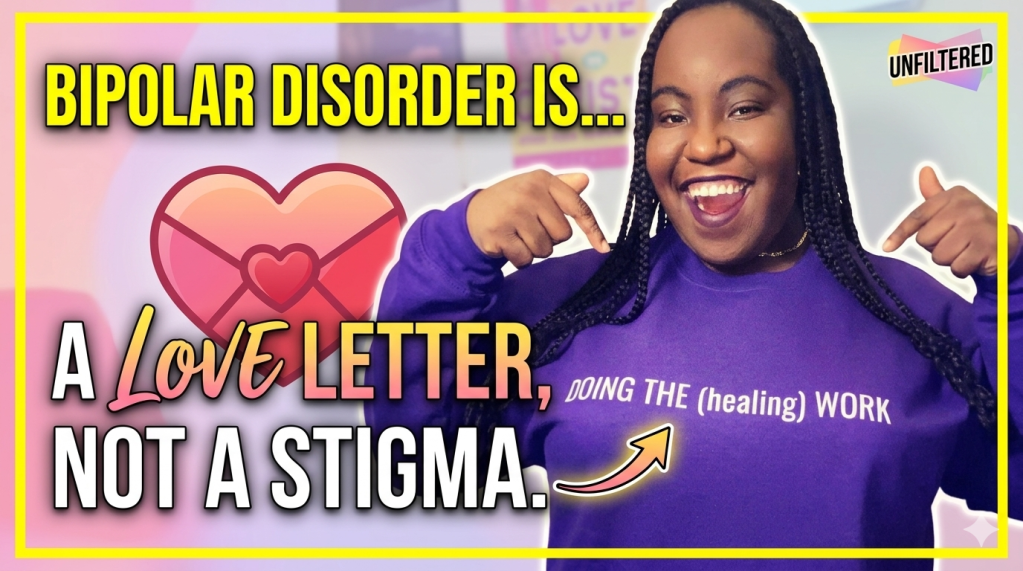
As the host of the Rough Edges podcast, Sarah doesn’t just talk about mental health—she challenges us to look at it through a completely different lens. In this episode, we dive into one of the most powerful perspectives we’ve ever hosted: Viewing Bipolar Disorder as a love letter, not a stigma.

Why you can’t miss this episode:

  • Faith Meets Psychology: We tackle the man-made stigma that says you have to choose between a prayer closet and a therapist’s office.
  • Beyond the Label: Sarah shares how she transformed a Bipolar 1 diagnosis into a source of power and advocacy.
  • Real Talk on “Justice-Involved” Healing: With her background in Forensic Psychology, Sarah provides an unfiltered look at systemic struggles and the path to genuine restoration.

Sarah’s joy is infectious, and her message is clear: doing the healing work is messy, raw, and absolutely worth it.

Whether you’re navigating your own mental health journey or supporting someone else, this conversation will give you the tools to stop filtering your truth and start thriving in your “rough edges.”

Resources: Connect with Sarah and her podcast at roughedgespodcast.com and follow her on social media @RoughEdgesWithSarah for inspiration and community.

👉 [Watch the full episode here]

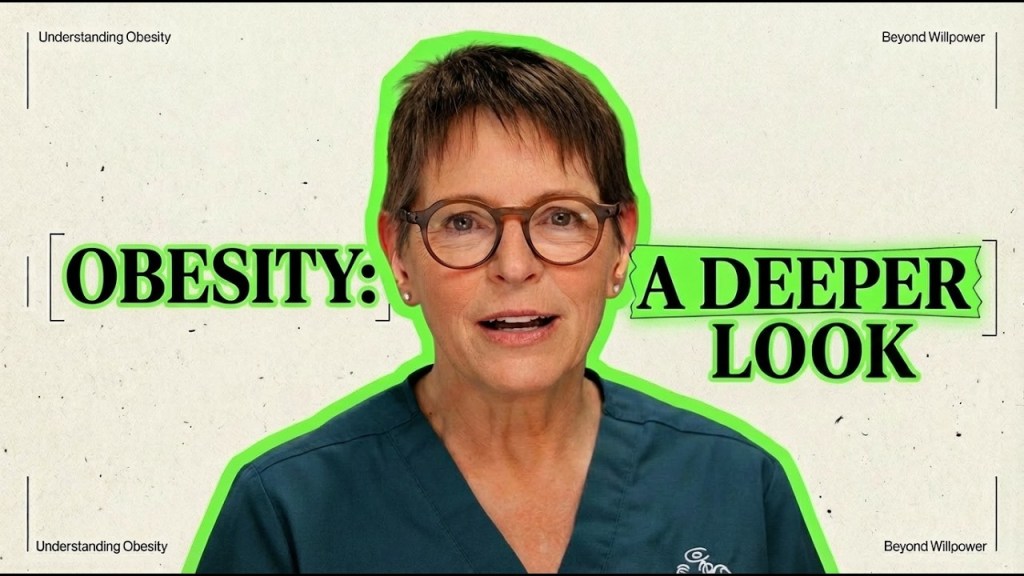
Understanding Obesity: Beyond Willpower and Shame

If you’re tired of hearing that weight loss is just about discipline or that failing to shed pounds is a moral failing, you’re not alone. The relentless emphasis on willpower often overlooks the complex biological, psychological, and societal factors at play. This comprehensive guide challenges common misconceptions around obesity, explores the science behind weight management, and offers actionable insights to support a more compassionate approach.

The Hidden Layers of Obesity: Disease, Trauma, and Inflammation

Obesity isn’t simply a matter of eating too much or moving too little. It is a chronic relapsing disease characterized by ongoing biological processes that resist quick fixes. The Disease Model of Obesity. Many medical organizations recognize obesity as a disease—an active, inflammatory endocrine disorder. Excess adipose tissue secretes cytokines, which promote inflammation and disrupt normal hormonal signals like leptin and insulin. These disruptions lead to increased hunger, decreased satiety, and metabolic resistance, making weight loss more complicated than calories in versus calories out. Trauma and Obesity Connection Anecdotal evidence suggests a significant link between trauma—such as sexual harassment or childhood abuse—and obesity, especially in women. Trauma can lead to emotional eating or weight gain as a protective mechanism against psychological distress. Addressing trauma is crucial for long-term weight management, yet it remains overlooked in traditional weight loss paradigms.

Rethinking Weight Loss: Willpower vs. Biological Reality

The prevailing view that weight loss is purely about discipline ignores the biology that works against us. Remember, obesity involves complex feedback loops:

  • Metabolic Adaptation: Every effort to lose weight triggers the body’s survival mechanisms, which reduce energy expenditure and increase hunger.
  • Set Point Theory: Your body resists permanent weight change by adjusting internal signals, making long-term maintenance challenging.
  • Inflammation: Excess fat contributes to systemic inflammation, further disrupting metabolism and hormones like insulin, leptin, and ghrelin.

This opposition explains why many people struggle despite their best efforts, and why punitive “eat less, move more” advice often backfires.

The Power of Medications and Lifestyle Medicine

Fortunately, advances in pharmacology are transforming obesity treatment. Drugs like GLP-1 receptor agonists (e.g., Wegovy, Ozempic, Tirzepatide) have shown remarkable effectiveness in suppressing appetite, reducing weight, and improving metabolic health. How Do GLP-1 Medications Work? Originally developed for diabetes, these medications impact gut-brain signaling pathways that regulate hunger and satiety. They not only facilitate weight loss but also confer cardioprotective benefits, especially in postmenopausal women. The Question of “Cheating” Using medication to manage hunger is not cheating—it’s utilizing available tools to improve health, much like someone with diabetes uses insulin. Obesity is a disease; treating it with medications should be normalized, not stigmatized.

The Psychological Dimension: Self-Love and Support

Addressing weight from a purely physical perspective neglects the critical psychological elements. Self-compassion, positive body image, and supportive communities are foundational for sustainable change. Love Yourself at Every Size. Stepping into a healthier weight involves not only physical adjustments but also reshaping internal narratives. Recognize your worth regardless of size, and practice self-love as you pursue health. Cultivating Support Systems: Surround yourself with people who uplift you—support groups, friends, or healthcare providers who understand the science and prioritise your well-being. Avoid environments that promote food noise or shame.

The Intersection of Society, Media, and Beauty Standards

Cultural standards heavily influence perceptions of beauty, often to the detriment of health. The glorification of thinness, unrealistic ideals, and diet culture can lead to disordered eating, shame, and mental health struggles. Recognizing and challenging these narratives is part of the journey toward holistic health.

Moving Forward: Practical Steps for Sustainable Weight Management
  1. Get a Comprehensive Medical Evaluation
    Understand your hormonal health, inflammation markers, and any underlying conditions. Collaborate with providers who acknowledge obesity as a disease.
  2. Consider Medication as Part of Your Toolkit
    Informed discussions with a knowledgeable healthcare provider can open doors to medications like GLP-1 agonists, which have been proven safe and effective for many.
  3. Address Psychological and Trauma-Related Factors
    Seek professional help if trauma or emotional eating impedes your progress. Supporting mental health is key to physical changes.
  4. Adopt a Compassionate, Sustainable Lifestyle
    Emphasize whole foods, manageable activity, hydration, sleep, and stress management. Extinguish food noise and nurture your self-esteem.
  5. Build a Supportive Community
    Engage with groups or professionals who reinforce positive change without shame or blame.
Final Thoughts: Embrace the Journey of Self-Care

The path to health is iterative, often non-linear, and uniquely yours. It requires embracing science, compassion, and patience. Remember—your worth isn’t defined by a number on the scale. If you’re considering medical intervention to support your weight loss journey, do so with informed guidance and self-love at the forefront. Treatment is about reclaiming your health, not conforming to societal pressures.

Watch the full conversation: here
Want to learn more about body positivity and health?

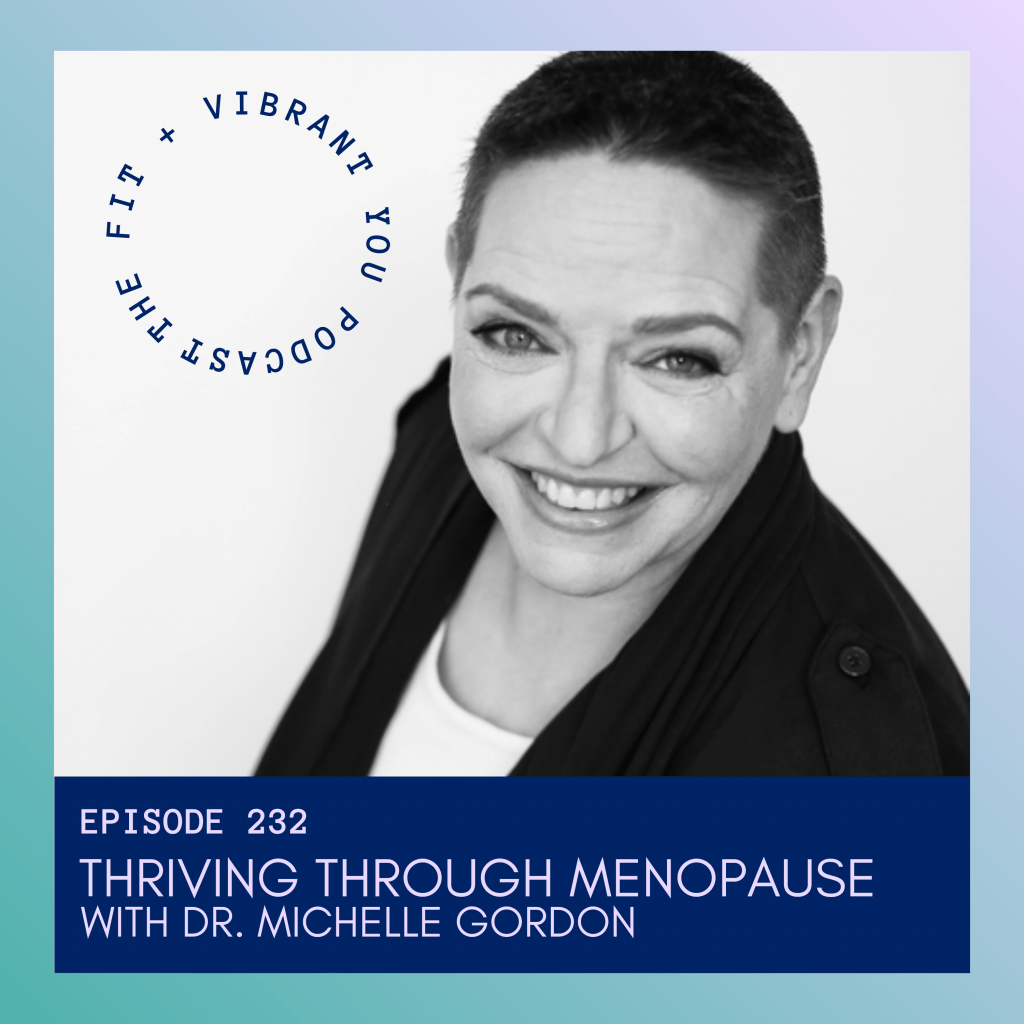
About Dr. Michelle Gordon

Dr. Michelle Gordon (affectionately known as “Dr. G”) is a board-certified former surgeon who traded the operating room for a mission to transform metabolic health. After spending 15 years running a multi-million dollar surgical practice, Dr. Gordon experienced a profound life “relaunch” following burnout and the COVID-19 pandemic. Today, she is a leading expert in Menopause Management, Medical Weight Loss, and Lifestyle Medicine.

As the founder of The Menopause Movement and The Meno System, she specializes in de-stigmatizing obesity by treating it as a complex biological disease rather than a character flaw. Her holistic “Kitchen Therapy” approach empowers women and high achievers to reclaim their health through mindset, habit change, and sustainable behavior modification.

Connect with Dr. Gordon:

Frequently Asked Questions

Is weight loss solely about willpower?

Not at all. Obesity involves complex hormonal, inflammatory, and psychological factors. Willpower alone cannot overcome biological resistance—medications and supportive lifestyle changes are essential.

Can trauma really influence weight?

Yes. Trauma, especially in women, has been linked to emotional eating, weight gain, and altered cortisol levels, which promote visceral fat accumulation.

Are medications like GLP-1 safe long-term?

Research indicates that GLP-1 receptor agonists are safe for long-term use under medical supervision, with additional benefits like improved cardiovascular health.

Does menopause make weight loss harder?

Absolutely. Hormonal fluctuations during menopause and perimenopause promote visceral fat accumulation and metabolic shifts that challenge weight management efforts.

Is it too late to start hormone therapy or medications?

Not at all. Early or late, individualized treatment plans can improve quality of life, reduce health risks, and support sustainable weight management.


Remember:

Your health journey is unique and sacred. Seek support, prioritize self-love, and use all available tools to thrive.

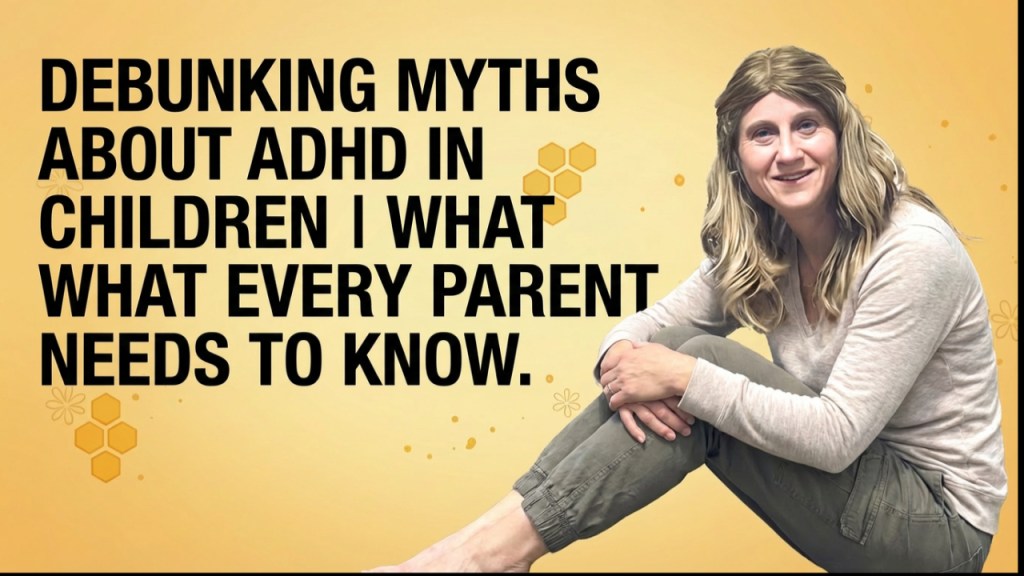
Understanding Adult ADHD

Signs, Strategies, and Hope for Change

Do you ever feel like your brain has 47 tabs open — and none of them are loading properly?

If you struggle with forgetfulness, impulsivity, restlessness, or difficulty starting tasks, you may have wondered about the cause. Is this anxiety… or could it be ADHD?

In this episode, we sit down with clinical psychologist Dr. Tamar Shtrambrand to unpack what adult ADHD really looks like — especially the signs that often go unnoticed.

Because here’s the truth:
Adult ADHD is frequently misunderstood, misdiagnosed, or masked for years — particularly in women.

We explore:

  • The subtle but persistent signs of adult ADHD
  • Why starting tasks can feel harder than completing them
  • What “brain chatter” actually means
  • How ADHD differs from anxiety (and why the two often get confused)
  • Why many women aren’t diagnosed until adulthood

Dr. Tamar explains that ADHD isn’t about laziness or lack of discipline. It’s about how the brain regulates attention, transitions, and executive function. For many adults, the pattern has been there for years… they’ve just learned to adapt, compensate, or blame themselves.

We also dive into:

  • Practical, non-medication management strategies
  • The role of sleep, nutrition, and movement
  • Emotional regulation tools that actually help
  • When medication might be considered
  • And the surprising strengths of the ADHD brain

Because ADHD isn’t just a list of challenges.

It’s also creativity. Vision. Passion. Deep empathy. Innovative thinking.

If you’ve ever felt frustrated with yourself for not “having it together,” this episode offers clarity, validation, and hope. Understanding your brain isn’t a label — it’s a doorway to working with yourself instead of against yourself.

🎧Tune in to learn how to recognize the signs. Explore practical tools. Discover how an ADHD brain can thrive with the right support.

Biblical Stories Through a Psychological and Trauma-Informed Lens

An Invitation to Deeper Understanding

Have you ever read a Bible story and wondered, What does this have to do with my anxiety? How does it relate to my waiting season? Or what about my trauma?

If you’ve ever felt disconnected from scripture, this episode is for you. It’s also for you if you feel overwhelmed by rigid interpretations that don’t leave space for your emotional reality.

In this conversation, we explore biblical narratives through a psychological lens. We also use a trauma-informed approach. We uncover something powerful: these stories are deeply human. They are filled with emotions such as fear, delay, shame, and longing. Experiences of betrayal and identity struggles are also present. In the middle of it all, there is a divine presence.

We revisit the journeys of:

  • David — anointed but overlooked, called but hidden
  • Joseph — betrayed, imprisoned, yet formed in the waiting
  • Hannah — grieving, longing, and praying through shame
  • Samaritan woman at the well — hiding in plain sight, yet met with compassion instead of condemnation

Through a trauma-informed perspective, we discuss:

  • How biblical delays may shape identity, not signal failure
  • Why avoidance and shame are survival strategies — not spiritual weakness
  • How honest prayer becomes a pathway to healing
  • What attachment, safety, and divine presence really mean for your mental health

This episode isn’t about rewriting scripture.
It’s about reading it with compassion.

It’s about recognizing that God meets people in caves, prisons, wells, and waiting seasons. God does not meet them only in miracles and mountaintops.

If your faith feels complicated…
If your story feels unfinished…
If you’re longing for a deeper, emotionally honest relationship with God…

🎧 Tune in to hear how psychology and scripture can coexist. Discover how viewing biblical stories through a trauma-informed lens might transform the way you see your pain. This perspective can also alter your process and your faith.

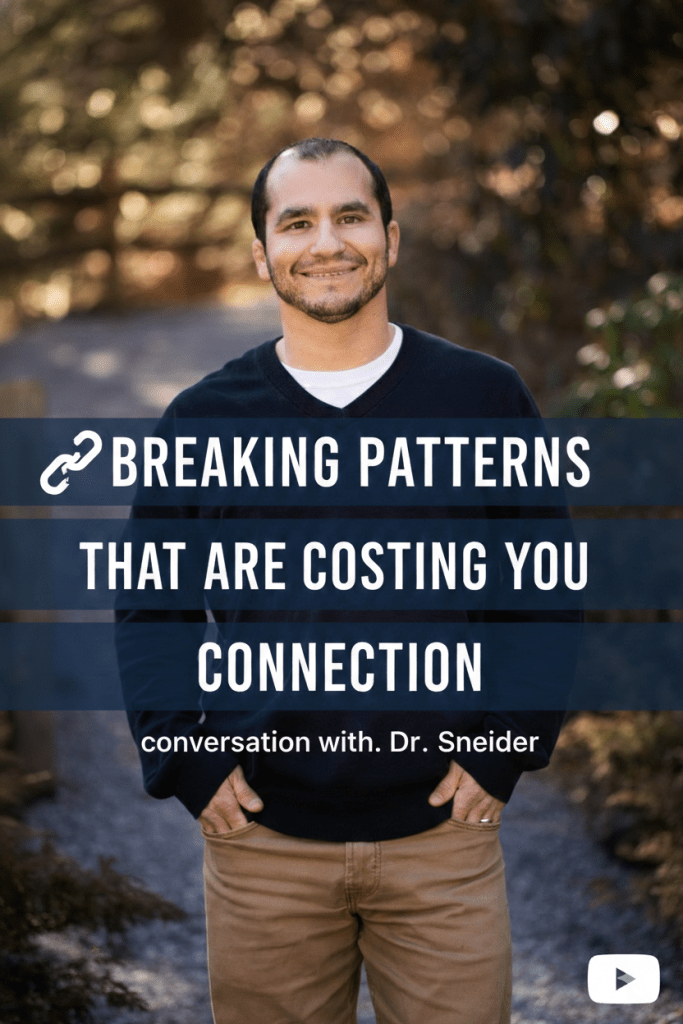
Building Emotional Safety and Deep Connection in Relationships: Insights from Dr. Dan Schneider

Why do so many arguments feel like they go in circles?

You start talking about dishes, tone, or timing… and somehow it turns into something much bigger. The truth is, most relationship conflict isn’t about the surface issue. It’s about what’s happening underneath — the hurt spots, fears, and emotional wounds that get triggered when we feel unsafe.

In this episode, we sit down with Dr. Dan Schneider to unpack one powerful truth: emotional safety is the foundation of lasting intimacy.

When emotional safety is missing, even small misunderstandings can feel threatening. But when it’s present, couples can:

  • Express needs without fear of criticism
  • Disagree without escalating
  • Repair trust after hurt
  • Rebuild closeness even after setbacks

Dr. Schneider shares practical, research-backed tools to help couples:

  • Communicate without spiraling into blame
  • Identify and talk about “hurt spots” before they explode
  • Make daily “trust deposits” that strengthen the connection
  • Use structured conversations that actually lead somewhere
  • Reignite intimacy through intentional moments of connection

One of the most powerful ideas he introduces? Trust is like a piggy bank. Every honest conversation and consistent action is a deposit. But when trust is broken, the coins spill out — and repair requires intentional rebuilding.

If you’ve ever thought:

  • “Why do we keep having the same fight?”
  • “How do we rebuild after trust has been shaken?”
  • “Is it possible to feel close again?”

This episode is for you.

We’re not just talking about avoiding conflict. We’re talking about transforming it — using it as a doorway to deeper understanding, stronger emotional safety, and lasting intimacy.

Dr. Dan Sneider, Ed.D. is a couples therapist and educator. He is also the creator of The Intimacy Shift, a 12-week program helping couples rebuild emotional safety and lasting connection.
Dr. Sneider blends Emotionally Focused Therapy, Internal Family Systems, attachment theory, neuroscience, and practical communication tools. His approach is structured, compassionate, and deeply rooted in helping partners understand themselves and each other in a new way.

To contact Dr. Sneider: https://intimacyshift.com/

Visitors to his website will get FREE access to my ‘6 Keys to Unlocking Intimate Conversations with Your Partner.’ It is a unique 12-page PDF. It includes templates, tools, and practices to transform your relationship.Here are links to his socials also: InstagramYouTubeLinkedIn, and Facebook.

🎧 Tune in to hear how small, intentional shifts can radically change the emotional climate of your relationship. Discover why vulnerability is the missing piece to the connection you’ve been craving.

Your Beliefs Are Sabotaging Your Goals

In a world where new goals and fresh starts are often celebrated, it’s easy to overlook the underlying beliefs that shape our lives. In our latest episode, we delve into the transformative power of core beliefs and how they can either propel us forward or keep us stuck in old cycles.

Understanding Core Beliefs

Core beliefs are the deep-seated perceptions we hold about ourselves and the world. They often form in childhood and can be so ingrained that we don’t even realize they’re there. These beliefs act as lenses through which we view our experiences, influencing our thoughts, emotions, and behaviors.

The Impact of Core Beliefs

Our episode explores how core beliefs can manifest in various aspects of life, from relationships to career choices. For instance, a belief of “I’m not enough” can lead to patterns of overworking or staying in toxic relationships. Recognizing these patterns is the first step towards change.

Rewriting the Narrative

We discuss practical tools for challenging and changing negative core beliefs. This involves identifying the lie, tracing its roots, and replacing it with truth. Repetition and community support play crucial roles in this transformative process.

As we journey through life, it’s essential to examine the beliefs that guide us. By rewriting the narratives that no longer serve us, we can embrace a life of authenticity and fulfillment. Subscribe now to stay updated on more insights and tools for personal growth.

The Unseen Strength of Martin and Coretta King: A Journey of Resilience

In the heart of the civil rights movement, Martin Luther King Jr. and Coretta Scott King stood as pillars of strength and resilience. Their journey was not just about public speeches and marches. It was a deeply personal struggle. They faced constant threats and endured the emotional toll of leadership. Coretta, often seen as a supportive figure, was in fact a stabilizing force, managing fear and maintaining composure midst chaos.

The psychological impact of their roles was profound. Living under the threat of violence, their home became a place of hypervigilance, where every sound carried meaning. Yet, their love and commitment to their mission never wavered. They taught us that courage is not the absence of fear, but the decision to continue despite it.

Their story is a testament to the power of partnership and the enduring human spirit. It reminds us that change is not made by those who are unbroken, but by those who continue anyway.

Subscribe now to explore more stories of resilience and courage.

Watch our full episode by clicking here

Embracing Small Steps: A Guide to Lasting Change

As we step into 2026, many of us find ourselves setting ambitious resolutions, only to feel overwhelmed by the enormity of the changes ahead. But what if the key to success lies in starting small? In this post, we’ll explore how taking manageable steps can lead to lasting transformation.

The Power of Small Steps

Naty and Veda share their journey of transitioning from whole milk to 1% milk, illustrating how small dietary adjustments can have a significant impact on health. “I went from whole milk to 2%, and then to 1%,” she explains. This gradual approach can be applied to various aspects of life, from nutrition to exercise.

Building Habits with Intention

Creating new habits doesn’t happen overnight. “It takes 21 days to form a habit,” They reminds us. By focusing on one habit at a time, such as walking daily or journaling for a few minutes, we can build a foundation for sustainable change.

Mindful Living

Incorporating mindfulness into daily routines can enhance our well-being. They emphasize the importance of decluttering both physically and emotionally. “Give yourself permission to emotionally declutter,” she advises, encouraging us to let go of guilt and unrealistic expectations.

As we navigate the new year, let’s embrace the power of small steps. By setting realistic goals and being kind to ourselves, we can create a life of balance and peace. Remember, it’s not about perfection—it’s about progress.

Subscribe now to stay updated on more tips for a mindful and intentional life. Let’s thrive together in 2026!