Hey there, Risers! As we gear up for the most wonderful time of the year, it’s crucial to acknowledge that for many of us, the holiday season can be a mixed bag of emotions. From the stress of gift shopping to the pressure of creating the perfect feast, negative emotions can sneak in and dampen our festive spirit. Fear not, though, because I’m here to share some tried-and-true strategies to help you sleigh those emotional challenges and make this season truly merry and bright.
1. Unwrapping the Causes:
The first step in managing negative emotions is identifying their source. Whether it’s the hustle and bustle of holiday preparations, family dynamics, or personal expectations, understanding what triggers your emotions is the key to finding effective solutions. Take a moment to reflect on your feelings and pinpoint the root causes.
2. Jingle All the Way to Self-Care:
‘Tis the season of giving, but don’t forget to give yourself the gift of self-care. Amidst the holiday chaos, carve out time for activities that bring you joy and relaxation. Whether it’s sipping on a cup of hot cocoa, indulging in a good book, or taking a serene winter walk, self-care is the ultimate antidote to stress.
Tip: Incorporate small self-care acts in your daily routine to boost your emotional well-being and create a more harmonious holiday experience.
3. Deck the Halls with Positive Affirmations:
Positive affirmations are like ornaments for your mind, adding a sparkle of optimism to your thoughts. Combat negative emotions by creating a mantra or affirmation that resonates with you. Repeat it daily, especially when faced with challenging situations. This simple practice can help shift your mindset and cultivate a more positive holiday experience.
Tip: Infuse your affirmations with festive keywords to maximize the holiday spirit in your daily routine.
4. Sleigh Stress with Mindfulness:
Mindfulness is the secret sauce to navigating the holiday season with grace. Embrace the present moment by practicing mindfulness techniques such as deep breathing, meditation, or simple awareness exercises. These practices can help you stay grounded, reduce stress, and enhance your overall well-being.
5. Santa’s List: Prioritize and Delegate:
Feeling overwhelmed by a never-ending to-do list? Channel your inner Santa and create a prioritized list of tasks. Delegate responsibilities when possible and remember that it’s okay to ask for help. Breaking down tasks into manageable steps can make the holiday workload more manageable and less daunting.
Tip: You don’t have to do everything yourself. Allow others to do it their way, it will improve you relationships and allow cooperation.
The holidays are a time for joy, love, and celebration, but it’s okay to acknowledge and address negative emotions. By unwrapping the causes, practicing self-care, embracing positive affirmations, incorporating mindfulness, and prioritizing tasks, you can sleigh those emotional challenges and make this festive season truly magical.
So, here’s to a holiday season filled with warmth, laughter, and an abundance of positive vibes. Cheers to a holly, jolly, and emotionally resilient celebration!
I couldn’t wait until Monday to share this bonus post with you, especially given the financial rollercoaster many of us are on this holiday season. It’s Black Friday today, and I couldn’t help but reflect on the fascinating origins of this day. Legend has it that Black Friday emerged as a lifeline for businesses in the red, struggling throughout the year, aiming to turn a profit by year-end – hence the name, Black Friday. Now, don’t quote me on this, as today’s post is a bit of a memory dive. Feel free to fact-check if you’re feeling scholarly.
After a delightful family feast, my little one and I embarked on a joyous drive through neighborhoods adorned with festive lights. The excitement of the day had my little companion dozing off as soon as we got home. Seizing the quiet moment, I indulged in some post-feast “window shopping.” Now, I’m not one to make impulsive purchases, especially when the purse strings are tight. They call me Ms. Google in the family – always researching something. So, I did plenty of browsing and zero buying.
Let me share a little backstory on my Black Friday sentiments. Back in college, I worked in the food court of a bustling mall. Finals were looming in the first week of December, and I’d take time off around Thanksgiving to focus on studying. The catch? I had to work Black Friday, from sunrise to sunset, amidst a sea of shoppers. The traffic was so overwhelming that, despite the counter between us, I felt claustrophobic. I promised myself then to avoid adding to the chaos as a shopper.
Fast forward to last night, as I scoured the web for the perfect gifts for my little one. It dawned on me that these so-called “sales” might not be the bargains they claim to be. Some items seemed to have inflated original prices, making the discounts less impressive. It was a game of price sleuthing, and I was determined not to fall for it. The meme I stumbled upon resonated: “The US is the only place where after giving thanks for what you have, you go buy more stuff that you can’t afford for people you don’t like.” It’s a quirky reality check, reminding us of the gratitude we should hold close.
Amidst my online adventures, a mother’s plea for prayers for her 7-year-old battling respiratory issues kept appearing on my timeline. It hit me – while my little one snored peacefully beside me, her reality was a hospital room. Gratitude washed over me. This morning, my toddler’s breakfast demands were my wake-up call. Meanwhile, a mother was anxiously waiting to transfer her child to another facility for a machine named “last chance.” Perspective.
Reflecting on a formula crisis from two years ago, which we had just transitioned to whole milk before it started, and the minimal health hiccups my little one has had in his short life, I am filled with gratitude. Even if this year means I can’t fulfill all my little one’s wishes, he’ll still receive more love than he needs. As for me, material gifts don’t define my holiday joy. In times of hardship, my roof stands firm, bills are paid, and yes, we occasionally choose ramen for lunch rather than out of necessity.
So, as you navigate the tempting sales today, consider what’s truly essential. Could some of those resources be better spent blessing someone else? Are you embodying the spirit of the holidays or succumbing to the spirit of consumerism?
And a little request, if you can spare a moment, send a prayer for Landon, the 7-year-old fighting in the hospital.
Firstly, I want to wish you all a Happy Thanksgiving! Apologies for missing Monday’s post; I’ve been a bit under the weather. As I rested, contemplating this Thanksgiving message, I couldn’t help but dive deeper into the essence of gratitude, especially after our discussions this month about its profound impact on mental and physical health.
Sure, I’m immensely grateful for each of you and your unwavering support over the years. But let’s not skim the surface; let’s plunge into the heart of the matter.
On this day, amidst the laughter and joy, there are running jokes that, though rooted in reality, sometimes overshadow the true meaning of Thanksgiving. It’s more than a feast; it’s a symbolic meal shared in gratitude for survival in a new land. A meal where the pilgrims and Native Americans ate what they had, whether or not there was turkey, is a point of contemplation.
Now, let’s talk about those jokes. There’s the one about the family member whose cooking skills are questionable. While we chuckle, it’s crucial to remember that someone, somewhere, would appreciate that unsavory meal simply because they have none. Your new coworker, your rarely-seen friend juggling multiple jobs, or a neighbor struggling to make ends meet—gratitude extends beyond taste buds.
Then there’s the wise elder with the lengthy blessings. This Thanksgiving, let’s be mindful and compassionate towards them. Their extended blessings might be a glimpse into a life filled with experiences and lessons. Let’s cherish our elders; their wisdom and presence won’t be here forever.
As I rested, I also found myself listening to a Spanish song that, although not directly related to gratitude, serves as a profound wake-up call on how we live our lives. Titled “Jesus is a Verb,” the song emphasizes that Jesus’s message transcends words in the Bible; it’s about love in action. The call is clear: our faith isn’t about buildings or words but about what resides in our souls and how it reflects in our behavior.
The song critiques charity organizations turning elitist, individuals living double lives, and leaders exploiting faith for personal gain. It underscores the idea that talk is cheap; action is what matters. It challenges us to embody the teachings rather than merely preach them.
The most poignant moment for me was when the singer urged us to stop dividing ourselves through faith, pointing out that there are more religions in this world than happy children. A striking realization! The song concludes with a powerful statement about those who lived Christlike lives—being verbs and not nouns—often facing persecution and rejection from society.
So, as we wrap up this year, let’s introspect. Are our expressions of gratitude mere words, or do they resonate in our actions? Are we content with what we have, or is the pursuit of more overshadowing our appreciation for the present? Are our desires fleeting, or do they contribute to something everlasting? In the minutiae of life, let’s not lose sight of the bigger picture.
In the grand tapestry of life, we all require a village, a support system that sustains us, empowers us, and helps us thrive. Our “village” is a broad network of friends, family, mentors, and allies who stand by us through the ups and downs, offering unwavering support. Gratitude is the thread that binds this diverse community, creating a powerful force that not only affects our mental and spiritual well-being but also shapes our personal growth. In this article, we explore the significance of gratitude for our village, its role in our lives, and the importance of being selective in choosing who becomes part of this vital support network.
Gratitude for the Village
Our village is our safety net, our source of strength when life gets tough, and our celebration partners when life is good. It encompasses a multitude of individuals who shape our journey, from our parents, siblings, and close friends to mentors, colleagues, and even online communities. Gratitude for this diverse village is a powerful emotion that fosters stronger connections and enriches our lives.
The village we create or find is not guaranteed for everyone. Some people may not have the privilege of a robust support system due to various circumstances. Recognizing this inequality is the first step in appreciating the importance of gratitude for our village. When we have such a support network, it’s vital to acknowledge it, celebrate it, and give back whenever we can.
The Parenting Village
When it comes to parenting, building and maintaining a supportive village becomes even more crucial. However, it’s important to be discerning when inviting individuals into your parenting village. Not every friend or family member automatically qualifies for this role. Instead, your parenting village should consist of people who share your values or uphold the values you aspire for your child to have.
These individuals can offer not only emotional support but also guidance and wisdom in raising your child in line with your beliefs. The parenting village affects not only your child’s growth but also your own mental health, as the people in your village influence your parenting decisions and offer a sounding board for your challenges.
Mental Health and the Village
Our village plays a significant role in our mental health. Gratitude for a supportive village can alleviate stress, reduce feelings of isolation, and enhance overall well-being. A strong village can provide a sense of belonging, and the emotional support they offer can be a powerful buffer against anxiety and depression.
However, it’s essential to be selective about who you allow into your village. Surrounding yourself with people who share your values, respect your boundaries, and uplift your mental health is vital. Toxic relationships can erode the positive impact of a supportive village, so cultivate relationships that nourish your mental health.
Personal Growth and the Village
Beyond parenting, our village also influences our personal growth. It is wise to surround yourself with individuals who share your values and can mentor you in areas where you seek improvement. Whether it’s your career, hobbies, or personal development, your village can serve as a source of guidance and inspiration. Gratitude for their contributions can fuel your personal growth journey.
Spiritual Life and the Village
Our village can have a profound impact on our spiritual life as well. Whether through shared beliefs, spiritual guidance, or simply providing a space for contemplation and growth, the people in our village can be pivotal in our spiritual journey. Expressing gratitude for these individuals and the spiritual support they provide can deepen your connection to your beliefs and enhance your spiritual well-being.
In our journey through life, our village is the compass that guides us, the safety net that catches us, and the mirror that reflects our values and aspirations. Gratitude for our village is a powerful force that not only enriches our lives but also shapes our mental, personal, and spiritual well-being.
Remember, not everyone has the privilege of a strong village, so cherish yours and give back when you can. Be selective about who joins your parenting village, surround yourself with those who share your values, and foster relationships that uplift your mental health. As you express gratitude for your village, you’ll find that it not only strengthens your support system but also becomes a powerful force in your journey towards personal growth and spiritual fulfillment.
Veteran’s Day, a significant day in the United States, is a time when we come together to honor and express our gratitude for the brave men and women who have served in the armed forces. It’s a day of reflection, respect, and recognition for the sacrifices these veterans have made to protect our freedoms and way of life. But as a society, it’s important to remember that honoring our veterans goes beyond simply saying “thank you.” This blog post explores the history of Veteran’s Day, distinguishes it from Memorial Day, and delves into the challenges veterans face upon returning home, with a particular focus on their mental health. We’ll also discuss how we can support veterans in their assimilation back into civilian life and provide valuable resources for both veterans and the general public.
History of Veteran’s Day
Veteran’s Day originated as Armistice Day, marking the end of World War I on November 11, 1918. It was a day to honor and remember the soldiers who fought in “the war to end all wars.” In 1954, the holiday was officially renamed Veteran’s Day to honor all American veterans, both living and deceased. This change symbolized the broader appreciation for the sacrifices of veterans beyond the context of World War I.
Distinction from Memorial Day
While Veteran’s Day and Memorial Day both honor those who served in the military, they have distinct purposes. Memorial Day, observed on the last Monday in May, pays tribute to those who died while in military service. In contrast, Veteran’s Day honors all veterans, living and deceased, and recognizes their service and contributions to the nation.
Challenges Veterans Face Upon Returning Home
Returning to civilian life can be a daunting experience for many veterans. Some of the challenges they may encounter include:
Mental Health Issues: One of the most pressing issues is the prevalence of mental health problems among veterans, including post-traumatic stress disorder (PTSD), depression, and anxiety. The experiences of combat and the adjustment to civilian life can take a toll on their mental well-being.
Employment Obstacles: Finding employment that matches their skills and qualifications can be difficult. Many veterans struggle to secure meaningful employment, which can lead to financial instability.
Social Reintegration: Veterans may face difficulties in reconnecting with family and friends, as well as adjusting to civilian norms and expectations.
Physical Health Challenges: Veterans may also struggle with physical health issues related to their service, such as disabilities, chronic pain, and long-term injuries.
Emphasizing Mental Health Issues
The mental health of veterans is a pressing concern. It’s crucial to create a supportive environment and offer accessible mental health services. Compassion, understanding, and eliminating the stigma around seeking help are essential. By addressing their mental health needs, we can help veterans lead healthier, happier lives.
How We Can Show Gratitude Beyond Words
While saying “thank you” is a good start, it’s essential to take meaningful actions to support our veterans. Here are some ways you can make a difference:
Support Veteran-Focused Organizations: Many organizations, such as Wounded Warrior Project and Disabled American Veterans, provide various services and resources for veterans. Donating to or volunteering with these organizations is a meaningful way to help.
Employment Opportunities: If you are in a position to hire or recommend veterans for job opportunities, consider doing so. Their discipline, leadership skills, and work ethic make them valuable employees.
Raise Awareness: Share information about veterans’ issues on social media and in your community. The more awareness we raise, the more likely we are to foster change.
Be a Listening Ear: Sometimes, what veterans need most is someone to talk to. Be a compassionate listener and let them share their experiences.
Resources for Veterans and the General Public
For veterans seeking assistance, various resources are available:
Give an Hour – Provides free mental health services to veterans and their families.
Veteran’s Day is a reminder of the sacrifices made by the men and women in uniform. Let’s go beyond mere words of gratitude and take meaningful actions to support our veterans in their transition to civilian life. By addressing the mental health challenges they face and providing resources for their well-being, we can show our appreciation in a way that truly honors their service and sacrifice. Together, we can make a difference in the lives of those who have dedicated themselves to protecting our freedom.
Thank you for your service, and as always, stay safe!
Hello, dear readers! I am excited to share with you a significant milestone in my faith journey that happened just this weekend. It’s a story filled with faith, transformation, and the grace of Jesus’ salvation. Through this personal narrative, I’ll take you on a journey through my varied experiences with different churches, all of which have played a unique role in shaping my faith.
In the Beginning
I was born into a Catholic household, and from a very young age, I was immersed in the traditions of the Catholic Church. I was baptized as a baby and took part in my first communion during my third-grade years. Middle school led me to a Catholic school, and as part of my graduation requirement, I went through the sacrament of confirmation. My days were filled with mandatory retreats, Sunday masses, and active participation in the youth group.
During this time, I had a superficial understanding of salvation, believing that merely attending church and professing faith in Jesus was enough to secure a place in heaven. Little did I know that a deeper spiritual awakening awaited me.
My perspective on faith took a significant turn when I turned 18 and attended a retreat. It was there that a leader guided me to the altar, and I was asked if I accepted Jesus as my Lord and Savior. I said yes, more out of fear of saying no to God than true understanding. I later spoke with a priest, admitting that I didn’t quite grasp the significance of my declaration. He assured me that it would take time to fully process.
A New Start
In a neighboring town, there was a Catholic church that had a unique flavor. While still connected to the Vatican, they called themselves Catholic Charismatics. Their mass was like what I was used to, but their sermons went deeper into the scriptures. This church introduced me to a new desire for reading the Bible and a more frequent attendance at services. I also began to learn about the gifts of the Holy Spirit and the baptism of the Holy Ghost.
The pivotal moment in my faith journey occurred during a revival event under a tent. On the final day, there was an altar call, and I found myself running to the front, shouting, and crying, “I surrender!” On that day, I consciously gave my life to Jesus, accepting Him as my Lord and Savior.
I don’t remember how long after, at this church, there was a renewal of our baptism ceremony. It was a ceremony where we were asked if we rejected all the works of the enemy and accepted Jesus, and they pour water over our heads. I was happy about that ceremony because I was not a child. This had been my decision to be rebaptized.
My then husband and I started an outreach ministry within that church. We did all kinds of activities that are not worth mentioning. But life is never a straightforward path, and my marriage took an unexpected turn, we got divorced. Although I was not excommunicated or officially ousted from the church, I knew that divorce was regarded as a sin, and I chose to step away from the church. For some time, I was away from the church, but I knew that seed was planted, and I needed to get back home.
New Location and Finding Home
In 2006, after moving thousands of miles, I joined a new church, and it was during a presentation of a play named “Final Destination” in 2008 that I rededicated my life to Christ. I felt truly “born again” but questions of my baptism started lingering in my mind.
I grew tremendously at this new home. I learned a lot about myself. I was able to heal a lot of past wounds and find a new community. But most journeys are not linear and this one hasn’t been one either.
As one does, something happened in the church that I didn’t agree with and I didn’t leave, I would say I paused attending. I researched other churches, but nothing felt right. I knew in my heart where my home was, but I can be hardheaded. Then the pandemic hit, and it gave me an excuse to stay away. But then the little man showed up. Him being the fulfillment of my biggest prayer and God’s perfect gift. I knew my home church was precisely that, HOME. It was time to come home. First, because I was grateful for God keeping me through all that time, second for giving me what I had desired the most and finally because I wanted to give this child the best spiritual upbringing I could.
As I returned, I witnessed others getting baptized, and the question of the validity of my previous baptisms came back and it kept weighing on me. I always wondered if my baptism “counted”. First, I was baptized as a baby, and then yes kind of later as an adult, but there’s the whole dogmatic conversation between sprinkling vs submersions. I was never submerged which is what my church practice. Now, nobody ever asked me if I was baptized and if they had I would have said yes. That choice of baptism that I did as an adult counted for me. But that was at a Catholic church. And yes, Catholics are Christians, but protestant churches make a distinction. Yes, I knew Jesus is not Catholic or Lutheran or Baptist, but it was tormenting me the question, did my baptism count?
A Fresh Start Through Baptism
I must admit that I gave these thoughts more power than they needed to. For years, yes years, I kept looking at those participating in baptism feeling like I was missing out and did nothing about it.
During yesterday’s service, the pastor announced an impromptu opportunity for baptism. I hesitated. He then said that service was ending early, so having another commitment was not an excuse. I didn’t have a commitment, but I was still in my seat. Then he said, if you have not registered, no problem we register you now. I didn’t move. Then he said, if you didn’t bring a change of clothes, we have a change of clothes for you as well. Don’t worry about the size, we have it. I hesitated no more. I left my seat and joined the others. I was baptized, and as I stood in the water, I knew that I had cast away all doubts. This act of faith was a declaration that I was “all in.”
Gratitude for the Journey
Today, I am filled with gratitude for my journey of faith. Each chapter, from my Catholic roots to charismatic experiences and recommitting to my faith, has been instrumental in shaping my relationship with God. My baptism is no longer a question mark but a symbol of my unwavering faith.
I share this story not to criticize any church but to inspire you to reflect on your own faith journey. May you find peace in knowing that God is not a God of confusion, and through faith, you can overcome any doubt. My journey is a testament to His grace, love, and mercy, and I hope it encourages you to embrace your own faith with renewed enthusiasm and conviction.
In a fast-paced world filled with challenges and stress, it’s easy to overlook the simple yet powerful remedy that lies within us all: gratitude. Cultivating an attitude of gratitude is not only a virtue but also a proven way to enhance your mental health and overall well-being. Let’s delve into the science and psychology behind this transformative practice.
Understanding Gratitude
Gratitude is the profound sense of thankfulness and appreciation for the good things in life, big and small. It involves acknowledging the positive aspects of your existence and focusing on the silver linings, even in challenging situations. In essence, it’s about changing your perspective from “I have to” to “I get to.”
I understand how challenging it can be to feel gratitude during difficult moments in life. However, if we look in the rearview mirror at past challenges, we can acknowledge the lessons that those situations produced. Therefore, we can infer that our current challenges will also yield some kind of lesson that will improve our life, our outlook, or our decision-making. That’s something to be grateful for.
The Science Behind Gratitude
Research shows that adopting a grateful attitude has remarkable benefits for mental health. Here are some statistics that shed light on this:
Reduced Stress: A study published by the University of Kyiah Kuala in Indonesia states that higher levels of gratitude in an individual have a significant impact on lowering stress levels. This is because individuals can find silver linings even during difficult situations.
Improved Sleep: According to an article from Psychology Today, keeping a gratitude journal and writing in it for 15 minutes every evening before bedtime helps you sleep longer and better.
Enhances Focus and Resiliency in Learning: A study published in the Journal of the Scholarship of Teaching and Learning, states the following: “Gratitude has the power to heal, energize, and transform lives by enhancing people psychologically, spiritually, physically, and cognitively.”
The Mechanism of Gratitude
But how does gratitude work its magic? It operates through various mechanisms:
Positive Reinforcement: Gratitude reinforces positive emotions and experiences, making us more aware of the good things around us.
Neurological Changes: Neuroimaging studies have shown that practicing gratitude activates the brain’s reward system, releasing dopamine and enhancing overall mood.
Better Social Connections: Expressing gratitude fosters stronger social bonds, as people appreciate those who appreciate them in return.
How to Cultivate Gratitude
Gratitude Journaling: Write down things you’re thankful for daily or weekly. This simple practice can significantly enhance your appreciation of life.
Mindful Meditation: Incorporate gratitude into your mindfulness meditation routine. Focus on the positive aspects of your life and savor them in the present moment.
Express Gratitude: Tell people you’re thankful for their presence in your life. A simple “thank you” can go a long way in fostering connections and spreading positivity.
Count Your Blessings: Take a moment each day to mentally count your blessings. This can be as basic as appreciating a good meal, a warm home, or the company of loved ones.
Gratitude isn’t just a warm and fuzzy concept; it’s a scientifically backed tool that can enhance your mental health. So, start your journey towards better well-being today. Cultivate gratitude in your life, and you’ll find that it’s not just a practice; it’s a path to a happier, more fulfilling existence. Embrace the power of gratitude, and you’ll reap the rewards in your mental health and overall happiness.
Domestic abuse is a pervasive and deeply troubling issue that affects countless individuals across the world. It’s often a silent battle that unfolds behind closed doors, leaving victims isolated and struggling to break free from the clutches of their abusers. To truly make a difference and help those trapped in such situations, it’s essential to step into the mind of the victim, understand the psychological complexities involved, and provide the support they desperately need.
Understanding the Dynamics
Many people find it challenging to comprehend how someone could end up in an abusive relationship. The truth is, it’s not a one-size-fits-all situation, and there’s no universal profile for either the victim or the abuser. What’s consistent, however, is the abuser’s ability to gain control over the victim, primarily through emotional and psychological manipulation.
Emotional control is a key element in domestic abuse. The abuser exerts power over the victim’s mind, making it incredibly difficult for the victim to break free. Outsiders who try to force an escape plan may unwittingly push the victim further into the abuser’s grasp, as the abuser capitalizes on any opportunity to foster alienation.
The Abuser’s Deceptive Charm
In the initial stages of a relationship, abusers often appear charming, attractive, and loving. They use tactics like “love bombing,” which involves showering the victim with excessive attention and affection to manipulate and influence them. It’s important to recognize that love bombing is a red flag, not a romantic gesture. Healthy relationships thrive on mutual respect and independence, not possession.
The Victim’s Dilemma
At the beginning of the relationship, the victim often feels like they’ve found the answer to all their prayers. However, as the first signs of abuse emerge, such as shouting over trivial matters or physical aggression, victims may excuse this behavior as an isolated incident, attributing it to a bad day. It’s only when the pattern of abuse becomes apparent that they realize they’re trapped.
Victims may believe that their love can change the abuser, but in reality, it only perpetuates the cycle of abuse. Abusers often shift blame onto the victim, making them believe that they are the cause of the abuse, further entangling them in the relationship.
Why Victims Stay
Understanding why victims stay in abusive relationships is crucial to providing effective support:
Financial Dependence: The abuser may be the breadwinner, leaving the victim feeling financially helpless.
Fear of Financial Instability: Even if the victim works, they may fear they can’t support themselves independently.
Religious Pressure: Religious beliefs can make victims reluctant to divorce, and religious communities may discourage it.
Threats from Law Enforcement: Some abusers are part of law enforcement, making victims fear they won’t be believed and could lose everything, including custody of their children.
Community Standing: Abusers may hold high social standing, isolating the victim and preventing them from seeking support.
Control Over Environment: Abusers exert control over all aspects of a victim’s life, making escape seem impossible.
How to Help
Supporting a victim of domestic abuse is a delicate process:
Listen Actively: Sometimes, all a victim needs is someone to talk to. Be that shoulder to lean on without judgment.
Offer Support: Let the victim know that you’re there for them, but don’t pressure them into taking action. Respect their timeline.
Help Create an Escape Plan: When the victim is ready, assist in designing a well-thought-out escape plan. Remember that the most dangerous time is when they try to leave.
Stand Your Ground: Be prepared for the abuser to try to deter your involvement. Protect yourself but remain committed to helping the victim.
Check In Regularly: Stay connected with the victim, even if it’s through casual conversations. Make sure to do so when you know the abuser isn’t present, to allow for open communication.
Understanding the psychological hold of an abuser is crucial to providing effective support to victims. It’s a complex, long-term process, but with empathy, patience, and unwavering support, you can help a victim regain their strength and take the steps towards a life free from abuse.
In closing, remember to stay safe and compassionate when offering your support. Your willingness to be there for victims can make all the difference in helping them break free from the cycle of abuse and rebuild their lives.
Sexual assault is a deeply traumatic experience that affects victims on both physical and emotional levels. For too long, a culture of silence has perpetuated the suffering of survivors, leaving them feeling isolated and unsupported. However, it’s crucial to acknowledge the benefits of disclosing sexual assault. Speaking out can be a powerful act of reclamation, both for the individual survivor and society as a whole. In this article, we’ll explore the transformative impact of sharing one’s story and the positive outcomes that can result from disclosure.
Sexual assault can occur within a domestic situation. The fact that you are in a relationship with someone doesn’t mean that you lose the ability to consent to a sexual act. Victims of sexual violence within a domestic violence context often face unique challenges. They may experience a heightened sense of isolation and helplessness, as their abusers use sexual violence as a means to maintain dominance and instill fear. This can also lead to long-lasting physical and psychological consequences, such as post-traumatic stress disorder (PTSD), depression, and anxiety. It is crucial for society to recognize and support survivors, providing them with avenues to escape the cycle of abuse and access the assistance they need.
Breaking the Shackles of Silence:
When survivors disclose their experiences, they break free from the isolation and shame that often accompany sexual assault. Silence can be suffocating, but speaking out can provide relief and a sense of release. It’s the first step towards healing and regaining control over one’s narrative. Obviously, the best time to disclose is immediately, it will help with any legal proceedings and start the healing process. However, we recognize that’s not always an option. Talking about the experience with a safe person as soon as you can, will start the process of breaking the hold is has inside the victim.
Validation and Support:
Disclosing sexual assault can lead to an outpouring of support from friends, family, and the broader community. This support can be instrumental in helping survivors cope with their trauma and can be a source of strength during the healing process. Knowing that they are believed and not alone can be incredibly empowering.
We are also aware that this is not always the case. If your immediate circle is not safe, there are resources where you can start getting support and working on your recovery.
One of the most significant benefits of disclosure is the potential to inspire others to come forward with their own stories. Survivors who share their experiences often pave the way for others to do the same. This can contribute to a collective shift in attitudes towards sexual assault, ultimately dismantling the culture of silence.
Legal Accountability:
Reporting sexual assault can help bring perpetrators to justice. Although legal processes can be challenging, disclosing an assault can be the first step in holding those responsible accountable for their actions. By speaking up, survivors contribute to the effort to ensure that sexual assault is taken seriously, and that justice is served.
Healing and Closure:
Sharing one’s experience can be a cathartic experience. It allows survivors to process their trauma, make sense of what happened, and ultimately find a path to healing and closure. Opening about the assault can be a turning point on the journey towards recovery.
Changing the Narrative:
Public disclosure challenges societal myths and misconceptions about sexual assault. By sharing their stories, survivors can help correct harmful narratives and dispel the notion that they are somehow to blame for what happened to them. This, in turn, contributes to a more informed and empathetic society.
Advocate for Change:
Survivors who disclose their experiences often become advocates for change. They join the fight against sexual assault, contributing to efforts to reform laws, improve support systems, and educate the public. Their voices become catalysts for transformation.
Disclosing sexual assault can be an empowering and transformative act that benefits survivors in myriad ways. By breaking the silence, survivors can find validation, support, and healing, while also inspiring others to share their own stories. Furthermore, disclosure can help hold perpetrators accountable and contribute to a broader shift in societal attitudes towards sexual assault. As we encourage survivors to speak out and support them in their journey, we take a significant step towards breaking the cycle of silence and creating a world where sexual assault is not only condemned but ultimately prevented.
Watching these stories of sexual violence and seeing the scrutiny the victims are enduring inspired me to write this article about what happens behind the curtain for a victim of sexual impropriety. It has become obvious that these attacks are happening more than we care to admit. These events are life changing for the victim and we should not take likely that the victims suffer consequences for speaking up.
Blame- When someone is sexually attacked, the first thoughts are of guilt and shame. The victims tend to try to figure out how they made this happened to them. They agonize over things that are not related to real reason why these events happen, which is that the predator wanted power over their victim. The irony is that even people who have been victims of some sort help keep these ideas in society. They blame the way the victim was dressed, their habits, their relationships, their company choices and being at a place where they shouldn’t be.
It is true that when people are intoxicated, they are more vulnerable to be victims of a crime. However, being intoxicated doesn’t give permission to another person to attack them. It is true that walking alone in desolated place makes a person more vulnerable to be a victim of a crime, but that doesn’t give anyone permission to attack them. This is one of the consequences victims suffer. Not only they have to deal with their self-blame, but with the blame of others that think they bare some responsibility in their attack.
Credibility-When the perpetrator is a respected member of the community, and most of the times it is, victim shaming is the next consequence. Having less than a perfect life will be utilized to discredit their account against the stellar public life of the perpetrator. This always reminds me of the serial rapist and murderer BTK. He was a quiet, not threatening looking man. He was a pillar in his community and church, but he raped and killed several women in his community. It is possible for you to know someone publicly, even live with them and not know the demons they carry. Sometimes they use the currency they have acquired through their “good deeds” to rail supporters and use it against the less than stellar life of the victim.
But sometimes that’s the vulnerability that the perpetrator used all along to choose their victim. It comes down to the world of a child to a prominent adult, the word of a sex worker against the word of a publicly considered honorable man or the word of someone considered less in the hierarchy within the organization where the perpetrator operates. The victim’s motives are questioned. They use their vulnerabilities as motives to try to damage the work of this “reputable” predator.
Another issue that the victims face about their credibility being attacked is when they report several instances of sexual violence by different perpetrators at different times in their lives. Sadly, this does happen, and it doesn’t mean that the victim is making them up. I was chatting with a lady on twitter who was abused by her step-father, went to live with a family member to be then abused by her cousin. Multiple attacks, at different times in one’s life by different perpetrators is not unheard of and I believe it.
Scrutiny-There’s another phenomenon that gets also misconstrued. A victim for whatever reason, including the ones above, doesn’t disclose the attack until years later. The credibility of the victim lays strongly on their life, but something that doesn’t get considered is how the attack or attacks influenced some of the struggles the victim has. If a child is sexually abused, this changes the way they approach sex. It is possible then that they either become promiscuous or sexually inhibited. In some occasions the victim chooses unhealthy relationships because they don’t know of healthy ways to connect in a sexual relationship.
Another factor that may look discrediting of a victim’s accounts are their addictions. However, it shouldn’t be a surprised that some people who are victims of any kind of trauma self-medicate their emotional pain with alcohol or drugs. A current or history of drug use should not be used as a reason to discount a victims account.
Legal and Financial– Finances have recently been a subject brought as a disqualifying topic to victim’s accounts. I’m not talking about a victim suing their perpetrator, but their own personal finances. Something along the lines of, how can you believe someone who is broke or has filed for bankruptcy several times? However, a traumatic event could be the cause of poor choices and decisions, including financial ones. But even if that was not a factor, the fact that someone can’t balance their checkbook (do people still do that?) or manages their money wisely is not an indicator that a sexual attack did not occur.
Now, let me explain some of the legal issues victims face. If it’s not a full fledged rape and violent, there’s very little physical evidence that could be presented in a court of law to prosecute a perpetrator. The accounts of other victims can be used to present to a court a pattern of behavior. Recently things like date rape and even marital rape have been accepted as charges, but they are very hard to prove in court. Situation like molestation, harassment, groping incidents are not less traumatic but harder to legally prove. These incidents don’t have DNA, rarely a video, picture or a witness and if a long time has passed the steeper is the hill to prove these charges in a court of law. Because civil courts have a less restrictive requirements for burden of proof, many victims choose to sue. Other choose to sue because the statue of limitation on charges has expires. This means that the law states that when someone commits a crime there an expiration date on when that crime can be brought to charges. If this is the case, civil lawsuits are the only legal recourse that a victim may have. It’s not about money, but justice. Yes, some of these lawsuits are for substantial amounts of money, but since their perpetrator will not face jail time, they will have to endure the steep financial penalty. Also, in civil court their perpetrators can be compelled to testify and sometimes that’s all a victim really wants, for the perpetrator to face him/her and admit their wrongdoing. It doesn’t always pan out that way, but that’s the goal.
Emotional and Medical–Trauma affects the chemistry of the victim’s brain. If it happens to a child, it can affect properly development. A sexual assault can cause a victim to suffer from post-traumatic stress disorder (PTSD). This fact also contributes to other challenges the victim needs to deal with. Mental health issues are already socially defining, add now sexual trauma, having to speak up against your perpetrator and dealing with all that comes with that.
To finalize, therefore when a victim comes out to report a sexual assault my first instinct it to believe them:
They are publicly exposing their identities and narrating very publicly a very intimate infringement on their sense of safety, security and personal being.
They know that they are going to be scrutinize to the most diminutive details of their lives and still speak up. That takes a lot!
They’re aware that they will be blamed and shamed and they still speak up.
They will have consequences:
Financially- by losing or having to quit their jobs. Paying legal fees for any court proceedings.
Emotionally-their lives will be exposed for the world to see. They get to relive their attacks over and over.
Relational-they may lose cherished relations due to the stress of the disclosures or people taking sides on the issue.
Privacy-exposing their abuse will open their private moments up to scrutiny
My question is, who will be willing to do that for any other reason than it really happened to them. Now, I’m not discounting that there are false reports, but the reality is that the percentages of those are minimal and those stories quickly crumbled down. Most of cases are true. My suggestion is give victims a chance before victimizing them again through the court of public opinion.
There’s also plenty of good aspects of disclosing and I will talk about that on my next article.
Once again if you want to share your story anonymously with us, you can either email me at therisingmuse@gmail.com or submit your story in the “Stories Submissions” Tab at the top of our page.






















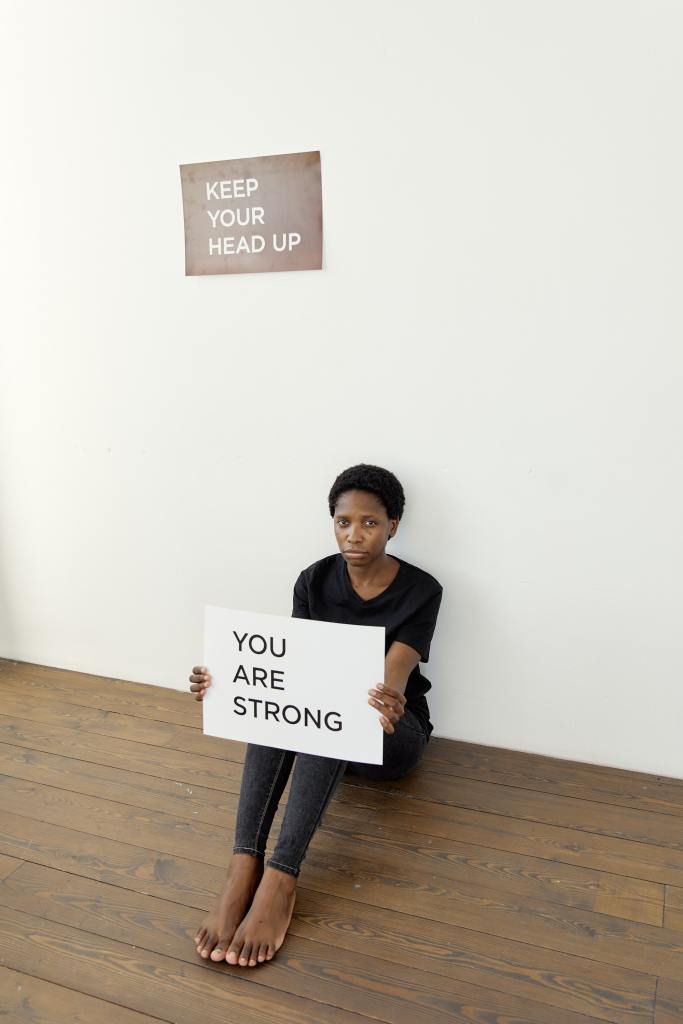
 and seeing the scrutiny the victims are enduring inspired me to write this article about what happens behind the curtain for a victim of sexual impropriety. It has become obvious that these attacks are happening more than we care to admit. These events are life changing for the victim and we should not take likely that the victims suffer consequences for speaking up.
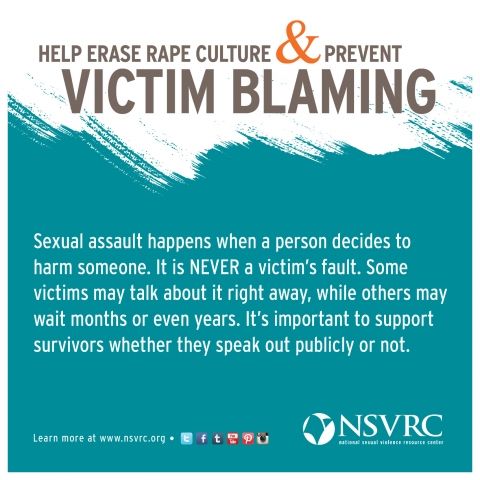 Blame- When someone is sexually attacked, the first thoughts are of guilt and shame. The victims tend to try to figure out how they made this happened to them. They agonize over things that are not related to real reason why these events happen, which is that the predator wanted power over their victim. The irony is that even people who have been victims of some sort help keep these ideas in society. They blame the way the victim was dressed, their habits, their relationships, their company choices and being at a place where they shouldn’t be.

 sexual relationship.
 Now, let me explain some of the legal issues victims face. If it’s not a full fledged rape and violent, there’s very little physical evidence that could be presented in a court of law to prosecute a perpetrator. The accounts of other victims can be used to present to a court a pattern of behavior. Recently things like date rape and even marital rape have been accepted as charges, but they are very hard to prove in court. Situation like molestation, harassment, groping incidents are not less traumatic but harder to legally prove. These incidents don’t have DNA, rarely a video, picture or a witness and if a long time has passed the steeper is the hill to prove these charges in a court of law. Because civil courts have a less restrictive requirements for burden of proof, many victims choose to sue. Other choose to sue because the statue of limitation on charges has expires. This means that the law states that when someone commits a crime there an expiration date on when that crime can be brought to charges. If this is the case, civil lawsuits are the only legal recourse that a victim may have. It’s not about money, but justice. Yes, some of these lawsuits are for substantial amounts of money, but since their perpetrator will not face jail time, they will have to endure the steep financial penalty. Also, in civil court their perpetrators can be compelled to testify and sometimes that’s all a victim really wants, for the perpetrator to face him/her and admit their wrongdoing. It doesn’t always pan out that way, but that’s the goal.
 to a child, it can affect properly development. A sexual assault can cause a victim to suffer from post-traumatic stress disorder (PTSD). This fact also contributes to other challenges the victim needs to deal with. Mental health issues are already socially defining, add now sexual trauma, having to speak up against your perpetrator and dealing with all that comes with that.
 Naty Matos