In today’s fast-paced world, our minds, bodies, and spirits are often treated as separate parts of who we are. But what if true healing comes from seeing ourselves as whole beings? This is where holistic healing and faith integration meet—creating a path that brings balance, peace, and restoration.
On this week’s episode of Thrive by The Rising Muse, hosts Naty and Veda sit down with Melissa Armstrong, a former nurse turned holistic health coach, to explore how faith and wellness complement each other. Melissa opens up about her personal journey from traditional nursing into holistic health, sharing the ways trauma, emotional wounds, and nutrition all impact our well-being.
Together, they dive deep into the role of faith as a bridge that connects the inner world with the divine—allowing healing to flow naturally. Through practices like meditation, mindful living, and spiritual grounding, Melissa reminds us that healing isn’t just about fixing symptoms, but about restoring joy, balance, and connection.
✨ Key Takeaways from this Episode:
Trauma affects both the mind and the body—and healing requires tending to both.
Faith provides purpose, strength, and hope throughout the wellness journey.
Holistic practices like meditation, nutrition, and mindful living create harmony when integrated with spiritual beliefs.
Healing is a journey, not a destination, and every person is worthy of wholeness.
If you’ve ever wondered how faith and wellness can work together, this conversation will inspire and encourage you. Whether you’re seeking healing from trauma, looking for balance in your daily life, or simply curious about holistic health, this episode will leave you with powerful insights and practical steps forward.
Eating healthy on a budget is not only possible but can also be a rewarding and sustainable lifestyle choice. Here are some practical tips to help you make nutritious choices without breaking the bank:
1. Plan Your Meals:
– Start by planning your meals for the week. This allows you to create a shopping list with specific ingredients, helping you avoid impulse purchases.
When you start planning, start with making an inventory of what you already have in you home. That way you will spend less in ingredients.
2. Buy in Bulk:
– Purchase non-perishable items in bulk. Staples like rice, quinoa, lentils, and oats are not only affordable but can also serve as the foundation for many healthy meals.
Non food items are also good to buy in bulk, especially when on sale, that way you have those at hand when needed and not have to purchase them at regular price later.
3. Seasonal and Local Produce:
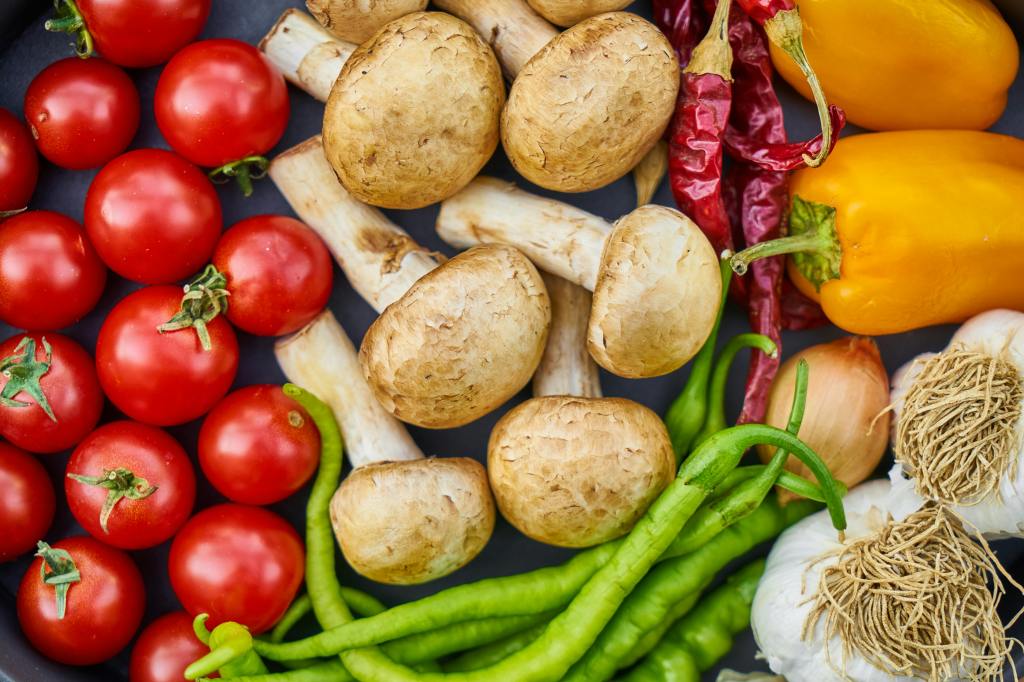
– Opt for seasonal fruits and vegetables as they tend to be more affordable and fresher. Consider buying local produce from farmers’ markets or joining a community-supported agriculture (CSA) program for cost-effective options.
4. Frozen Fruits and Vegetables:
– Frozen fruits and vegetables are often less expensive than fresh ones and have a longer shelf life. They are just as nutritious and can be a convenient addition to smoothies, soups, and stir-fries.
5. Generic Brands:
– Choose generic or store brands for certain items. Often, these products are just as high in quality as name brands but come at a lower price.
6. Cook in Batches:
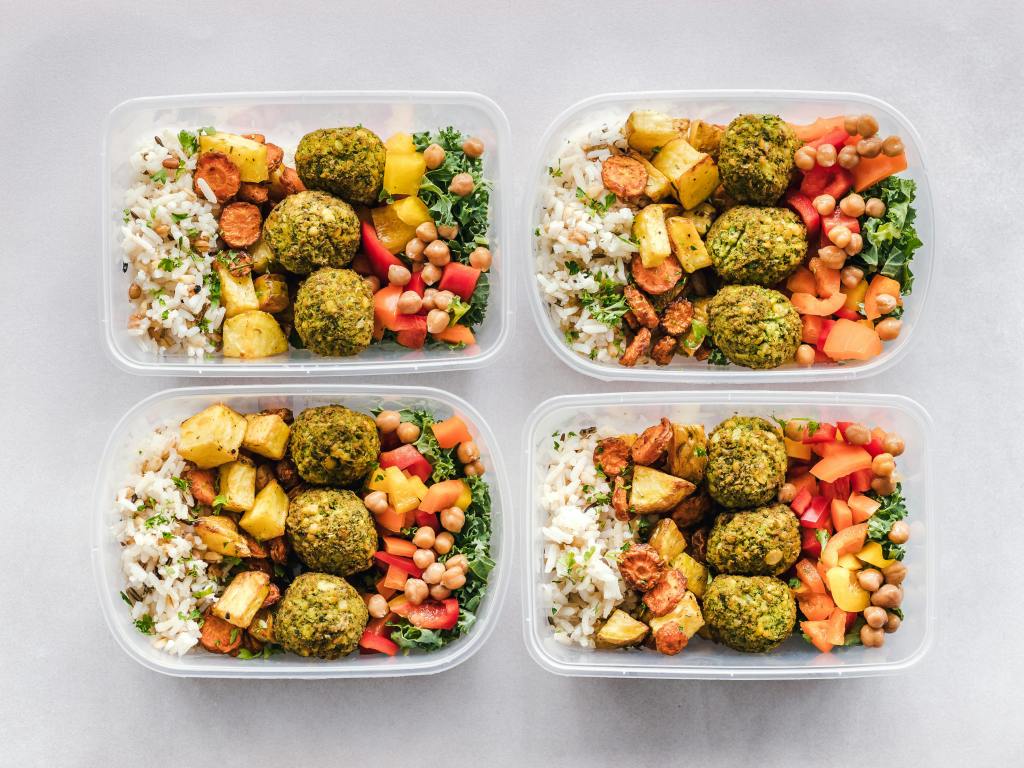
– Prepare meals in larger quantities and freeze individual portions. This not only saves time but also reduces the temptation to order takeout when you’re too tired to cook.
7. Limit Processed Foods:
– Processed and pre-packaged foods may seem convenient, but they are often more expensive and less healthy. Opt for whole foods that you can prepare at home.
8. Explore Affordable Protein Sources:
– Consider alternative protein sources that are budget-friendly, such as beans, lentils, eggs, and canned tuna. These options are not only nutritious but also versatile in various recipes.
9. Compare Prices:
– Take the time to compare prices at different grocery stores. You may find that certain items are more affordable at one store over another. Now I know this one can be time consuming. My next post will be dedicated to this topic.
10. Minimize Food Waste:
– Make an effort to use all the food you purchase to minimize waste. Plan meals that use ingredients in multiple dishes and consider composting to reduce your environmental impact.
11. DIY Snacks:
– Instead of buying expensive pre-packaged snacks, make your own. Trail mix, yogurt with fresh fruit, and homemade granola bars are cost-effective alternatives.
12. Drink Water:
– Choose water over sugary drinks or sodas. Not only is water healthier, but it’s also more budget friendly.
Remember, eating healthy on a budget is about making informed choices and prioritizing whole, nutrient-dense foods. By planning ahead, being mindful of your choices, and incorporating these tips, you can maintain a nutritious diet without straining your finances.
Embarking on the Healthy Mindful Eating Challenge begins with acknowledging the profound importance of nourishing our bodies. For individuals like me, grappling with insulin resistance, this awareness becomes a powerful driving force. Our bodies are not generic; they are unique temples, deserving of care and respect tailored to their individual needs. This challenge prompts us to explore the intricate relationship between our bodies and the food we consume, moving beyond generic dietary advice and into personalized, self-aware choices.
Embrace Adventure on Your Plate
Transitioning to a healthier lifestyle doesn’t mean bidding farewell to culinary delights. Instead, it’s an invitation to embrace adventure on your plate. Often, our aversions are rooted in preconceived notions or unfavorable past experiences. I swore off Brussels sprouts until my friend Jill worked her culinary magic. Now let’s be honest, I only eat hers, but I can’t say that I don’t eat the anymore. Let this challenge be an opportunity to break free from culinary prejudices.. Be open-minded, savor the diverse flavors the world has to offer, and let your taste buds embark on a journey of discovery.
Reading Between the Lines of Nutrition
While I don’t hold a professional title in the realm of nutrition, my journey has been one of hands-on exploration and research. The golden rule here is to read the ingredients. The simplicity of this advice belies its significance. If you find yourself struggling to spell or pronounce the ingredients, it’s a clear indicator that your body might have difficulty processing them. Our bodies are finely tuned machines, and they thrive on natural, recognizable substances. By being mindful of what we put into our bodies, we can make informed choices that resonate with our well-being.
Balancing Act with Organic Choices: Realities of Health and Finance
Organic choices often carry a health-conscious appeal, but two realities need acknowledgment. First, not everything labeled organic is necessarily good for us or genuinely organic. Second, the financial aspect can be prohibitive. Balancing health aspirations with budget constraints is a real challenge. However, within this challenge, we aim to explore practical ways to remain health-conscious without creating a gaping hole in our pockets. It’s about finding that sweet spot where health and finance intersect harmoniously.
Meal Prep Magic
One of the most impactful practices I’ve incorporated is meal prepping. It’s not just a strategy; it’s a culinary ritual that transformed my eating habits. The concept is simple: plan your meals, create a shopping list, stick to that list, and dedicate a day to cooking for the week. It may seem daunting initially, but once you embrace the routine, it becomes surprisingly enjoyable. My personal testimony lies in the positive changes witnessed in my mother’s health. With limited mobility, she experienced normalized blood sugar levels and a 15-pound weight loss in the first six months, all without incorporating exercise. The key here is preparation — a crucial component that ensures you make mindful choices even when faced with the hungry impulse to grab something fast.
Portion Control: A Sustainable Shift in Eating Habits
Portion control isn’t about deprivation; it’s a sustainable shift in our eating habits. I once had a colleague who, despite being vegetarian, struggled with excess weight. Her revelation was simple but profound: “Eating two pounds of pasta is going to affect you as much as eating fried chicken.” It’s a reminder that even when consuming healthy foods, moderation is the key. Portion control is a gradual process, not an overnight achievement. Attempting to go cold turkey often leads to the dieting mentality. Instead, the focus should be on making subtle yet significant changes that eventually become an integral part of our lifestyle.
Small Shifts, Big Impact: My Milk Journey
The journey to healthier living is marked by small, intentional shifts. Reflecting on my own experience with milk consumption, I started by transitioning from whole milk to 2%. This shift alone made a noticeable difference. Later, I discovered that moving to 1% not only retained the taste but also slashed 50% of the fat content. It was a revelation that exemplifies how seemingly minor changes can yield significant benefits. The key takeaway is progress over perfection. My journey didn’t end with skim milk, as I found the taste unappealing. However, when I sought to further reduce calorie intake, I explored non-dairy alternatives. While I don’t consume non-dairy milk as I did with traditional milk, it served as a steppingstone to gradually reduce my overall milk consumption.
Fuel Your Journey Correctly: Aligning Choices with Purpose
As we navigate the complexities of life, each of us is on a unique journey with a distinct purpose. The choices we make regarding our health play a pivotal role in shaping this journey. Our ultimate goal is to hear the words “Well done, faithful servant” upon completing our earthly mission. Neglecting our bodies by not fueling them correctly can inadvertently shorten our journey. The Healthy Mindful Eating Challenge encourages us to pray for wisdom and strength as we embark on this transformative journey. It’s a call to align our choices with our mission, acknowledging that our bodies are the vessels through which we fulfill our purpose.
Pray, Reflect, and Join the Challenge: A Holistic Approach to Wellness
In conclusion, let’s take a moment to pause, reflect, and pray for the wisdom and strength needed to navigate this challenge. If you feel compelled, consider joining us on this journey to a stronger you. The Healthy Mindful Eating Challenge isn’t merely a dietary shift; it’s a holistic approach to wellness, incorporating physical health, spiritual reflection, and intentional choices. Together, let’s embark on this transformative adventure.









 Naty Matos