“When God Seems Silent: Navigating Spiritual Desolation”

In the quiet moments of our spiritual journey, we often encounter a profound silence that can feel both unsettling and enlightening. This silence, sometimes perceived as abandonment by God, invites us to explore the depths of our faith and the resilience of our spirit. On the most recent episode of Thrive by The Rising Muse, we discuss why this happens and how to overcome it.

Spiritual silence is a phase where the usual signs of divine presence seem absent. It’s a time when prayers feel unanswered, and the comforting sense of God’s presence is elusive. This silence can be a test of faith, urging us to seek deeper understanding and connection.

Feeling abandoned by God is a common experience during spiritual silence. It’s a period marked by doubt and questioning, where the absence of divine reassurance challenges our beliefs. Yet, this feeling can also be a catalyst for growth, pushing us to redefine our relationship with the divine.

Instead of resisting the silence, embracing it can lead to profound insights. This period of quiet can be an opportunity to listen more intently to our inner voice and to find strength in solitude. It encourages us to trust in the unseen and to find peace in the unknown.

Experiencing spiritual silence and feeling abandoned by God are integral parts of the spiritual journey. They teach us resilience, patience, and the importance of faith in the unseen. By embracing these moments, we open ourselves to deeper spiritual growth and understanding.

Subscribe Now:

Stay connected for more insights and reflections on your spiritual journey. Subscribe now to receive updates and new posts directly to your inbox.

When the World Feels Unstable, How Do We Thrive?

Life is unpredictable; right now, it feels like we’re all riding a wave of uncertainty. In our latest episode of Thrive by The Rising Muse, we take off the script and get real—no filters, no outlines, just raw conversation about the struggles many face today. We’re calling it Thrive Raw because sometimes, we just need to speak from the heart.

From massive job layoffs to skyrocketing grocery prices to the weight of mental health struggles—these are more than just headlines. They’re real-life battles people are fighting every single day. In this episode, we unpack the emotions, the fears, and the faith it takes to move forward when life throws the unexpected our way.

So, what do you do when your security is shaken? How do you hold on when it feels like you’re losing everything? More importantly, where is God in all of this? We’re diving deep into these questions and offering encouragement, real talk, and most of all, hope.

Why you need to listen:
✔️ Raw, unfiltered conversation about the struggles happening right now.
✔️ Faith-centered encouragement for anyone feeling lost or overwhelmed.
✔️ Practical advice on how to move forward, find purpose, and rebuild.
✔️ A heartfelt message about the value of your life, no matter your circumstances.

If you or someone you love has been affected by job loss, financial uncertainty, or feelings of hopelessness, we want you to know that you are not alone. Join us for this powerful episode, and let’s navigate these storms together.

🎧 Listen now on your favorite podcast platform!
🔗 Click here for new episode

Let’s keep thriving—together.

#FaithOverFear, #KeepThriving, #MentalHealthMatters, #HopeInHardTimes, #JobLossSupport, , #FaithAndMentalHealth, #OvercomingStruggles, , , #FindingPurpose, #LeanOnGod

The Difference Between a Foothold and a Stronghold: How We Get It Twisted

In our walk with Christ, it is essential to discern the spiritual realities of footholds and strongholds. Both terms appear in Christian teachings about spiritual warfare, but they differ in significance and impact. Understanding these differences can help us guard our hearts and stand firm in faith.

What Is a Foothold?

A foothold is a small opening or opportunity that we allow the enemy to exploit. It might be an unresolved emotion, a lingering sin, or even a pattern of negative thinking. The Apostle Paul warns us about this in Ephesians 4:26-27: “In your anger do not sin: Do not let the sun go down while you are still angry, and do not give the devil a foothold.”

A foothold begins as a seemingly minor issue. It can be something as subtle as resentment, fear, or unchecked pride. However, if left unaddressed, a foothold can grow into something more dangerous.

What Is a Stronghold?

A stronghold is a deeply entrenched pattern of thinking or behavior that opposes God’s truth. It is a spiritual fortress where the enemy has gained significant control. The Bible speaks of strongholds in 2 Corinthians 10:4-5: “The weapons we fight with are not the weapons of the world. On the contrary, they have divine power to demolish strongholds. We demolish arguments and every pretension that sets itself up against the knowledge of God, and we take captive every thought to make it obedient to Christ.”

While a foothold is an opportunity, a stronghold is a well-established position. It takes intentional effort, prayer, and the truth of God’s Word to tear it down.

How We Can Be Fooled?

The enemy often disguises footholds as harmless or justified actions. For instance, holding onto a grudge may feel warranted, but it opens the door for bitterness. Over time, that bitterness can grow into a stronghold of unforgiveness, affecting relationships and our ability to fully experience God’s grace.

The deception lies in the gradual progression. A foothold doesn’t seem threatening at first. It’s only when it has evolved into a stronghold that we realize the extent of the damage. This is why Scripture urges us to stay vigilant and guard our hearts (Proverbs 4:23).

Guarding Against Footholds and Strongholds

  1. Stay Rooted in the Word: Regularly read and meditate on Scripture to recognize lies and replace them with God’s truth.
  2. Pray Without Ceasing: Bring your struggles, emotions, and thoughts to God. Prayer equips us with discernment and strength.
  3. Practice Forgiveness: Let go of offenses quickly. Holding onto anger or hurt gives the enemy an opportunity to work.
  4. Seek Accountability: Surround yourself with godly mentors and friends who can lovingly correct and encourage you.

By identifying footholds early and relying on God’s power, we can prevent them from becoming strongholds. Remember the promise in James 4:7: “Submit yourselves, then, to God. Resist the devil, and he will flee from you.”

Being Loving, Kind, and Merciful: Does Not Mean I’m a Doormat

As followers of Christ, we are called to embody love, kindness, and mercy. These attributes reflect God’s character and demonstrate His grace to the world. However, those with a tender heart may face challenges, including being taken for granted or used. How can we balance showing mercy with guarding our hearts?

The Call to Love, Kindness, and Mercy

Jesus set the ultimate example of love, kindness, and mercy. In Matthew 5:7, He says, “Blessed are the merciful, for they will be shown mercy.” Reflecting on the call to clothe ourselves with compassion, Colossians 3:12-14 reminds us: “Therefore, as God’s chosen people, holy and dearly loved, clothe yourselves with compassion, kindness, humility, gentleness, and patience. Bear with each other and forgive one another… And over all these virtues put on love, which binds them all together in perfect unity.” Living this way reflects Christ’s love and draws others to Him. Yet, we must also walk in wisdom, as Jesus instructs in Matthew 10:16: “Be as shrewd as snakes and as innocent as doves.”

Avoiding Being Taken for Granted

  1. Set Healthy Boundaries: Loving others doesn’t mean allowing them to misuse your kindness. Jesus Himself set boundaries, withdrawing to pray and rest when needed (Luke 5:16). He invites us to find rest for our souls in Him, saying in Matthew 11:28-30, “Come to me, all you who are weary and burdened, and I will give you rest.”
  2. Discern Motives: Pray for discernment to recognize when someone genuinely needs help versus taking advantage of your kindness. Philippians 1:9-10 says, “And this is my prayer: that your love may abound more and more in knowledge and depth of insight, so that you may be able to discern what is best.”
  3. Speak the Truth in Love: When necessary, confront those who misuse your kindness with gentleness and respect. Ephesians 4:15 urges us to speak the truth in love, ensuring we build others up. As Proverbs 27:6 states, “Wounds from a friend can be trusted, but an enemy multiplies kisses.”
  4. Rely on God’s Strength: Acts of mercy must flow from God’s love, not human approval. Galatians 6:9 encourages us, “Let us not become weary in doing good, for at the proper time we will reap a harvest if we do not give up.” Depend on God’s Spirit, as Zechariah 4:6 reminds us, “Not by might nor by power, but by my Spirit,’ says the Lord Almighty.”

Trusting God as Your Defender

Even when others misunderstand or misuse your kindness, take heart in knowing that God sees your heart. Psalm 62:6 declares, “Truly he is my rock and my salvation; he is my fortress, I will not be shaken.” Rest in His promise from Exodus 14:14: “The Lord will fight for you; you need only to be still.” Trust Him to vindicate you and provide the strength to continue loving others.

In all things, let Jesus’ words in John 13:34-35 guide you: “A new command I give you: Love one another. As I have loved you, so you must love one another. By this everyone will know that you are my disciples, if you love one another.” As you navigate the balance of kindness and boundaries, let your actions glorify God, reflect His love, and steward the gifts He has entrusted to you.

Overcoming Depression & Anxiety: The Best Strategies for Thriving

Understanding Depression & Anxiety

Depression and anxiety are challenges that many face, affecting not just our minds and emotions but our spiritual health as well. For Christians, these struggles can be particularly difficult as they may feel guilt or shame for experiencing them. However, it’s important to remember that even the most faithful individuals can encounter these trials. The Bible is full of stories of people who faced deep despair yet found hope and strength in God.

In this post, we’ll explore effective strategies for overcoming depression and anxiety, rooted in Biblical teachings and practical wisdom. By grounding ourselves in faith and making positive changes in our daily lives, we can not only overcome these challenges but thrive despite them.

Grounding Yourself in God’s Promises

One of the most powerful ways to combat depression and anxiety is by immersing yourself in God’s promises. The Bible is rich with verses that remind us of God’s unwavering love, presence, and strength. For instance, Psalm 34:18 tells us, “The Lord is close to the brokenhearted and saves those who are crushed in spirit.” This verse reassures us that God is near, especially when we feel most vulnerable.

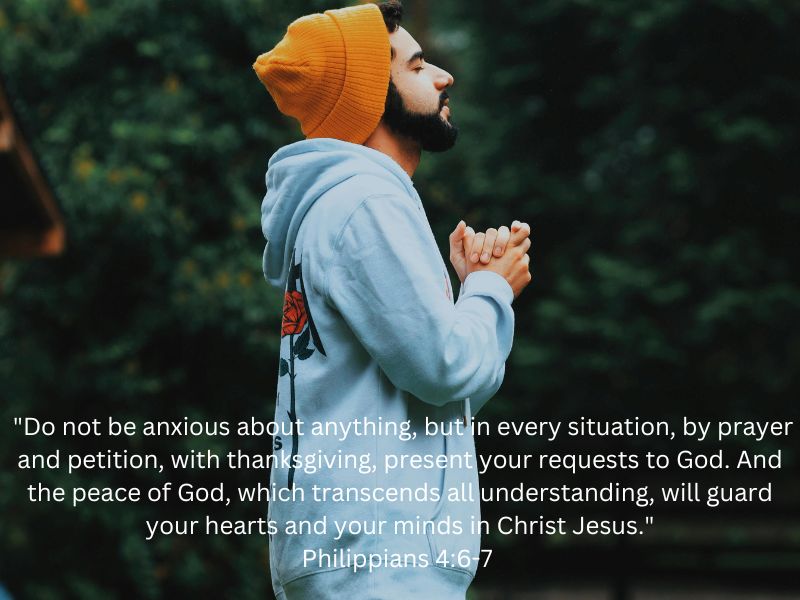
Similarly, Philippians 4:6-7 encourages us not to be anxious about anything, but in every situation, by prayer and petition, with thanksgiving, present our requests to God. It goes on to promise that “the peace of God, which transcends all understanding, will guard your hearts and your minds in Christ Jesus.” By regularly reading and meditating on these scriptures, you can fortify your mind against the negative thoughts that fuel anxiety and depression.

Isaiah 41:10 also offers comfort: “So do not fear, for I am with you; do not be dismayed, for I am your God. I will strengthen you and help you; I will uphold you with my righteous right hand.” When feelings of despair or worry creep in, these verses serve as powerful reminders of God’s enduring support and protection.

The Power of Prayer and Meditation

Prayer is a direct line to God, offering a way to unburden our hearts and minds. In times of anxiety or depression, prayer can be a refuge where we lay our concerns at God’s feet, trusting Him to take care of us. 1 Peter 5:7 urges us to “Cast all your anxiety on him because he cares for you.” This act of casting our cares upon the Lord can bring immense relief, knowing that we are not meant to carry these burdens alone.

In addition to prayer, Christian meditation—focusing on God’s word and His presence—can help calm a restless mind. Regular meditation on scriptures, coupled with deep, reflective prayer, can help anchor your thoughts and emotions, leading to greater peace and clarity. Consider setting aside a few minutes each day to meditate on a verse that speaks to your current struggles and let God’s truth wash over you.

Community and Support: You’re Not Alone

It’s easy to feel isolated when battling depression and anxiety, but the truth is, you are not alone. The Christian community is a vital source of support and encouragement. Hebrews 10:24-25 reminds us to “consider how we may spur one another on toward love and good deeds, not giving up meeting together, as some are in the habit of doing, but encouraging one another.” Whether through church, small groups, or Christian counseling, connecting with others who share your faith can provide much-needed support.

Don’t hesitate to reach out to trusted friends, pastors, or counselors when you need help. Sharing your struggles with others can lighten the load and open the door to healing. Remember, there is no shame in seeking help; it is a sign of strength and wisdom to lean on your community during tough times.

Practical Lifestyle Changes for Mental Health

While spiritual practices are crucial, practical lifestyle changes can also play a significant role in managing depression and anxiety. Our bodies are temples of the Holy Spirit (1 Corinthians 6:19-20), and taking care of them is an act of stewardship. Regular physical activity, a balanced diet, and sufficient sleep can significantly impact your mental and emotional health. Exercise, for example, releases endorphins, which are natural mood lifters. Eating nutritious foods can fuel your body and mind, helping you feel more energetic and focused.

Making time for rest and relaxation is equally important. Chronic stress and lack of sleep can exacerbate symptoms of depression and anxiety. By honoring your body’s need for rest, you are better equipped to face life’s challenges with a clear mind and a resilient spirit.

Trusting God’s Plan and Finding Purpose

Finally, trusting in God’s plan is essential when navigating the difficulties of depression and anxiety. Jeremiah 29:11 offers a hopeful reminder: “For I know the plans I have for you,” declares the Lord, “plans to prosper you and not to harm you, plans to give you hope and a future.” Even when life feels overwhelming, God’s plan for you is one of hope and purpose.

Romans 8:28 further assures us that “in all things God works for the good of those who love him, who have been called according to his purpose.” By seeking and pursuing the purpose God has for your life, you can find a deeper sense of meaning and fulfillment, which can be a powerful antidote to feelings of despair.

Conclusion: A Journey of Faith and Healing

Overcoming depression and anxiety is a journey, one that requires faith, action, and support. By grounding yourself in God’s promises, maintaining a strong prayer life, seeking community, and making healthy lifestyle choices, you can not only manage these challenges but thrive despite them. Remember, you are never alone in your struggles—God is with you, and so is your Christian community. As you take steps towards healing, may you find peace, hope, and a renewed sense of purpose in Christ.

Healing Emotional Scars with God’s Help

By Veda Green (Thrive by The Rising Muse Co-Host)

Emotional scars often run deep, invisible to the naked eye but affecting every aspect of our lives. Unlike physical wounds, you can’t just slap a band-aid on them and hope they’ll heal on their own. The pain from past trauma can linger for years, surfacing unexpectedly and wreaking havoc on our peace of mind.

As Christians, we have unique resources to help us heal—prayer, wise counsel, therapy, and even medication. We can also turn to the eternal truths of Scripture to guide us through the healing process.

The Reality of Emotional Scars

Emotional scars can be triggered by anything—a song, a phrase, or even a memory. These triggers can transport us back to the moment of our deepest pain. For example, I know someone who saw her abuser’s face while she was with her loving boyfriend. She started screaming and tried to flee, but because he was aware of her past, he held her and assured her of her safety. This moment underscores the reality that we can’t simply lock our trauma behind a door and expect it never to resurface.

In Psalm 34:18, we find comfort: “The Lord is close to the brokenhearted and saves those who are crushed in spirit.” God is not distant from our pain; He is intimately aware of it and ready to offer His healing presence.

The Path to Healing

1. Prayer and God’s Word

   Prayer is our lifeline to God. In moments of overwhelming emotion, we can pour out our hearts to Him. Philippians 4:6-7 reassures us: “Do not be anxious about anything, but in every situation, by prayer and petition, with thanksgiving, present your requests to God. And the peace of God, which transcends all understanding, will guard your hearts and your minds in Christ Jesus.”

   Regularly meditating on Scripture can also help. Psalm 147:3 tells us, “He heals the brokenhearted and binds up their wounds.” By anchoring ourselves in God’s promises, we allow His truth to permeate our minds and soothe our souls.

2. Wise Counsel and Therapy

   Proverbs 11:14 says, “Where there is no guidance, a people falls, but in an abundance of counselors there is safety.” Seeking wise counsel from trusted friends, pastors, or professional therapists can provide the support and strategies needed to navigate the healing process.

   Therapy can offer tools to manage triggers and develop healthier coping mechanisms. It’s not a sign of weakness but a step towards wholeness.

3. Breaking Generational Curses

   Abuse can sometimes stem from generational patterns of behavior. Recognizing this and choosing to break the cycle is vital. Exodus 20:5-6 speaks to God’s desire for us to overcome these generational sins: “I, the Lord your God, am a jealous God, punishing the children for the sin of the parents to the third and fourth generation of those who hate me, but showing love to a thousand generations of those who love me and keep my commandments.”

   By addressing these issues, we protect future generations from experiencing the same pain.

Living in Freedom

Emotional scars, if left unattended, can negatively affect our relationships, marriages, children, and friendships. The enemy wants us to believe that we are defined by our past, but Jesus offers us a new identity. In John 8:36, Jesus declares, “So if the Son sets you free, you will be free indeed.”

1. Cultivating Healthy Relationships

   Romans 12:18 advises, “If it is possible, as far as it depends on you, live at peace with everyone.” This involves forgiving those who have hurt us and seeking healthy, supportive relationships that reflect God’s love.

2. Sharing Your Story

   Revelation 12:11 reminds us of the power of our testimony: “They triumphed over him by the blood of the Lamb and by the word of their testimony.” Sharing your story can be a source of healing for yourself and others. It breaks the silence and brings light to the darkness of abuse.

3. Trusting God’s Plan

   Jeremiah 29:11 offers a promise of hope: “‘For I know the plans I have for you,’ declares the Lord, ‘plans to prosper you and not to harm you, plans to give you hope and a future.'” Trusting in God’s plan, even when the path is painful, allows us to walk in faith and confidence.

Healing emotional scars is a journey that requires time, patience, and the right resources. As believers, we have the profound assurance that God is with us every step of the way. Through prayer, wise counsel, therapy, and the support of our faith community, we can find healing and freedom from the past.

May we always remember that our scars, while they may never fully disappear, can become testimonies of God’s incredible grace and healing power. As we navigate this journey, let us cling to the promise in Isaiah 41:10: “So do not fear, for I am with you; do not be dismayed, for I am your God. I will strengthen you and help you; I will uphold you with my righteous right hand.” With God’s help, we can overcome the past and step into the abundant life He has promised us.

Don’t forget to subscribe to our podcast Thrive by The Rising Muse

Overcoming Ego for Spiritual Growth: A Christian Perspective

In the pursuit of spiritual growth, Christians often face the significant challenge of overcoming the ego. The ego, our sense of self-importance and individual identity, can be an obstacle to deeper faith and communion with God. By embracing humility and selflessness, Christians can transcend the ego, drawing closer to the divine. This blog post explores the Christian approach to overcoming ego, supported by scripture and practical steps for spiritual growth.

In Christianity, the ego represents our self-centered nature, often manifesting as pride, arrogance, and selfishness. The Bible consistently warns against these traits, highlighting the importance of humility and self-denial. Jesus’ teachings and the writings of the apostles provide clear guidance on how to manage and overcome the ego.

The Bible addresses the dangers of ego and the virtues of humility extensively. One of the most profound teachings comes from Jesus Himself:

“Whoever wants to be my disciple must deny themselves and take up their cross daily and follow me. For whoever wants to save their life will lose it, but whoever loses their life for me will save it.” – Luke 9:23-24

This passage emphasizes the need to deny the ego, symbolized by taking up the cross, to follow Christ truly. The call to self-denial is a call to let go of personal pride and selfish desires.

The apostle Paul also speaks about the importance of humility in his letters:

“Do nothing out of selfish ambition or vain conceit. Rather, in humility value others above yourselves, not looking to your own interests but each of you to the interests of the others.” – Philippians 2:3-4

Paul’s message underscores the Christian ideal of putting others first, a direct challenge to the ego-driven mindset.

The ego can impede spiritual growth in several ways:

  1. Pride: Pride leads us to believe we are self-sufficient and superior to others, diminishing our reliance on God and separating us from Him.
  2. Selfishness: An ego-centric life focuses on personal gain rather than serving others, contrary to the teachings of Christ.
  3. Resistance to Change: The ego resists humility and self-examination, hindering our willingness to grow and transform spiritually.

Practical Steps to Overcome the Ego

  1. Practice Humility: Embrace humility by recognizing that all good things come from God. Regularly remind yourself of God’s greatness and your dependence on His grace. “Humble yourselves before the Lord, and he will lift you up.” – James 4:10
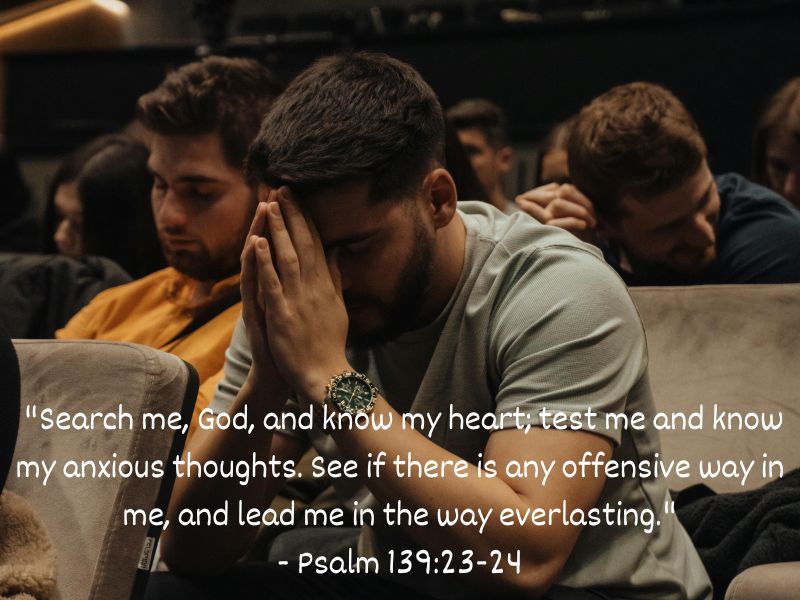
  2. Engage in Self-Reflection: Reflect on your thoughts and actions to identify where ego might be influencing you. Prayer and meditation can be powerful tools for self-examination. “Search me, God, and know my heart; test me and know my anxious thoughts. See if there is any offensive way in me, and lead me in the way everlasting.” – Psalm 139:23-24
  3. Serve Others: Actively seek opportunities to serve others. Acts of kindness and service help shift focus from self to others, aligning with Christ’s teachings. “For even the Son of Man did not come to be served, but to serve, and to give his life as a ransom for many.” – Mark 10:45
  4. Seek Forgiveness and Reconciliation: Acknowledge your faults and seek forgiveness from God and others. This practice humbles the ego and fosters spiritual growth. “Therefore confess your sins to each other and pray for each other so that you may be healed.” – James 5:16
  5. Cultivate Gratitude: Regularly express gratitude to God for His blessings. Gratitude shifts focus away from what we lack or desire, reducing the ego’s grip. “Give thanks in all circumstances; for this is God’s will for you in Christ Jesus.” – 1 Thessalonians 5:18

Overcoming the ego is essential for true spiritual growth in the Christian faith. By embracing humility, selflessness, and service, Christians can align themselves more closely with God’s will. As we surrender our ego, we open our hearts to the transformative power of God’s grace, leading to deeper spiritual fulfillment and a closer relationship with Him.

In the words of Jesus:

“Blessed are the meek, for they will inherit the earth.” – Matthew 5:5

May we all strive to overcome our egos, fostering a spirit of humility and love in our journey with Christ.

Until next time, be blessed. Don’t forget to subscribe to our channel

Navigating Multiple Sclerosis

As we commemorate World Multiple Sclerosis Day today, it’s essential to shed light on the holistic impact of this condition. Multiple Sclerosis (MS) is not just a physical ailment; it deeply affects one’s emotional and mental well-being. Today, drawing insights from Dr. Meghan Beier, a renowned rehabilitation neuropsychologist from JohnHopkins.org, we explore three prevalent mental health concerns within the framework of faith and mental resilience.

  1. Depression:
    Depression can be a silent storm brewing within the lives of those affected by MS. It’s not merely a reaction to the illness but can also stem from biological factors, such as inflammatory processes. Dr. Beier emphasizes the importance of recognizing depression as a symptom rather than solely a consequence of MS progression. This understanding enables us to approach it with compassion and targeted interventions, combining medication with cognitive behavioral therapy. As people of faith, we can find solace in knowing that even amidst our darkest moments, there’s a guiding light of hope, urging us to seek help and embrace healing.
  2. Anxiety:
    Anxiety, like a relentless shadow, often accompanies the unpredictability of MS. The fear of exacerbations and uncertainties about the future can weigh heavily on individuals and their loved ones. Yet, faith teaches us to surrender our anxieties to a higher power, trusting in a divine plan beyond our comprehension. Dr. Beier encourages proactive measures, including behavioral therapy and acceptance and commitment therapy (ACT), to empower individuals in managing anxiety. By cultivating resilience through faith-based practices, we can navigate the turbulent seas of anxiety with unwavering courage.
  3. Pseudobulbar Affect:
    Pseudobulbar affect, characterized by uncontrollable emotional expressions, adds another layer of complexity to the MS journey. Despite its challenges, seeking proper diagnosis and treatment is crucial. Here, faith offers us resilience in acceptance and a beacon of strength to face adversities head-on. While talk therapy may not directly address pseudobulbar affect, medical interventions tailored to individual needs can provide relief and restore emotional balance.


As we commemorate World MS Day, let us not only raise awareness but also extend empathy and support to those battling this condition. By addressing the intricate interplay between faith and mental health, we pave the way for holistic healing and resilience. Together, let us foster a community where individuals impacted by MS find solace, strength, and above all, unwavering hope in the journey ahead.

Until next time, be blessed

Remember to subscribe to our podcast: Thrive by The Rising Muse

The Daily Meditation Challenge – 10 Minutes to Inner Peace

Life today is a whirlwind of endless to-do lists, back-to-back meetings, and a constant influx of notifications demanding our attention. With this relentless pace, it’s no wonder that many of us feel stressed, overwhelmed, and disconnected from our inner selves. But what if there was a simple, yet transformative solution right at our fingertips?

The Power of Meditation

Enter the world of meditation—a practice that has been revered for centuries for its profound ability to calm the mind, reduce stress, and cultivate inner peace. While the concept of meditation might seem daunting to some, it doesn’t require hours of practice or mastering complex techniques. In fact, all it takes is just 10 minutes of your day.

Breathe In, Stress Out

Meditation is not about emptying your mind or achieving a state of absolute stillness. Instead, it’s about becoming aware of your thoughts, emotions, and sensations without judgment. By simply allocating 10 minutes to sit quietly and focus on your breath, you can experience a sense of calmness and clarity that extends far beyond those fleeting moments of practice.

The beauty of this practice lies in its simplicity. As you sit down, close your eyes, and take deep, deliberate breaths, you’ll notice the weight of stress and tension begin to lift. With each inhale, imagine breathing in peace and serenity, and with each exhale, visualize releasing all the worries and anxieties that have been weighing you down.

Mindfulness: The Key to a Balanced Life

Beyond stress reduction, meditation also cultivates mindfulness—a heightened awareness of the present moment. When you practice mindfulness, you become more attuned to your thoughts, feelings, and sensations, allowing you to respond to life’s challenges with greater clarity and composure.

Imagine navigating your day with a renewed sense of purpose and presence, free from the constant chatter of a restless mind. By integrating mindfulness into your daily routine, you can create a harmonious balance between your inner and outer worlds, fostering a deeper connection with yourself and those around you.

Embark on a Journey of Self-Discovery

Ready to take the plunge and explore the transformative power of meditation? We invite you to join our 15-day meditation challenge. Designed for both beginners and seasoned practitioners alike, this challenge offers a guided journey to help you establish a consistent meditation practice and unlock the myriad benefits it has to offer.

To support you on this journey, we’ve also launched our new book, filled with insights, tips, and guided meditations to enhance your experience. Whether you’re looking to reduce stress, enhance your focus, or simply find a moment of peace amidst the chaos, our 15-day challenge is your gateway to a more balanced, fulfilling life.

In a world that often feels like a relentless race against time, finding moments of stillness and serenity is more crucial than ever. By dedicating just 10 minutes of your day to meditation, you can cultivate a deeper sense of inner peace, resilience, and joy that will ripple through every aspect of your life.

So, why wait? Embrace the transformative power of meditation and embark on a journey to discover your inner Zen today. Your path to a more peaceful, balanced, and fulfilling life awaits.

Take the challenge:

Cultivating Inner Peace:

Photo by Maria Gulyaeva on Pexels.com

As we approach the International Day of Peace on September 21st, it’s a reminder that true peace begins within ourselves. While the quest for world peace is admirable, it finds its roots in the Christian faith through the peace that surpasses all understanding. In this blog post, we will explore the significance of inner peace from a Christian perspective, its connection to the International Day of Peace, and practical steps to foster tranquility within.

Inner peace, is more than just a state of calm; it is a reflection of a deep and abiding faith in God’s love and providence. It is rooted in the knowledge that God is in control and that His peace can fill our hearts, even in the midst of life’s storms.

The International Day of Peace, observed annually on September 21st, calls us to reflect on the peace that Christ offers and to share it with the world. As Christians, we understand that peace on a global scale is intricately linked to our individual pursuit of inner peace in Christ.

Why Inner Peace Matters

  1. Spiritual Well-being: Inner peace nurtures our spiritual well-being, allowing us to draw closer to God and experience His presence.
  2. Relationships as a Ministry: We can use our inner peace to be better ministers to those around us, demonstrating the love and peace of Christ through our actions.
  3. Conflict Resolution: A peaceful heart equips us to resolve conflicts with grace and humility, following the example of Jesus.
  4. Global Impact: Collectively, as Christians who embody the peace of Christ, we can influence our communities and nations for the better.

Practical Steps to Cultivate Inner Peace

  1. Prayer and Scripture: Spend time daily in prayer and studying the Scriptures to deepen your faith and understanding of God’s peace.
  2. Forgiveness: Practice forgiveness as Christ forgave us, releasing grudges and seeking reconciliation.
  3. Service and Acts of Love: Serve others with love and humility, following the example of Jesus washing His disciples’ feet.
  4. Trust in God’s Plan: Trust in God’s plan, even when facing uncertainties, knowing that He works all things for good.
  5. Community and Fellowship: Engage in community and fellowship for support and spiritual growth.

This International Day of Peace, let us remember that true peace, the peace that surpasses all understanding, begins with Christ within us. By cultivating inner peace through our faith, we can share the peace of Christ with a world in need. As Christians, we are called to be ambassadors of God’s peace, leading the way towards a world where His peace reigns supreme. Start with your relationship with Christ, and together, we can bring His peace to the forefront of our lives and the world.