Finding Faith in the Wilderness: Shaazia Terry’s Journey

In a world where life’s challenges often seem insurmountable, Shaazia Terry’s story is a beacon of hope and resilience. Her journey, marked by profound loss and unwavering faith, offers a powerful testament to the transformative power of belief and perseverance.

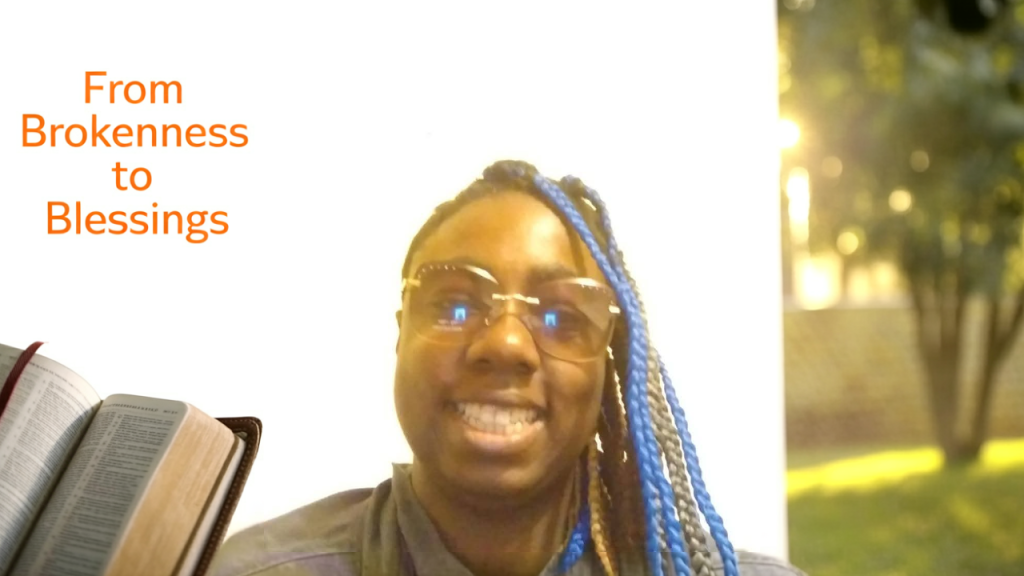
Shaazia’s life took a dramatic turn with the loss of her mother, a period that tested her faith and strength. “I was like, God, no, I don’t understand this,” she recalls. Yet, through the darkness, she found a renewed purpose, using her voice and creativity to glorify God and inspire others.

Throughout her trials, Shaazia’s faith remained her anchor. “Even when nobody else sees you, God always sees you,” she shares, emphasizing the importance of holding onto faith even when life gives every reason to let go. Her story is a reminder that faith can carry us through the wilderness, turning our struggles into testimonies of grace and purpose.

Shaazia’s journey is not just about overcoming adversity; it’s about embracing humanity in all its imperfections. Her book, “Being Human,” explores themes of love, family secrets, and the power of forgiveness. “It’s not about being perfect,” she says. “It’s about giving God your best and trusting Him to guide you.”

Shaazia Terry’s story is a testament to the power of faith and resilience. Her journey reminds us that brokenness doesn’t disqualify us; it’s often the place where God begins His greatest work in us. As we navigate our own challenges, may we find inspiration in Shaazia’s story and hold onto the hope that faith provides.

Stay connected with us for more inspiring stories and insights. Subscribe to our blog and join our community as we explore the transformative power of faith and resilience.

Finding God in Your Setbacks: Preparation for Growth

Life often presents us with setbacks—moments when our plans unravel, our dreams seem distant, and our hearts ache with disappointment. In these challenging times, finding solace in faith can offer profound comfort and guide us toward unexpected growth. It is in these setbacks that we often find God’s hand at work, preparing us for greater things.

Embracing Setbacks as Divine Preparation

Setbacks are not merely obstacles but opportunities for spiritual transformation. They test our resilience, deepen our trust in God, and refine our character. As the apostle James wrote:

“Consider it pure joy, my brothers and sisters, whenever you face trials of many kinds, because you know that the testing of your faith produces perseverance.” (James 1:2-3, NIV)

This perspective challenges us to see setbacks not as moments of despair but as chances to strengthen our faith and endurance. God uses these trials to prepare us for His purpose, shaping us into vessels capable of carrying His light in the darkest of times.

Trusting in God’s Sovereignty

Amid setbacks, it is natural to question God’s plan. Yet, Scripture reassures us of His sovereignty and unwavering love:

“For I know the plans I have for you,” declares the Lord, “plans to prosper you and not to harm you, plans to give you hope and a future.” (Jeremiah 29:11, NIV)

Even when our circumstances seem bleak, trusting in God’s promises allows us to find peace and hope. His plans for us transcend our understanding, guiding us toward growth and fulfillment beyond our present struggles.

Seeking Spiritual Growth Through Adversity

Every setback offers an invitation to deepen our relationship with God. It is through adversity that we discover His strength within us:

“But he said to me, ‘My grace is sufficient for you, for my power is made perfect in weakness.’ Therefore I will boast all the more gladly about my weaknesses, so that Christ’s power may rest on me.” (2 Corinthians 12:9, NIV)

In moments of weakness, God’s grace sustains us, empowering us to overcome challenges and emerge stronger in faith. These experiences mold us into vessels of His grace, equipped to share His love with others who may be walking through similar trials.

Finding Purpose in Pain

While setbacks may seem senseless, God works all things for our good:

“And we know that in all things God works for the good of those who love him, who have been called according to his purpose.” (Romans 8:28, NIV)

Even in our deepest pain, God is at work, crafting beauty from ashes and preparing us for His divine purpose. Our setbacks become part of a greater narrative of redemption and restoration, showcasing God’s faithfulness through every trial.

Conclusion

Finding God in your setbacks is not about denying pain or dismissing challenges. It is a journey of faith where we learn to trust in His timing, His wisdom, and His unfailing love. As we navigate life’s uncertainties, let us embrace setbacks as opportunities for spiritual growth, knowing that through them, God prepares us to shine His light and love in a world that desperately needs it.

“And the God of all grace, who called you to his eternal glory in Christ, after you have suffered a little while, will himself restore you and make you strong, firm and steadfast.” (1 Peter 5:10, NIV)

In every setback, may you find the seeds of growth, the presence of God, and the promise of His enduring grace.

The Grinch, Redemption, and the Power of Christmas Kindness

One of my favorite movies is The Grinch There are several versions of this movie. My favorite one is Jim Carrey’s version. However, the little one in my house prefers the 2018 animated version. Needless to say, we have seen it multiple times since this holiday season started. It has me thinking about how much deeper meaning this movie has and how it shows the true meaning of Christmas.

This is a special town where everyone, regardless of their challenges, is happy and united. And then there’s the Grinch. The Grinch doesn’t hate Christmas for it’s meaning, he hates it because he’s in pain. Think about it, if you look at all the contraptions inside his house, he seems to be very smart, creative and ingenious. It is not like he couldn’t be a productive member of society. He chose to isolate out of his own feelings of rejection, abandonment and sadness

The Grinch is an unhappy, grouchy character, one that we can identify in our daily lives. But if you look beyond the surface, why is he so angry and grouchy?

Childhood trauma:

Let’s start with the fact that his parents abandoned him in an orphanage. He doesn’t like seeing others happy because all he has experienced is despair. His meanness is just a façade and a way to keep people away. Since he was abandoned, he has come to the conclusion that he’s unlovable. We have all heard how “hurt people, hurt people”; the Grinch is the perfect example of this.

Loneliness

He’s all alone, yes do to his own making, but it’s partially because he doesn’t want to be vulnerable with his feelings. His hatred of the holiday was nothing but jealousy of the people of Whoville and their ability to connect with others. Think about all the scenes where he looks through the windows of Whoville, he’s not angry, he’s sad, almost in the verge of tears.

However, the Grinch is not a soulless unaffectionate being. He has his dog Max whom he loves and for who he takes good care of. The way he let the mammoth sleep in the bed with him. How he lets Fred go when his family came to get him (although that was a double edge sword as he felt abandoned again)

When Dr. Seus talks about the Grinch having a heart two sizes too small, it was a metaphor to his affections not a “biological” heart.

Kindness always wins at the end. It was the kindness of Cindy Lou and realizing that Christmas was way more than decorations and presents that changes the heart of the Grinch. This is a lesson to us all. On a day like today where people have commercialize this holiday so much that we have lost sight of what Christmas is really about. It’s about Jesus’s birth, but what Jesus came to earth to bring for us: salvation, forgiveness and love.

Redemption

The grinch shows how we really should go about forgiveness. He admts his wrong. He made amends by returning what he stole. He left expecting nothing from those who he wrong. He then receives forgiveness when Cindy Lou invites him over for dinner.

Have you thought about the grinches in your life and why are they the way they are? No, we’re not responsible for other people’s behaviors but we can be the catalyst of change by being kind with every interaction you have with them. Will they change, who knows? But you may be the seed that let’s their hearts grow? His last words in the movie, where that Cindy Lou’s kindness changed his life. Whose life could we be changing with just an act of kindness.

Unlocking Freedom: How Biblical Truths Impact Mental Health

As the 4th of July approaches, we often find ourselves reflecting on the concepts of liberty and independence that form the bedrock of our nation. But what if we told you that there’s a deeper level of freedom that can profoundly affect your mental well-being? In our latest episode of “Thrive by The Rising Muse,” we dive into the spiritual freedom presented in the Bible and its remarkable implications for mental health.

A Unique 4th of July Perspective

In this special episode, hosts Naty and Veda bring a refreshing take on what it means to be truly free. While fireworks and barbecues are wonderful traditions, the freedom that stems from spiritual liberation offers a sense of purpose, hope, and resilience that transcends our everyday experiences.

Biblical Narratives on Freedom

We journey through some of the most powerful stories in the Bible, starting with the Old Testament’s account of the Israelites’ exodus from Egypt. This tale of physical and spiritual liberation showcases God’s enduring commitment to freeing people from oppression. We also explore the Year of Jubilee, a time when debts were forgiven and slaves were freed, highlighting a divine mandate for economic and social justice.

In the New Testament, we delve into Paul’s writings, particularly Galatians 5:1, which speaks about the freedom found in Christ. This spiritual freedom, as emphasized by Jesus in John 8:36, transcends physical circumstances and liberates believers from the bondage of sin.

Freedom’s Impact on Mental Health

But how does this biblical concept of freedom translate into mental health benefits? Throughout the episode, Naty and Veda discuss:

  • A Sense of Purpose and Identity: Understanding your place and purpose through spiritual freedom can significantly boost self-esteem and reduce feelings of worthlessness.
  • Resilience and Coping Mechanisms: The promise of eternal life and the support of a faith community provide hope and resilience, essential for coping with life’s challenges.
  • Ethical and Moral Guidance: Biblical principles offer a moral compass, reducing internal conflict and stress by aligning actions with values.
  • Addressing Guilt and Shame: The belief in redemption through Christ provides a pathway to deal with guilt and shame, offering solace and a chance to start anew.

A Call to Reflect and Engage

As we celebrate this Independence Day, we encourage you to reflect on these timeless biblical truths and consider how they can transform your mental health. Whether you’re seeking support within a faith community or exploring these principles individually, the freedom offered by the Bible can lead to a healthier, more fulfilling life.

Don’t miss out on this enlightening episode. Tune in to “Thrive by The Rising Muse” and discover how true freedom comes from within. Share your thoughts, leave a comment, and join us in building a community where faith, family, and mental health thrive together.

Stay blessed, stay free, and don’t forget to thrive. Happy 4th of July!

Beyond The Easter Commercialization

The commercialization of Easter has become an undeniable reality in our modern society. From colorful eggs to chocolate bunnies, the springtime holiday has often lost its deeper significance amidst the frenzy of consumerism. But do we truly understand the origins and the profound symbolism behind the treats and gifts exchanged during this religious occasion?

One aspect often overlooked is the origin of the Easter bunny. While many attribute its roots to commercialism, historians trace it back to Eostre, the pagan goddess of fertility and spring. According to ancient tales, Eostre transformed a freezing bird into a rabbit, which continued to lay eggs like a bird. This bunny, in gratitude, decorated its eggs—a tradition that has transcended centuries.

Yet, beyond pagan folklore, Easter eggs carry a profound religious connotation. According to Eastern Orthodox tradition, Mary Magdalene, upon witnessing Jesus’ resurrection, held an egg as a symbol of rebirth and the eternal cycle of life. (I’m not sure where this comes from. All the versions of the bible I have say nothing about Mary Magdalene holding and egg. Why would you run to a tomb holding an egg? Doesn’t make sense to me)

The story goes that Emperor Tiberius Caesar dismissed her proclamation, likening the likelihood of Christ’s resurrection to the redness of the egg—a symbol of skepticism that contrasts with the profound truth of the resurrection.

As Christians, it’s crucial to pause and reflect on the essence of this celebration. The resurrection of Jesus Christ stands at the core of our faith—it’s the pivotal moment that defines our redemption and salvation. While the birth of Christ holds its significance, it’s through his resurrection that he transcends from mere man to the Messiah, offering humanity the promise of eternal life.

Amid chocolate indulgence and bunny-themed festivities, it’s imperative to reconnect with the true essence of Resurrection Day. It’s not about forsaking celebration but about refocusing our hearts and minds on the ultimate sacrifice and triumph of Jesus Christ. It’s about instilling in our children the profound truth of salvation, the love that compelled God to send His Son for our sake.

Transitioning from Easter to Resurrection Day may seem like a subtle semantic shift, but it carries profound implications. It’s a declaration that our celebration isn’t merely about eggs and bunnies but about the transformative power of resurrection. It’s a reminder to prioritize the spiritual over the material, the eternal over the ephemeral.

So, as we gather with loved ones this spring, let’s reclaim the true essence of this sacred holiday. Let’s exchange chocolate with gratitude, colored eggs with reverence, and above all, let’s celebrate the resurrection of our Lord and Savior, Jesus Christ.

Happy Resurrection Day to you and your loved ones!

May the joy of the risen Christ illuminate your hearts and homes, now and forevermore.

Remember, the time is near. Our first episode of Thrive will launch on April 7th, discussing the the stigma of mental health in the faith community. Eventually the podcast will be available in all podcasting platforms, but YouTube and Spotify will have it first as of 7pm. Stay tuned, many good things are coming.

The Power of Words: Spreading Love, Not Fear

In our journey as ambassadors of Christ, we often find ourselves in situations where our words hold immense power. We’ve all been there, uttering statements in the heat of the moment that we later regret. But as representatives of Christ, it is our duty to ensure that our words are guided by the spirit, not dominated by the flesh.

One concerning trend we see today is people telling others that they are destined for hell simply because of a difference in opinion or belief. It’s essential to recognize that no human possesses the authority to determine another person’s eternal fate. When we pass such judgment, we are essentially laying stumbling blocks on our own path.

The reality is, none of us can fully comprehend another person’s journey with Christ. Rather than assuming that our unkind words will act as a wake-up call, we should consider the potential harm they may inflict on someone’s spiritual path. Feeling judged and shamed by others is not our role as followers of Christ; it’s the Holy Spirit’s job to guide us when we stray.

Some individuals might hide behind the notion of “telling the truth in love.” However, it’s crucial to scrutinize our motives when sharing our beliefs. Are we genuinely concerned for the other person’s soul, or are we seeking to feel superior to them? Are our words driven by love or condemnation? Examining our hearts for our true intentions is essential.

As Christians, our primary calling is to spread the good news of Christ. Threatening someone with the prospect of hell is not good news. Our words and actions can either draw people closer to Christ or push them away from the gospel. It’s disheartening to hear non-believers say, “If being like you is what it means to be a Christian, I’d rather go to hell.” Such a statement should serve as a wake-up call, a reminder that we may not be reflecting Jesus as we are called to do.

We must remember that the core message of Christianity is one of love, redemption, and salvation. It’s about extending a hand of grace, not casting stones of judgment. Our role as ambassadors of Christ is to demonstrate love, compassion, and understanding to those around us, regardless of their beliefs or opinions.

In conclusion, let us strive to be vigilant in ensuring that our words and actions align with the teachings of Christ. We must refrain from pronouncing judgment upon others and instead focus on spreading the message of love, hope, and redemption. After all, our purpose is to bring people to Christ, not repel them from the gospel. In this way, we can reflect Jesus in the way He has called us to, shining His light and love in a world that desperately needs it.

My book, The Road Home, speaks about how sometimes we forget where we came from once we start our journey with Christ and forget to extend grace to others.

Until next time, Be Blessed