Faith-Based Solutions for Anxiety and Depression by Dr. Toni Cooper

Are you ready to embark on a journey of healing and transformation? In our latest episode of Thrive by The Rising Muse, we are joined by the inspiring Dr. Toni Cooper, a renowned psychologist, author, and public speaker. With decades of experience in the fields of anxiety, depression, and dysfunctional family dynamics, Dr. Cooper shares her profound insights on coping strategies and how to deepen our connection to God.

Embrace Faith, Family, and Mental Health

In this episode, our hosts, Naty and Veda, delve into meaningful conversations that matter. They explore the intersection of faith, family, and mental health, offering wisdom and guidance to help you live a life fully alive. Dr. Cooper’s expertise and compassionate approach make this episode a must-listen for anyone seeking to overcome emotional and mental hurdles.

Key Topics Discussed:

  • The Inspiration Behind Dr. Cooper’s Work: Discover what inspired Dr. Cooper to focus on anxiety, depression, and adult survivors of dysfunctional families in her book and podcast.
  • Understanding Learned Helplessness: Learn about the concept of learned helplessness and how recognizing it can benefit you.
  • Practical Coping Strategies: Get practical tips for managing emotions, especially during challenging times.
  • Dealing with Toxic Guilt: Understand the origins of toxic guilt and how to release it while embracing forgiveness.
  • The Role of Faith: Explore how one’s view of God impacts their ability to draw on their faith, particularly in times of crisis.
  • Overcoming Mental Health Stigma: Gain insights on how to overcome the stigma surrounding mental health and encourage those in need to seek help.

Why You Should Listen

Dr. Cooper’s work is truly inspirational. She combines her professional expertise with a deep understanding of faith to offer strategies that are both practical and spiritually enriching. Whether you are personally struggling with mental health issues or looking to support a loved one, this episode provides valuable tools and encouragement.

Listen Now

Tune in to Thrive by The Rising Muse to hear this enlightening conversation. Subscribe to our podcast, share it with your friends and family, and leave us a review. Your support helps us reach more people who can benefit from these conversations.

Remember, you’re not alone on this journey. Embrace your faith, cherish your family, and take care of your mental health. Together, we can thrive.

If you’re in a crisis, please call 988. If someone you love is in a crisis, call 911 or take them to the nearest emergency room. Don’t forget to check out Dr. Cooper’s resources. Stay strong, and until next time, don’t forget to thrive!

About Toni Cooper

Dr. Toni Cooper is a psychologist, author, and public speaker. Since 1986, she has been teaching adults the strategies to grow emotionally, build healthy relationships, heal from trauma, and experience God at a deeper level. Toni’s mission is to help people find the courage, confidence, and comfort they need through a deeper bond with Jesus Christ.
She has served as a college instructor, retreat and conference speaker, and teacher of continuing
education for mental health professionals. For many years, Toni helped train medical students as
an adjunct assistant professor at the Northeast Ohio Universities College of Medicine. She is a
frequent guest on local radio discussing topics related to coping with life’s challenges.
In 2019, Toni felt led to “go digital” with her message to help people become Fully Alive in Christ.
At that time, she started a YouTube channel to help people develop practical coping strategies from
a Biblical perspective.
In 2021, the Lord prompted Dr. Cooper to start a podcast, “Life Without Baggage”. The purpose
of the podcast is to help people understand how to deepen their connection to the Lord and break
through emotional baggage to walk out their destiny.

The Lord has given Dr. Cooper 7 books that help people hear the voice of the Lord, correct distortions in their thinking, build confidence in how to study the Bible, and break into the blessings of God.
Dr. Cooper is in private practice at WellSpring Counseling Center in Uniontown, Ohio. In her free
time Toni enjoys pickle ball, hiking, and ballroom dancing.


Follow Us:

Check Out Dr. Toni Cooper:

Stay tuned for more episodes and remember, you are always supported on your journey to mental and spiritual wellness.

I Refuse To Let Bipolar Disorder Control My Life with Angie Clayton

In our latest episode of Thrive by The Rising Muse, we dive deep into the powerful and uplifting story of Angie Clayton, a remarkable woman who has navigated the tumultuous waters of bipolar disorder to emerge as a beacon of hope and advocacy. This episode is a must-listen for anyone seeking inspiration, practical advice, and a fresh perspective on mental health.

Angie’s journey from the depths of depression and a challenging bipolar diagnosis to becoming an influential voice in mental health advocacy is nothing short of awe-inspiring. Her book, Peering into the Tunnel: An Outsider’s Look into Grief, not only provides practical tips for helping others through grief but also reflects her deeply personal struggles and triumphs.

In this candid interview, Angie opens up about her early experiences with mental health challenges and the pivotal moment that led her to seek professional help. She discusses the transformative impact of medication, the vital role of faith in her journey, and how she overcame the stigma surrounding mental health within her community. Angie’s insights are both enlightening and empowering, offering listeners practical advice and hope.

One of the key themes of this episode is the significant stigma that still surrounds mental health, especially in certain communities. We explore ways to break down these barriers and encourage open, supportive conversations about mental health. Angie’s story is a testament to the power of vulnerability and the importance of seeking help.

This episode is more than just a story; it’s a call to action. Whether you’re struggling with your own mental health, supporting a loved one, or simply interested in understanding more about these issues, Angie’s story offers valuable lessons and hope.

About Angie

Angie Clayton is an author, speaker and blogger who has a passion for ministering to the grieving.
Some of her writing reflects those experiences. She is a storyteller, and her blog, Framing the Days,
is rich with diversity. She has a ministry of presence, and spends much time with grieving women.
Her blog shares with you the joys and beauty of both the mountain tops and the valleys of her life.
Her book, “Peering into the Tunnel: An Outsider’s Look into Grief,” is a collection of real stories,
as well as helpful suggestions for how to come alongside someone who is grieving.
Angie has been married to Greg for over three decades. They live in the Kansas City area and have 2
grown children and four grandchildren. Angie is “Nini” to them, and she loves spending time with
them.

To connect with Angie:

Website: angieclayton.net
Email: angie@angieclayton.net
Facebook: @framingthedays

Tune In and Thrive

Don’t miss this compelling episode of Thrive by The Rising Muse. Subscribe to our podcast on your favorite platform, leave us a review, and join our community on social media for more content on faith, family, and mental health. Follow us on Instagram, TikTok, Threads , and on YouTube.

Take the First Step Today

If you or someone you know is experiencing a mental health crisis, don’t hesitate to seek help. Call 988 for immediate assistance or 911 in case of an emergency. Remember, taking care of your mental health is a sign of strength, and there is always help available.

Join us as we continue to explore the intersections of faith, family, and mental health, and remember—no matter what challenges you face, don’t forget to thrive.

Stay tuned, stay strong, and let’s thrive together!

Free Yourself: Embrace Forgiveness Today

Are you seeking a way to find peace amidst life’s inevitable pains and challenges? Join us in our latest podcast episode as we delve deep into the essence of forgiveness—a journey from resentment to liberation.

On our most recent episode of Thrive by The Rising Muse we guide you through a profound conversation on forgiveness. With engaging and relatable storytelling, we explore how forgiveness intersects with faith, family, and mental health, offering transformative insights along the way.

We start by defining forgiveness through the lens of the American Psychology Association (APA), which describes it as an intentional process of letting go of anger and resentment while embracing empathy and compassion. They emphasize that forgiveness is not necessarily about reconciliation but about freeing oneself from the burden of bitterness.

There are 4 types of forgiveness:

  1. Forgiving Others: The most common form, where you forgive someone who has hurt you.
  2. Self-Forgiveness: Often the hardest, where you learn to forgive yourself for past mistakes.
  3. Forgiving Circumstances: Letting go of resentment towards situations beyond your control.
  4. Forgiving God: Acknowledging and processing feelings of anger towards God in times of personal loss or tragedy.

This episode also offers practical advice on how to embark on your own journey of forgiveness:

  • Acknowledge Your Pain: The first step is recognizing and admitting your hurt.
  • Gain Perspective: Try to understand the situation from different viewpoints.
  • Release Resentment: Learn to let go of grudges that weigh you down.
  • Practice Self-Compassion: Be patient and kind to yourself as you navigate the forgiveness process.
  • Seek Guidance: Whether through therapy, counseling, or spiritual guidance, don’t hesitate to seek help.

The Spiritual Dimension of Forgiveness

Our hosts discuss the spiritual aspects of forgiveness, referencing various scriptures that underscore the importance of forgiving others as God forgives us. They also touch on the necessity of forgiving God, a concept that might seem controversial but is essential for healing deep-seated anger and disappointment.

Why Listen?

This episode is a must-listen for anyone struggling with forgiveness. Whether you find it hard to forgive others, yourself, or even God, Naty and Veda provide compassionate and insightful guidance to help you release the emotional burdens that are holding you back.

Don’t miss out on this enlightening conversation that promises to uplift and inspire. Tune in to the Thrive podcast and start your journey towards true forgiveness today!


Ready to dive deeper into the topic of forgiveness? Click here to listen to the full episode now.

Healing Emotional Scars with God’s Help

By Veda Green (Thrive by The Rising Muse Co-Host)

Emotional scars often run deep, invisible to the naked eye but affecting every aspect of our lives. Unlike physical wounds, you can’t just slap a band-aid on them and hope they’ll heal on their own. The pain from past trauma can linger for years, surfacing unexpectedly and wreaking havoc on our peace of mind.

As Christians, we have unique resources to help us heal—prayer, wise counsel, therapy, and even medication. We can also turn to the eternal truths of Scripture to guide us through the healing process.

The Reality of Emotional Scars

Emotional scars can be triggered by anything—a song, a phrase, or even a memory. These triggers can transport us back to the moment of our deepest pain. For example, I know someone who saw her abuser’s face while she was with her loving boyfriend. She started screaming and tried to flee, but because he was aware of her past, he held her and assured her of her safety. This moment underscores the reality that we can’t simply lock our trauma behind a door and expect it never to resurface.

In Psalm 34:18, we find comfort: “The Lord is close to the brokenhearted and saves those who are crushed in spirit.” God is not distant from our pain; He is intimately aware of it and ready to offer His healing presence.

The Path to Healing

1. Prayer and God’s Word

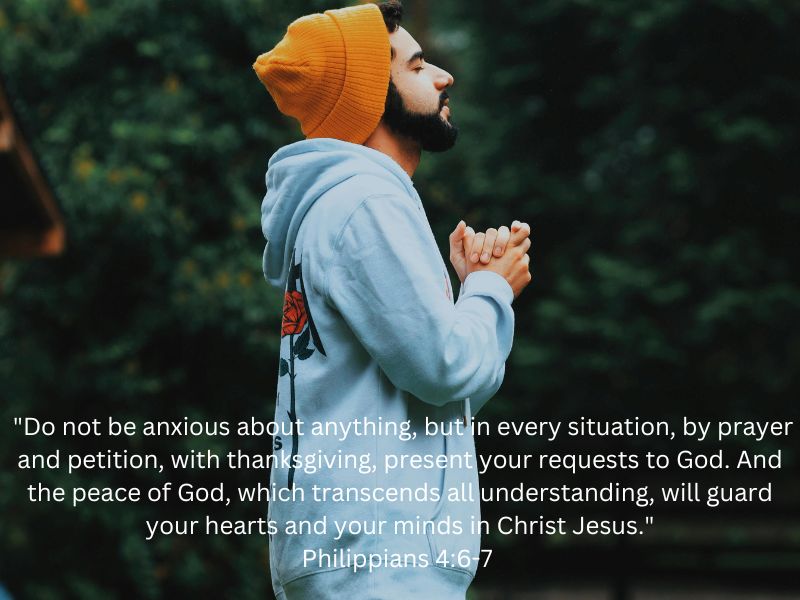
   Prayer is our lifeline to God. In moments of overwhelming emotion, we can pour out our hearts to Him. Philippians 4:6-7 reassures us: “Do not be anxious about anything, but in every situation, by prayer and petition, with thanksgiving, present your requests to God. And the peace of God, which transcends all understanding, will guard your hearts and your minds in Christ Jesus.”

   Regularly meditating on Scripture can also help. Psalm 147:3 tells us, “He heals the brokenhearted and binds up their wounds.” By anchoring ourselves in God’s promises, we allow His truth to permeate our minds and soothe our souls.

2. Wise Counsel and Therapy

   Proverbs 11:14 says, “Where there is no guidance, a people falls, but in an abundance of counselors there is safety.” Seeking wise counsel from trusted friends, pastors, or professional therapists can provide the support and strategies needed to navigate the healing process.

   Therapy can offer tools to manage triggers and develop healthier coping mechanisms. It’s not a sign of weakness but a step towards wholeness.

3. Breaking Generational Curses

   Abuse can sometimes stem from generational patterns of behavior. Recognizing this and choosing to break the cycle is vital. Exodus 20:5-6 speaks to God’s desire for us to overcome these generational sins: “I, the Lord your God, am a jealous God, punishing the children for the sin of the parents to the third and fourth generation of those who hate me, but showing love to a thousand generations of those who love me and keep my commandments.”

   By addressing these issues, we protect future generations from experiencing the same pain.

Living in Freedom

Emotional scars, if left unattended, can negatively affect our relationships, marriages, children, and friendships. The enemy wants us to believe that we are defined by our past, but Jesus offers us a new identity. In John 8:36, Jesus declares, “So if the Son sets you free, you will be free indeed.”

1. Cultivating Healthy Relationships

   Romans 12:18 advises, “If it is possible, as far as it depends on you, live at peace with everyone.” This involves forgiving those who have hurt us and seeking healthy, supportive relationships that reflect God’s love.

2. Sharing Your Story

   Revelation 12:11 reminds us of the power of our testimony: “They triumphed over him by the blood of the Lamb and by the word of their testimony.” Sharing your story can be a source of healing for yourself and others. It breaks the silence and brings light to the darkness of abuse.

3. Trusting God’s Plan

   Jeremiah 29:11 offers a promise of hope: “‘For I know the plans I have for you,’ declares the Lord, ‘plans to prosper you and not to harm you, plans to give you hope and a future.'” Trusting in God’s plan, even when the path is painful, allows us to walk in faith and confidence.

Healing emotional scars is a journey that requires time, patience, and the right resources. As believers, we have the profound assurance that God is with us every step of the way. Through prayer, wise counsel, therapy, and the support of our faith community, we can find healing and freedom from the past.

May we always remember that our scars, while they may never fully disappear, can become testimonies of God’s incredible grace and healing power. As we navigate this journey, let us cling to the promise in Isaiah 41:10: “So do not fear, for I am with you; do not be dismayed, for I am your God. I will strengthen you and help you; I will uphold you with my righteous right hand.” With God’s help, we can overcome the past and step into the abundant life He has promised us.

Don’t forget to subscribe to our podcast Thrive by The Rising Muse

Overcoming Ego for Spiritual Growth: A Christian Perspective

In the pursuit of spiritual growth, Christians often face the significant challenge of overcoming the ego. The ego, our sense of self-importance and individual identity, can be an obstacle to deeper faith and communion with God. By embracing humility and selflessness, Christians can transcend the ego, drawing closer to the divine. This blog post explores the Christian approach to overcoming ego, supported by scripture and practical steps for spiritual growth.

In Christianity, the ego represents our self-centered nature, often manifesting as pride, arrogance, and selfishness. The Bible consistently warns against these traits, highlighting the importance of humility and self-denial. Jesus’ teachings and the writings of the apostles provide clear guidance on how to manage and overcome the ego.

The Bible addresses the dangers of ego and the virtues of humility extensively. One of the most profound teachings comes from Jesus Himself:

“Whoever wants to be my disciple must deny themselves and take up their cross daily and follow me. For whoever wants to save their life will lose it, but whoever loses their life for me will save it.” – Luke 9:23-24

This passage emphasizes the need to deny the ego, symbolized by taking up the cross, to follow Christ truly. The call to self-denial is a call to let go of personal pride and selfish desires.

The apostle Paul also speaks about the importance of humility in his letters:

“Do nothing out of selfish ambition or vain conceit. Rather, in humility value others above yourselves, not looking to your own interests but each of you to the interests of the others.” – Philippians 2:3-4

Paul’s message underscores the Christian ideal of putting others first, a direct challenge to the ego-driven mindset.

The ego can impede spiritual growth in several ways:

  1. Pride: Pride leads us to believe we are self-sufficient and superior to others, diminishing our reliance on God and separating us from Him.
  2. Selfishness: An ego-centric life focuses on personal gain rather than serving others, contrary to the teachings of Christ.
  3. Resistance to Change: The ego resists humility and self-examination, hindering our willingness to grow and transform spiritually.

Practical Steps to Overcome the Ego

  1. Practice Humility: Embrace humility by recognizing that all good things come from God. Regularly remind yourself of God’s greatness and your dependence on His grace. “Humble yourselves before the Lord, and he will lift you up.” – James 4:10
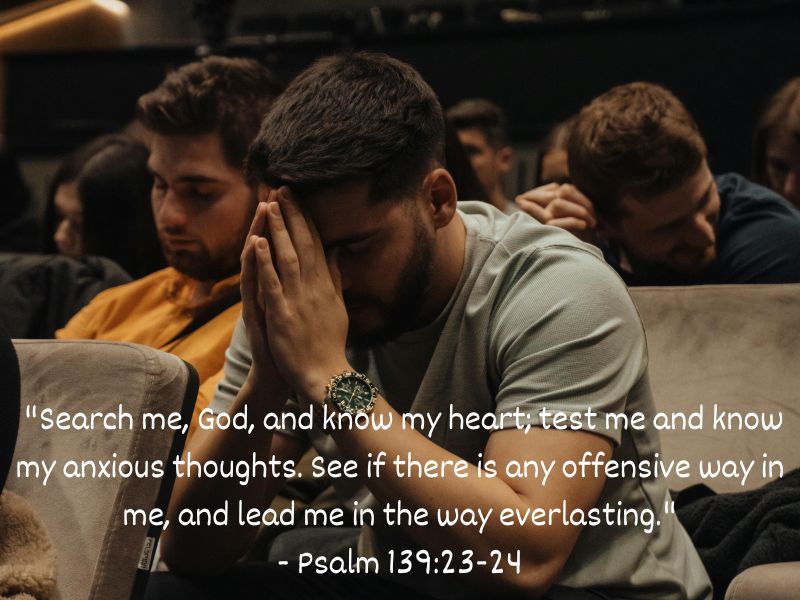
  2. Engage in Self-Reflection: Reflect on your thoughts and actions to identify where ego might be influencing you. Prayer and meditation can be powerful tools for self-examination. “Search me, God, and know my heart; test me and know my anxious thoughts. See if there is any offensive way in me, and lead me in the way everlasting.” – Psalm 139:23-24
  3. Serve Others: Actively seek opportunities to serve others. Acts of kindness and service help shift focus from self to others, aligning with Christ’s teachings. “For even the Son of Man did not come to be served, but to serve, and to give his life as a ransom for many.” – Mark 10:45
  4. Seek Forgiveness and Reconciliation: Acknowledge your faults and seek forgiveness from God and others. This practice humbles the ego and fosters spiritual growth. “Therefore confess your sins to each other and pray for each other so that you may be healed.” – James 5:16
  5. Cultivate Gratitude: Regularly express gratitude to God for His blessings. Gratitude shifts focus away from what we lack or desire, reducing the ego’s grip. “Give thanks in all circumstances; for this is God’s will for you in Christ Jesus.” – 1 Thessalonians 5:18

Overcoming the ego is essential for true spiritual growth in the Christian faith. By embracing humility, selflessness, and service, Christians can align themselves more closely with God’s will. As we surrender our ego, we open our hearts to the transformative power of God’s grace, leading to deeper spiritual fulfillment and a closer relationship with Him.

In the words of Jesus:

“Blessed are the meek, for they will inherit the earth.” – Matthew 5:5

May we all strive to overcome our egos, fostering a spirit of humility and love in our journey with Christ.

Until next time, be blessed. Don’t forget to subscribe to our channel

Navigating Multiple Sclerosis

As we commemorate World Multiple Sclerosis Day today, it’s essential to shed light on the holistic impact of this condition. Multiple Sclerosis (MS) is not just a physical ailment; it deeply affects one’s emotional and mental well-being. Today, drawing insights from Dr. Meghan Beier, a renowned rehabilitation neuropsychologist from JohnHopkins.org, we explore three prevalent mental health concerns within the framework of faith and mental resilience.

  1. Depression:
    Depression can be a silent storm brewing within the lives of those affected by MS. It’s not merely a reaction to the illness but can also stem from biological factors, such as inflammatory processes. Dr. Beier emphasizes the importance of recognizing depression as a symptom rather than solely a consequence of MS progression. This understanding enables us to approach it with compassion and targeted interventions, combining medication with cognitive behavioral therapy. As people of faith, we can find solace in knowing that even amidst our darkest moments, there’s a guiding light of hope, urging us to seek help and embrace healing.
  2. Anxiety:
    Anxiety, like a relentless shadow, often accompanies the unpredictability of MS. The fear of exacerbations and uncertainties about the future can weigh heavily on individuals and their loved ones. Yet, faith teaches us to surrender our anxieties to a higher power, trusting in a divine plan beyond our comprehension. Dr. Beier encourages proactive measures, including behavioral therapy and acceptance and commitment therapy (ACT), to empower individuals in managing anxiety. By cultivating resilience through faith-based practices, we can navigate the turbulent seas of anxiety with unwavering courage.
  3. Pseudobulbar Affect:
    Pseudobulbar affect, characterized by uncontrollable emotional expressions, adds another layer of complexity to the MS journey. Despite its challenges, seeking proper diagnosis and treatment is crucial. Here, faith offers us resilience in acceptance and a beacon of strength to face adversities head-on. While talk therapy may not directly address pseudobulbar affect, medical interventions tailored to individual needs can provide relief and restore emotional balance.


As we commemorate World MS Day, let us not only raise awareness but also extend empathy and support to those battling this condition. By addressing the intricate interplay between faith and mental health, we pave the way for holistic healing and resilience. Together, let us foster a community where individuals impacted by MS find solace, strength, and above all, unwavering hope in the journey ahead.

Until next time, be blessed

Remember to subscribe to our podcast: Thrive by The Rising Muse

Nurturing Spiritual Discernment in the Word

In a world where charismatic leaders abound, each claiming to have a direct line to God’s truth, Christians face the daunting task of discerning genuine spiritual guidance from deceptive falsehoods. Jesus Himself warned of false prophets in Matthew 7:15, saying, “Watch out for false prophets. They come to you in sheep’s clothing, but inwardly they are ferocious wolves.”

As followers of Christ, we bear a solemn responsibility to discern truth from error, and this begins with a deep commitment to studying the Word of God for ourselves. In 2 Timothy 2:15, Paul instructs Timothy, “Do your best to present yourself to God as one approved, a worker who does not need to be ashamed and who correctly handles the word of truth.” This admonition applies to all believers, emphasizing the importance of personal engagement with Scripture to guard against deception.

False prophets often possess charismatic personalities and persuasive speech, making them all the more dangerous to unsuspecting followers. However, the surest defense against such deceit lies in cultivating a robust understanding of God’s Word through diligent study and prayer. Psalm 119:105 assures us, “Your word is a lamp for my feet, a light on my path.” When we immerse ourselves in Scripture, we gain clarity and guidance that illuminate the path of righteousness and expose falsehood.

Moreover, it’s essential to surround ourselves with godly mentors and fellow believers who can offer wise counsel and accountability. Proverbs 27:17 reminds us, “As iron sharpens iron, so one person sharpens another.” By engaging in mutually edifying relationships grounded in biblical truth, we fortify ourselves against the wiles of false prophets.

However, it’s crucial to exercise caution even in seeking guidance from others. While mentors can provide valuable insights, their interpretations must align with Scripture. Acts 17:11 commends the Berean Jews for their diligence in examining the Scriptures daily to verify the teachings they received. Likewise, we must approach all teachings with discernment, testing them against the timeless truths of God’s Word.

False prophets often twist Scripture to suit their own agendas, leading unsuspecting followers astray. 2 Peter 3:16 warns of those who distort Scripture to their own destruction. Therefore, it’s imperative to maintain a firm grasp on biblical principles and sound doctrine to recognize and refute falsehoods.

In conclusion, while the prevalence of false prophets may pose a formidable challenge, Christians need not despair. By grounding ourselves in the unchanging truths of Scripture, seeking guidance from godly mentors, and exercising discernment in all things, we can navigate the tumultuous waters of spiritual deception with confidence. Let us heed the exhortation of 1 Thessalonians 5:21 to “test everything; hold fast what is good,” ensuring that our faith remains steadfast and our hearts guarded against the cunning schemes of the enemy.

Amen! and until next time, be blessed!

Remember to subscribe to our podcast: Thrive by The Rising Muse

Keeping Faith Grounded

In the realm of faith, it’s easy to find ourselves admiring and respecting those who hold positions of authority within the church. Pastors, ministers, and leaders guide us, inspire us, and often serve as examples of faith in action. However, as Christians, it’s vital to remember that these individuals, while worthy of respect, are fallible humans just like us. Placing them on pedestals risks turning admiration into idolatry and can lead to profound disappointment when they inevitably stumble.

Scripture repeatedly reminds us to keep our focus on Christ alone. In Psalm 62:5-7, David writes, “Yes, my soul, find rest in God; my hope comes from him. Truly he is my rock and my salvation; he is my fortress, I will not be shaken. My salvation and my honor depend on God; he is my mighty rock, my refuge.” Here, David underscores the unwavering reliability of God as our ultimate source of strength and salvation.

Jesus Himself warned against putting too much trust in human leaders, stating in Matthew 23:9, “And do not call anyone on earth ‘father,’ for you have one Father, and he is in heaven.” This isn’t to diminish the importance of spiritual leaders but to remind us that they are conduits, not the source, of our faith.

When individuals in positions of authority fail morally or ethically, it can shake the foundations of our faith if we’ve placed too much reliance on them. Paul addresses this in 1 Corinthians 3:4-5, where he admonishes against forming factions around human leaders, writing, “For when one says, ‘I follow Paul,’ and another, ‘I follow Apollos,’ are you not mere human beings? What, after all, is Apollos? And what is Paul? Only servants, through whom you came to believe—as the Lord has assigned to each his task.”

The danger of idolizing human leaders within the church becomes painfully apparent when scandal strikes. When a trusted pastor or revered minister falls from grace, it can cause widespread disillusionment and even drive people away from their faith. This underscores the importance of anchoring our faith firmly in Christ rather than in fallible human vessels.

Our relationship with God should never be contingent upon the actions or integrity of those who lead us. Instead, it should be grounded in a personal connection with Jesus Christ, who remains steadfast and unchanging regardless of human frailty. Hebrews 13:8 reaffirms this truth: “Jesus Christ is the same yesterday and today and forever.”

Ultimately, while we should respect and honor those in positions of authority within the church, we must always remember that they are imperfect vessels through which God works. Placing our complete trust in Christ alone guards against the pitfalls of idolatry and ensures that our faith remains steadfast, even in the face of disappointment or betrayal.

In conclusion, let us heed the words of Psalm 118:8, which declares, “It is better to take refuge in the Lord than to trust in humans.” By keeping our faith firmly rooted in Christ, we find unwavering strength, hope, and salvation that can never be shaken by the failings of mortal men.

Until next time, be blessed

Remember to subscribe to our podcast: Thrive by The Rising Muse

Discovering God in Daily Moments

Are you ready to embark on a journey of faith, family, and mental health? Join us for a captivating conversation with Emily Hill, where we delve into the depths of life’s challenges and triumphs.

Emily’s story is one of resilience and discovery. Growing up in a pastor’s home, life seemed picture-perfect until the harsh realities of adulthood hit hard. From navigating the joys and struggles of marriage to grappling with the profound loss of miscarriage, Emily shares candidly about her journey through grief, anger, and ultimately, healing.

In this episode, Emily invites us into her world, where faith intersects with the everyday moments of life. Through personal anecdotes and reflections on scripture, she reveals how she found solace and purpose in the midst of darkness, discovering the real presence of God in the mundane and momentous alike.

But the conversation doesn’t stop there. Emily shines a light on the stigma surrounding mental health in religious communities, advocating for open dialogue and acceptance. She shares her vision for faith communities to become spaces of healing and support, where individuals can find both spiritual and tangible resources for mental well-being.

And don’t forget to check out Emily’s book, “Everyday Epiphany,” a devotional that explores the presence and purpose of God in the everyday moments of life. With personal anecdotes and insights drawn from scripture, this book offers a guiding light for those seeking to deepen their faith and find meaning in the midst of life’s challenges.

Join us as we explore the thin places where the natural and spiritual worlds collide, where grief is met with grace, and where hope shines brightest in the darkest of moments. Whether you’re seeking comfort, inspiration, or simply a listening ear, this episode promises to touch your heart and uplift your spirit.

Don’t miss out on this empowering conversation with Emily Hill, as we navigate the complexities of everyday life with faith, family, and mental health as our guiding lights.

Watch the full episode by clicking here and embark on your own journey of discovery and resilience. Because in the midst of life’s challenges, there is always hope to be found.

Unveiling the Heart of Christian Homeschooling with Gina

Are you ready to delve into the enriching world of Christian homeschooling? Join us on the latest episode of Thrive by The Rising Muse as we unveil the heart of this transformative journey with our special guest, Gina Handerhan.

In this captivating conversation, Gina shares her personal experiences and insights as a Christian homeschooling mom, offering glimpses into her day-to-day life and the values that shape her family’s educational journey. From co-op presentations to the inspiration behind her upcoming book, “The House on Maple Street: A Faith and Family Book for Kids,” Gina’s story is sure to inspire and empower listeners.

But what sets Gina’s book apart? It’s more than just a story—it’s a testament to the joys and challenges of homeschooling, infused with faith, family values, and a sense of community. Through relatable characters and heartfelt narratives, “The House on Maple Street” invites readers into a world where love, learning, and faith intersect in beautiful ways.

And here’s the exciting part: Gina’s book is now available for preorder through Kickstarter! By preordering, you’ll be among the first to receive the book, along with exclusive perks and rewards. Don’t miss this opportunity to embark on a journey of faith, family, and homeschooling with Gina’s heartwarming book.

Ready to be inspired? Tune in to Thrive by The Rising Muse, now and discover the heart of Christian homeschooling with Gina. Subscribe today and join us on this empowering journey of faith and learning.

Stay tuned for more exciting updates and insights from Thrive by The Rising Muse. For this episode click here. Together, let’s thrive in faith, family, and education!