The Silent Struggle of Caregiving

Have you ever felt like you’re giving everything you have—physically, emotionally, and spiritually—only to end the day completely drained? If you’ve been a caregiver for a parent, spouse, or loved one, you know the weight of that responsibility. It’s a journey of love, sacrifice, and deep exhaustion, but one that isn’t talked about nearly enough.

In our latest episode of Thrive By the Rising Muse, we’re breaking the silence on the realities of caregiving. Naty and Veda open up about their own experiences—navigating the emotional and mental toll, the unspoken guilt, and the faith struggles that arise when exhaustion meets devotion.

This episode is for:
✔️ Those currently in a caregiving role.
✔️ Anyone who has ever felt torn between their responsibilities and their well-being.
✔️ Those wondering, “Where is God in this?” when caregiving feels overwhelming.

We’ll talk about:
✨ The emotional burden of caregiving and how to protect your mental health.
✨ The guilt caregivers often feel—and why it’s time to release it.
✨ How to keep your faith strong when exhaustion makes praying hard.
✨ Practical ways to set boundaries, ask for help, and find moments of rest.

💡 If you’ve ever felt unseen in your role as a caregiver, this episode is for you. You are not alone, and you are doing more than enough.

🎧 Listen now

Join the Conversation!

Have you been a caregiver? How did you navigate the emotional toll? Comment below or DM us—we’d love to hear your story.

Finding God in Your Setbacks: Preparation for Growth

Life often presents us with setbacks—moments when our plans unravel, our dreams seem distant, and our hearts ache with disappointment. In these challenging times, finding solace in faith can offer profound comfort and guide us toward unexpected growth. It is in these setbacks that we often find God’s hand at work, preparing us for greater things.

Embracing Setbacks as Divine Preparation

Setbacks are not merely obstacles but opportunities for spiritual transformation. They test our resilience, deepen our trust in God, and refine our character. As the apostle James wrote:

“Consider it pure joy, my brothers and sisters, whenever you face trials of many kinds, because you know that the testing of your faith produces perseverance.” (James 1:2-3, NIV)

This perspective challenges us to see setbacks not as moments of despair but as chances to strengthen our faith and endurance. God uses these trials to prepare us for His purpose, shaping us into vessels capable of carrying His light in the darkest of times.

Trusting in God’s Sovereignty

Amid setbacks, it is natural to question God’s plan. Yet, Scripture reassures us of His sovereignty and unwavering love:

“For I know the plans I have for you,” declares the Lord, “plans to prosper you and not to harm you, plans to give you hope and a future.” (Jeremiah 29:11, NIV)

Even when our circumstances seem bleak, trusting in God’s promises allows us to find peace and hope. His plans for us transcend our understanding, guiding us toward growth and fulfillment beyond our present struggles.

Seeking Spiritual Growth Through Adversity

Every setback offers an invitation to deepen our relationship with God. It is through adversity that we discover His strength within us:

“But he said to me, ‘My grace is sufficient for you, for my power is made perfect in weakness.’ Therefore I will boast all the more gladly about my weaknesses, so that Christ’s power may rest on me.” (2 Corinthians 12:9, NIV)

In moments of weakness, God’s grace sustains us, empowering us to overcome challenges and emerge stronger in faith. These experiences mold us into vessels of His grace, equipped to share His love with others who may be walking through similar trials.

Finding Purpose in Pain

While setbacks may seem senseless, God works all things for our good:

“And we know that in all things God works for the good of those who love him, who have been called according to his purpose.” (Romans 8:28, NIV)

Even in our deepest pain, God is at work, crafting beauty from ashes and preparing us for His divine purpose. Our setbacks become part of a greater narrative of redemption and restoration, showcasing God’s faithfulness through every trial.

Conclusion

Finding God in your setbacks is not about denying pain or dismissing challenges. It is a journey of faith where we learn to trust in His timing, His wisdom, and His unfailing love. As we navigate life’s uncertainties, let us embrace setbacks as opportunities for spiritual growth, knowing that through them, God prepares us to shine His light and love in a world that desperately needs it.

“And the God of all grace, who called you to his eternal glory in Christ, after you have suffered a little while, will himself restore you and make you strong, firm and steadfast.” (1 Peter 5:10, NIV)

In every setback, may you find the seeds of growth, the presence of God, and the promise of His enduring grace.

Unlocking the Secrets of OCD with Author Marin Canaday

In our latest episode of Thrive by The Rising Muse, we dive into an eye-opening conversation with Marin Canaday—an author, national volleyball champion, and someone who’s bravely battled OCD (Obsessive Compulsive Disorder) since childhood. Marin shares the deeply personal journey that led her to write My Little Monster, a children’s book that creatively illustrates the struggles of living with OCD through the metaphor of a “little monster.”

But this isn’t just any monster story—it’s a powerful exploration of the invisible battles that many face daily. Marin opens up about how her OCD shaped her identity, from her childhood experiences of compulsively confessing small mistakes to her adult struggles with terrifying obsessive thoughts. Yet, her story is one of hope, resilience, and the importance of seeking professional help.

In this episode, we explore key questions:

  • How did Marin’s OCD influence her life as a student and athlete?
  • What role does faith play in navigating mental health challenges?
  • Why is professional support crucial when managing OCD, and how can it make a difference?

Marin’s vulnerability and strength shine through as she discusses how she continues to manage her OCD and the vital role that both therapy and faith have played in her healing process. This is more than a story about overcoming OCD—it’s a testament to the power of resilience and finding purpose even in our darkest moments.

If you’ve ever felt overwhelmed by anxiety, mental health challenges, or simply want to better understand the struggles of those with OCD, this episode is a must-listen. Marin’s journey is a reminder that while we all have our own “little monsters,” they don’t have to control our lives.

Marin Canaday grew up with obsessive-compulsive disorder from early childhood. However, she was
not formally diagnosed with OCD until her adult years. She found studying and sports helped her cope
with her OCD as a child. In adulthood, she continued to struggle with her anxiety disorder but had to
find new ways to cope as her athletic career and days of studying were behind her. Today, Marin writes
in her free time. She is the author of My Little Monster and The Very Best Me, children’s picture books
that describe her struggle with OCD. She writes to encourage children struggling with anxiety
disorder. To connect with Marin go to her website.

Tune in to hear Marin’s incredible story and learn how you, too, can face your own monsters with strength, faith, and the right support.


Catch the full episode on Thrive by The Rising Muse and discover how Marin Canaday is helping others take control of their mental health—one monster at a time.

Stay connected:

Overcoming Depression & Anxiety: The Best Strategies for Thriving

Understanding Depression & Anxiety

Depression and anxiety are challenges that many face, affecting not just our minds and emotions but our spiritual health as well. For Christians, these struggles can be particularly difficult as they may feel guilt or shame for experiencing them. However, it’s important to remember that even the most faithful individuals can encounter these trials. The Bible is full of stories of people who faced deep despair yet found hope and strength in God.

In this post, we’ll explore effective strategies for overcoming depression and anxiety, rooted in Biblical teachings and practical wisdom. By grounding ourselves in faith and making positive changes in our daily lives, we can not only overcome these challenges but thrive despite them.

Grounding Yourself in God’s Promises

One of the most powerful ways to combat depression and anxiety is by immersing yourself in God’s promises. The Bible is rich with verses that remind us of God’s unwavering love, presence, and strength. For instance, Psalm 34:18 tells us, “The Lord is close to the brokenhearted and saves those who are crushed in spirit.” This verse reassures us that God is near, especially when we feel most vulnerable.

Similarly, Philippians 4:6-7 encourages us not to be anxious about anything, but in every situation, by prayer and petition, with thanksgiving, present our requests to God. It goes on to promise that “the peace of God, which transcends all understanding, will guard your hearts and your minds in Christ Jesus.” By regularly reading and meditating on these scriptures, you can fortify your mind against the negative thoughts that fuel anxiety and depression.

Isaiah 41:10 also offers comfort: “So do not fear, for I am with you; do not be dismayed, for I am your God. I will strengthen you and help you; I will uphold you with my righteous right hand.” When feelings of despair or worry creep in, these verses serve as powerful reminders of God’s enduring support and protection.

The Power of Prayer and Meditation

Prayer is a direct line to God, offering a way to unburden our hearts and minds. In times of anxiety or depression, prayer can be a refuge where we lay our concerns at God’s feet, trusting Him to take care of us. 1 Peter 5:7 urges us to “Cast all your anxiety on him because he cares for you.” This act of casting our cares upon the Lord can bring immense relief, knowing that we are not meant to carry these burdens alone.

In addition to prayer, Christian meditation—focusing on God’s word and His presence—can help calm a restless mind. Regular meditation on scriptures, coupled with deep, reflective prayer, can help anchor your thoughts and emotions, leading to greater peace and clarity. Consider setting aside a few minutes each day to meditate on a verse that speaks to your current struggles and let God’s truth wash over you.

Community and Support: You’re Not Alone

It’s easy to feel isolated when battling depression and anxiety, but the truth is, you are not alone. The Christian community is a vital source of support and encouragement. Hebrews 10:24-25 reminds us to “consider how we may spur one another on toward love and good deeds, not giving up meeting together, as some are in the habit of doing, but encouraging one another.” Whether through church, small groups, or Christian counseling, connecting with others who share your faith can provide much-needed support.

Don’t hesitate to reach out to trusted friends, pastors, or counselors when you need help. Sharing your struggles with others can lighten the load and open the door to healing. Remember, there is no shame in seeking help; it is a sign of strength and wisdom to lean on your community during tough times.

Practical Lifestyle Changes for Mental Health

While spiritual practices are crucial, practical lifestyle changes can also play a significant role in managing depression and anxiety. Our bodies are temples of the Holy Spirit (1 Corinthians 6:19-20), and taking care of them is an act of stewardship. Regular physical activity, a balanced diet, and sufficient sleep can significantly impact your mental and emotional health. Exercise, for example, releases endorphins, which are natural mood lifters. Eating nutritious foods can fuel your body and mind, helping you feel more energetic and focused.

Making time for rest and relaxation is equally important. Chronic stress and lack of sleep can exacerbate symptoms of depression and anxiety. By honoring your body’s need for rest, you are better equipped to face life’s challenges with a clear mind and a resilient spirit.

Trusting God’s Plan and Finding Purpose

Finally, trusting in God’s plan is essential when navigating the difficulties of depression and anxiety. Jeremiah 29:11 offers a hopeful reminder: “For I know the plans I have for you,” declares the Lord, “plans to prosper you and not to harm you, plans to give you hope and a future.” Even when life feels overwhelming, God’s plan for you is one of hope and purpose.

Romans 8:28 further assures us that “in all things God works for the good of those who love him, who have been called according to his purpose.” By seeking and pursuing the purpose God has for your life, you can find a deeper sense of meaning and fulfillment, which can be a powerful antidote to feelings of despair.

Conclusion: A Journey of Faith and Healing

Overcoming depression and anxiety is a journey, one that requires faith, action, and support. By grounding yourself in God’s promises, maintaining a strong prayer life, seeking community, and making healthy lifestyle choices, you can not only manage these challenges but thrive despite them. Remember, you are never alone in your struggles—God is with you, and so is your Christian community. As you take steps towards healing, may you find peace, hope, and a renewed sense of purpose in Christ.

Breaking Chains: Faith, Art, and Mental Health Advocacy

Are you ready to be inspired by a story that will touch your heart and uplift your spirit? In our latest episode of Thrive by the Rising Muse, we had the immense pleasure of sitting down with Kimberly Morrow, an extraordinary woman whose journey of faith, resilience, and creativity is nothing short of remarkable.

Kimberly, also known as Chosen Arts, is not just an independent artist, but a motivational speaker, inspirational rap artist, and pastor. Her passion for helping others break free from their chains and rise above their challenges is palpable in every word she shares. But what truly makes Kimberly’s story compelling is her authenticity and the raw truth she brings to the table. She speaks candidly about her life’s ups and downs, the rollercoaster of her faith journey, and how the scriptures became a lifeline that brought her peace and strength during the darkest times.

In this episode, Kimberly opens up about her childhood, sharing touching memories of her grandmother who first introduced her to church, a place that became her sanctuary. She also delves into the complexities of managing multiple roles—mother, wife, artist, and pastor—and the importance of prioritizing self-care to maintain balance and avoid burnout.

One of the most moving parts of the conversation is when Kimberly discusses her journey through mental health struggles and how her faith and music played a crucial role in her healing. Through her platform, she advocates for mental health awareness, encouraging others to seek help and speak out about their struggles. Her story is a powerful reminder that you are not alone, and that with faith and perseverance, you can overcome any obstacle.

But Kimberly’s influence doesn’t stop at music and ministry. Her creativity also shines through her visual art, which she uses to give back to her community. With the proceeds from her paintings, she supports those in need, embodying the true spirit of service and love.

If you’re looking for a story that will inspire you to keep pushing forward, no matter the challenges, then this episode is a must-listen. Kimberly’s words are a testament to the power of faith and the incredible strength that comes from trusting in God’s plan.

Don’t miss out on this uplifting and empowering conversation. There’s a little surprise within the episode. Don’t miss it! Tune in to Thrive by the Rising Muse now and let Kimberly Morrow’s story inspire you to discover the beauty within yourself and the strength to face any storm.

To follow Kimberly on social media:

Facebook

Instagram

YouTube

To listen to this episode click here:

The Parable about Parables

By John Avery

(Context: Matthew 13:1-23. Parallels: Mark 4:1-20; Luke 8:4-15.)
Story time was over. The keel of the fishing boat ground into the gravel along the shore,
and the men stopped rowing. Jesus climbed over the side and paddled to the beach. As He
and the disciples gathered their gear and prepared to go back to the house to rest, one of
the disciples raised the question they had all been too shy to ask until the crowd
dispersed.
“Why do you speak to them in parables?”

I think we get stuck in the Parable of the Soils. 1 What I mean is that we spend so much
time trying to decipher the analogies and apply them to our lives that we miss the core of
what Jesus said. This is one of Jesus’ most important teachings because it answers the
disciples’ question, “Why do you speak to them in parables?” Jesus’ answer is the key to
hearing the voice of God and therefore the key to spiritual growth.
So, why did Jesus use parables? At first, His explanation seems cryptic:
Jesus answered them, “To you it has been granted to know the mysteries of the kingdom of
heaven, but to them it has not been granted. . . . Therefore I speak to them in parables; because
while seeing they do not see, and while hearing they do not hear, nor do they understand. . . . But
blessed are your eyes, because they see; and your ears, because they hear. (Matthew 13:11, 13,
16)
Every crowd listening to Jesus’ teaching contains two types of people; those who have
functioning spiritual ears and eyes, and those who do not. Ears receptive to sound waves
and eyes able to resolve light patterns are not enough. Spiritual sight and hearing happen
when the heart understands, the mind perceives, and lives return to a healthy relationship
with God (Matt. 13:14-15). The disciples were spiritually receptive; they could grasp the
mysteries of the kingdom of God and change to live the kingdom lifestyle. Jesus used
parables to see which people were in which group. The Parable of the Soils illustrates this
essential lesson.
Every parable and truth about the King and His kingdom acts in the same way. Like a
seed, it tests the soil of the heart. Many people hear God speaking directly to them, or
through His followers, but only superficially. The truth is quickly snatched away from
hard hearts. Difficult times, when temptation or opposition comes, shrivel it. Distractions
steal all time and energy, hindering application. Only hearts that are like soft, deep, clean
soil will apply the truth in such a way that life changes. Each time that Jesus concludes
with the phrase, “He who has ears to hear, let him hear,” He means the ears of the will.
So, next time God drops a seed of truth into your life, will your will nurture it to fruition?

John Avery

Author of The Sparks Series. Collections of short meaty devotional/Bible Studies.

Becoming Like Jesus: How to Think and Live Like Jesus Christ (February, 2024).

The Questions of Jesus: Questions Asked by Jesus, Questions People Asked Him (October, 2022).

The Kingdom of God: Our Life with Jesus the King (March, 2023).

And

The Name Quest: Explore the Names of God to Grow in Faith and Get To Know Him Better (Morgan James Publishing, 2015).

www.NamesForGod.net/name-quest

www.BibleMaturity.com

Building Spiritual Discernment: A Guide for Believers

Spiritual discernment is a vital aspect of the Christian life. It is the ability to distinguish between truth and error, right and wrong, good and evil, and God’s will from our own desires. As believers, we are called to develop and nurture this gift to navigate the complexities of life with wisdom and clarity. This blog post will explore what spiritual discernment is, why it’s essential, and how we can cultivate it through Scripture and practical steps.

What is Spiritual Discernment?

Spiritual discernment is the process of making careful distinctions in our thinking about truth. It involves understanding God’s Word and recognizing His voice amidst the noise of the world. It’s not just about making the right decisions but also about understanding the spiritual realities behind those decisions.

The Bible speaks to the importance of discernment in Hebrews 5:14, which tells us that “solid food is for the mature, who by constant use have trained themselves to distinguish good from evil.” This verse highlights that discernment is a skill developed through practice and spiritual maturity. Similarly, 1 John 4:1 urges believers to “test the spirits to see whether they are from God, because many false prophets have gone out into the world.” This caution reminds us that not everything we encounter is from God, making discernment essential for our spiritual journey.

The Importance of Spiritual Discernment

In a world filled with conflicting messages, half-truths, and outright lies, spiritual discernment helps believers stay grounded in the truth. It protects us from deception, guides us in making decisions that align with God’s will, and enables us to grow in our relationship with Him.

Proverbs 3:5-6 provides foundational advice for discernment: “Trust in the Lord with all your heart and lean not on your own understanding; in all your ways submit to him, and he will make your paths straight.” This passage encourages us to rely on God rather than our own limited understanding, a key aspect of developing discernment. Furthermore, Philippians 1:9-10 underscores the importance of discernment in spiritual growth: “And this is my prayer: that your love may abound more and more in knowledge and depth of insight, so that you may be able to discern what is best and may be pure and blameless for the day of Christ.” Here, discernment is linked directly to spiritual maturity and purity, showing its value in our walk with Christ.

How to Build Spiritual Discernment

Building spiritual discernment is an ongoing process that requires commitment, prayer, and engagement with Scripture. Here are some practical steps to help you develop this essential skill:

  1. Study the Word of God Regularly
    The Bible is the ultimate source of truth, and regular study equips us with the knowledge and wisdom needed to discern rightly. As 2 Timothy 3:16-17 states, “All Scripture is God-breathed and is useful for teaching, rebuking, correcting and training in righteousness, so that the servant of God may be thoroughly equipped for every good work.” Immersing ourselves in Scripture helps us discern what is true and good.
  2. Pray for Discernment
    God promises to give wisdom to those who ask. James 1:5 reassures us of this promise: “If any of you lacks wisdom, you should ask God, who gives generously to all without finding fault, and it will be given to you.” Praying for discernment is crucial in seeking His guidance in all situations.
  3. Test the Spirits
    Not every thought, teaching, or impression is from God. It is important to test everything against the truth of Scripture. 1 Thessalonians 5:21 advises us to “test everything; hold on to what is good.” By doing so, we can avoid deception and stay aligned with God’s will.
  4. Seek Godly Counsel
    Surround yourself with mature believers who can provide wise counsel and help you grow in discernment. Proverbs 11:14 emphasizes the importance of godly counsel: “Where there is no guidance, a people falls, but in an abundance of counselors there is safety.” Seeking advice from those who are spiritually mature can provide clarity and direction.
  5. Live a Spirit-Led Life
    Walking in the Spirit daily ensures that we are sensitive to His leading and can discern His voice in our lives. Galatians 5:16 encourages us to “walk by the Spirit, and you will not gratify the desires of the flesh.” A Spirit-led life keeps us in tune with God’s will, helping us discern what is right.

Conclusion

Spiritual discernment is more than just a useful skill; it is a necessary part of the Christian life. In a world filled with distractions and deceptions, the ability to discern truth from error is invaluable. By studying Scripture, praying, seeking godly counsel, and living a Spirit-led life, we can develop and strengthen this gift. Let us commit to growing in spiritual discernment so that we may walk wisely and faithfully in all areas of life.

As Proverbs 2:3-5 beautifully sums up, “Indeed, if you call out for insight and cry aloud for understanding, and if you look for it as for silver and search for it as for hidden treasure, then you will understand the fear of the Lord and find the knowledge of God.” Let us seek discernment as we would a precious treasure, knowing that it will lead us closer to God and His truth.

Where Is Your Faith?

In recent years, there has been a noticeable shift as many people choose to leave their churches or distance themselves from their faith. This trend often stems from negative experiences within their religious communities or deep disappointment in religious leaders who have been found guilty of despicable acts. These situations beg a crucial question: where is your faith placed? Is it in God or in the fallible humans who lead religious congregations?

It’s essential to acknowledge that religious leaders, despite their higher calling, are still human beings. They possess the same weaknesses and capacity for wrongdoing as anyone else. The Bible reminds us in Psalm 118:8, “It is better to take refuge in the Lord than to trust in humans.” This verse emphasizes that placing our faith solely in human beings is fraught with risks. Humans can fail, disappoint, and lead us astray, but God remains constant and unchanging.

When a religious leader falls from grace, the impact on their congregation can be profound. Feelings of betrayal and disillusionment are natural. However, it is critical to remember that these leaders are not the foundation of our faith. Jeremiah 17:5-7 states, “Thus says the Lord: ‘Cursed is the man who trusts in man and makes flesh his strength, whose heart turns away from the Lord. Blessed is the man who trusts in the Lord, whose trust is the Lord.’” These verses highlight the dangers of placing our ultimate trust in people rather than in God.

The Bible consistently directs us to place our faith in God, not in humans. Hebrews 12:2 advises, “fixing our eyes on Jesus, the pioneer and perfecter of faith.” This guidance is crucial, particularly in times of disappointment and disillusionment. When our faith is firmly rooted in God, we can withstand the storms that arise from human failure and sin.

It is beneficial for each of us to reflect on the foundation of our faith. Are we more invested in the personalities and actions of our religious leaders than in God Himself? Matthew 7:24-27 tells the parable of the wise and foolish builders, emphasizing the importance of building our spiritual foundation on the solid rock of God’s teachings rather than on the shifting sands of human behavior.

For those feeling disheartened by the actions of others within their religious community, take heart. Use this opportunity to refocus and realign your faith. Galatians 6:9 encourages us, “And let us not grow weary of doing good, for in due season we will reap, if we do not give up.” Persistence in faith, despite human failings, will ultimately lead to spiritual growth and fulfillment.

As we navigate the complexities of faith within religious communities, it is vital to continually examine our hearts and ensure that our faith remains anchored in God. Reflect on where your faith is placed and recognize when it may have been affected by misplaced trust. By keeping our eyes fixed on God, we can find strength, resilience, and true peace, even amidst human imperfections.

In the end, let us remember the words of Proverbs 3:5-6: “Trust in the Lord with all your heart, and do not lean on your own understanding. In all your ways acknowledge him, and he will make straight your paths.” This scripture is a timeless reminder to trust in God above all else and to find our security and direction in Him alone.

Until next time, stay blessed.

Remember to check out our Youtube Channel

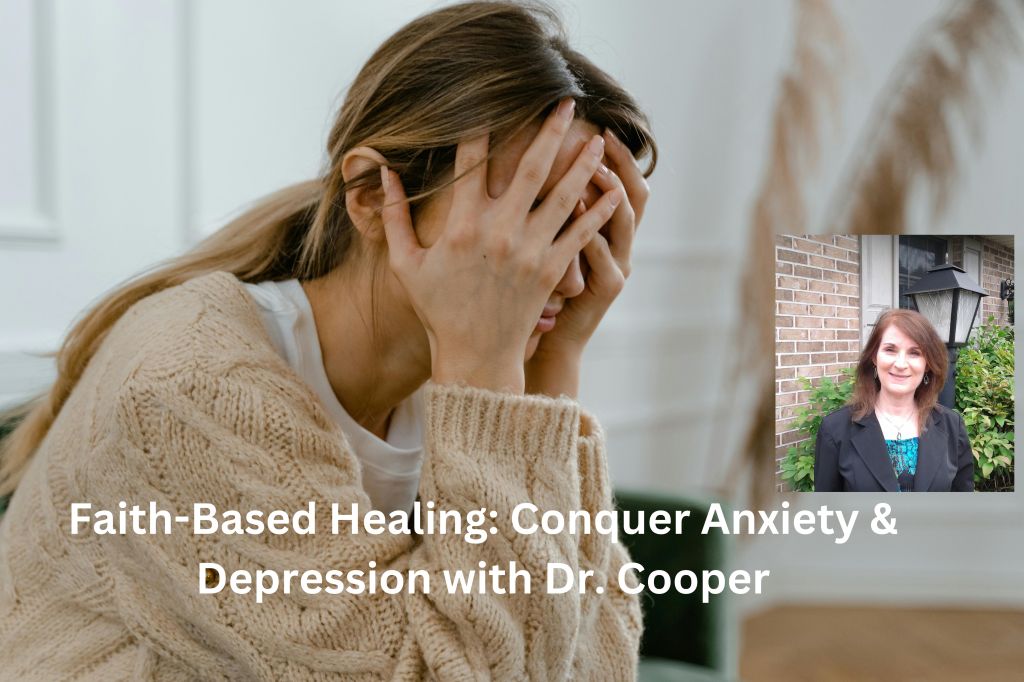
Faith-Based Solutions for Anxiety and Depression by Dr. Toni Cooper

Are you ready to embark on a journey of healing and transformation? In our latest episode of Thrive by The Rising Muse, we are joined by the inspiring Dr. Toni Cooper, a renowned psychologist, author, and public speaker. With decades of experience in the fields of anxiety, depression, and dysfunctional family dynamics, Dr. Cooper shares her profound insights on coping strategies and how to deepen our connection to God.

Embrace Faith, Family, and Mental Health

In this episode, our hosts, Naty and Veda, delve into meaningful conversations that matter. They explore the intersection of faith, family, and mental health, offering wisdom and guidance to help you live a life fully alive. Dr. Cooper’s expertise and compassionate approach make this episode a must-listen for anyone seeking to overcome emotional and mental hurdles.

Key Topics Discussed:

  • The Inspiration Behind Dr. Cooper’s Work: Discover what inspired Dr. Cooper to focus on anxiety, depression, and adult survivors of dysfunctional families in her book and podcast.
  • Understanding Learned Helplessness: Learn about the concept of learned helplessness and how recognizing it can benefit you.
  • Practical Coping Strategies: Get practical tips for managing emotions, especially during challenging times.
  • Dealing with Toxic Guilt: Understand the origins of toxic guilt and how to release it while embracing forgiveness.
  • The Role of Faith: Explore how one’s view of God impacts their ability to draw on their faith, particularly in times of crisis.
  • Overcoming Mental Health Stigma: Gain insights on how to overcome the stigma surrounding mental health and encourage those in need to seek help.

Why You Should Listen

Dr. Cooper’s work is truly inspirational. She combines her professional expertise with a deep understanding of faith to offer strategies that are both practical and spiritually enriching. Whether you are personally struggling with mental health issues or looking to support a loved one, this episode provides valuable tools and encouragement.

Listen Now

Tune in to Thrive by The Rising Muse to hear this enlightening conversation. Subscribe to our podcast, share it with your friends and family, and leave us a review. Your support helps us reach more people who can benefit from these conversations.

Remember, you’re not alone on this journey. Embrace your faith, cherish your family, and take care of your mental health. Together, we can thrive.

If you’re in a crisis, please call 988. If someone you love is in a crisis, call 911 or take them to the nearest emergency room. Don’t forget to check out Dr. Cooper’s resources. Stay strong, and until next time, don’t forget to thrive!

About Toni Cooper

Dr. Toni Cooper is a psychologist, author, and public speaker. Since 1986, she has been teaching adults the strategies to grow emotionally, build healthy relationships, heal from trauma, and experience God at a deeper level. Toni’s mission is to help people find the courage, confidence, and comfort they need through a deeper bond with Jesus Christ.
She has served as a college instructor, retreat and conference speaker, and teacher of continuing
education for mental health professionals. For many years, Toni helped train medical students as
an adjunct assistant professor at the Northeast Ohio Universities College of Medicine. She is a
frequent guest on local radio discussing topics related to coping with life’s challenges.
In 2019, Toni felt led to “go digital” with her message to help people become Fully Alive in Christ.

At that time, she started a YouTube channel to help people develop practical coping strategies from
a Biblical perspective.
In 2021, the Lord prompted Dr. Cooper to start a podcast, “Life Without Baggage”. The purpose
of the podcast is to help people understand how to deepen their connection to the Lord and break
through emotional baggage to walk out their destiny.

The Lord has given Dr. Cooper 7 books that help people hear the voice of the Lord, correct distortions in their thinking, build confidence in how to study the Bible, and break into the blessings of God.
Dr. Cooper is in private practice at WellSpring Counseling Center in Uniontown, Ohio. In her free
time Toni enjoys pickle ball, hiking, and ballroom dancing.


Follow Us:

Check Out Dr. Toni Cooper:

Stay tuned for more episodes and remember, you are always supported on your journey to mental and spiritual wellness.

I Refuse To Let Bipolar Disorder Control My Life with Angie Clayton

In our latest episode of Thrive by The Rising Muse, we dive deep into the powerful and uplifting story of Angie Clayton, a remarkable woman who has navigated the tumultuous waters of bipolar disorder to emerge as a beacon of hope and advocacy. This episode is a must-listen for anyone seeking inspiration, practical advice, and a fresh perspective on mental health.

Angie’s journey from the depths of depression and a challenging bipolar diagnosis to becoming an influential voice in mental health advocacy is nothing short of awe-inspiring. Her book, Peering into the Tunnel: An Outsider’s Look into Grief, not only provides practical tips for helping others through grief but also reflects her deeply personal struggles and triumphs.

In this candid interview, Angie opens up about her early experiences with mental health challenges and the pivotal moment that led her to seek professional help. She discusses the transformative impact of medication, the vital role of faith in her journey, and how she overcame the stigma surrounding mental health within her community. Angie’s insights are both enlightening and empowering, offering listeners practical advice and hope.

One of the key themes of this episode is the significant stigma that still surrounds mental health, especially in certain communities. We explore ways to break down these barriers and encourage open, supportive conversations about mental health. Angie’s story is a testament to the power of vulnerability and the importance of seeking help.

This episode is more than just a story; it’s a call to action. Whether you’re struggling with your own mental health, supporting a loved one, or simply interested in understanding more about these issues, Angie’s story offers valuable lessons and hope.

About Angie

Angie Clayton is an author, speaker and blogger who has a passion for ministering to the grieving.
Some of her writing reflects those experiences. She is a storyteller, and her blog, Framing the Days,
is rich with diversity. She has a ministry of presence, and spends much time with grieving women.
Her blog shares with you the joys and beauty of both the mountain tops and the valleys of her life.
Her book, “Peering into the Tunnel: An Outsider’s Look into Grief,” is a collection of real stories,
as well as helpful suggestions for how to come alongside someone who is grieving.
Angie has been married to Greg for over three decades. They live in the Kansas City area and have 2
grown children and four grandchildren. Angie is “Nini” to them, and she loves spending time with
them.

To connect with Angie:

Website: angieclayton.net
Email: angie@angieclayton.net
Facebook: @framingthedays

Tune In and Thrive

Don’t miss this compelling episode of Thrive by The Rising Muse. Subscribe to our podcast on your favorite platform, leave us a review, and join our community on social media for more content on faith, family, and mental health. Follow us on Instagram, TikTok, Threads , and on YouTube.

Take the First Step Today

If you or someone you know is experiencing a mental health crisis, don’t hesitate to seek help. Call 988 for immediate assistance or 911 in case of an emergency. Remember, taking care of your mental health is a sign of strength, and there is always help available.

Join us as we continue to explore the intersections of faith, family, and mental health, and remember—no matter what challenges you face, don’t forget to thrive.

Stay tuned, stay strong, and let’s thrive together!