Gratitude for My Faith: A Personal Testimony

Hello, dear readers! I am excited to share with you a significant milestone in my faith journey that happened just this weekend. It’s a story filled with faith, transformation, and the grace of Jesus’ salvation. Through this personal narrative, I’ll take you on a journey through my varied experiences with different churches, all of which have played a unique role in shaping my faith.

In the Beginning

I was born into a Catholic household, and from a very young age, I was immersed in the traditions of the Catholic Church. I was baptized as a baby and took part in my first communion during my third-grade years. Middle school led me to a Catholic school, and as part of my graduation requirement, I went through the sacrament of confirmation. My days were filled with mandatory retreats, Sunday masses, and active participation in the youth group.

During this time, I had a superficial understanding of salvation, believing that merely attending church and professing faith in Jesus was enough to secure a place in heaven. Little did I know that a deeper spiritual awakening awaited me.

My perspective on faith took a significant turn when I turned 18 and attended a retreat. It was there that a leader guided me to the altar, and I was asked if I accepted Jesus as my Lord and Savior. I said yes, more out of fear of saying no to God than true understanding. I later spoke with a priest, admitting that I didn’t quite grasp the significance of my declaration. He assured me that it would take time to fully process.

A New Start

In a neighboring town, there was a Catholic church that had a unique flavor. While still connected to the Vatican, they called themselves Catholic Charismatics. Their mass was like what I was used to, but their sermons went deeper into the scriptures. This church introduced me to a new desire for reading the Bible and a more frequent attendance at services. I also began to learn about the gifts of the Holy Spirit and the baptism of the Holy Ghost.

The pivotal moment in my faith journey occurred during a revival event under a tent. On the final day, there was an altar call, and I found myself running to the front, shouting, and crying, “I surrender!” On that day, I consciously gave my life to Jesus, accepting Him as my Lord and Savior.

I don’t remember how long after, at this church, there was a renewal of our baptism ceremony. It was a ceremony where we were asked if we rejected all the works of the enemy and accepted Jesus, and they pour water over our heads. I was happy about that ceremony because I was not a child. This had been my decision to be rebaptized.

My then husband and I started an outreach ministry within that church. We did all kinds of activities that are not worth mentioning. But life is never a straightforward path, and my marriage took an unexpected turn, we got divorced.  Although I was not excommunicated or officially ousted from the church, I knew that divorce was regarded as a sin, and I chose to step away from the church.  For some time, I was away from the church, but I knew that seed was planted, and I needed to get back home.

New Location and Finding Home

In 2006, after moving thousands of miles, I joined a new church, and it was during a presentation of a play named “Final Destination” in 2008 that I rededicated my life to Christ. I felt truly “born again” but questions of my baptism started lingering in my mind.

 I grew tremendously at this new home. I learned a lot about myself. I was able to heal a lot of past wounds and find a new community. But most journeys are not linear and this one hasn’t been one either.
As one does, something happened in the church that I didn’t agree with and I didn’t leave, I would say I paused attending. I researched other churches, but nothing felt right. I knew in my heart where my home was, but I can be hardheaded.  Then the pandemic hit, and it gave me an excuse to stay away.  But then the little man showed up. Him being the fulfillment of my biggest prayer and God’s perfect gift. I knew my home church was precisely that, HOME. It was time to come home. First, because I was grateful for God keeping me through all that time, second for giving me what I had desired the most and finally because I wanted to give this child the best spiritual upbringing I could.  

As I returned, I witnessed others getting baptized, and the question of the validity of my previous baptisms came back and it kept weighing on me. I always wondered if my baptism “counted”. First, I was baptized as a baby, and then yes kind of later as an adult, but there’s the whole dogmatic conversation between sprinkling vs submersions. I was never submerged which is what my church practice. Now, nobody ever asked me if I was baptized and if they had I would have said yes. That choice of baptism that I did as an adult counted for me. But that was at a Catholic church. And yes, Catholics are Christians, but protestant churches make a distinction. Yes, I knew Jesus is not Catholic or Lutheran or Baptist, but it was tormenting me the question, did my baptism count?

A Fresh Start Through Baptism

I must admit that I gave these thoughts more power than they needed to. For years, yes years, I kept looking at those participating in baptism feeling like I was missing out and did nothing about it.

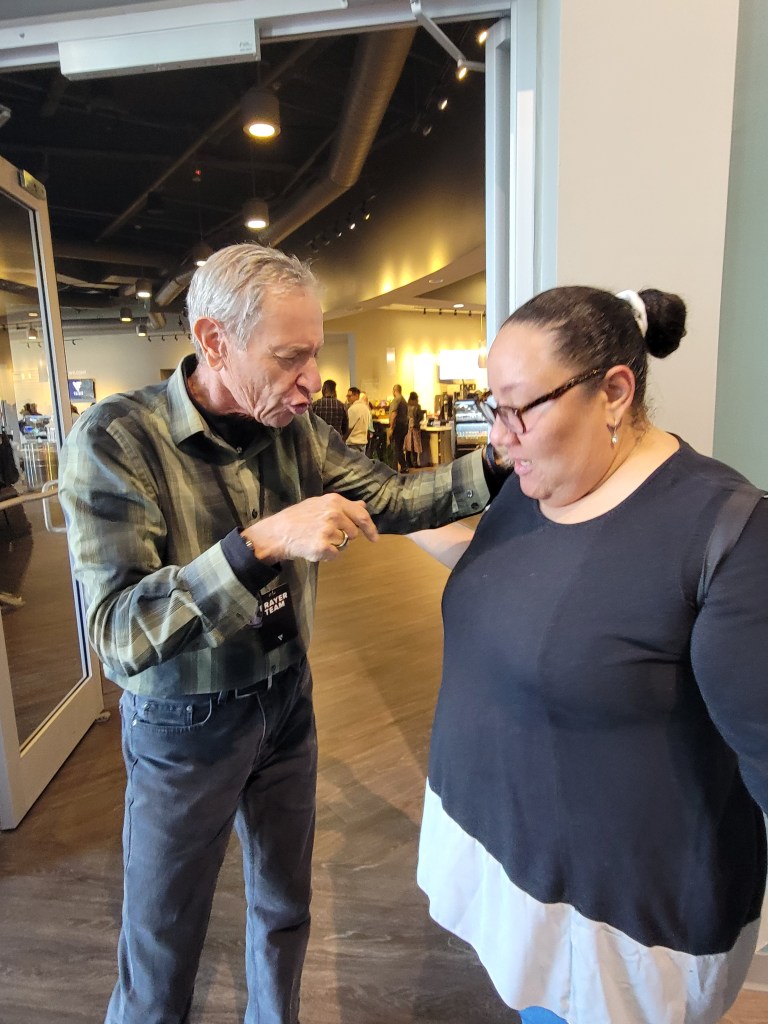
During yesterday’s service, the pastor announced an impromptu opportunity for baptism. I hesitated. He then said that service was ending early, so having another commitment was not an excuse. I didn’t have a commitment, but I was still in my seat. Then he said, if you have not registered, no problem we register you now. I didn’t move. Then he said, if you didn’t bring a change of clothes, we have a change of clothes for you as well. Don’t worry about the size, we have it.  I hesitated no more. I left my seat and joined the others. I was baptized, and as I stood in the water, I knew that I had cast away all doubts. This act of faith was a declaration that I was “all in.”

Gratitude for the Journey

Today, I am filled with gratitude for my journey of faith. Each chapter, from my Catholic roots to charismatic experiences and recommitting to my faith, has been instrumental in shaping my relationship with God. My baptism is no longer a question mark but a symbol of my unwavering faith.

I share this story not to criticize any church but to inspire you to reflect on your own faith journey. May you find peace in knowing that God is not a God of confusion, and through faith, you can overcome any doubt. My journey is a testament to His grace, love, and mercy, and I hope it encourages you to embrace your own faith with renewed enthusiasm and conviction.
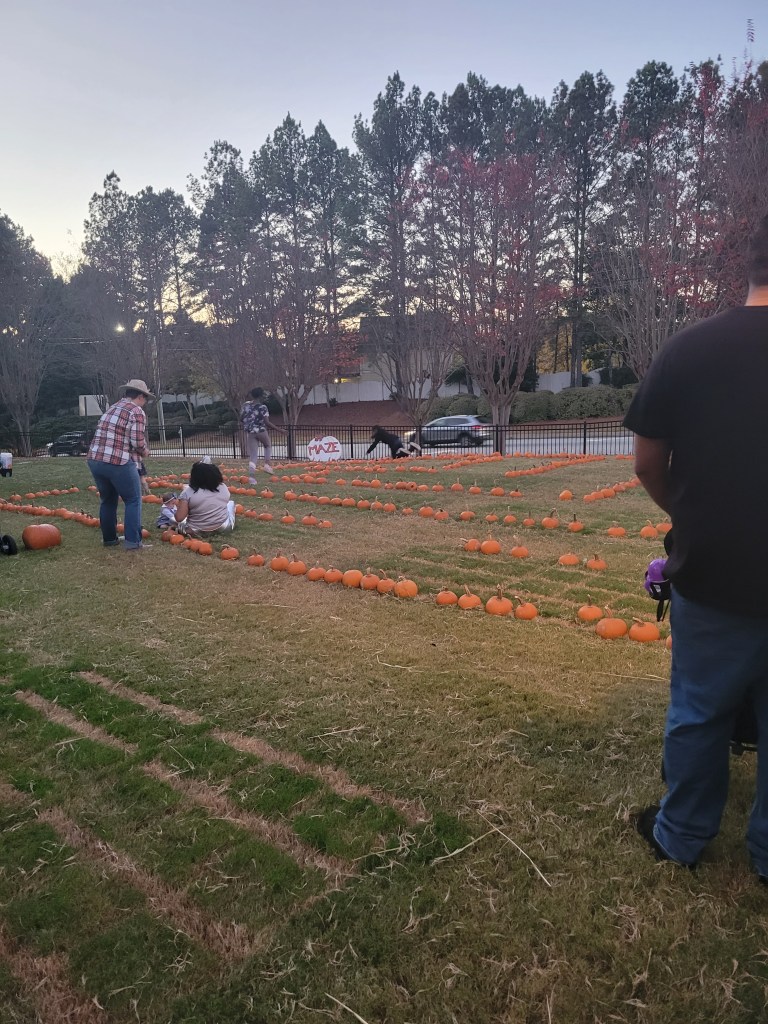
Halloween: Unmasking the Spooky History and Personal Perspectives

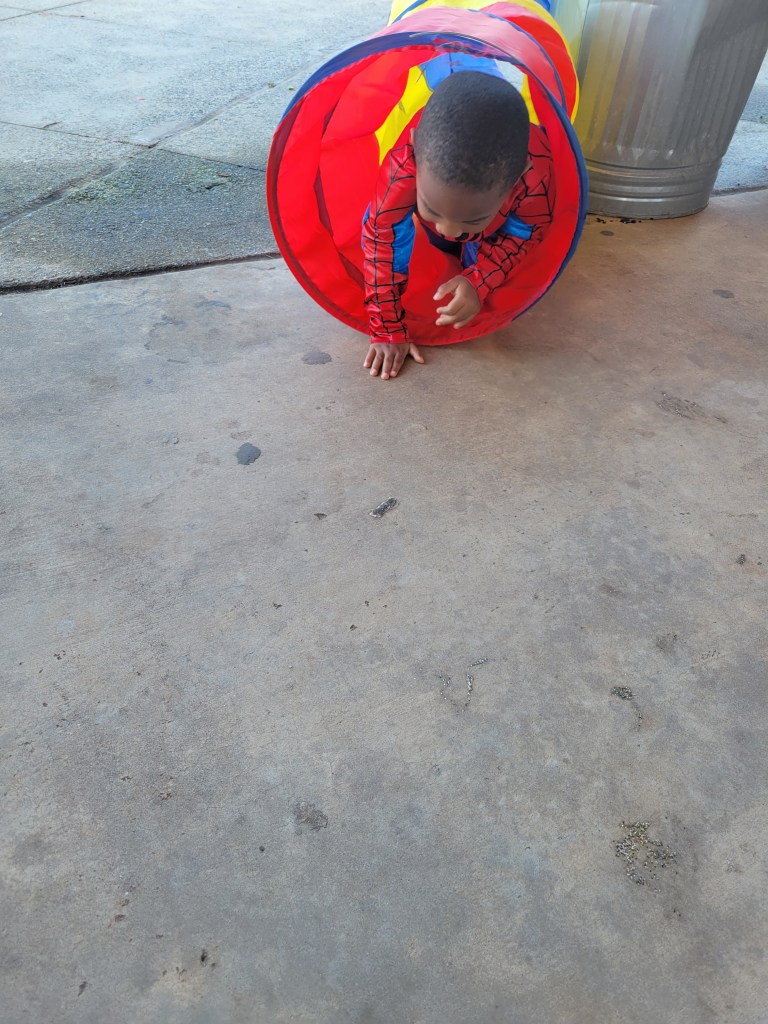
After a month filled with serious discussions on topics like breast cancer and domestic violence, we thought it was time to end October on a lighter note. So, grab your favorite costume and join me as we dive into the mysterious world of Halloween, a holiday that’s all about fun, frights, and frolics. But first, a little personal anecdote to set the tone – while I may not be the most enthusiastic Halloween celebrant, my life took a spooky turn when the baby now toddler entered the picture. He was already adorable in everything he wore, imagine him in costume. Now that he’s a little older and cognizant of his surroundings; He has decided to be Spiderman this year, with me as his trusty sidekick, the spider. How could I say no to those adorable eyes? Happy Halloween, indeed!

The History of Halloween:

Halloween, celebrated on the eve of October 31st, has a rich history that stretches back over 2,000 years. Its roots can be traced to the ancient Celtic festival of Samhain, a celebration marking the end of the harvest season and the onset of the dark, chilly winter. Legend has it that on this night, the veil between the living and the dead grows thin, allowing spirits to roam the Earth.

To deter these wandering spirits, people would dress up in costumes made from animal hides and light bonfires. Over time, these customs evolved into the Halloween we know today, with its iconic trick-or-treating, carved pumpkins (Jack-o’-lanterns), and eerie decorations.

Religious Perspectives:

When it comes to religious views on Halloween, opinions are as diverse as the costumes at a costume party. Some religious groups, particularly fundamentalist Christians, view Halloween as a celebration of evil and the occult. They see it as a holiday that promotes witchcraft, demons, and everything they consider unholy. As a response, various alternatives like “Harvest Festivals” or “Fall Festivals” have emerged, emphasizing fun and games without the spooky or supernatural elements. It’s interesting to note that even churches host “trunk or treat” events, inviting people to their services and engaging with the community. We attended some of those events this weekend ourselves.

In my own spiritual journey, I’ve experienced Halloween from various angles. In my childhood, our household was enthusiastic about Halloween, with my mom helping neighbors of all ages get into costume. As a young adult, I was part of a church group that organized alternative activities for children, like dressing up as biblical characters and sharing stories while enjoying candy. But, as I grew older and without kids of my own, I distanced myself from holiday celebrations. Everything changed when my child entered the picture. His excitement for Halloween, especially for trick-or-treating, was contagious. Even though my views haven’t drastically changed, I now embrace the fun side of Halloween, focusing on positive costumes and candy delights.

The Flexibility of Halloween for Families:

Like many parents, I find myself navigating the fine line between honoring my child’s enthusiasm for Halloween and my own reservations. When you have a young child more interested in candy and cool costumes than the deeper symbolism of the holiday, it’s hard not to get swept up in the festive spirit.

This year, my toddler is going to be Spiderman, and I’ve reluctantly agreed to be his spider. Halloween has become an opportunity for us to bond and create lasting memories. For young children, it’s a chance to exercise their creativity and imagination, and for parents, it’s a time to marvel at the innocence and wonder in their children’s eyes.

As parents, we can ensure that our little ones understand the importance of positive costumes and responsible behavior while enjoying the candy-filled delights of the season. After all, Halloween is a time for families to come together and make cherished memories, even for those of us who are not die-hard Halloween enthusiasts.

In conclusion, Halloween is a holiday with deep historical roots and a wide range of interpretations, especially when it comes to religion. While some religious perspectives view it as problematic, many others see it as an opportunity for community, creativity, and connection. As we prepare to celebrate this fun and spooky holiday, let’s remember to keep the focus on the positive aspects and enjoy the magic of the season with our loved ones. So, whether you’re dressing up as a spider or something even more spine-chilling, let’s have a happy and safe Halloween!

Cultivating Inner Peace for Global Harmony: The International Day of Peace

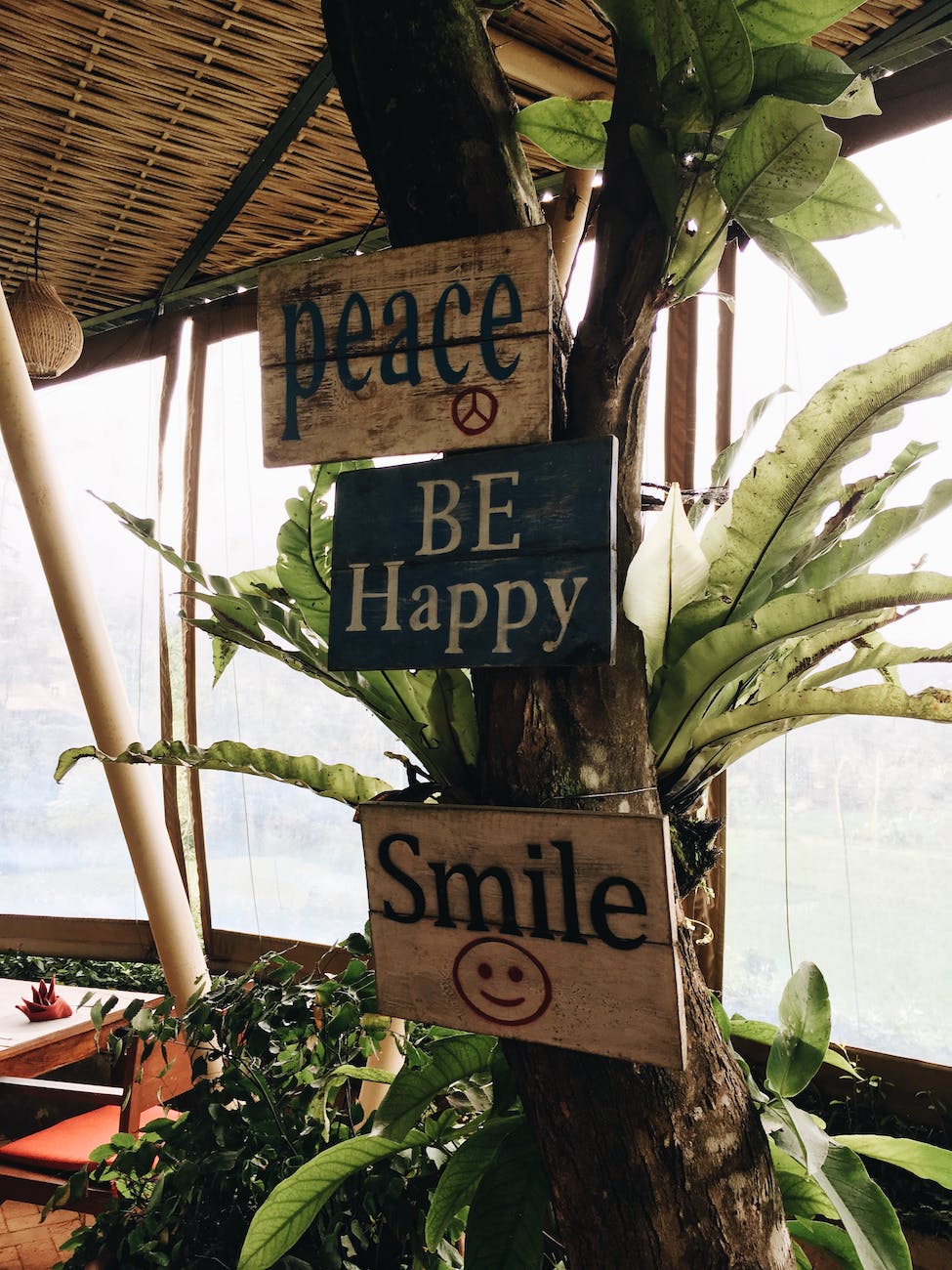
The International Day of Peace, observed on September 21st each year, provides an opportunity for people around the world to reflect on the importance of peace in our lives, communities, and the world at large. While the pursuit of global peace is a noble endeavor, it often begins with a simple yet profound realization: to promote peace on a global scale, we must first find peace within ourselves.

In the quest for inner peace, we can find solace and strength in our faith and connection with God. This serves as a guiding light on our journey towards peace. Our faith can offer a profound sense of purpose, comfort, and resilience in the face of life’s challenges. It reminds us that, regardless of our individual paths, tapping our faith can be a source of profound inner peace and a guiding force in our efforts to promote global harmony.

Inner peace, often described as a state of calm, tranquility, and emotional stability, is a fundamental aspect of our overall well-being. It is the cornerstone upon which we can build a peaceful and harmonious world. But how do we cultivate inner peace in a world filled with turmoil, stress, and uncertainty?

Self-awareness: The Journey Begins Within

The path to inner peace begins with self-awareness. It involves taking a close look at our thoughts, emotions, and reactions. By understanding ourselves better, we can identify the sources of our inner turmoil and work toward resolving them. Self-awareness enables us to choose our responses consciously rather than reacting impulsively to external stimuli.

Prayer, Mindfulness and Meditation

Practices like prayer, mindfulness and meditation are powerful tools for nurturing inner peace. These practices encourage us to live in the present moment, to let go of worries about the past and future, and to find tranquility within ourselves. Regular meditation can help reduce stress, anxiety, and promote emotional balance.

Philippians 4:6-7 (NIV):

“Do not be anxious about anything, but in every situation, by prayer and petition, with thanksgiving, present your requests to God. And the peace of God, which transcends all understanding, will guard your hearts and your minds in Christ Jesus.”

Gratitude and Positivity

Cultivating inner peace involves focusing on the positive aspects of life. Gratitude exercises can help shift our perspective from what’s lacking to what we have. By acknowledging the good in our lives, we can cultivate a more peaceful and contented mindset.

Colossians 3:15 (NIV):

“Let the peace of Christ rule in your hearts, since as members of one body you were called to peace. And be thankful.

Forgiveness

Holding onto grudges and resentments can be a major obstacle to inner peace. Learning to forgive ourselves and others is essential. Forgiveness doesn’t mean condoning hurtful actions, but it does free us from the burden of anger and resentment, allowing us to move forward with greater inner peace.

Compassion and Empathy

Empathy and compassion are key to fostering inner peace. When we extend kindness and understanding to ourselves and others, we create an environment of acceptance and harmony. By recognizing our shared humanity, we build connections that transcend boundaries and promote global peace.

The Ripple Effect of Inner Peace

As individuals cultivate inner peace, a profound ripple effect begins to take place. People who are at peace with themselves are more likely to promote peace in their families, communities, and societies. It is through these collective efforts that global peace becomes attainable.

On the International Day of Peace, let us remember that the journey to global harmony begins within each of us. By cultivating inner peace through self-awareness, mindfulness, gratitude, forgiveness, compassion, and conflict resolution skills, we contribute to a more peaceful world. As Mahatma Gandhi famously said, “You must be the change you want to see in the world.” So, let us be the embodiment of peace, and together, we can create a world where peace is not just a dream but a reality.

John 14:27 (NIV):

“Peace, I leave with you; my peace I give you. I do not give to you as the world gives. Do not let your hearts be troubled and do not be afraid.”

Cultivating Inner Peace:

Photo by Maria Gulyaeva on Pexels.com

As we approach the International Day of Peace on September 21st, it’s a reminder that true peace begins within ourselves. While the quest for world peace is admirable, it finds its roots in the Christian faith through the peace that surpasses all understanding. In this blog post, we will explore the significance of inner peace from a Christian perspective, its connection to the International Day of Peace, and practical steps to foster tranquility within.

Inner peace, is more than just a state of calm; it is a reflection of a deep and abiding faith in God’s love and providence. It is rooted in the knowledge that God is in control and that His peace can fill our hearts, even in the midst of life’s storms.

The International Day of Peace, observed annually on September 21st, calls us to reflect on the peace that Christ offers and to share it with the world. As Christians, we understand that peace on a global scale is intricately linked to our individual pursuit of inner peace in Christ.

Why Inner Peace Matters

  1. Spiritual Well-being: Inner peace nurtures our spiritual well-being, allowing us to draw closer to God and experience His presence.
  2. Relationships as a Ministry: We can use our inner peace to be better ministers to those around us, demonstrating the love and peace of Christ through our actions.
  3. Conflict Resolution: A peaceful heart equips us to resolve conflicts with grace and humility, following the example of Jesus.
  4. Global Impact: Collectively, as Christians who embody the peace of Christ, we can influence our communities and nations for the better.

Practical Steps to Cultivate Inner Peace

  1. Prayer and Scripture: Spend time daily in prayer and studying the Scriptures to deepen your faith and understanding of God’s peace.
  2. Forgiveness: Practice forgiveness as Christ forgave us, releasing grudges and seeking reconciliation.
  3. Service and Acts of Love: Serve others with love and humility, following the example of Jesus washing His disciples’ feet.
  4. Trust in God’s Plan: Trust in God’s plan, even when facing uncertainties, knowing that He works all things for good.
  5. Community and Fellowship: Engage in community and fellowship for support and spiritual growth.

This International Day of Peace, let us remember that true peace, the peace that surpasses all understanding, begins with Christ within us. By cultivating inner peace through our faith, we can share the peace of Christ with a world in need. As Christians, we are called to be ambassadors of God’s peace, leading the way towards a world where His peace reigns supreme. Start with your relationship with Christ, and together, we can bring His peace to the forefront of our lives and the world.

Embracing Life’s Inevitable Changes

Change is an inevitable part of life. From the shifting seasons to personal growth, change surrounds us at all times. While some people may readily embrace change, others, like me, prefer to maintain a sense of order and stability in our lives. In this blog post, we’ll explore the concept of change and adaptability from a personal perspective and then delve into how the Bible offers guidance on embracing change as an essential aspect of our human journey.

I’m someone who thrives on planning and organization. My daily schedule and agenda are usually arranged to ensure maximum efficiency and productivity. However, I’ve come to accept that no matter how much I plan, change is bound to happen. It’s not always easy for me to welcome disruptions, especially when they interfere with activities I’m passionate about or deeply invested in.

The way change affects us is often proportional to how much the planned activities mean to us. If the tasks for the day are trivial or easily rescheduled, I don’t mind adapting to the change. In fact, it can sometimes be a welcome relief. On the other hand, when change disrupts something I was eagerly looking forward to, it can be a real challenge. Internally, it takes me some time to adapt and find a sense of equilibrium.

The Bible offers valuable insights on the inevitability of change and how we can navigate it with grace and faith.

Photo by SHVETS production on Pexels.com
  1. Ecclesiastes 3:1-8 – A Time for Everything:
    “To everything, there is a season, and a time to every purpose under the heaven…” (Ecclesiastes 3:1, KJV). This passage reminds us that change is a natural part of life, and there is a purpose for every season we go through.
  2. Isaiah 43:19 – God Makes a Way:
    “Behold, I will do a new thing; now it shall spring forth; shall ye not know it? I will even make a way in the wilderness and rivers in the desert” (Isaiah 43:19, KJV). This verse emphasizes that God is with us in times of change, guiding us through uncharted territories.
  3. Romans 8:28 – All Things Work Together:
    “And we know that all things work together for good to them that love God, to them who are the called according to his purpose” (Romans 8:28, KJV). Even in the midst of change and uncertainty, we can trust that God is working everything out for our good.
  4. Proverbs 3:5-6 – Trust in the Lord:
    “Trust in the Lord with all thine heart; and lean not unto thine understanding. In all thy ways acknowledge him, and he shall direct thy paths” (Proverbs 3:5-6, KJV). This verse reminds us to place our trust in God when facing changes and uncertainties.

Change is a constant in life, and while it may be challenging, it also offers opportunities for growth, learning, and deeper faith. By understanding that change is a natural part of our journey and by embracing the guidance provided by the Bible, we can navigate life’s inevitable changes with resilience and a sense of purpose. Remember, even in the midst of change, God is with us, leading us toward a brighter and more fulfilling future.

Until Next Time, Be Blessed

The Power of Words: Spreading Love, Not Fear

In our journey as ambassadors of Christ, we often find ourselves in situations where our words hold immense power. We’ve all been there, uttering statements in the heat of the moment that we later regret. But as representatives of Christ, it is our duty to ensure that our words are guided by the spirit, not dominated by the flesh.

One concerning trend we see today is people telling others that they are destined for hell simply because of a difference in opinion or belief. It’s essential to recognize that no human possesses the authority to determine another person’s eternal fate. When we pass such judgment, we are essentially laying stumbling blocks on our own path.

The reality is, none of us can fully comprehend another person’s journey with Christ. Rather than assuming that our unkind words will act as a wake-up call, we should consider the potential harm they may inflict on someone’s spiritual path. Feeling judged and shamed by others is not our role as followers of Christ; it’s the Holy Spirit’s job to guide us when we stray.

Some individuals might hide behind the notion of “telling the truth in love.” However, it’s crucial to scrutinize our motives when sharing our beliefs. Are we genuinely concerned for the other person’s soul, or are we seeking to feel superior to them? Are our words driven by love or condemnation? Examining our hearts for our true intentions is essential.

As Christians, our primary calling is to spread the good news of Christ. Threatening someone with the prospect of hell is not good news. Our words and actions can either draw people closer to Christ or push them away from the gospel. It’s disheartening to hear non-believers say, “If being like you is what it means to be a Christian, I’d rather go to hell.” Such a statement should serve as a wake-up call, a reminder that we may not be reflecting Jesus as we are called to do.

We must remember that the core message of Christianity is one of love, redemption, and salvation. It’s about extending a hand of grace, not casting stones of judgment. Our role as ambassadors of Christ is to demonstrate love, compassion, and understanding to those around us, regardless of their beliefs or opinions.

In conclusion, let us strive to be vigilant in ensuring that our words and actions align with the teachings of Christ. We must refrain from pronouncing judgment upon others and instead focus on spreading the message of love, hope, and redemption. After all, our purpose is to bring people to Christ, not repel them from the gospel. In this way, we can reflect Jesus in the way He has called us to, shining His light and love in a world that desperately needs it.

My book, The Road Home, speaks about how sometimes we forget where we came from once we start our journey with Christ and forget to extend grace to others.

Until next time, Be Blessed

Finding Life Balance

After looking into the things that deplete us in our post yesterday, I wanted to talk about finding balance in life. From a Christian perspective, the pursuit of balance is not merely a secular concept but also a spiritual imperative. The Bible offers valuable guidance on how to find equilibrium in our lives while remaining true to our faith.

Prioritizing Faith and Relationship with God

Photo by nappy on Pexels.com

At the core of Christian living is the relationship between individuals and God. Finding balance begins by prioritizing your faith and nurturing your connection with the Creator. Regular prayer, reading of Scripture, and participation in spiritual practices such as attending church services, fellowship with other believers, and worship can help you establish a strong foundation.

Proverbs 3:5-6 (NIV) reminds us: “Trust in the Lord with all your heart and lean not on your own understanding; in all your ways submit to him, and he will make your paths straight.” This verse emphasizes the importance of relying on God for guidance in every aspect of our lives, which is crucial in achieving balance.

Balancing Work and Rest

In our modern world, work often consumes a significant portion of our time and energy. While it’s essential to work diligently, Christians are also encouraged to find a balance by observing the Sabbath, a day of rest, reflection, and worship. The Sabbath is a reminder of God’s command to rest, as He rested on the seventh day of creation.

Exodus 20:8-10 (NIV) states: “Remember the Sabbath day by keeping it holy. Six days you shall labor and do all your work, but the seventh day is a sabbath to the Lord your God.” By setting aside a day for rest, we honor God’s design for our well-being and remind ourselves that life is not solely about work and achievement.

Cultivating Healthy Relationships

Photo by fauxels on Pexels.com

Balancing our relationships with family, friends, and the broader community is another crucial aspect of Christian life. The Bible emphasizes the importance of love, forgiveness, and compassion in our interactions with others. In doing so, we maintain harmony in our relationships and reduce the stress that can arise from conflicts and misunderstandings.

Colossians 3:13-14 (NIV) instructs us: “Bear with each other and forgive one another if any of you has a grievance against someone. Forgive as the Lord forgave you. And over all these virtues put on love, which binds them all together in perfect unity.” These verses emphasize the need for forgiveness and love as foundational principles for maintaining healthy relationships.

Pursuing Physical and Mental Well-being

Taking care of our physical and mental health is essential in achieving balance. Our bodies are temples of the Holy Spirit (1 Corinthians 6:19-20), and we are called to steward them well. This means maintaining a balanced diet, engaging in regular exercise, and seeking mental and emotional well-being through prayer, meditation, and seeking professional help when needed.

Finding balance in life from a Christian perspective involves prioritizing faith, work, rest, relationships, and self-care. By following the guidance of the Bible and drawing strength from our relationship with God, we can navigate life’s challenges while maintaining a sense of equilibrium. Remember that balance is not about achieving perfection but about seeking God’s guidance and living in alignment with His will as we journey through this earthly life.

I found this program, that could help you find balance in your life. If this is something that you’re struggling with, I invite you to check it out, by clicking on the banner below.

As always, be blessed.

The Weight of Lethargy: How It Affects Our Spiritual Life

In our fast-paced world, where the demands of daily life often leave us drained and depleted, it’s not uncommon to experience bouts of lethargy. Lethargy, defined as a state of tiredness or lack of energy, can have a profound impact on various aspects of our lives, including our physical and emotional well-being. However, one aspect that is often overlooked is its effect on our spiritual life. We will explore how lethargy can affect our spiritual journey and offer strategies to combat its negative influence.

The Connection Between Lethargy and Spirituality

Photo by Maria Geller on Pexels.com
  1. Hindered Meditation and Reflection Lethargy can hinder our ability to engage in meditation and reflection, two essential practices for nurturing our spiritual selves. When we lack energy and motivation, it becomes challenging to sit quietly, clear our minds, and connect with our inner selves. Our minds may wander aimlessly, making it difficult to find inner peace and spiritual insight.
  2. Weakened Sense of Purpose Spirituality often revolves around a sense of purpose and meaning in life. Lethargy can dull this sense, leaving us feeling adrift and disconnected from our spiritual path. When we lack energy, it’s easy to become complacent and lose sight of our spiritual goals, leading to a sense of spiritual stagnation.
  3. Reduced Empathy and Compassion A vibrant spiritual life often involves feelings of empathy and compassion toward others. Lethargy, however, can make us more self-centered and less inclined to reach out and help those in need. This can weaken our connection to our fellow human beings and hinder our spiritual growth.

Strategies to Combat Lethargy and Nourish the Spirit

  1. Prioritize Self-Care To counter the effects of lethargy on our spiritual life, we must prioritize self-care. This includes getting enough sleep, maintaining a balanced diet, and engaging in regular physical activity. Taking care of our physical well-being can provide the energy and vitality needed for spiritual practices. Always remember that taking care of ourselves is not selfishness, we can’t take care of others until we take care of ourselves.
  2. Establish a Routine Creating a daily routine that includes time for prayer, bible reading and meditation can help us overcome lethargy. Consistency is key in maintaining a strong spiritual connection, and a routine can provide the structure needed to stay on track.
  3. Seek Inspiration Engage in activities that inspire and uplift your spirit. Reading spiritual texts, attending church services or events, or spending time with like-minded individuals can provide motivation and counter the effects of lethargy.
  4. Practice Gratitude Cultivating a sense of gratitude for the small blessings in life can help shift our focus away from lethargy and toward a more positive outlook. Gratitude practices can open our hearts and nurture our spiritual well-being.

Lethargy is a common challenge in our modern lives, and its effects on our spiritual well-being should not be underestimated. However, by recognizing the connection between lethargy and spirituality and taking proactive steps to combat it, we can nourish our spirit and continue on our spiritual journey with renewed energy and purpose. Through self-care, routine, inspiration, gratitude, and mindfulness, we can transcend the weight of lethargy and experience the profound benefits of a vibrant spiritual life.

Be blessed!

Labor of love

Have you ever thought, how no matter what job you have you’re doing a service onto others?

On a day like this we honor those that are contributing to society. The reality is that there are many ways to provide that contribution. We only think of work or labor as a typical job, but there are many unsung heroes who give time, energy, and effort to our society.

Photo by Anna Shvets on Pexels.com

No matter what cog in the machine you play. If you work taking phone calls, lifting boxes in a warehouse, raising children at home, or volunteering your time for others you are providing labor to our society; and with your labor and sacrifice you are bringing value.

As a person of faith, I think every act of labor is an act of worship. If you believe in a higher power, you should consider even the most mundane task to be an offering. It’s hard to see sometimes, but it should feel our hearts with gratitude when we get the opportunity to serve. In one way or another we’re all serving.

The bible tells us on Colossians 3:23 (“Whatever you do, work heartily, as for the Lord and not for men”)

When we look at our labor as a sacrifice of love for those who we serve and those whom we love, the burden gets lighter. We understand that our actions have a higher purpose than the report we’re writing, the food we’re cooking or the floor we’re cleaning.

Today we celebrate the fruits of our labor. The hard work we have been entrusted and the reward beyond finances that a well-done job does to our soul.

Happy Labor Day!

A moment at a time

Are you having a rough day today? I know we’re all going through something. Don’t allow anyone to minimize how you feel. Yes, sometimes looking around and realizing that there’s people around us whose misfortune looks a lot more severe helps us put our problems in perspective. That doesn’t make your problems any less real or important.

Phrases like:

Photo by Wallace Chuck on Pexels.com

Those words, even if you believe them, do not bring immediate comfort to your anxiety. You think, how can I see that it will be ok, when I can’t get past right now. The great thing about faith and history is that they can reframe our anxiety.

Stop to think, when have you been in a similar situation and how it was resolved. Did God come through for you? I’m sure he did. Because even when the answer to your prayer may have been “No”, with time you have come to realize that it was best for you. Faith is the ability to trust what we don’t see. Are you able?

Amid storms, it’s hard some time to step out of the boat and walk on water. It’s sometimes even hard to breathe.

Let me tell you a story of something that happened to me some years ago. I honestly can’t remember why I was anxious that day. I had a lot going on, but I do know how I got through that day and made it.

There’s a portion of the extended serenity prayer that says: “Living one day at a time, enjoying one moment at a time”. That day I focused on that verse. I remember I was on my way to work when I became overwhelmed with anxiety due to whatever circumstances I was dealing with. I told myself that there was nothing I could do while sitting in my car. I decided to focus on driving.

Photo by Aayush Srivastava on Pexels.com

It was the morning rush, so you can imagine the amount of traffic I was facing. Sometimes when my anxiety levels are very high, I can’t even listen to music; any noise annoys me. In other occasions, is the opposite, I start playing music and sing very loud. I don’t care if I’m ridiculously dancing. It gets the anxiety kicked out.  This particular morning was one of those where noises were not part of the plan. Focusing on traffic was not going to help, but there was nowhere to go. So, I focused on my surroundings.

How many times have you driven down a road without noticing things? We’re going so far and focused on our destination that we miss a lot of what’s around us. That day I saw businesses that I didn’t know where on my commute. I noticed trees and trash on the highway. I wondered, how and when that trash would be picked up? By the time I made it to work, I hadn’t resolved a thing, but I could think more clearly. I have also gained insight into things I hadn’t noticed before.

So, if you’re having the kind of day where you can’t get past the next five minutes, DONT.  Don’t think about what is going to happen five minutes from now. Focus on what’s immediately in front of you. After that, focus on what’s immediately in front of you at that time. Do tasks one at a time. You may think that you’re slowing down, but the reality is that you’re accomplishing something that you were not doing at all, while paralyzed with anxiety. 

Take a breath, what haven’t you noticed around you. It may or may not have the answer to your problem, but it could give you a new perspective.

Photo by Jean van der Meulen on Pexels.com

Want to share with us your moment of stress or ways in which you have battled your own moments of anxiety. Feel free to comment below.

If you want to do so privately, feel free to email me at @therisingmuse

Blessings!

Sponsor