The Real Meaning of Parent Appreciation Day

#ParentAppreciationDay isn’t just about celebrating moms and dads in the traditional sense. The truth is, parenting doesn’t always come with a biological tie or a legal document. Families come in all shapes and sizes—and so do parents. Sometimes it’s an aunt, a grandparent, a mentor, a foster parent, or even a neighbor who steps in and shows up. Day after day. Meal after meal. Homework after homework. Cry after cry.

The person who carries the heart of a parent is the one who provides love, guidance, and sacrifice when it’s needed most. That’s what we’re honoring today.

You Don’t Get It—Until You’re In It

As a parent myself, I can tell you—nothing prepares you for the role until you’re living it. No book. No advice. No amount of observation. Parenting reshapes you. It stretches your capacity to love, to give, to protect, and to forgive.

I didn’t truly appreciate my mother until I became a parent. I had my child later in life, just like she had me later in hers. Growing up, I didn’t realize the depth of her sacrifices. She worked night shifts, came home, fed her husband and daughter, and still managed to handle a toddler—me—on little to no sleep.

Now, as I chase after my own toddler after a full night’s rest, I wonder how she did it. The exhaustion is real. But so is the love.

The Protective Lens of a Parent

When I was younger, I used to think my mother was overprotective—always worrying, always guarding. Now I get it. Parenthood awakens a fierce instinct to protect. You begin to see dangers your child can’t. You think ahead. You sacrifice without thinking twice. It’s not paranoia. It’s love through the eyes of responsibility.

“As a mother comforts her child, so will I comfort you…”
— Isaiah 66:13

That protective spirit isn’t weakness or control. It’s the very heartbeat of parenting.

If You’re a Parent Today…

Take a moment to honor the journey. Whether you’re co-parenting, single-parenting, step-parenting, or playing a parental role in someone’s life, you are seen.

If your own parents are still around, tell them thank you. Let them know you now understand some of the weight they carried. Say the words you may not have had before.

If you’re not a parent yet and have held onto resentment or a misunderstanding, perhaps it’s time to look at your parents through a new lens. Parenting is hard. Sometimes, people do the best they can with what they have, and that doesn’t always align with what we need.

Forgiveness isn’t always about them. It’s about freeing yourself.

To every parent doing the work—seen or unseen, biological or not—we honor you today. Your love, your presence, and your sacrifices matter. You are raising the next generation with courage, and that’s worth celebrating.

“Honor your father and your mother, so that you may live long in the land the Lord your God is giving you.”
— Exodus 20:12

What If They Were Unhealthy?

Let’s be honest—some parents weren’t safe. Some were absent. Some were deeply broken themselves. And if reconnecting isn’t possible or wise, that’s okay. But if you can, choose to release bitterness. Let God take the pain and replace it with peace.

“Be kind and compassionate to one another, forgiving each other, just as in Christ God forgave you.”
— Ephesians 4:32

You Are Appreciated

If no one has told you today, we at The Rising Muse appreciate you. You are not alone in this journey.

🙏 Have a blessed Parent Appreciation Day. 🙌

🎧 Want to hear more real talk and inspiration? Tune in to our podcast, The Rising Muse, where we dive into the heart of parenting, healing, and purpose. Available wherever you listen to podcasts.


Trusting God or Telling Him What to Do? A Heart Check for Believers

We say we trust God. We quote Proverbs 3:5–6:
“Trust in the Lord with all your heart and lean not on your own understanding; in all your ways acknowledge him, and he will make your paths straight.”
But if we’re honest, many of us are doing more leaning on our understanding than we admit. We often try to sit in God’s chair, crafting our own plans, and then asking Him to rubber-stamp them with His blessing.

How often do our prayers sound less like surrender and more like strategy meetings?

“God, Let Me In on the Plan.”

Many of us live like we’re entitled to God’s full blueprint. We forget that faith, by definition, involves the unseen (Hebrews 11:1).
We say, “I trust You,” but then we beg for full disclosure:

“Lord, show me exactly what You’re doing, when You’re doing it, and how it will all turn out.”

But God doesn’t always offer that level of detail—not because He’s withholding, but because He’s cultivating trust. Isaiah 55:8–9 reminds us:
“‘For my thoughts are not your thoughts, neither are your ways my ways,’ declares the Lord. ‘As the heavens are higher than the earth, so are my ways higher than your ways and my thoughts than your thoughts.’”

Faith doesn’t require all the details. It requires trust in the One who holds them.

“God, Let Me Take the Wheel.”

Sometimes, we take action first and pray later, when the consequences catch up. We might even spiritualize it:

“I’m stepping out in faith.”
But were we really? Or were we stepping out in impatience?

Abraham and Sarah tried to “help” God by orchestrating a plan to fulfill His promise through Hagar (Genesis 16). The result? Generational strife. God’s promises don’t need human manipulation. They need patient trust.

“God, Bless My Mess.”

Even when we’ve gone our own way, God is merciful. But how often do we expect Him to bless decisions made without Him?

James 4:13–15 cautions us against presumption:
“Now listen, you who say, ‘Today or tomorrow we will go to this or that city…’ Why, you do not even know what will happen tomorrow… Instead, you ought to say, ‘If it is the Lord’s will, we will live and do this or that.’”

Inviting God into our plans after they’ve failed isn’t the same as surrender. It’s triage. He may still redeem, but it’s far better to build with Him from the start.

Real Trust Looks Like Surrender

Trust is not passive—it’s deeply active. It looks like praying before deciding, seeking God’s heart before our own will, and obeying even when the path is unclear.

Psalm 37:5 puts it simply:
“Commit your way to the Lord; trust in him, and he will act.”

Let’s stop trying to get God on board with our plans. Let’s get on board with His.

Finding God in Your Setbacks: Preparation for Growth

Life often presents us with setbacks—moments when our plans unravel, our dreams seem distant, and our hearts ache with disappointment. In these challenging times, finding solace in faith can offer profound comfort and guide us toward unexpected growth. It is in these setbacks that we often find God’s hand at work, preparing us for greater things.

Embracing Setbacks as Divine Preparation

Setbacks are not merely obstacles but opportunities for spiritual transformation. They test our resilience, deepen our trust in God, and refine our character. As the apostle James wrote:

“Consider it pure joy, my brothers and sisters, whenever you face trials of many kinds, because you know that the testing of your faith produces perseverance.” (James 1:2-3, NIV)

This perspective challenges us to see setbacks not as moments of despair but as chances to strengthen our faith and endurance. God uses these trials to prepare us for His purpose, shaping us into vessels capable of carrying His light in the darkest of times.

Trusting in God’s Sovereignty

Amid setbacks, it is natural to question God’s plan. Yet, Scripture reassures us of His sovereignty and unwavering love:

“For I know the plans I have for you,” declares the Lord, “plans to prosper you and not to harm you, plans to give you hope and a future.” (Jeremiah 29:11, NIV)

Even when our circumstances seem bleak, trusting in God’s promises allows us to find peace and hope. His plans for us transcend our understanding, guiding us toward growth and fulfillment beyond our present struggles.

Seeking Spiritual Growth Through Adversity

Every setback offers an invitation to deepen our relationship with God. It is through adversity that we discover His strength within us:

“But he said to me, ‘My grace is sufficient for you, for my power is made perfect in weakness.’ Therefore I will boast all the more gladly about my weaknesses, so that Christ’s power may rest on me.” (2 Corinthians 12:9, NIV)

In moments of weakness, God’s grace sustains us, empowering us to overcome challenges and emerge stronger in faith. These experiences mold us into vessels of His grace, equipped to share His love with others who may be walking through similar trials.

Finding Purpose in Pain

While setbacks may seem senseless, God works all things for our good:

“And we know that in all things God works for the good of those who love him, who have been called according to his purpose.” (Romans 8:28, NIV)

Even in our deepest pain, God is at work, crafting beauty from ashes and preparing us for His divine purpose. Our setbacks become part of a greater narrative of redemption and restoration, showcasing God’s faithfulness through every trial.

Conclusion

Finding God in your setbacks is not about denying pain or dismissing challenges. It is a journey of faith where we learn to trust in His timing, His wisdom, and His unfailing love. As we navigate life’s uncertainties, let us embrace setbacks as opportunities for spiritual growth, knowing that through them, God prepares us to shine His light and love in a world that desperately needs it.

“And the God of all grace, who called you to his eternal glory in Christ, after you have suffered a little while, will himself restore you and make you strong, firm and steadfast.” (1 Peter 5:10, NIV)

In every setback, may you find the seeds of growth, the presence of God, and the promise of His enduring grace.

When the World Feels Unstable, How Do We Thrive?

Life is unpredictable; right now, it feels like we’re all riding a wave of uncertainty. In our latest episode of Thrive by The Rising Muse, we take off the script and get real—no filters, no outlines, just raw conversation about the struggles many face today. We’re calling it Thrive Raw because sometimes, we just need to speak from the heart.

From massive job layoffs to skyrocketing grocery prices to the weight of mental health struggles—these are more than just headlines. They’re real-life battles people are fighting every single day. In this episode, we unpack the emotions, the fears, and the faith it takes to move forward when life throws the unexpected our way.

So, what do you do when your security is shaken? How do you hold on when it feels like you’re losing everything? More importantly, where is God in all of this? We’re diving deep into these questions and offering encouragement, real talk, and most of all, hope.

✨ Why you need to listen:
✔️ Raw, unfiltered conversation about the struggles happening right now.
✔️ Faith-centered encouragement for anyone feeling lost or overwhelmed.
✔️ Practical advice on how to move forward, find purpose, and rebuild.
✔️ A heartfelt message about the value of your life, no matter your circumstances.

If you or someone you love has been affected by job loss, financial uncertainty, or feelings of hopelessness, we want you to know that you are not alone. Join us for this powerful episode, and let’s navigate these storms together.

🎧 Listen now on your favorite podcast platform!
🔗 Click here for new episode

Let’s keep thriving—together.

#FaithOverFear, #KeepThriving, #MentalHealthMatters, #HopeInHardTimes, #JobLossSupport, #ThriveByTheRisingMuse, #FaithAndMentalHealth, #OvercomingStruggles, #ChristianPodcast, #Encouragement, #FindingPurpose, #LeanOnGod

Love Beyond Valentine’s Day: Exploring the Depths of Love

Valentine’s Day is often reduced to chocolates, flowers, and romantic gestures, but what if love is so much more? In our latest Thrive by The Rising Muse episode, we peel back the layers of love and explore its true essence.

From the unwavering love of God to the deep connections we share with family and friends—and even the challenge of loving those who don’t love us back—this conversation will challenge your perspective on love.

Join us as we discuss how to navigate relationships through faith, what it means to love beyond conditions, and why true love is an action, not just a feeling. We will also dive into self-love and setting boundaries, ensuring that love isn’t just something we give but something we nurture within ourselves.

This episode is more than a discussion—it’s an invitation to live out love every day. Are you ready to redefine what love means in your life? Tune in now and let’s thrive together!

🎧 Listen now on your favorite podcast platform!

#Podcast #ThriveByTheRisingMuse #FaithBasedLove #GodsLove #SelfLove #FamilyLove #FriendshipGoals #MentalHealth #Boundaries #ValentinesDay #LoveBeyondRomance #UnconditionalLove #ChristianPodcast #FaithJourney #Healing #Relationships

Embracing Change with Faith and Understanding: Introducing Rising Muse on Substack

In these times of rapid change and shifting social landscapes, it’s easy to feel overwhelmed by the sheer volume of transformation happening all around us. Whether you find yourself aligned with these shifts or feeling a sense of unease, one truth remains clear: we are living in a period of profound transition.

Change, by its very nature, can be unsettling. It challenges long-held beliefs and forces us to re-evaluate the very fabric of our society. For those who are struggling with the pace of change, know that your feelings are valid. It is perfectly natural to feel apprehensive, confused, or even frustrated when faced with uncertainty.

At the same time, for those who embrace these changes, it is crucial to extend compassion and understanding to those who may see the world differently. Every individual is on their own journey of understanding, shaped by unique experiences and perspectives. Engaging in respectful dialogue, listening with an open heart, and seeking common ground can help bridge divides and foster a more inclusive and empathetic society.

The Bible provides wisdom for navigating such times: “Let your gentleness be evident to all. The Lord is near.” (Philippians 4:5). This verse encourages us to approach others with kindness, patience, and understanding, recognizing that everyone is working through their own beliefs and challenges.

In the spirit of fostering meaningful conversations and exploring these complex issues, we are thrilled to introduce The Rising Muse on Substack! Our new platform will serve as a space to delve deeper into topics of faith, family, and mental health—areas that are essential to navigating today’s world with grace and wisdom.

At The Rising Muse, we believe that through open dialogue, shared experiences, and faith-centered discussions, we can find strength and clarity in times of uncertainty. Our goal is to create a community where we can learn, grow, and support one another as we embrace the changes that life presents.

We invite you to be part of this journey by subscribing to our Substack, engaging with our content, and joining in on the conversations that matter. Your support enables us to continue building a space for thought-provoking discussions and spiritual growth. Together, let’s walk this path with faith, understanding, and a commitment to kindness.

Subscribe today and be a part of The Rising Muse—where faith meets change, and understanding leads to transformation. See you there!

The Truth About Spiritual Warfare & Walking in God’s Authority!

Have you ever faced a battle so overwhelming that it felt impossible to overcome? What if that battle was actually a path to discovering God’s power in your life?

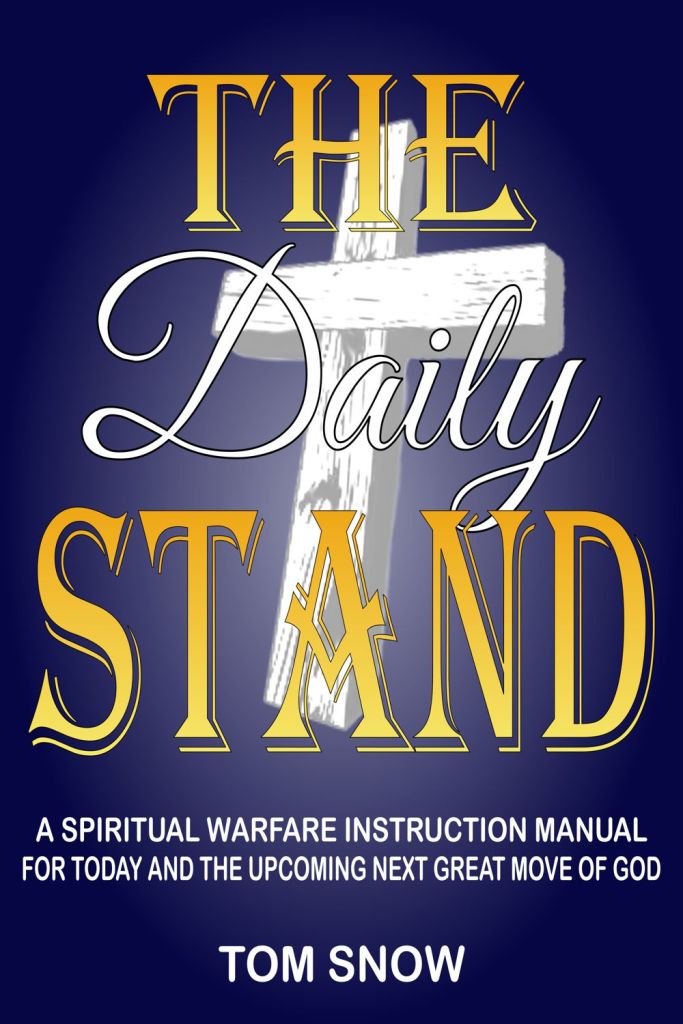
In our latest episode of Thrive by The Rising Muse, we sit down with Tom Snow, the author of The Daily Stand, a book that goes beyond the concept of spiritual warfare to reveal how walking with God transforms every aspect of our lives. Tom shares his powerful testimony of miraculous healing, overcoming deep-seated guilt, and finding true freedom through faith.

💡 What You’ll Discover in This Episode:
✔️ The life-changing moment when Tom heard God’s voice during his darkest hour
✔️ How spiritual warfare isn’t just about fighting battles—but about standing firm in God’s authority
✔️ The hidden dangers of unforgiveness and why it acts like a “spiritual cancer”
✔️ Practical steps to walk in faith, yield to God’s power, and break free from generational struggles

This conversation is raw, eye-opening, and deeply inspiring—a must-listen for anyone seeking to grow in faith and understand the true power of spiritual warfare.

Tom has over 50 years of experience walking with God, and through miraculous personal stories, they’ve uncovered profound lessons that every believer needs to hear. He’s the author of The Daily Stand, a book that’s not just about spiritual warfare but about learning to walk with God through life’s toughest moments.

Over fifty years ago, as a teenager, Tom was dying of terminal cancer. he had just lost my mother to cancer and was going through terrible guilt, blaming himself for her death. At that terrifying time in his life, he met the Lord. It was early in the Charismatic Movement and a time of many miracles, including how he met Him and how He healed him of that cancer. He started this book over forty years ago but didn’t pick it back up until going through CHF one and a half years ago. One month after CHF the Lord said “Pick up and finish the book.”

You can connect with Tom on his website.

🎧 Don’t miss it! Listen now here.

📢 Have thoughts on this episode? Let’s continue the conversation in the comments!

The Difference Between a Foothold and a Stronghold: How We Get It Twisted

In our walk with Christ, it is essential to discern the spiritual realities of footholds and strongholds. Both terms appear in Christian teachings about spiritual warfare, but they differ in significance and impact. Understanding these differences can help us guard our hearts and stand firm in faith.

What Is a Foothold?

A foothold is a small opening or opportunity that we allow the enemy to exploit. It might be an unresolved emotion, a lingering sin, or even a pattern of negative thinking. The Apostle Paul warns us about this in Ephesians 4:26-27: “In your anger do not sin: Do not let the sun go down while you are still angry, and do not give the devil a foothold.”

A foothold begins as a seemingly minor issue. It can be something as subtle as resentment, fear, or unchecked pride. However, if left unaddressed, a foothold can grow into something more dangerous.

What Is a Stronghold?

A stronghold is a deeply entrenched pattern of thinking or behavior that opposes God’s truth. It is a spiritual fortress where the enemy has gained significant control. The Bible speaks of strongholds in 2 Corinthians 10:4-5: “The weapons we fight with are not the weapons of the world. On the contrary, they have divine power to demolish strongholds. We demolish arguments and every pretension that sets itself up against the knowledge of God, and we take captive every thought to make it obedient to Christ.”

While a foothold is an opportunity, a stronghold is a well-established position. It takes intentional effort, prayer, and the truth of God’s Word to tear it down.

How We Can Be Fooled?

The enemy often disguises footholds as harmless or justified actions. For instance, holding onto a grudge may feel warranted, but it opens the door for bitterness. Over time, that bitterness can grow into a stronghold of unforgiveness, affecting relationships and our ability to fully experience God’s grace.

The deception lies in the gradual progression. A foothold doesn’t seem threatening at first. It’s only when it has evolved into a stronghold that we realize the extent of the damage. This is why Scripture urges us to stay vigilant and guard our hearts (Proverbs 4:23).

Guarding Against Footholds and Strongholds

  1. Stay Rooted in the Word: Regularly read and meditate on Scripture to recognize lies and replace them with God’s truth.
  2. Pray Without Ceasing: Bring your struggles, emotions, and thoughts to God. Prayer equips us with discernment and strength.
  3. Practice Forgiveness: Let go of offenses quickly. Holding onto anger or hurt gives the enemy an opportunity to work.
  4. Seek Accountability: Surround yourself with godly mentors and friends who can lovingly correct and encourage you.

By identifying footholds early and relying on God’s power, we can prevent them from becoming strongholds. Remember the promise in James 4:7: “Submit yourselves, then, to God. Resist the devil, and he will flee from you.”

Meaningful Decisions This New Year

Self-care and meaningful resolutions often dominate the conversation as the new year begins. But 2025 must be different. Life has shown us that “business as usual” is no longer acceptable. We can’t keep making promises to ourselves only to abandon them within weeks. This year demands resolutions that reflect the urgency of our times—resolutions that bring us peace, fulfillment, and connection. Here are five true resolutions to embrace in 2025:

1. Tell Those Around You That You Love Them

As of January 17, 2025, more than 40 lives have been tragically lost in major events, including 25 in the California fires, five in last weekend’s winter storms, and 15 in the Louisiana terrorist attack. This doesn’t even account for the countless others lost to accidents, illnesses, and age. Each of these numbers represents families who didn’t get one last word with their loved ones.

This year, let’s make it a priority to express our love—not just in words but in actions. Send that text, make that call, or give that hug. As Proverbs 27:1 reminds us, “Do not boast about tomorrow, for you do not know what a day may bring.” Cherish the moments you have now.

2. Make Amends and Forgive

Life is unpredictable, and holding onto anger only weighs us down. If amends need to be made, take the first step. If reconnecting isn’t safe or advisable, you can still forgive in your heart. Forgiveness isn’t about the other person; it’s about releasing yourself from bitterness. As Ephesians 4:32 says, “Be kind to one another, tenderhearted, forgiving one another, as God in Christ forgave you.” Let this year be one of emotional freedom.

3. Start a Form of Minimalism

We’re surrounded by clutter—both physical and emotional. If you don’t need it, don’t buy it. A helpful tip shared by a guest on The Rising Muse podcast is to leave items in your cart for 24 hours before deciding to purchase. You’ll be amazed at how many “needs” turn out to be unnecessary.

For me, this year’s purchases will focus on essentials like groceries, gas, and clothes for my growing child. As Ecclesiastes 5:10 warns, “Whoever loves money never has enough; whoever loves wealth is never satisfied with their income.” Let’s aim for simplicity, contentment, and intentional living.

4. Learn a New Survival Skill

Our dependence on technology can leave us unprepared for even minor disruptions. Consider learning basic survival skills: sewing a button, fixing a tire, or preparing a meal without electricity. This isn’t about doomsday prepping; it’s about practicality. Proverbs 22:3 offers wisdom: “The prudent see danger and take refuge, but the simple keep going and pay the penalty.” Being prepared is an act of wisdom and stewardship.

5. Prioritize Health

You don’t need a gym membership to get moving. Walk around your neighborhood, dance to your favorite playlist, or play actively with your kids. Just give your body the movement it craves. In 1 Corinthians 6:19-20, we’re reminded, “Your body is a temple of the Holy Spirit within you… glorify God in your body.” Small, consistent efforts can have a big impact.

Watch What Goes Into Your Body

This isn’t about restrictive diets. Instead, focus on small, manageable changes. Drink more water, cut back on fried foods, or reduce sugar intake. And don’t forget to feed your spirit. Are you praying or meditating? Protect your peace by avoiding content and environments that disturb your mood. Philippians 4:8 encourages us to dwell on what is true, noble, and praiseworthy.

6. Purge Your Social Life

Are you attending events out of obligation rather than joy? Are there relationships that bring more stress than peace? This year, embrace the power of “no.” As Ecclesiastes 3:1 reminds us, “There is a time for everything, and a season for every activity under the heavens.” Prioritize what truly matters and let go of what doesn’t serve you.

7. Pick a New Hobby

Try something new. It doesn’t have to be big or expensive. If you have the time and interest, it could be as simple as reading a certain number of books or experimenting with a new recipe each week. Look for free activities to enjoy on your days off at least once a month. Even something as small as getting crayons and a coloring book can bring joy and relaxation. Exploring a new hobby can bring fulfillment and add a spark of creativity to your life.

Final Thoughts

These resolutions aren’t about radical changes or impossible goals. They’re small, intentional steps that lead to a less stressful, more fulfilling life. As Psalm 90:12 prays, “Teach us to number our days, that we may gain a heart of wisdom.” Let’s make 2025 the year we live with purpose, connection, and peace.

Creating Intentional New Year Goals Rooted in Faith

As the year draws to a close, many of us begin thinking about resolutions and goals for the new year. It’s a time to reflect on where we’ve been and where we hope to go. However, as believers, our goals don’t just stem from personal desires—they are an opportunity to align our plans with God’s purpose for our lives.

Instead of focusing solely on external achievements, we can create Christ-centered goals that promote spiritual growth, strengthen our relationships, and honor God in every area of our lives. Let’s explore how to set intentional New Year goals rooted in faith.

1. Begin with Prayer

Before setting any goals, start with prayer. Ask God to guide you in reflecting on the past year and discerning His will for the year ahead. Invite Him into your planning process so your goals are aligned with His plans.

Prayer Prompts:

  • What lessons did God teach me this year?
  • Where is God calling me to grow?
  • How can I better serve Him and others?

Scriptural Reminder:
“If any of you lacks wisdom, you should ask God, who gives generously to all without finding fault, and it will be given to you.” (James 1:5)

2. Reflect on Your Spiritual Journey

As you set goals, take time to evaluate your walk with Christ. Are there areas where you’d like to grow deeper in your faith? Perhaps you want to spend more time in prayer, read through the Bible, or become more active in serving others.

Consider goals that nurture your relationship with God, such as:

  • Establishing a daily quiet time.
  • Memorizing Scripture.
  • Joining a small group or Bible study.
  • Journaling prayers and answers.

Scriptural Reminder:
“But grow in the grace and knowledge of our Lord and Savior Jesus Christ. To him be glory both now and forever! Amen.” (2 Peter 3:18)

3. Set Goals That Glorify God

When creating goals, focus on how they can bring glory to God. Whether your goals are personal, professional, or relational, they should reflect your desire to honor Him.

Examples of Christ-centered goals:

  • Building healthier habits to honor your body as God’s temple (1 Corinthians 6:19-20).
  • Strengthening your marriage or family relationships through intentional time together.
  • Using your talents and skills to serve in your church or community.
  • Managing your finances according to biblical principles.

Scriptural Reminder:
“So whether you eat or drink or whatever you do, do it all for the glory of God.” (1 Corinthians 10:31)

4. Be Specific and Measurable

God is a God of order and intentionality, and our goals should reflect that. Vague goals can leave us feeling overwhelmed, but specific, measurable objectives give us direction.

For example:

  • Instead of “pray more,” set a goal to “pray for 15 minutes each morning.”
  • Instead of “read the Bible,” aim to “read through the New Testament by June.”
  • Instead of “serve others,” plan to “volunteer monthly at a local shelter.”

Scriptural Reminder:
“The plans of the diligent lead to profit as surely as haste leads to poverty.” (Proverbs 21:5)

5. Balance Personal Growth with Serving Others

While self-improvement is valuable, our ultimate calling is to love and serve others. Consider setting goals that prioritize generosity, kindness, and community.

Ideas for outward-focused goals:

  • Start mentoring someone in your church or workplace.
  • Organize a monthly outreach with friends or family.
  • Commit to praying for specific individuals or causes each week.

Scriptural Reminder:
“Do not merely look out for your own personal interests, but also for the interests of others.” (Philippians 2:4)

6. Trust God with the Outcome

While it’s important to plan, remember that God’s plans are always greater than our own. Some goals may unfold differently than expected, and that’s okay. Trusting Him means surrendering our goals to His will and being open to His redirection.

Scriptural Reminder:
“In their hearts, humans plan their course, but the Lord establishes their steps.” (Proverbs 16:9)

7. Stay Accountable and Celebrate Progress

Share your goals with trusted friends or family members who can encourage and hold you accountable. Celebrate the small victories along the way, remembering that every step of growth is worth acknowledging.

Encouragement Tip: Keep a journal to track how God works through your goals. Looking back on His faithfulness will inspire gratitude and perseverance.

Final Thoughts: A Year with Purpose

As you step into the new year, let your goals reflect your faith and trust in God. Whether big or small, each intentional step can bring you closer to Him and help you live out His purpose for your life.

Closing Scripture:
“Commit to the Lord whatever you do, and he will establish your plans.” (Proverbs 16:3)

Let’s approach this new year with hope, purpose, and a heart ready to follow where God leads.

Happy 2025!