The Power of Hobbies: A Path to Mental Wellness

Life is full of stressors, and in today’s world, it can feel like we’re constantly being pulled in different directions. The weight of responsibilities, financial strain, and global uncertainties can take a toll on our mental well-being. It’s easy to put self-care on the back burner, but finding healthy ways to cope is essential. One simple and effective way to prioritize mental wellness is by engaging in a hobby.

How Hobbies Benefit Mental Health

Hobbies are more than just pastimes; they are powerful tools that can improve our mental health in significant ways:

  • Stress Reduction: Engaging in an enjoyable activity helps lower cortisol levels, the hormone responsible for stress.
  • Improved Mood: Activities that bring joy increase dopamine and serotonin, neurotransmitters linked to happiness.
  • Mindfulness and Relaxation: Focusing on a creative or physical task helps bring us into the present moment, reducing anxiety.
  • Sense of Accomplishment: Learning a new skill or finishing a project can boost confidence and self-esteem.
  • Social Connection: Some hobbies provide opportunities to connect with like-minded individuals, reducing feelings of loneliness.

Affordable Hobbies for Mental Wellness

Self-care doesn’t have to be expensive. There are plenty of budget-friendly hobbies that offer the same mental health benefits without straining your finances:

Creative Outlets

  • Drawing or Coloring: A simple sketchbook and pencils can provide a relaxing way to express emotions.
  • Journaling or Creative Writing: Writing down thoughts can be therapeutic and help process emotions.
  • DIY Crafts: Repurposing old items or using inexpensive materials to create something new can be fulfilling.
  • Photography with a Smartphone: Capturing beautiful moments in nature or daily life can be a form of mindful appreciation.

Physical Activities

  • Walking or Hiking: A free and effective way to clear the mind while benefiting from fresh air and movement.
  • Yoga or Stretching: Plenty of free online videos offer guided practices for relaxation and flexibility.
  • Dancing at Home: Turning on some music and moving freely can boost endorphins and relieve stress.

Intellectual and Social Engagement

  • Reading: Libraries offer free access to books, audiobooks, and e-books.
  • Learning a New Language: Apps like Duolingo provide free lessons to stimulate the brain and expand knowledge.
  • Listening to Podcasts: Countless free podcasts cover various interests, from storytelling to self-improvement. Of course, you can check ours out (Thrive by The Rising Muse)
  • Joining Online Communities: Engaging in forums, social media groups, or free online classes can provide social support and learning opportunities.
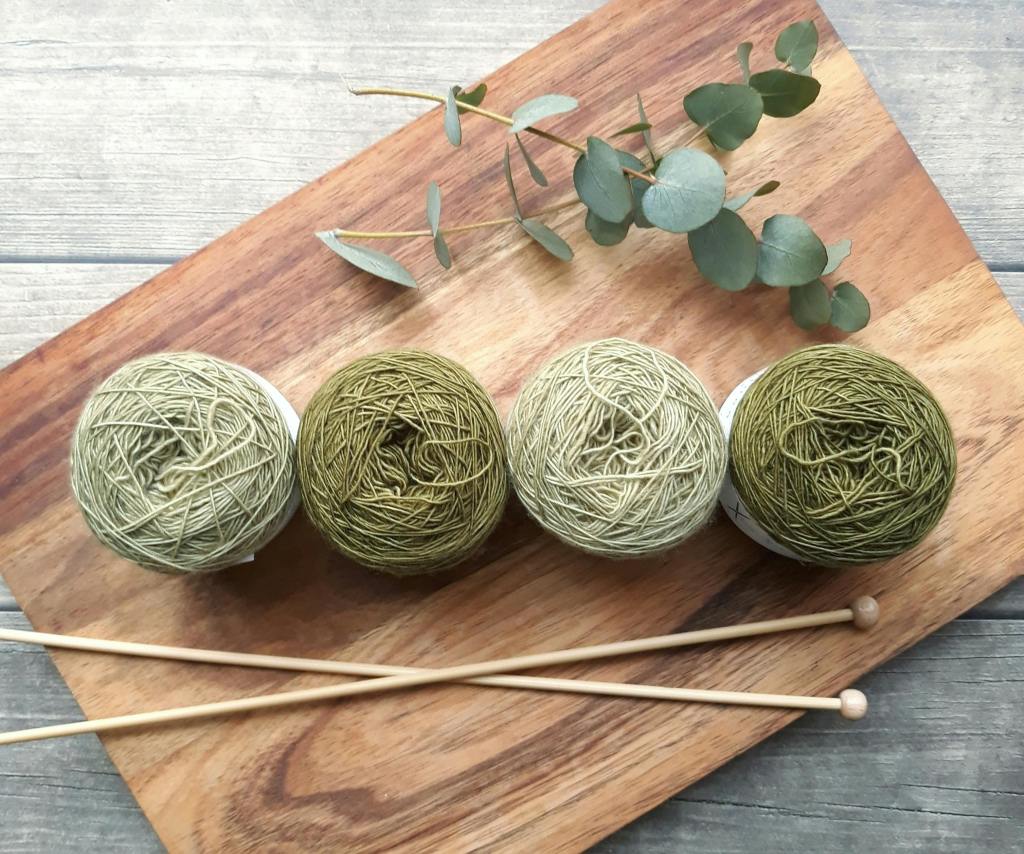
Gardening and Nature-Based Hobbies

  • Growing Houseplants: Taking care of plants can be soothing and rewarding.
  • Foraging or Birdwatching: Exploring local parks to identify plants and birds is a fun and educational way to connect with nature.
  • Urban Gardening: Even if you don’t have a yard, growing herbs in small pots or window boxes can be a fulfilling activity.

Making Time for Yourself

Life can be overwhelming, but carving out time for a hobby—even for just a few minutes a day—can make a significant difference in how we feel. Whether it’s something artistic, active, or intellectually stimulating, hobbies offer a break from the chaos and an opportunity to recharge. Investing in your mental health doesn’t have to be costly; sometimes, the simplest activities bring the most peace.

If stress is weighing you down, consider exploring a new hobby. It may be just what you need to find balance and joy amid life’s challenges.

Meaningful Decisions This New Year

Self-care and meaningful resolutions often dominate the conversation as the new year begins. But 2025 must be different. Life has shown us that “business as usual” is no longer acceptable. We can’t keep making promises to ourselves only to abandon them within weeks. This year demands resolutions that reflect the urgency of our times—resolutions that bring us peace, fulfillment, and connection. Here are five true resolutions to embrace in 2025:

1. Tell Those Around You That You Love Them

As of January 17, 2025, more than 40 lives have been tragically lost in major events, including 25 in the California fires, five in last weekend’s winter storms, and 15 in the Louisiana terrorist attack. This doesn’t even account for the countless others lost to accidents, illnesses, and age. Each of these numbers represents families who didn’t get one last word with their loved ones.

This year, let’s make it a priority to express our love—not just in words but in actions. Send that text, make that call, or give that hug. As Proverbs 27:1 reminds us, “Do not boast about tomorrow, for you do not know what a day may bring.” Cherish the moments you have now.

2. Make Amends and Forgive

Life is unpredictable, and holding onto anger only weighs us down. If amends need to be made, take the first step. If reconnecting isn’t safe or advisable, you can still forgive in your heart. Forgiveness isn’t about the other person; it’s about releasing yourself from bitterness. As Ephesians 4:32 says, “Be kind to one another, tenderhearted, forgiving one another, as God in Christ forgave you.” Let this year be one of emotional freedom.

3. Start a Form of Minimalism

We’re surrounded by clutter—both physical and emotional. If you don’t need it, don’t buy it. A helpful tip shared by a guest on The Rising Muse podcast is to leave items in your cart for 24 hours before deciding to purchase. You’ll be amazed at how many “needs” turn out to be unnecessary.

For me, this year’s purchases will focus on essentials like groceries, gas, and clothes for my growing child. As Ecclesiastes 5:10 warns, “Whoever loves money never has enough; whoever loves wealth is never satisfied with their income.” Let’s aim for simplicity, contentment, and intentional living.

4. Learn a New Survival Skill

Our dependence on technology can leave us unprepared for even minor disruptions. Consider learning basic survival skills: sewing a button, fixing a tire, or preparing a meal without electricity. This isn’t about doomsday prepping; it’s about practicality. Proverbs 22:3 offers wisdom: “The prudent see danger and take refuge, but the simple keep going and pay the penalty.” Being prepared is an act of wisdom and stewardship.

5. Prioritize Health

You don’t need a gym membership to get moving. Walk around your neighborhood, dance to your favorite playlist, or play actively with your kids. Just give your body the movement it craves. In 1 Corinthians 6:19-20, we’re reminded, “Your body is a temple of the Holy Spirit within you… glorify God in your body.” Small, consistent efforts can have a big impact.

Watch What Goes Into Your Body

This isn’t about restrictive diets. Instead, focus on small, manageable changes. Drink more water, cut back on fried foods, or reduce sugar intake. And don’t forget to feed your spirit. Are you praying or meditating? Protect your peace by avoiding content and environments that disturb your mood. Philippians 4:8 encourages us to dwell on what is true, noble, and praiseworthy.

6. Purge Your Social Life

Are you attending events out of obligation rather than joy? Are there relationships that bring more stress than peace? This year, embrace the power of “no.” As Ecclesiastes 3:1 reminds us, “There is a time for everything, and a season for every activity under the heavens.” Prioritize what truly matters and let go of what doesn’t serve you.

7. Pick a New Hobby

Try something new. It doesn’t have to be big or expensive. If you have the time and interest, it could be as simple as reading a certain number of books or experimenting with a new recipe each week. Look for free activities to enjoy on your days off at least once a month. Even something as small as getting crayons and a coloring book can bring joy and relaxation. Exploring a new hobby can bring fulfillment and add a spark of creativity to your life.

Final Thoughts

These resolutions aren’t about radical changes or impossible goals. They’re small, intentional steps that lead to a less stressful, more fulfilling life. As Psalm 90:12 prays, “Teach us to number our days, that we may gain a heart of wisdom.” Let’s make 2025 the year we live with purpose, connection, and peace.

The Power of Hugs: Boost Your Health and Happiness

Did you know that there is a National Hugging Day? It’s a day dedicated to celebrating the warmth and comfort that hugs bring to our lives. It is celebrated on January 21st, but we decided to talk about it yesterday on our newest episode of Thrive. Hugs are more than just gestures of affection – they have a profound impact on both our mental and physical well-being.

The Origins of National Hugging Day

National Hugging Day was created by Pastor Kevin Zaborney in Clio, Ohio, with the simple yet powerful idea of encouraging people to share warm embraces with their loved ones more often. Since its inception in 1986, this holiday has gained recognition worldwide, highlighting the importance of human connection and touch in our lives.

The Science of Hugs: How They Benefit Your Health

Hugs aren’t just nice – they’re essential for our overall health and happiness. Here are some of the incredible benefits of hugs backed by science:

  1. Boosted Immunity: Hugs can enhance your immune system by stimulating the thymus gland, which plays a crucial role in immune function.
  2. Improved Heart Health: Hugs lower blood pressure and reduce the risk of heart disease by promoting relaxation.
  3. Pain Relief: The release of oxytocin during hugs acts as a natural painkiller, soothing aches and discomfort.
  4. Emotional Bonding: Hugging fosters emotional bonds and strengthens relationships, creating a sense of connection with others.
  5. Mood Enhancement: Hugs trigger the release of endorphins, those delightful “feel-good” chemicals that lift your mood and combat feelings of loneliness.
  6. Better Sleep: A comforting hug before bedtime can promote better sleep by relaxing your body and mind.

What Happens in Your Brain When You Hug Someone?

When you receive a hug, it triggers a cascade of neurochemical signals in your brain. These signals lead to a decrease in cortisol, the stress hormone, creating a sense of safety and calmness. Additionally, hugs stimulate the release of oxytocin, often referred to as the “love hormone,” which promotes emotional bonding and enhances feelings of trust and connection.

How Many Hugs Do You Need?

According to research, hugs aren’t just beneficial – they’re necessary for our well-being. To thrive in life, aim for at least four hugs a day for basic survival, eight hugs daily for emotional balance, and twelve hugs daily for personal growth and flourishing.

Tune in to the latest episode of the Thrive by the Rising Muse, to learn more about the science behind hugs and how you can incorporate more hugs into your daily life. Together, let’s embrace wellness and thrive!

To access S1 E3 The Power of Hugs, click here