By Veda Green (Thrive by The Rising Muse Co-Host)
Emotional scars often run deep, invisible to the naked eye but affecting every aspect of our lives. Unlike physical wounds, you can’t just slap a band-aid on them and hope they’ll heal on their own. The pain from past trauma can linger for years, surfacing unexpectedly and wreaking havoc on our peace of mind.
As Christians, we have unique resources to help us heal—prayer, wise counsel, therapy, and even medication. We can also turn to the eternal truths of Scripture to guide us through the healing process.
The Reality of Emotional Scars
Emotional scars can be triggered by anything—a song, a phrase, or even a memory. These triggers can transport us back to the moment of our deepest pain. For example, I know someone who saw her abuser’s face while she was with her loving boyfriend. She started screaming and tried to flee, but because he was aware of her past, he held her and assured her of her safety. This moment underscores the reality that we can’t simply lock our trauma behind a door and expect it never to resurface.
In Psalm 34:18, we find comfort: “The Lord is close to the brokenhearted and saves those who are crushed in spirit.” God is not distant from our pain; He is intimately aware of it and ready to offer His healing presence.
The Path to Healing
1. Prayer and God’s Word
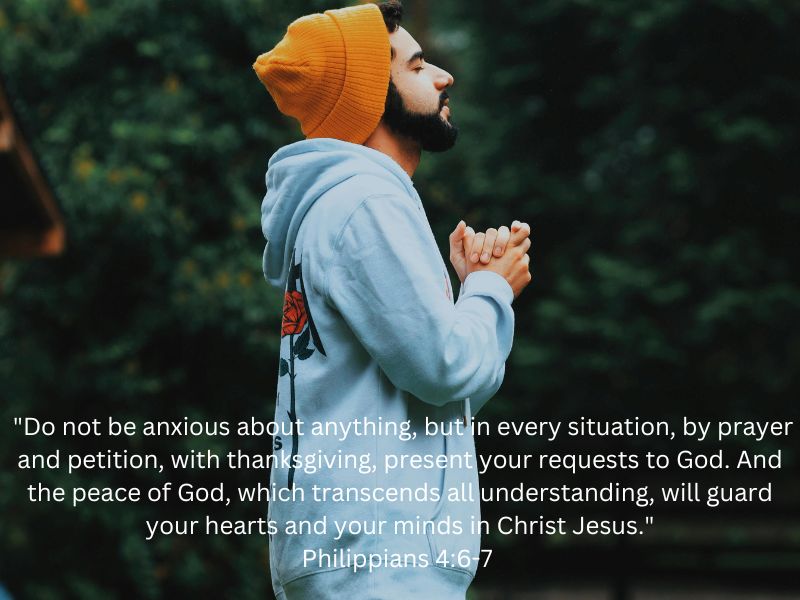
Prayer is our lifeline to God. In moments of overwhelming emotion, we can pour out our hearts to Him. Philippians 4:6-7 reassures us: “Do not be anxious about anything, but in every situation, by prayer and petition, with thanksgiving, present your requests to God. And the peace of God, which transcends all understanding, will guard your hearts and your minds in Christ Jesus.”
Regularly meditating on Scripture can also help. Psalm 147:3 tells us, “He heals the brokenhearted and binds up their wounds.” By anchoring ourselves in God’s promises, we allow His truth to permeate our minds and soothe our souls.
2. Wise Counsel and Therapy
Proverbs 11:14 says, “Where there is no guidance, a people falls, but in an abundance of counselors there is safety.” Seeking wise counsel from trusted friends, pastors, or professional therapists can provide the support and strategies needed to navigate the healing process.
Therapy can offer tools to manage triggers and develop healthier coping mechanisms. It’s not a sign of weakness but a step towards wholeness.
3. Breaking Generational Curses
Abuse can sometimes stem from generational patterns of behavior. Recognizing this and choosing to break the cycle is vital. Exodus 20:5-6 speaks to God’s desire for us to overcome these generational sins: “I, the Lord your God, am a jealous God, punishing the children for the sin of the parents to the third and fourth generation of those who hate me, but showing love to a thousand generations of those who love me and keep my commandments.”
By addressing these issues, we protect future generations from experiencing the same pain.
Living in Freedom
Emotional scars, if left unattended, can negatively affect our relationships, marriages, children, and friendships. The enemy wants us to believe that we are defined by our past, but Jesus offers us a new identity. In John 8:36, Jesus declares, “So if the Son sets you free, you will be free indeed.”
1. Cultivating Healthy Relationships
Romans 12:18 advises, “If it is possible, as far as it depends on you, live at peace with everyone.” This involves forgiving those who have hurt us and seeking healthy, supportive relationships that reflect God’s love.
2. Sharing Your Story
Revelation 12:11 reminds us of the power of our testimony: “They triumphed over him by the blood of the Lamb and by the word of their testimony.” Sharing your story can be a source of healing for yourself and others. It breaks the silence and brings light to the darkness of abuse.
3. Trusting God’s Plan
Jeremiah 29:11 offers a promise of hope: “‘For I know the plans I have for you,’ declares the Lord, ‘plans to prosper you and not to harm you, plans to give you hope and a future.'” Trusting in God’s plan, even when the path is painful, allows us to walk in faith and confidence.
Healing emotional scars is a journey that requires time, patience, and the right resources. As believers, we have the profound assurance that God is with us every step of the way. Through prayer, wise counsel, therapy, and the support of our faith community, we can find healing and freedom from the past.
May we always remember that our scars, while they may never fully disappear, can become testimonies of God’s incredible grace and healing power. As we navigate this journey, let us cling to the promise in Isaiah 41:10: “So do not fear, for I am with you; do not be dismayed, for I am your God. I will strengthen you and help you; I will uphold you with my righteous right hand.” With God’s help, we can overcome the past and step into the abundant life He has promised us.
Don’t forget to subscribe to our podcast Thrive by The Rising Muse





 Naty Matos